Emporion - 40
×
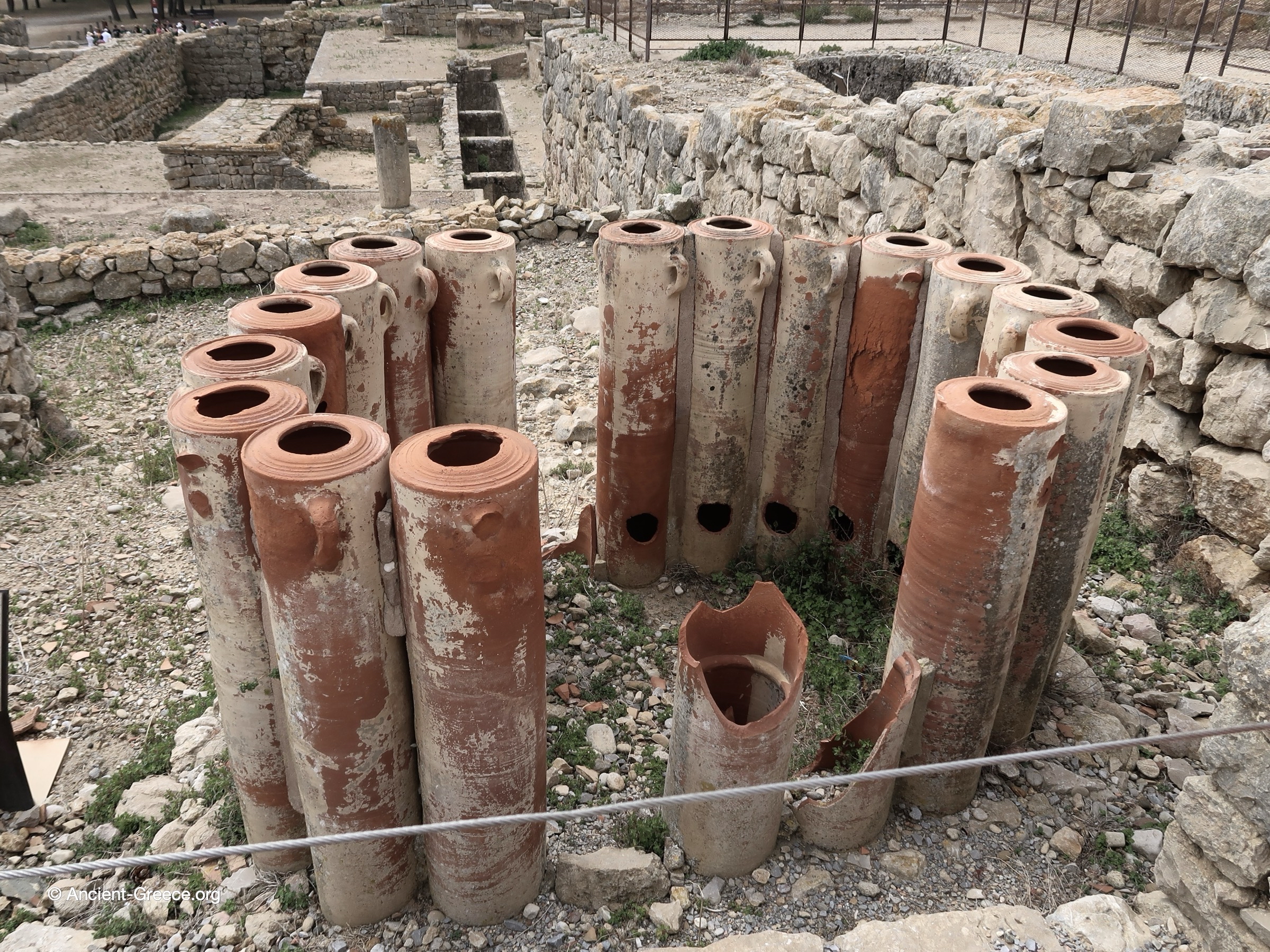
Emporion - 40
The water filter system at the Neapolis of Emporion is a highlight of Hellenistic engineering, primarily dating to the 3rd to 2nd century BCE. Because Emporion was situated in a marshy coastal area with brackish water, these filters were essential for providing potable water to the "Neapolis" (New City) and the pilgrims visiting the healing sanctuary. Emporion archeological site, Catalonia, Spain.
This unique "ground water filter" consists of a large, vertical ceramic cylinder (similar to a pithos but perforated or used as a settling tank) set into the earth. It was designed to filter rainwater or stream water using layers of sand and gravel before it reached the storage chambers.
Tags:
Architecture Catalonia Clay Emporion Hellenistic Masonry Medicine Original Photo Spain Urban Ruins Water Features
VIEW FULL SIZE ORIGINAL
Architecture Catalonia Clay Emporion Hellenistic Masonry Medicine Original Photo Spain Urban Ruins Water Features
[License this photo (CC BY-NC-ND 4.0)]