Hellenistic
-The Hellenistic period, enduring from 323 BCE until the Roman conquest of the last Ptolemaic kingdom in 30 BCE, denotes the widespread dissemination and transformation of Greek culture across the Near East and Mediterranean following the conquests of Alexander the Great. This epoch was characterized by a shift from individual independent city-states to vast cosmopolitan monarchies, fostering unprecedented multi-ethnic interaction and scientific synthesis. Hellenistic art and architecture abandoned rigid classical idealism in favor of dramatic emotionalism, dynamic movement, and realistic individualism, reflecting the complex realities of a vast, interconnected world.
|
|
Η Ελληνιστική περίοδος, η οποία διήρκεσε από το 323 π.Χ. έως τη ρωμαϊκή κατάκτηση του τελευταίου πτολεμαϊκού βασιλείου το 30 π.Χ., υποδηλώνει την ευρεία διάδοση και τον μετασχηματισμό του ελληνικού πολιτισμού στην Εγγύς Ανατολή και τη Μεσόγειο μετά τις κατακτήσεις του Μεγάλου Αλεξάνδρου. Αυτή η εποχή χαρακτηρίστηκε από τη μετάβαση από τις ανεξάρτητες πόλεις-κράτη σε απέραντες κοσμοπολίτικες μοναρχίες, ευνοώντας μια πρωτοφανή πολυεθνική αλληλεπίδραση και επιστημονική σύνθεση. Η ελληνιστική τέχνη και αρχιτεκτονική εγκατέλειψαν τον αυστηρό κλασικό ιδεαλισμό προς όφελος του δραματικού συναισθηματισμού, της δυναμικής κίνησης και του ρεαλιστικού ατομικισμού, αντανακλώντας τις περίπλοκες πραγματικότητες ενός τεράστιου, διασυνδεδεμένου κόσμου.

-
9. History of Greece: Hellenistic Period | Η Ελληνιστική Περίοδος
A Cosmopolitan Era | Μια Κοσμοπολίτικη Εποχή The Hellenistic Age (323-31 BCE) marks the transformation of Greek society…
-
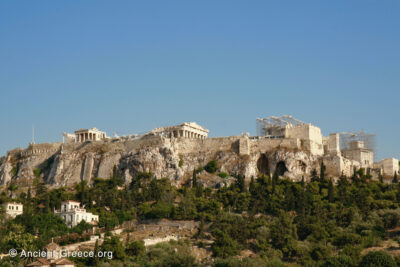
Acropolis Archaeological Site
The Acropolis (Ακρόπολις) archaeological site includes monuments and artifacts going back at least to the Mycenaean era. In…
-
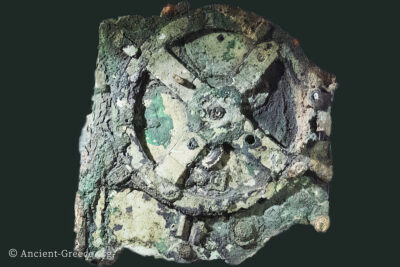
The Antikythera Shipwreck
The Antikythera Shipwreck is a 1st century BCE underwater shipwreck and archaeological site, located 25 meters from the…
-
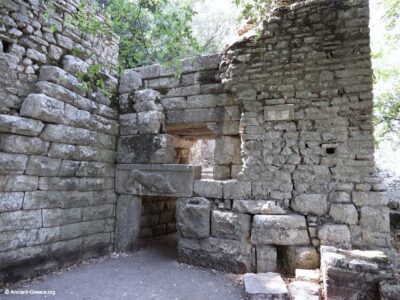
Bouthroton | Βουθρωτόν
Bouthroton (Bouthrotum, also known as Butrint) is an ancient archaeological site situated on a peninsula overlooking the Vivar…
-
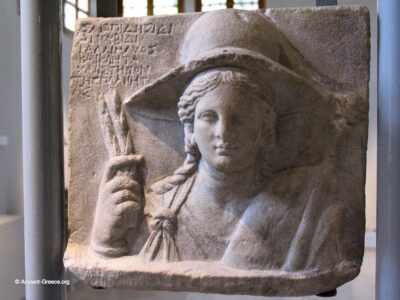
Dion Archaeological Museum
The Archaeological Museum at Dion exhibits art and artifacts from the Dion Archaeological Park and related items. It’s…
-
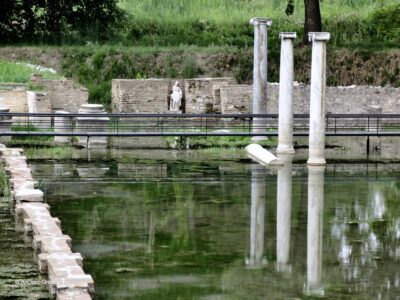
Dion Archaeological Park
Dion Dion was a major sanctuary in the kingdom of Macedonia, dedicated to Zeus, Demeter, Isis, and Asclepius.…
-
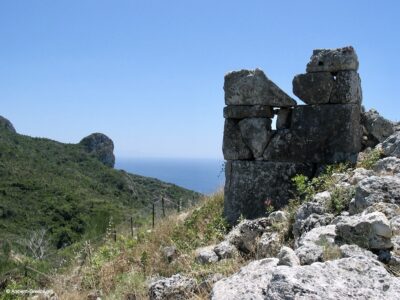
Elina | Ελίνα
Ancient Elina, known today as the archaeological site of Dymokastro, is a fortified coastal settlement strategically situated on a hill…
-
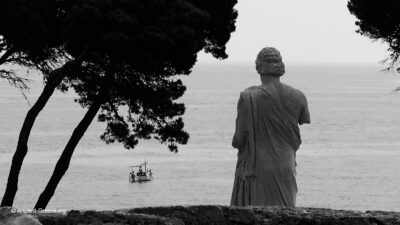
Emporion: The Greek Gateway to the Iberian Peninsula
Ἐμπόριον (English: Emporion, Empuries Catalan: Empúries) was a market, and later a city founded in today’s Catalonia, Spain…
-
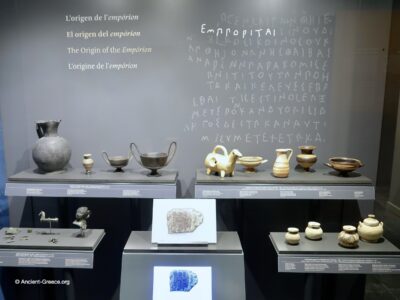
Empúries Archaeological Museum
The small museum inside the archaeological site of Empúries (ancient Emporion) exhibits artifacts from the excavations in the…
-
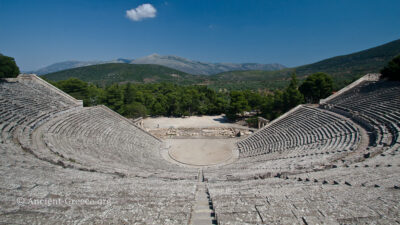
Epidaurus Archaeological Site
The Asklepieion of Epidaurus (Ασκληπιείον τής Επιδαύρου) is a renown ancient Greek healing center which is considered the…
-
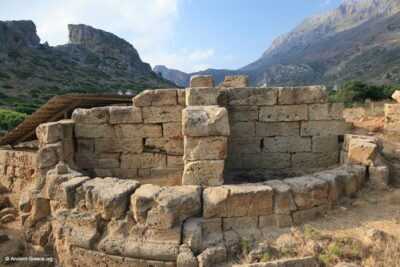
Falasarna | Φαλάσαρνα
Falasarna (also spelled Phalasarna) was an ancient Greek harbor town situated on the western coast of Crete, flourishing…
-
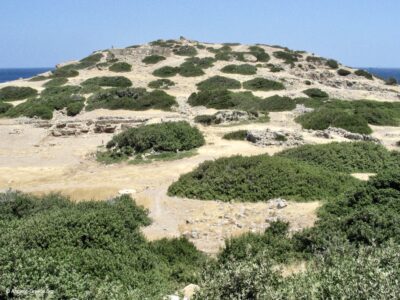
Itanos | Ίτανος
Itanos (Ίτανος, also Latinized as Itanus) was a powerful ancient Greek port city and state located on the…