On this page:
Ελληνικά
Περιεχόμενα:
Επισκόπηση
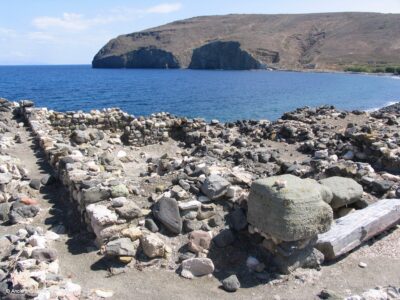
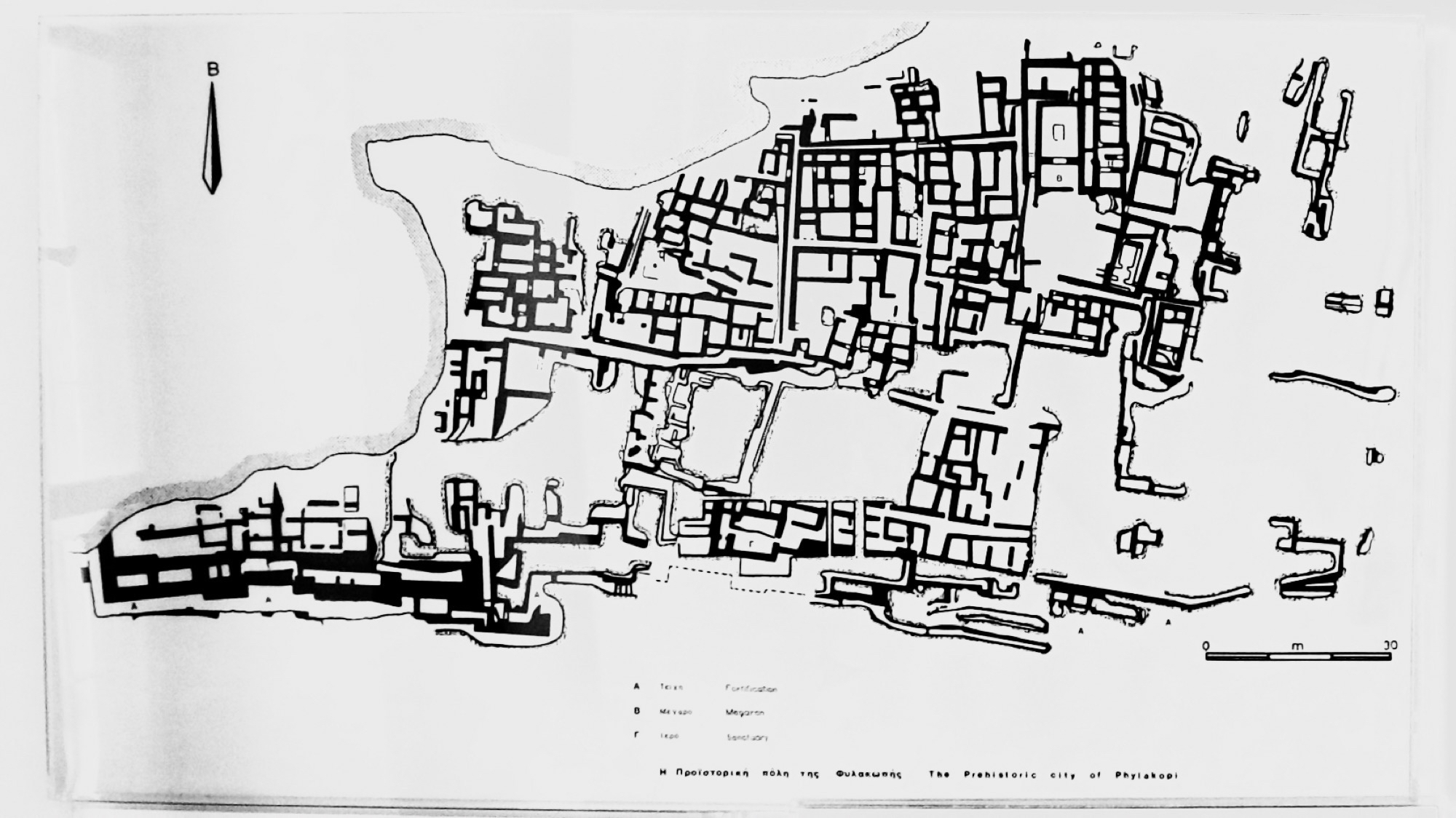
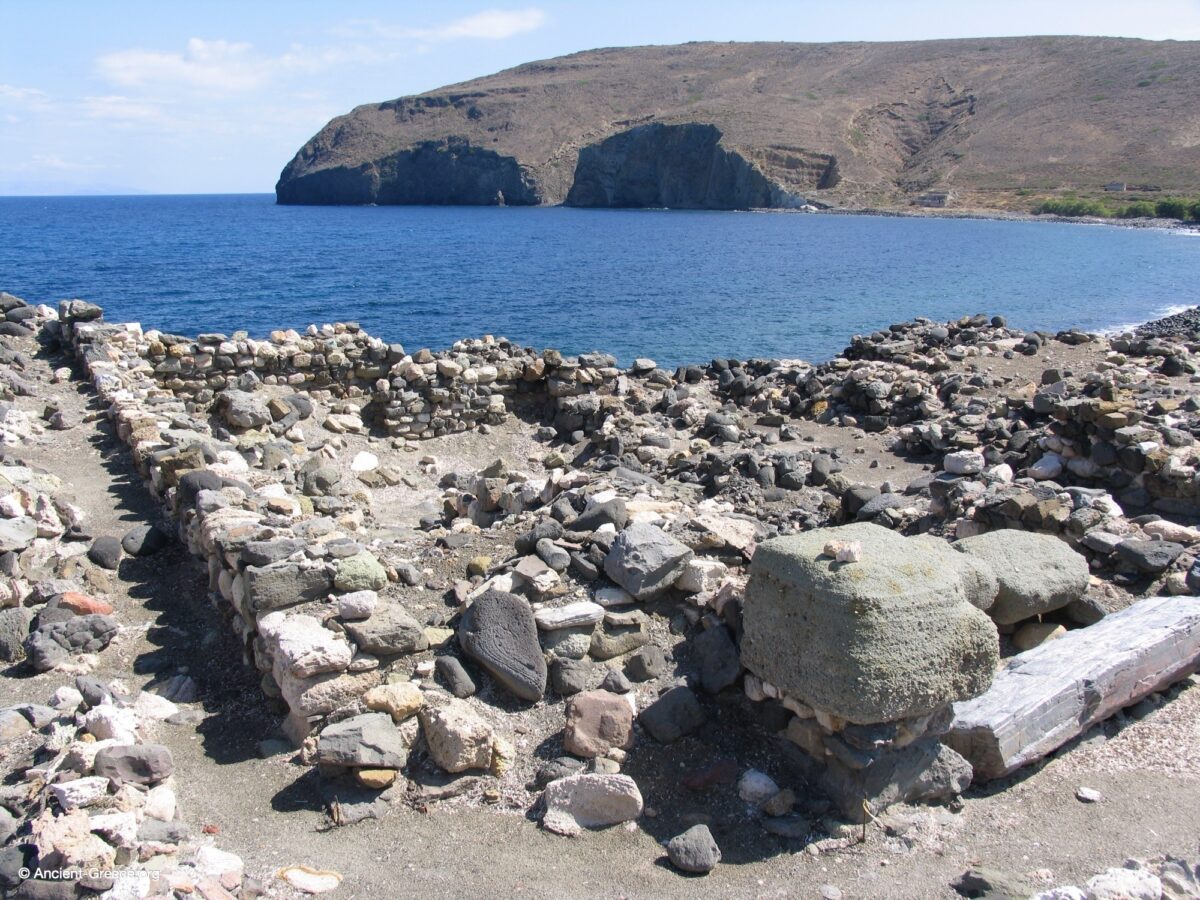
Η Φυλακωπή, η οποία βρίσκεται στη βόρεια ακτή της Μήλου, αποτελεί έναν από τους σημαντικότερους οικισμούς της Εποχής του Χαλκού στο Αιγαίο και ειδικότερα στις Κυκλάδες. Η σημασία της Φυλακωπής έγκειται στη συνεχή κατοίκησή της καθ’ όλη τη διάρκεια της Εποχής του Χαλκού, από τα μέσα της 3ης χιλιετίας π.Χ. έως τον 12ο αιώνα π.Χ. Λόγω αυτής της συνέχειας, ο χώρος αποτελεί οικισμό-πρότυπο για τη μελέτη των χρονολογικών περιόδων του πολιτισμού των Κυκλάδων.
Ανάπτυξη και Αρχιτεκτονική
Το τέλος της 3ης χιλιετίας π.Χ. σηματοδότησε την αρχή της περιόδου της Φυλακωπής, η οποία αναδείχθηκε στο σημαντικότερο κέντρο της Μήλου. Το υψηλό πολιτιστικό επίπεδο του οικισμού τεκμηριώνεται από την εξαιρετική κεραμική και την πολεοδομική του οργάνωση.
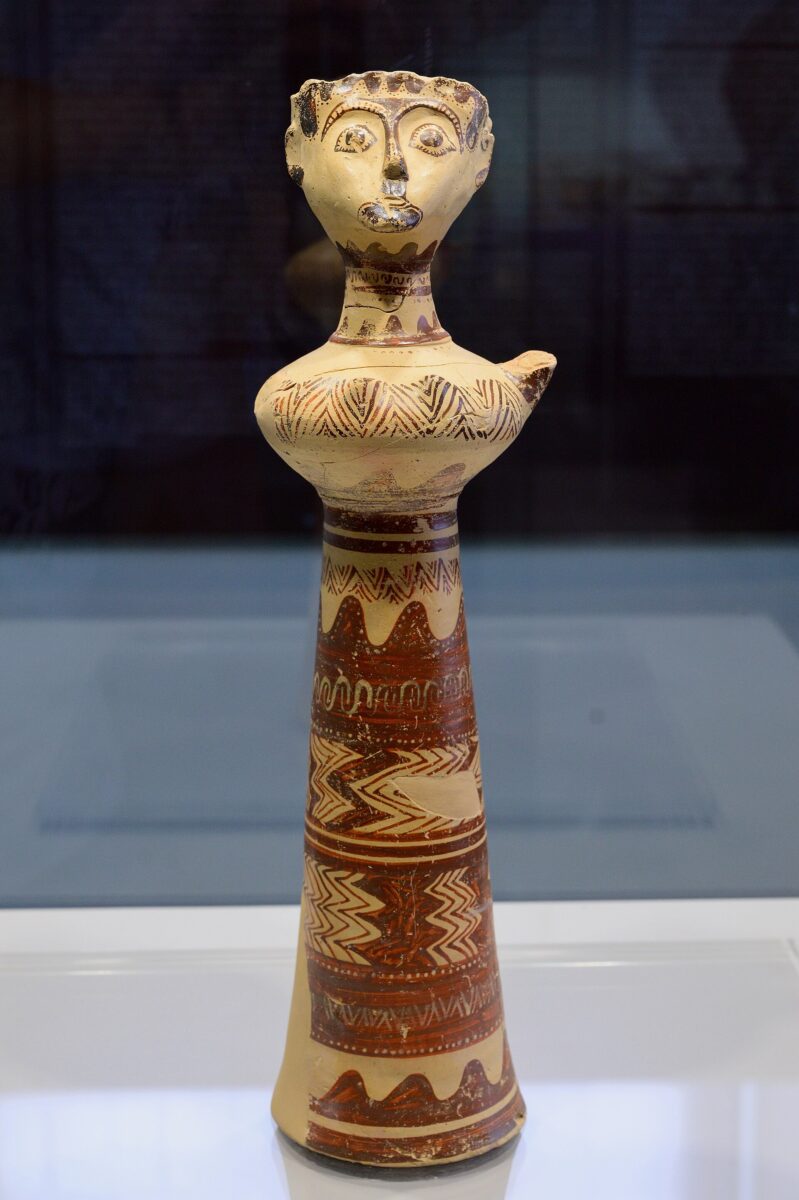
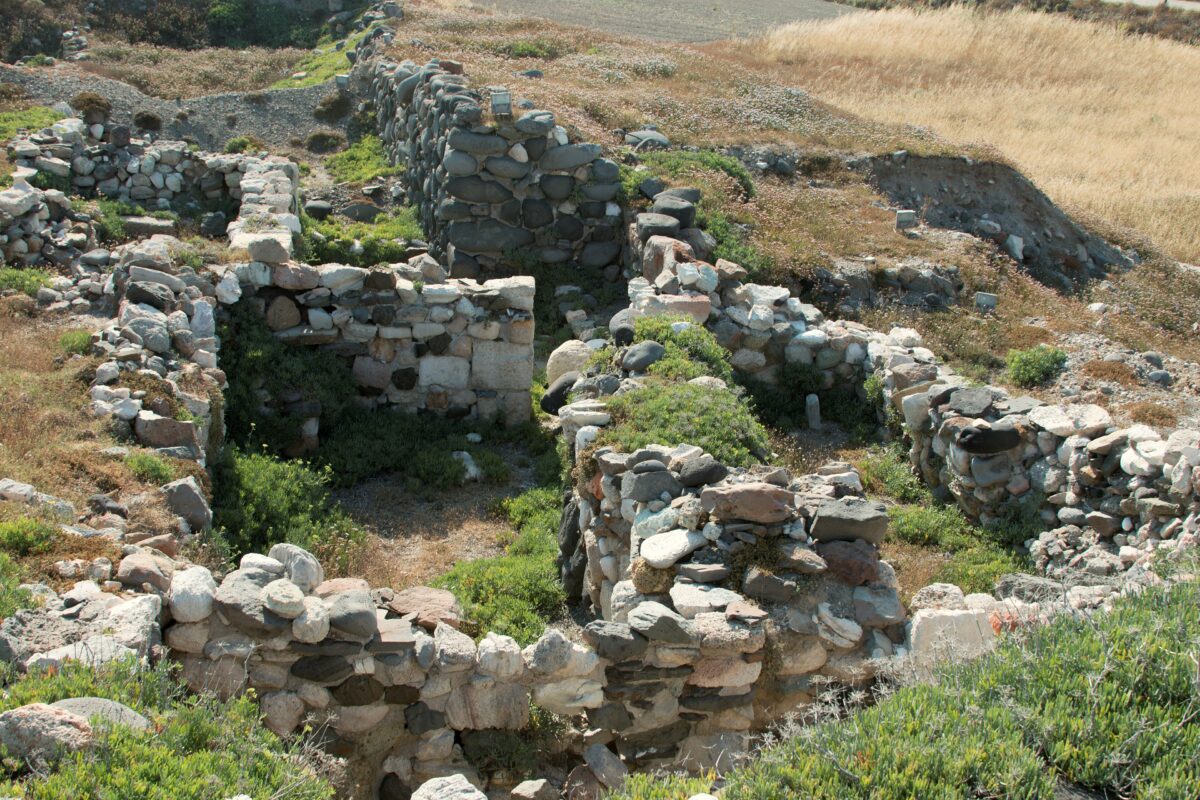
Περίπου το 1400 π.Χ., η Φυλακωπή δέχθηκε την επίδραση του Μυκηναϊκού πολιτισμού, γεγονός που οδήγησε στην ανέγερση ενός μεγάρου μυκηναϊκού τύπου. Παράλληλα, ιδρύθηκε ένα ιερό το οποίο απέδωσε πλήθος ευρημάτων, τα οποία εκτίθενται σήμερα στο Αρχαιολογικό Μουσείο Μήλου.
Phylakopi, (Greek: Φυλακωπή) located on the northern coast of the island of Milos, represents one of the most significant Bronze Age settlements in the Aegean and the Cyclades at large.
The site is characterized by its remarkable stratigraphic continuity, spanning from the mid-3rd millennium BCE to the 12th century BCE. Due to this uninterrupted occupation, Phylakopi serves as the type-site for the chronological sequences of the Cycladic civilization.
Development and Architecture
The transition into the late 3rd millennium BCE marked the emergence of the influential Phylakopi I period. The settlement’s urban evolution developed organized town planning and the production of distinctive local pottery. Around 1400 BCE, the site underwent a significant cultural shift following the expansion of Mycenaean influence.
During this phase, a formal megaron—a hallmark of Helladic palatial architecture—was constructed. This period also saw the establishment of a sanctuary complex, which has yielded an extensive assemblage of cult objects and votive figures.
Photographs
Φωτογραφίες
Bibliography
Shelmerdine, C. W. (Ed.). (2008). The Cambridge Companion to the Aegean Bronze Age. Cambridge University Press.
Barber, R. L. N. (1987). The Cyclades in the Bronze Age. University of Iowa Press.
Renfrew, C. (1985). The Archaeology of Cult: The Sanctuary at Phylakopi. British School at Athens. Supplementary Volume No. 18.