
On this page:
Illustrated Overview | Εικονογραφημένη Επισκόπηση
Historical Periods | Ιστορικές Περίοδοι
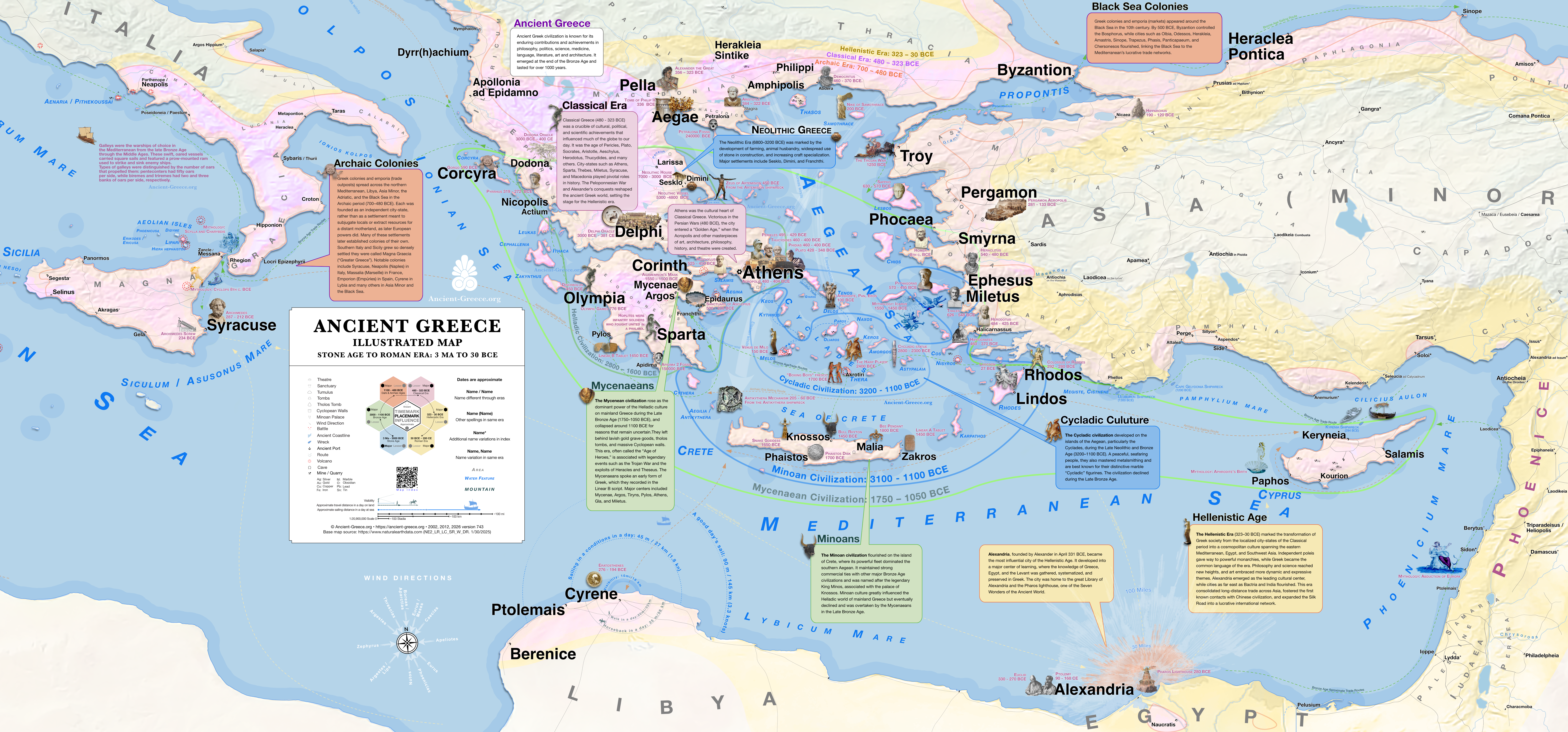
Ancient Greek history is generally divided into the following eras:
Stone Age (circa 400 000 BP – 3000 BCE)
> Paleolithic (circa 400 000 – 13 000 BP)
> Mesolithic (circa 10 000 – 7000 BCE)
> Neolithic (circa 7000 – 3000 BCE)
Bronze Age (circa 3300 – 1150 BCE)
> Cycladic (circa 3200 – 1100 BCE) in the Aegean islands
> Minoan (circa 2600 – 1200 BCE) in Crete
> Helladic (circa 2800 – 1600 BCE) on the mainland.
> Mycenaean or Late Helladic (circa 1600 – 1100 BCE)
Iron Age
> Dark Ages (circa 1100 – 700 BCE)
> Archaic (circa 700 – 480 BCE)
> Classical (480 – 323 BCE)
> Hellenistic (323 – 30 BCE)
Each era had its own unique cultural characteristics, and the transition between them was often tumultuous.
Η αρχαία ελληνική ιστορία χωρίζεται γενικά στις ακόλουθες εποχές:
Εποχή του Λίθου (περίπου 400.000 πριν από σήμερα – 3000 π.Χ.)
- Παλαιολιθική (περίπου 400.000 – 13.000 πριν από σήμερα)
- Μεσολιθική (περίπου 10.000 – 7000 π.Χ.)
- Νεολιθική (περίπου 7000 – 3000 π.Χ.)
Εποχή του Χαλκού (περίπου 3300 – 1150 π.Χ.)
- Κυκλαδικός Πολιτισμός (περίπου 3200 – 1100 π.Χ.) στα νησιά του Αιγαίου
- Μινωικός Πολιτισμός (περίπου 2600 – 1200 π.Χ.) στην Κρήτη
- Ελλαδικός Πολιτισμός (περίπου 2800 – 1600 π.Χ.) στην ηπειρωτική χώρα
- Μυκηναϊκός Πολιτισμός ή Ύστερη Ελλαδική περίοδος (περίπου 1600 – 1100 π.Χ.)
Εποχή του Σιδήρου
- Γεωμετρική Εποχή / Σκοτεινοί Χρόνοι (περίπου 1100 – 700 π.Χ.)
- Αρχαϊκή Εποχή (περίπου 700 – 480 π.Χ.)
- Κλασική Εποχή (480 – 323 π.Χ.)
- Ελληνιστική Εποχή (323 – 30 π.Χ.)
Κάθε εποχή είχε τα δικά της μοναδικά πολιτιστικά χαρακτηριστικά και η μετάβαση από τη μία στην άλλη ήταν συχνά πολυτάραχη.
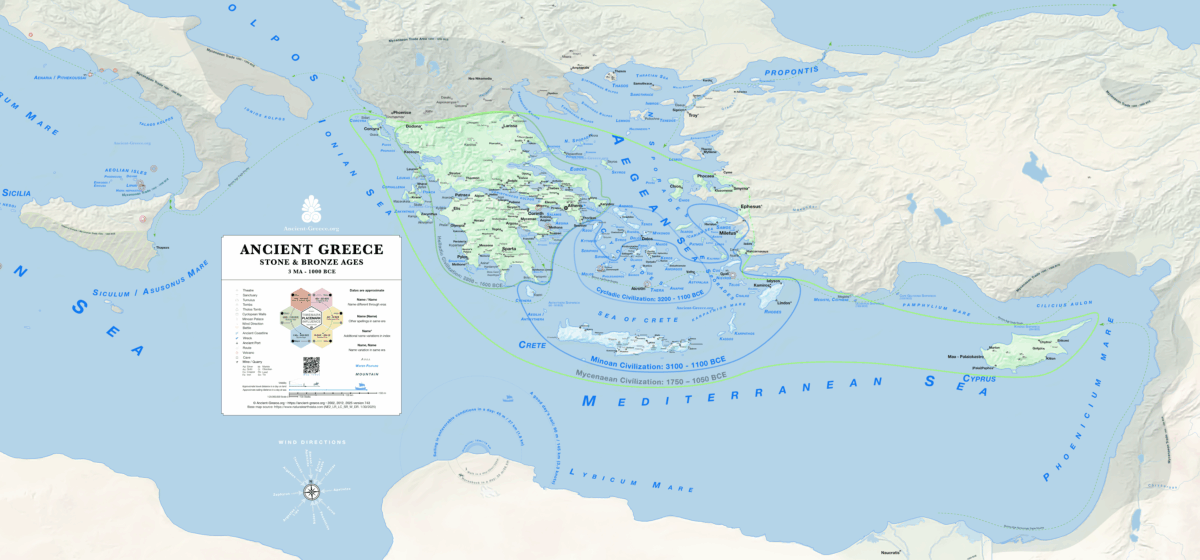
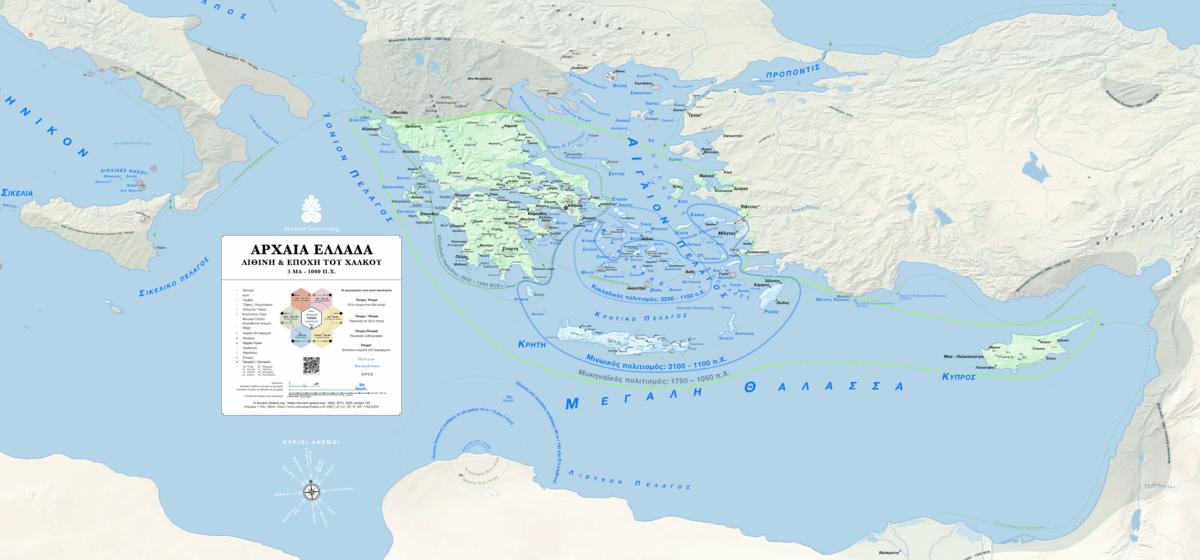
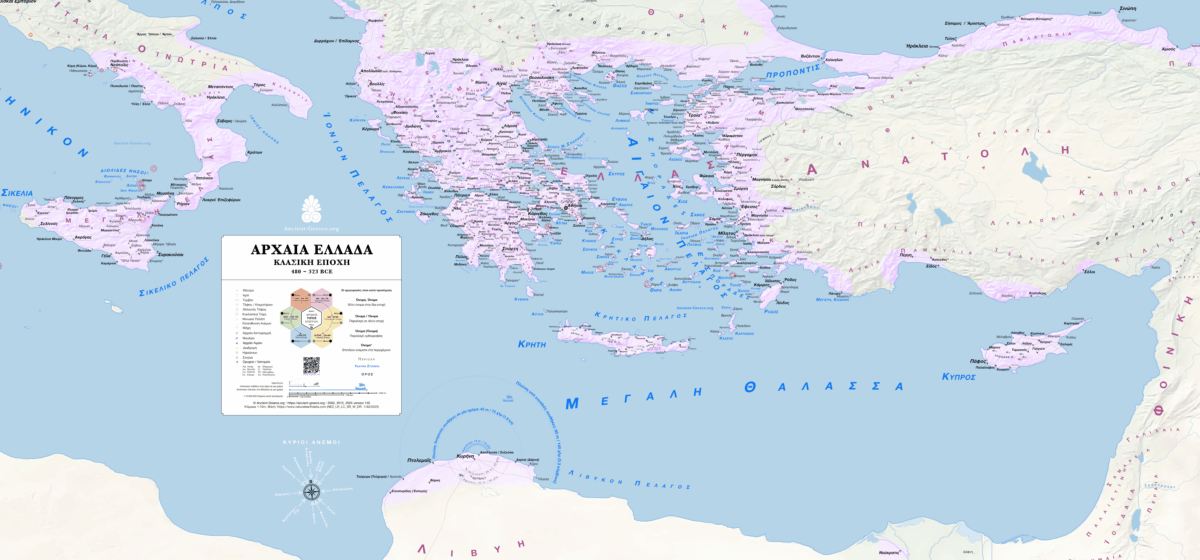
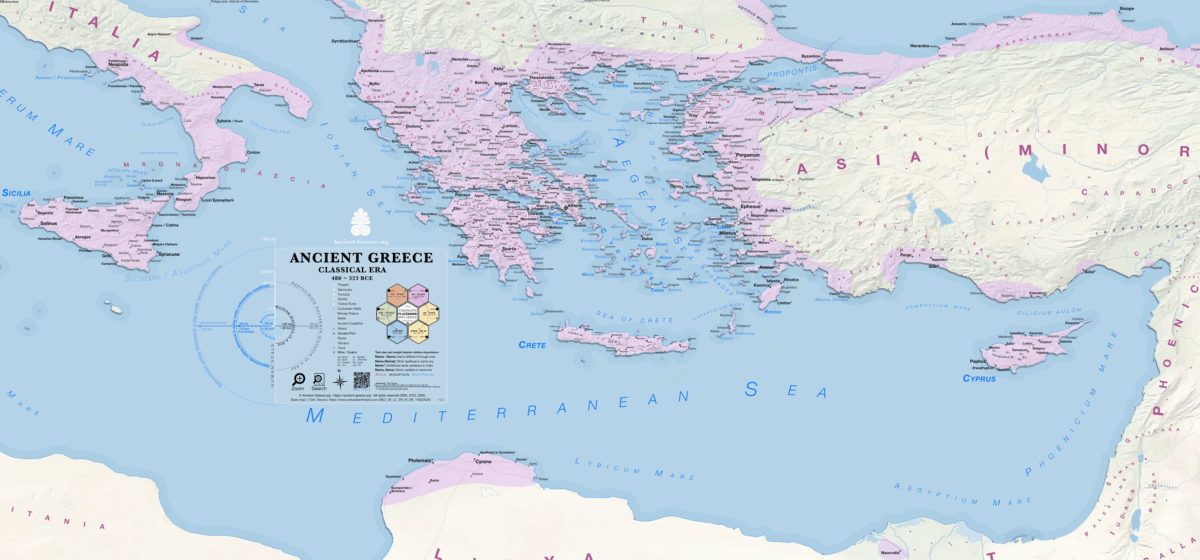
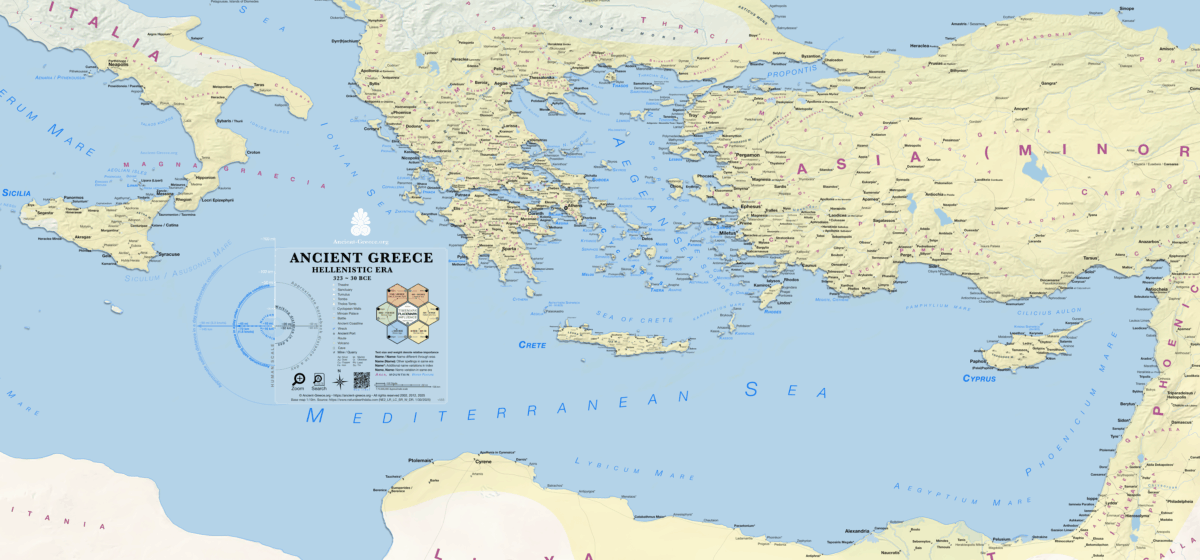
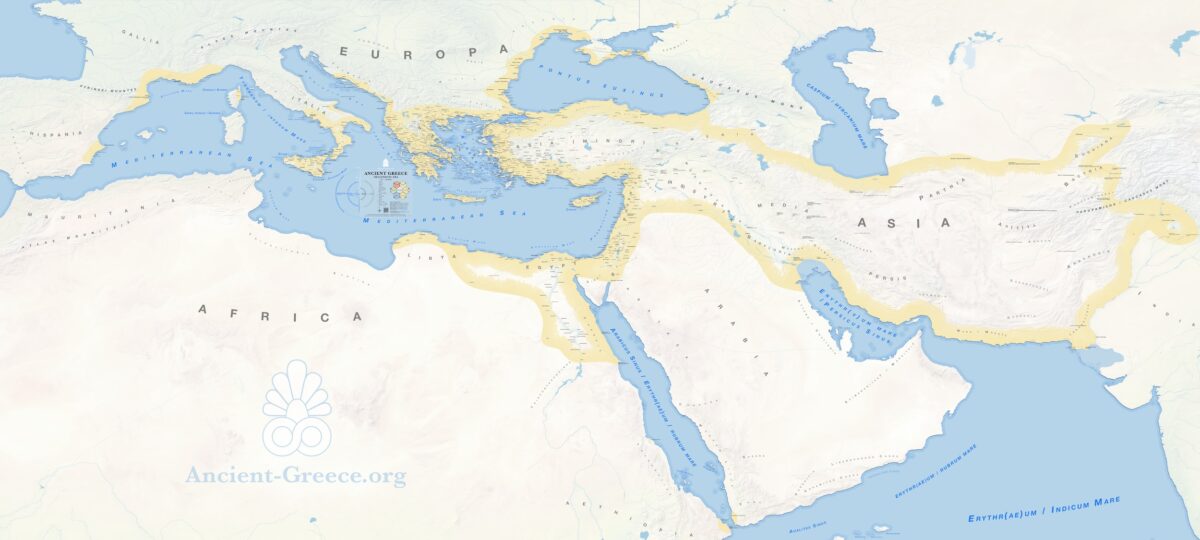
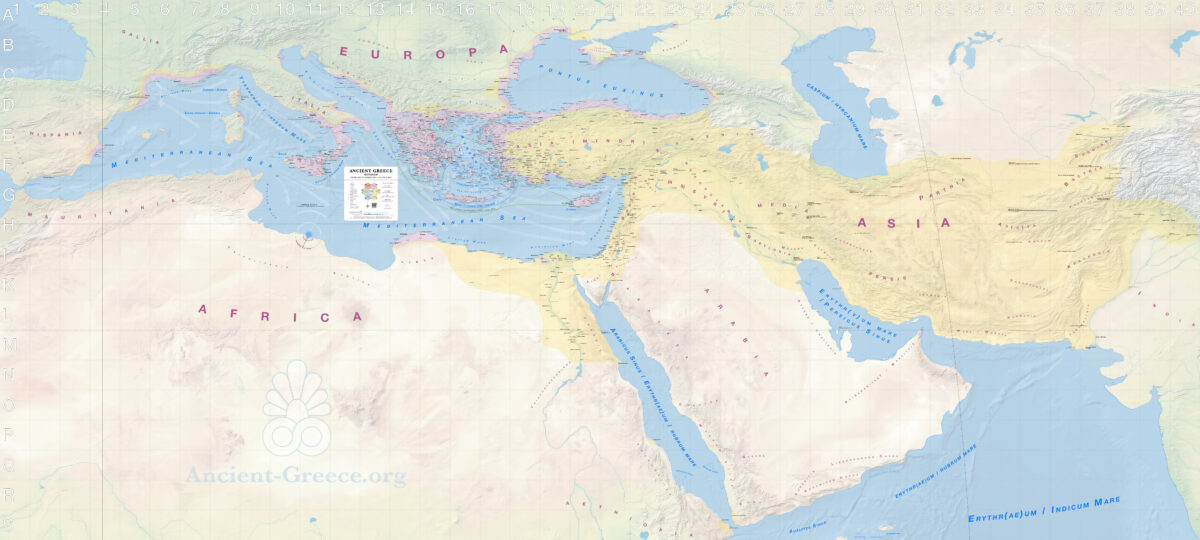
Maps by Period | Χάρτες ανά Περίοδο
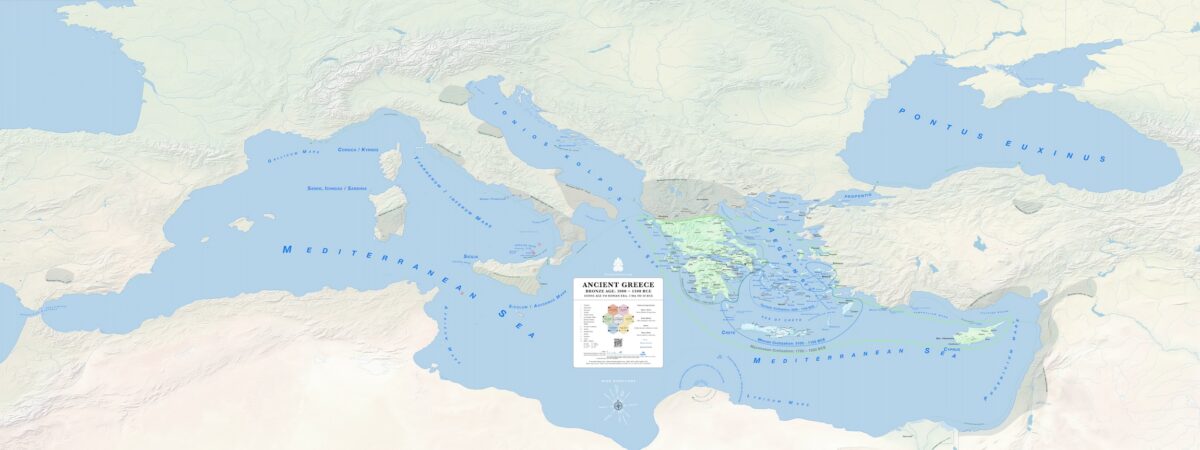
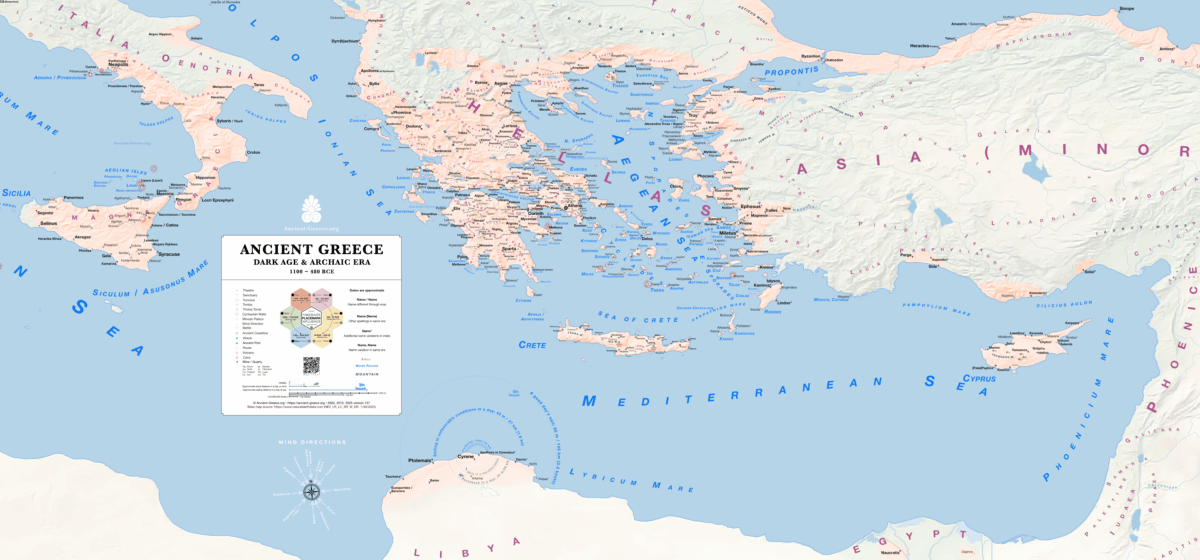
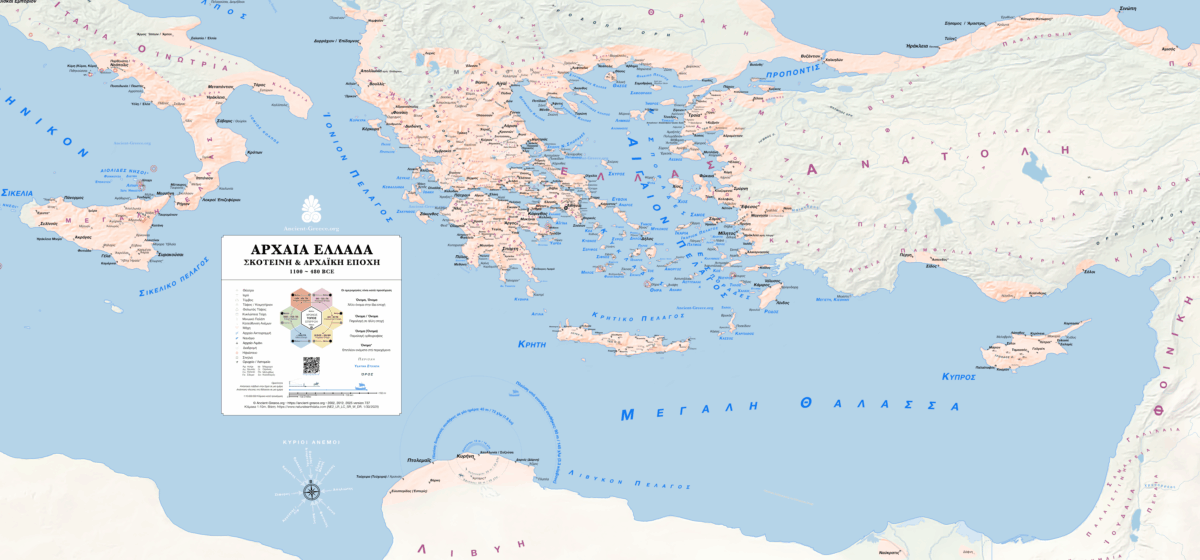
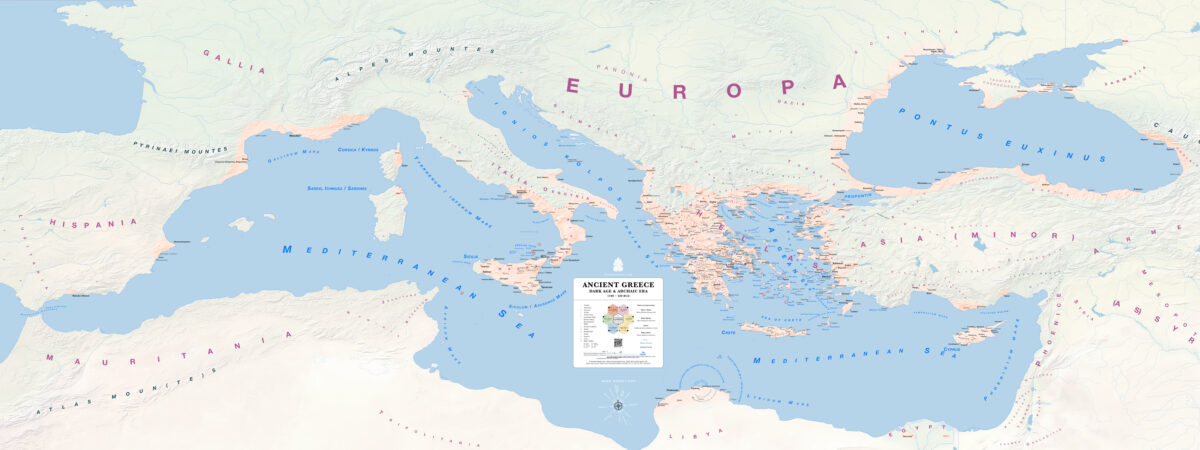
Chapters | Κεφάλαια
This history of Ancient Greece is divided into the following chapters: | Αυτή η ιστορία της Αρχαίας Ελλάδας είναι χωρισμένη στα ακόλουθα κεφάλαια:
- Timeline | Χρονολόγιο
- Introduction | Εισαγωγή
- Overview | Επισκόπηση
- Geography & Geology | Γεωγραφία & Γεολογία
- Stone Age | Λίθινη Εποχή
- Bronze Age | Εποχή του Χαλκού
6.2 Minoan | Μινωικός Πολιτισμός
6.3 Mycenaean | Μυκηναϊκός Πολιτισμός - Iron Age | Εποχή του Σιδήρου
7.1 Geometric or Dark Age | Γεωμετρική ή Σκοτεινή Εποχή
7.2 Archaic Era | Αρχαϊκή Εποχή - Classical Era | Κλασική Εποχή
- Hellenistic Era | Ελληνιστική Εποχή
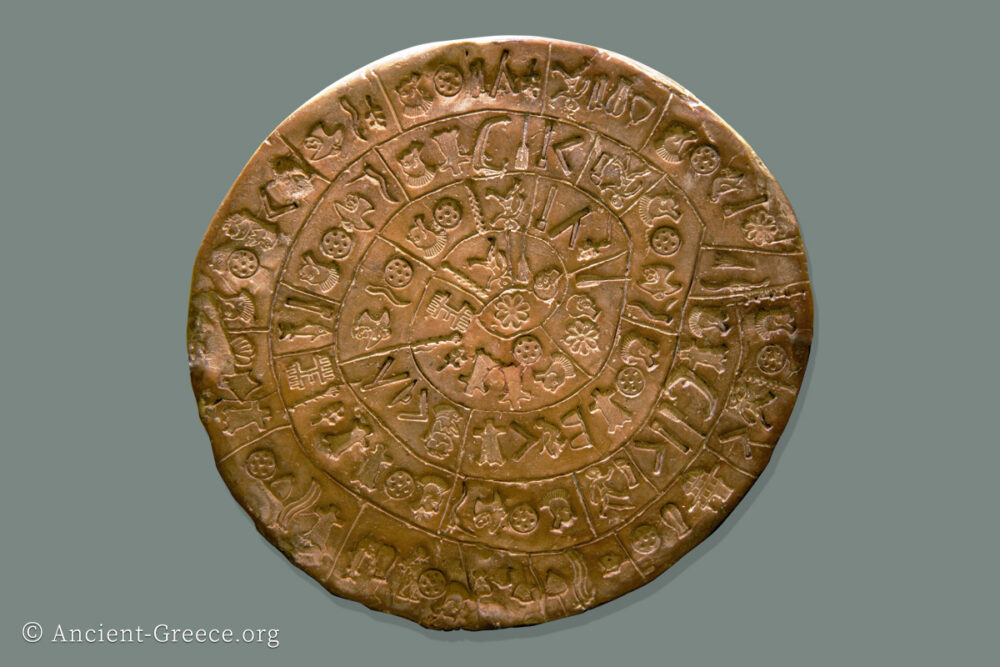
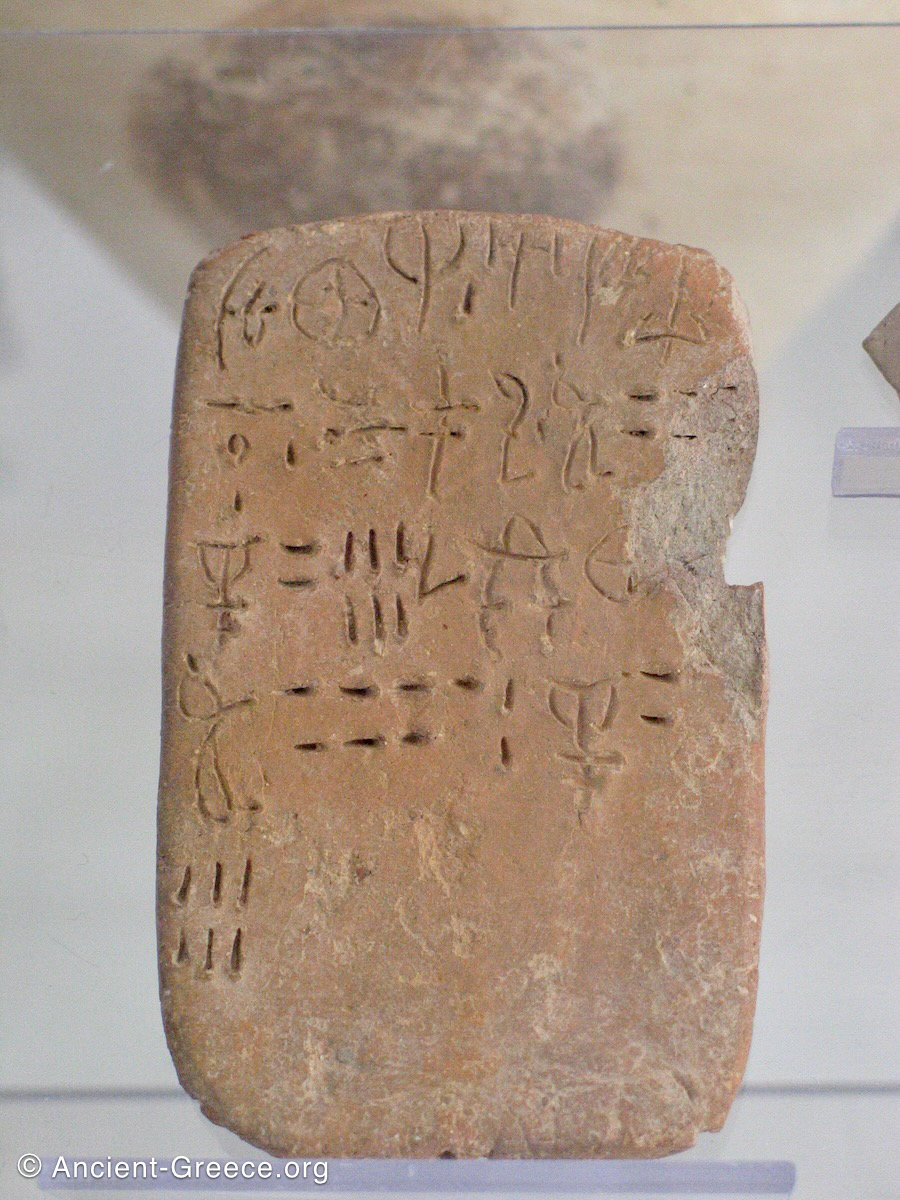
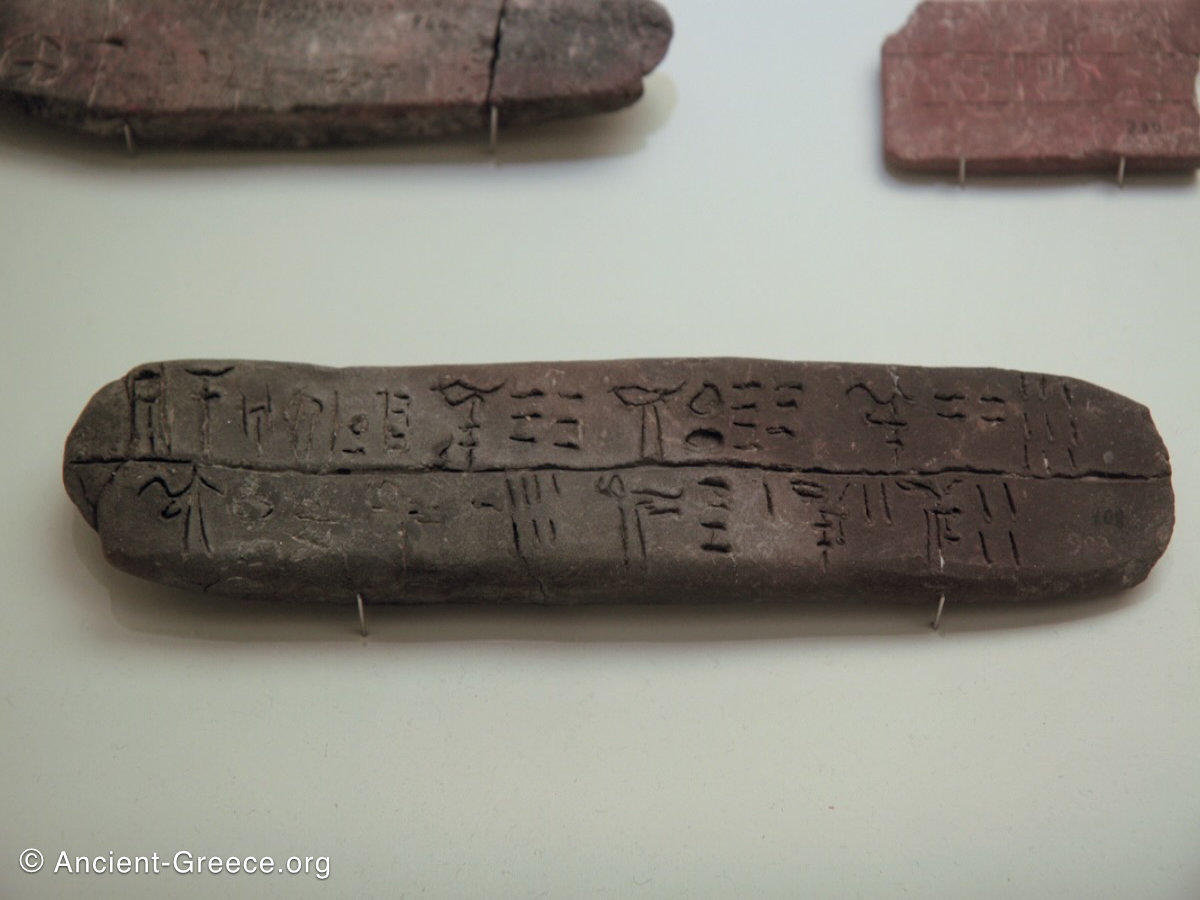
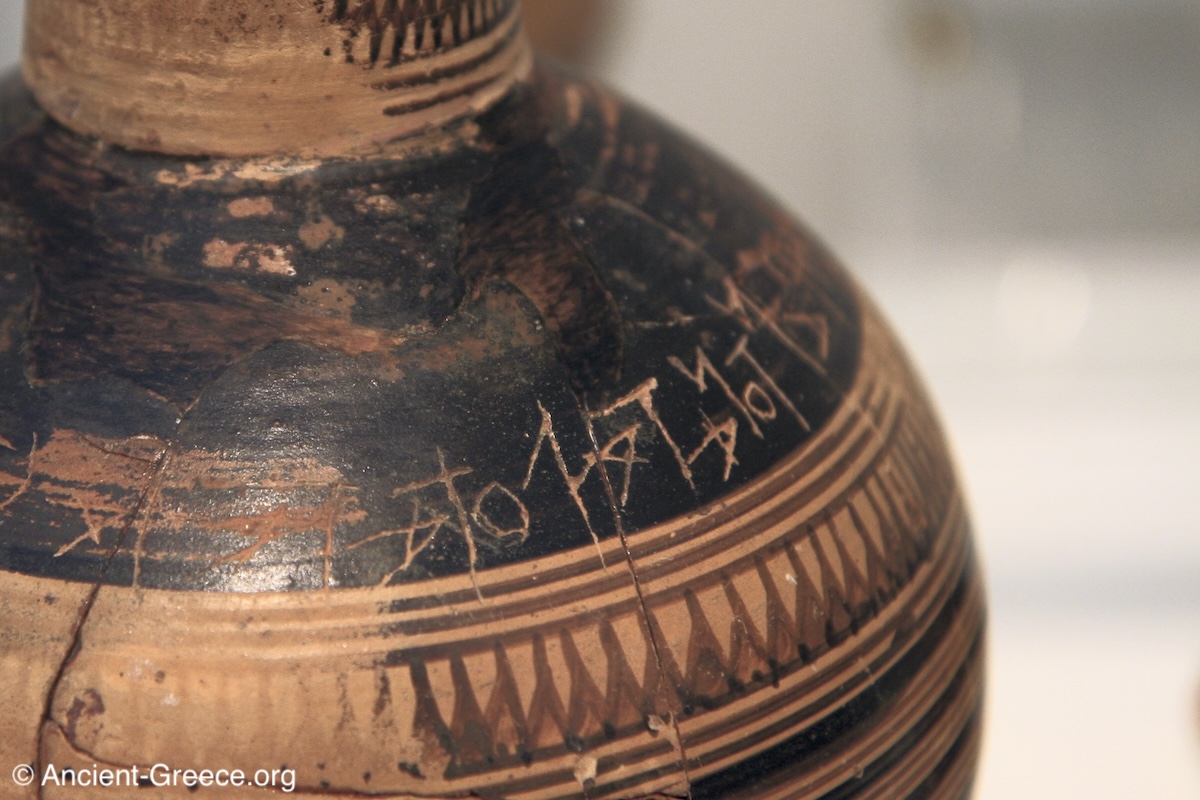
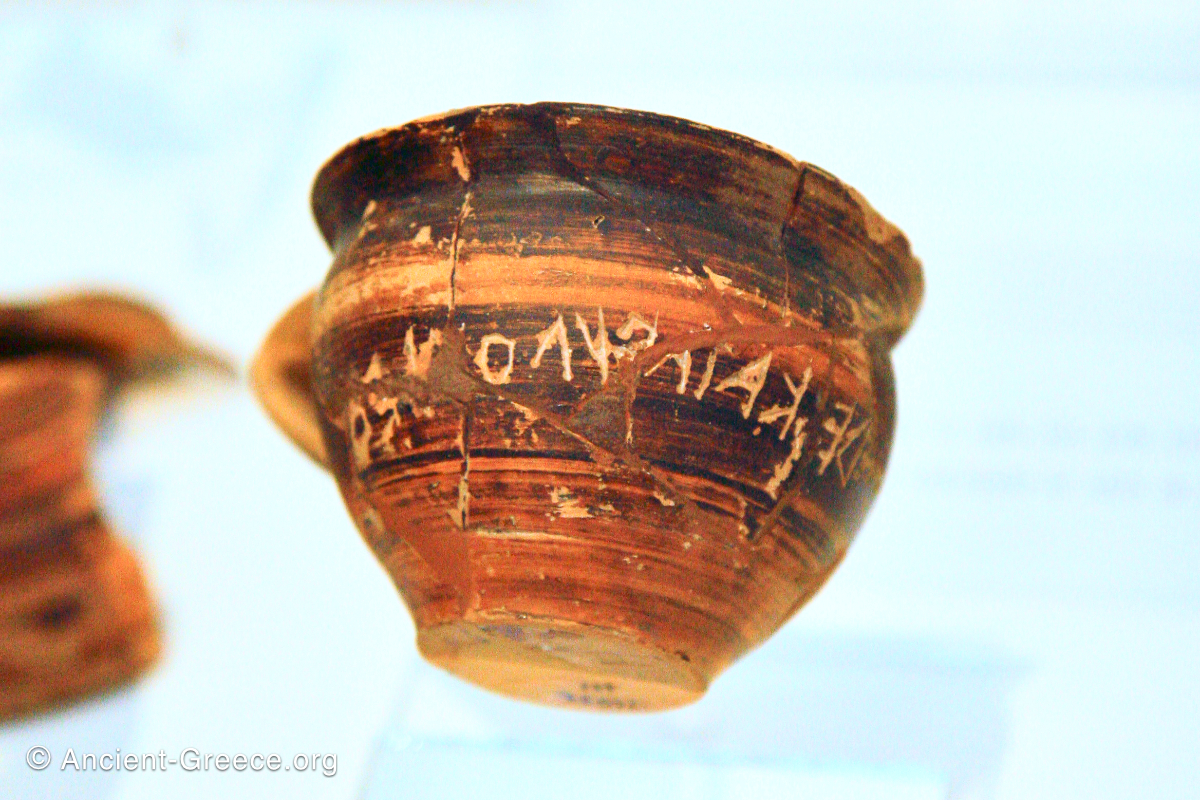
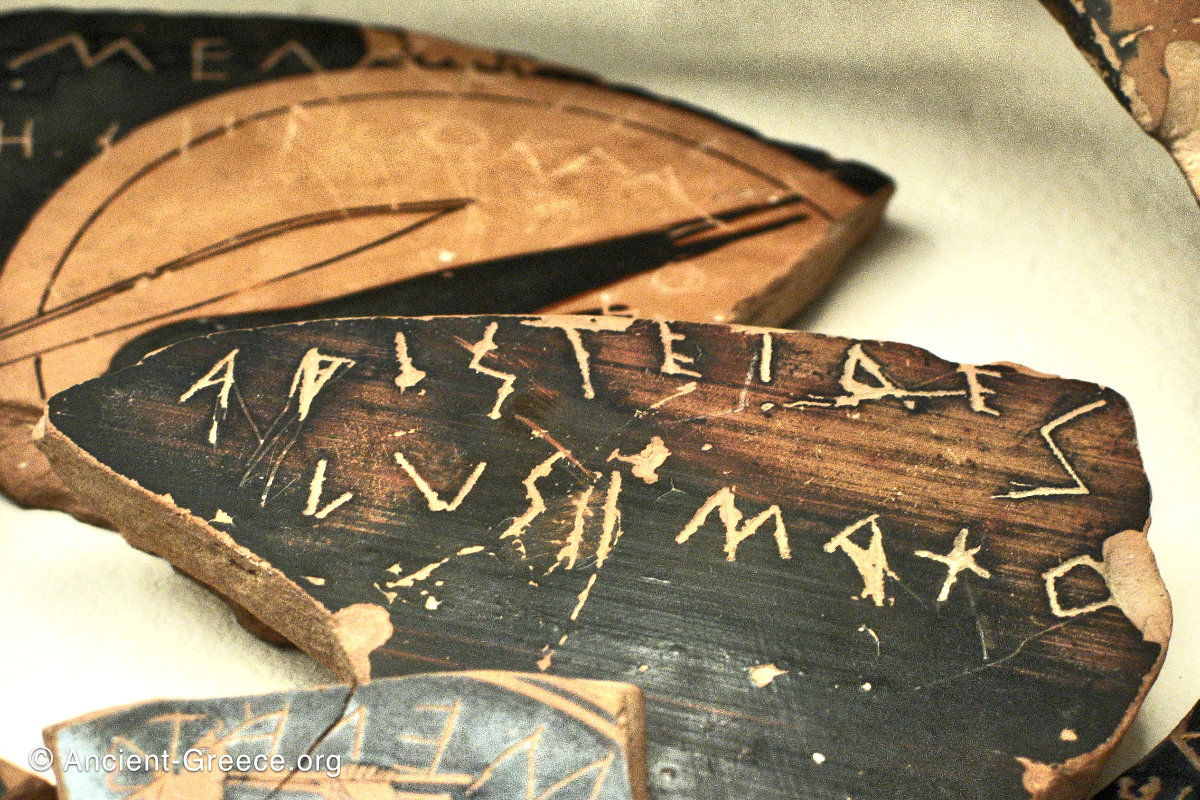
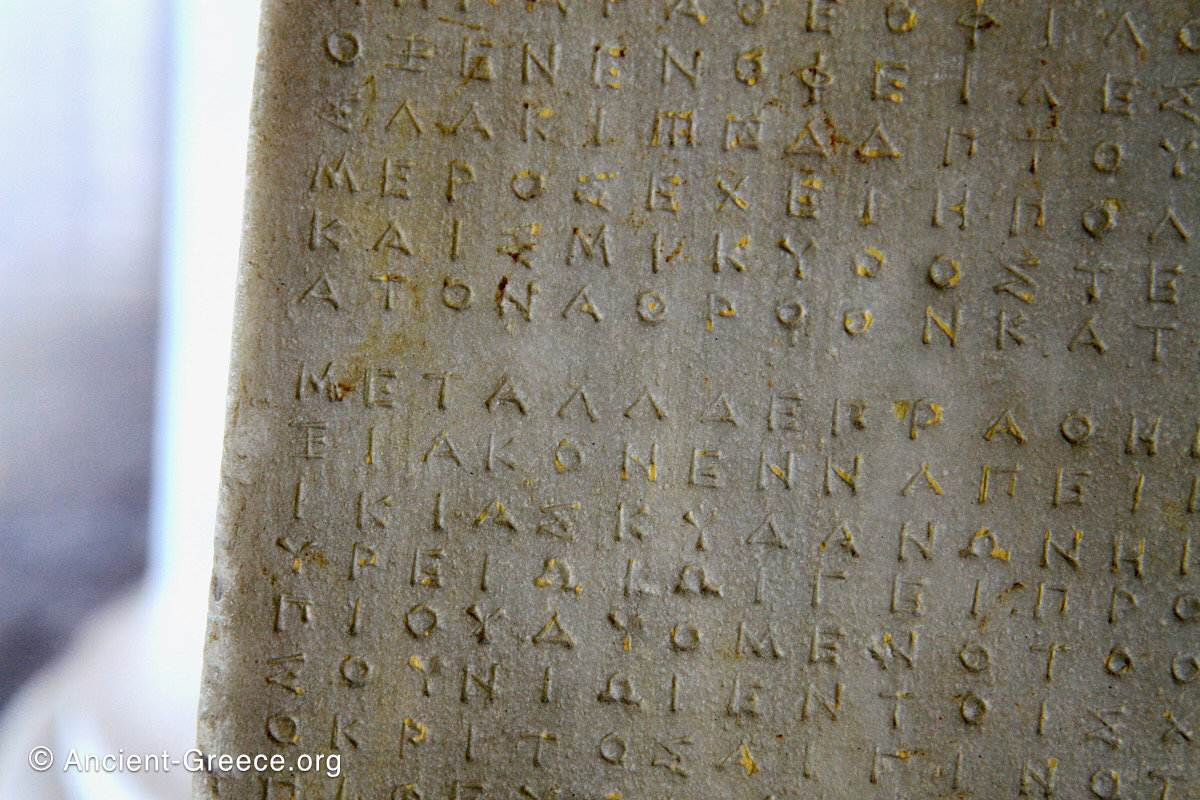
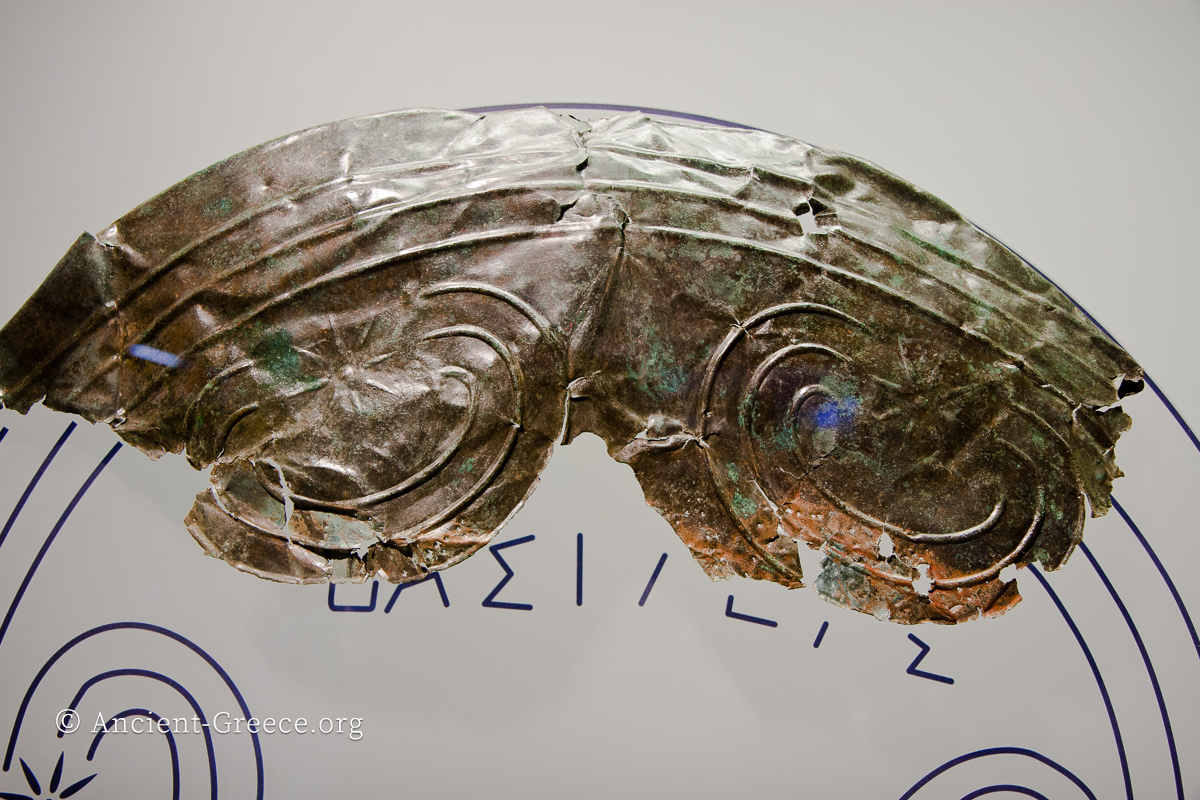
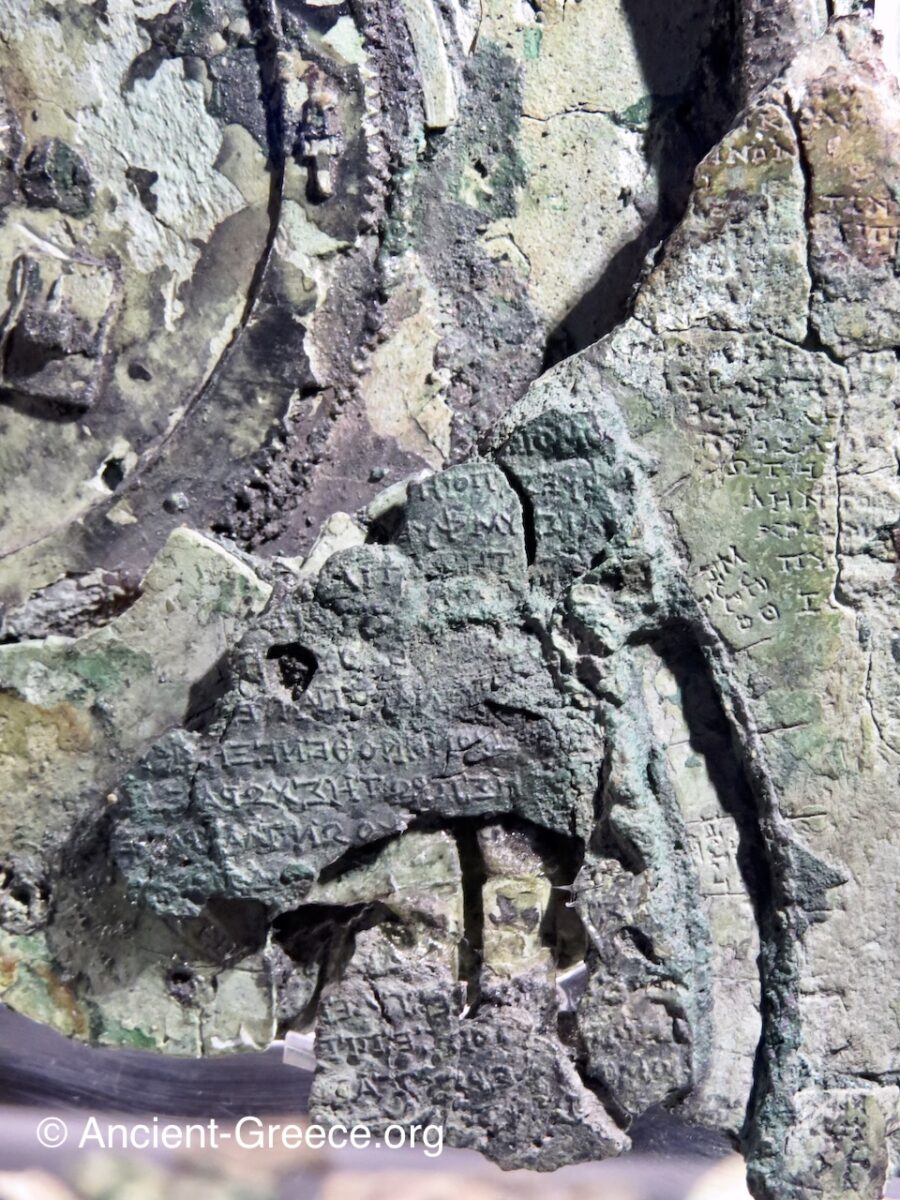
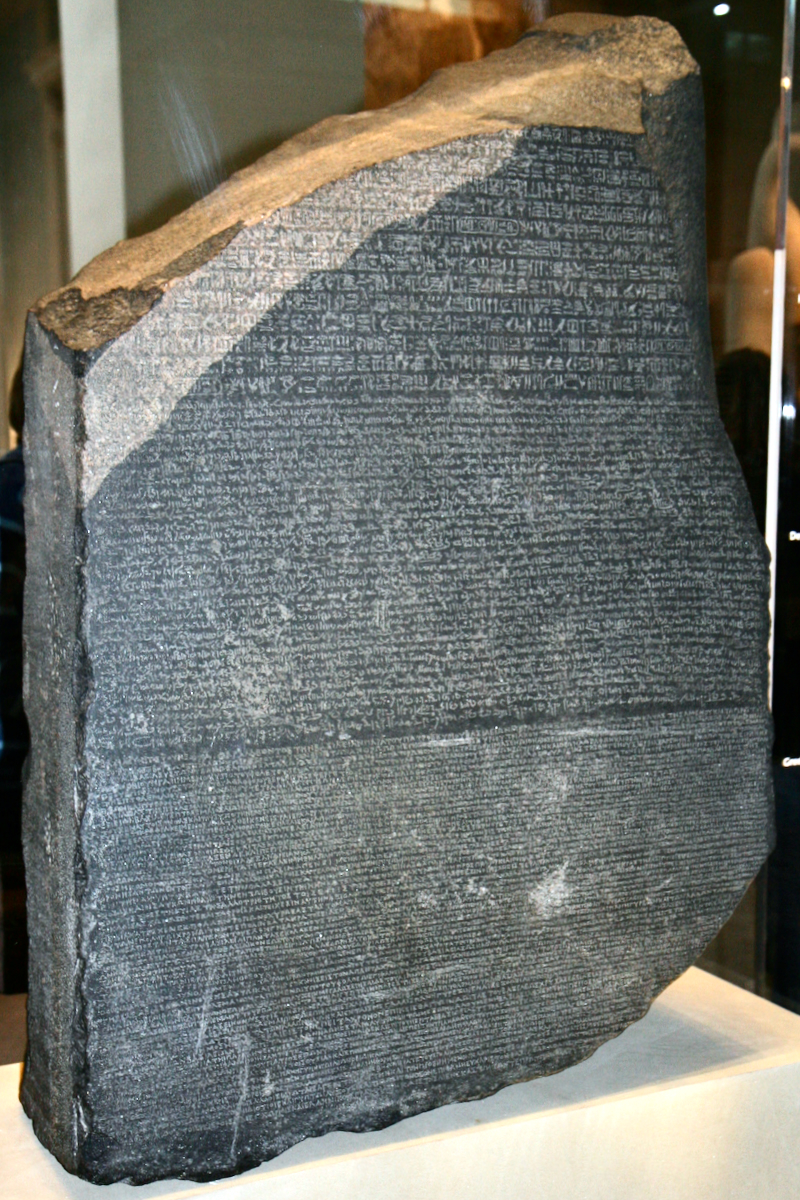
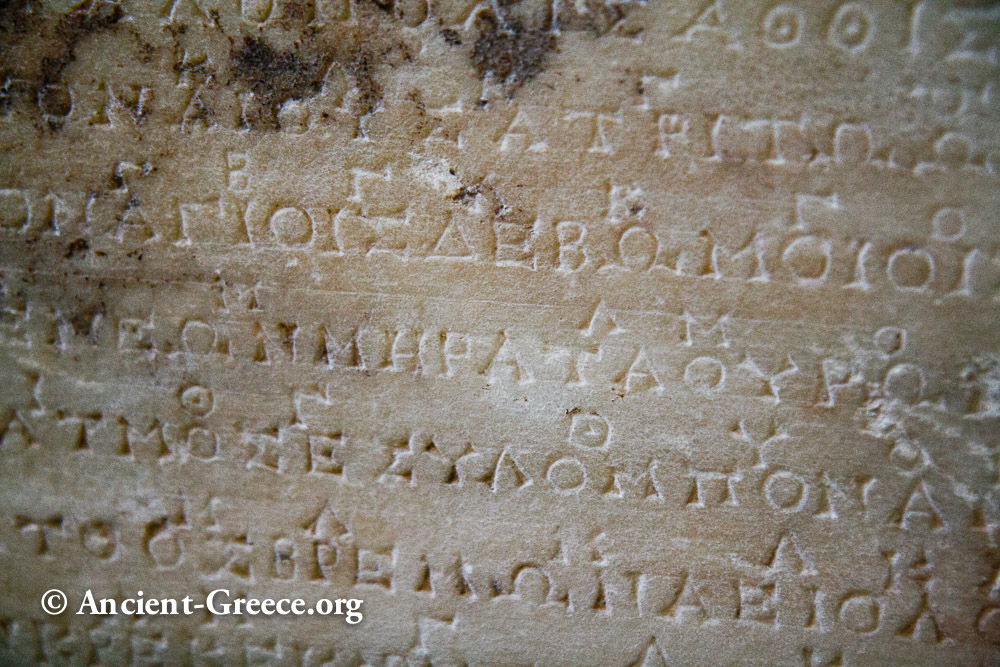
Examples of scripts by era
Greek is one of the most influential languages in the world, and the ancient Greeks were prodigious writers. These are four examples of writing from ancient Greece.
From top left:
• The Phaistos Disk. 1700 BCE Age
• Linear A script tablet. 1450 BCE
• Linear B script tablet. 14-13 c. BCE
• The Dipylon Oenochoe. 740 BCE
• Early Greek Alphabet. 7th c. BCE
• Ostracon from Athens. 5th c. BCE.
• Silver mines leasing report. 367-6 BCE
• Macedonian votive shield. 274 BCE
• Antikythera Mechanism. 2nd c. BCE
• The Rosetta Stone. 196 BCE
• Delphi musical notation. 128 BCE
Παραδείγματα γραφών ανά εποχή
Η ελληνική είναι μία από τις πιο επιδραστικές γλώσσες στον κόσμο και οι αρχαίοι Έλληνες υπήρξαν εξαιρετικά παραγωγικοί συγγραφείς. Ακολουθούν τέσσερα παραδείγματα γραφής από την αρχαία Ελλάδα.
Από πάνω αριστερά: • Ο Δίσκος της Φαιστού. 1700 π.Χ. • Πινακίδα Γραμμικής Α. 1450 π.Χ. • Πινακίδα Γραμμικής Β. 14ος-13ος αι. π.Χ. • Η Οινοχόη του Διπύλου. 740 π.Χ. • Πρώιμο Ελληνικό Αλφάβητο. 7ος αι. π.Χ. • Όστρακο από την Αθήνα. 5ος αι. π.Χ. • Αναφορά μίσθωσης αργυρωρυχείων. 367-6 π.Χ. • Μακεδονική αναθηματική ασπίδα. 274 π.Χ. • Μηχανισμός των Αντικυθήρων. 2ος αι. π.Χ. • Η Στήλη της Ροζέτας. 196 π.Χ. • Μουσική σημειογραφία των Δελφών. 128 π.Χ.
Related Pages