
Attica
-
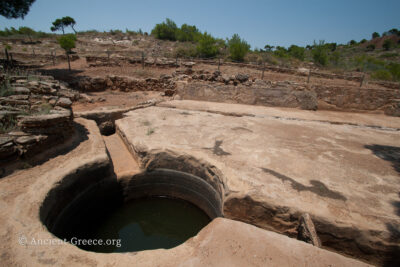
Lavrion Ancient Silver Mines
Lavrion (Λαύριον, Λαύριο, Lavrio, Laurio, Laurium, Laurion), is a rugged area in eastern Attica, near Athens, where the ancient…
-

Marathon Archaeological Museum
The Archeological Museum of Marathon is located in the small coastal town by the same name, and exhibits…
-
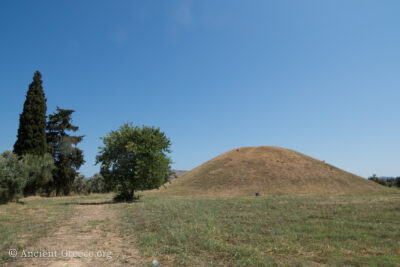
Marathon Archaeological Site
Marathon (Μαραθών, Μαραθώνας) area has yielded archaeological artifacts dating back to the Stone Age, but in modern times…
-
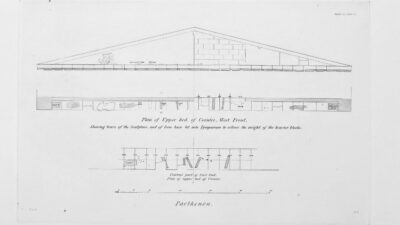
Media: Penrose Acropolis Plates
Acropolis Drawings and Measurements by Francis Penrose, 1888Media: Penrose Acropolis Plates This is a collection of art and…
-
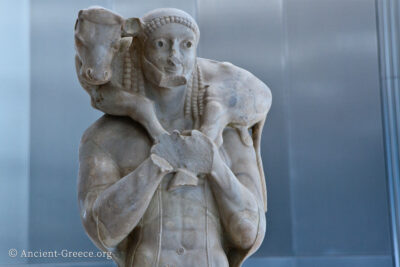
Moschoforos (The Calf Bearer)
Moschoforos, or The Calf Bearer. Marble, 1.64 m tall, c. 560 BCE. Atributed to the sculptor Phaidimos. The…
-
National Archaeological Museum in Athens
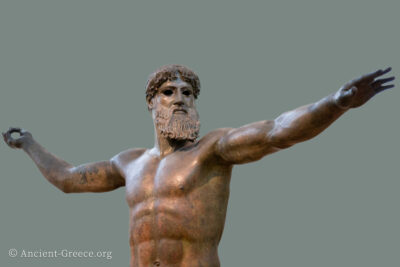
The National Archaeological Museum of Athens is the largest museum of Greece and home to some of the…
-
National Archaeological Museum in Athens: Classical 480 – 323 BCE
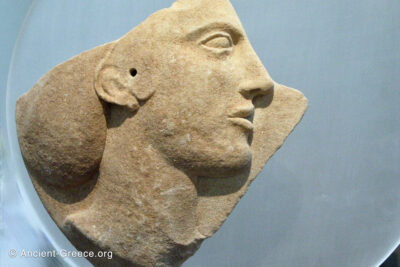
Some of the best examples of classical Greek art from excavations across the country and beyond are on…
-
National Archaeological Museum in Athens: Hellenistic, Roman 323 BCE – 200 CE
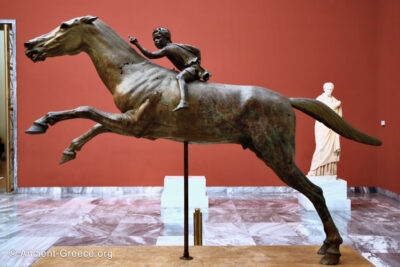
Hellenistic and Roman art from excavations across the country is represented at the National Archaeological Museum in Athens…
-
National Archaeological Museum in Athens: Iron and Archaic Ages 1100 – 480 BCE
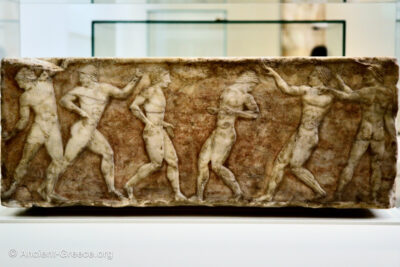
The National Archaeological Museum in Athens is hosts to a plethora of art and artifacts from the Dark…
-
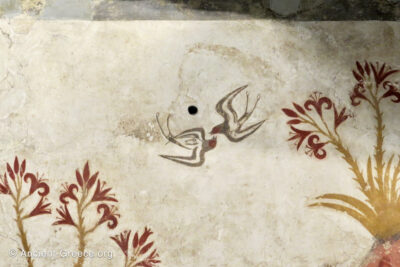
National Archaeological Museum in Athens: Stone and Bronze Age 4000 – 1100 BCE
The National Archaeological Museum in Athens exhibits some of the best examples of Neolithic and Bronze Age artifacts…
-
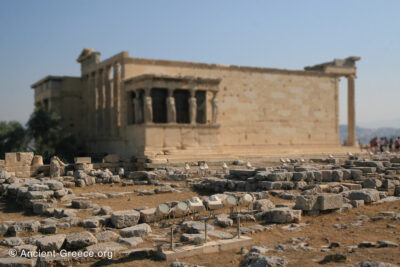
The Old Temple on the Acropolis
Between the Parthenon and the Erechtheion a careful observer can make out the foundations of an old temple…
-
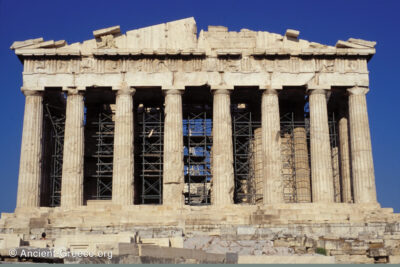
The Parthenon | Ο Παρθενώνας
Ο Παρθενώνας (Parthenon), is an Ancient Greek temple in the Acropolis of Athens, dedicated to Athena Pallas or…