On this page:
Minoan, Cycladic, and Helladic Cultures
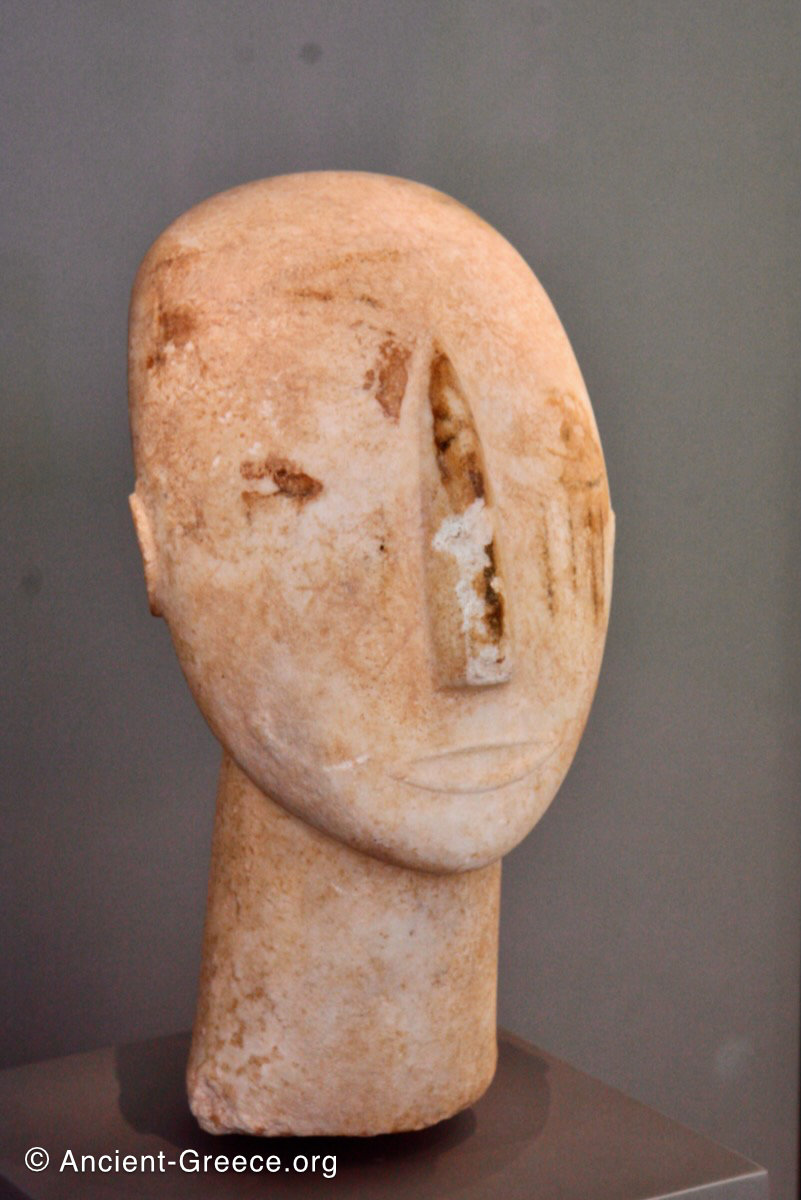
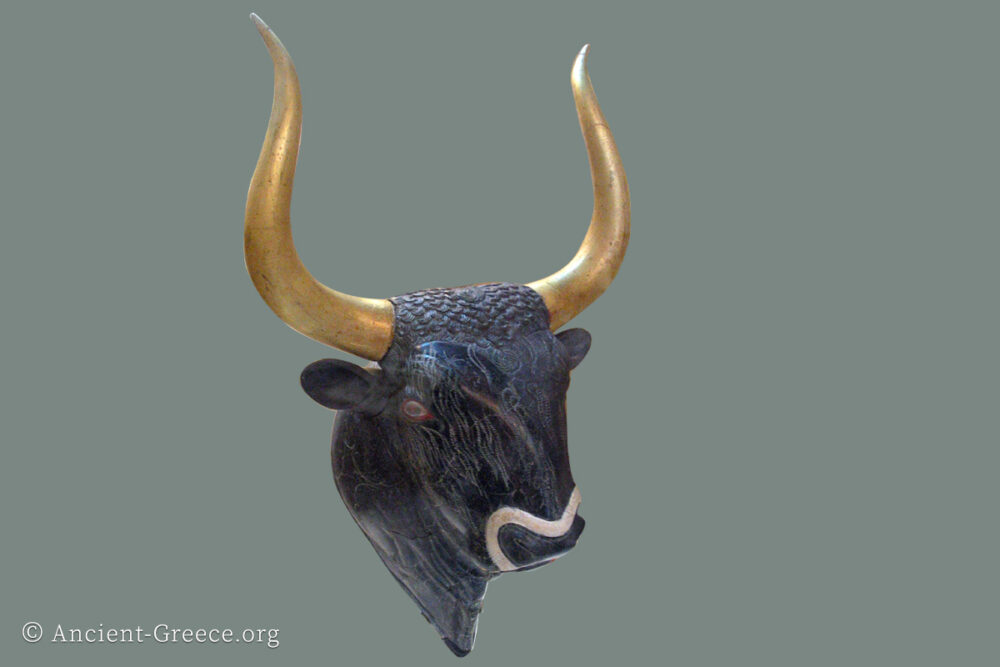
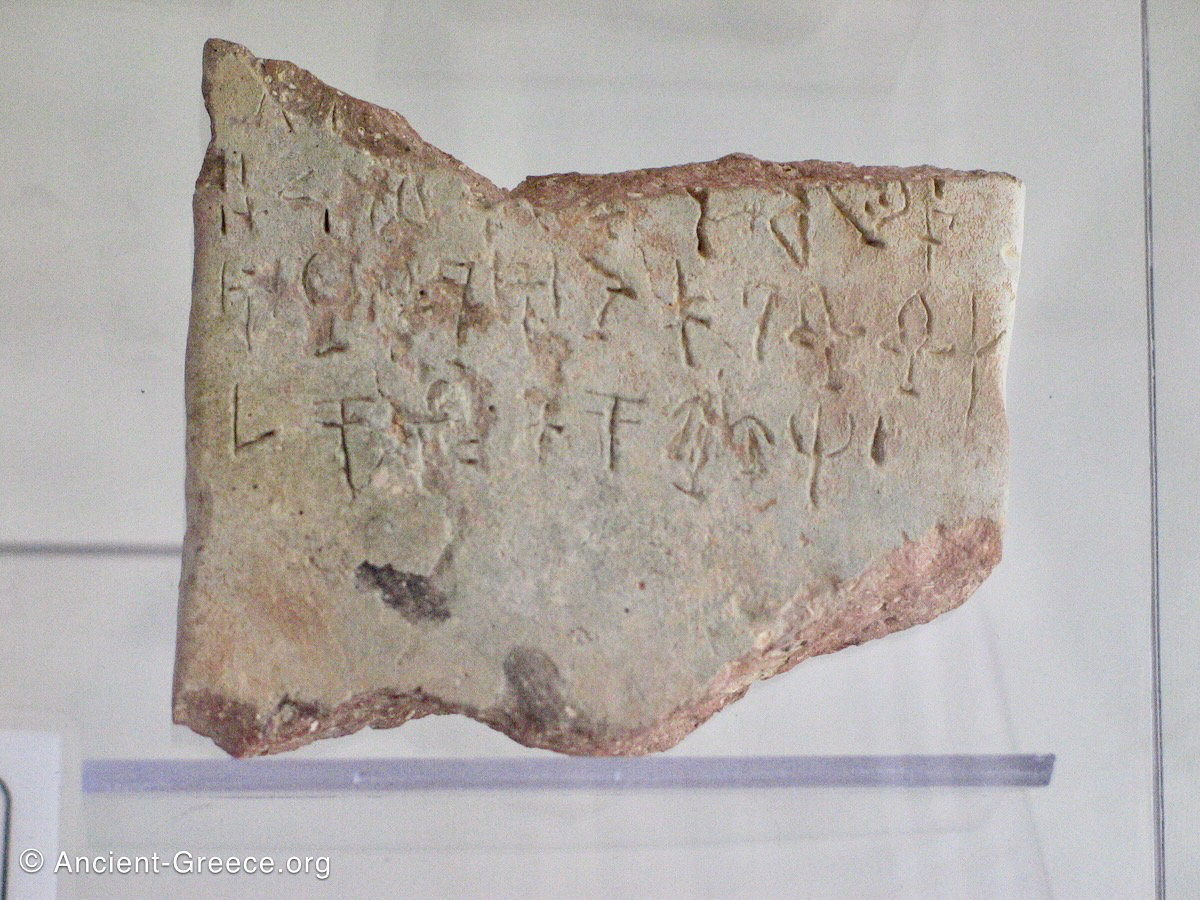
The Bronze Age, a period that lasted roughly two thousand years, saw major advances in social, economic, and technological advances that made Greece the hub of activity in the Mediterranean.
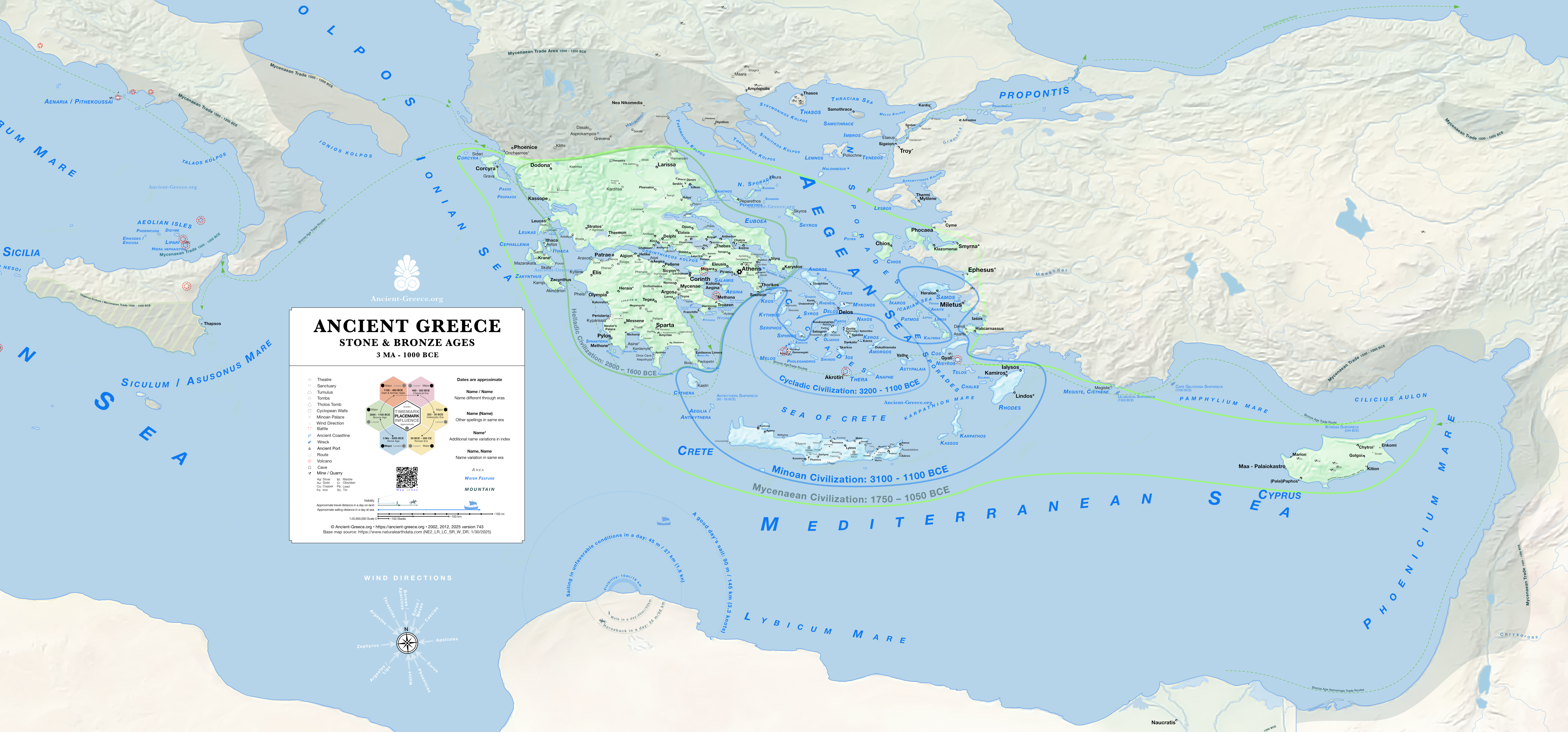
Historians have classified three distinct civilizations to identify the people of the time. These civilizations overlap in time and occupy three major geographic regions of the Greece.
The culture of the mainland and nearby islands is classified as “Helladic” (circa 2800 – 1600 BCE).
The Cycladic civilization (circa 3300 – 2000 BCE) developed in the islands of the Aegean, and more specifically around the Cyclades.
The Minoans (circa 2600 – 1200 BCE) thrived in the large, and somewhat more remote for the era, island of Crete.
They are considered some of the most advanced civilization of Europe at the time. Read More about the history of Minoan Crete.
All three civilizations of the Bronze Age had many characteristics in common, while at the same time were distinct in their culture and disposition.
The Early Bronze Age (3200–2000 B.C.) marked a transformative era defined by the expansion of metallurgy and the rise of the first proto-urban centers across the Aegean. While early life followed Neolithic traditions, the period’s second phase (2700–2200 B.C.) saw the emergence of organized settlements, monumental architecture, and a controlled economy utilizing seals and maritime trade for metal, obsidian, and pottery.
Prominent hubs such as Poliochni in Lemnos, Troy, and Lerna in the Argolid flourished as centers of communication. However, this development peaked and then fractured during the final phase (2200–2000 B.C.), a period of widespread destruction and abandonment often linked to the incursion of new populations.
The Middle Bronze Age (2000–1600 B.C.) began with a period of economic decline and cultural re-establishment, eventually evolving into an era of significant growth and social stratification. As population increased, new settlements appeared, frequently housing bronze workshops and producing specialized Minyan and Matt Painted pottery.
By the end of the period, the influence of Minoan Crete accelerated the adoption of sophisticated techniques and luxury goods, leading to the rise of powerful ruling classes. This transition was marked not by catastrophe, but by profound social change, culminating in the Shaft Graves at Mycenae and the emergence of the warrior aristocracy that would define the Mycenaean period.
Η Εποχή του Χαλκού, μια περίοδος που διήρκεσε περίπου δύο χιλιάδες χρόνια, γνώρισε σημαντική πρόοδο στον κοινωνικό, οικονομικό και τεχνολογικό τομέα, καθιστώντας την Ελλάδα το επίκεντρο της δραστηριότητας στη Μεσόγειο.
Οι ιστορικοί έχουν ταξινομήσει τρεις διακριτούς πολιτισμούς για να προσδιορίσουν τους λαούς της εποχής. Αυτοί οι πολιτισμοί επικαλύπτονται χρονικά και καταλαμβάνουν τρεις μεγάλες γεωγραφικές περιοχές της Ελλάδας.
Οι κάτοικοι της ηπειρωτικής Ελλάδας ταξινομούνται ως «Ελλαδικοί» (περίπου 2800 – 1600 π.Χ.). Ο Κυκλαδικός πολιτισμός (περίπου 3300 – 2000 π.Χ.) αναπτύχθηκε στα νησιά του Αιγαίου, και ειδικότερα γύρω από τις Κυκλάδες. Οι Μινωίτες (περίπου 2600 – 1200 π.Χ.) ήκμασαν στο μεγάλο νησί της Κρήτης και θεωρούνται ο πρώτος προηγμένος πολιτισμός της Ευρώπης. Διαβάστε περισσότερα για την ιστορία της Μινωικής Κρήτης.
Και οι τρεις πολιτισμοί της Εποχής του Χαλκού είχαν πολλά κοινά χαρακτηριστικά, ενώ ταυτόχρονα ήταν διακριτοί ως προς την κουλτούρα και τη διάθεσή τους.
Η Πρώιμη Εποχή του Χαλκού (3200–2000 π.Χ.) σηματοδότησε μια μετασχηματιστική εποχή που καθορίστηκε από την εξάπλωση της μεταλλουργίας και την άνοδο των πρώτων πρωτοαστικών κέντρων στο Αιγαίο. Ενώ η πρώιμη ζωή ακολουθούσε τις νεολιθικές παραδόσεις, η δεύτερη φάση της περιόδου (2700–2200 π.Χ.) είδε την εμφάνιση οργανωμένων οικισμών, μνημειακής αρχιτεκτονικής και μιας ελεγχόμενης οικονομίας που χρησιμοποιούσε σφραγίδες και το θαλάσσιο εμπόριο για μέταλλα, οψιανό και κεραμική.
Εξέχοντες κόμβοι όπως η Πολιόχνη στη Λήμνο, η Τροία και η Λέρνα στην Αργολίδα ήκμασαν ως κέντρα επικοινωνίας. Ωστόσο, αυτή η ανάπτυξη κορυφώθηκε και στη συνέχεια διακόπηκε κατά την τελευταία φάση (2200–2000 π.Χ.), μια περίοδο εκτεταμένων καταστροφών και εγκατάλειψης που συχνά συνδέεται με την εισβολή νέων πληθυσμών.
Η Μέση Εποχή του Χαλκού (2000–1600 π.Χ.) ξεκίνησε με μια περίοδο οικονομικής κάμψης και πολιτισμικής ανασυγκρότησης, εξελισσόμενη τελικά σε μια εποχή σημαντικής ανάπτυξης και κοινωνικής διαστρωμάτωσης. Καθώς ο πληθυσμός αυξανόταν, εμφανίστηκαν νέοι οικισμοί, που συχνά στέγαζαν εργαστήρια χαλκού και παρήγαγαν εξειδικευμένη Μινύεια και Αμαυρόχρωμη κεραμική.
Προς το τέλος της περιόδου, η επιρροή της Μινωικής Κρήτης επιτάχυνε την υιοθέτηση εξελιγμένων τεχνικών και ειδών πολυτελείας, οδηγώντας στην ανάδυση ισχυρών ηγετικών τάξεων. Αυτή η μετάβαση χαρακτηρίστηκε όχι από καταστροφή, αλλά από βαθιά κοινωνική αλλαγή, με αποκορύφωμα τους Λακκοειδείς Τάφους των Μυκηνών και την εμφάνιση της αριστοκρατίας των πολεμιστών που θα καθόριζε τη Μυκηναϊκή περίοδο.
The Mycenaeans | Οι Μυκηναίοι
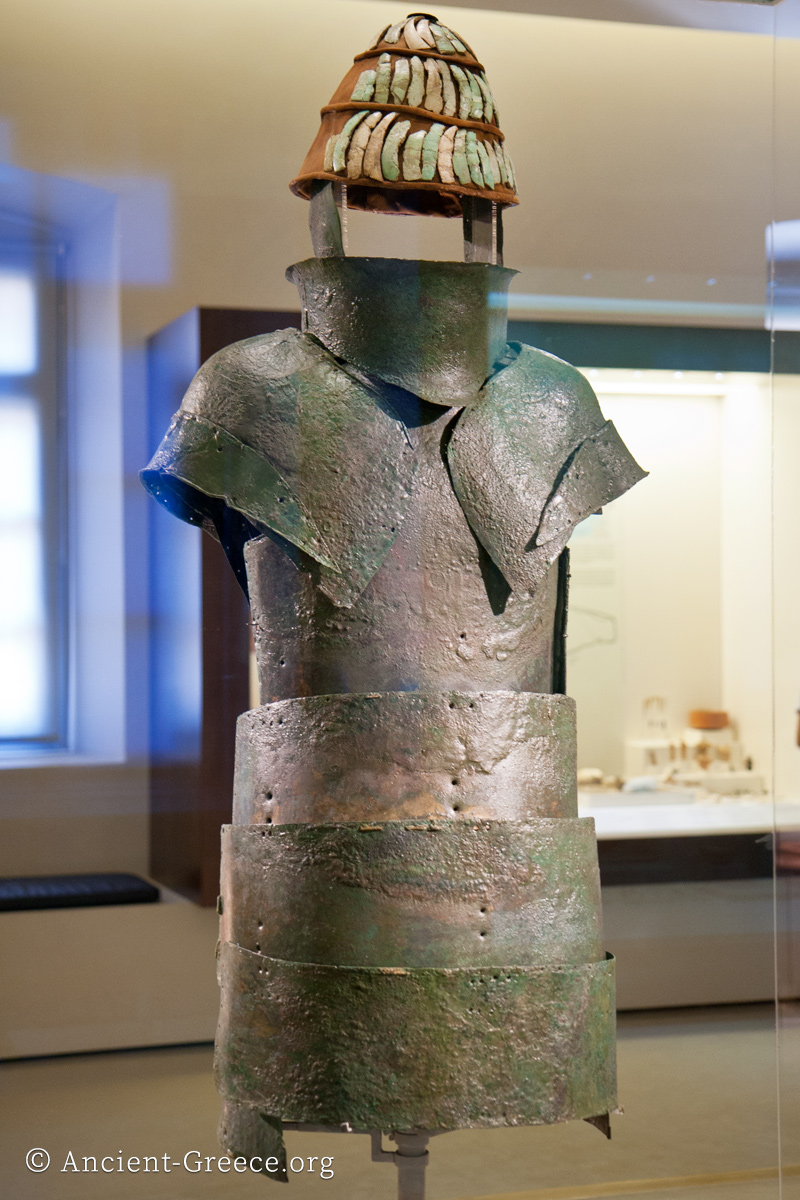
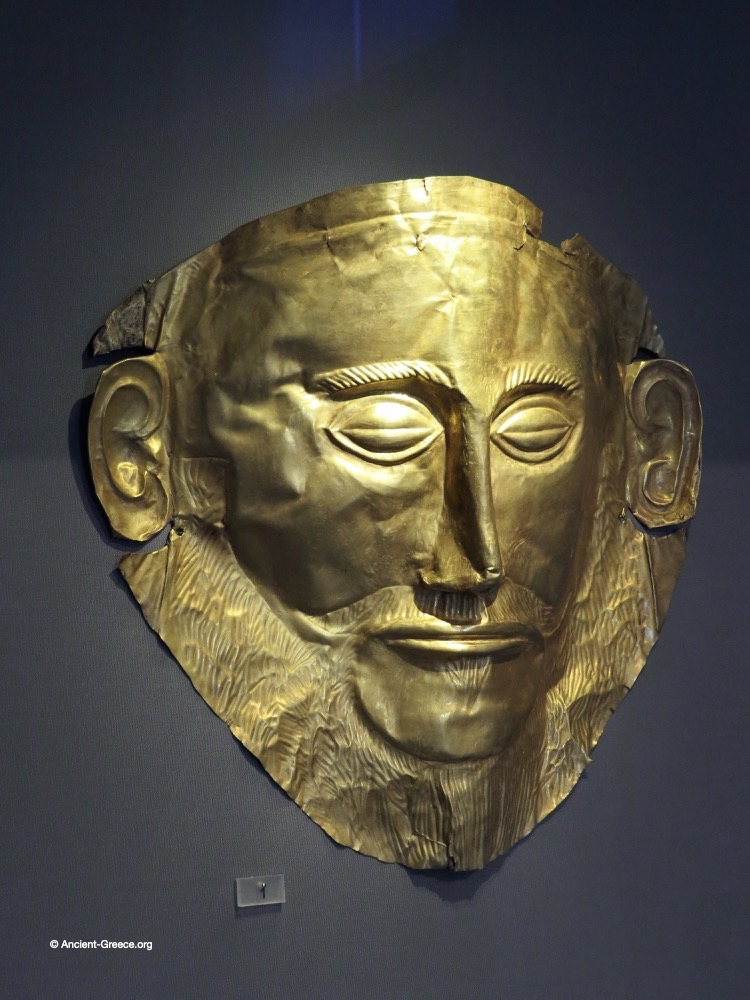
The Mycenaean era describes Helladic civilization towards the end of the 11th c. BCE which is also the called “Age of Heroes” because it is the source of the mythological heroes and epics like Hercules, the Iliad and the Odyssey.
“The Mycenaeans are the first ‘Greeks’” (Martin, 16).
By the end of the 10th c. BCE, the Mycenaeans expanded their influence over the Greek mainland, the islands of the Aegean and Ionian seas, Crete, and the coast of Asia Minor.
Thus, Mycenaean culture had a great deal of influence with its legends and Greek language on what later became the splendor of Classical Greece.
However, after 1100 BCE Mycenaean civilization ceased either through internal strife or outside invasions (the Dorian invasions have been proposed as a possible explanation), or through a combination of the two–it is not known for sure.
◈ Η Μυκηναϊκή εποχή περιγράφει τον Ελλαδικό πολιτισμό προς το τέλος του 11ου αιώνα π.Χ., ο οποίος ονομάζεται επίσης «Εποχή των Ηρώων», επειδή αποτελεί την πηγή των μυθολογικών ηρώων και των επών, όπως ο Ηρακλής, η Ιλιάδα και η Οδύσσεια.
«Οι Μυκηναίοι είναι οι πρώτοι ‘Έλληνες’» (Martin, 16).
Μέχρι το τέλος του 10ου αιώνα π.Χ., οι Μυκηναίοι επέκτειναν την επιρροή τους στην ηπειρωτική Ελλάδα, τα νησιά του Αιγαίου και του Ιονίου, την Κρήτη και τις ακτές της Μικράς Ασίας. Έτσι, ο Μυκηναϊκός πολιτισμός άσκησε μεγάλη επιρροή, μέσω των θρύλων του και της ελληνικής γλώσσας, σε αυτό που αργότερα έγινε το μεγαλείο της Κλασικής Ελλάδας.
Ωστόσο, μετά το 1100 π.Χ., ο Μυκηναϊκός πολιτισμός έπαψε να υφίσταται, είτε λόγω εσωτερικών ερίδων είτε λόγω εξωτερικών εισβολών (οι δωρικές εισβολές έχουν προταθεί ως πιθανή εξήγηση), είτε μέσω ενός συνδυασμού των δύο – δεν είναι γνωστό με βεβαιότητα.
Photographs | Φωτογραφίες
Chapters | Κεφάλαια
This history of Ancient Greece is divided into the following chapters: | Αυτή η ιστορία της Αρχαίας Ελλάδας είναι χωρισμένη στα ακόλουθα κεφάλαια:
- Timeline | Χρονολόγιο
- Introduction | Εισαγωγή
- Overview | Επισκόπηση
- Geography & Geology | Γεωγραφία & Γεολογία
- Stone Age | Λίθινη Εποχή
- Bronze Age | Εποχή του Χαλκού
6.2 Minoan | Μινωικός Πολιτισμός
6.3 Mycenaean | Μυκηναϊκός Πολιτισμός - Iron Age | Εποχή του Σιδήρου
7.1 Geometric or Dark Age | Γεωμετρική ή Σκοτεινή Εποχή
7.2 Archaic Era | Αρχαϊκή Εποχή - Classical Era | Κλασική Εποχή
- Hellenistic Era | Ελληνιστική Εποχή
At a Glance | Σύνοψη
- 3000 to 1100 BCE
- Cycladic, Minoan, Helladic, Mycenaean
- Aegean Sea, Cyclades, Crete, Mainland, Asia Minor coast, Cyprus
- Palaces
- Knossos, Mycenae, Tyrins, Phaistos, Troy, Athens, Sparta, Maa-Palaiokastro, Akrotiri
- Cyclopean walls
- Tholos Tombs
- Chariots, bronze weapons and armor, galleys.
- Mythology Heroes, Gods, and Legends
- Zeus, Heracles, Theseus, Jason and the Argonauts
- Thera volcano
- Sea Peoples
- Collapse of Bronze Age civilizations
- 3000 έως 1100 π.Χ.
- Κυκλαδικός, Μινωικός, Ελλαδικός, Μυκηναϊκός
- Αιγαίο Πέλαγος, Κυκλάδες, Κρήτη, Ηπειρωτική Ελλάδα, παράλια Μικράς Ασίας, Κύπρος
- Ανάκτορα
- Κνωσός, Μυκήνες, Τίρυνθα, Φαιστός, Τροία, Αθήνα, Σπάρτη, Μάα-Παλαιόκαστρο, Ακρωτήρι
- Κυκλώπεια τείχη
- Θολωτοί τάφοι
- Άρματα, χάλκινα όπλα και πανοπλίες, γαλέρες
- Ήρωες της Μυθολογίας, Θεοί και Θρύλοι
- Ζεύς, Ηρακλής, Θησέας, Ιάσονας και οι Αργοναύτες
- Ηφαίστειο της Θήρας
- Λαοί της Θάλασσας
- Κατάρρευση των πολιτισμών της Εποχής του Χαλκού
Related Pages