On this page:
Dion
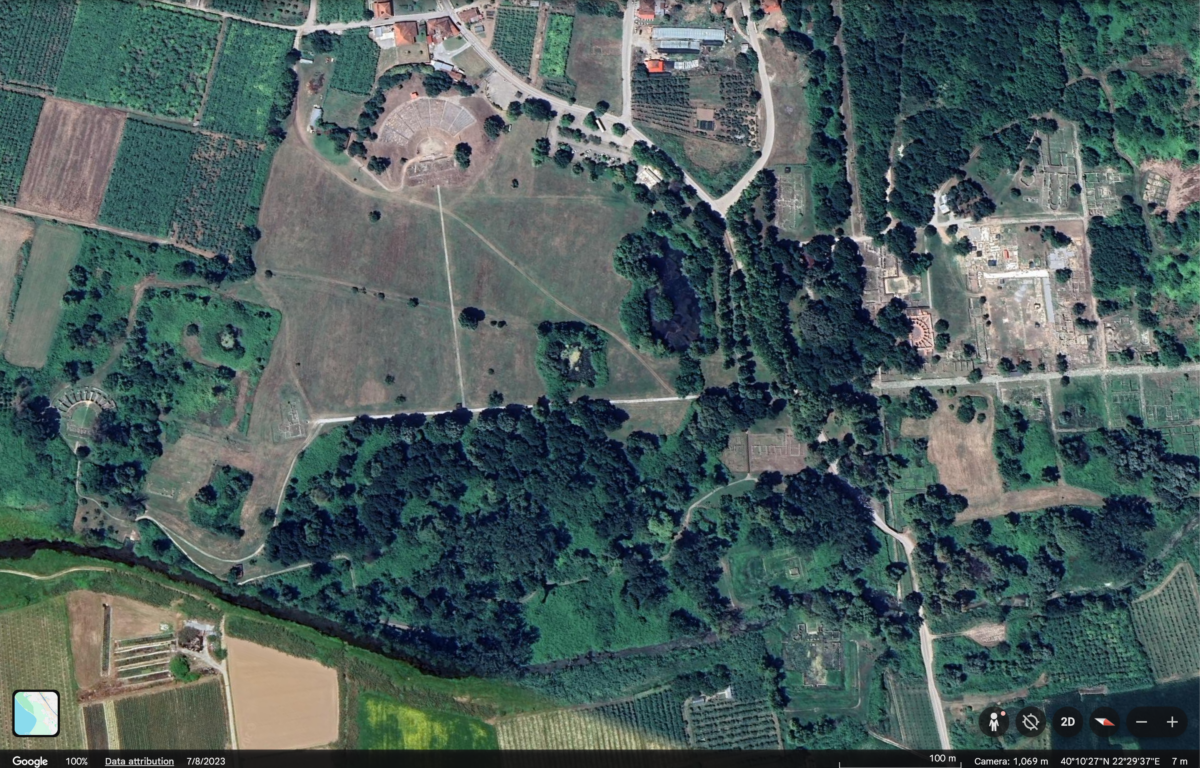
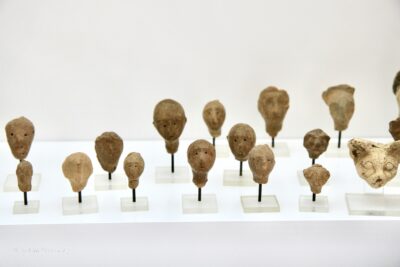
Dion was a major sanctuary in the kingdom of Macedonia, dedicated to Zeus, Demeter, Isis, and Asclepius. It was founded in the 4th century BCE and flourished in the Hellenistic and Roman eras, as evident in ancient literature and in the archaeological remains at the foot of Mt. Olympus. Artifacts from the excavations are exhibited in the nearby Archaeological Museum of Dion.
Sanctuaries
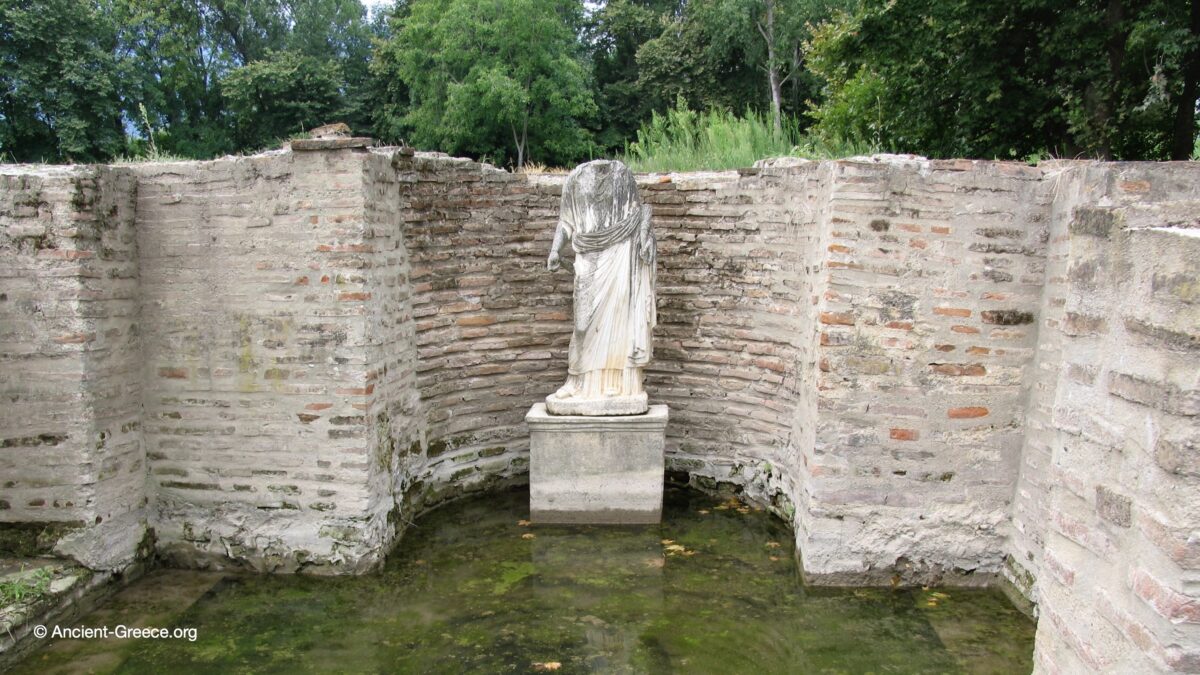
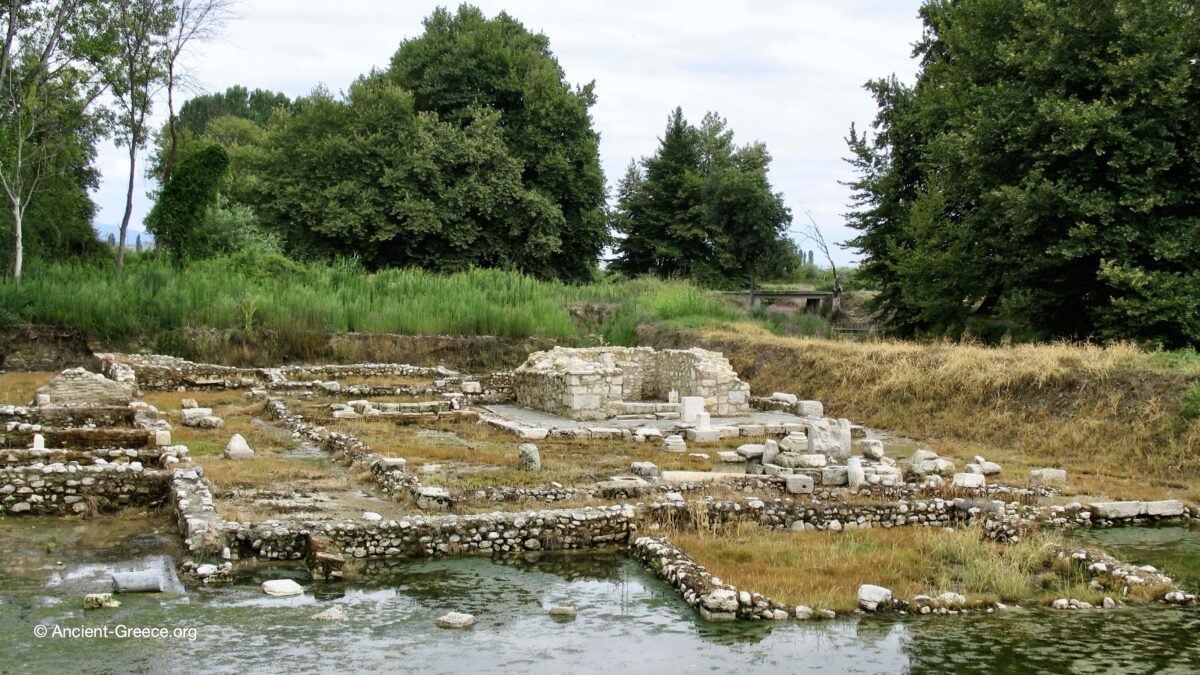
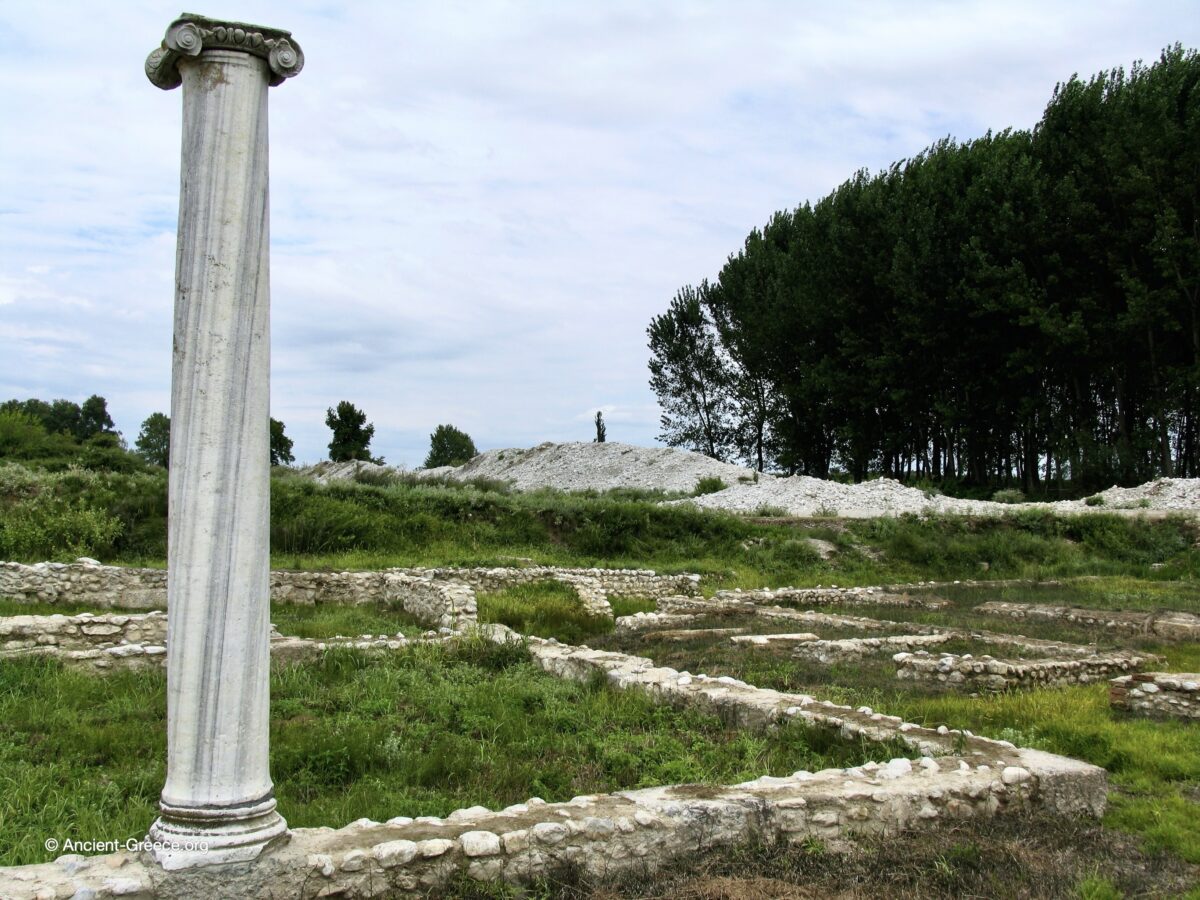
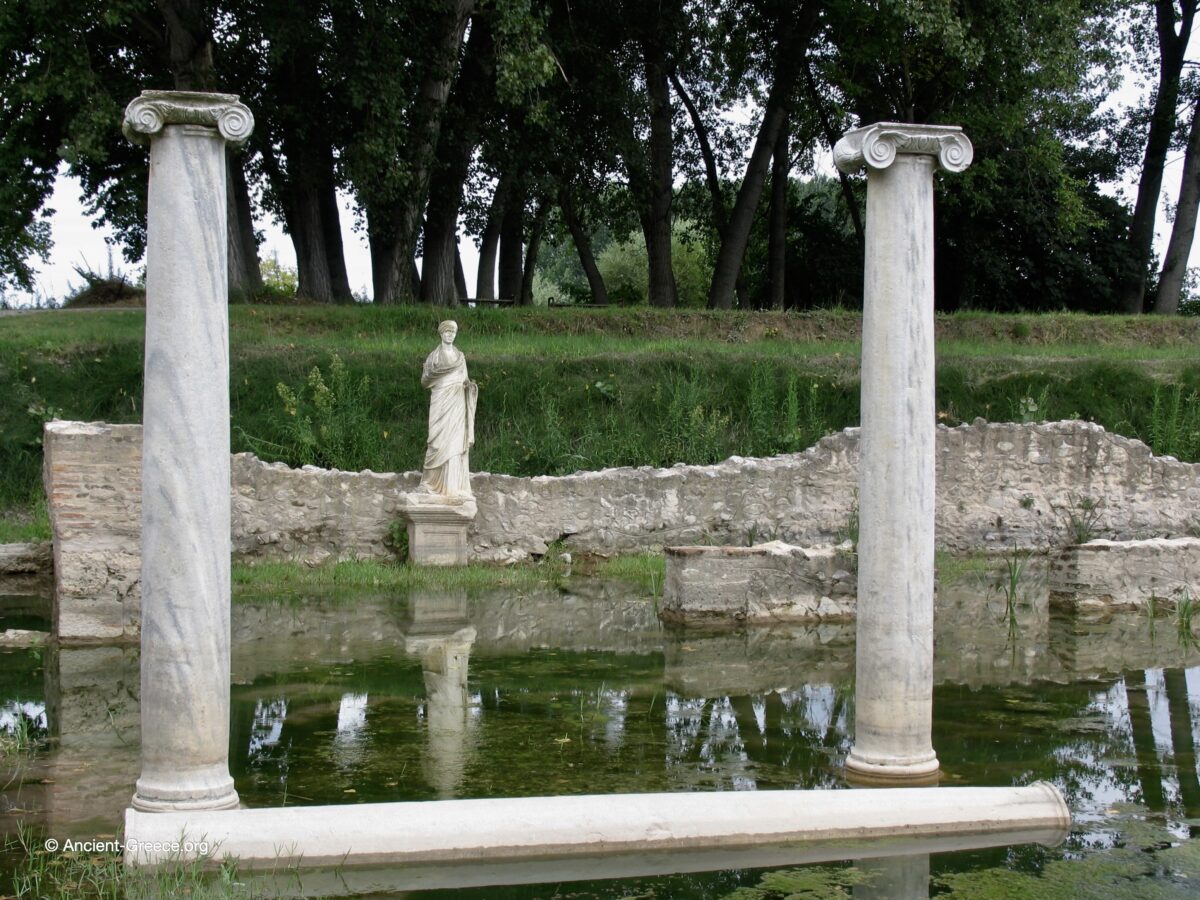
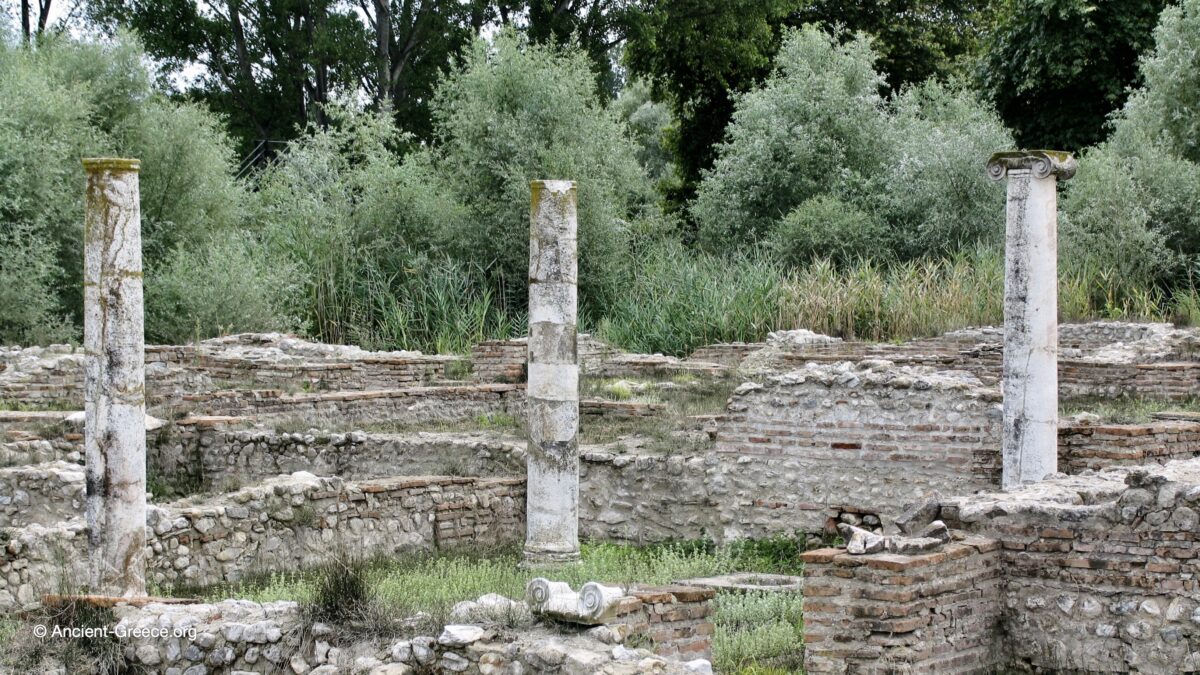
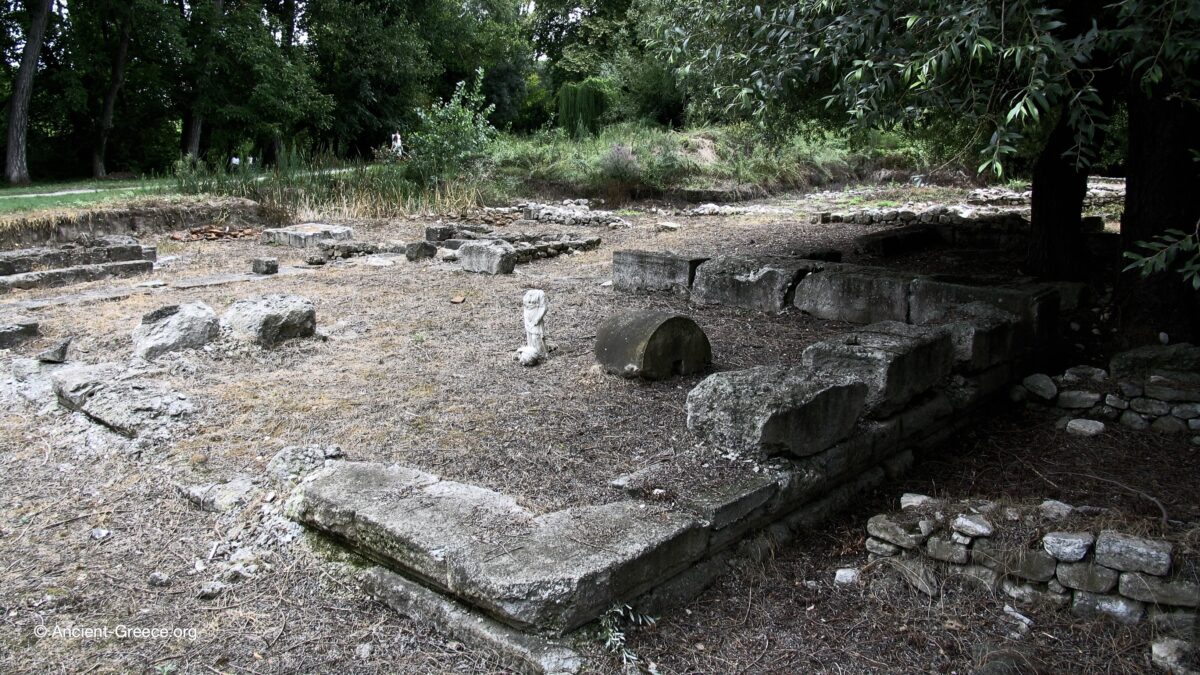
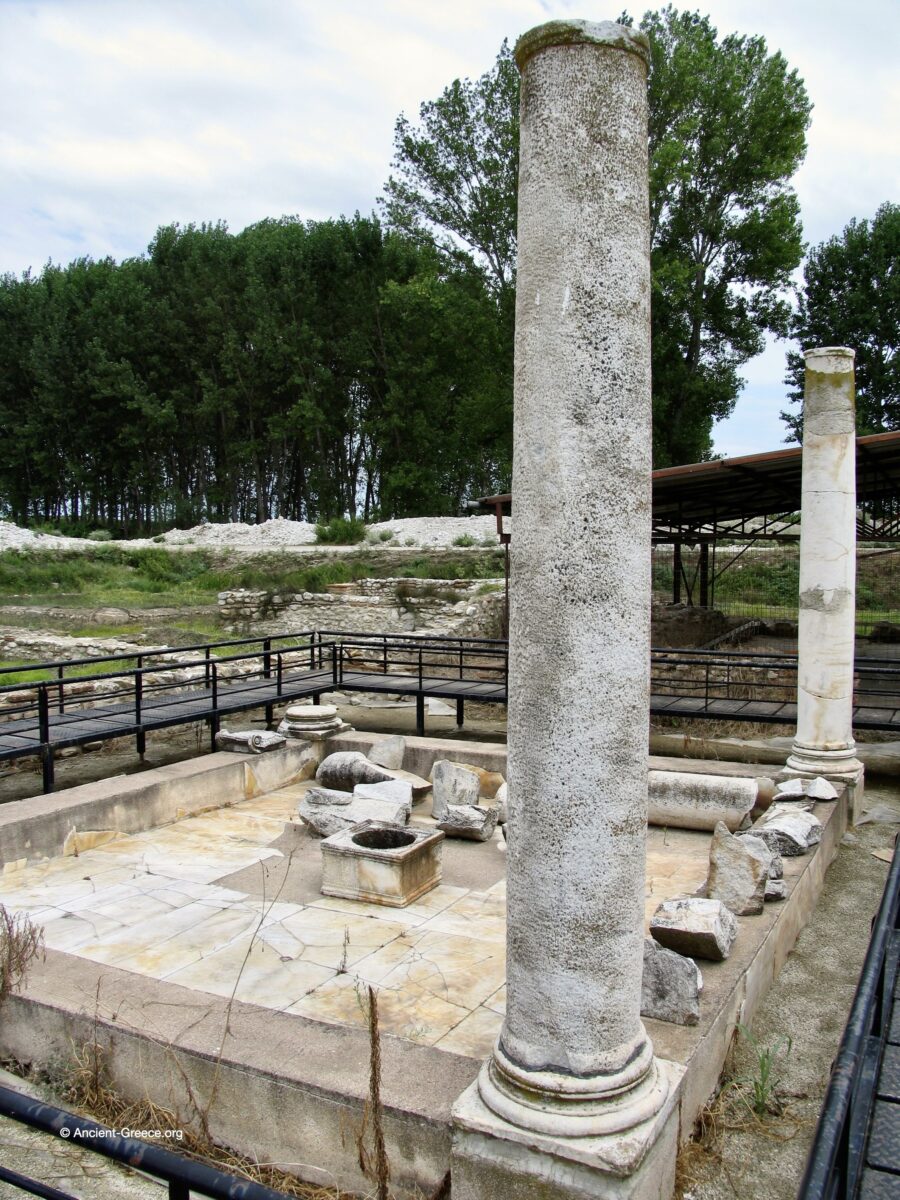
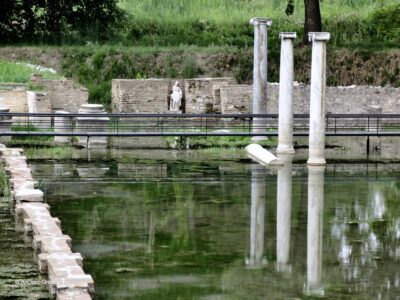
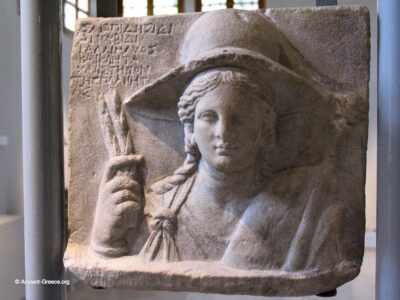
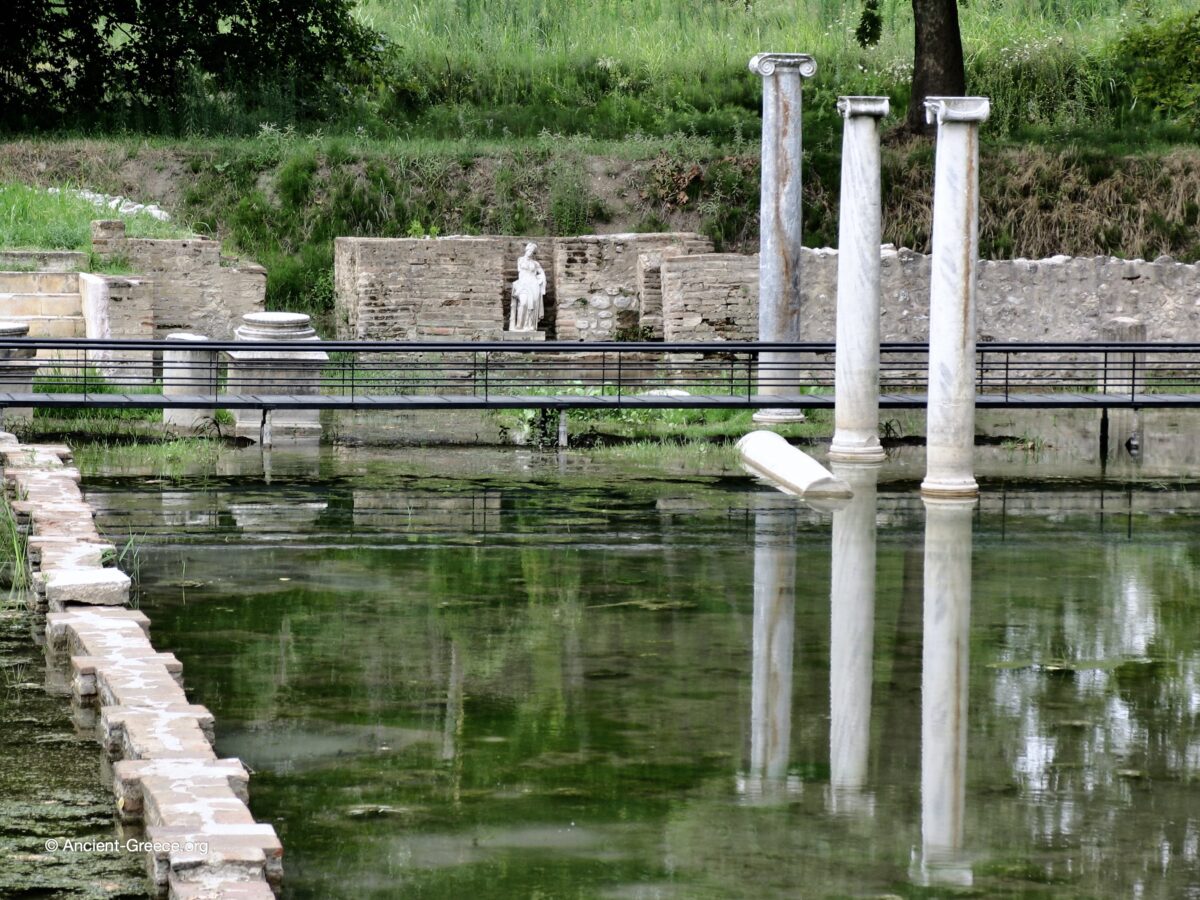
The Cult of Isis was introduced to Dion during the Hellenistic period (2nd Century BCE), likely replacing or absorbing an older worship of Artemis Lochia (the protector of women in childbirth). The earliest archaeological evidence, including a votive inscription to Isis, Sarapis, and Anubis, dates back to the 2nd century BCE.
The sanctuary reached its peak during the Roman Imperial era. Most of the structures currently visible at the archaeological site—including the main temple, the altars, and the various naiskoi (small temples)—were rebuilt or renovated in the 2nd century CE. The site was finally destroyed by an earthquake and subsequent flooding in the late 4th century CE.
Public Baths
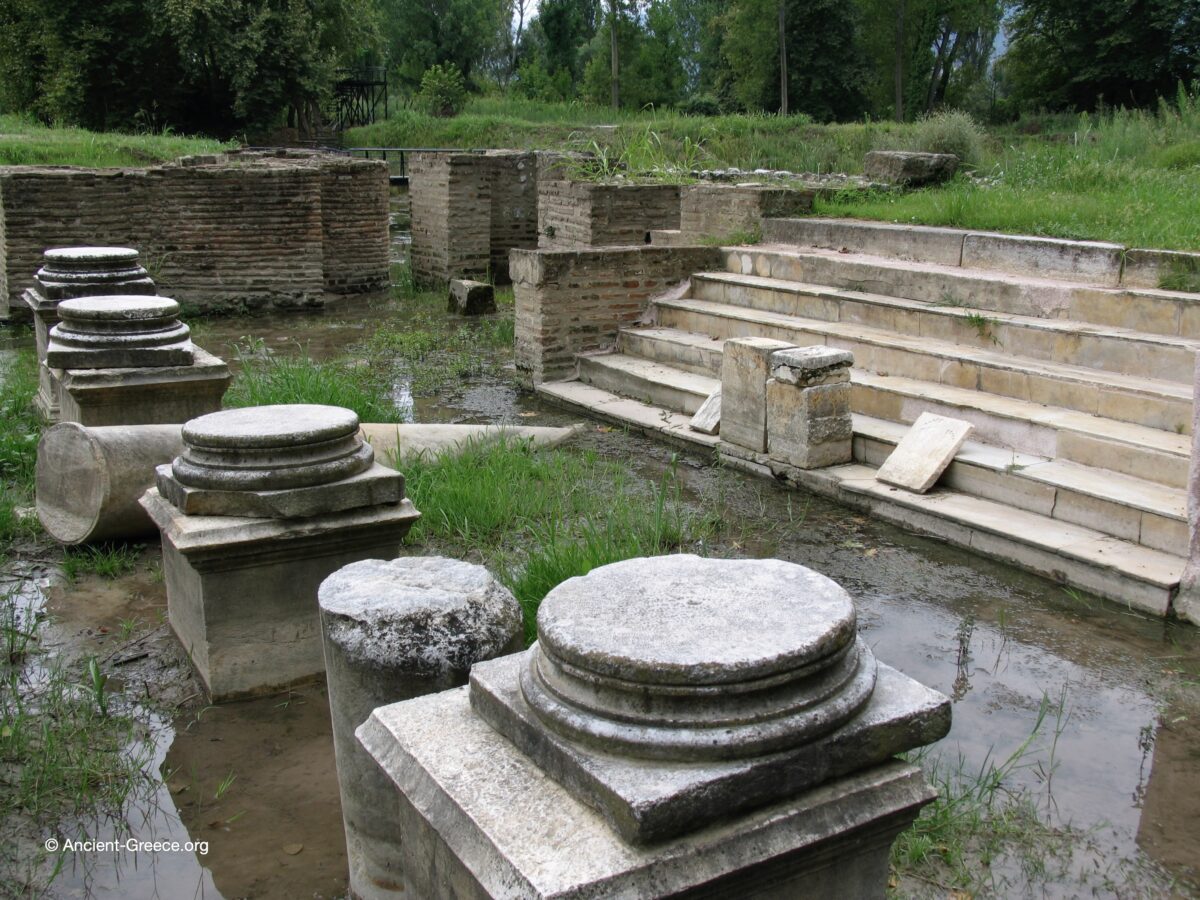
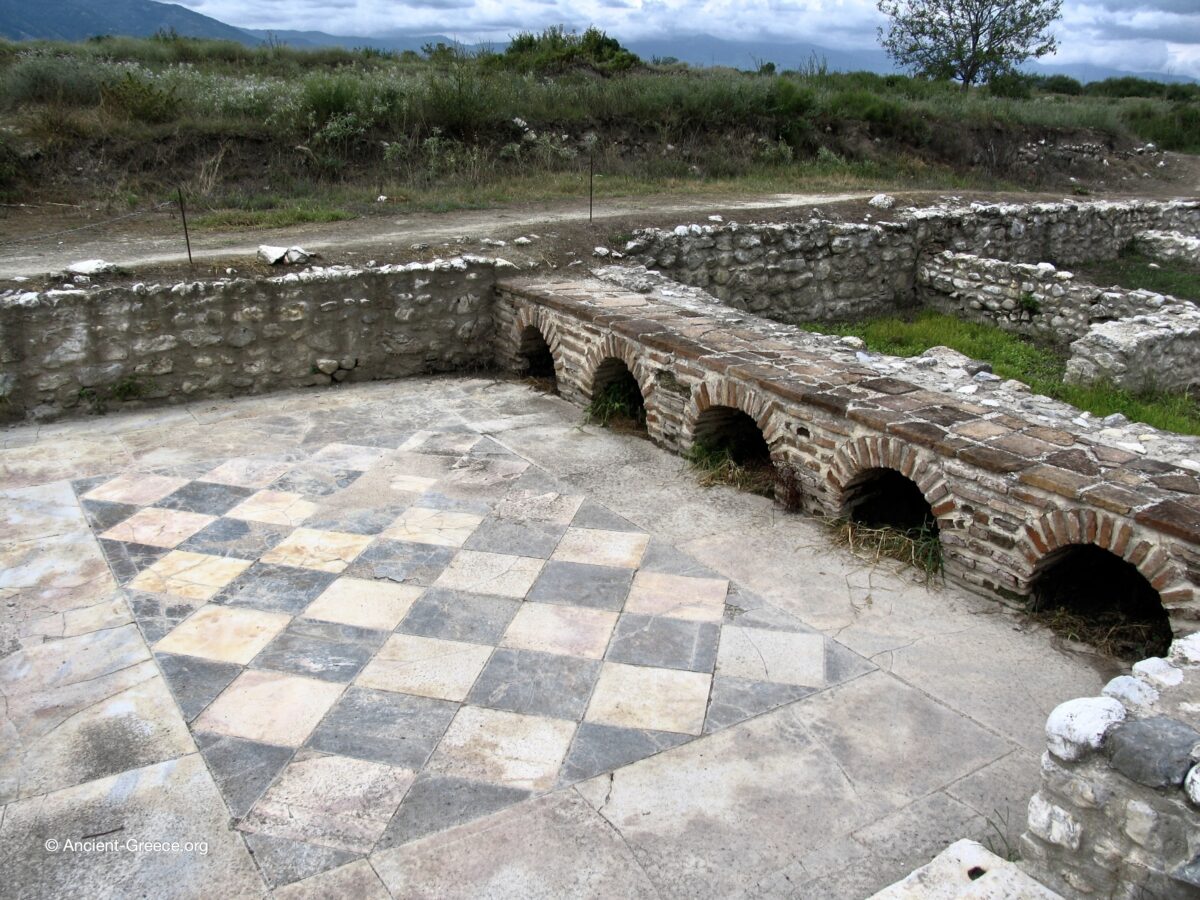
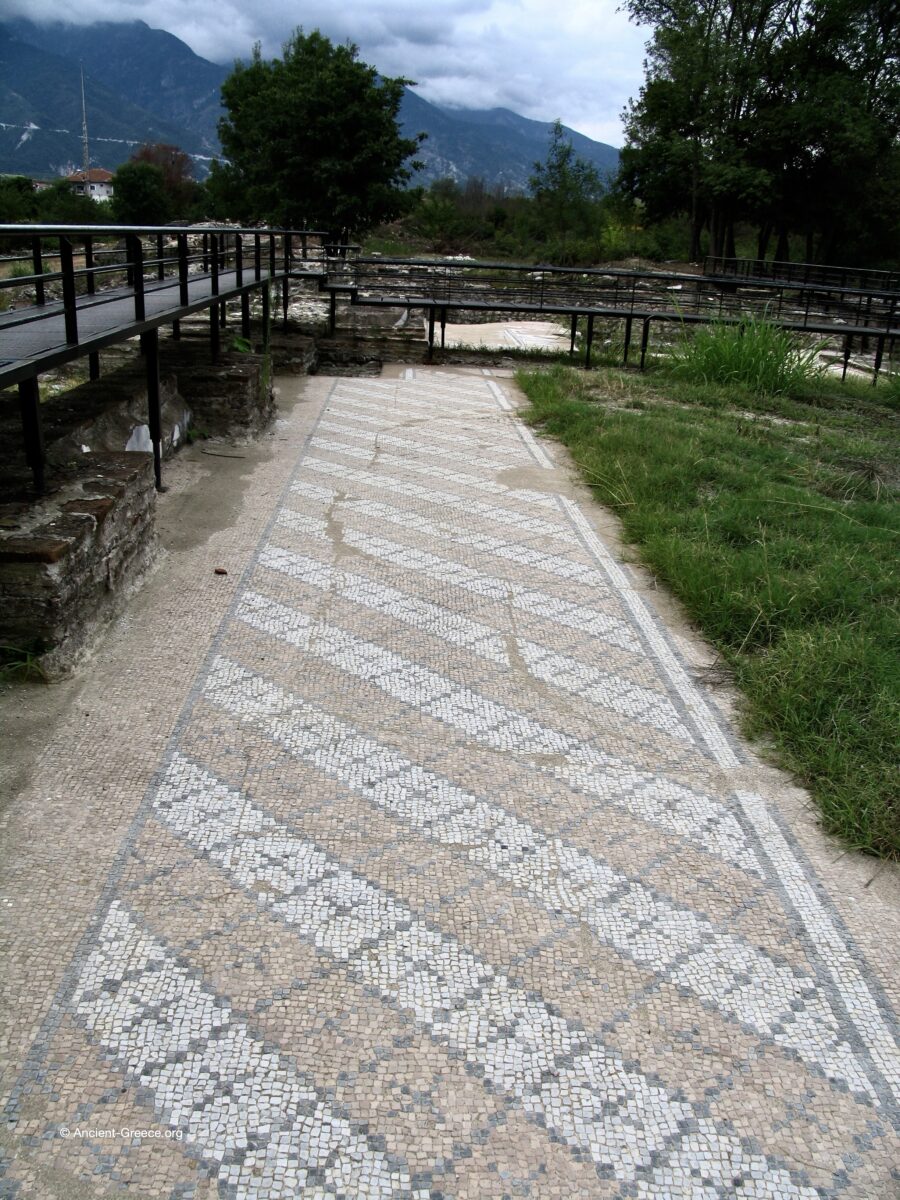
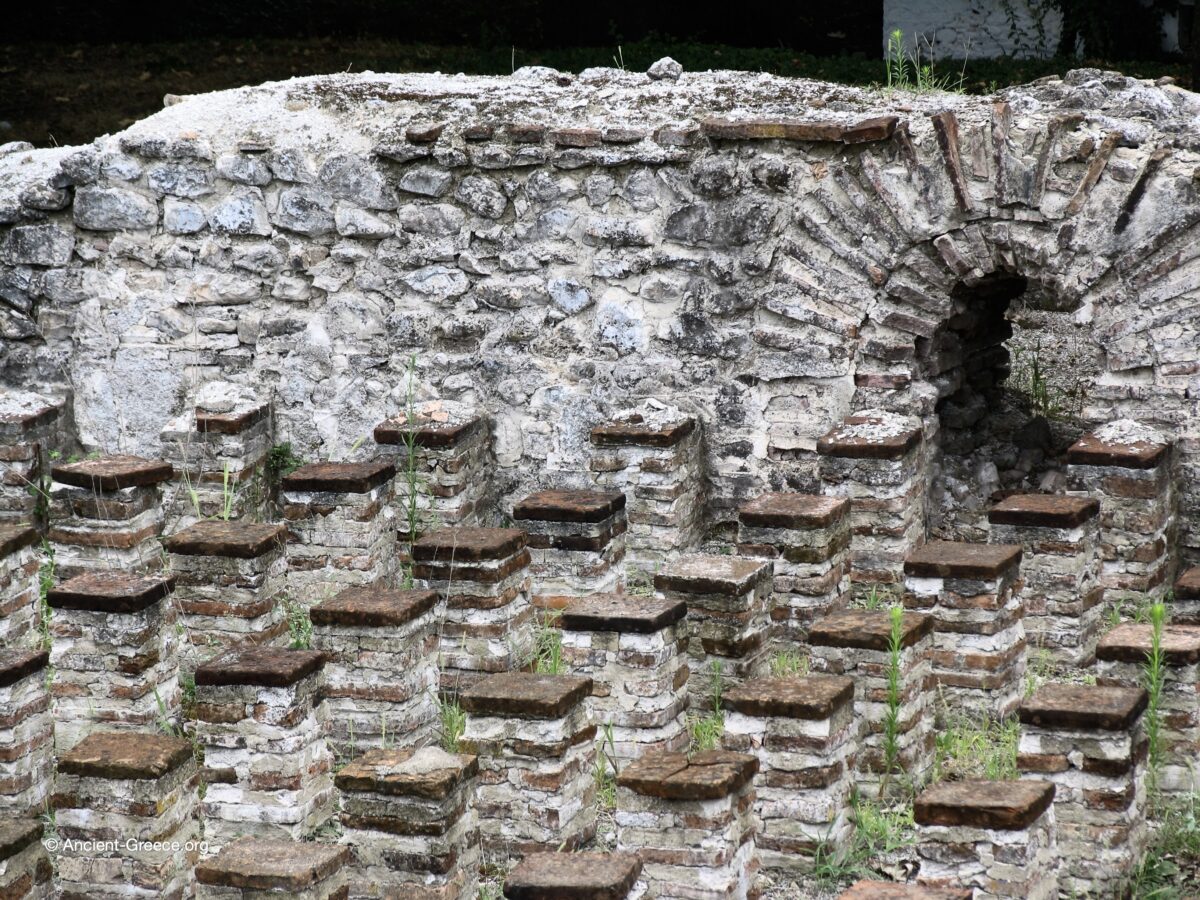
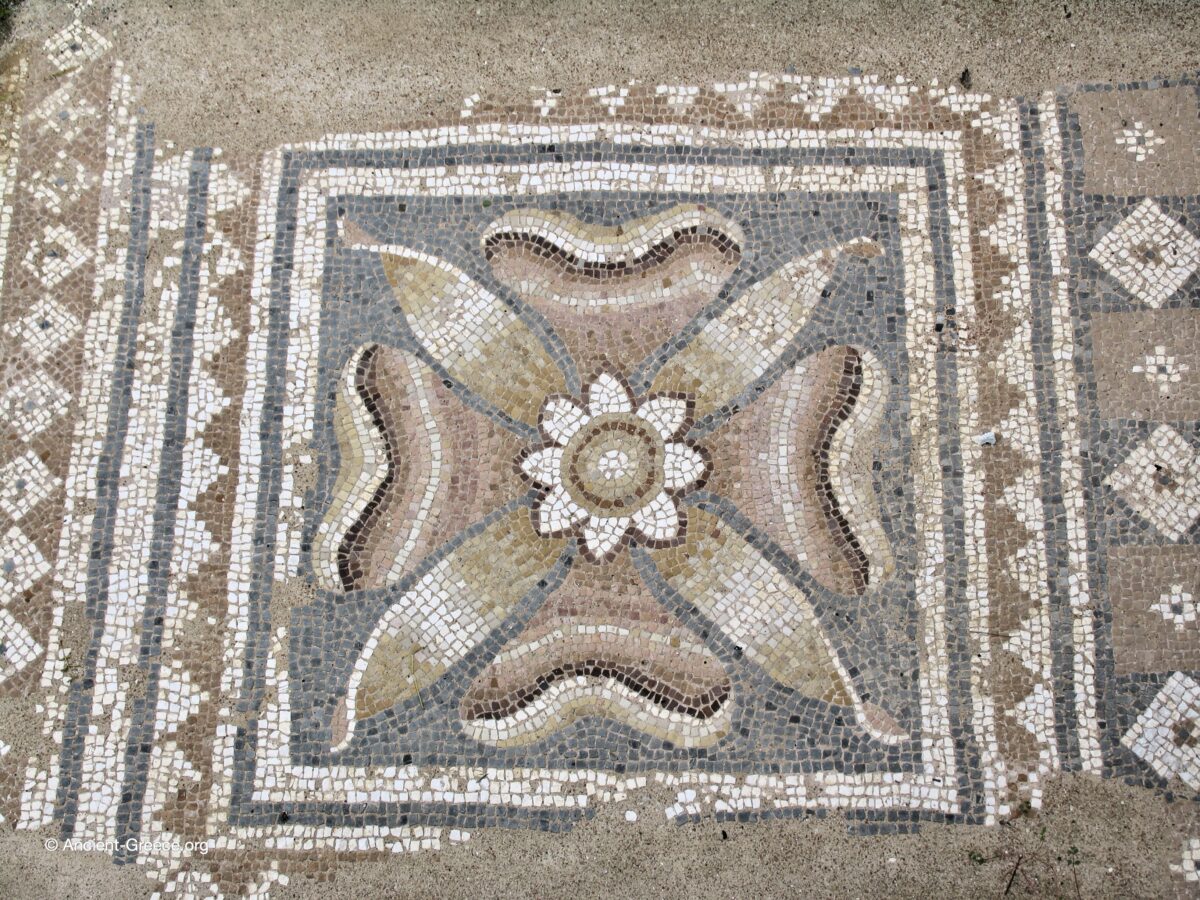
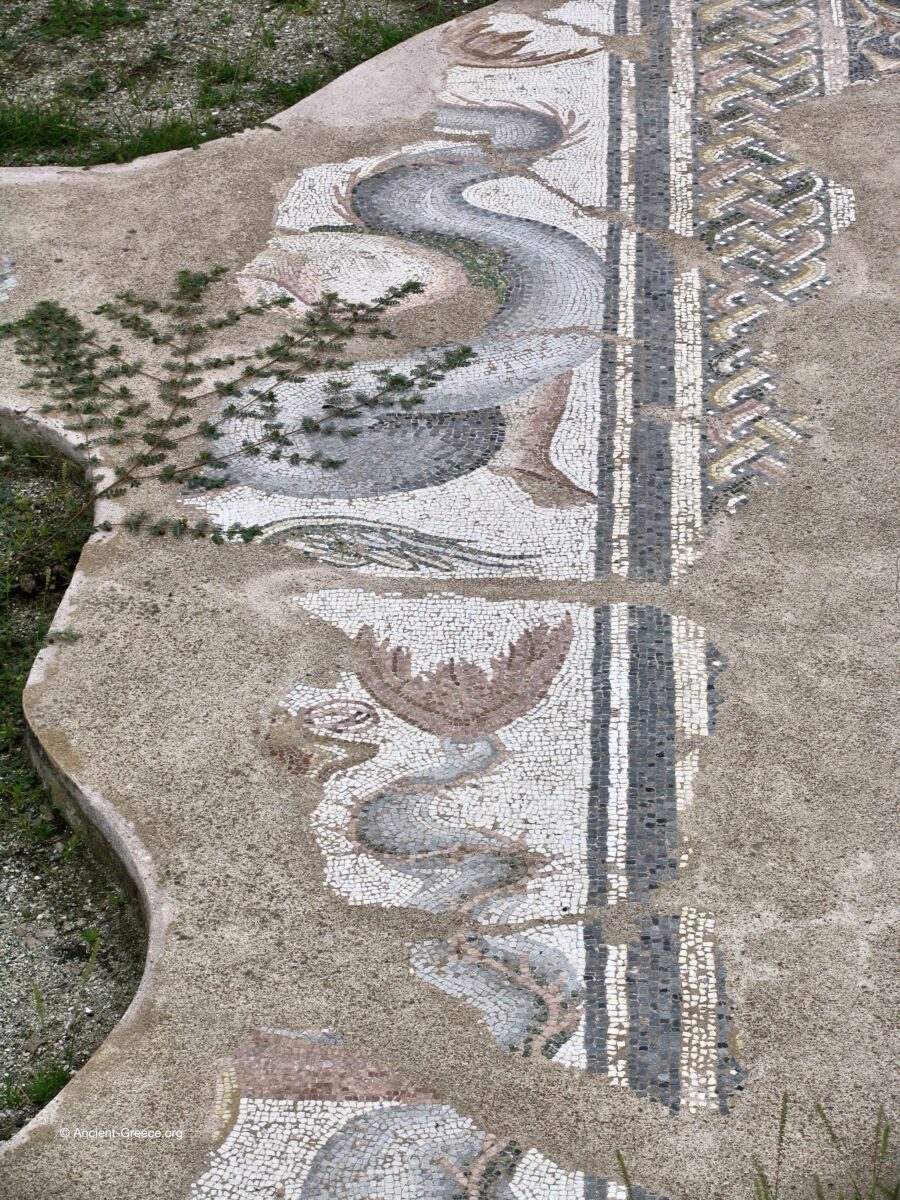
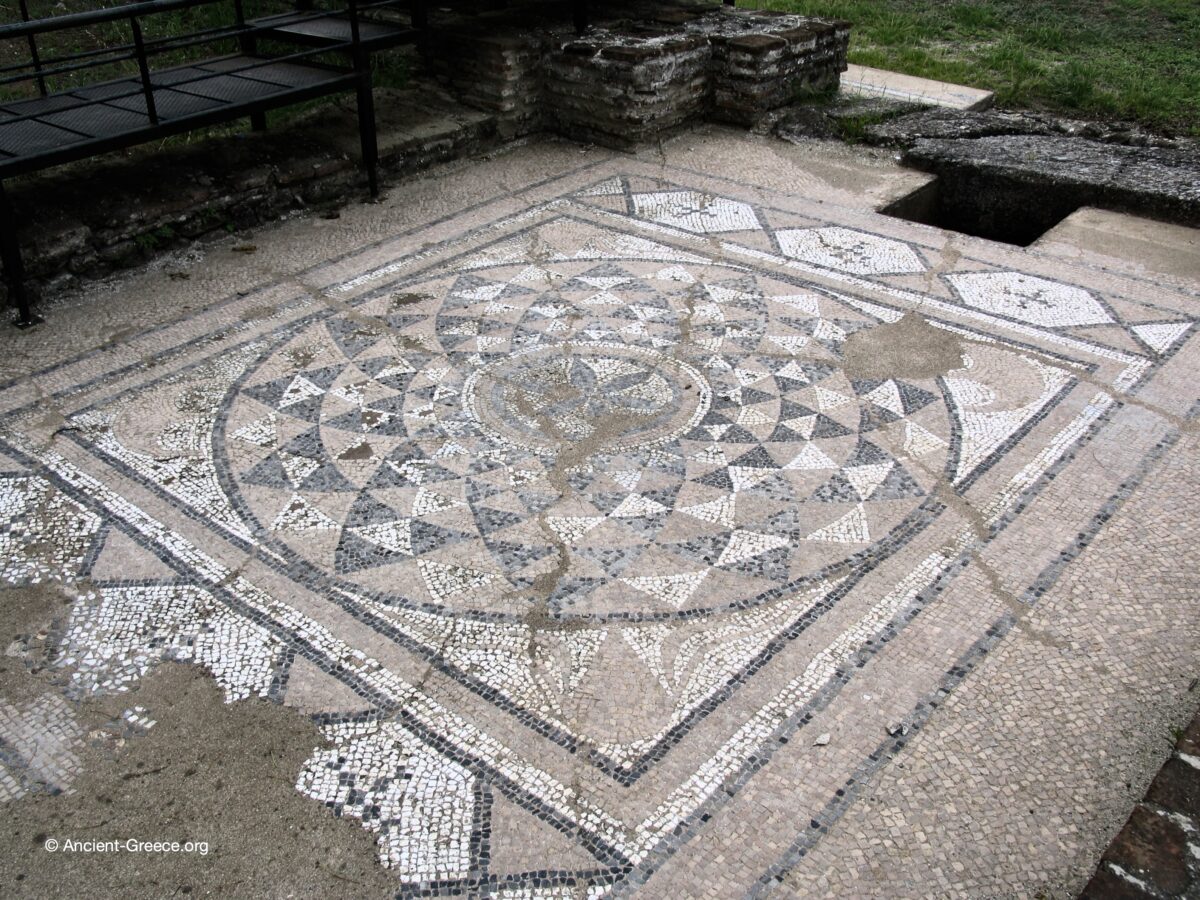
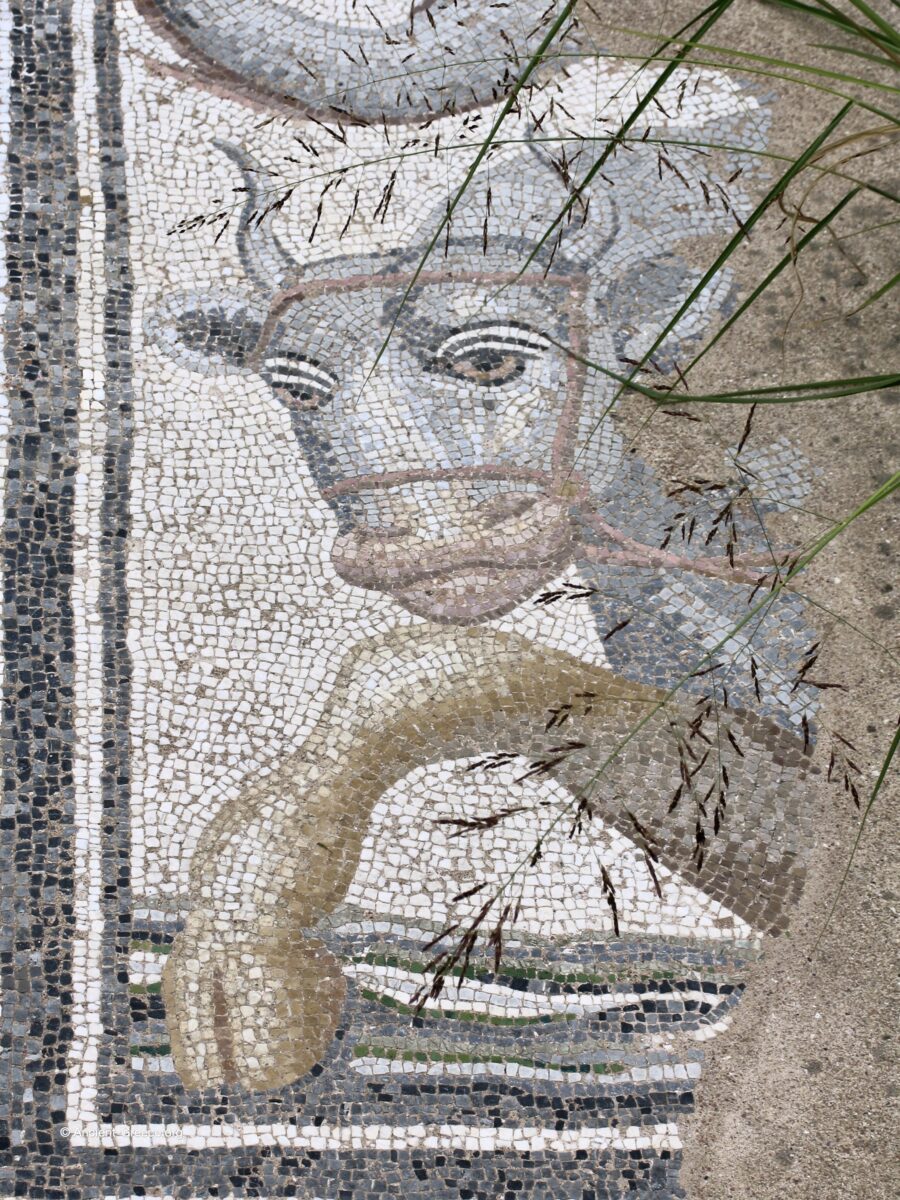
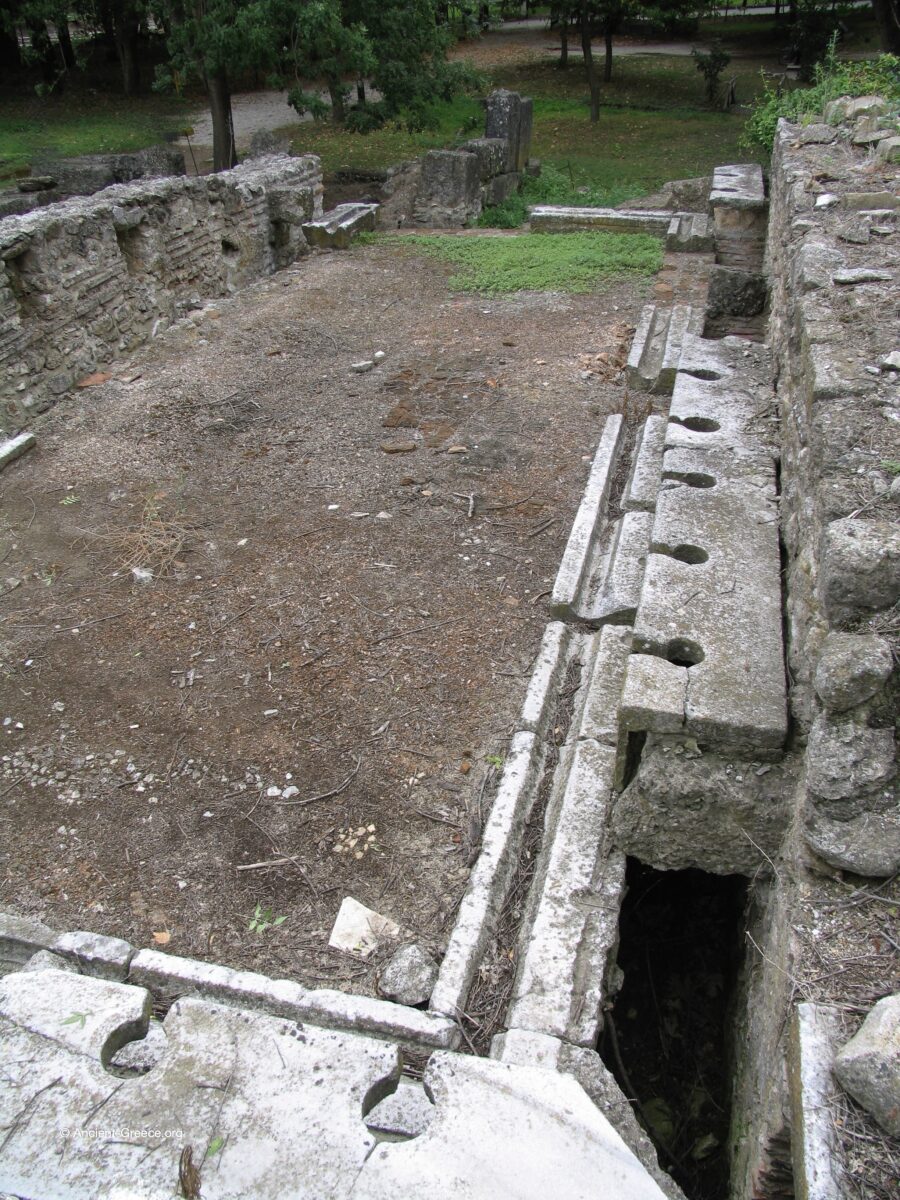
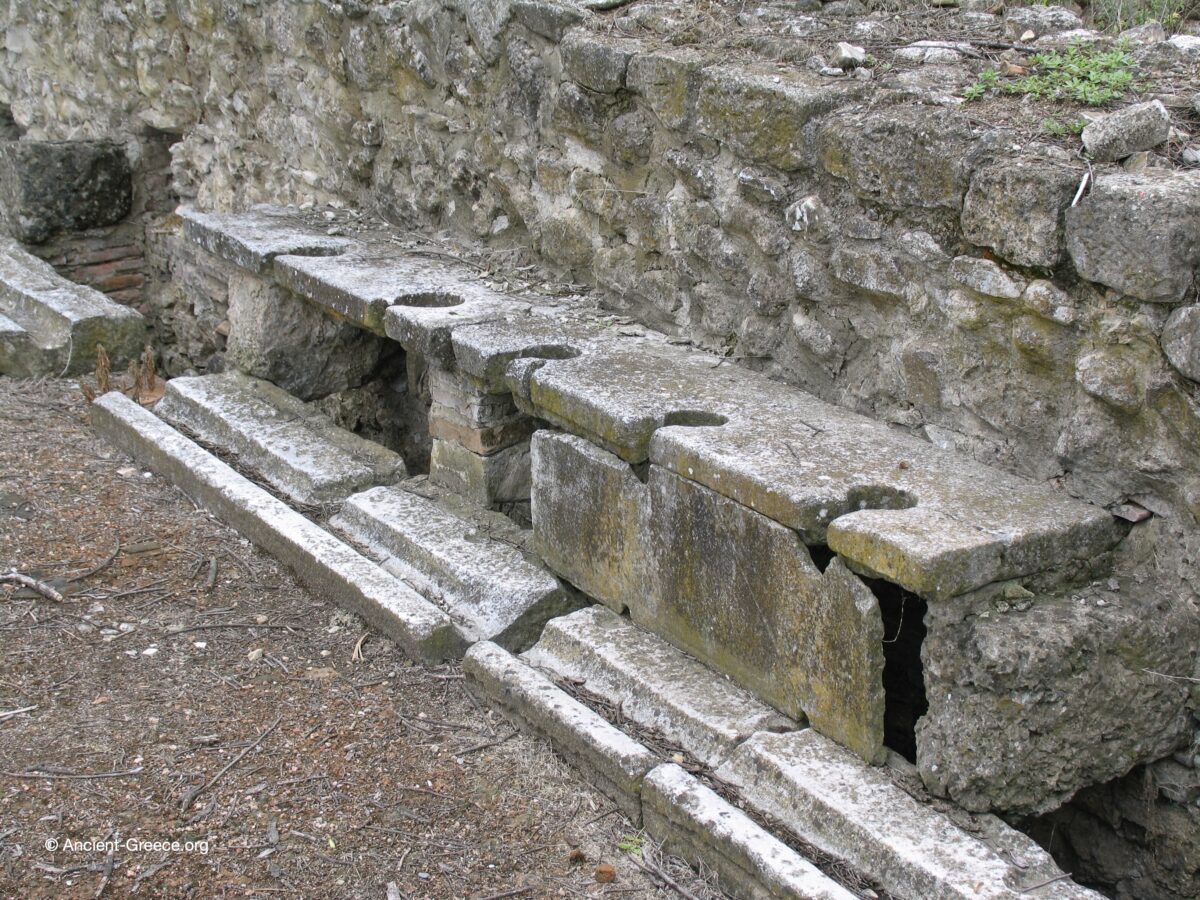
The Great Baths of Dion, constructed around 200 CE during the Severan dynasty, represent the height of Roman urban luxury in Macedonia.
This massive complex, covering over 4,000 square meters, was an architectural marvel designed for both hygiene and social life, featuring sophisticated hypocaust underfloor heating and a complex network of clay pipes for water distribution.
Beyond the standard sequence of bathing rooms—the frigidarium (cold), tepidarium (warm), and calidarium (hot)—the site is renowned for its artistic splendor, most notably the exquisite floor mosaics depicting the Nereids and the sanctuary’s famous marble statues of the children of Asclepius.
Though the baths fell into disuse following the devastating earthquakes of the late 4th century, the preserved remains of the marble-paved floors, communal latrines, and brick-built furnace rooms remain some of the most impressive examples of Roman engineering in Northern Greece.
More Photos
Dion History
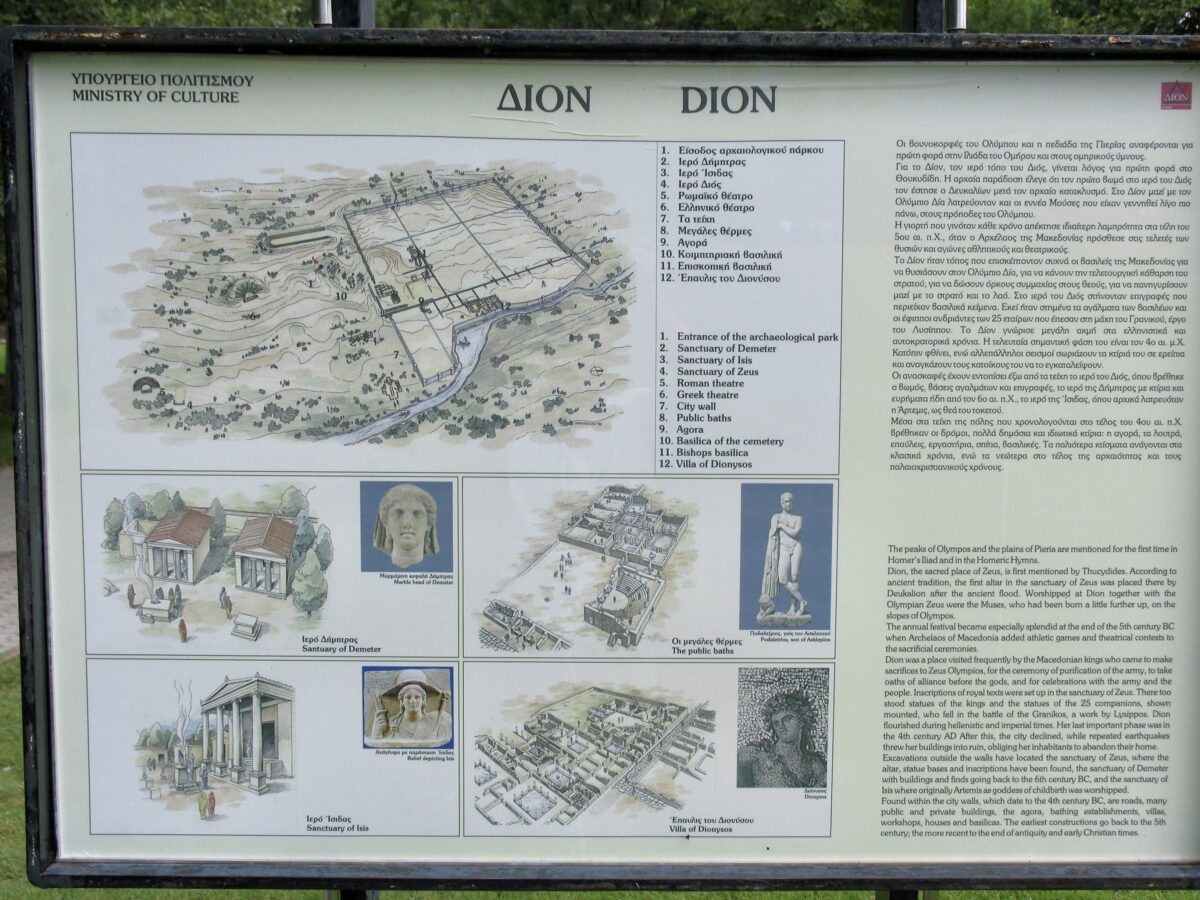
The information sign at Dion Archaeological Park reads:
“The peaks of Olympus and the plains of Pieria are mentioned for the first time in Homer’s Illiad and in the Homeric Hymns.
Dion, the sacred place of Zeus, is first mentioned by Thucydides. According to ancient tradition, the first altar in the sanctuary of Zeus was placed there by Deukalion after the ancient flood.
Worshipped at Dion together with the Olympian Zeus were the Muses, who had been born a little further up, on the slopes of Mt. Olympus.
The annual festival became especially splendid at the end of the 5th century BC when Archelaos of Macedonia added athletic games and theatrical contests to the sacrificial ceremonies.
Dion was a place visited frequently by the Macedonian kings who came to make sacrifices to Zeus Olympios, for the ceremony of purification of the army, to take oaths of alliance before the gods, and for celebrations with the army and the people.
Inscriptions of royal texts were set up in the sanctuary of Zeus. There too stood statues of the kings and the statues of the 25 companions, shown mounted, who fell in the battle of the Granikos, a work by Lysippos.
Dion flourished during hellenistic and imperial times. Her last important phase was in the 4th century AD After this, the city declined, while repeated earthquakes threw her buildings into ruin, obliging her inhabitants to abandon their home.
Excavations outside the walls have located the sanctuary of Zeus, where the altar, statue bases and inscriptions have been found, the sanctuary of Demeter with buildings and finds going back to the 6th century BC, and the sanctuary of Isis where originally Artemis as goddess of childbirth was worshipped.
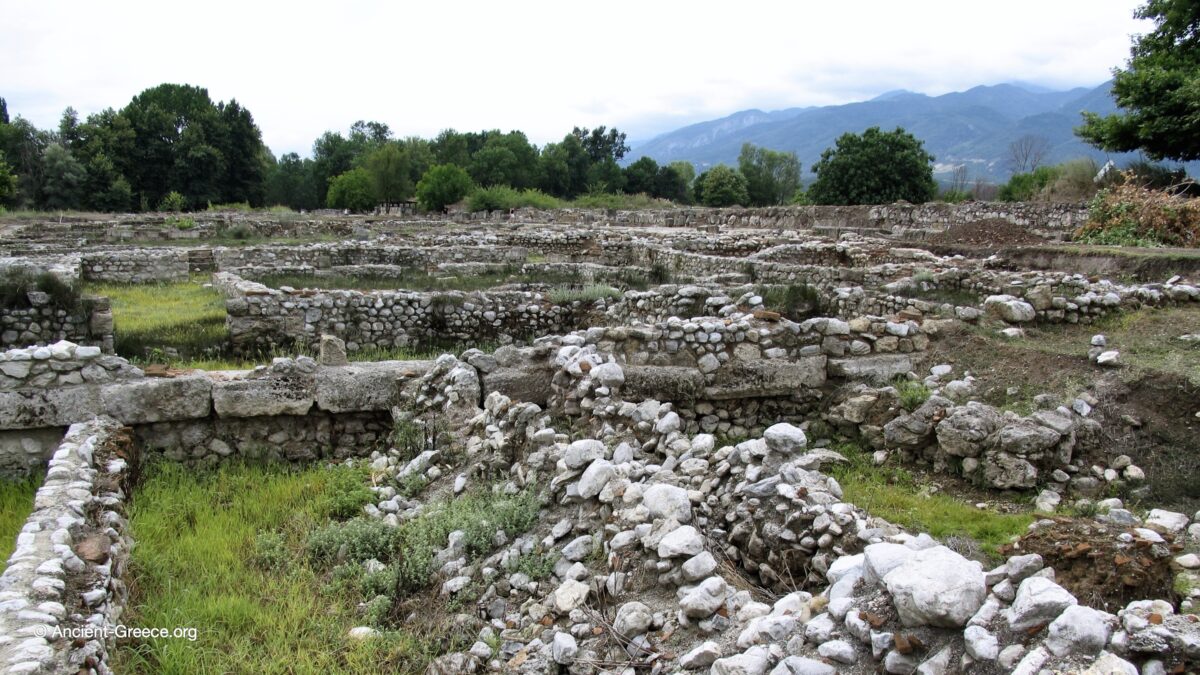
Found within the city walls, which date to the 4th century BC, are roads, many public and private buildings, the agora, bathing establishments, villas, workshops, houses and basilicas. The earliest constructions go back to the 5th century; the more recent to the end of antiquity and early Christian times.”