On this page:
Ελληνικά
Ιστορικό Πλαίσιο
Η αρχαία Κασσώπη ιδρύθηκε στα μέσα του 4ου αιώνα π.Χ. ως το διοικητικό κέντρο μιας περιοχής της Θεσπρωτίας, όπου οι κάτοικοι προηγουμένως ζούσαν σε μικρούς, ατείχιστους οικισμούς. Η πόλη έφτασε στην ακμή της τον 3ο αιώνα π.Χ. με την κατασκευή σημαντικών δημόσιων κτιρίων και γνώρισε δύο αιώνες ευημερίας. Η στρατηγική της θέση σε ένα απομακρυσμένο πλάτωμα του όρους Ζαλόγγου παρείχε αμυντικό πλεονέκτημα και πανοραμική θέα προς το Ιόνιο Πέλαγος και τον Αμβρακικό Κόλπο. Αυτή η περίοδος πλούτου τερματίστηκε το 168/7 π.Χ., όταν η πόλη καταλήφθηκε και καταστράφηκε από τις ρωμαϊκές δυνάμεις του Αιμίλιου Παύλου. Μετά τη ναυμαχία του Ακτίου το 31 π.Χ., οι εναπομείναντες κάτοικοι μεταφέρθηκαν αναγκαστικά στη Νικόπολη, τη νέα πόλη που ίδρυσε ο Οκταβιανός Αύγουστος.
Πολεοδομία και Οικιστική Αρχιτεκτονική
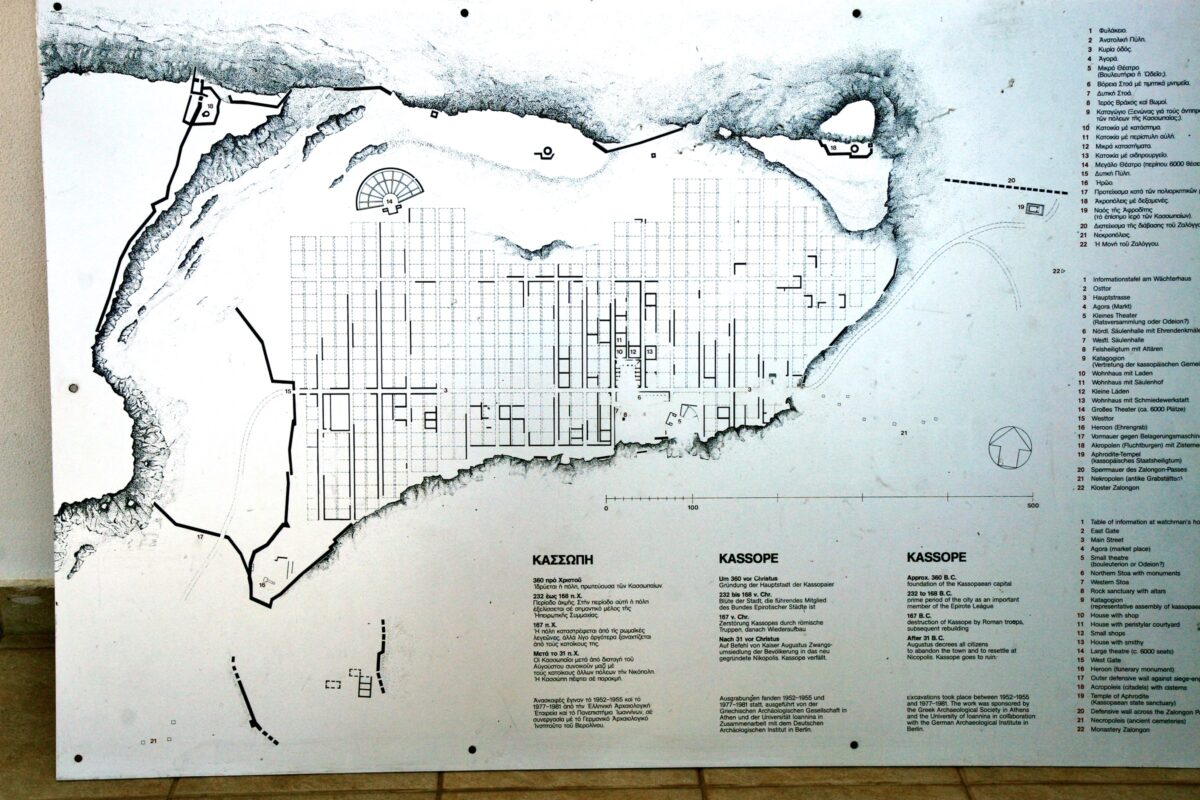
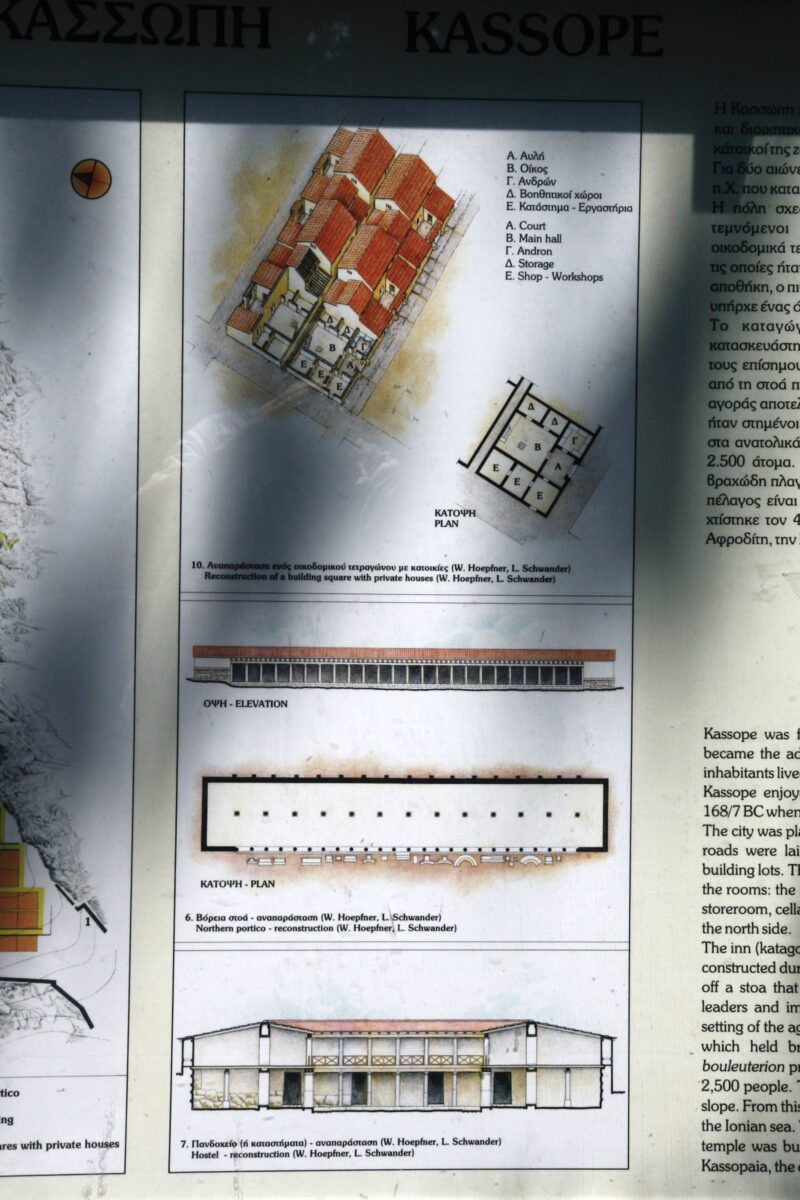
Η πόλη σχεδιάστηκε σύμφωνα με το Ιπποδάμειο σύστημα, διαθέτοντας μια αυστηρά οργανωμένη ρυμοτομία με παράλληλες οδούς που χώριζαν την πόλη σε 20 οριζόντιους τομείς. Οι ευθείες οδοί ήταν διατεταγμένες κάθετα μεταξύ τους, σχηματίζοντας κανονικά οικοδομικά τετράγωνα. Οι κατοικίες διέθεταν περίστυλες αυλέςγύρω από τις οποίες αναπτύσσονταν οι χώροι: ο ανδρώνας, οι χώροι διαμονής, η κουζίνα, η αποθήκη, το κελάρι και το λουτρό. Συχνά υπήρχε δεύτερος όροφος κατά μήκος της βόρειας πλευράς.
Δημόσια Κτίρια και Ιερά
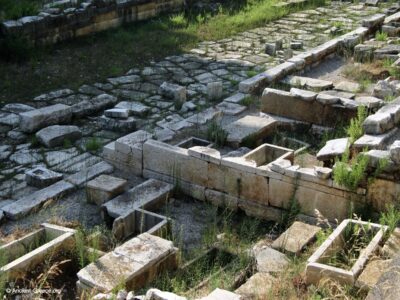
Το πολιτικό κέντρο της Κασσώπης περιλάμβανε αρκετά μνημειώδη οικοδομήματα. Το Καταγώγιο(ξενοδοχείο), κατασκευασμένο κατά τον 3ο αιώνα π.Χ., παραμένει το καλύτερα διατηρημένο δημόσιο κτίριο· τα ορθογώνια δωμάτιά του έβλεπαν σε στοά γύρω από την κεντρική αυλή για τη φιλοξενία ξένων ηγετών και προσκεκλημένων. Το Πρυτανείο χρησίμευε ως η διοικητική έδρα των αρχόντων. Ο αρχιτεκτονικός διάκοσμος της Αγοράς περιλάμβανε εξέδρες στη βόρεια και δυτική πλευρά για χάλκινα και μαρμάρινα αγάλματα, ενώ το Βουλευτήριο στην ανατολική πλευρά διέθετε σκηνή και ορχήστρα για 2.500 άτομα. Έξω από τα τείχη, το Μεγάλο Θέατρο χτίστηκε σε βραχώδη πλαγιά με χωρητικότητα 6.000 θεατών, ενώ ένα μικρότερο Ωδείοεξυπηρετούσε μουσικές και πολιτικές συγκεντρώσεις. Διακόσια μέτρα ανατολικά της πόλης βρισκόταν ένας περίπτερος ναός του 4ου αιώνα π.Χ., αφιερωμένος στην Αφροδίτη Κασσωπαία, την επίσημη θεά της πόλης.
Kassope or Cassope (Ancient Greek: Κασσώπη, Κασσωπία, Κασσιόπη).
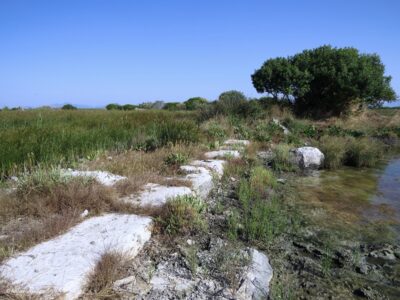
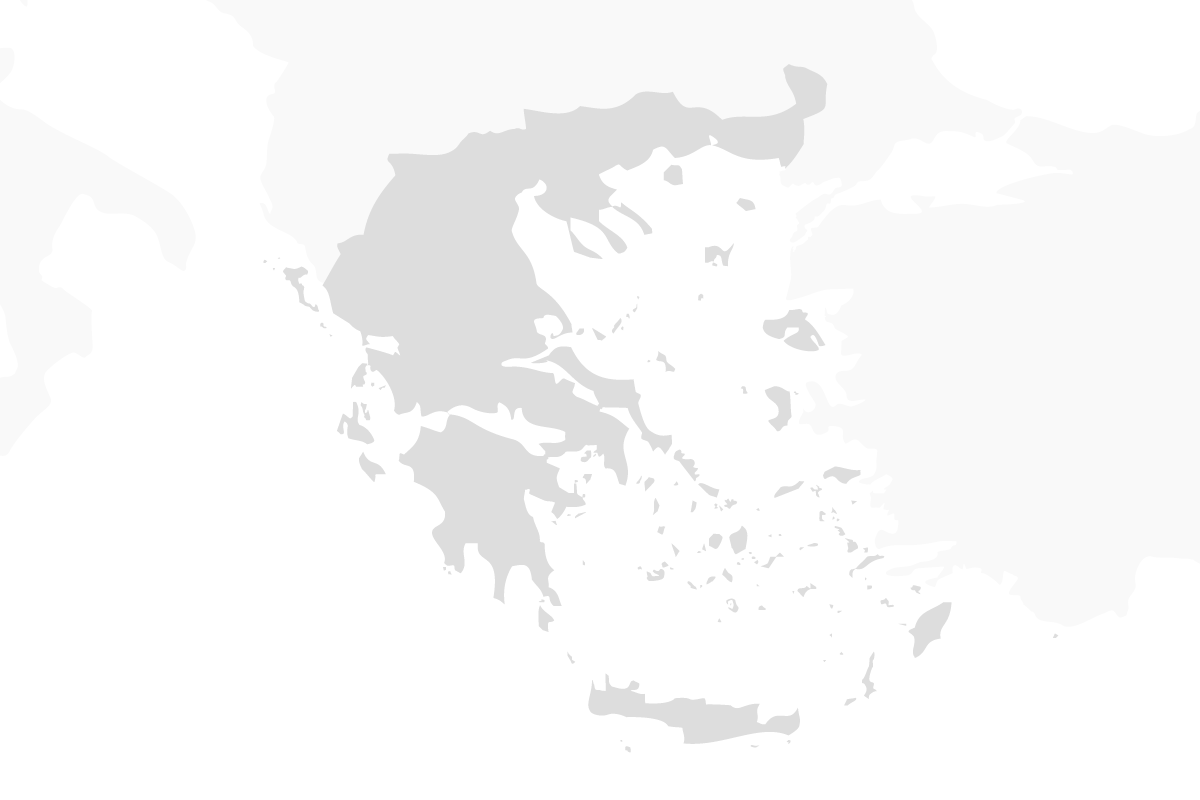
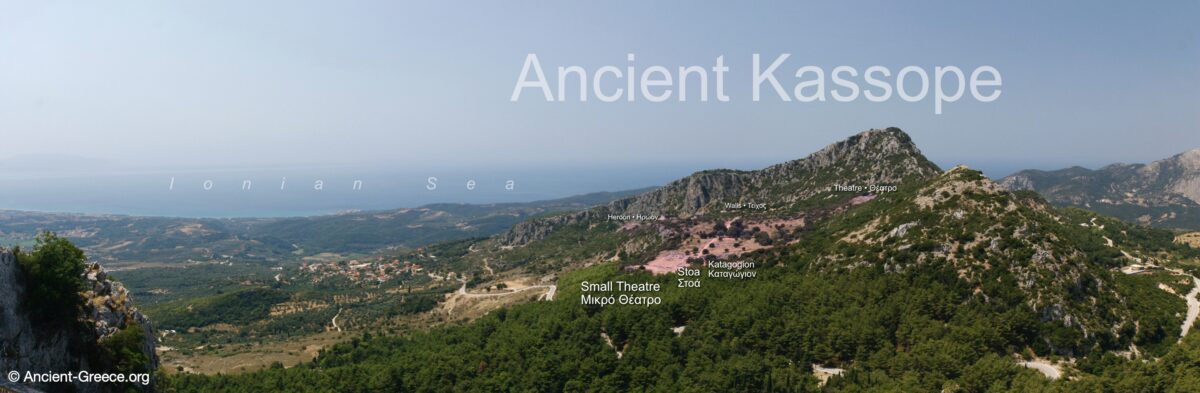
Ancient Kassope is located on a remote plateau of Mt. Zalongo in Epirus, Greece, approximately 20 km north of Preveza. Founded in the mid-4th century BCE by the Kassopeans, a branch of the Thesprotian tribes, the city served as the capital of Kassopaia. It is recognized as one of the best-preserved examples of a city built according to the Hippodamian grid system.
Photographs – Φωτογραφίες
More photos – Περισσóτερες φωτογραφίες …
Historical Context
Ancient Kassope was founded in the middle of the 4th century BC as the administrative center of a region in Thesprotiawhere inhabitants previously lived in small, unfortified settlements. The city reached its zenith in the 3rd century BCwith the construction of significant public buildings and enjoyed two centuries of prosperity. Its strategic position on a remote plateau of Mt. Zalongo provided a defensive advantage and a commanding view over the Ionian Sea and the Ambracian Gulf. This period of wealth ended in 168/7 BC when the city was occupied and destroyed by Roman forces under Aemilius Paulus. Following the Battle of Actium in 31 BC, the remaining inhabitants were forcibly relocated to Nicopolis, the new city founded by Octavian Augustus.
Urban Planning and Domestic Architecture
The city was planned according to the Hippodamian system, featuring a strictly organized layout with parallel streets dividing the site into 20 horizontal sectors. Straight roads were laid out perpendicular to each other to form regular building lots. The houses typically featured peristyle courtyards surrounded by functional rooms, including the andron(men’s room), living quarters, kitchen, storeroom, cellar, and bath. Many residences included a second floor situated along the north side.
Public Buildings and Religious Sites
The civic center of Kassope contained several monumental structures. The Katagogion (inn), constructed during the 3rd century BC, remains the best-preserved public building; its rectangular rooms opened off a stoa surrounding a central courtyard to house visiting leaders and foreign guests. The Prytaneion served as the administrative headquarters for executive officials. The architectural setting of the Agora included exedras on the north and west sides for bronze and marble statues, while the Bouleuterion on the east side provided a stage and orchestra for 2,500 people. Outside the city walls, the Great Theatre was built on a rocky slope with a capacity for 6,000 spectators, and a smaller Odeon served for musical and political gatherings. Two hundred meters east of the city stood a peripteral temple built in the 4th century BC, dedicated to Aphrodite Kassopaia, the official goddess of the polis.