Archaeological Sites

-
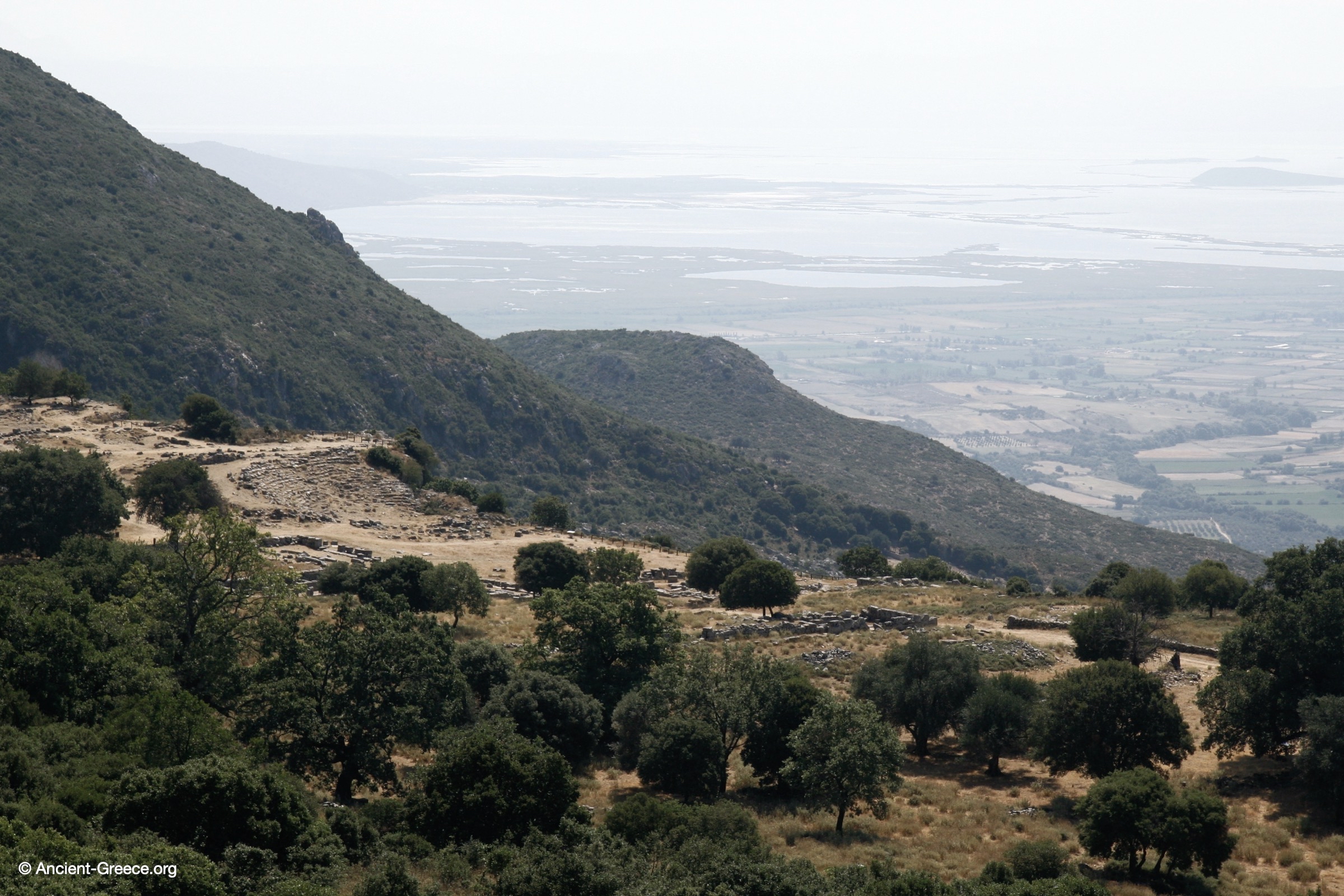
Kassope Archaeological Site | Αρχαιολογικός Χώρος Κασσώπης
Kassope or Cassope (Ancient Greek: Κασσώπη, Κασσωπία, Κασσιόπη). Ancient Kassope is located on a remote plateau of Mt. Zalongo in Epirus, Greece,…
-
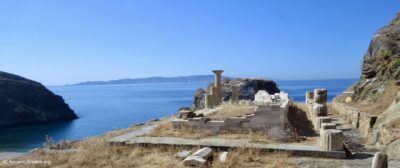
Kea Archaeological Sites | Αρχαιολογικοί Χώροι Κέας
The archaeological landscape of Kea (also known as Tzia; Greek: Κέα or Τζια) encompasses significant prehistoric and classical…
-
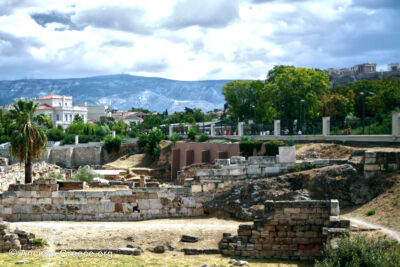
Kerameikos Archaeological Site
Kerameikos (Κεραμεικός, Ceramicus) is the area of ancient Athens where the potters had their workshops. The English word…
-
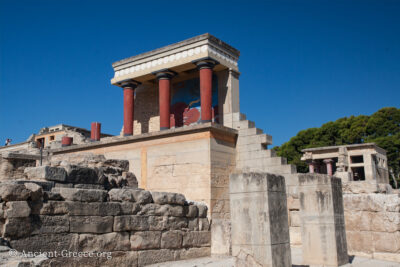
Knossos
Knossos (Κνωσσός, also transliterated as Cnossos, Knossus, Cnossus, Gnossus, Gnossos) palace was undeniably the most important center of Minoan…
-
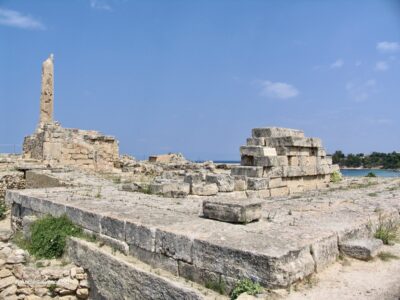
Kolona, Aegina Island | Αίγινα: Κολώνα
The archaeological site of Aegina-Kolona represents one of the most significant stratified settlements in the Aegean, with a continuous occupation…
-
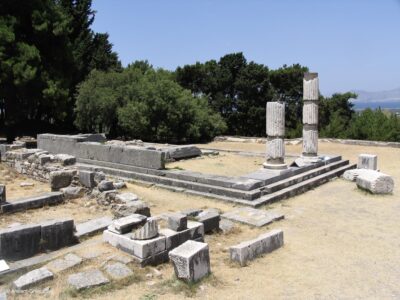
Kos – Asklepieion | Το Ασκληπιείο της Κω
Kos (Κως) Asklepieion (Ασκληπιείο)3rd Century π.Χ. (Hellenistic) Τhe Asklepieion of Kos, or the Sanctuary of Asklepios, is one of the most significant healing centers…
-
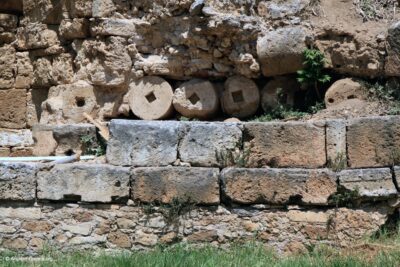
Kydonia | Κυδωνία
Kydonia (Κυδωνία, also spelled Cydonia) was a powerful ancient city-state situated on the northwestern coast of Crete, lying…
-
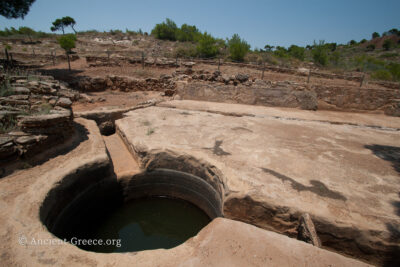
Lavrion Ancient Silver Mines
Lavrion (Λαύριον, Λαύριο, Lavrio, Laurio, Laurium, Laurion), is a rugged area in eastern Attica, near Athens, where the ancient…
-
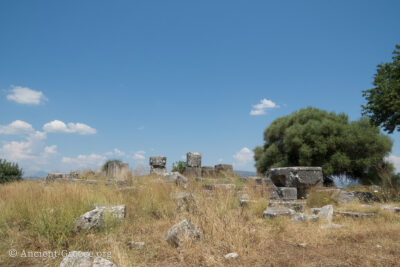
Limnaea
Limnaea (Greek: Λιμναία, also transliterated as Limnaia) is an archaeological site in Akarnania, Greece. The ruins of ancient…
-
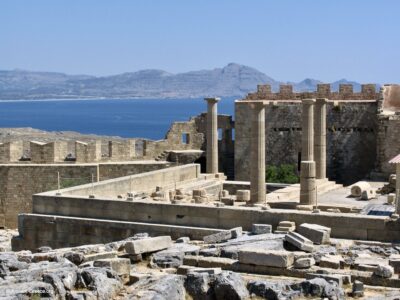
Lindos Acropolis | Ακρόπολη Λίνδου
Lindos Acropolis The Lindos Acropolis, also known as the Acropolis of Lindos, is a natural citadel and archaeological…
-
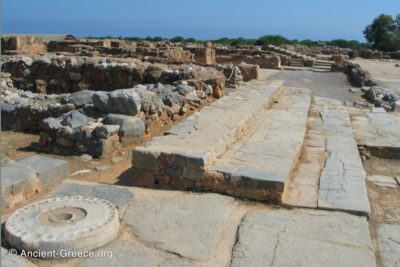
Malia
The Minoan palace at Malia (Μάλια) is the third largest palace of Minoan Crete after Knossos and Phaistos.…
-
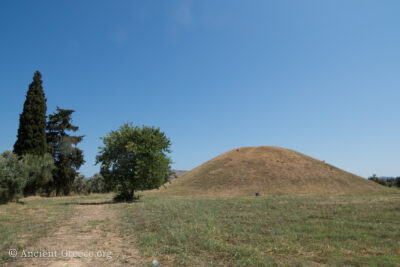
Marathon Archaeological Site
Marathon (Μαραθών, Μαραθώνας) area has yielded archaeological artifacts dating back to the Stone Age, but in modern times…