Category: Art & Architecture
-
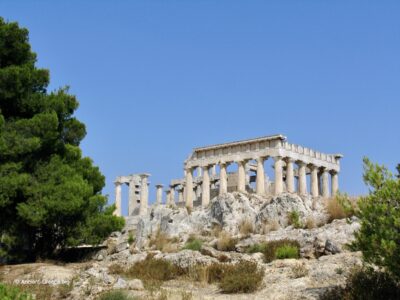
Aegina Island: Temple of Aphaia | Αίγινα: Ναός της Αφαίας
Read more: Aegina Island: Temple of Aphaia | Αίγινα: Ναός της ΑφαίαςOne of the most delightful Doric temples of Greece, the temple of Aphaia (Ναός τῆς Ἀφαίας) is located atop the pine-clad…
-
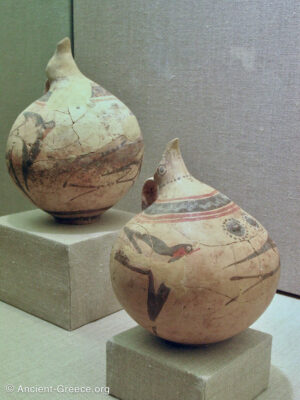
Akrotiri Art | Ακρωτήρι Τέχνη
Read more: Akrotiri Art | Ακρωτήρι ΤέχνηAkrotiri Frescoes The wall-paintings of Akrotiri constitute the most significant collection of Cycladic art from the Late Bronze Age (c. 1627–1500 BC). Unlike the contemporary frescoes of Minoan Crete, which…
-
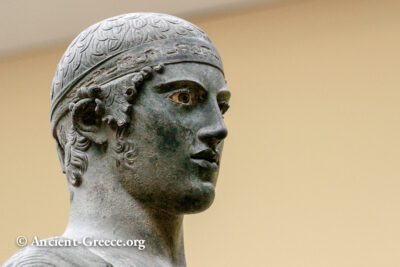
Charioteer of Delphi
Read more: Charioteer of DelphiThe “Charioteer of Delphi” (Greek: Ἡνίοχος, meaning the rein-holder; often transliterated as Heniokhos or Iniohos“) is one of the best known…
-
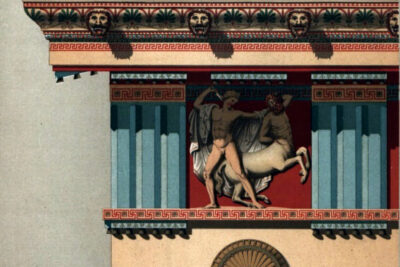
The Colors of the Parthenon
Read more: The Colors of the ParthenonRediscovering the Temple’s Colors The colors of the Parthenon have washed away over the past 2400 years, but pigment remnants can…
-
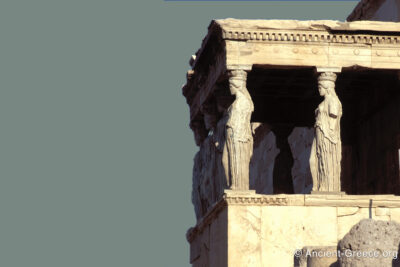
Erechtheion
Read more: ErechtheionWhile the Parthenon was the most imposing temple on the Acropolis, another building, the Erechtheion was built to accommodate the religious…
-
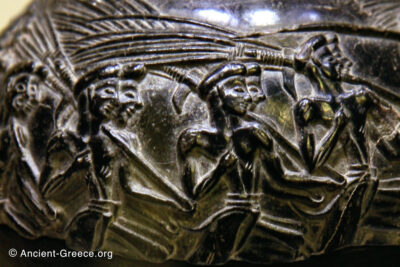
The Harvester Vase
Read more: The Harvester VaseA masterpiece of low relief sculpture The Harvester Vase is a rhyton from Bronze Age Crete, Greece, unearthed in the Minoan…
-
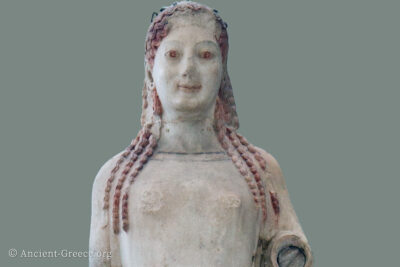
Kore
Read more: KoreKore (κόρη = maiden. Plural: κόραι, korai) refers to statues depicting female figures, always of a young age, which were created…
-
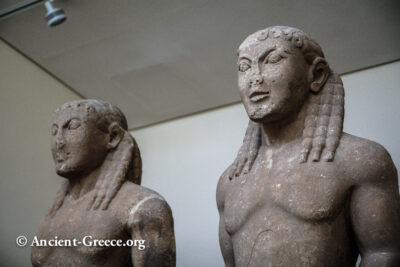
Kouros
Read more: KourosΚούρος (Kouros: youth. Plural: Κούροι, Kouroi) sculptures were abundantly produced in Ancient Greece during the Archaic era (700-480 BCE), continuing a…
-
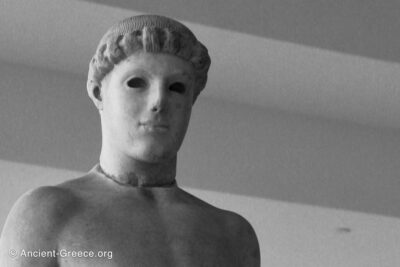
The Kritios Boy Sculpture
Read more: The Kritios Boy SculptureThe Kritios Boy (or Kritian Boy). Marble. 1.17 m (3 ft 10 in) tall. Believed to be the creation of Kritios,…
-
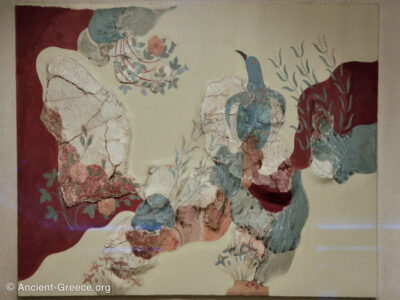
Minoan Art
Read more: Minoan ArtWhat has survived to our day from Minoan art provides insight into the culture that flourished in Crete during the Aegean…
-
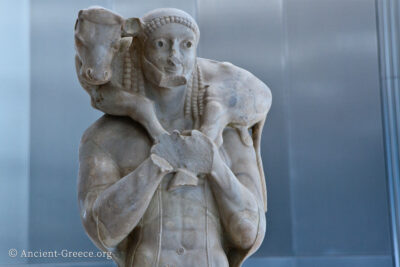
Moschoforos (The Calf Bearer)
Read more: Moschoforos (The Calf Bearer)Moschoforos, or The Calf Bearer. Marble, 1.64 m tall, c. 560 BCE. Atributed to the sculptor Phaidimos. The statue was dedicated…
-
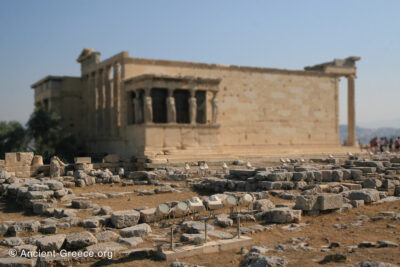
The Old Temple on the Acropolis
Read more: The Old Temple on the AcropolisBetween the Parthenon and the Erechtheion a careful observer can make out the foundations of an old temple dating to the…