On this page:
Ελληνικά
Περιεχόμενα:
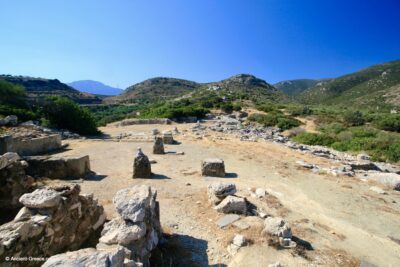
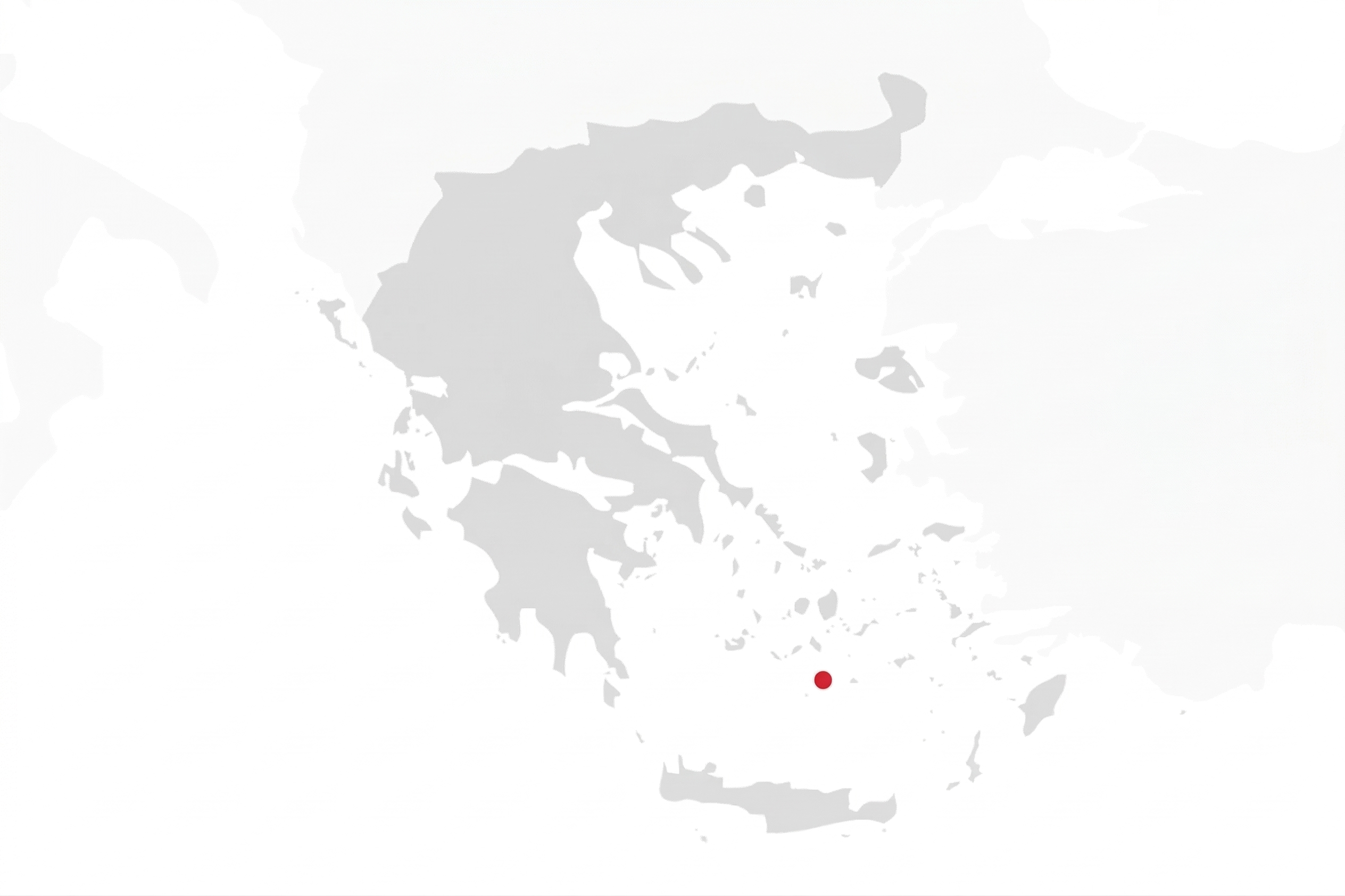
Το Ακρωτήρι ήταν ένας οικισμός της Εποχής του Χαλκού στο ηφαιστειογενές ελληνικό νησί της Σαντορίνης(Θήρα), ο οποίος ήταν ενεργός κυρίως από τα μέσα της 5ης χιλιετίας π.Χ. μέχρι την καταστροφή του κατά την Ύστερη Εποχή του Χαλκού (περίπου 1627–1500 π.Χ.). Η τοποθεσία είναι διάσημη για την εξαιρετική κατάσταση διατήρησής της, καθώς θάφτηκε από τη Μινωική έκρηξη κατά την Κυκλαδική περίοδο. Αυτή η καταστροφή, εγκλωβίζοντας την πόλη σε στρώματα ηφαιστειακής τέφρας, διέσωσε πολυώροφα κτήρια, εξελιγμένα αποχετευτικά συστήματα και μια παγκοσμίου φήμης συλλογή από τοιχογραφίες. Αρχικά ένας νεολιθικός οικισμός, το Ακρωτήρι εξελίχθηκε σε ένα από τα κύρια σημεία διαμετακομιστικού εμπορίου στο Αιγαίο, διατηρώντας στενούς πολιτιστικούς και εμπορικούς δεσμούς με τον Μινωικό πολιτισμό της Κρήτης και τους Μυκηναίους της ηπειρωτικής Ελλάδας.
Οι τοιχογραφίες του Ακρωτηρίου
Οι τοιχογραφίες του Ακρωτηρίου αποτελούν τη σημαντικότερη συλλογή Κυκλαδικής τέχνης της Ύστερης Εποχής του Χαλκού (περ. 1627–1500 π.Χ.). Σε αντίθεση με τις σύγχρονες τοιχογραφίες της ΜινωικήςΚρήτης, που συχνά έδιναν προτεραιότητα στην ανακτορική και θρησκευτική εικονογραφία, το θηραϊκό σώμα έργων διακρίνεται για τον πανοραμικό νατουραλισμό και την αφηγηματική του πολυπλοκότητα. Η διατήρηση αυτών των έργων—θαμμένα στην ηφαιστειακή τέφρα για πάνω από τρεις χιλιετίες—προσφέρει μια απαράμιλλη ματιά σε μια κοινωνία τεχνικά προηγμένη και διεθνώς συνδεδεμένη.
Κεραμική Τέχνη και Καθημερινή Ζωή
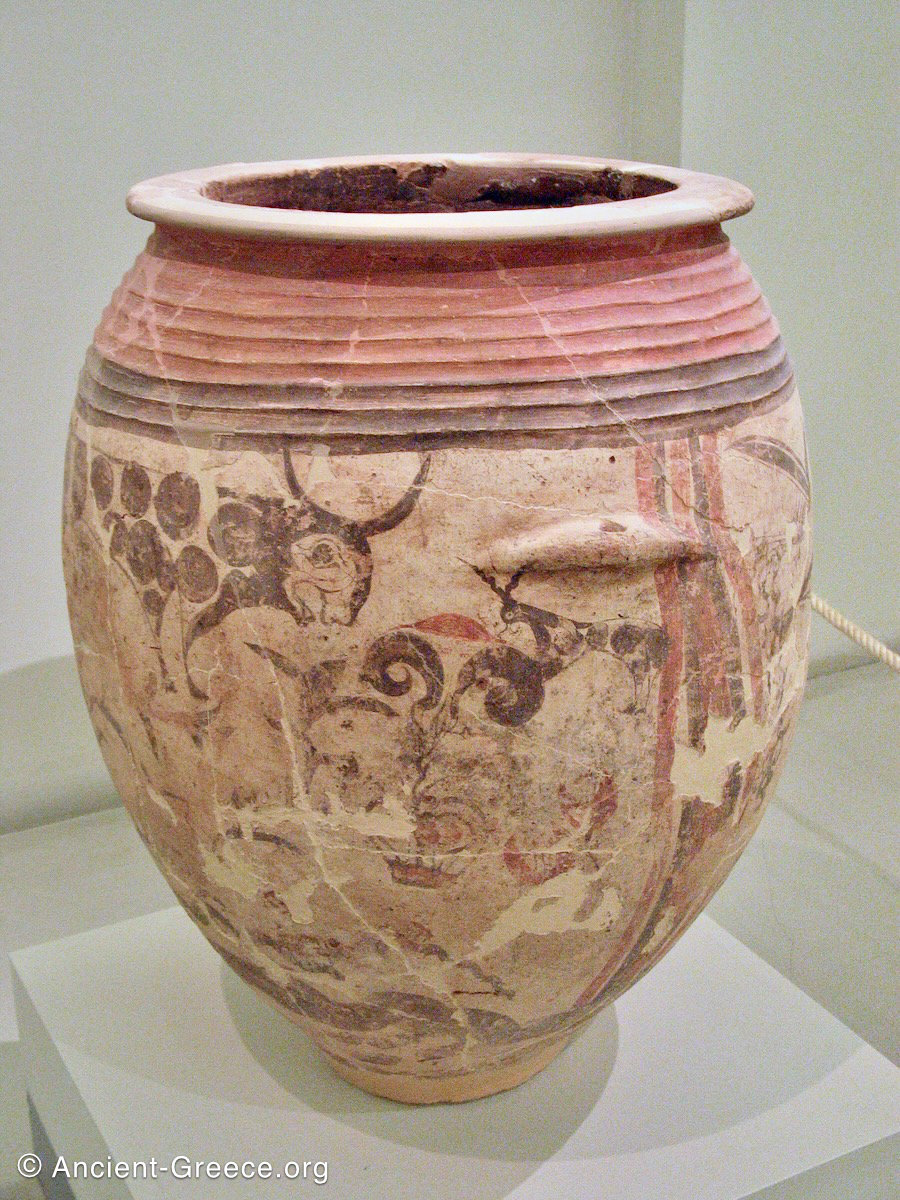
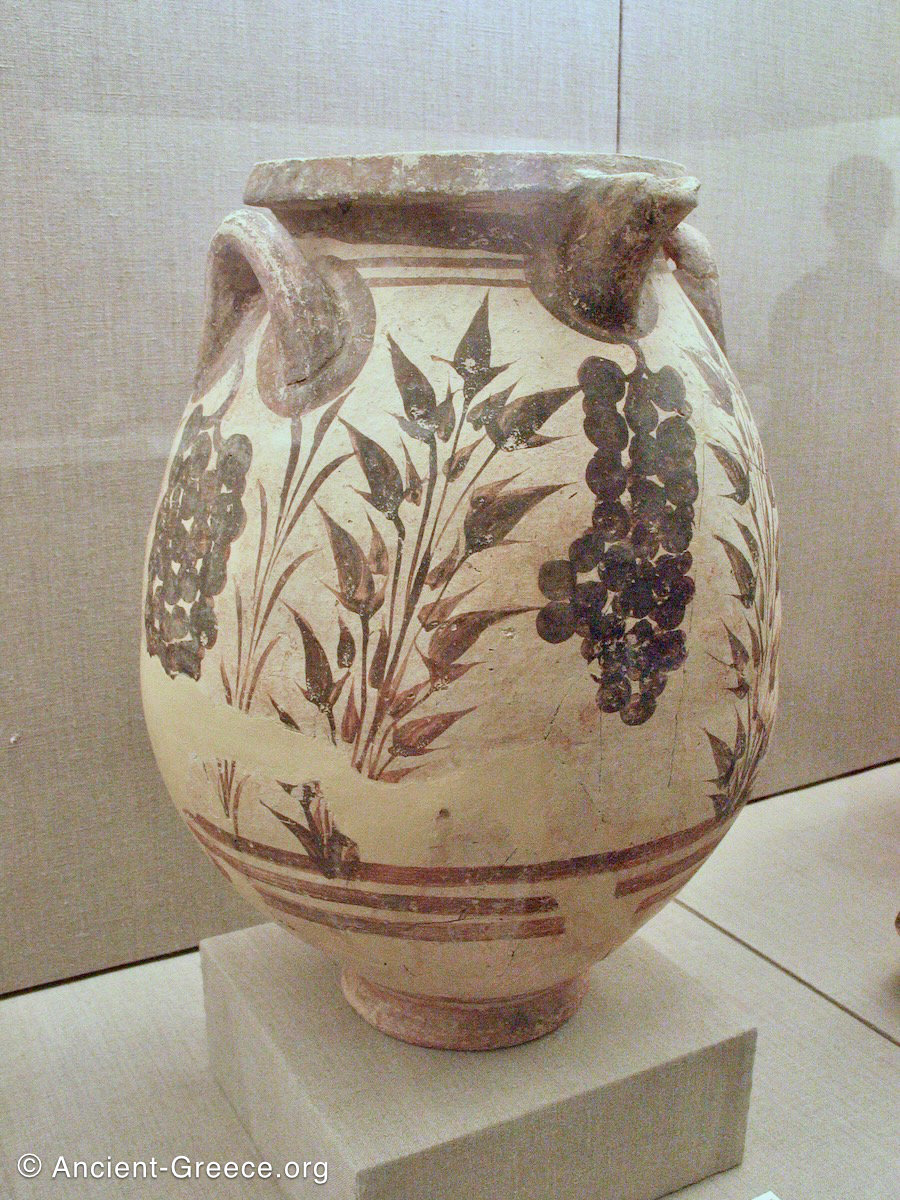
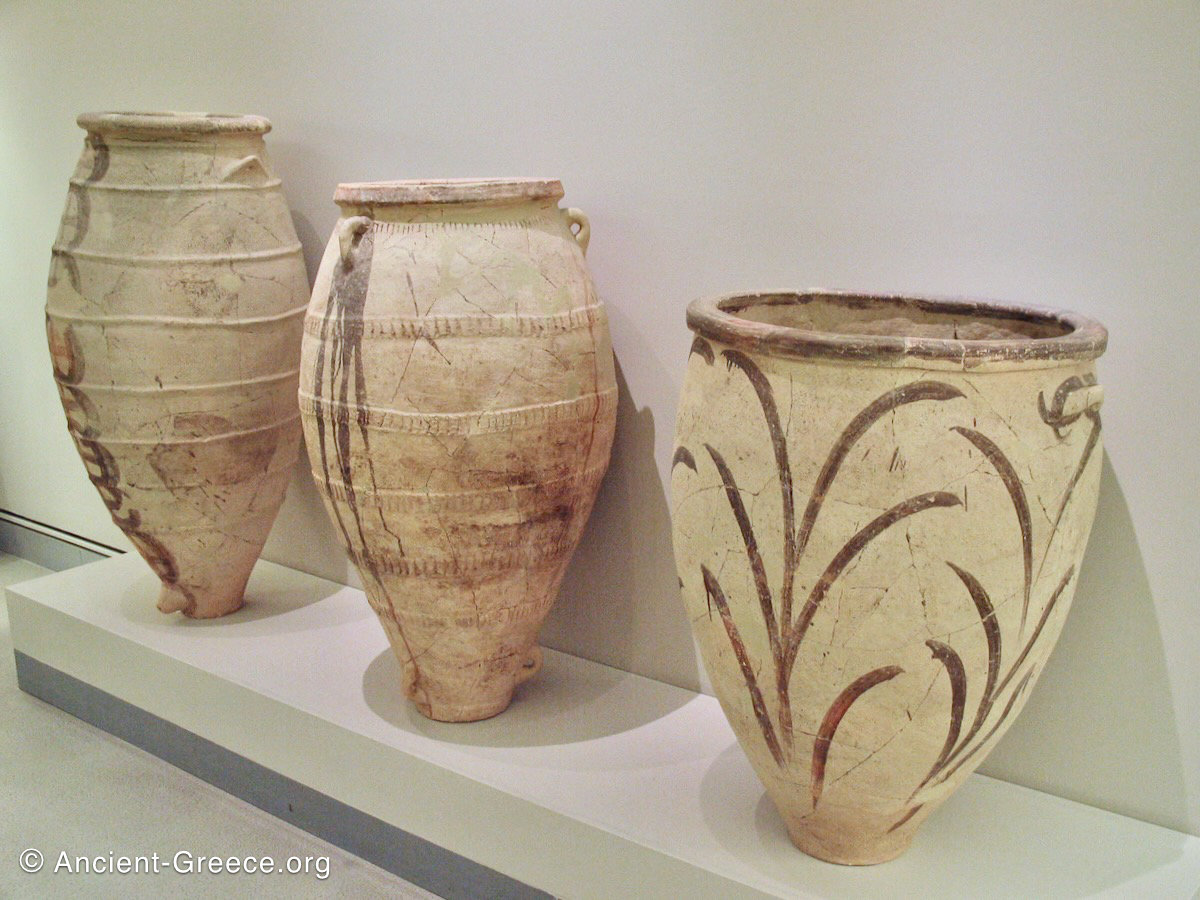
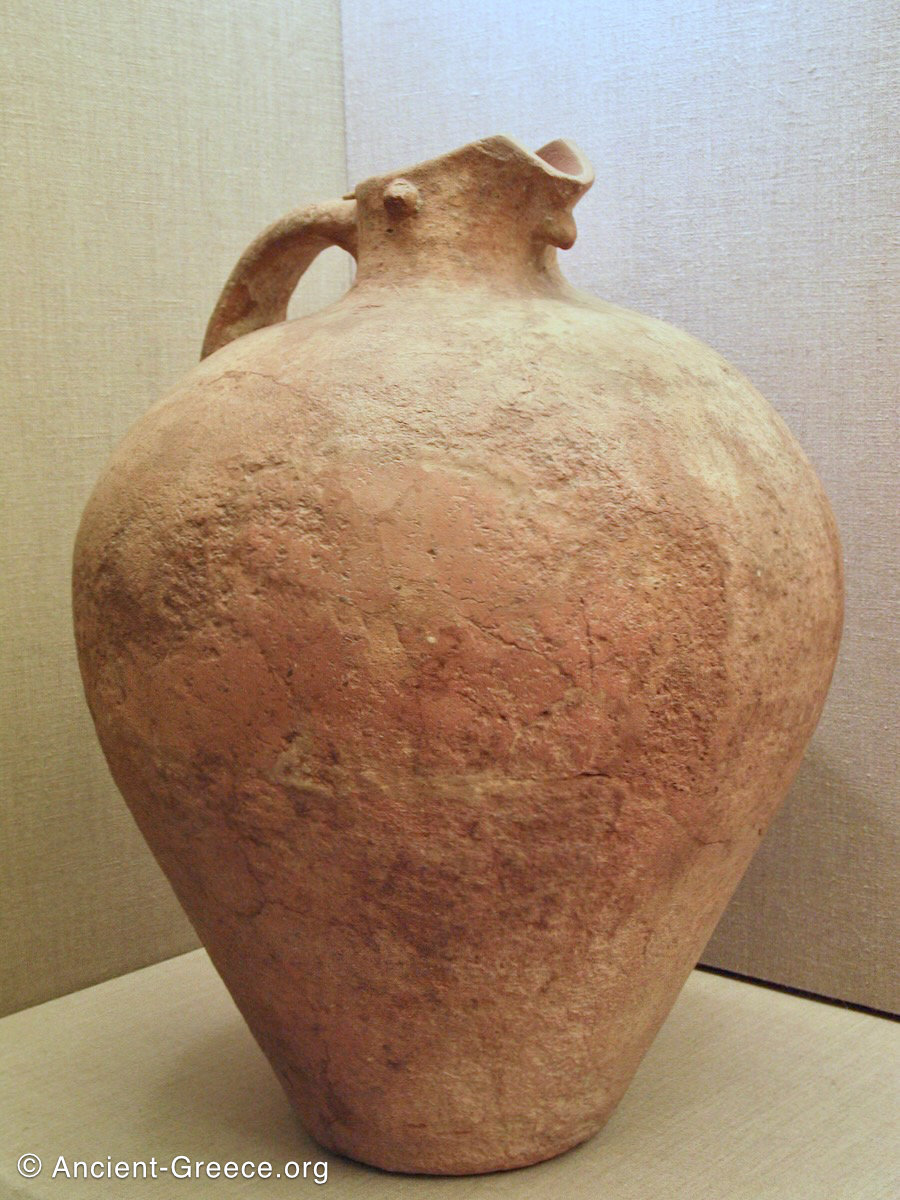
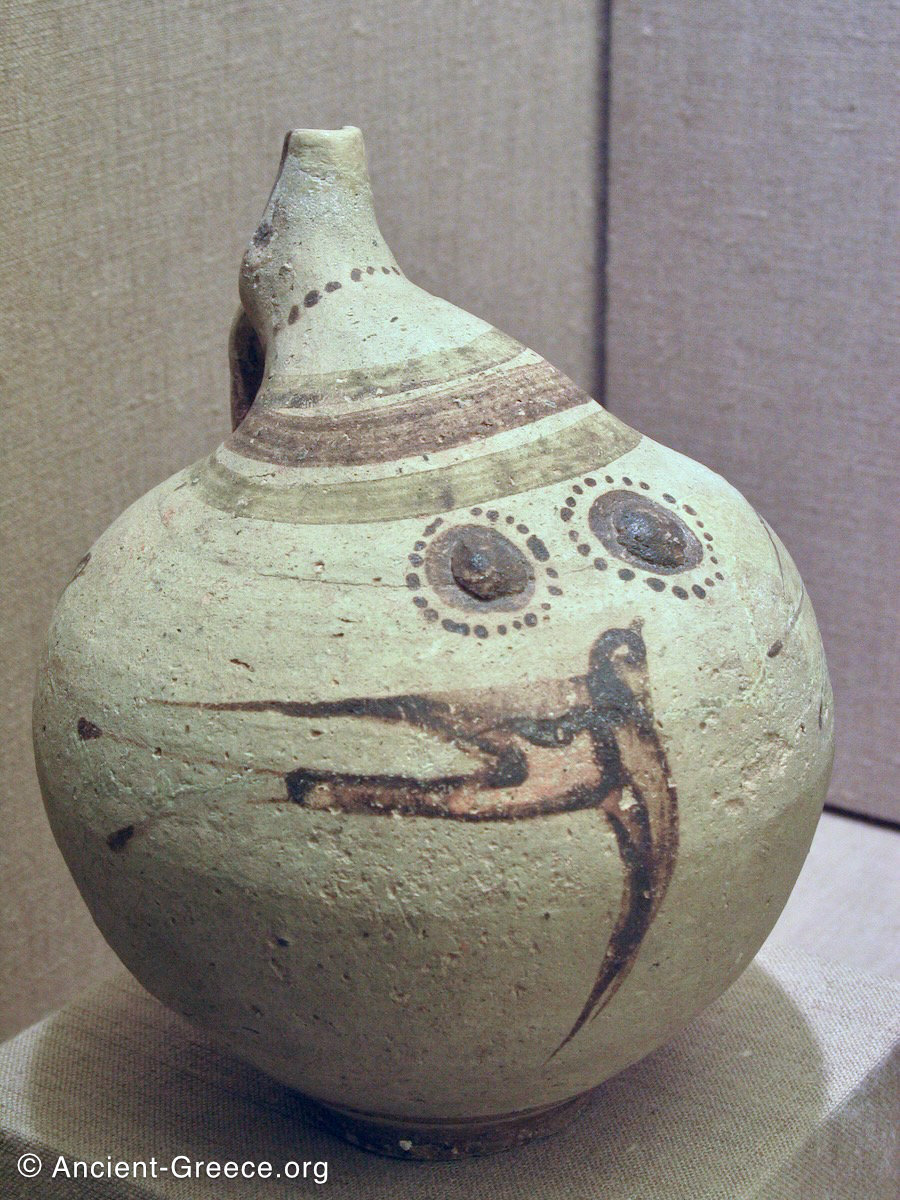
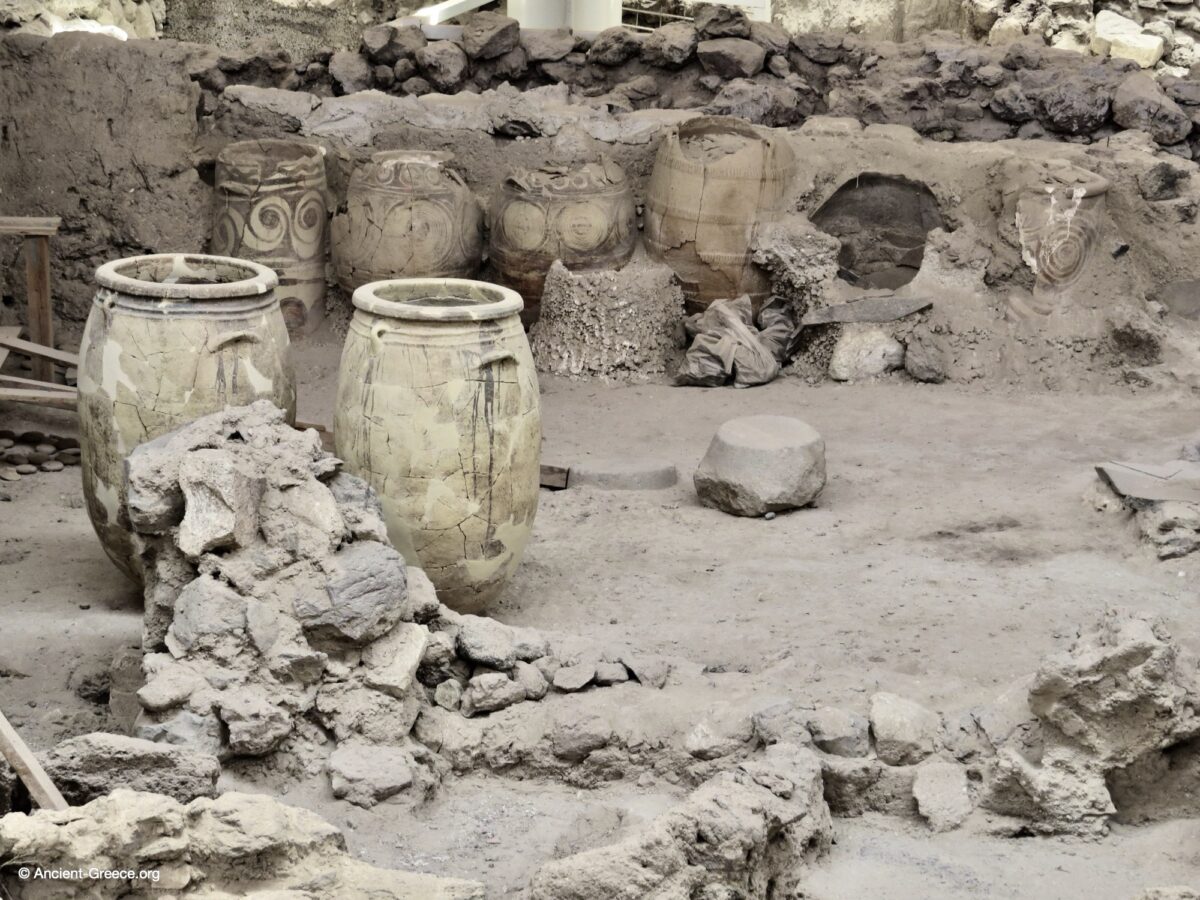
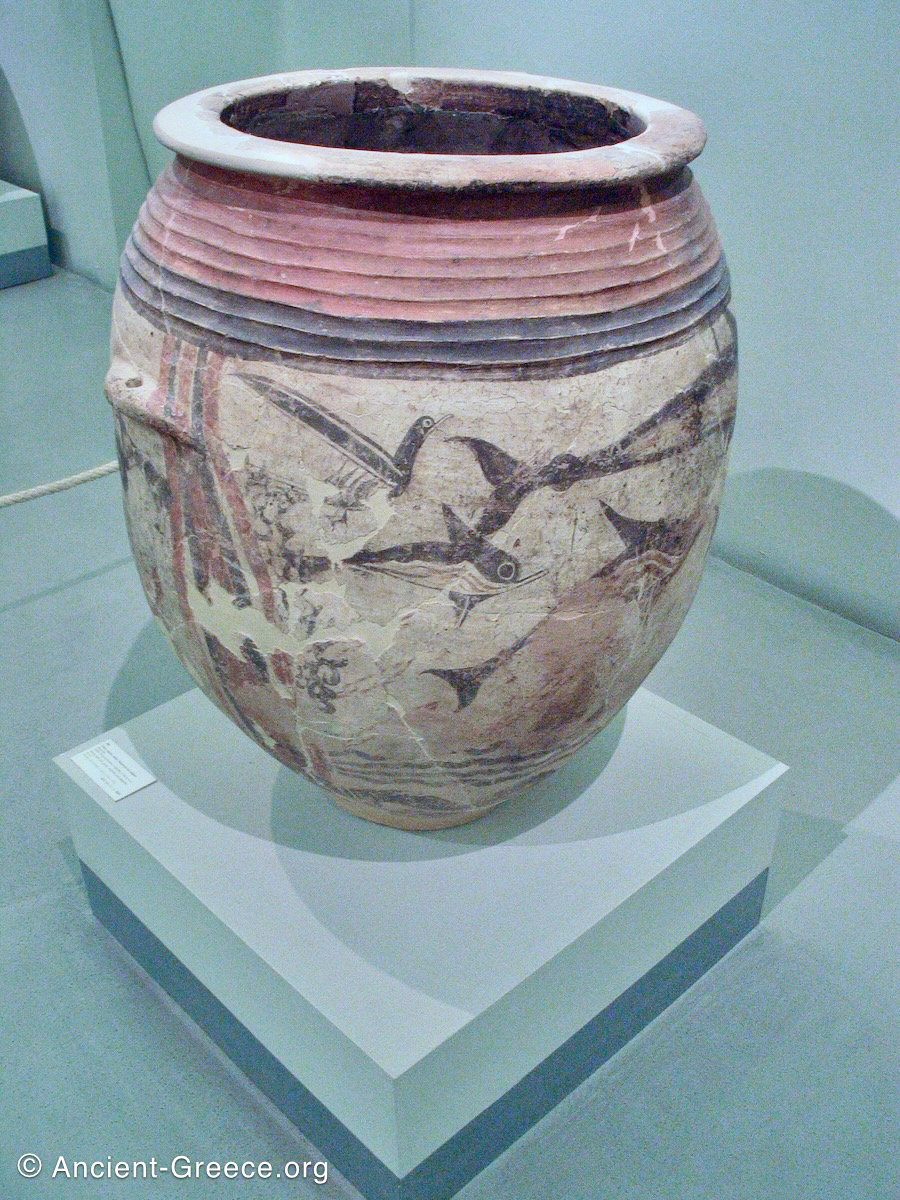
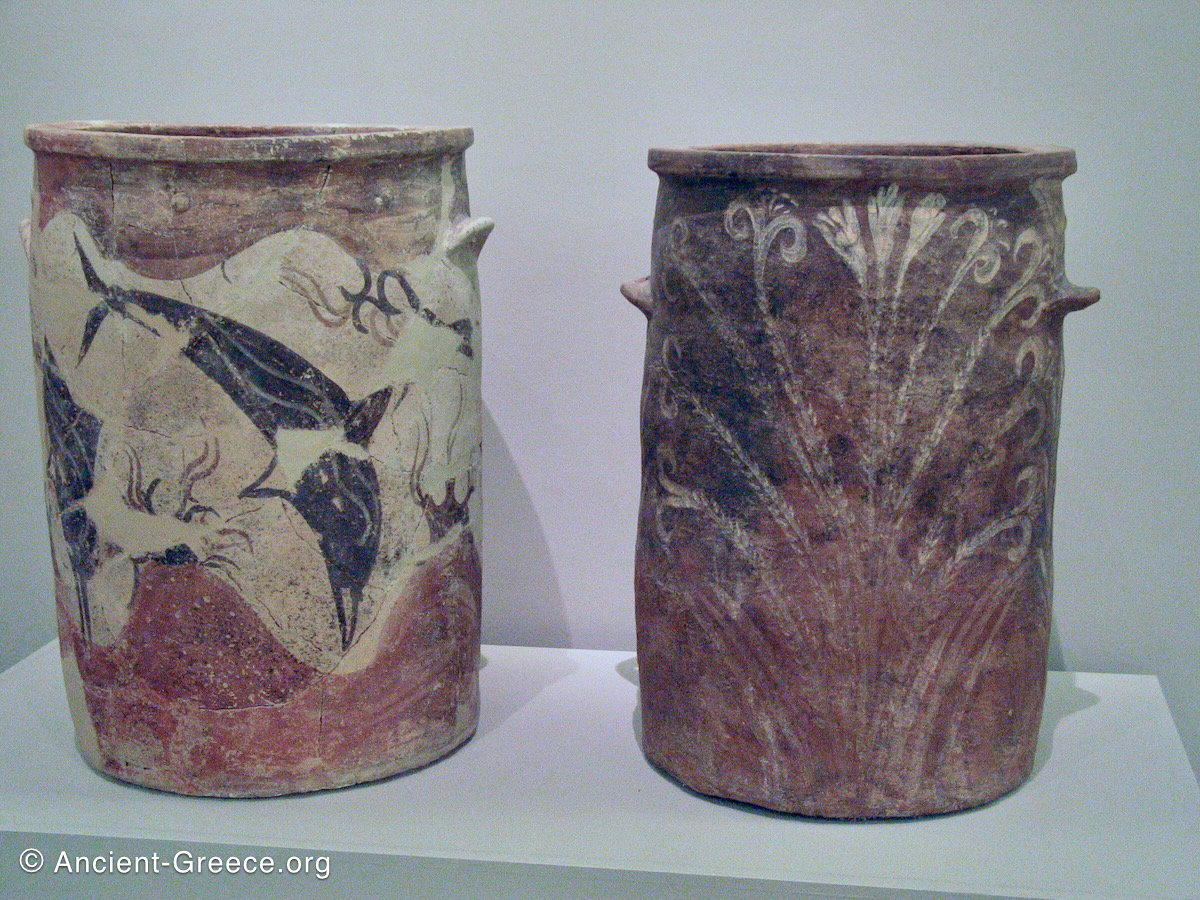
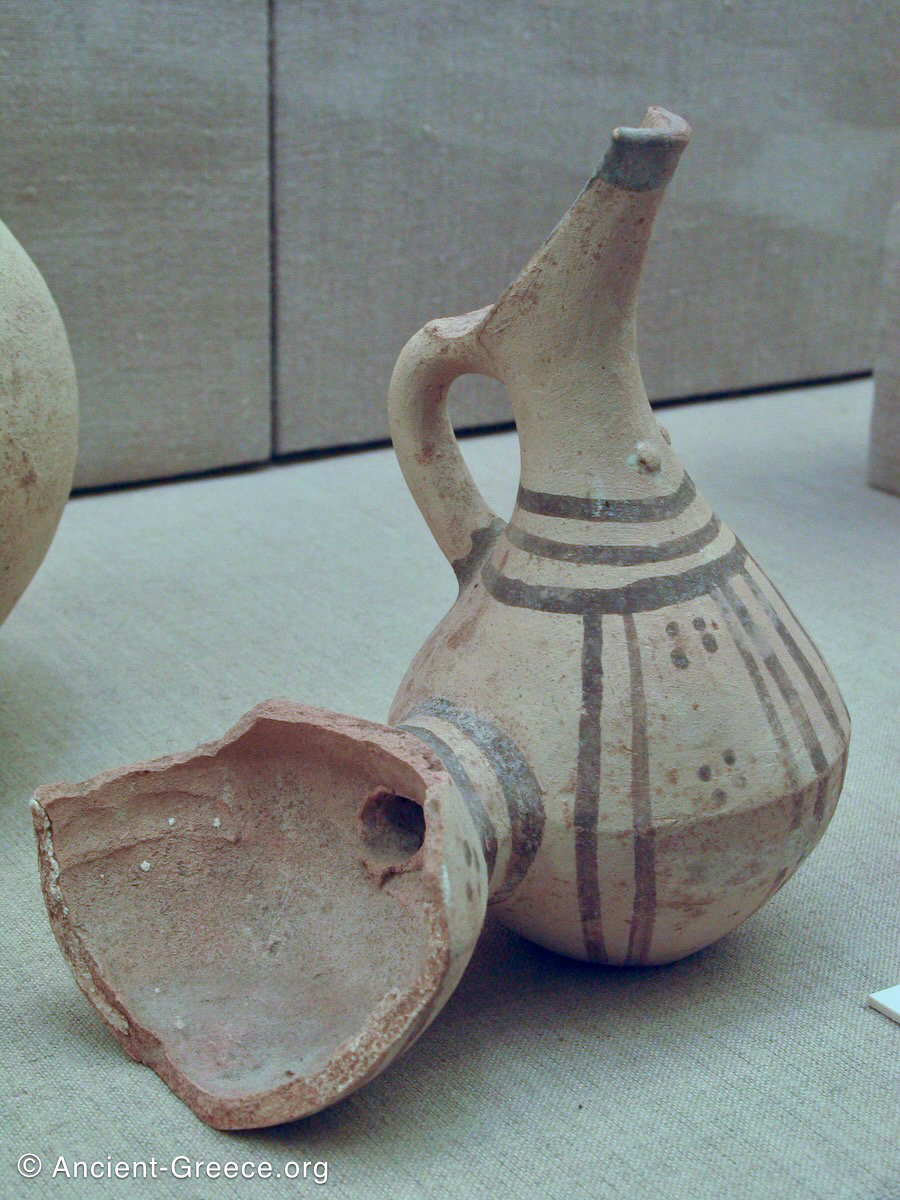
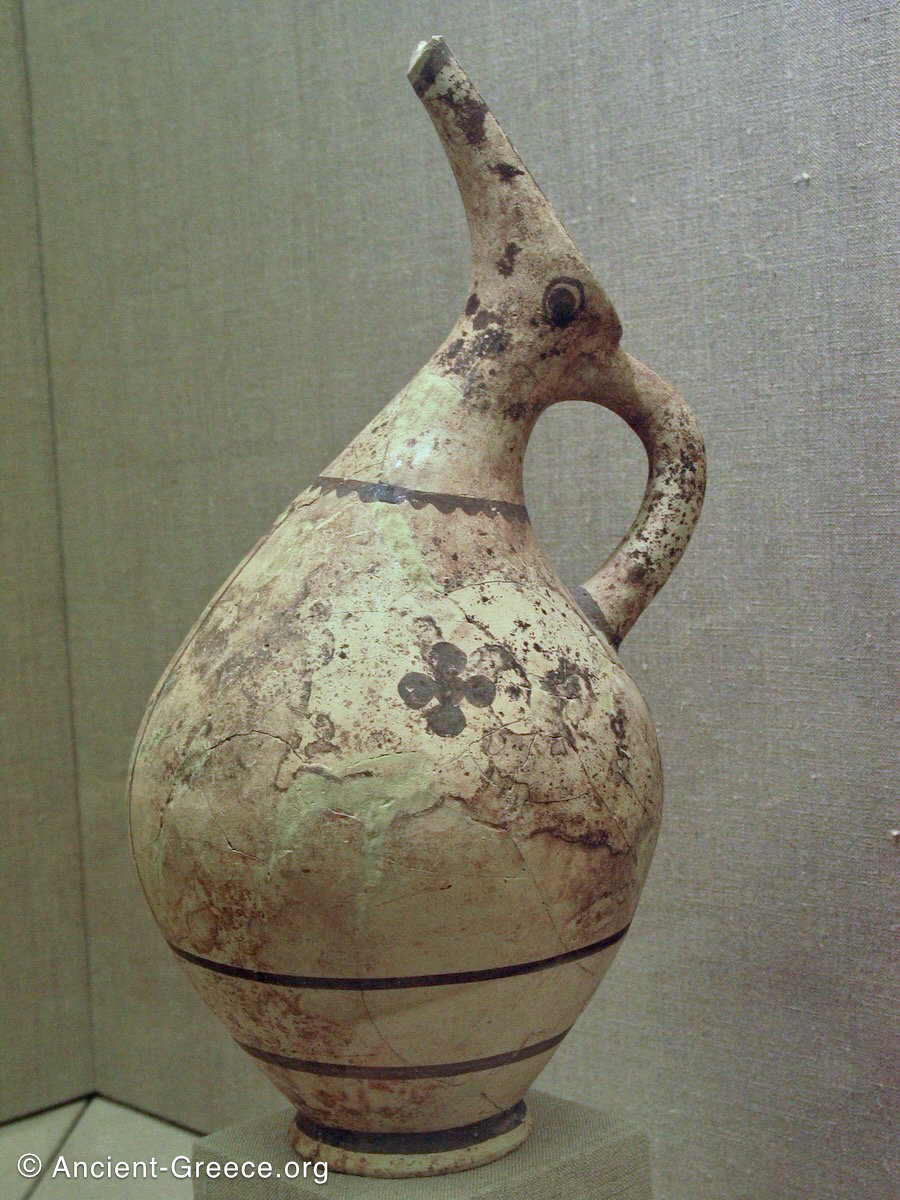
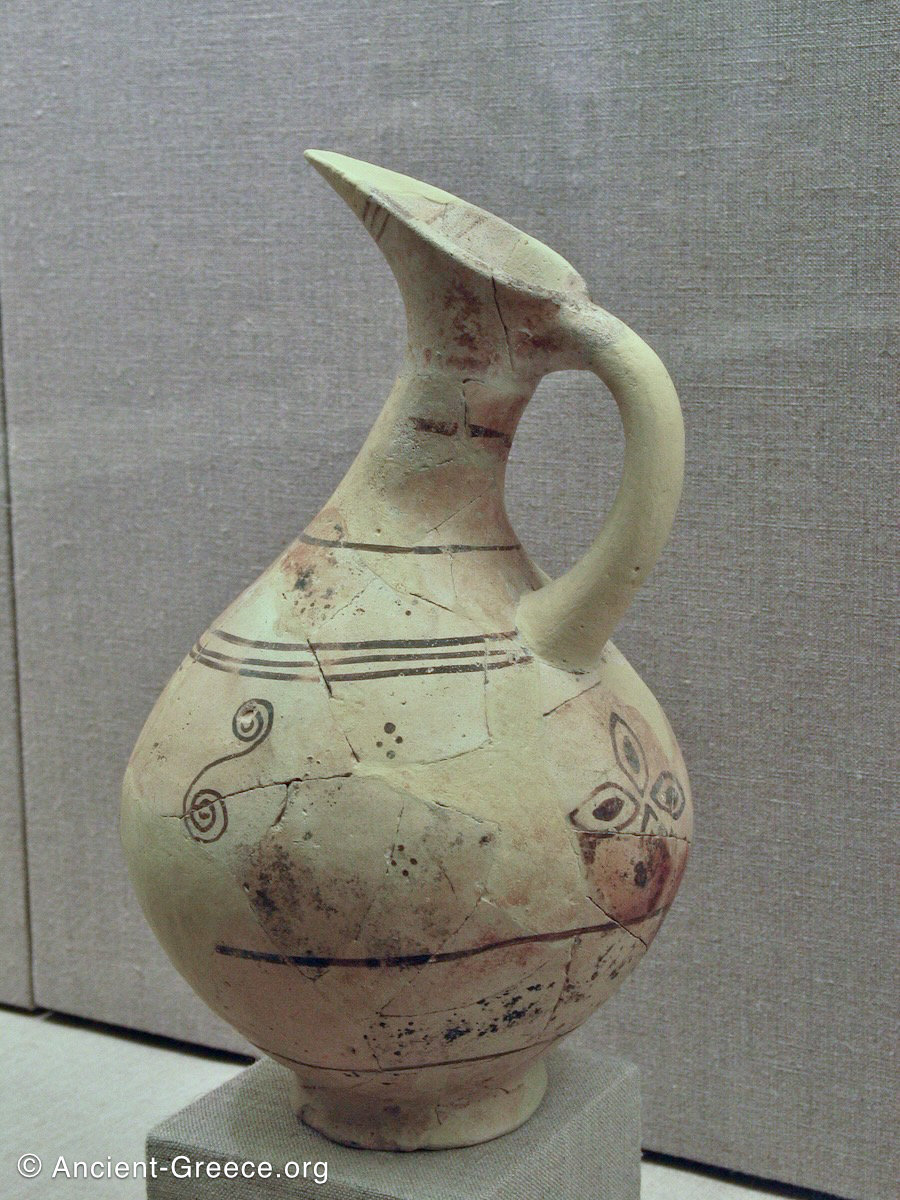
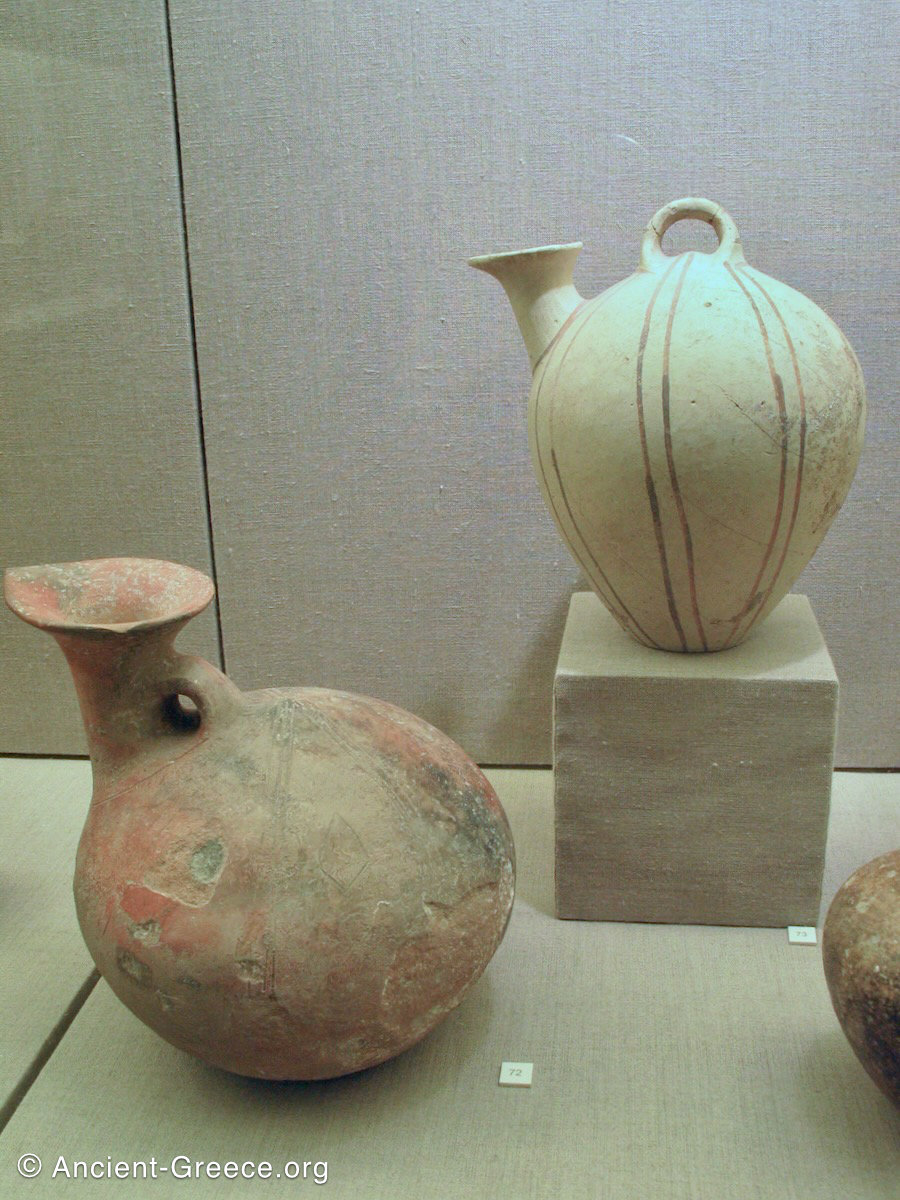
Η θηραϊκή κεραμική τέχνη χαρακτηρίζεται από την τεχνική της αρτιότητα και τον εικονογραφικό της πλούτο. Ενώ τα τοπικά εργαστήρια παρήγαγαν ογκώδεις πίθους για την αποθήκευση βασικών αγαθών όπως το κριθάρι, το αλεύρι και τα όσπρια, διακρίθηκαν επίσης στην κατασκευή λεπτότερης κεραμικής. Η διακόσμηση των αγγείων συχνά αντικατοπτρίζει τη θεματολογία των τοιχογραφιών· για παράδειγμα, πολύχρωμα αγγεία απεικονίζουν συχνά δελφίνια, χελιδόνια και κρόκους. Στις χαρακτηριστικές μορφές περιλαμβάνονται ο ψευδόστομος αμφορέας, που χρησιμοποιούνταν για τη μεταφορά λαδιού ή κρασιού, και τελετουργικά αντικείμενα με σαφή μινωική επίδραση. Η ανάλυση των υπολειμμάτων τροφών που βρέθηκαν στο εσωτερικό των πίθων—όπως απανθρακωμένοι κόκκοι από κριθάρι και φάβα—προσφέρει μια σπάνια ματιά στις διατροφικές συνήθειες της Εποχής του Χαλκού.
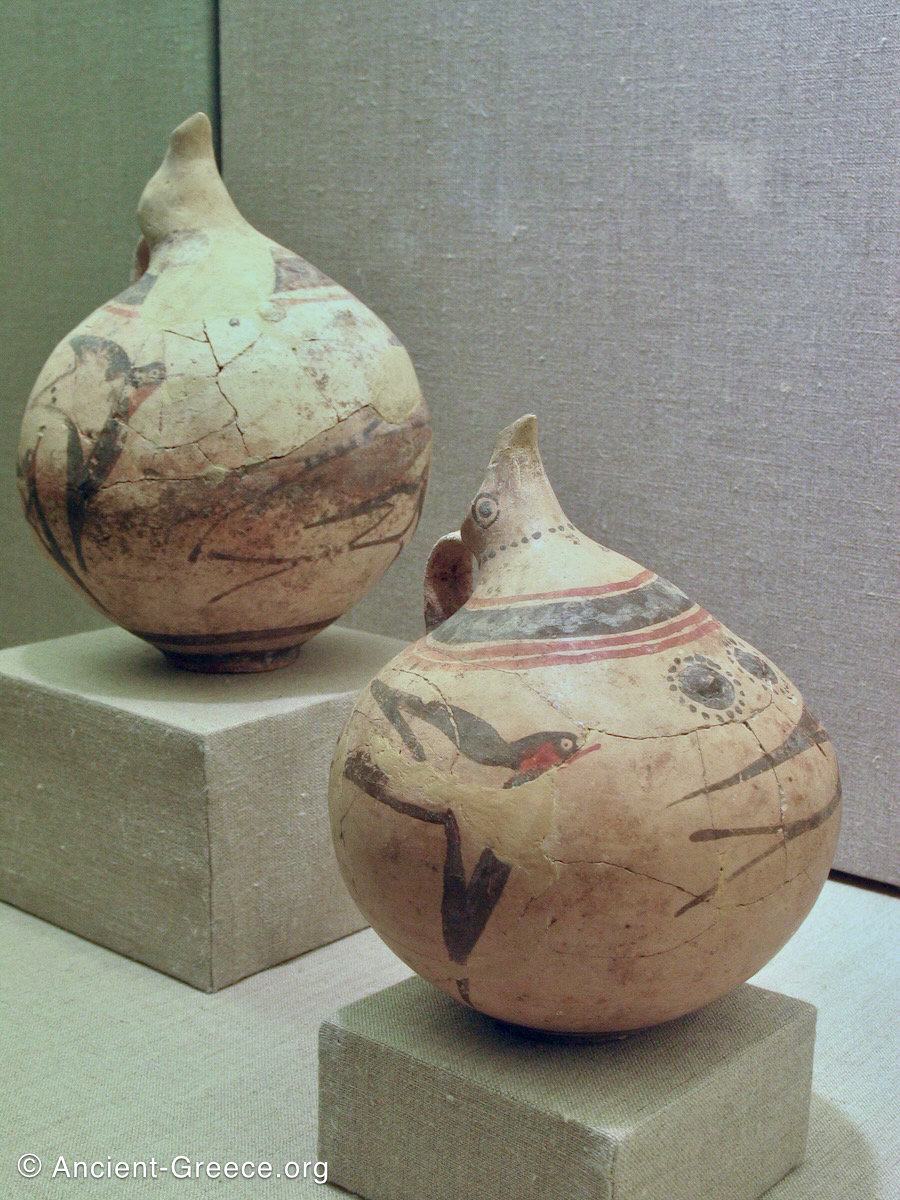
Το Μουσείο Προϊστορικής Θήρας φιλοξενεί μια εκτενή συλλογή ευρημάτων που αποδεικνύουν τον κοσμοπολίτικο χαρακτήρα αυτού του αστικού κέντρου. Στην τοπική παραγωγή, η κυκλαδική αισθητική είναι εμφανής στη μετάβαση από τα γεωμετρικά μοτίβα της Μέσης Κυκλαδικής περιόδου στη νατουραλιστική θεματολογία της Υστεροκυκλαδικής Ι. Αντικείμενα υψηλού κύρους, όπως ο πήλινος πίθος με χελιδόνια, αναδεικνύουν την ικανότητα των καλλιτεχνών να ενσωματώνουν ζωικά θέματα στη φόρμα του αγγείου. Επιπλέον, η παρουσία εισηγμένων κεραμικών κυπέλλων από τη Λήμνο, την Αργολίδα και την Κορινθία υπογραμμίζει τον ρόλο του Ακρωτηρίου ως σημαντικού ναυτικού κόμβου.
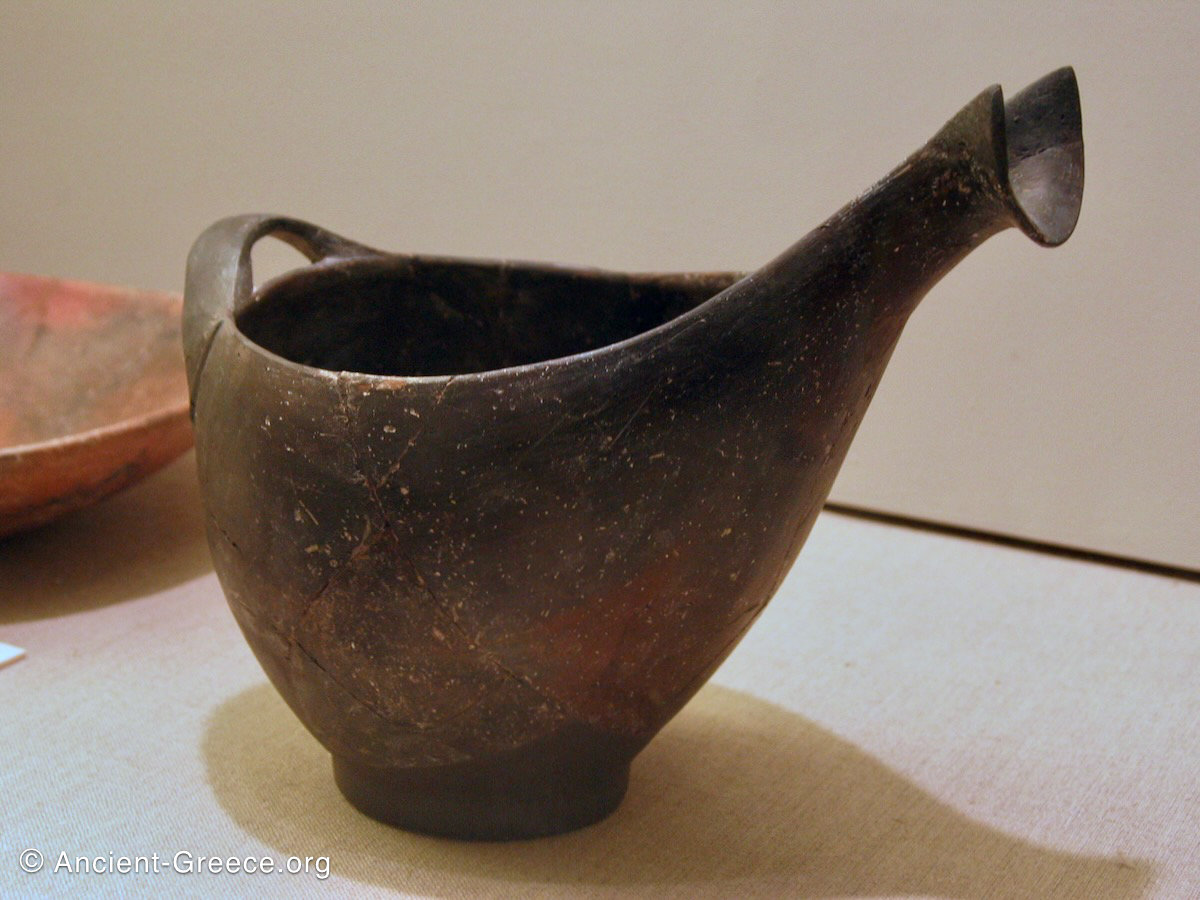
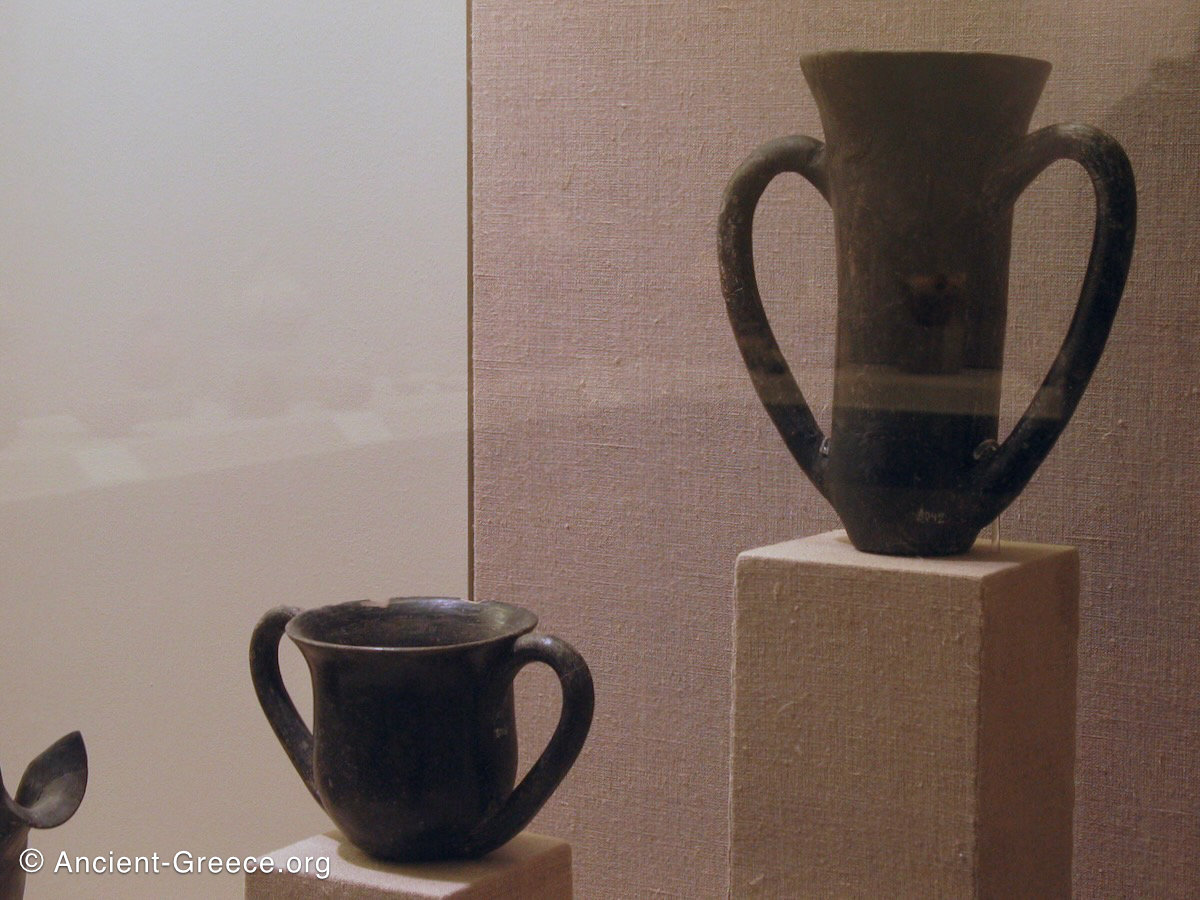
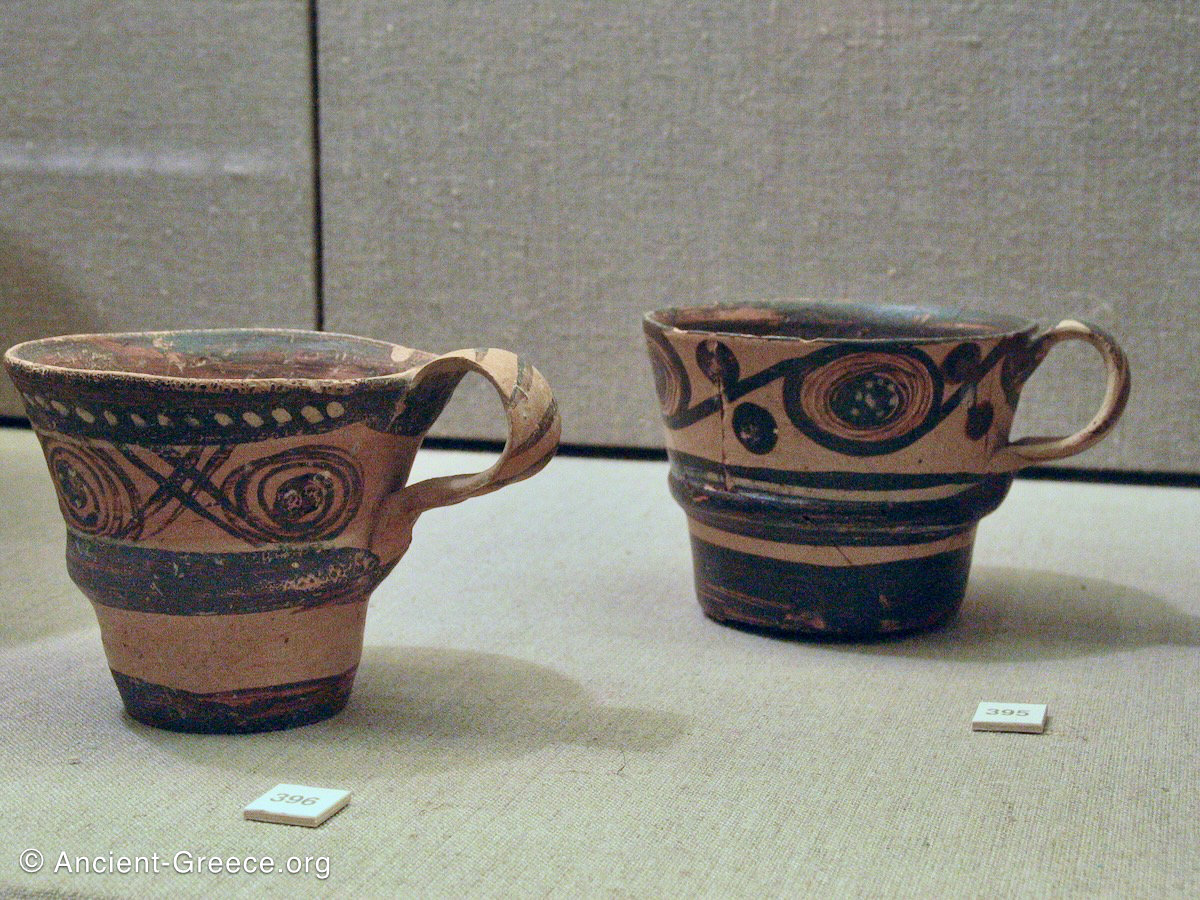
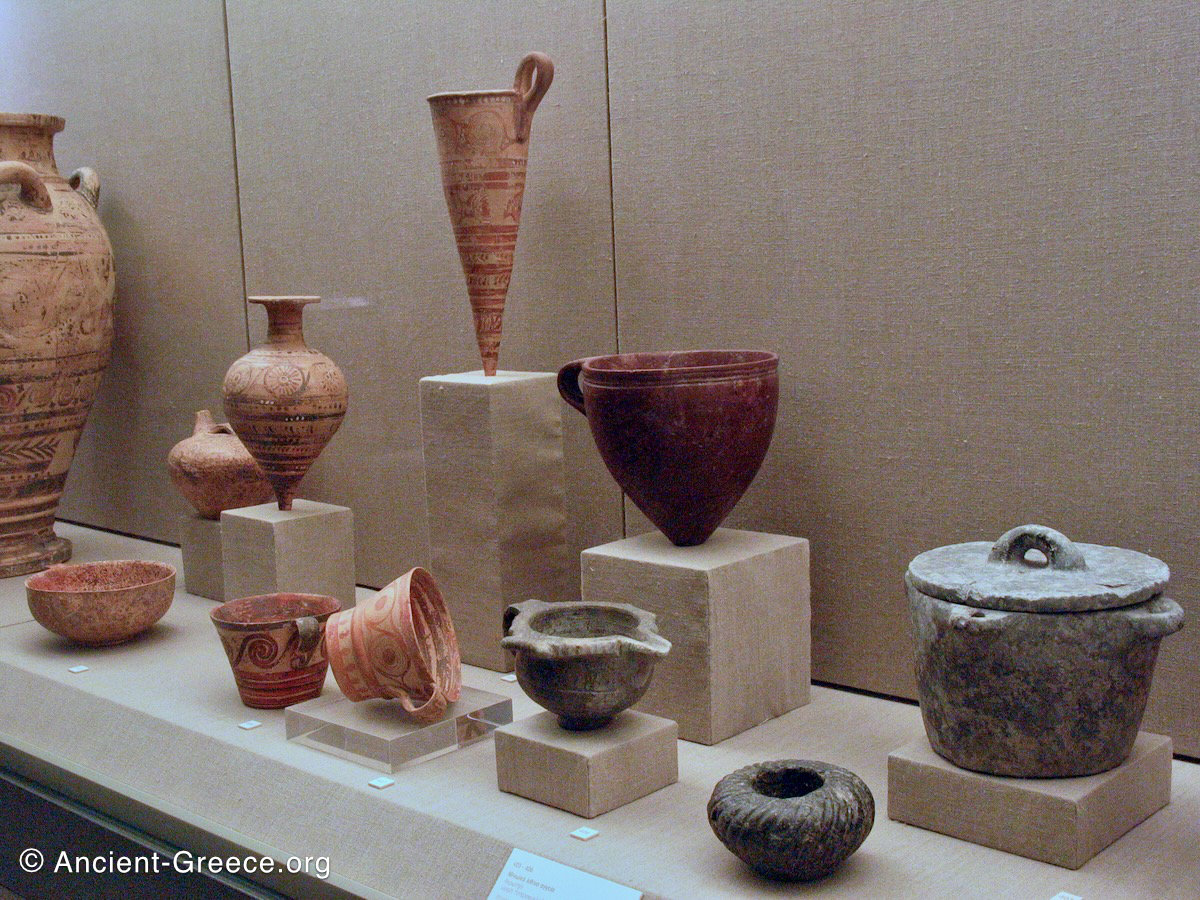
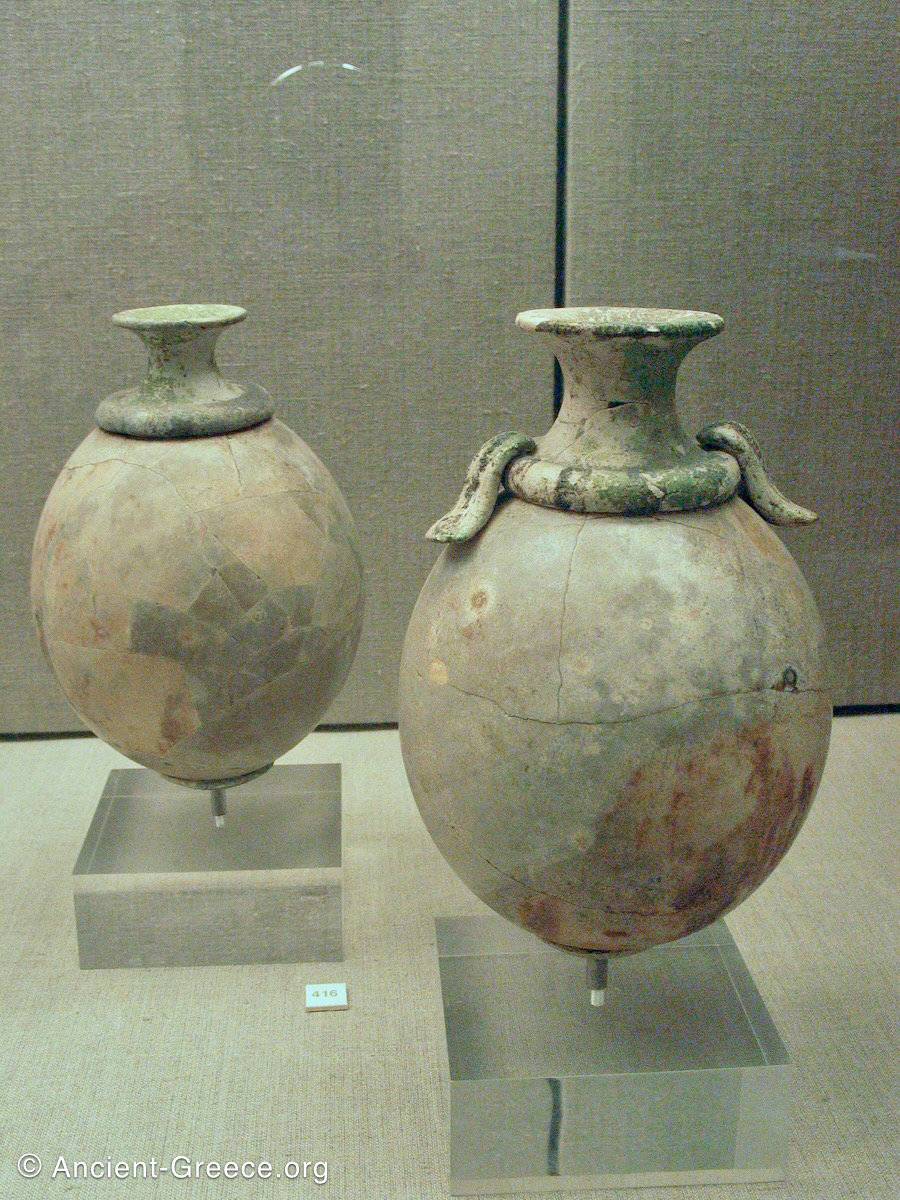
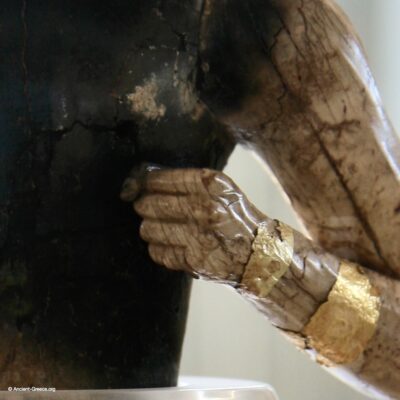
Σημαντικά δείγματα της θηραϊκής τέχνης φυλάσσονται επίσης στο Εθνικό Αρχαιολογικό Μουσείο στην Αθήνα. Σε αυτά περιλαμβάνονται περίτεχνα τελετουργικά ρυτά, τα οποία μοιράζονται το καλλιτεχνικό λεξιλόγιο του Αιγαίου της Χαλκοκρατίας. Η συλλογή αναδεικνύει πώς τα αντικείμενα της καθημερινότητας, από τα κεραμικά κύπελλα έως τους μεγάλους πίθους, αποτελούσαν μέρος μιας ευρύτερης πολιτισμικής ανταλλαγής. Αυτά τα κινητά ευρήματα, που διατηρήθηκαν κάτω από στρώματα ηφαιστειακής τέφρας, μαρτυρούν μια κοινωνία στο απόγειό της, όπου ακόμη και τα χρηστικά αντικείμενα αντιμετωπίζονταν με υψηλό βαθμό καλλιτεχνικής πρόθεσης.
Αρχιτεκτονική και Αστικός Σχεδιασμός
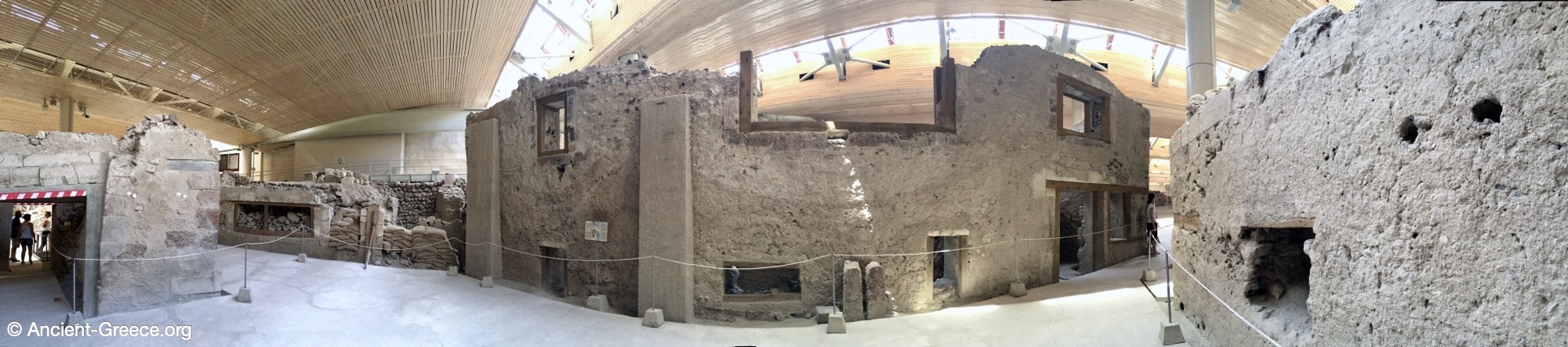
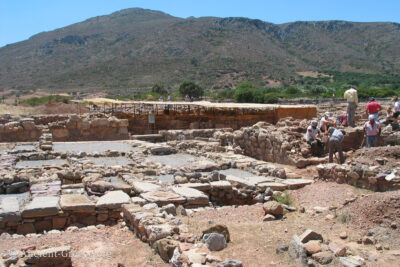
Ο πολεοδομικός σχεδιασμός του Ακρωτηρίου αποκαλύπτει μια εξαιρετικά οργανωμένη και εύπορη κοινωνία, η οποία χαρακτηριζόταν από ένα πυκνό δίκτυο στενών, λιθόστρωτων δρόμων και μεγάλων δημόσιων πλατειών που λειτουργούσαν ως κοινοτικοί κόμβοι. Τα κτήρια ήταν συνήθως διώροφα ή τριώροφα, κατασκευασμένα από πλίνθους και πέτρα, και ενισχύονταν συχνά με ξύλινους σκελετούς για την απαραίτητη ελαστικότητα έναντι της συχνής σεισμικής δραστηριότητας. Σήμα κατατεθέν της θηραϊκήςμηχανικής ήταν το προηγμένο αποχετευτικό σύστημα, με πήλινους σωλήνες ενσωματωμένους απευθείας στους τοίχους των σπιτιών, οι οποίοι συνέδεαν τις εσωτερικές εγκαταστάσεις υγιεινής με έναν κεντρικό λιθόκτιστο αγωγό κάτω από τους δρόμους. Αυτό το επίπεδο υποδομής, σε συνδυασμό με τη στρατηγική απομάκρυνση των στάβλων έξω από τον οικιστικό πυρήνα, αναδεικνύει μια εξελιγμένη αντίληψη για την αστική υγιεινή και την πολιτική μηχανική.
Μάθετε περισσότερα…
Ακρωτήρι – Σχεδιασμός Επίπλων και Εσωτερική Αισθητική
ία από τις πιο υποβλητικές πτυχές της αρχαιολογικής θέσης είναι η διατήρηση των οργανικών υλικών μέσω της τεχνικής του αρνητικού αποτυπώματος. Ενώ το αρχικό ξύλο των επίπλων αποσυντέθηκε προ πολλού, η ηφαιστειακή τέφρα στερεοποιήθηκε γύρω του, αφήνοντας κενές κοιλότητες. Με την έκχυση γύψου σε αυτά τα κενά, οι αρχαιολόγοι αναδημιούργησαν ακριβή αντίγραφα της θηραϊκής επιπλοποιίας, προσφέροντας μια άνευ προηγουμένου ματιά στο οικιακό περιβάλλον της Εποχής του Χαλκού. Αυτά τα γύψινα εκμαγείααποκαλύπτουν ένα υψηλό επίπεδο δεξιοτεχνίας στην ξυλουργική, αποδεικνύοντας ότι το εσωτερικό των σπιτιών στο Ακρωτήρι ήταν εξίσου καλλιτεχνικά προσεγμένο με τους τοιχογραφημένους τοίχους.
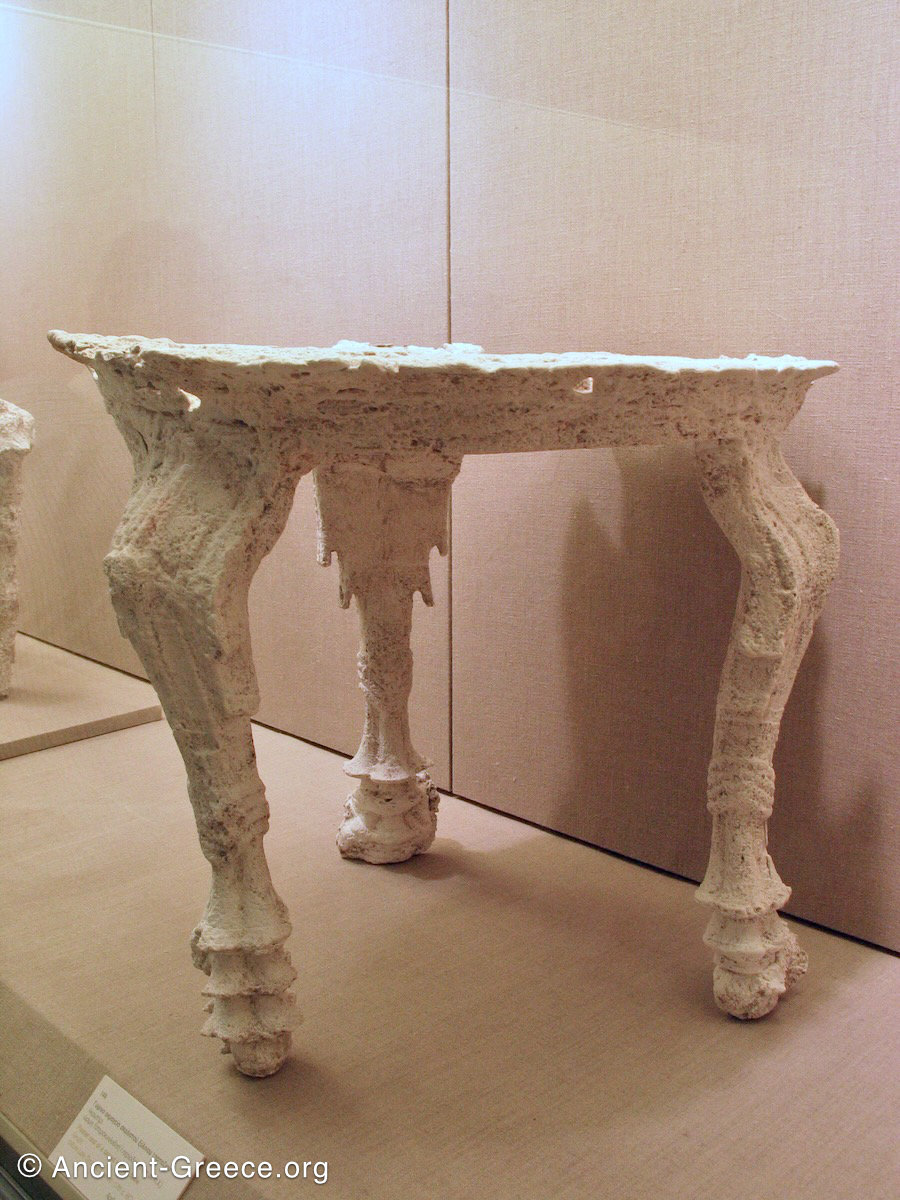
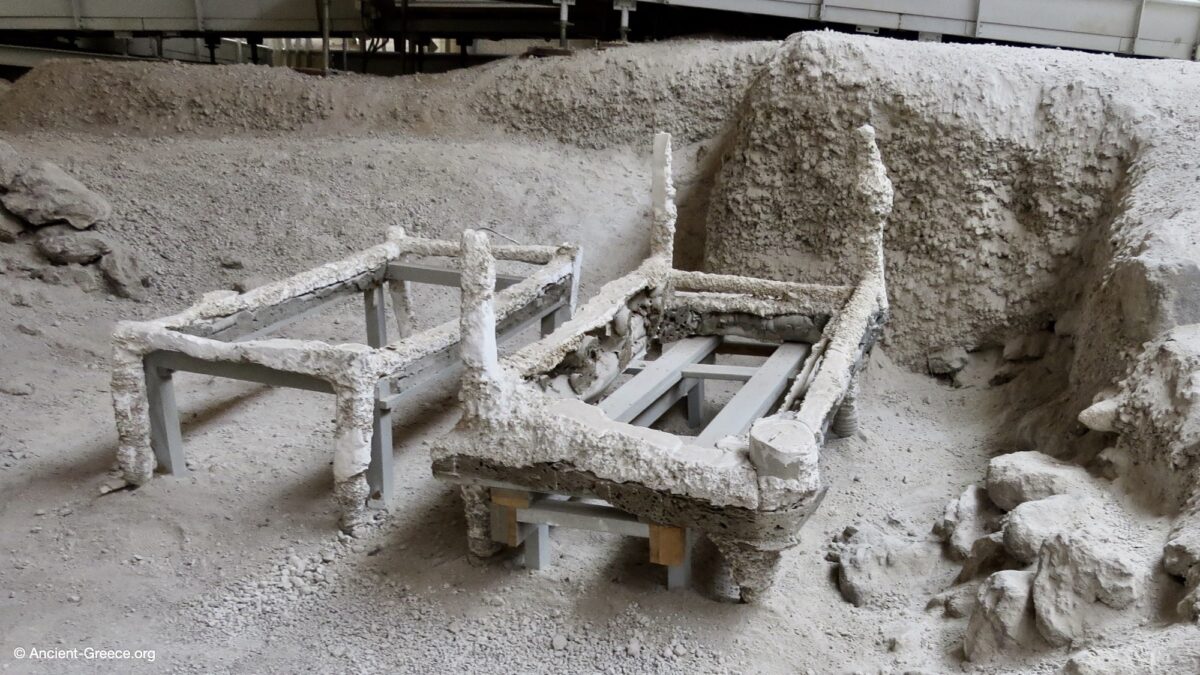
Η ανάκτηση του γύψινου εκμαγείου ξύλινης κλίνης και διαφόρων τριποδικών τραπεζιών καταδεικνύει μια εξελιγμένη κατανόηση της συνδεσμολογίας και της εργονομίας. Το γύψινο εκμαγείο τραπεζιού διαθέτει περίτεχνα, κυρτά σκαλιστά πόδια σε σχήμα S, η κατασκευή των οποίων απαιτούσε προηγμένες ξυλουργικές δεξιότητες. Αυτή η «πληθωρική» αισθητική υποδηλώνει ότι η θηραϊκή ελίτ έδινε προτεραιότητα στην πολυτελή διακόσμηση. Τέτοια έπιπλα τοποθετούνταν συχνά σε δωμάτια διακοσμημένα με μικρογραφικές ζωφόρους, δημιουργώντας μια συνεχή εσωτερική διακόσμηση όπου τα σκαλιστά πόδια ενός τραπεζιού αντηχούσαν τα κυματιστά μοτίβα της γύρω τέχνης. Η μέθοδος του αρνητικού αποτυπώματος παραμένει η κύρια πηγή για την ανασύσταση της υλικής πραγματικότητας της κυκλαδικής καθημερινής ζωής.
Akrotiri Frescoes
The wall-paintings of Akrotiri constitute the most significant collection of Cycladic art from the Late Bronze Age (c. 1627–1500 BC). Unlike the contemporary frescoes of Minoan Crete, which often prioritized palatial and religious iconography, the Theran corpus is distinguished by its panoramic naturalism and narrative complexity. The preservation of these works—entombed in volcanic ash for over three millennia—provides an unparalleled view into a society that was technically advanced and internationally connected.
Learn more about the Akrotiri Frescoes…
Ceramic Art and Daily Life
Theran ceramic art is characterized by its technical excellence and pictorial richness. While local workshops produced massive pithoi (storage jars) for staples like barley, flour, and dried legumes, they also excelled in fine-ware. The pottery often mirrors the themes of the wall-paintings; for instance, polychrome vessels frequently depict dolphins, swallows, and crocus plants. Notable forms include the stirrup jar, used for transporting oils or wine, and ritual objects with clear Minoan influence. Analysis of food remnants found within these jars—such as charred grains of barley and fava beans—provides a literal “volcano of tastes,” offering a rare glimpse into the Bronze Age diet.
Typology and Functionality of Vessels
The Museum of Prehistoric Thera houses a vast collection of artifacts that demonstrate the cosmopolitan nature of this urban center. Among the local production, the Cycladic aesthetic is evident in the transition from Middle Cycladicgeometric patterns to the naturalistic motifs of the Late Cycladic I period.
High-status items such as the Ceramic Jar with Swallow showcase the artist’s ability to integrate animal themes with the vessel’s form.
In addition to local wares, the presence of imported ceramic cups from Lemnos, the Argolid, and Corinthia underscores Akrotiri’s role as a major maritime hub. Specialized forms like the spouted krater and sauceboat further illustrate a refined social etiquette and a complex system of liquid storage and consumption.
Significant examples of Theran craftsmanship are also curated within the National Archaeological Museum in Athens. These movable finds, preserved beneath layers of volcanic ash, serve as a testament to a society at its zenith, where even utilitarian objects were treated with a high degree of artistic intentionality and decorative care.
Architecture and Urban Design
The urban planning of Akrotiri reveals a highly organized and affluent society characterized by a dense network of narrow, stone-paved streets and large public squares that served as communal hubs. Buildings typically rose two or three storeys high, constructed from mudbrick and stone, and were frequently reinforced with wooden frames to provide essential flexibility against the region’s frequent seismic activity. A hallmark of Theran engineering was the advanced sewage system, featuring clay pipes integrated directly into the walls of the houses which connected indoor sanitary facilities to a primary stone-built drain beneath the streets. This level of infrastructure, combined with the strategic separation of animal stabling outside the residential core, highlights a sophisticated understanding of urban hygiene and civil engineering that was remarkably ahead of its time.
Read more about Architecture and Urban Design at Akrotiri…
Furniture Design: The Plaster Casts
One of the most evocative aspects of the site is the preservation of organic materials through the technique of negative space. While the original wood of the furniture decayed long ago, the volcanic ash solidified around it, leaving hollow cavities. By pouring plaster into these voids, archaeologists have recreated exact replicas of Theran furniture, providing an unprecedented look at the domestic environment of the Bronze Age. These plaster casts reveal a high level of craftsmanship in woodworking, showing that the interiors of Akrotiri’s homes were as aesthetically refined as the fresco-covered walls.
The recovery of the plaster cast of a wooden bed and various three-legged tables demonstrates a sophisticated understanding of joinery and ergonomics. The table plaster cast features intricate, S-curved carved legs that must have required advanced carpentry skills to make. This “exuberant ” aesthetic, suggests that the Theran elite prioritized a high degree of ornamental luxury. Such furniture was often placed in rooms adorned with miniature friezes, creating a cohesive interior design where the carved legs of a table echoed the undulating motifs of the surrounding art. This reliance on negative space recovery remains the primary method for reconstructing the tactile reality of Cycladic domestic life.
Bibliography
Doumas, C. (1983). Thera: Pompeii of the Ancient Aegean. London: Thames & Hudson.
Doumas, C. (1992). The Wall-Paintings of Thera. Athens: The Thera Foundation.
Hardy, D. A., editor. Thera and the Aegean World III. The Thera Foundation, 1990.
Immerwahr, S. (1990). Aegean Painting in the Bronze Age. University Park: Pennsylvania State University Press.
Marinatos, S. (1968-1976). Excavations at Thera I-VII. Athens: Archaeological Society of Athens.
Marthari, M. (2019). Skarkos: An Early Cycladic Settlement on Ios. Athens: Archaeological Receipts Fund.
Morgan, L. (1988). The Miniature Wall Paintings of Thera: A Study in Aegean Culture and Iconography. Cambridge: Cambridge University Press.
National Archaeological Museum. (2026). Exhibition Guide: The Minoan Civilization and Thera. Athens.
Palyvou, C. (2005). Akrotiri Thera: An Architecture of Affluence 3,500 Years Old. Philadelphia: INSTAP Academic Press.
Perdikatsis, V., et al. (2000). “Physico-chemical Characterisation of the Thera Wall Paintings.” Proceedings of the First International Symposium on the Wall Paintings of Thera.
Renfrew, C. (1985). The Archaeology of Cult: The Sanctuary at Phylakopi. London: British School at Athens.
Televantou, C. (2008). Strofilas: A Neolithic Settlement on Andros. Athens: Archaeological Society at Athens.
Thera Prehistoric Museum. (2026). Geological and Archaeological Records of the Akrotiri Settlement. Santorini.
Tsountas, C. (1908). The Prehistoric Citadels of Dimini and Sesklo. Athens: Sakellariou.
Akrotiri (Greek: Ακρωτήρι) was a Bronze Age settlement on the volcanic Greek island of Santorini (Thera), primarily active from the mid-fifth millennium BC until its destruction during the Late Bronze Age (circa 1627–1500 BC). The site is famous for its exceptional state of preservation, having been buried by the Minoan eruption during the Cycladic period. This catastrophe entombing the city in layers of volcanic ash preserved multi-story buildings, sophisticated drainage systems, and a world-renowned collection of wall-paintings. Originally a Neolithic village, Akrotiri developed into one of the primary transition points for trade in the Aegean, maintaining close cultural and commercial ties with the Minoan civilization of Crete and the Mycenaean Greeks of the mainland.