Crete

-
06.2 History of Minoan Civilization | Ιστορία του Μινωικού Πολιτισμού
The Minoans (c. 3500 – 1100 BCE) had developed significant naval power and for many centuries lived in…
-
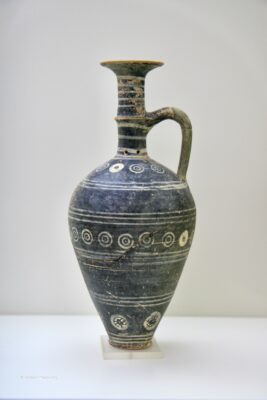
Agios Nikolaos Archaeological Museum | Αρχαιολογικό Μουσείο Αγίου Νικολάου
The Archaeological Museum of Agios Nikolaos, Crete, was established to showcase finds from Eastern Crete, and covers a…
-
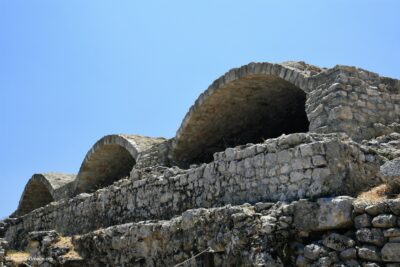
Aptera | Άπτερα
Aptera (Greek: Άπτερα), also known historically as Apteron (Ἄπτερον) or Aptara, was an ancient city located in the…
-
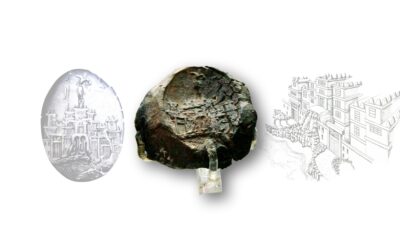
Chania Archaeological Museum | Αρχαιολογικό Μουσείο Χανίων
The Archaeological Museum of Chania (also spelled Hania or Xania) is a major cultural institution in Crete, Greece,…
-
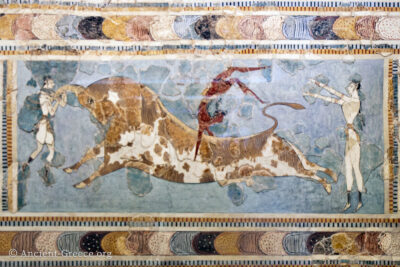
Crete: Minoan Archaeological Sites
Crete (Κρήτη), home of the ancient Minoan civilization, is the largest Greek island in the center of the…
-
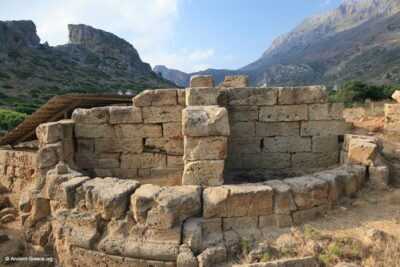
Falasarna | Φαλάσαρνα
Falasarna (also spelled Phalasarna) was an ancient Greek harbor town situated on the western coast of Crete, flourishing…
-
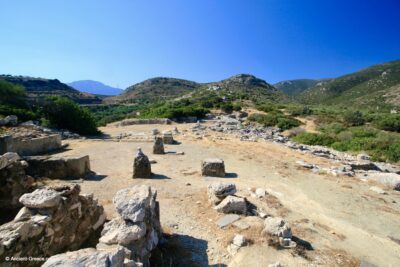
Gournia | Γουρνιά
Gournia (Greek: Γουρνιά, ancient name unknown) is a Middle and Late Minoan archaeological site located on the northern…
-
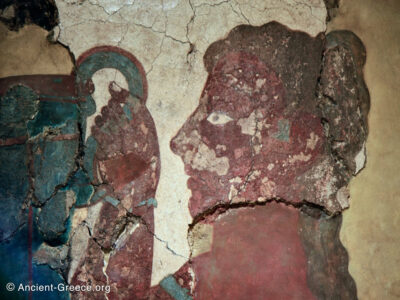
Heraklion Archaeological Museum
One of the most important museums of Greece, the Heraklion Archaeological Museum (Αρχαιολογικό Μουσείο Ηρακλείου) displays artifacts from…
-
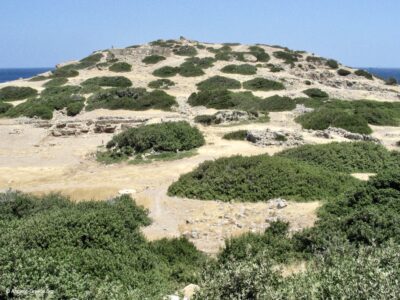
Itanos | Ίτανος
Itanos (Ίτανος, also Latinized as Itanus) was a powerful ancient Greek port city and state located on the…
-
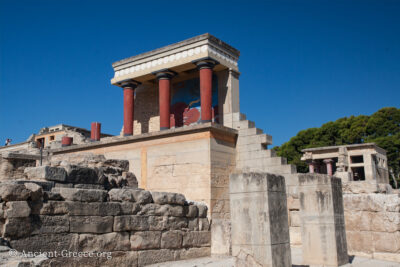
Knossos
Knossos (Κνωσσός, also transliterated as Cnossos, Knossus, Cnossus, Gnossus, Gnossos) palace was undeniably the most important center of Minoan…
-
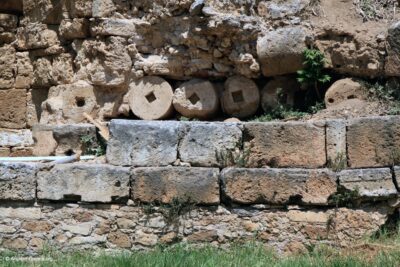
Kydonia | Κυδωνία
Kydonia (Κυδωνία, also spelled Cydonia) was a powerful ancient city-state situated on the northwestern coast of Crete, lying…
-
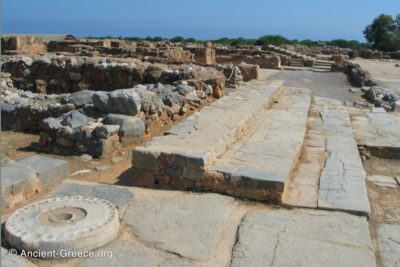
Malia
The Minoan palace at Malia (Μάλια) is the third largest palace of Minoan Crete after Knossos and Phaistos.…