On this page:
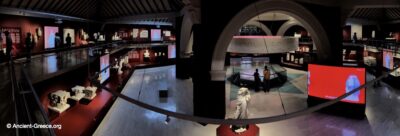
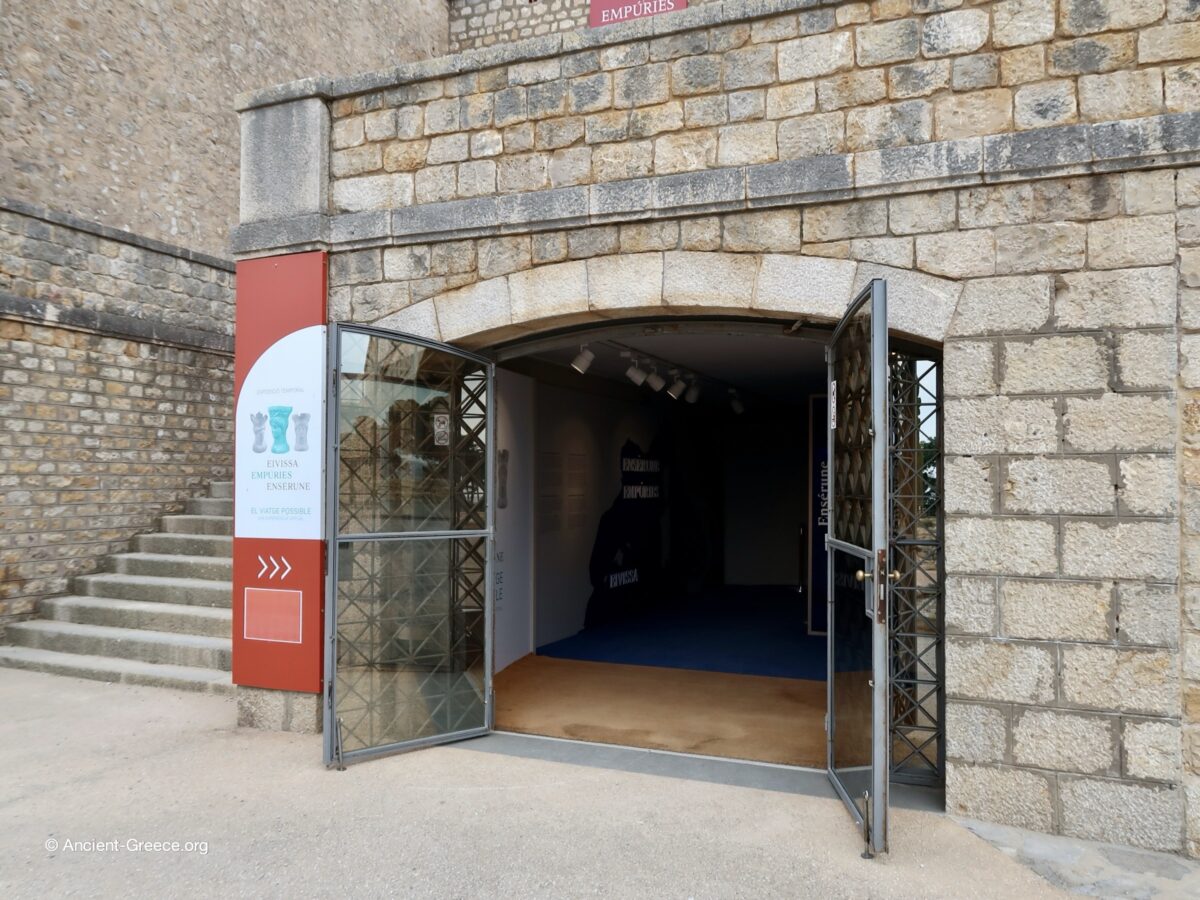
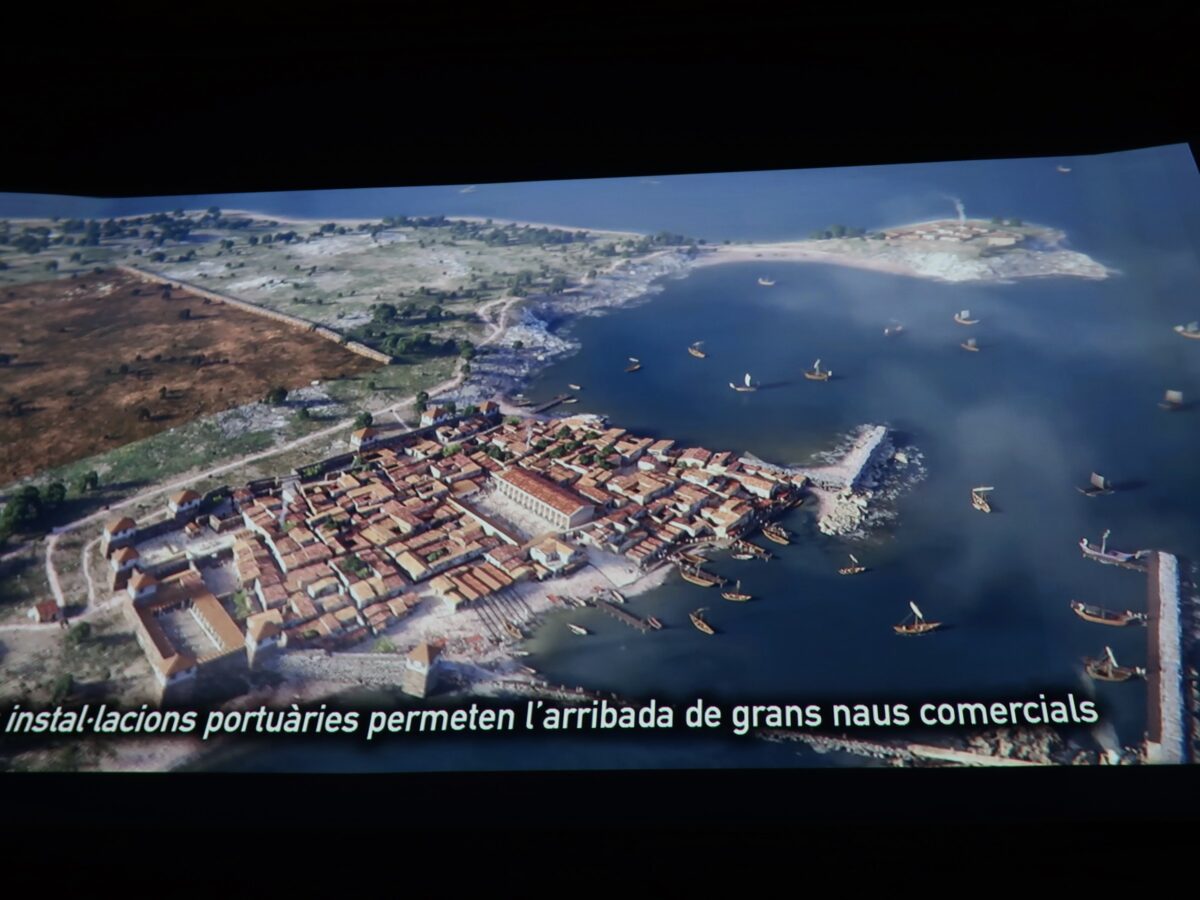
The small museum inside the archaeological site of Empúries (ancient Emporion) exhibits artifacts from the excavations in the vicinity, covering an era from its early transformation of Iberian settlements to a major Greek market and town, to its final iteration as a Roman military camp which grew into a city that thrived to late antiquity.
Found in the Temples Area
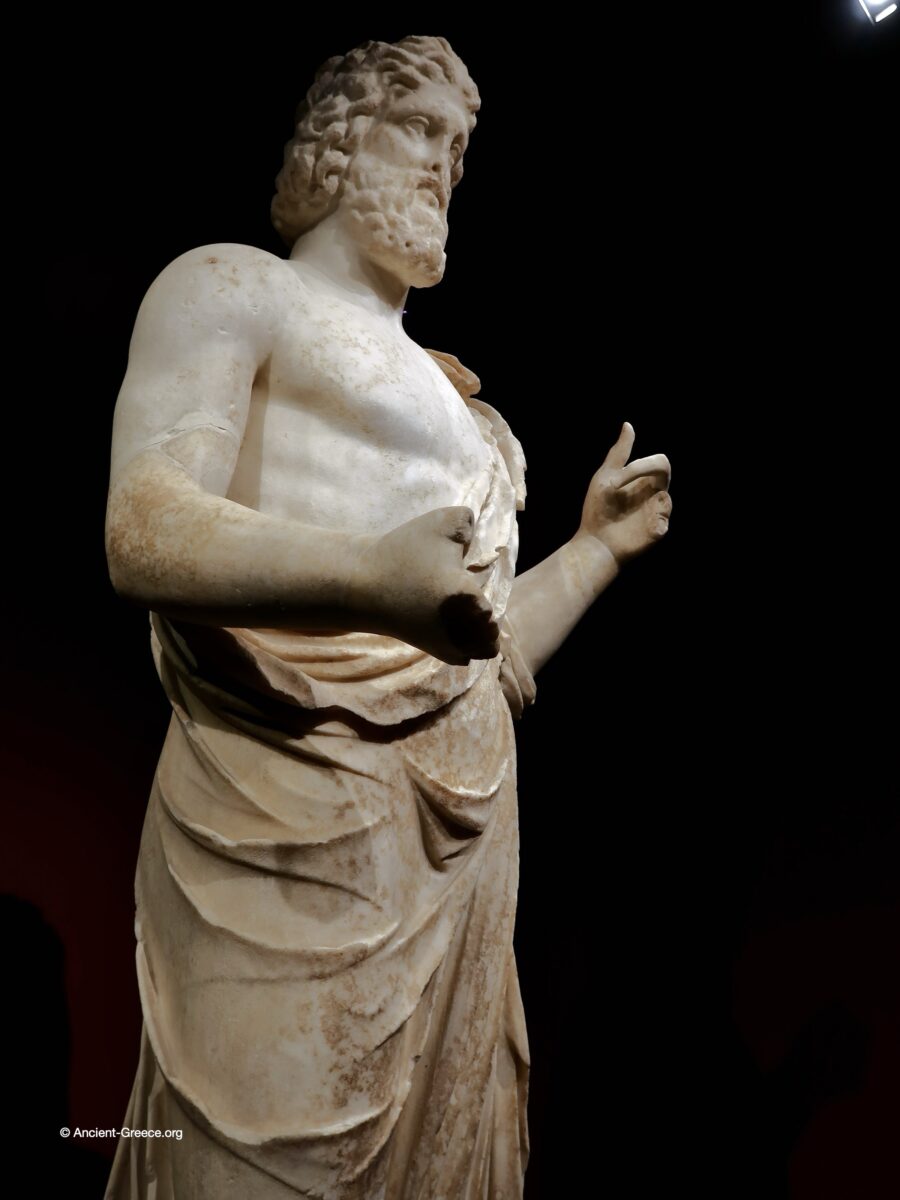
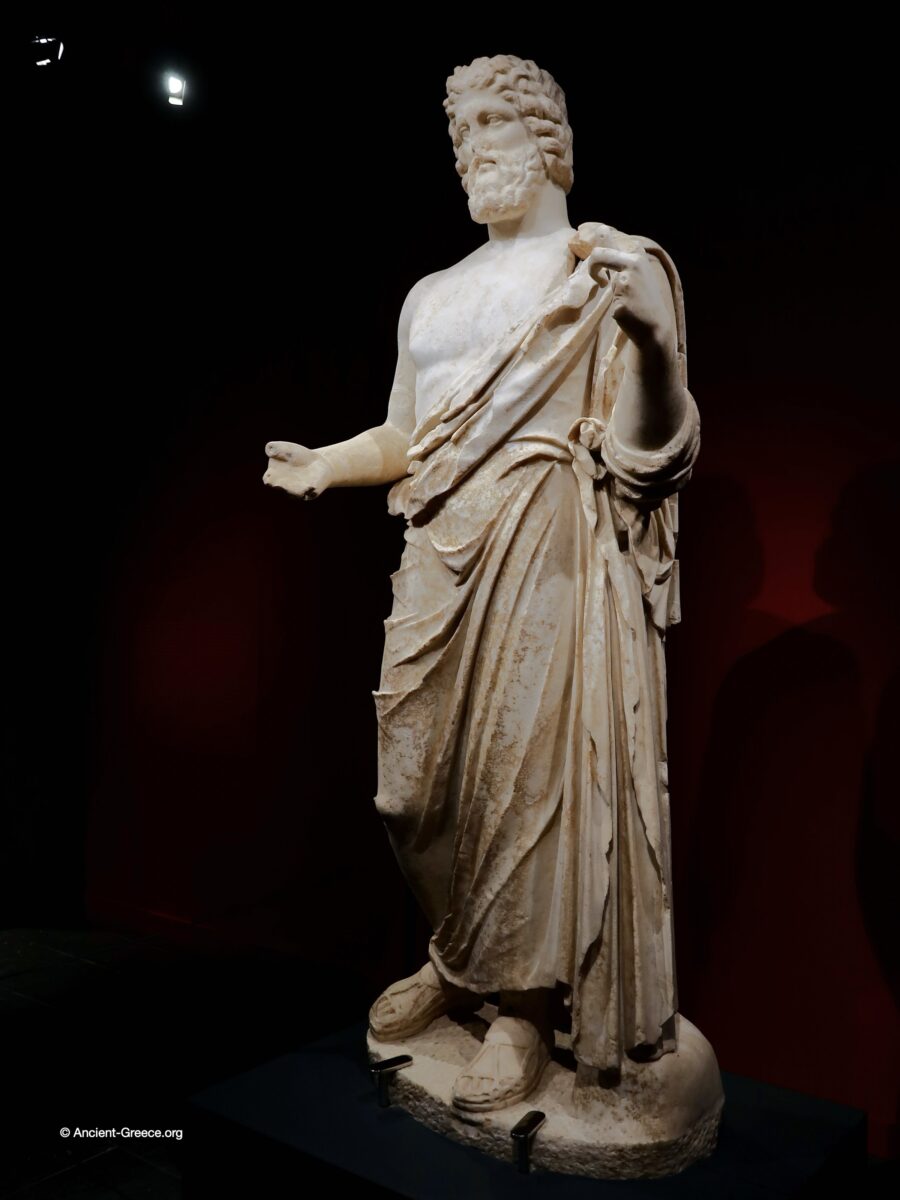
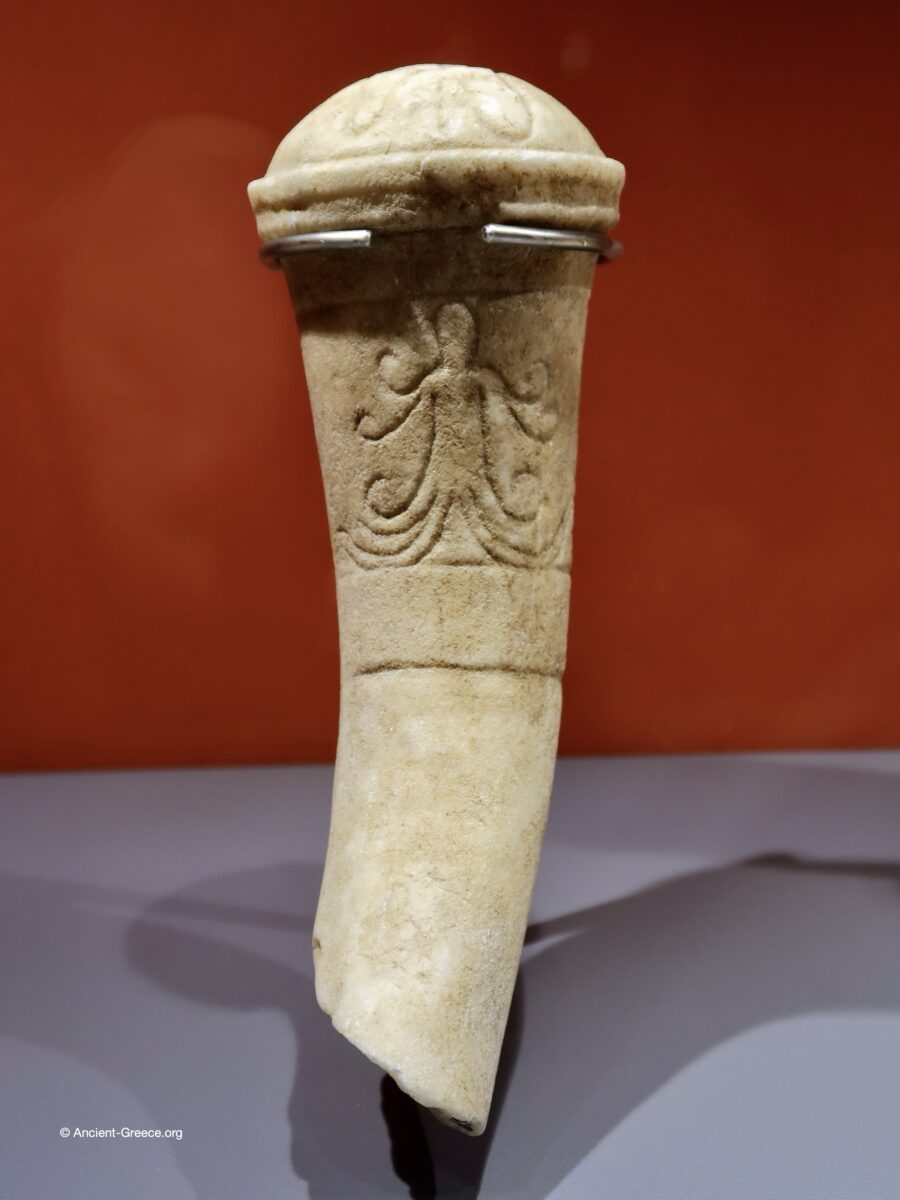
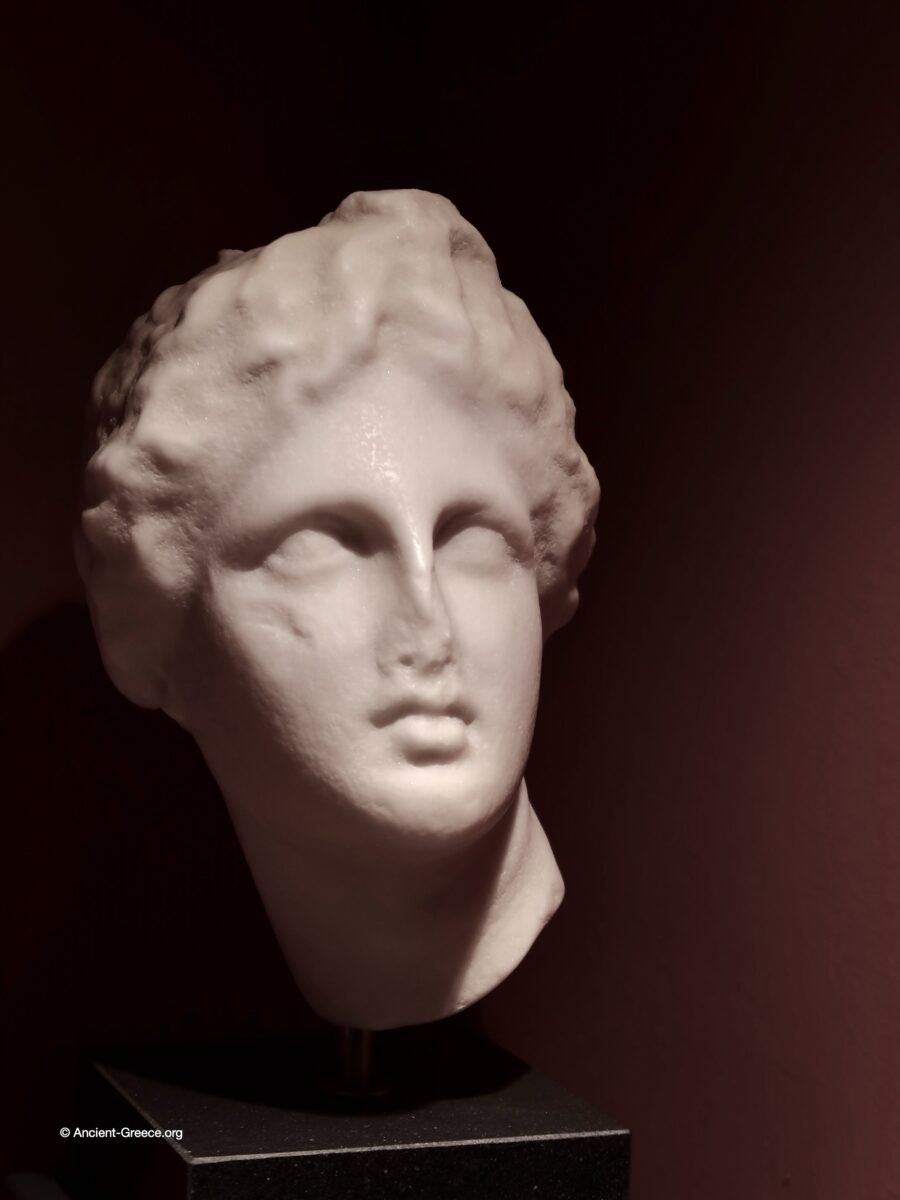
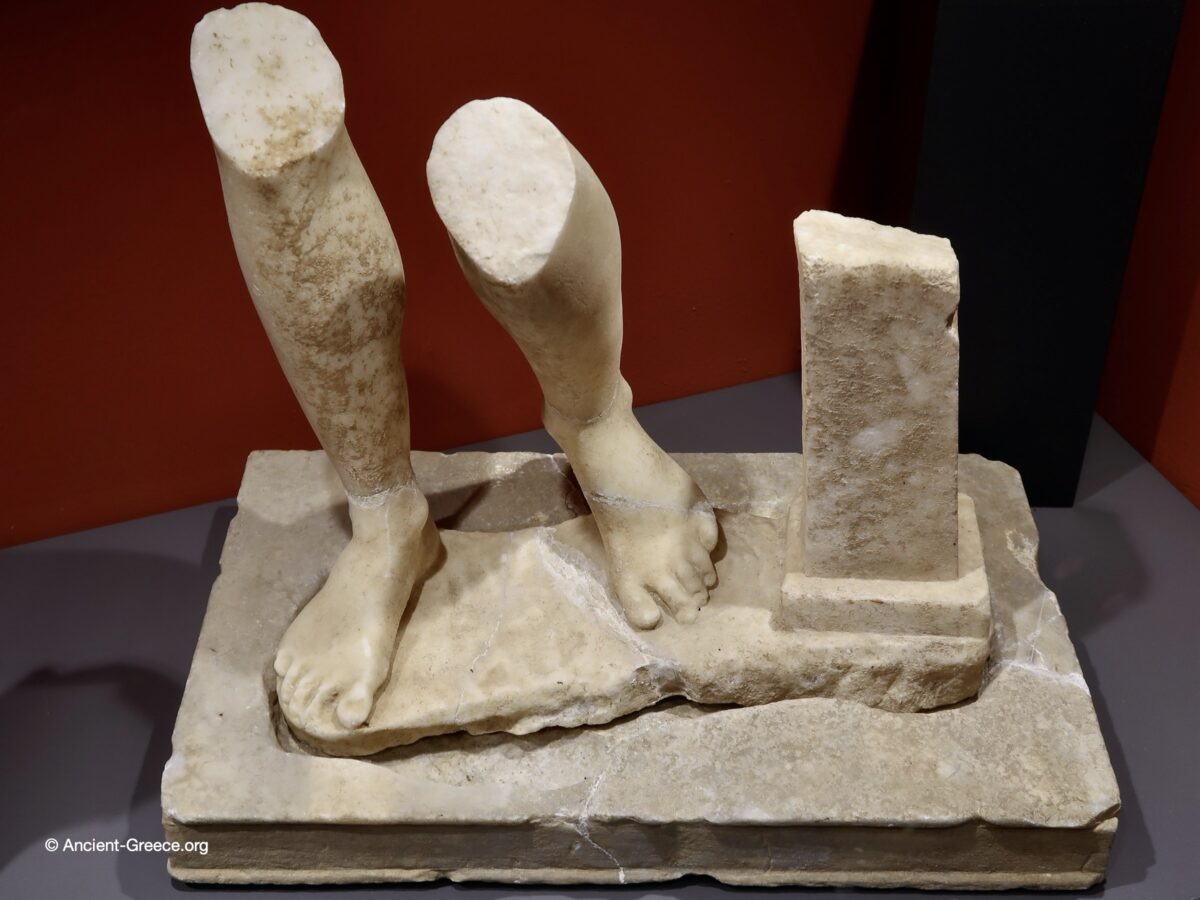
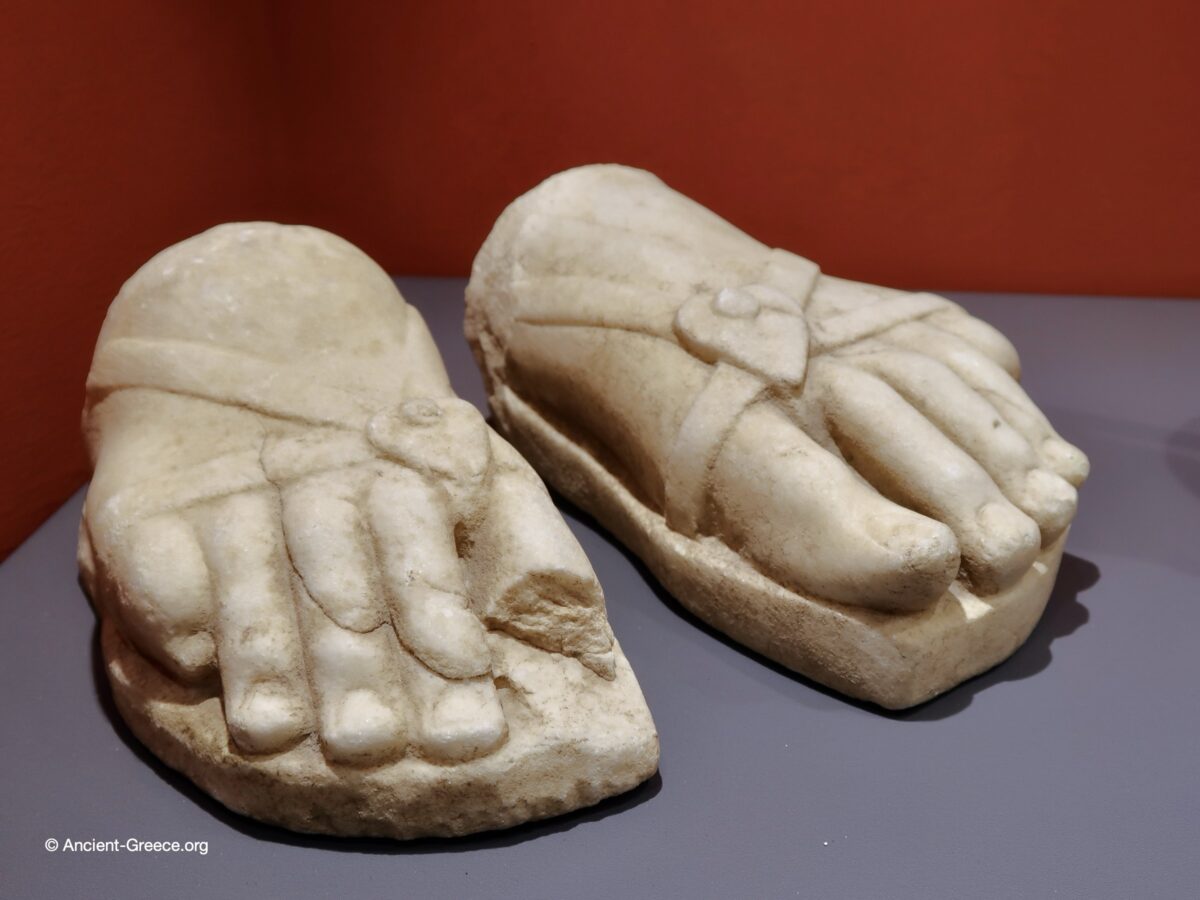
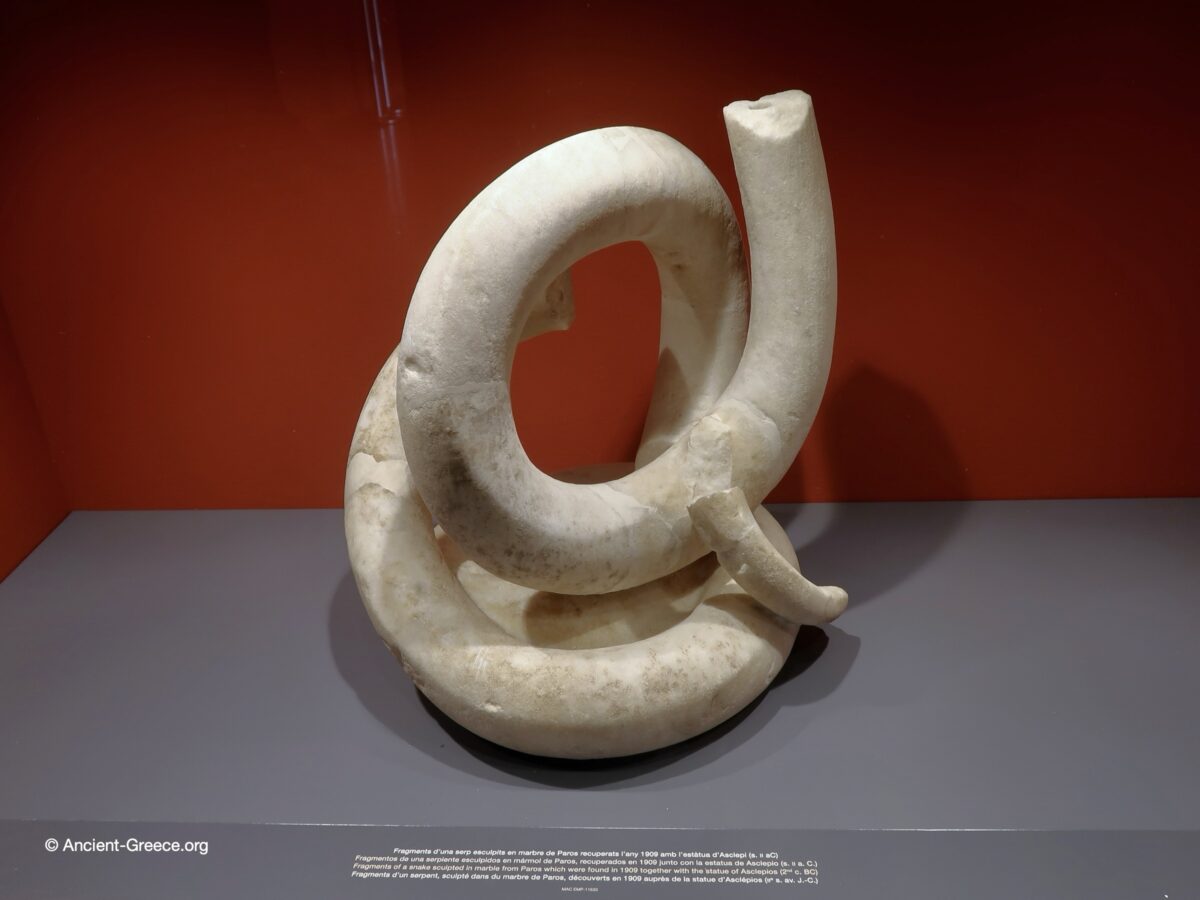
“The well preserved Hellenistic sculpture identified as a representation of the Greek god Asclepios is one of the most exceptional pieces recovered from the Empúries site, and undoubtedly the most symbolic.
It is composed of elements sculpted from two types of marble, which confer different textures to the various parts of the figure. The bust and arms are made of marble from the island of Paros, while the feet and the part of the body dressed in the himátion are made of a finer-grained marble extracted from the Pentelic quarries (Attica).
The statue arrived in Emporion from a Greek workshop in the 2nd century BC, coinciding with the reform of the city’s sanctuaries and the introduction of new cults.
The first studies of the figure and the discovery, in the same archaeological context, of another sculpture of a similar scale representing a serpent led to the identification of the statue as the god of medicine: Asclepios, son of Apollo and princess Coronis.
However, not all iconographic studies have reached the same conclusion, and the names Agathos Daimon and Serapis have also been proposed.
The statue was recovered in 1909, at the end of the second season of excavations, in the southern sector of the Greek city, in the area of the sanctuaries. The upper part was found inside a cistern, while the rest of the statue was recovered in the temple where the god had been worshipped, in the exact place where a replica now stands. In the same context, the fragmentary sculpture of a serpent and other sculptural remains related to the cults at Emporion during the 2nd century BC were also found.” –Emporion Museum
Highlights
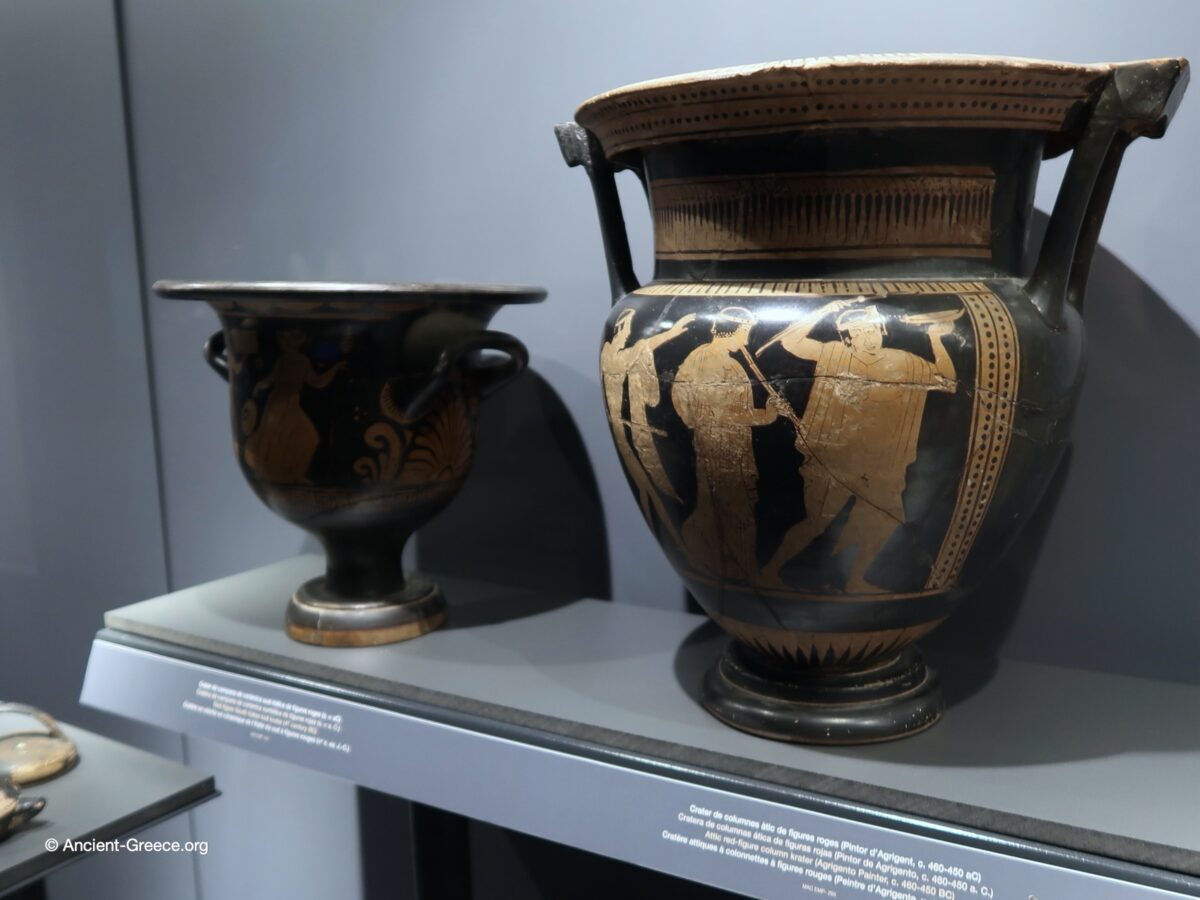
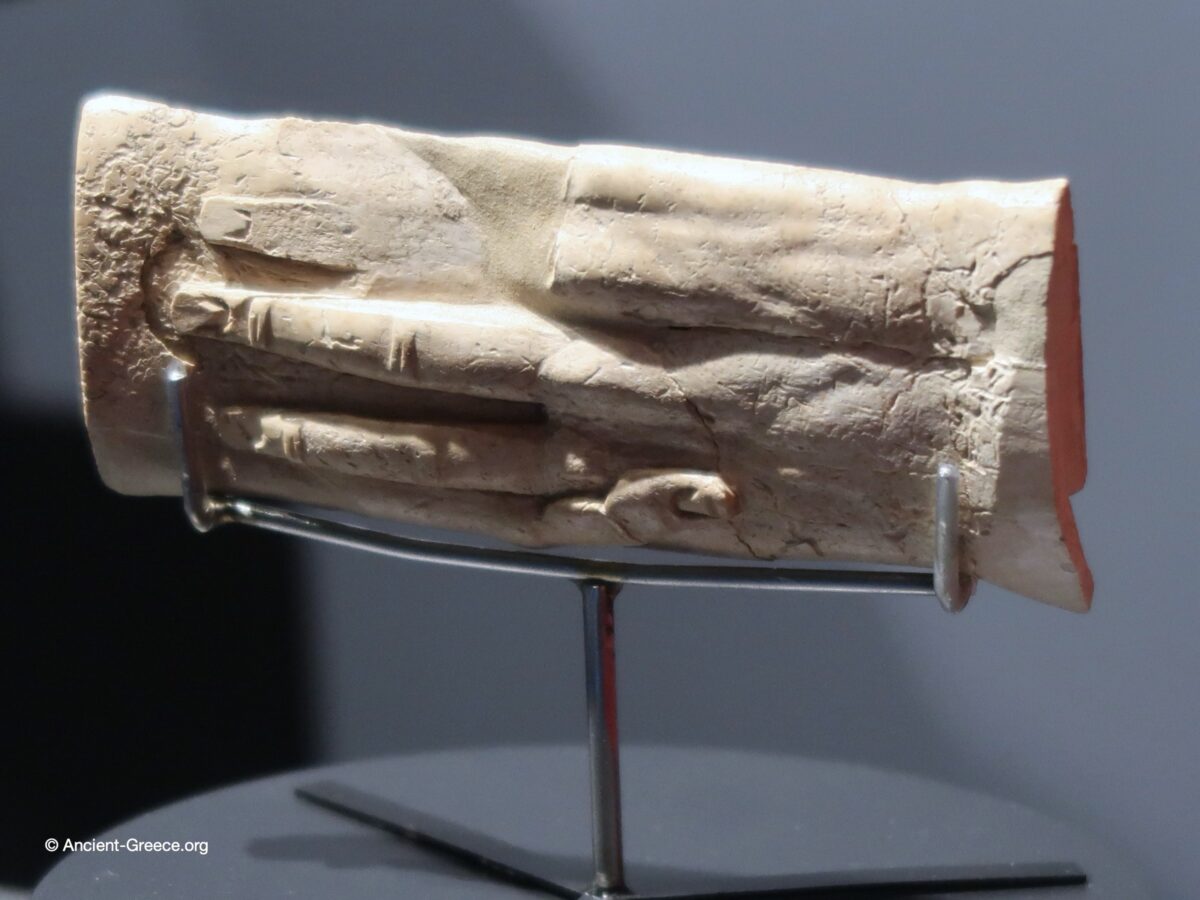
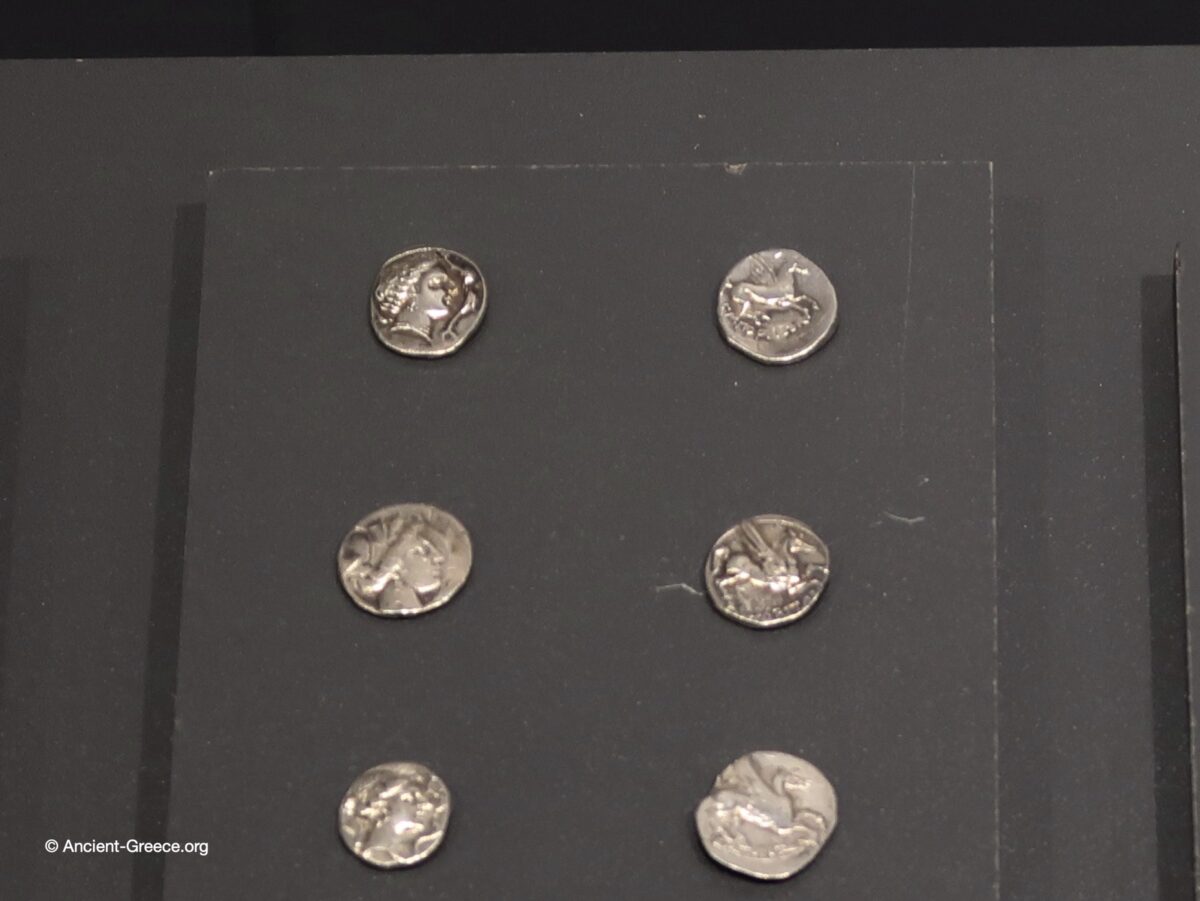
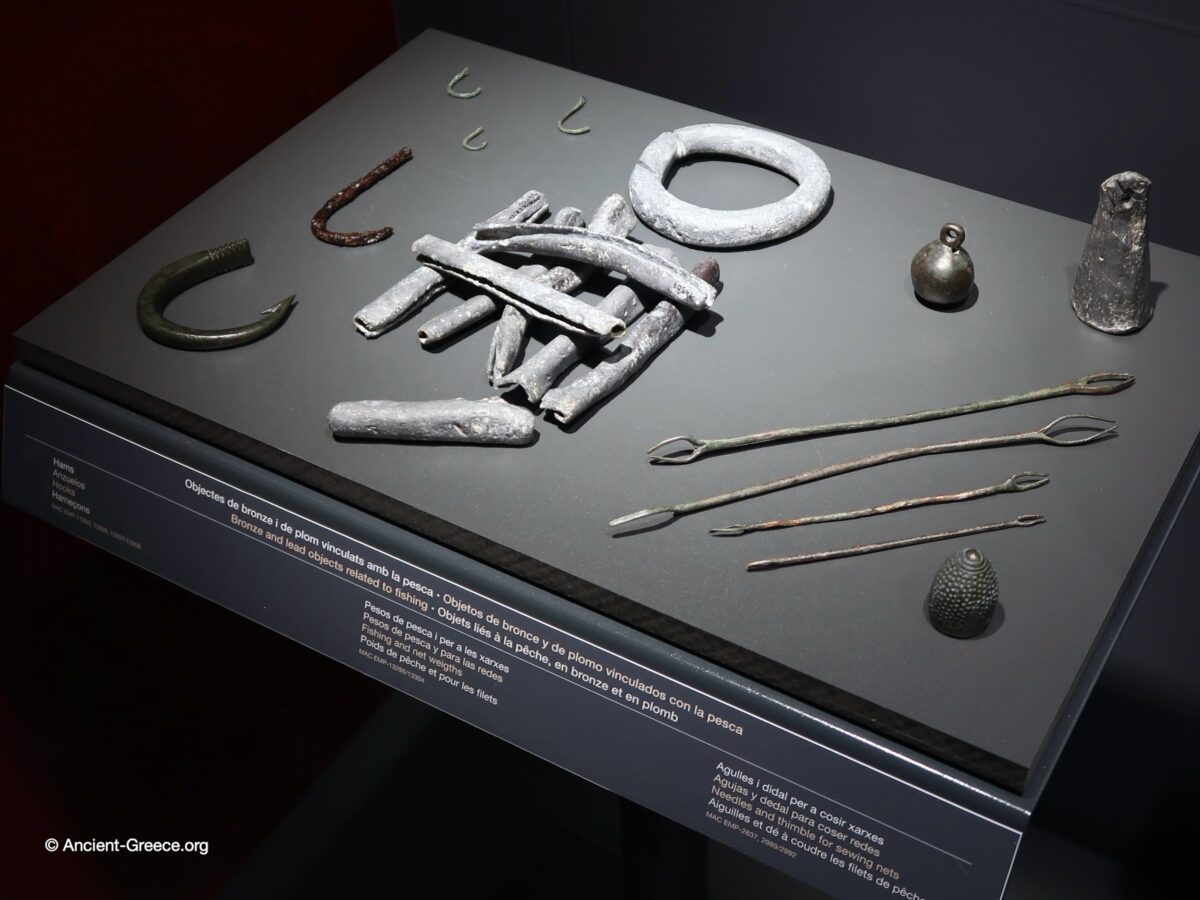
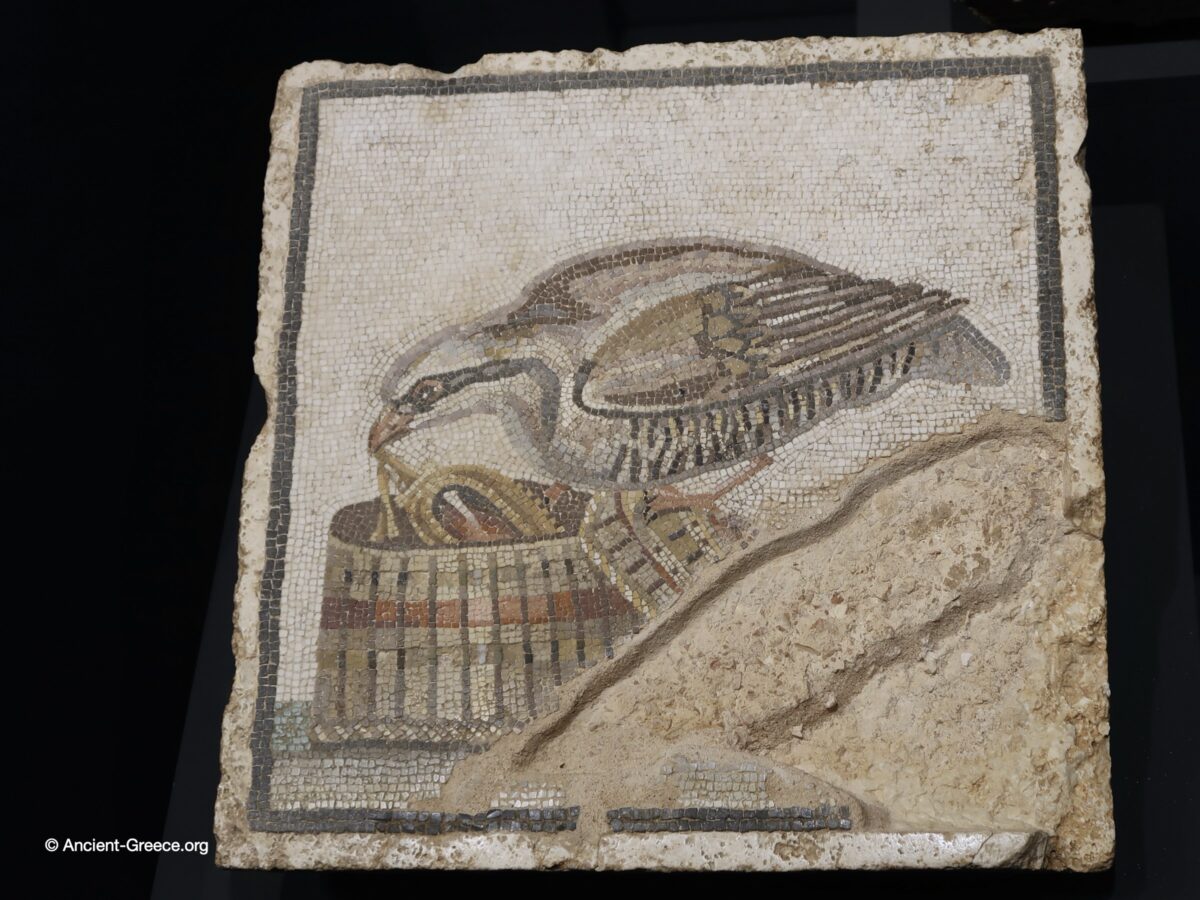
Click on each photo for more details.
Highlights of the exhibit include:
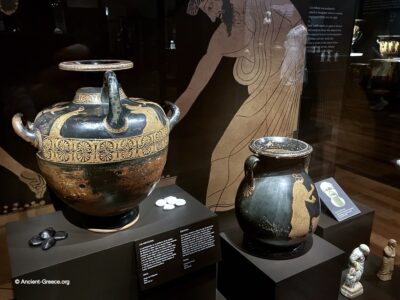
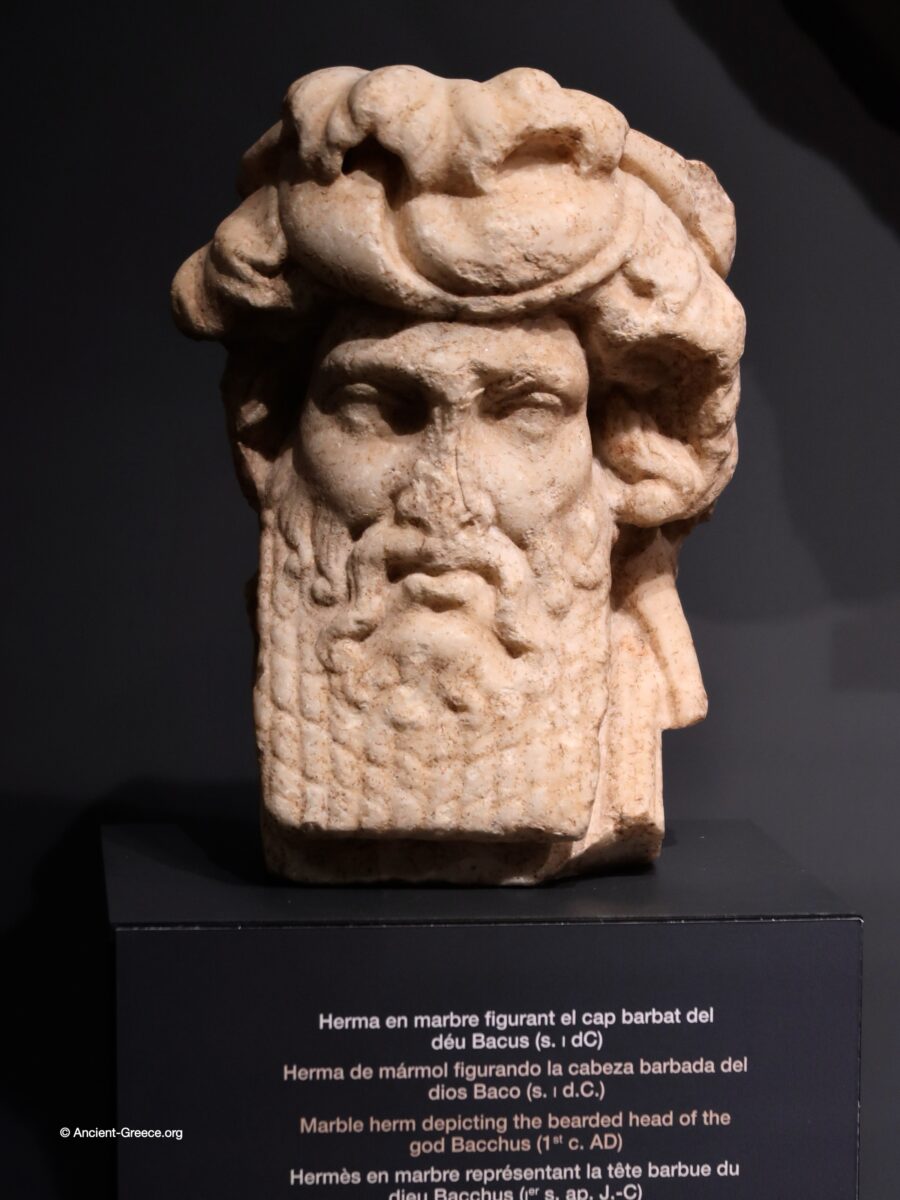
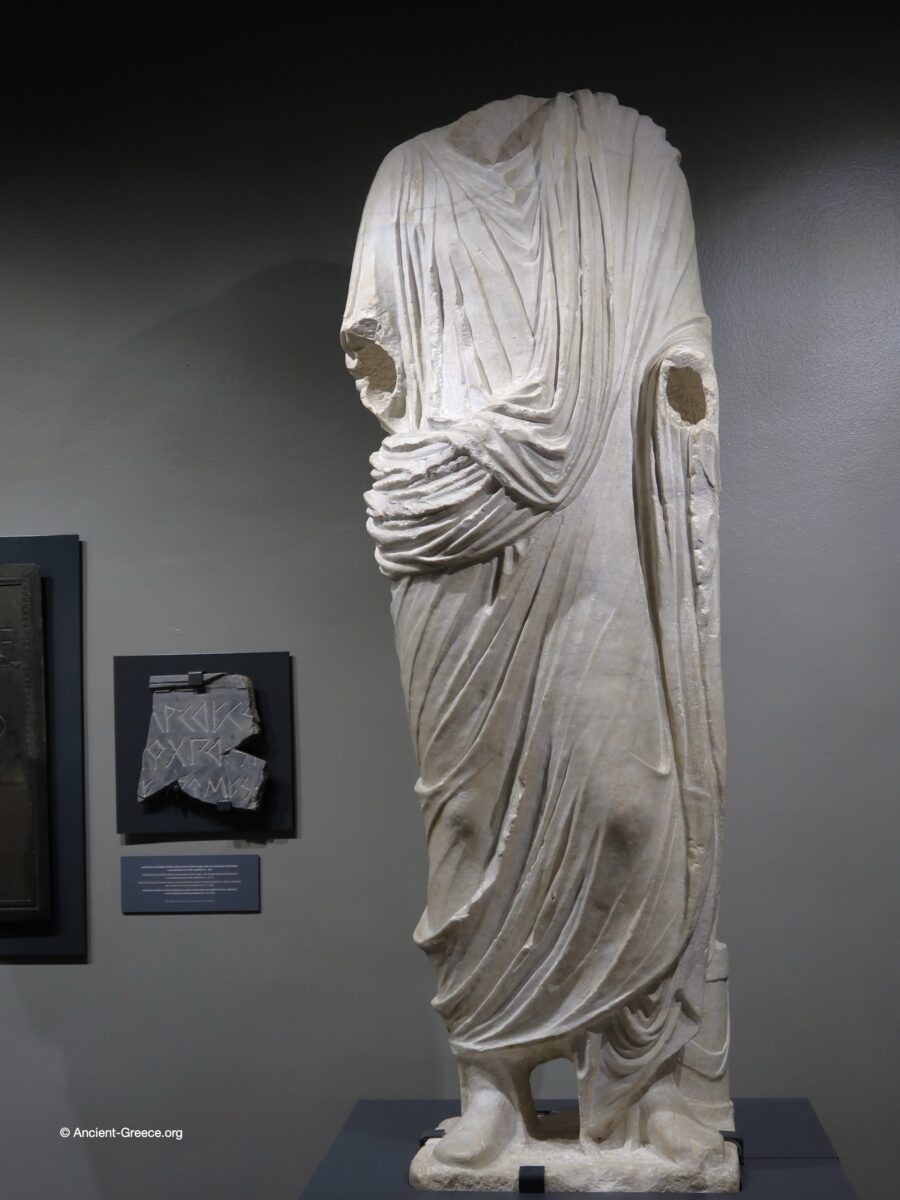
Sculpture fragments from the Greek and the later Roman Eras, one of a Bacchus herm, and several red-figure Greek craters.
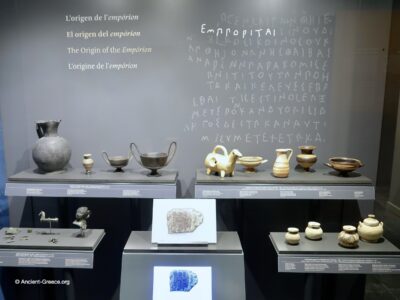
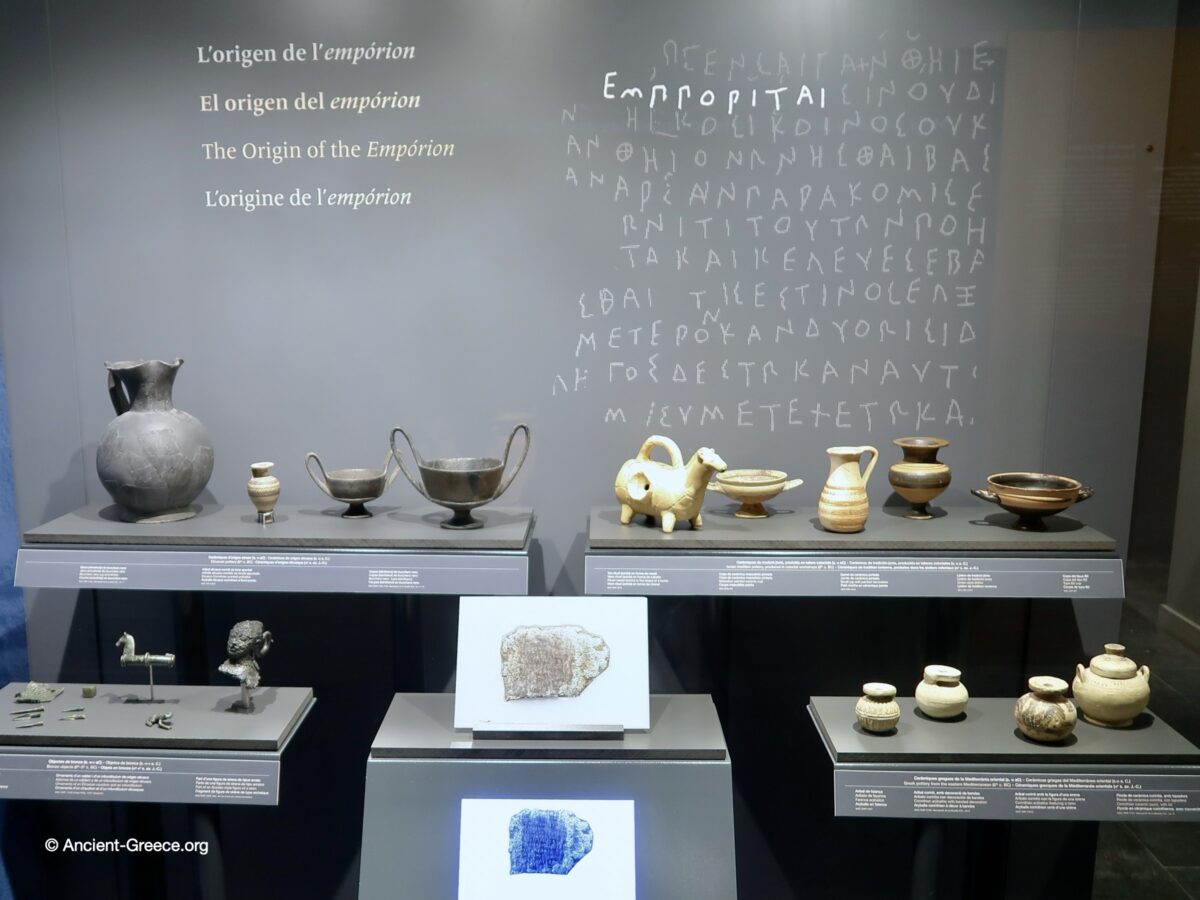
A display featuring items representative of Emporium’s early settlement, including an Ionian Greek lead letter plaque from around 500 BCE. It contained a private commercial correspondence regarding the trade of wine and other commodities. Written in the Ionian dialect, it is one of the most important epigraphic documents of the Greek presence in the Iberian Peninsula.
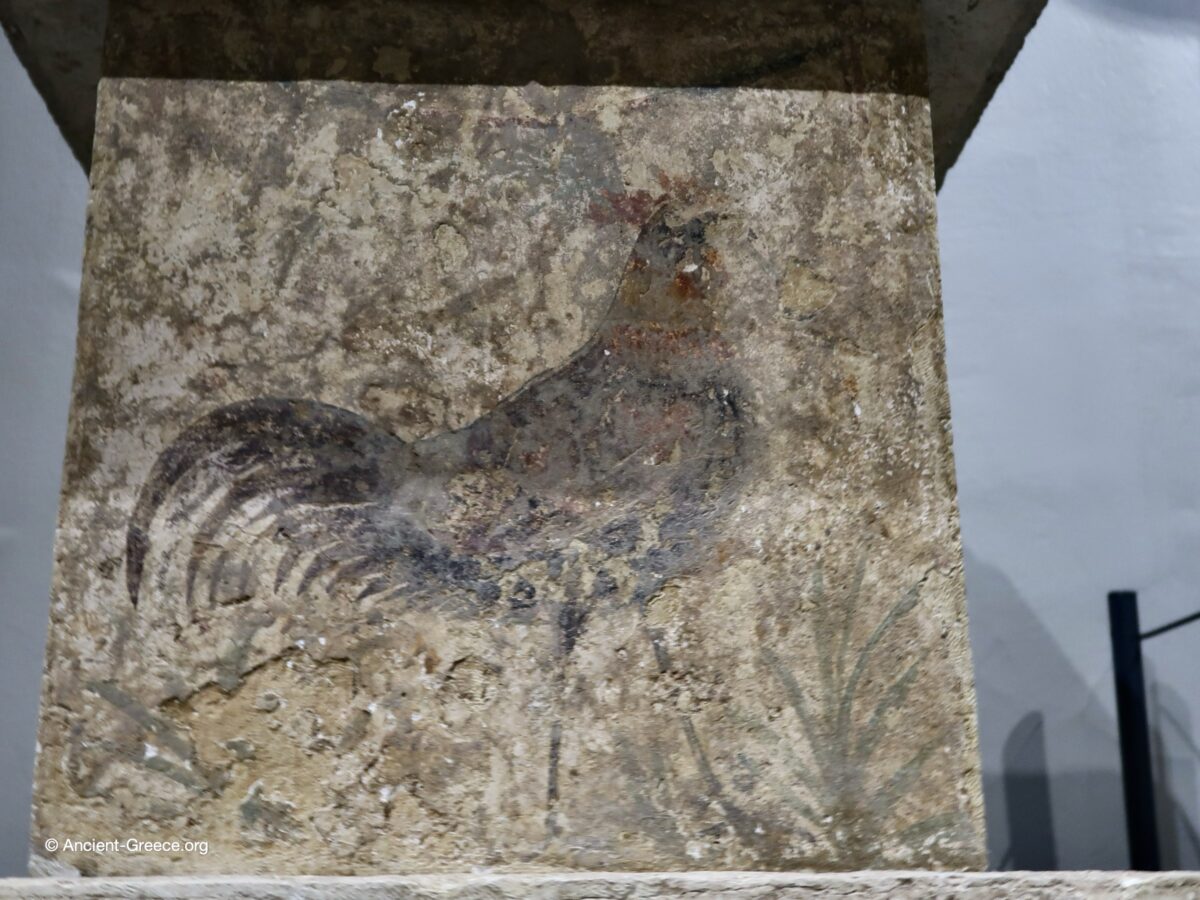
Several every-day object collections from different periods illustrate daily life over the centuries along with several mosaics and frescoes.
Photo Gallery
The alphabetical index above filters images from this specific collection. For more images and tags visit the Media Gallery
Image Gallery
Related Pages