
Masonry
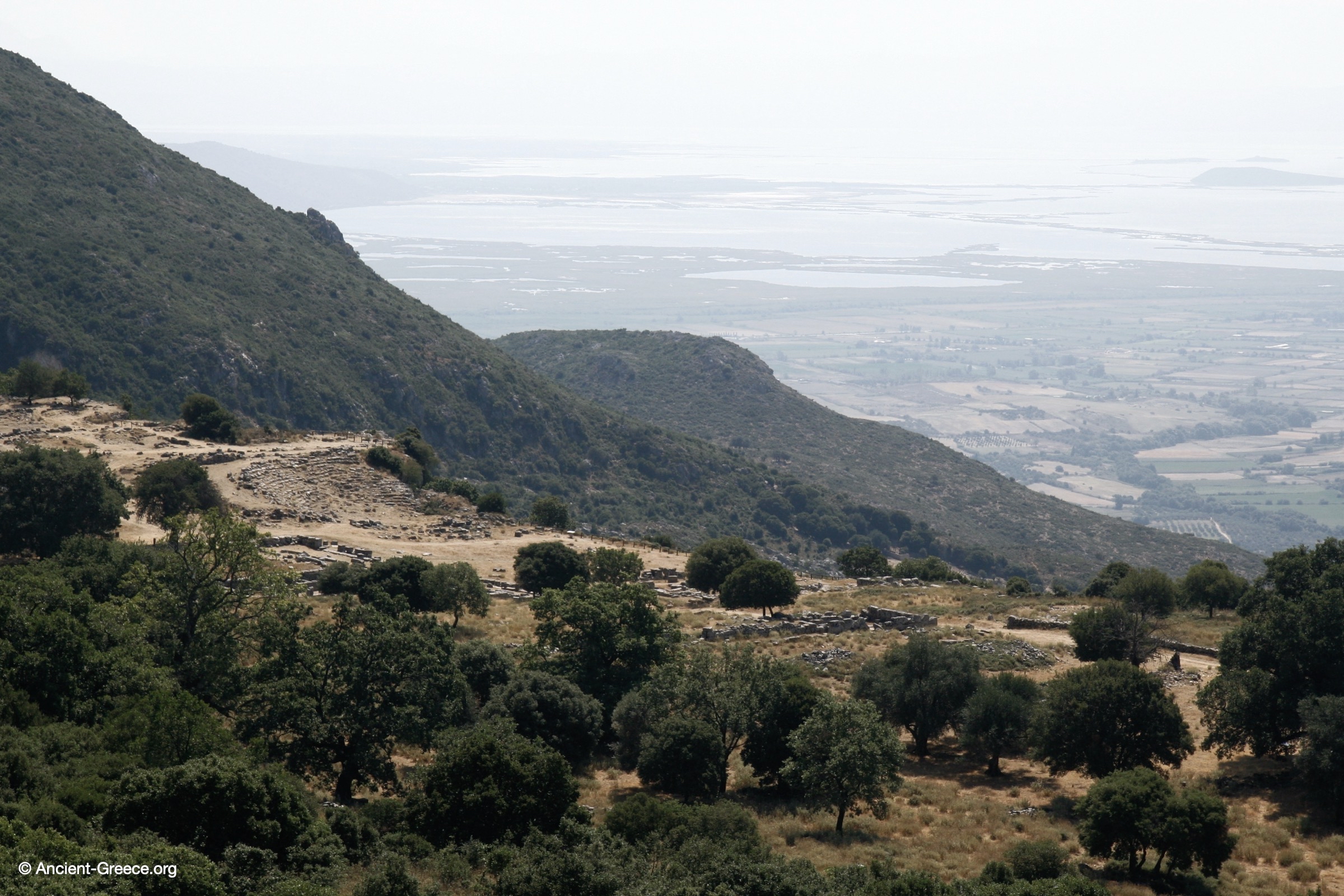
Stone construction, fortifications, and architectural foundations in the archive, encompassing several distinct historical and engineering phases.
The earliest structural style is Cyclopean masonry (c. 1600–1100 BCE), characteristic of the Bronze Age Mycenaean period, which utilizes massive, unworked or roughly dressed limestone boulders fitted together with minimal clearance and small stone chinking, built entirely without mortar.
This was followed in the Archaic Period (c. 8th–6th Century BCE) by Polygonal masonry, an interlocking, mortarless style of irregularly shaped, multi-sided stones highly resilient to seismic activity and horizontal pressure.
During the Classical Period (5th–4th Century BCE), a transitional Trapezoidal style emerged, featuring blocks with parallel horizontal beds but slanted, non-parallel vertical side joints.
By the Late Classical and Hellenistic periods (4th–2nd Century BCE), Ashlar (or Isodomic) masonry became the standard for highly engineered and monumental architecture, utilizing finely dressed, rectangular stone blocks laid in continuous, uniform horizontal courses. Later Roman, Medieval, and Early Modern modifications frequently relied on Rubble masonry—irregular, unhewn stones typically bound with mortar for rapid defensive reinforcements. These later tiers of construction often incorporated Spolia, which are systematically scavenged and repurposed ancient architectural elements, such as column drums and inscribed blocks, integrated directly into the newer walls.

-
Kassope Archaeological Site | Αρχαιολογικός Χώρος Κασσώπης
Kassope or Cassope (Ancient Greek: Κασσώπη, Κασσωπία, Κασσιόπη). Ancient Kassope is located on a remote plateau of Mt. Zalongo in Epirus, Greece,…
-
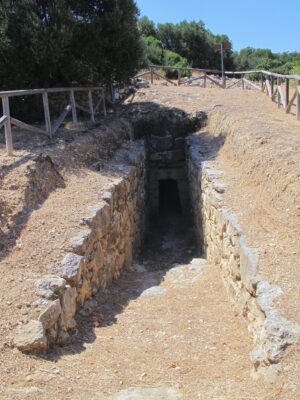
Platyskinos Tholos Tomb | Θολωτός Τάφος Πλατύσκινου
The Platyskinos Tholos Tomb at Achladia (also spelled Achladhia, Axladia) is a Late Minoan beehive burial structure located…
-
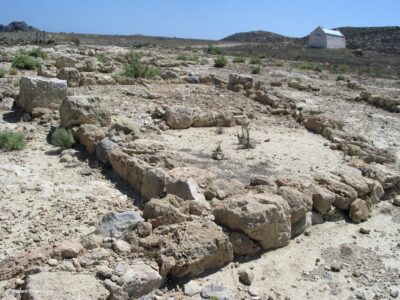
Xerokampos | Ξερόκαμπος
Xerokampos (also spelled Xerokambos), located on the Farmakokefalo hill in southeastern Crete, is the site of a fortified…