
On this page:
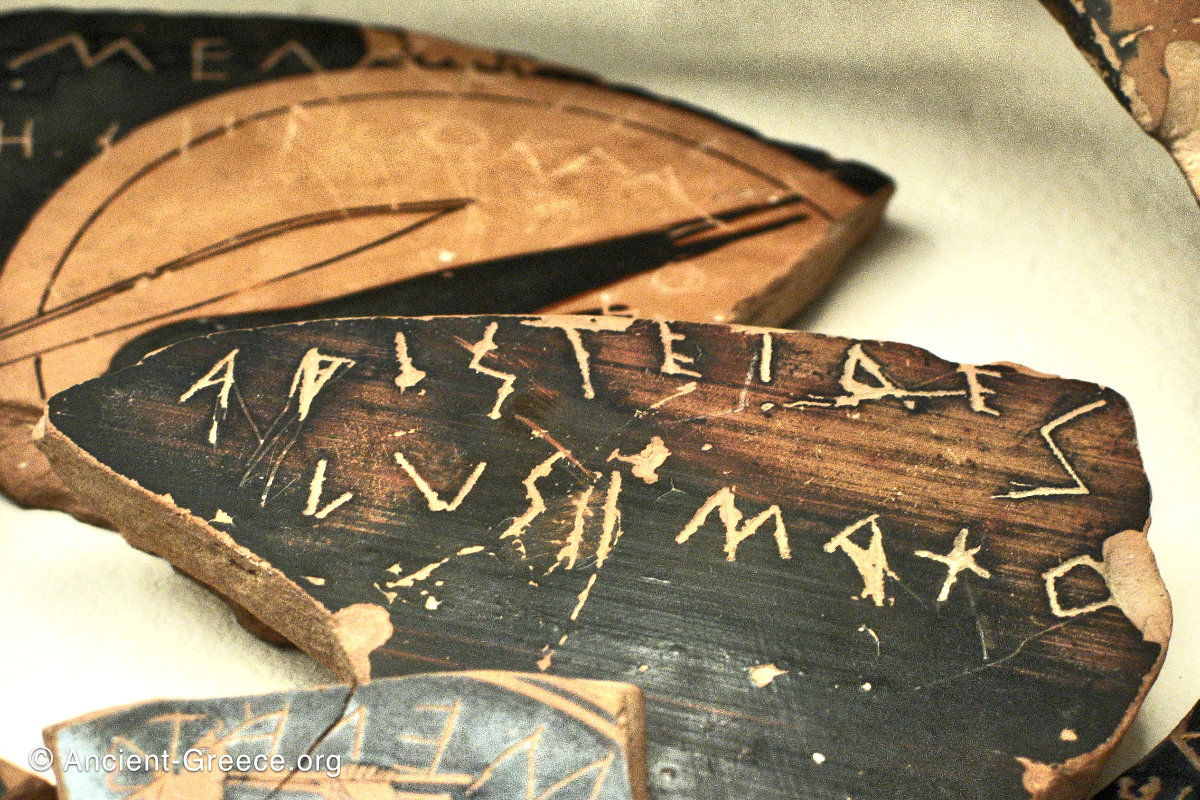
The flurry of development and expansion of the Archaic Era was followed by the period of maturity we came to know as “Classical Greece”.
Recognized as the pinnacle of Ancient Greek civilization, the Classical Period is the most famous for spawning significant advancements in culture, politics, and scientific thought.
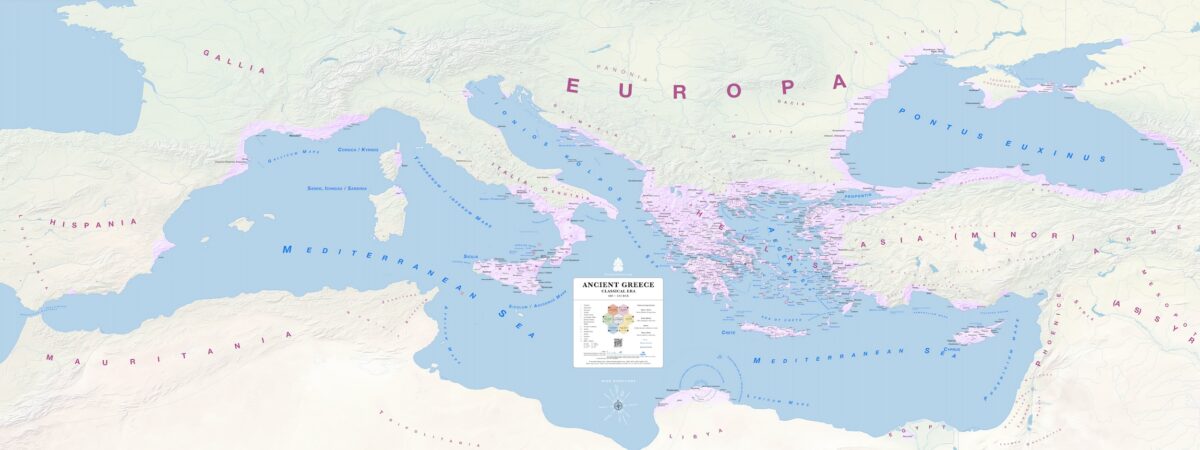
During the Classical era, Hellenic culture continued growing all along the northern Mediterranean and Black Sea through a robust commercial network, mostly centered around the expanded ancient sea lanes.
This cultural expansion was the result of commercial ties among city states and the people that surround them. It was not the result of the customary military conquests, though Greeks did not shy away from conflicts, most of which pinned one Greek polis against another until an external foe or the Olympic Games brought them together for brief periods of time.
Αναγνωρισμένη ως το απόγειο του αρχαίου ελληνικού πολιτισμού, η Κλασική Περίοδος είναι η πλέον φημισμένη για τη γέννηση σημαντικών προόδων στον πολιτισμό, την πολιτική και την επιστημονική σκέψη. Κατά την κλασική εποχή, ο ελληνικός πολιτισμός συνέχισε να αναπτύσσεται σε ολόκληρη τη βόρεια Μεσόγειο και τον Εύξεινο Πόντο μέσω ενός ισχυρού εμπορικού δικτύου, με επίκεντρο κυρίως τις διευρυμένες αρχαίες θαλάσσιες οδούς.
Αυτή η πολιτιστική επέκταση ήταν το αποτέλεσμα των εμπορικών δεσμών μεταξύ των πόλεων-κρατών και των λαών που τις περιέβαλλαν. Δεν ήταν το αποτέλεσμα των συνηθισμένων στρατιωτικών κατακτήσεων, αν και οι Έλληνες δεν απέφευγαν τις συγκρούσεις, οι περισσότερες από τις οποίες έφερναν αντιμέτωπη τη μία ελληνική πόλη με την άλλη, μέχρις ότου ένας εξωτερικός εχθρός ή οι Ολυμπιακοί Αγώνες τούς ένωναν για σύντομα χρονικά διαστήματα.
Athens and Sparta | Αθήνα και Σπάρτη
Between 480 and until 323 BCE Athens and Sparta dominated the Hellenic world with their cultural and military achievements. These two cities, with the involvement of the other Hellenic states, rose to power through alliances, reforms, and a series of victories against the invading Persian armies.
They eventually resolved their rivalry in a long, and particularly nasty war that concluded with the demise of Athens first, Sparta second, and the emergence of Macedonia as the dominant power of Greece. Other city-states like Miletus, Thebes, Corinth, and Syracuse among many others played a major role in the cultural achievements of Classical Greece.
Early in the Classical era Athens and Sparta coexisted peacefully through their underlying suspicion of each other until the middle of the 5th c. BCE.
The political and cultural disposition of the two city-states occupied the opposite ends of the spectrum. Sparta was a closed society governed by an oligarchic government led by two kings, and occupying the rugged southern end of the Peloponnese, organized its affairs around a powerful military that protected the Spartan citizens from both external invasion and internal revolt of the helots.
Athens on the other hand grew to an adventurous, open society, governed by a democratic government that thrived through commercial activity.
The period of Perikles’ leadership in Athens is described as the “Golden Age”. It was during this period that the massive building project, that included the Acropolis, was undertaken.
Between 480 and until 323 BCE Athens and Sparta dominated the Hellenic world with their cultural and military achievements. These two cities, with the involvement of the other Hellenic states, rose to power through alliances, reforms, and a series of victories against the invading Persian armies.
They eventually resolved their rivalry in a long, and particularly nasty war that concluded with the demise of Athens first, Sparta second, and the emergence of Macedonia as the dominant power of Greece. Other city-states like Miletus, Thebes, Corinth, and Syracuse among many others played a major role in the cultural achievements of Classical Greece.
Early in the Classical era Athens and Sparta coexisted peacefully through their underlying suspicion of each other until the middle of the 5th c. BCE.
The political and cultural disposition of the two city-states occupied the opposite ends of the spectrum. Sparta was a closed society governed by an oligarchic government led by two kings, and occupying the rugged southern end of the Peloponnese, organized its affairs around a powerful military that protected the Spartan citizens from both external invasion and internal revolt of the helots.
Athens on the other hand grew to an adventurous, open society, governed by a democratic government that thrived through commercial activity.
The period of Perikles’ leadership in Athens is described as the “Golden Age”. It was during this period that the massive building project, that included the Acropolis, was undertaken.
The Persian Wars | Οι Περσικοί Πόλεμοι
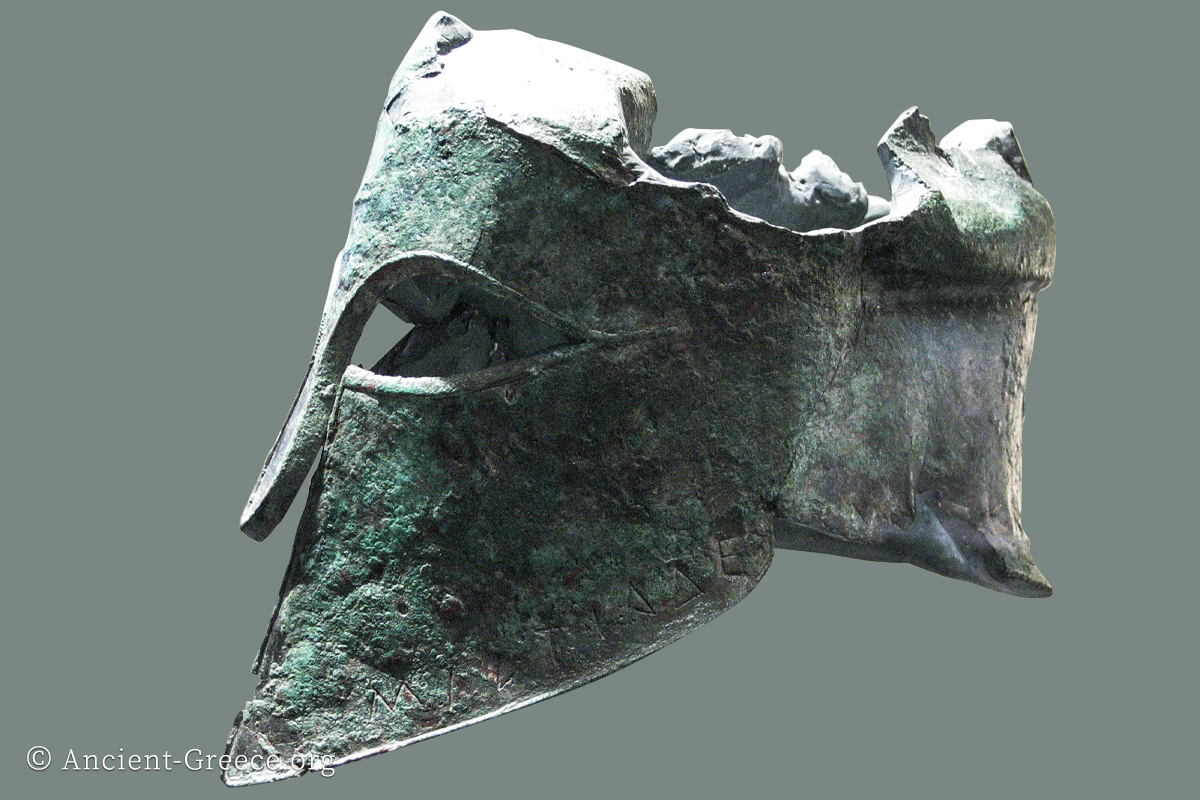
The Athenian adventurous spirit, and their loyalty to their Ionian kin obliged them to assist the Greek colonies that were feuding with the powerful Persian Empire in Asia Minor. To aid the Ionian Revolt (499 BCE), led by Miletus, the Athenians landed a small garrison in Ionia to fight against the Persians and to spread the revolt.
The Greek forces enraged the Persians by burning the capital of Lydia, Sardis in 498 BCE, but they were eventually defeated in 494 BCE. The sacking of Sardis and the defiance of the Athenians invoked the wrath of the Persian king Darius who vowed revenge.
In 490 BCE, he landed his forces twenty miles north of Athens, at Marathon. While the Spartans were occupied with a religious festival, the outnumbered Athenians under the leadership of Miltiades mounted a surprise attack and routed the dumbfounded Persians at Marathon to preserve Greek independence for the time being.
It took ten years, but the Persian king Xerxes, determined to succeed where Darius failed, amassed what Herodotus described as the greatest army ever put together in order to attack Greece again. The Athenians, expecting a full attack from the Persians prepared for that moment as well. Under the leadership of Themistokles, they cashed the silver extracted from the newly dug mines of Lavrion and built a formidable navy of triremes.
Xerxes crossed the Hellespont in 480 BCE with his massive army and began annexing Greece through land and sea.
The first line of defense for the Greek alliance of city-states was at the narrow passage of Thermopylae where Leonidas with 300 Spartans and 700 Thespians held back the mighty Persian army for three days before they fell to a man through deceit. At the same time the Athenian ships fought the Persian navy to a stalemate at nearby Artemision before they withdrew to the straights of Salamis.
The Athenians vacated the entire non-combat population from their city, so when the Persians arrived they met no resistance. They took vengeance on the buildings and temples of Athens by burning them to the ground, and anchored their fleet at Faliron in pursuit of the Greek navy that was sheltered at nearby Salamis Island.
While the joint leadership of the Hellenes argued in typical Greek fashion if they should withdraw to the Peloponnese and where to engage the Pesians next, Themistokles, seeking an advantageous quick battle, invoked the Persian fleet into attacking as the Greek ships faked an early morning escape from Salamis.
As the Persians pursued what they thought was a fleeing foe, the Greek triremes turned and engaged the surprised Persians inflicting massive casualties and decimating the Persian navy. With his navy destroyed, Xerxes feared that the Greek triremes would rush to the Hellespont to cut off his only way home, so he withdrew back to Asia leaving his able general Mardonious to fight the Greeks.
Next year, in 479 BCE, the alliance of Greek states under the leadership of the Spartan general Pausanias put a permanent end to Persian ambitions to annex Greece with their victory at Plataea.
The victory of the Greek forces at Marathon, Salamis, and Plateaa are hailed as pivotal points in the development of western civilization. The reason being that, if the Persians were victorious all the achievements of Greece (and especially Athens) that followed immediately after–widely consider to be the foundation of western civilization–would not have transpired.
Το αθηναϊκό περιπετειώδες πνεύμα και η πίστη προς τους Ίωνες συγγενείς τους, υποχρέωσαν τους Αθηναίους να βοηθήσουν τις ελληνικές αποικίες που βρίσκονταν σε διαμάχη με την πανίσχυρη Περσική Αυτοκρατορία στη Μικρά Ασία. Για να ενισχύσουν την Ιωνική Επανάσταση (499 π.Χ.), με επικεφαλής τη Μίλητο, οι Αθηναίοι αποβίβασαν μια μικρή φρουρά στην Ιωνία για να πολεμήσουν κατά των Περσών και να διαδώσουν την επανάσταση.
Οι ελληνικές δυνάμεις εξόργισαν τους Πέρσες καίγοντας την πρωτεύουσα της Λυδίας, τις Σάρδεις, το 498 π.Χ., αλλά τελικά ηττήθηκαν το 494 π.Χ. Η λεηλασία των Σάρδεων και η πρόκληση των Αθηναίων προκάλεσαν την οργή του Πέρση βασιλιά Δαρείου, ο οποίος ορκίστηκε εκδίκηση.
Το 490 π.Χ., αποβίβασε τις δυνάμεις του είκοσι μίλια βόρεια της Αθήνας, στον Μαραθώνα. Ενώ οι Σπαρτιάτες ήταν απασχολημένοι με μια θρησκευτική γιορτή, οι λιγότεροι αριθμητικά Αθηναίοι, υπό την ηγεσία του Μιλτιάδη, εξαπέλυσαν μια επίθεση αιφνιδιασμού και έτρεψαν σε φυγή τους κατάπληκτους Πέρσες στον Μαραθώνα, διασφαλίζοντας την ελληνική ανεξαρτησία προς το παρόν.
Χρειάστηκαν δέκα χρόνια, αλλά ο Πέρσης βασιλιάς Ξέρξης, αποφασισμένος να πετύχει εκεί που ο Δαρείος απέτυχε, συγκέντρωσε αυτό που ο Ηρόδοτος περιέγραψε ως τον μεγαλύτερο στρατό που συγκροτήθηκε ποτέ, προκειμένου να επιτεθεί ξανά στην Ελλάδα. Οι Αθηναίοι, αναμένοντας μια πλήρη επίθεση από τους Πέρσες, προετοιμάστηκαν επίσης για εκείνη τη στιγμή. Υπό την ηγεσία του Θεμιστοκλή, αξιοποίησαν τον άργυρο που εξορύχθηκε από τα νεοσύστατα ορυχεία του Λαυρίου και έχτισαν έναν τρομερό στόλο από τριήρεις.
Ο Ξέρξης διέσχισε τον Ελλήσποντο το 480 π.Χ. με τον τεράστιο στρατό του και άρχισε να προσαρτά την Ελλάδα μέσω ξηράς και θάλασσας.
Η πρώτη γραμμή άμυνας για την ελληνική συμμαχία των πόλεων-κρατών ήταν στο στενό πέρασμα των Θερμοπυλών, όπου ο Λεωνίδας με 300 Σπαρτιάτες και 700 Θεσπιείς συγκράτησαν τον πανίσχυρο περσικό στρατό για τρεις ημέρες, προτού πέσουν μέχρις ενός λόγω προδοσίας. Ταυτόχρονα, τα αθηναϊκά πλοία πολέμησαν τον περσικό στόλο μέχρις εσχάτων στο κοντινό Αρτεμίσιο, προτού αποσυρθούν στα στενά της Σαλαμίνας.
Οι Αθηναίοι απομάκρυναν ολόκληρο τον μη μάχιμο πληθυσμό από την πόλη τους, οπότε όταν έφτασαν οι Πέρσες δεν συνάντησαν αντίσταση. Εκδικήθηκαν τα κτίρια και τους ναούς της Αθήνας καίγοντάς τα ολοσχερώς, και αγκυροβόλησαν τον στόλο τους στο Φάληρο καταδιώκοντας το ελληνικό ναυτικό που είχε βρει καταφύγιο στο κοντινό νησί της Σαλαμίνας.
Ενώ η κοινή ηγεσία των Ελλήνων διαφωνούσε με τον τυπικό ελληνικό τρόπο για το αν θα έπρεπε να αποσυρθούν στην Πελοπόννησο και πού θα αντιμετώπιζαν τους Πέρσες στη συνέχεια, ο Θεμιστοκλής, επιζητώντας μια πλεονεκτική γρήγορη μάχη, παρέσυρε τον περσικό στόλο σε επίθεση, καθώς τα ελληνικά πλοία προσποιήθηκαν μια πρωινή απόδραση από τη Σαλαμίνα.
Καθώς οι Πέρσες καταδίωκαν αυτό που νόμιζαν ότι ήταν ένας φυγάς εχθρός, οι ελληνικές τριήρεις γύρισαν και αντιμετώπισαν τους αιφνιδιασμένους Πέρσες, προκαλώντας τεράστιες απώλειες και αποδεκατίζοντας το περσικό ναυτικό. Με τον στόλο του κατεστραμμένο, ο Ξέρξης φοβήθηκε ότι οι ελληνικές τριήρεις θα έσπευδαν στον Ελλήσποντο για να κόψουν τον μοναδικό δρόμο επιστροφής του, οπότε αποσύρθηκε πίσω στην Ασία, αφήνοντας τον ικανό στρατηγό του Μαρδόνιο να πολεμήσει τους Έλληνες.
Τον επόμενο χρόνο, το 479 π.Χ., η συμμαχία των ελληνικών κρατών υπό την ηγεσία του Σπαρτιάτη στρατηγού Παυσανία έθεσε οριστικό τέλος στις περσικές φιλοδοξίες για προσάρτηση της Ελλάδας με τη νίκη τους στις Πλαταιές.
Η νίκη των ελληνικών δυνάμεων στον Μαραθώνα, τη Σαλαμίνα και τις Πλαταιές χαιρετίζεται ως κομβικό σημείο στην εξέλιξη του δυτικού πολιτισμού. Ο λόγος είναι ότι, αν οι Πέρσες είχαν νικήσει, όλα τα επιτεύγματα της Ελλάδας (και ιδιαίτερα της Αθήνας) που ακολούθησαν αμέσως μετά –τα οποία θεωρούνται ευρέως ως το θεμέλιο του δυτικού πολιτισμού– δεν θα είχαν πραγματοποιηθεί.
The Delian League | Η Δηλιακή Συμμαχία
Following the successful defense of their homeland, the Greek states entered an era of high development. Athens especially emerged as a major superpower that led a host of other Greek city-states (some willing, some unwilling, and some reluctant) in a defensive alliance, the Delian League, against the Persians.
The tributes collected by the allies helped Athens expand and maintain a formidable, yet difficult, empire in the Aegean world. At the same time, Sparta led the Peloponnesian League, an alliance of states mostly from the Peloponnese that acted as a counter-balance against the perceived Athenian hegemony of Greece.
Μετά την επιτυχή άμυνα της πατρίδας τους, τα ελληνικά κράτη εισήλθαν σε μια εποχή υψηλής ανάπτυξης. Η Αθήνα αναδείχθηκε ιδιαίτερα ως μια σημαντική υπερδύναμη που ηγήθηκε πλήθους άλλων ελληνικών πόλεων-κρατών (ορισμένων πρόθυμων, άλλων απρόθυμων και κάποιων διστακτικών) σε μια αμυντική συμμαχία, τη Δηλιακή Συμμαχία, ενάντια στους Πέρσες.
Οι φόροι που συλλέγονταν από τους συμμάχους βοήθησαν την Αθήνα να επεκτείνει και να διατηρήσει μια τρομερή, αν και δύσκολη, αυτοκρατορία στον κόσμο του Αιγαίου. Ταυτόχρονα, η Σπάρτη ηγείτο της Πελοποννησιακής Συμμαχίας, μιας ένωσης κρατών κυρίως από την Πελοπόννησο, η οποία λειτουργούσε ως αντίβαρο απέναντι στην αντιλαμβανόμενη αθηναϊκή ηγεμονία στην Ελλάδα.
The Peloponnesian War | Ο Πελοποννησιακός Πόλεμος
The competitive spirit, suspicion, and animosity toward each other that characterized all Greek cities re-emerged once the external danger of the Persians threat subsided, and with the two dominant powers occupying opposite ends of the political and cultural spectrum, it was not long before the underlying differences and mistrust spilled over in a particularly long and nasty conflict: the Peloponnesian War.
While Sparta and Athens were the primary adversaries, just about every other Greek city took part in the conflict at one time or another. With Sparta possessing the stronger land forces, and Athens dominating at sea with its navy of triremes, the war lasted for from 431 until 404 BCE with the Peace of Nicias interrupting it briefly in 421-418 BCE. After surviving a decimating plague in 430/9 BCE and a devastating defeat in Sicily by Syracuse in 413 BCE, Athens drained of resources finally capitulated to the Spartans in 404 BCE.
Το ανταγωνιστικό πνεύμα, η καχυποψία και η εχθρότητα μεταξύ τους που χαρακτήριζαν όλες τις ελληνικές πόλεις επανεμφανίστηκαν μόλις υποχώρησε ο εξωτερικός κίνδυνος της περσικής απειλής, και με τις δύο κυρίαρχες δυνάμεις να καταλαμβάνουν αντίθετα άκρα του πολιτικού και πολιτιστικού φάσματος, δεν άργησαν οι υποβόσκουσες διαφορές και η δυσπιστία να ξεσπάσουν σε μια ιδιαίτερα μακροχρόνια και δυσάρεστη σύγκρουση: τον Πελοποννησιακό Πόλεμο.
Ενώ η Σπάρτη και η Αθήνα ήταν οι κύριοι αντίπαλοι, σχεδόν κάθε άλλη ελληνική πόλη συμμετείχε στη σύγκρουση κάποια στιγμή. Με τη Σπάρτη να διαθέτει τις ισχυρότερες χερσαίες δυνάμεις και την Αθήνα να κυριαρχεί στη θάλασσα με το ναυτικό των τριήρων της, ο πόλεμος διήρκεσε από το 431 έως το 404 π.Χ., με τη Νικίειο Ειρήνη να τον διακόπτει για λίγο το 421-418 π.Χ. Αφού επέζησε από έναν αποδεκατιστικό λοιμό το 430/29 π.Χ. και μια καταστροφική ήττα στη Σικελία από τις Συρακούσες το 413 π.Χ., η Αθήνα, εξαντλημένη από πόρους, συνθηκολόγησε τελικά με τους Σπαρτιάτες το 404 π.Χ.
Cultural Apogee | Πολιτιστικό Απόγειο
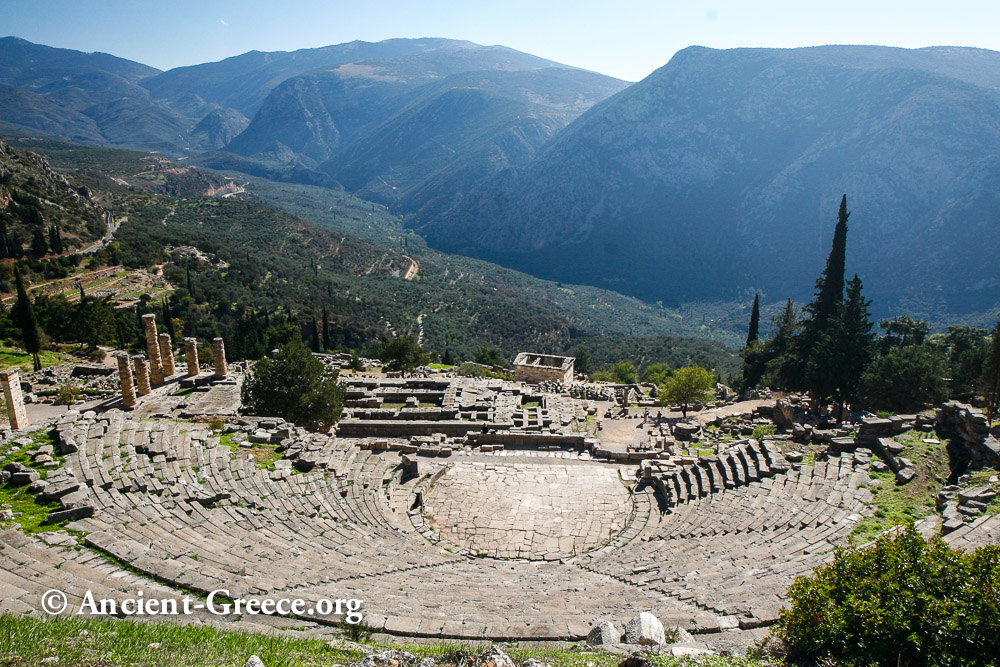
The Classical Period produced remarkable cultural and scientific achievements. The city of Athens introduced the world to a direct democracy the likes of which had never been seen hitherto, or subsequently, with western governments like Great Britain, France, and USA emulating it two thousand years later.
The rational approach to exploring and explaining the world as reflected in Classical Art, Philosophy, and Literature became the well-grounded springboard that western culture used to leap forward, beginning with the subsequent Hellenistic Age and maturing through the pragmatism of Roman thought.
The thinkers of the Classical Greek era dominated political, scientific, and cultural discourse for thousands of year, remaining influential to our day.
The teachings of Socrates, Plato and Aristotle among others, either directly, in opposition, or mutation, have been used as reference point of countless western thinkers in the last two thousand years. Hippocrates became the “Father of modern medicine”, and the Hippocratic oath is still used today. The dramas of Sophocles, Aeschylus, Euripides, and the comedies of Aristophanes are considered among the masterpieces of western culture. Herodotus and Thucydides founded the discipline of “History” with their written accounts of the Persian and Peloponnesian wars.
The art of Classical Greece began the trend towards a more naturalistic (even in its early idealistic state) depiction of the world, thus reflecting a shift in philosophy from the abstract and supernatural to more immediate earthly concerns. Artists stopped merely “suggesting” the human form and began “describing” it with more accuracy.
Man became the focus, and “measure of all things” in daily life through democratic politics and cultural representations. Rational thinking and Logic became the driving force behind this cultural revolution at the expense of emotion and impulse.
The most striking illustration of this “Logic over Emotion” approach is frozen on the faces of the statues of the temple of Zeus west pediment at Olympia. In the complex array of sculptures, it is easy to know who is a “barbarian” and who is a “civilized Hellene” simply by looking at the expression of their faces. Barbarian Centaurs exhibit an excess of emotion, while Lapithae women and Apollo remain collected and emotionless even in the direst of situations.
Η Κλασική Περίοδος παρήγαγε αξιοσημείωτα πολιτιστικά και επιστημονικά επιτεύγματα. Η πόλη της Αθήνας παρουσίασε στον κόσμο μια άμεση δημοκρατία, όμοια της οποίας δεν είχε υπάρξει ποτέ πριν ή έκτοτε, με τις δυτικές κυβερνήσεις όπως της Μεγάλης Βρετανίας, της Γαλλίας και των ΗΠΑ να την αναπαράγουν δύο χιλιάδες χρόνια αργότερα.
Η ορθολογική προσέγγιση στην εξερεύνηση και την ερμηνεία του κόσμου, όπως αντικατοπτρίζεται στην Κλασική Τέχνη, τη Φιλοσοφία και τη Λογοτεχνία, έγινε το στέρεο εφαλτήριο που χρησιμοποίησε ο δυτικός πολιτισμός για να κάνει άλματα προόδου, ξεκινώντας από τη μετέπειτα Ελληνιστική Εποχή και ωριμάζοντας μέσα από τον πραγματισμό της ρωμαϊκής σκέψης.
Οι στοχαστές της Κλασικής Ελληνικής εποχής κυριάρχησαν στον πολιτικό, επιστημονικό και πολιτιστικό διάλογο για χιλιάδες χρόνια, παραμένοντας επιδραστικοί μέχρι τις μέρες μας. Οι διδασκαλίες του Σωκράτη, του Πλάτωνα και του Αριστοτέλη, μεταξύ άλλων, είτε άμεσα, είτε μέσω αντιπαράθεσης ή μετασχηματισμού, χρησιμοποιήθηκαν ως σημείο αναφοράς αμέτρητων δυτικών στοχαστών τα τελευταία δύο χιλιάδες χρόνια. Ο Ιπποκράτης έγινε ο «Πατέρας της σύγχρονης ιατρικής» και ο Ιπποκράτειος όρκος χρησιμοποιείται ακόμη και σήμερα. Τα δράματα του Σοφοκλή, του Αισχύλου, του Ευριπίδη και οι κωμωδίες του Αριστοφάνη θεωρούνται από τα αριστουργήματα του δυτικού πολιτισμού. Ο Ηρόδοτος και ο Θουκυδίδης ίδρυσαν την επιστήμη της «Ιστορίας» με τις γραπτές τους αφηγήσεις για τους Περσικούς και τον Πελοποννησιακό Πόλεμο.
Η τέχνη της Κλασικής Ελλάδας ξεκίνησε την τάση προς μια πιο νατουραλιστική (ακόμη και στην πρώιμη ιδεαλιστική της μορφή) απεικόνιση του κόσμου, αντικατοπτρίζοντας έτσι μια μετατόπιση της φιλοσοφίας από το αφηρημένο και το υπερφυσικό προς τις πιο άμεσες γήινες ανησυχίες. Οι καλλιτέχνες σταμάτησαν απλώς να «υποδηλώνουν» την ανθρώπινη μορφή και άρχισαν να την «περιγράφουν» με μεγαλύτερη ακρίβεια.
Ο άνθρωπος έγινε το επίκεντρο και το «μέτρο όλων των πραγμάτων» στην καθημερινή ζωή μέσω της δημοκρατικής πολιτικής και των πολιτιστικών αναπαραστάσεων. Η ορθολογική σκέψη και η Λογική έγιναν η κινητήρια δύναμη πίσω από αυτή την πολιτιστική επανάσταση, εις βάρος του συναισθήματος και της παρόρμησης.
Η πιο εντυπωσιακή απεικόνιση αυτής της προσέγγισης «η Λογική πάνω από το Συναίσθημα» παραμένει παγωμένη στα πρόσωπα των αγαλμάτων του δυτικού αετώματος του ναού του Δία στην Ολυμπία. Στην περίπλοκη διάταξη των γλυπτών, είναι εύκολο να αναγνωρίσει κανείς ποιος είναι «βάρβαρος» και ποιος «πολιτισμένος Έλληνας» απλώς κοιτάζοντας την έκφραση του προσώπου του. Οι βάρβαροι Κένταυροι επιδεικνύουν υπερβολή συναισθήματος, ενώ οι Λαπιθίδες γυναίκες και ο Απόλλων παραμένουν συγκρατημένοι και απαθείς ακόμη και στις πιο δύσκολες καταστάσεις.
Macedonian Ascent | Η Μακεδονική Άνοδος
Even after its defeat at the Peloponnesian war, Athens remained a guiding light for the rest of Greece for a long time, but eventually this light that shone so bright, began to slowly fade.
Sparta won the Peloponnesian war and emerged as the dominant power in Greece, but her political prowess failed to match her military reputation.
Soon after the conflict ended, and while Sparta fought against other city-states all over Greece, Athens reconstructed her power after rebuilding the city walls, her navy and army. Sparta’s power and military might were eventually diminished, especially after two crashing defeats at the hands of the Thebans first in Leuctra in 371 BCE, and again nine years later at Mantinea. This power vacuum in Greece was quickly filled however by the Macedonians who under the leadership of Philip II emerged as the only major military authority of Greece after their victory at Chaeronea against the Athenians in 338 BCE.
Through diplomacy and might, Philip II who became king in 359 BCE, managed to consolidate the areas around northern Greece under his power, and until his assassination in 336 BCE had added central and southern Greece to his hegemony.
The pretext for his military expeditions to southern Greece was the protection of the Delphi Oracle from the Phoceans, but his sight was fixed beyond the borders of Greece. His ambition was to lead a military expedition of a united Greece against the Persian Empire to avenge the earlier Persian incursions of Greece. This ambition was fulfilled by his son Alexander the Great who became king after his father’s assassination.
Ακόμη και μετά την ήττα της στον Πελοποννησιακό πόλεμο, η Αθήνα παρέμεινε για μεγάλο διάστημα ο πνευματικός φάρος για την υπόλοιπη Ελλάδα, αλλά τελικά αυτό το φως που έλαμπε τόσο έντονα, άρχισε σιγά-σιγά να σβήνει.
Η Σπάρτη κέρδισε τον Πελοποννησιακό πόλεμο και αναδείχθηκε ως η κυρίαρχη δύναμη στην Ελλάδα, αλλά η πολιτική της δεινότητα απέτυχε να συμβαδίσει με τη στρατιωτική της φήμη.
Σύντομα μετά το τέλος της σύγκρουσης, και ενώ η Σπάρτη πολεμούσε εναντίον άλλων πόλεων-κρατών σε όλη την Ελλάδα, η Αθήνα ανασύνταξε τις δυνάμεις της ανοικοδομώντας τα τείχη της πόλης, το ναυτικό και τον στρατό της. Η δύναμη και η στρατιωτική ισχύς της Σπάρτης τελικά εξασθένησαν, ειδικά μετά από δύο συντριπτικές ήττες από τους Θηβαίους, αρχικά στα Λεύκτρα το 371 π.Χ. και ξανά εννέα χρόνια αργότερα στη Μαντίνεια. Αυτό το κενό εξουσίας στην Ελλάδα καλύφθηκε ωστόσο γρήγορα από τους Μακεδόνες, οι οποίοι υπό την ηγεσία του Φιλίππου Β΄ αναδείχθηκαν ως η μόνη σημαντική στρατιωτική αυθεντία της Ελλάδας μετά τη νίκη τους στη Χαιρώνεια εναντίον των Αθηναίων το 338 π.Χ.
Μέσω της διπλωματίας και της ισχύος, ο Φίλιππος Β΄, ο οποίος έγινε βασιλιάς το 359 π.Χ., κατάφερε να εδραιώσει τις περιοχές γύρω από τη βόρεια Ελλάδα υπό την εξουσία του, και μέχρι τη δολοφονία του το 336 π.Χ. είχε προσθέσει την κεντρική και τη νότια Ελλάδα στην ηγεμονία του.
Το πρόσχημα για τις στρατιωτικές του εκστρατείες στη νότια Ελλάδα ήταν η προστασία του Μαντείου των Δελφών από τους Φωκείς, αλλά το βλέμμα του ήταν στραμμένο πέρα από τα σύνορα της Ελλάδας. Φιλοδοξία του ήταν να ηγηθεί μιας στρατιωτικής εκστρατείας μιας ενωμένης Ελλάδας εναντίον της Περσικής Αυτοκρατορίας, για να εκδικηθεί τις παλαιότερες περσικές εισβολές στην Ελλάδα. Αυτή η φιλοδοξία εκπληρώθηκε από τον γιο του, τον Μέγα Αλέξανδρο, ο οποίος έγινε βασιλιάς μετά τη δολοφονία του πατέρα του.
Alexander the Great | Ο Μέγας Αλέξανδρος
With a copy of the Iliad and a dagger in his hand, Alexander continued the centuries-old conflict between East and West by leading a united Greek army into Asia. His success on the battlefield and the amount of land he conquered became legendary and earned him the epithet “the Great”.
Besides brilliant military tactics, Alexander possessed leadership skills and charisma that made his army unbeatable in numerous battles against more numerous opponents, pushing the Greeks all the way to Egypt, India, and Bactria (today Afghanistan). Alexander led his army in battle always placing his own self at the point of attack, partaking in the common soldier’s jeopardy, and thus won a series of major battles that obliterated all opposition in its path. In the process he amassed the largest empire hitherto known and altered the composition of the ancient world.
In 334 BCE, Alexander led his army across the Hellespond into Asia and scored successive wins against the Persian Empire. His first success came at Granicus River in northwest Asia Minor where his Calvary routed the outnumbered Persian mercenaries who fought under the leadership of Memnon of Rhodes.
In 333 BCE Alexander’s outnumbered army defeated the Persians at Issus and forced king Darius to flee for his life. The subsequent conquest of Miletus, Tyre (332 BCE), and Egypt (331 BCE) gave the Greeks control of the entire eastern shore of the Mediterranean, and allowed Alexander to move inland towards the heart of the Persian Empire.
In Egypt Alexander was proclaimed to be the son of god Ammon (the equivalent of the Greek Zeus), and he proclaimed himself King of Asia after his victory at the battle at Gaugamela in 331 BCE, which sealed the fate of the Persian Empire.
From Babylon, Alexander led his army towards the heart of south Asia, subduing all resistance and establishing cities along the way. Despite the objections of his officers, he incorporated into his army forces from the conquered lands, adopted local customs, and married a Bactrian woman, Roxane.
His march eastward eventually stopped on the edge of India partly due to the objections of his fatigued army. He returned from the frontier to Babylon to plan his next expedition southward, towards Arabia, but in 323 BCE his sudden death of a fever at the age of 32 put an end to a brilliant military career, and left his vast conquered land without an apparent heir.
The conquests of Alexander the Great changed the course of Ancient history. The center of gravity of the Greek world moved from the self-containment of city-states to a vast territory that spanned the entire coast of Eastern Mediterranean and reached far into Asia. Alexander’s conquests placed a plethora of diverse cultures under common hegemony and Greek cultural influence around the Mediterranean and southern Asia, paving the way for the distinguished Hellenistic Era that followed his death.
Με ένα αντίγραφο της Ιλιάδας και ένα εγχειρίδιο στο χέρι, ο Αλέξανδρος συνέχισε την προαιώνια σύγκρουση μεταξύ Ανατολής και Δύσης, οδηγώντας έναν ενωμένο ελληνικό στρατό στην Ασία. Η επιτυχία του στο πεδίο της μάχης και η έκταση των εδαφών που κατέκτησε έγιναν θρυλικές και του χάρισαν το προσωνύμιο «ο Μέγας».
Πέρα από τις λαμπρές στρατιωτικές τακτικές, ο Αλέξανδρος διέθετε ηγετικές ικανότητες και χάρισμα που κατέστησαν τον στρατό του αήττητο σε πολυάριθμες μάχες ενάντια σε πολυπληθέστερους αντιπάλους, ωθώντας τους Έλληνες μέχρι την Αίγυπτο, την Ινδία και τη Βακτρία (σημερινό Αφγανιστάν). Ο Αλέξανδρος οδηγούσε τον στρατό του στη μάχη θέτοντας πάντα τον εαυτό του στην αιχμή της επίθεσης, συμμεριζόμενος τον κίνδυνο του απλού στρατιώτη, και έτσι κέρδισε μια σειρά από σημαντικές μάχες που εξάλειψαν κάθε αντίσταση στο πέρασμά του. Στη διαδικασία αυτή, συγκέντρωσε τη μεγαλύτερη αυτοκρατορία που ήταν γνωστή μέχρι τότε και μετέβαλε τη σύνθεση του αρχαίου κόσμου.
Το 334 π.Χ., ο Αλέξανδρος οδήγησε τον στρατό του μέσω του Ελλησπόντου στην Ασία και σημείωσε διαδοχικές νίκες κατά της Περσικής Αυτοκρατορίας. Η πρώτη του επιτυχία ήρθε στον Γρανικό Ποταμό, στη βορειοδυτική Μικρά Ασία, όπου το ιππικό του έτρεψε σε φυγή τους Πέρσες μισθοφόρους που πολεμούσαν υπό την ηγεσία του Μέμνονα του Ροδίου.
Το 333 π.Χ., ο στρατός του Αλεξάνδρου, αν και λιγότερος αριθμητικά, νίκησε τους Πέρσες στην Ισσό και ανάγκασε τον βασιλιά Δαρείο να τραπεί σε φυγή για να σωθεί. Η επακόλουθη κατάκτηση της Μιλήτου, της Τύρου (332 π.Χ.) και της Αιγύπτου (331 π.Χ.) έδωσε στους Έλληνες τον έλεγχο ολόκληρης της ανατολικής ακτής της Μεσογείου και επέτρεψε στον Αλέξανδρο να κινηθεί προς την ενδοχώρα, στην καρδιά της Περσικής Αυτοκρατορίας.
Στην Αίγυπτο ο Αλέξανδρος ανακηρύχθηκε γιος του θεού Άμμωνα (του αντίστοιχου του ελληνικού Δία) και αυτοανακηρύχθηκε Βασιλιάς της Ασίας μετά τη νίκη του στη μάχη των Γαυγαμήλων το 331 π.Χ., η οποία σφράγισε τη μοίρα της Περσικής Αυτοκρατορίας.
Από τη Βαβυλώνα, ο Αλέξανδρος οδήγησε τον στρατό του προς την καρδιά της νότιας Ασίας, κάμπτοντας κάθε αντίσταση και ιδρύοντας πόλεις κατά τη διαδρομή. Παρά τις αντιρρήσεις των αξιωματικών του, ενσωμάτωσε στον στρατό του δυνάμεις από τις κατακτημένες περιοχές, υιοθέτησε τοπικά έθιμα και παντρεύτηκε μια γυναίκα από τη Βακτρία, τη Ρωξάνη.
Η πορεία του προς τα ανατολικά σταμάτησε τελικά στα όρια της Ινδίας, εν μέρει λόγω των αντιρρήσεων του εξαντλημένου στρατού του. Επέστρεψε από τα σύνορα στη Βαβυλώνα για να σχεδιάσει την επόμενη εκστρατεία του προς τα νότια, προς την Αραβία, αλλά το 323 π.Χ. ο ξαφνικός θάνατός του από πυρετό σε ηλικία 32 ετών έθεσε τέλος σε μια λαμπρή στρατιωτική σταδιοδρομία και άφησε τα αχανή κατακτημένα εδάφη του χωρίς εμφανή κληρονόμο.
Οι κατακτήσεις του Μεγάλου Αλεξάνδρου άλλαξαν την πορεία της αρχαίας ιστορίας. Το κέντρο βάρους του ελληνικού κόσμου μετακινήθηκε από τον αυτοπεριορισμό των πόλεων-κρατών σε μια τεράστια επικράτεια που εκτεινόταν σε ολόκληρη την ακτή της Ανατολικής Μεσογείου και έφτανε βαθιά στην Ασία. Οι κατακτήσεις του Αλεξάνδρου έθεσαν πληθώρα διαφορετικών πολιτισμών υπό κοινή ηγεμονία και ελληνική πολιτιστική επιρροή γύρω από τη Μεσόγειο και τη νότια Ασία, προετοιμάζοντας το έδαφος για τη σπουδαία Ελληνιστική Εποχή που ακολούθησε τον θάνατό του.
Chapters | Κεφάλαια
This history of Ancient Greece is divided into the following chapters: | Αυτή η ιστορία της Αρχαίας Ελλάδας είναι χωρισμένη στα ακόλουθα κεφάλαια:
- Timeline | Χρονολόγιο
- Introduction | Εισαγωγή
- Overview | Επισκόπηση
- Geography & Geology | Γεωγραφία & Γεολογία
- Stone Age | Λίθινη Εποχή
- Bronze Age | Εποχή του Χαλκού
6.2 Minoan | Μινωικός Πολιτισμός
6.3 Mycenaean | Μυκηναϊκός Πολιτισμός - Iron Age | Εποχή του Σιδήρου
7.1 Geometric or Dark Age | Γεωμετρική ή Σκοτεινή Εποχή
7.2 Archaic Era | Αρχαϊκή Εποχή - Classical Era | Κλασική Εποχή
- Hellenistic Era | Ελληνιστική Εποχή
Photo Archive
At a Glance | Συνοπτικά
- 480 to 323 BCE
- Persian Wars
- Athens, Sparta, Miletus, Thebes, Delphi, Delos, Syracuse, Cyrene
- Perikles
- Athens Golden Age
- Classical Acropolis
- Peloponnesian War
- Theatre
- Medicine
- Sculpture
- Socrates, Plato, Aristotle, Democritus
- Herodotus, Thucydides
- Alexander the Great
- Conquest of the Persian Empire
- 480 έως 323 π.Χ.
- Περσικοί Πόλεμοι
- Αθήνα, Σπάρτη, Μίλητος, Θήβα, Δελφοί, Δήλος, Συρακούσες, Κυρήνη
- Περικλής
- Χρυσός Αιώνας της Αθήνας
- Κλασική Ακρόπολη
- Πελοποννησιακός Πόλεμος
- Θέατρο
- Ιατρική
- Γλυπτική
- Σωκράτης, Πλάτων, Αριστοτέλης, Δημόκριτος
- Ηρόδοτος, Θουκυδίδης
- Μέγας Αλέξανδρος
- Κατάκτηση της Περσικής Αυτοκρατορίας
Related Pages