
Doric
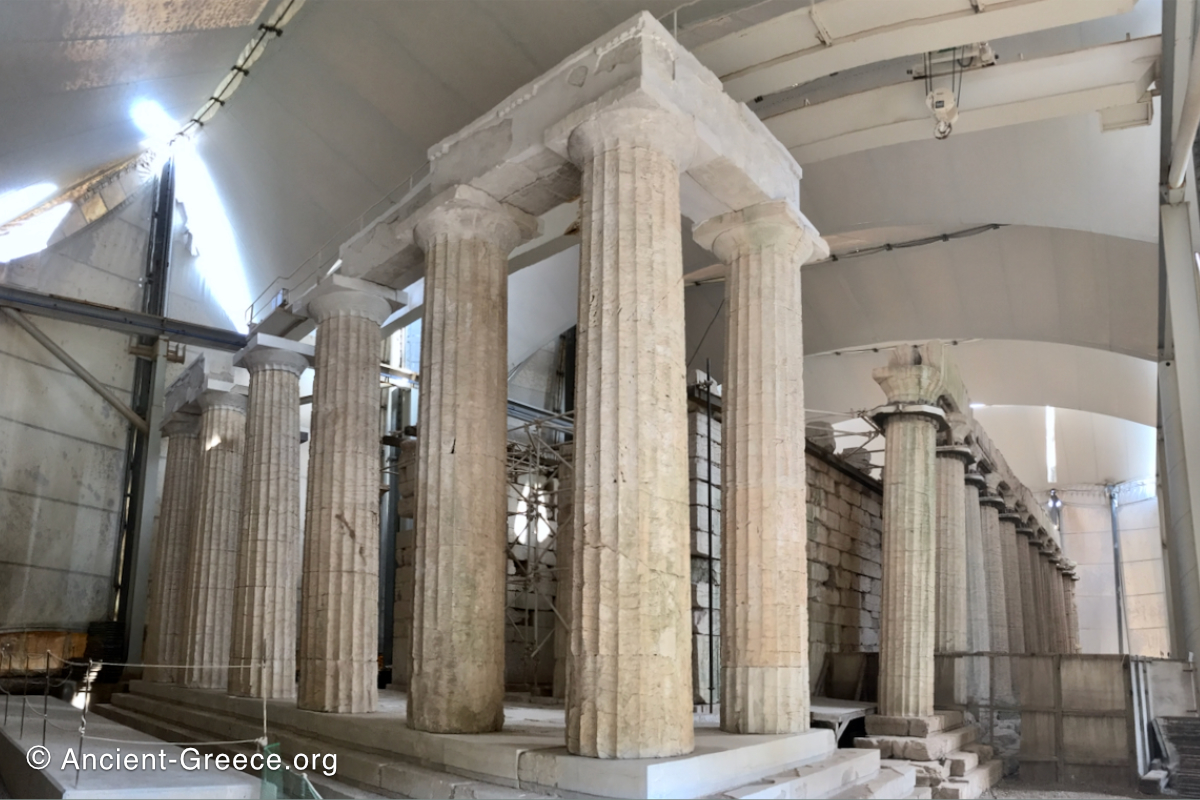
The Doric order is the earliest and most robust of the three classical architectural orders of ancient Greece. Emerging on the Greek mainland during the late 7th century BCE, it signifies the transition from timber-based construction to monumental stone architecture, characterized by a design ethos of structural austerity and proportional strength.
The order is defined by its stout, fluted columns that rise directly from the stylobate without a base, topped by a simple, cushion-like echinus and a square abacus. The entablature is distinguished by a frieze composed of alternating triglyphs—skeuomorphic representations of ancient wooden beam ends—and metopes, which were often decorated with relief sculpture. Historically associated with masculine proportions and stability, the style reached its canonical peak in 5th-century BCE buildings such as the Parthenon and the Temple of Hephaestus.
Ο Δωρικός ρυθμός αποτελεί τον αρχαιότερο και στιβαρότερο από τους τρεις κλασικούς αρχιτεκτονικούς ρυθμούς της αρχαίας Ελλάδας. Εμφανίστηκε στην ηπειρωτική Ελλάδα κατά τα τέλη του 7ου αιώνα π.Χ. και σηματοδοτεί τη μετάβαση από τις ξύλινες κατασκευές στην μνημειακή λιθινή αρχιτεκτονική, χαρακτηριζόμενος από μια αισθητική λιτότητας και δομικής δύναμης.
Ο ρυθμός ορίζεται από τους στιβαρούς, ραβδωτούς κίονες που εδράζονται απευθείας στο στυλοβάτη χωρίς βάση, και καταλήγουν σε ένα απλό, κυκλικό κιονόκρανο με εχίνο και τετράγωνο άβακα. Το επιστύλιο διακρίνεται από τη ζωφόρο, η οποία αποτελείται από εναλλασσόμενα τρίγλυφα —σχεδιαστικές αναφορές στα άκρα των δοκών ξύλινων κατασκευών— και μετόπες, οι οποίες συχνά ήταν διακοσμημένες με ανάγλυφα. Ιστορικά συνδεδεμένος με τις ανδρικές αναλογίες και τη σταθερότητα, ο ρυθμός έφτασε στο απόγειό του τον 5ο αιώνα π.Χ. με κτίρια όπως ο Παρθενώνας και ο Ναός του Ηφαίστου.

-
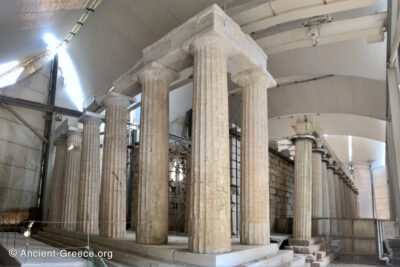
Bassae
Βάσσαι (Bassae, also transilterated as Bassai) is an archaeological site in the Pelopponese which is home to the…
-
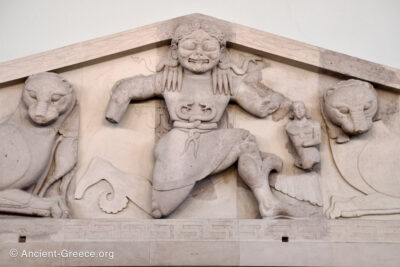
Corfu Archaeological Museum
The Archaeological Museum of Corfu (Αρχαιολογικό Μουσείο Κέρκυρας) exhibits artifacts found in excavations in Corfu island and the…
-
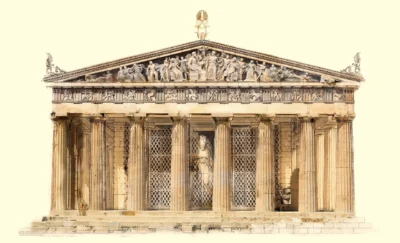
The Parthenon | Ο Παρθενώνας
Ο Παρθενώνας (Parthenon), is an Ancient Greek temple in the Acropolis of Athens, dedicated to Athena Pallas or…
-
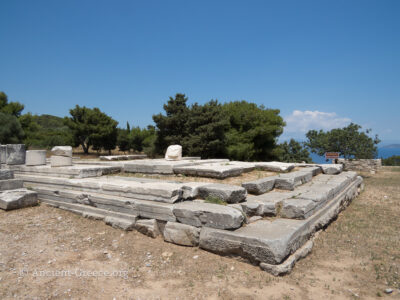
Rhamnous: Temple of Nemesis
The temple of Nemesis in Rhamnous was renown even before the fortified settlement acquired importance in the 5th…
-
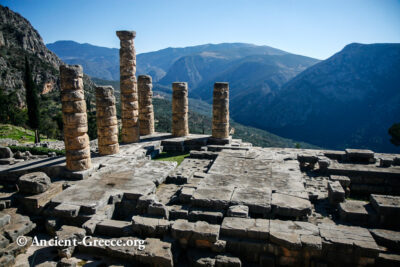
Temple of Apollo at Delphi
Central among the number of imposing ruins that are interspersed on the southern slopes of Parnassos mountain is…
-
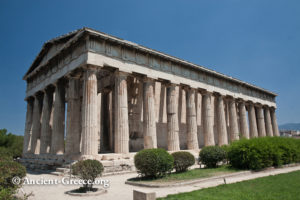
Temple of Hephaestus
Ἡφαιστεῖον. Also transliterated as: Hephaisteion, Hephaesteion The Temple of Hephaistos (Greek: Ναός του Ηφαίστου), also known as the…
-
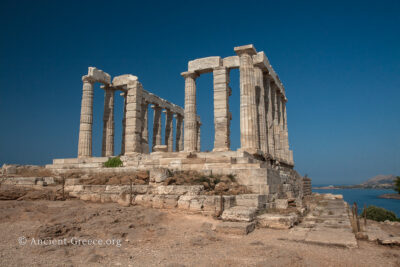
Temple of Poseidon at Sounion
Archaeological evidence indicates that Sounion was a sacred area as far back as the Bronze Age, but the temple visible…
-
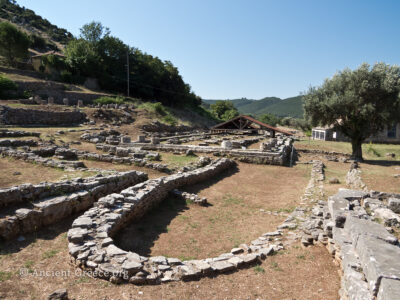
Thermos Archaeological Site
Thermos (Θέρμο, Θέρμος, Θέρμον, Thermon) is an ancient sanctuary located in Aetolia in western Greece. It was inhabited…