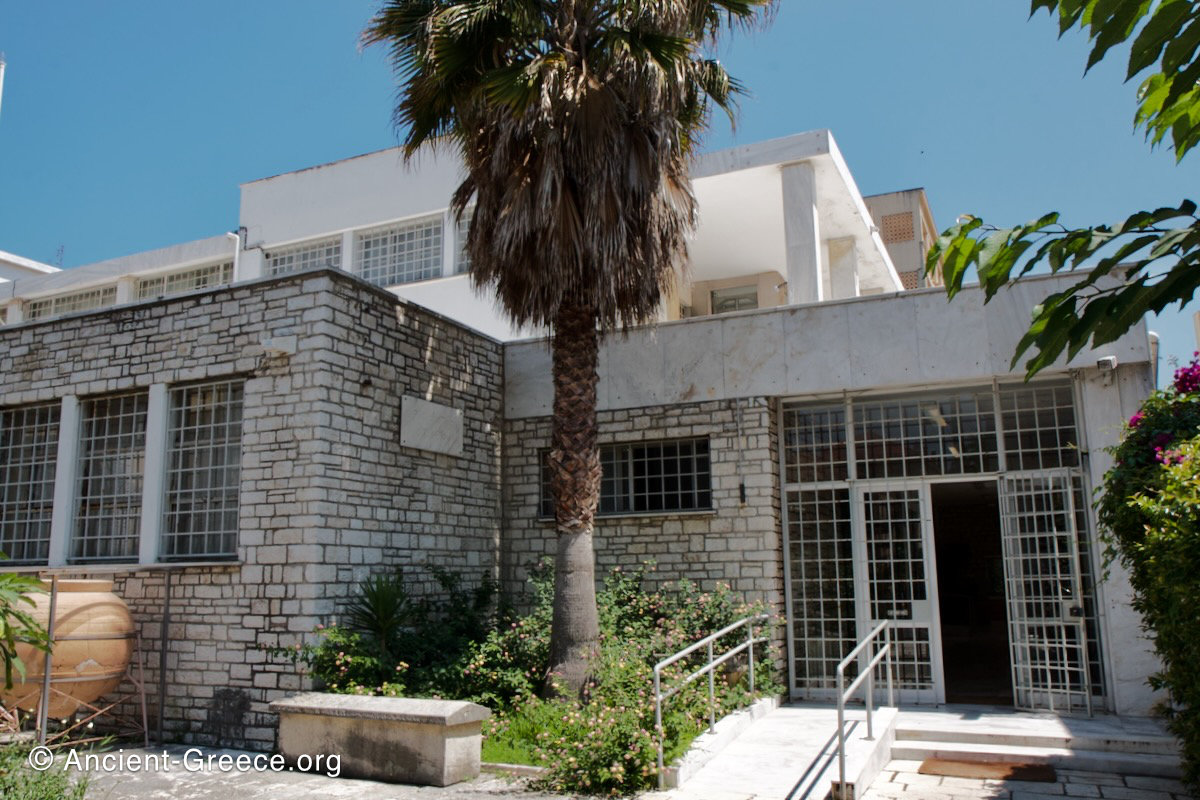
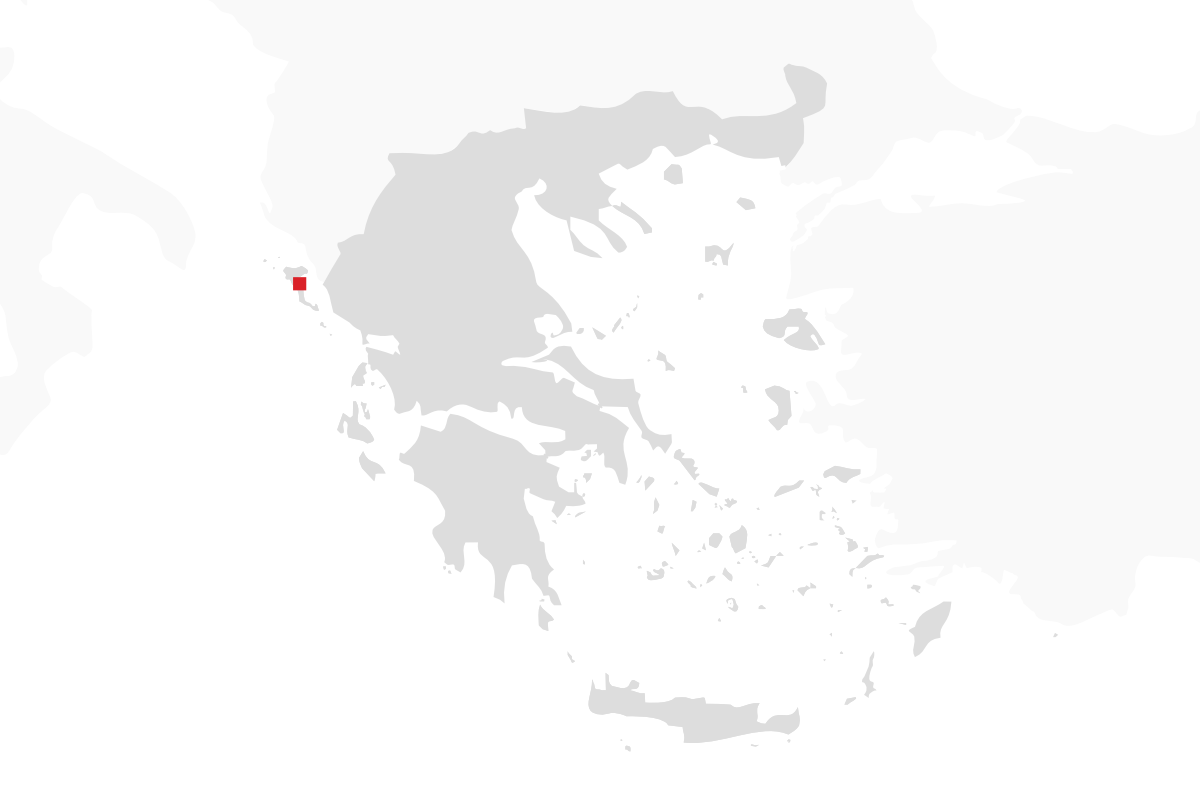
The Archaeological Museum of Corfu (Αρχαιολογικό Μουσείο Κέρκυρας) exhibits artifacts found in excavations in Corfu island and the surrounding area, from the Stone Age until the Roman era.
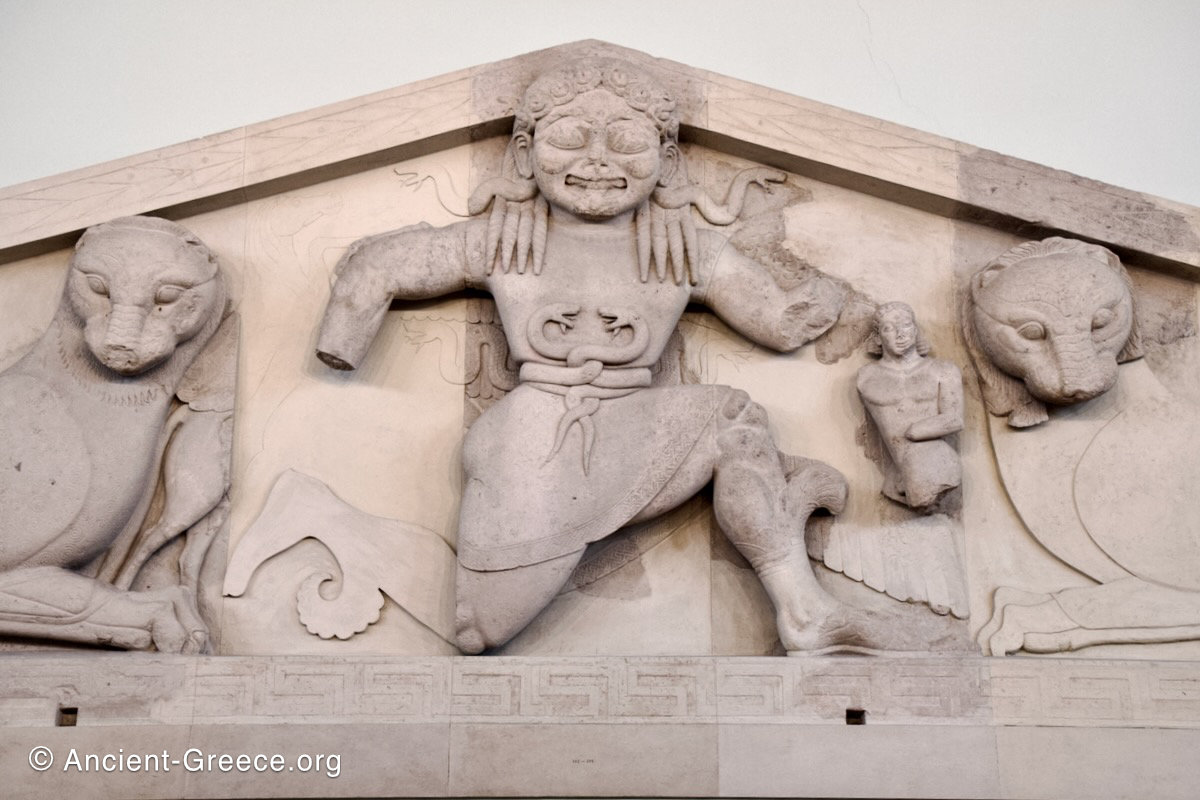
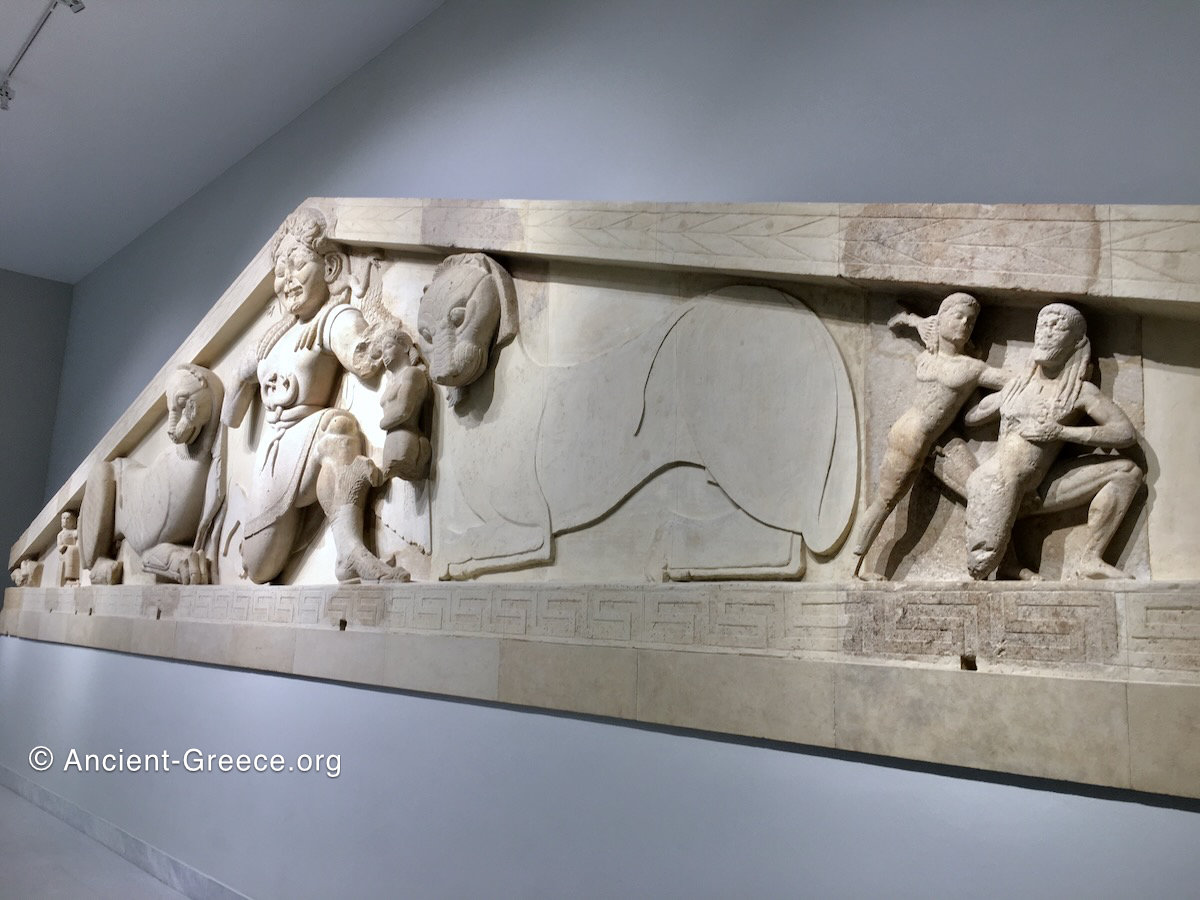
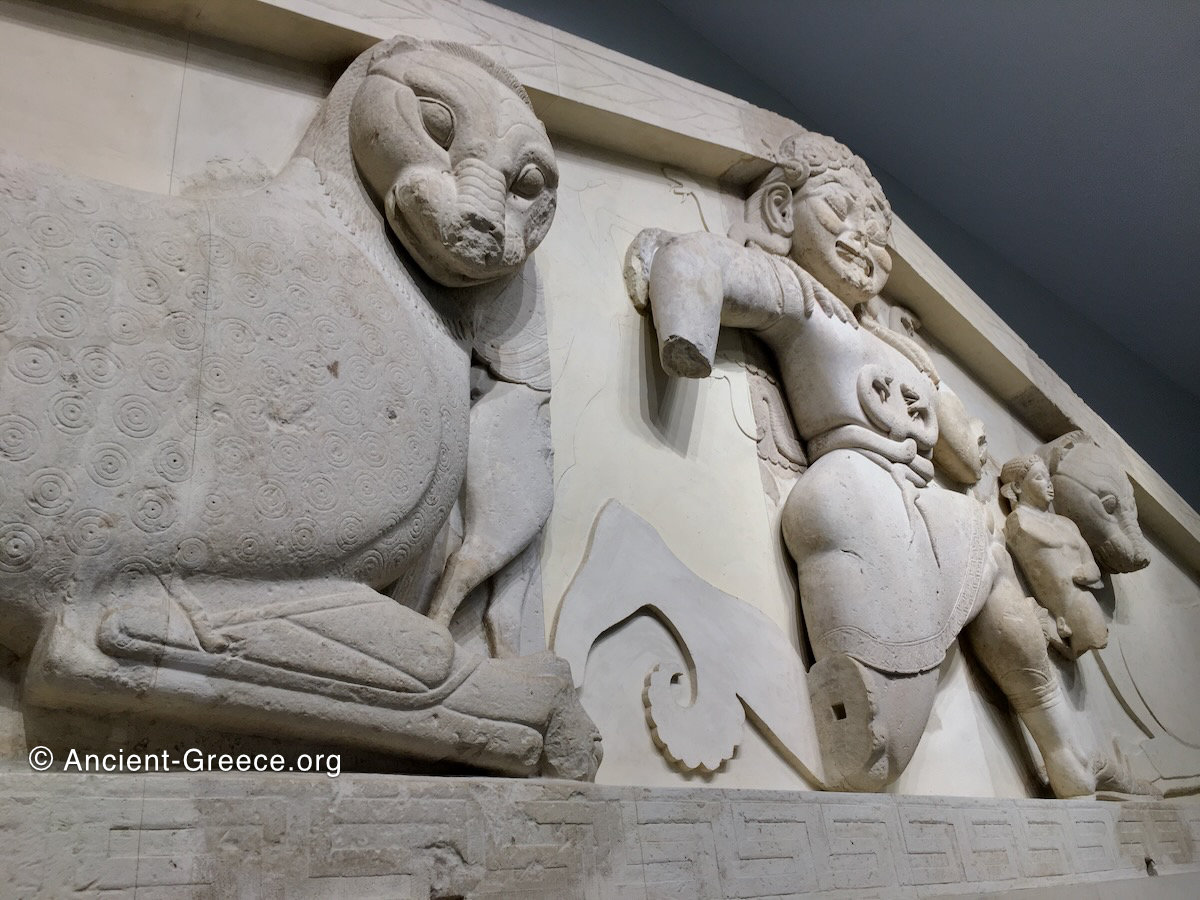
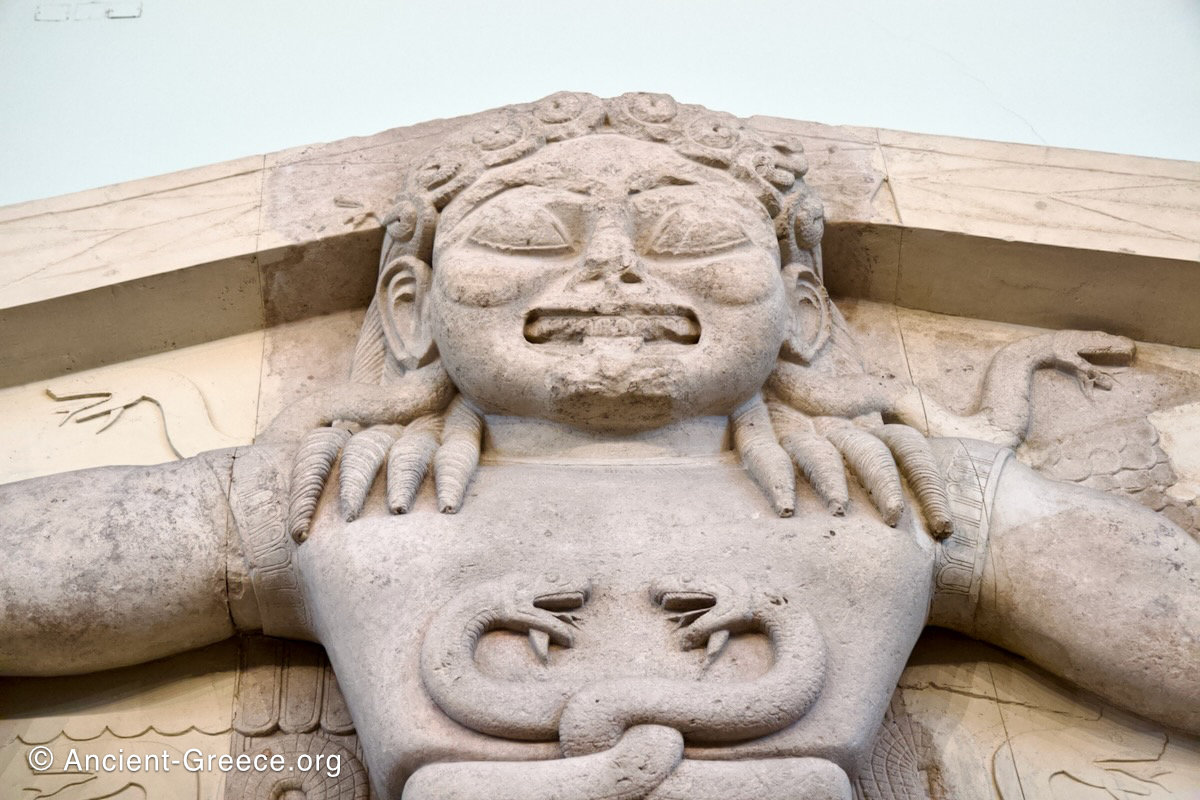
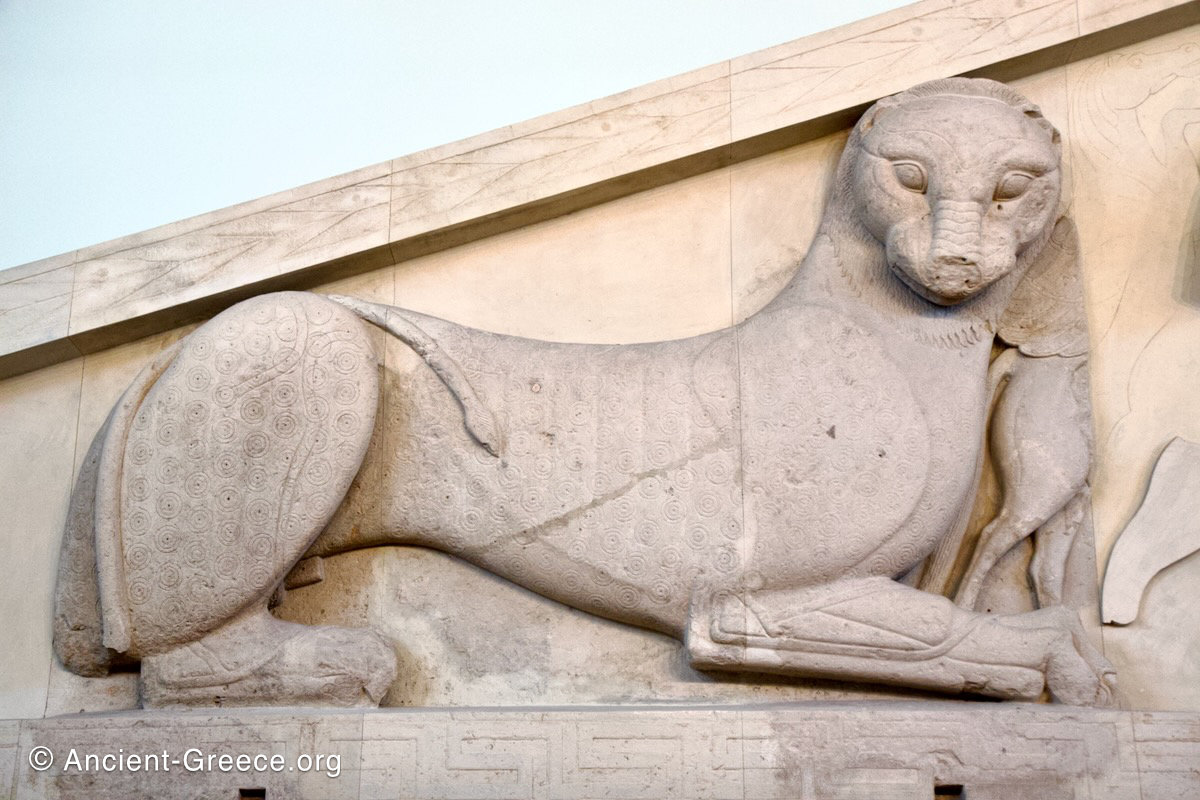
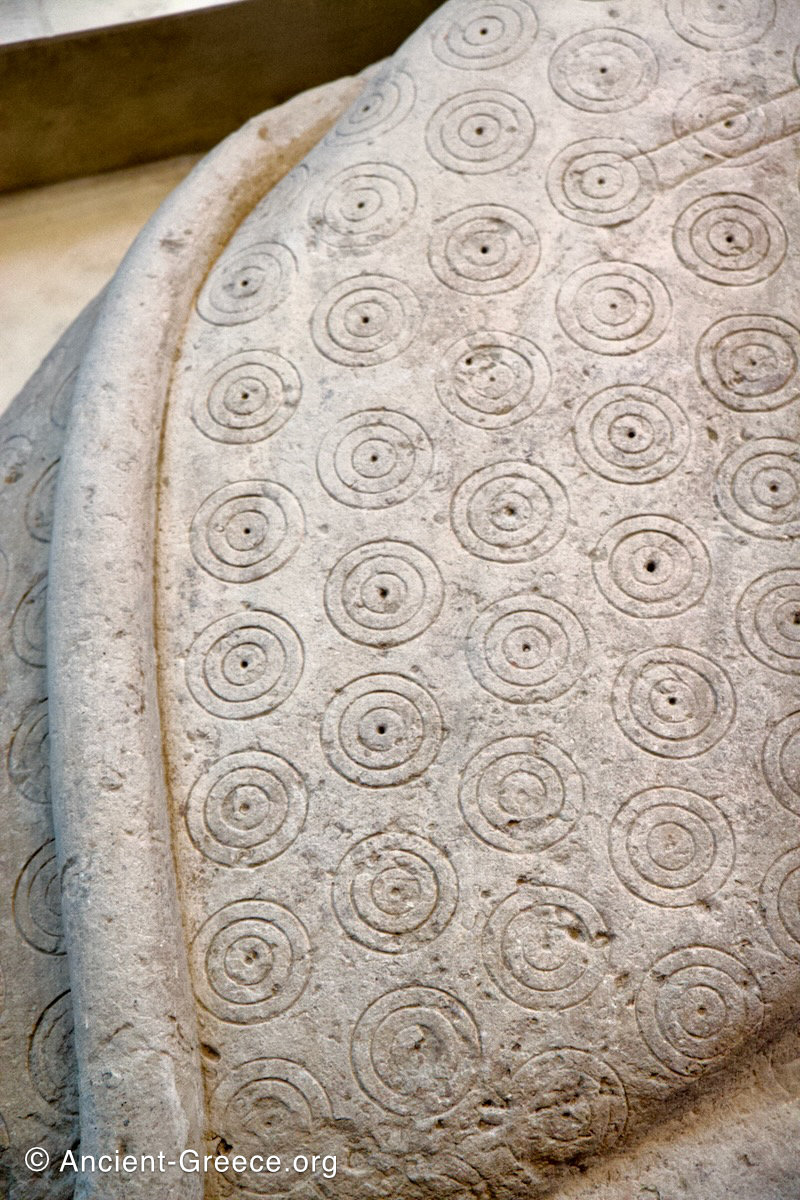
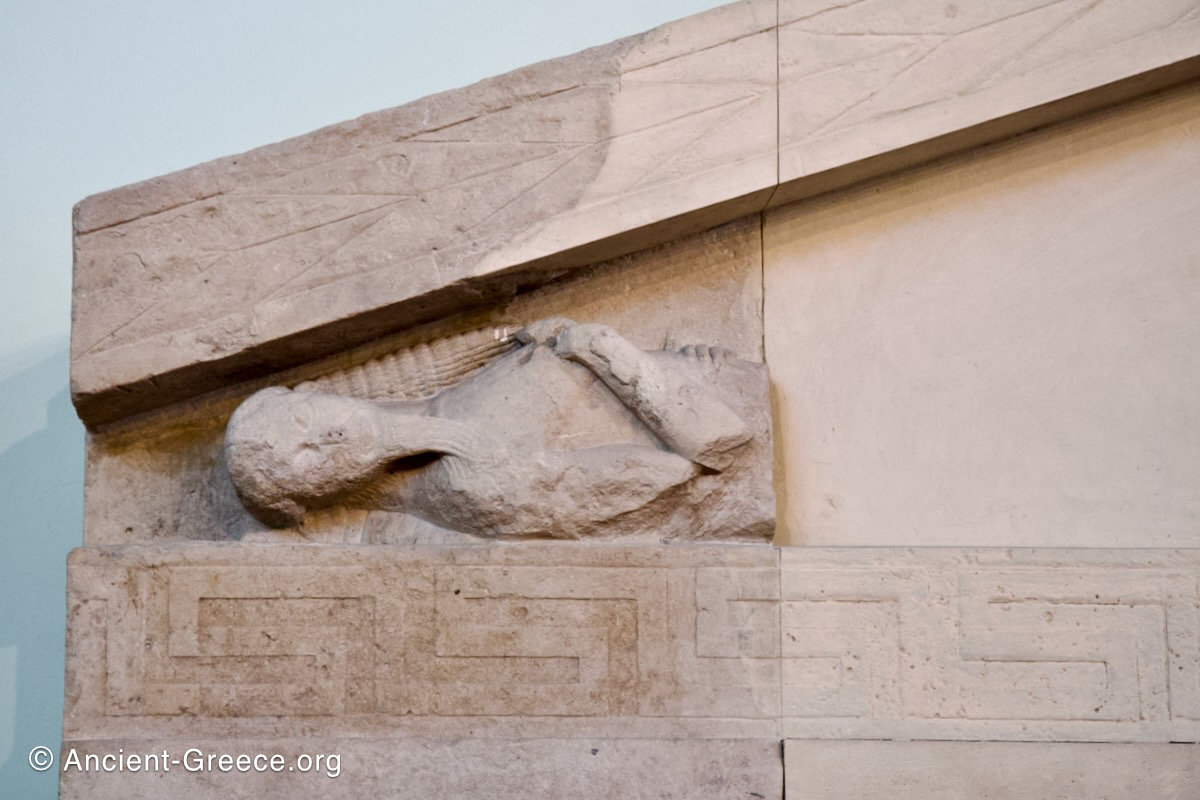
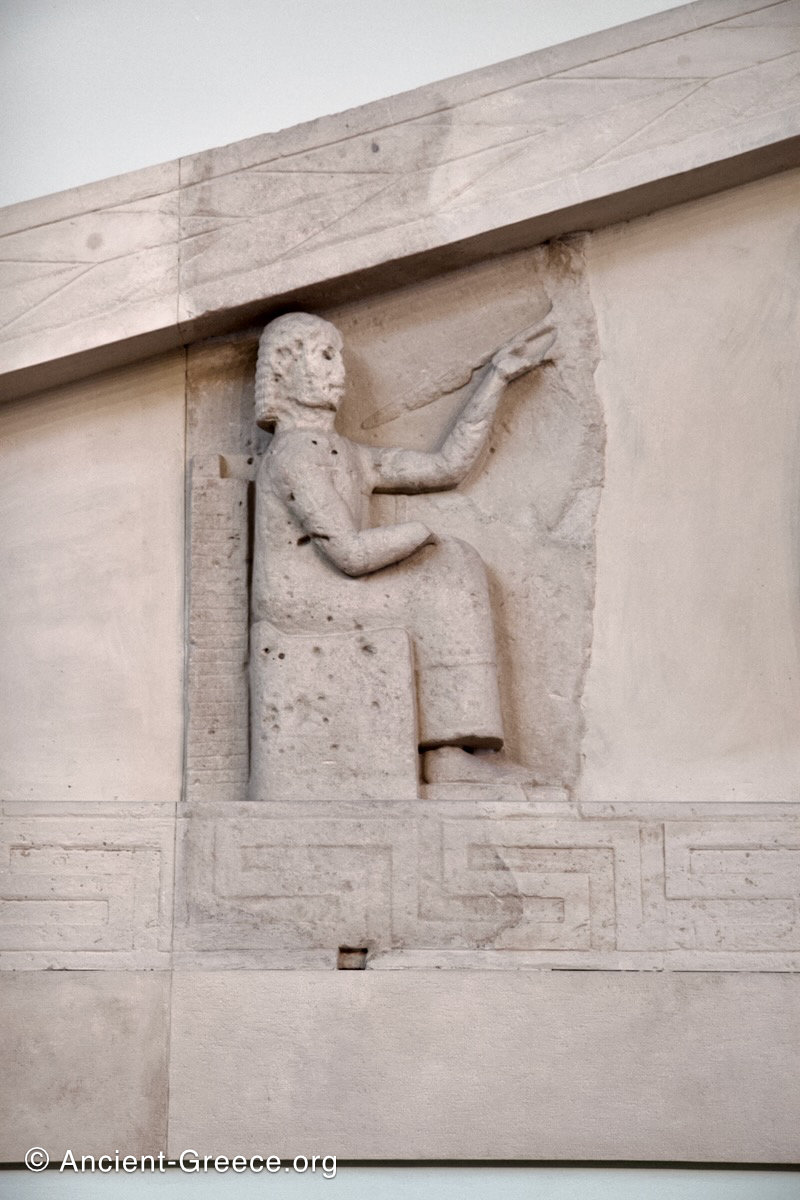
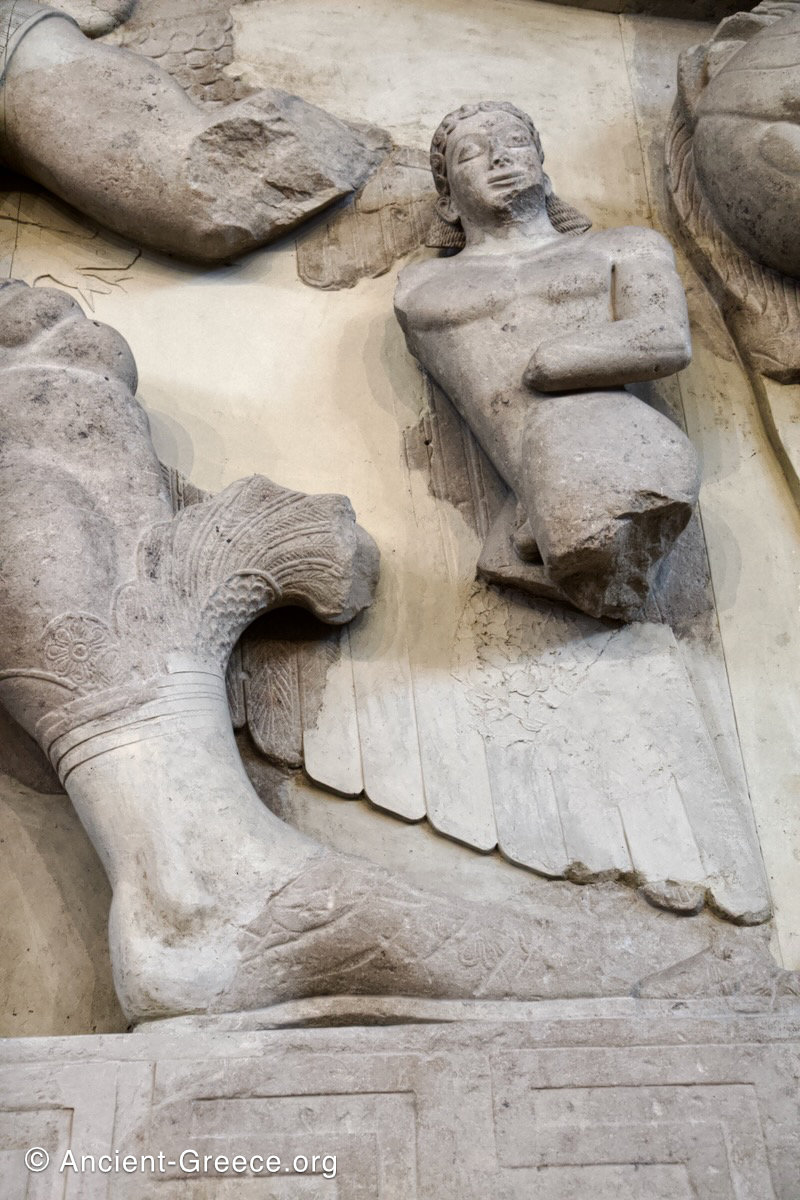
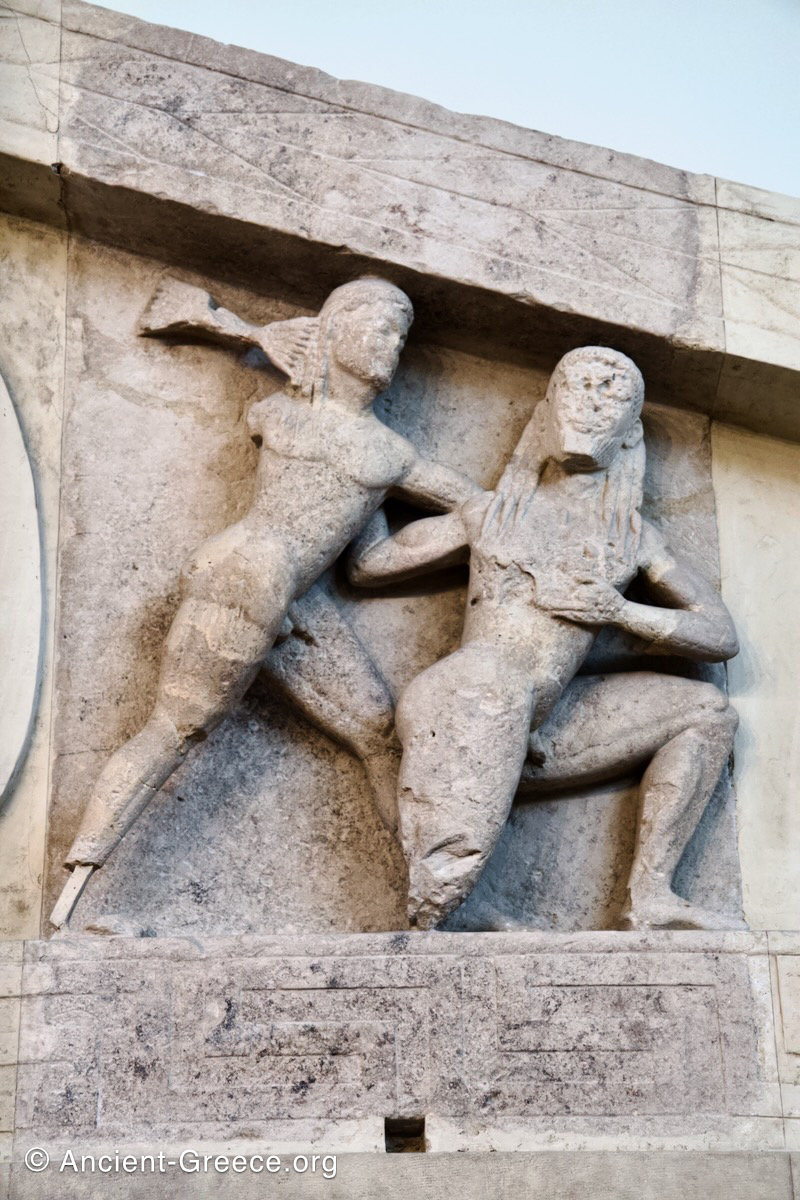
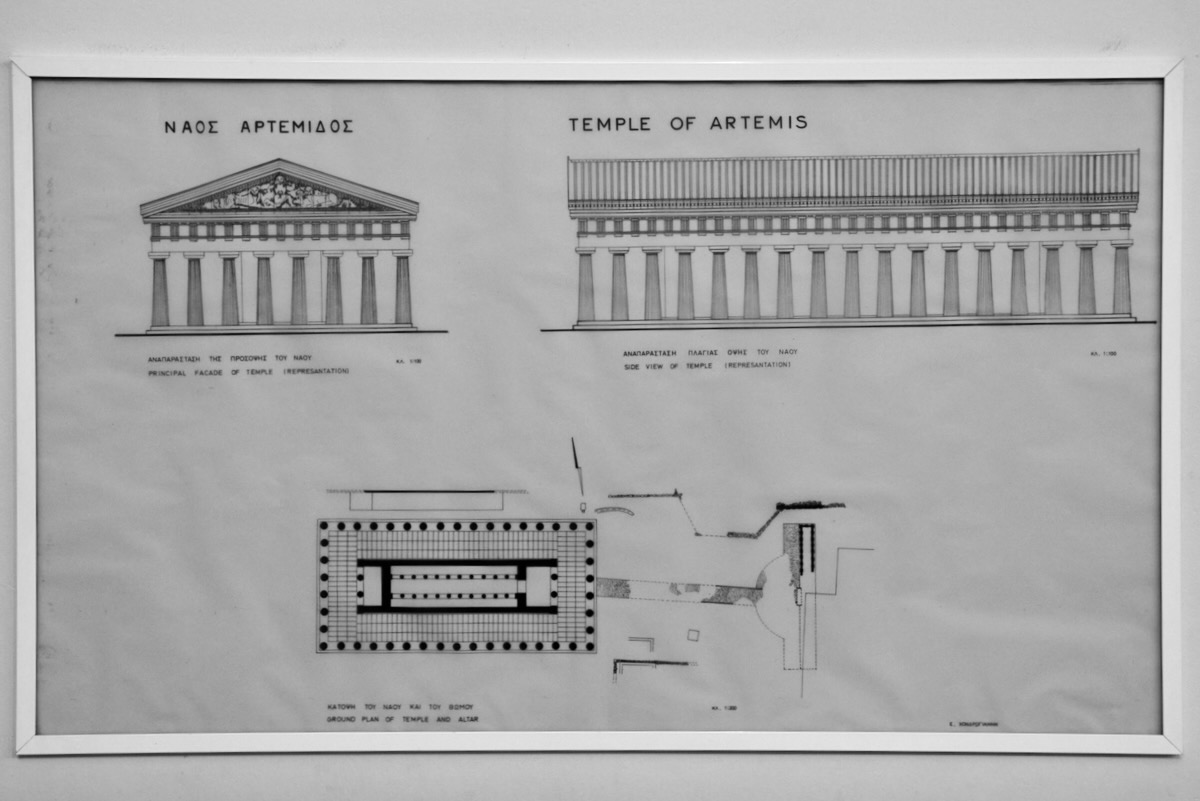
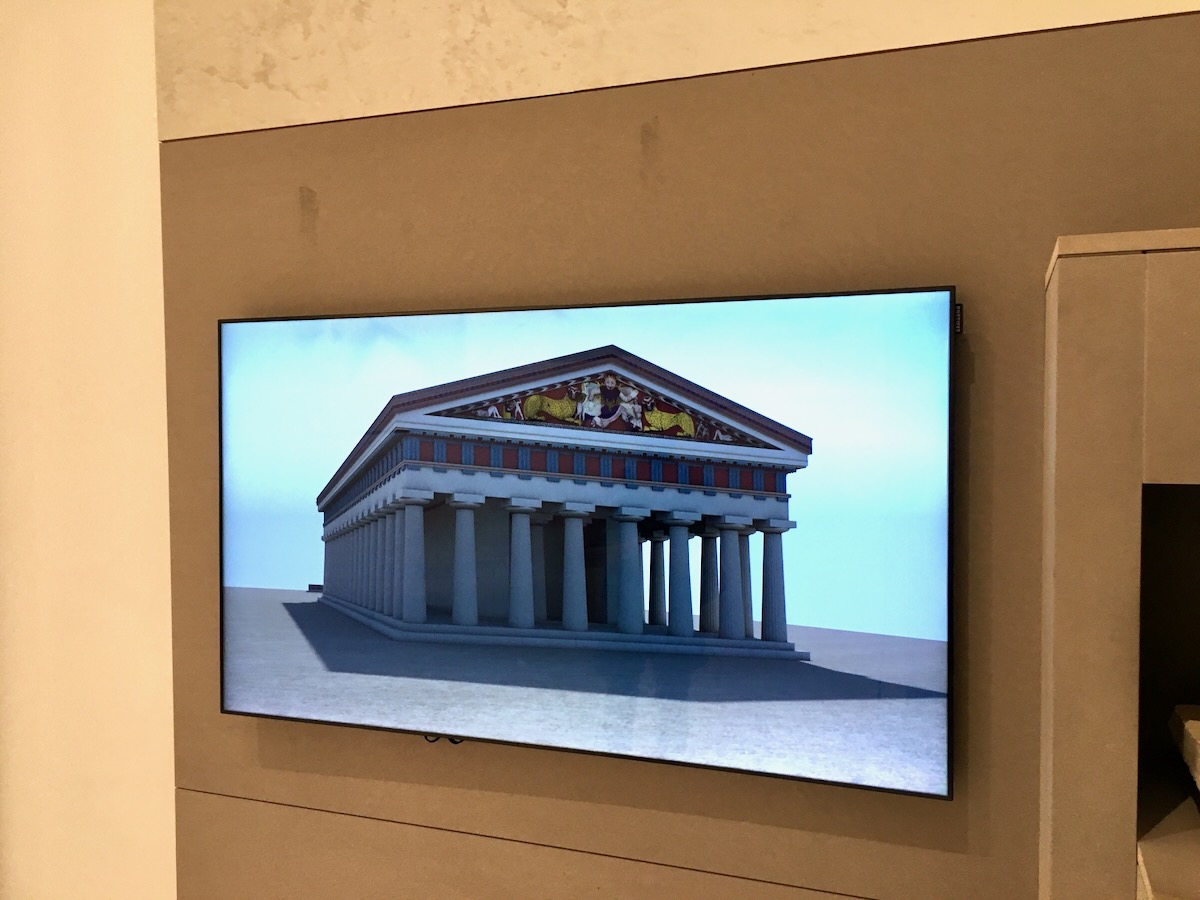
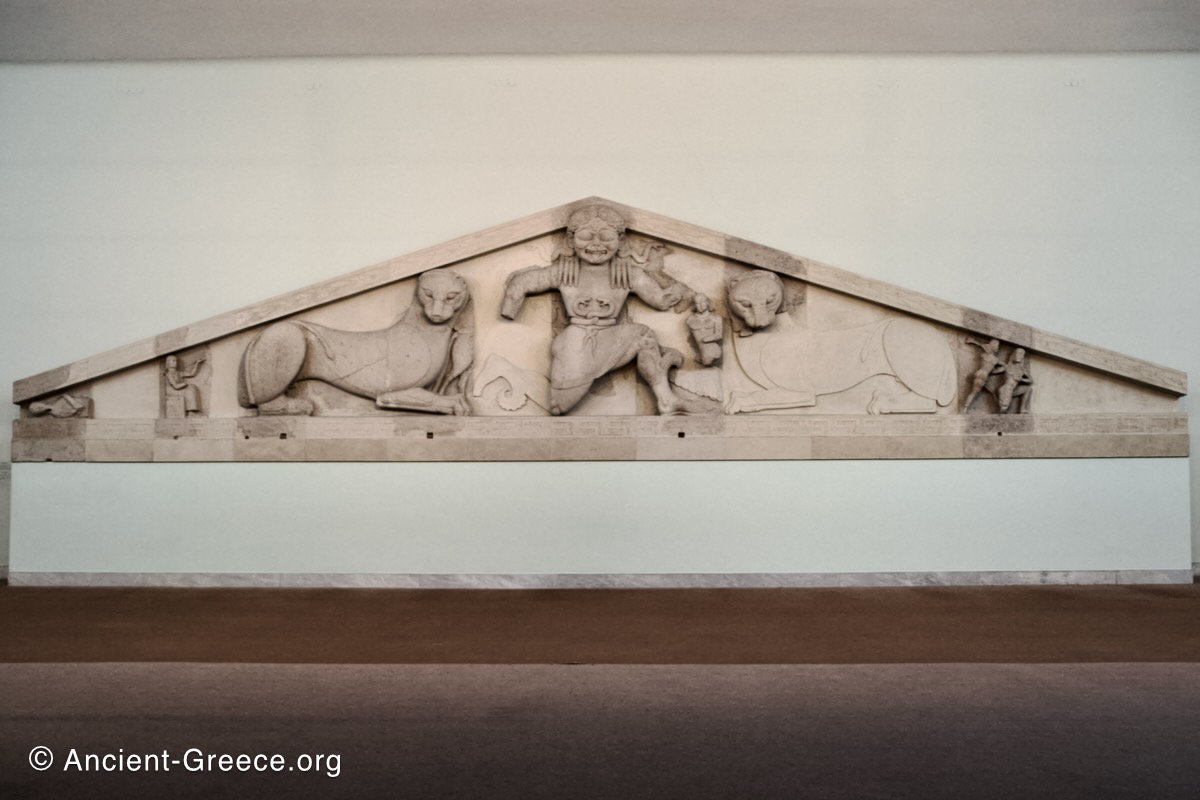
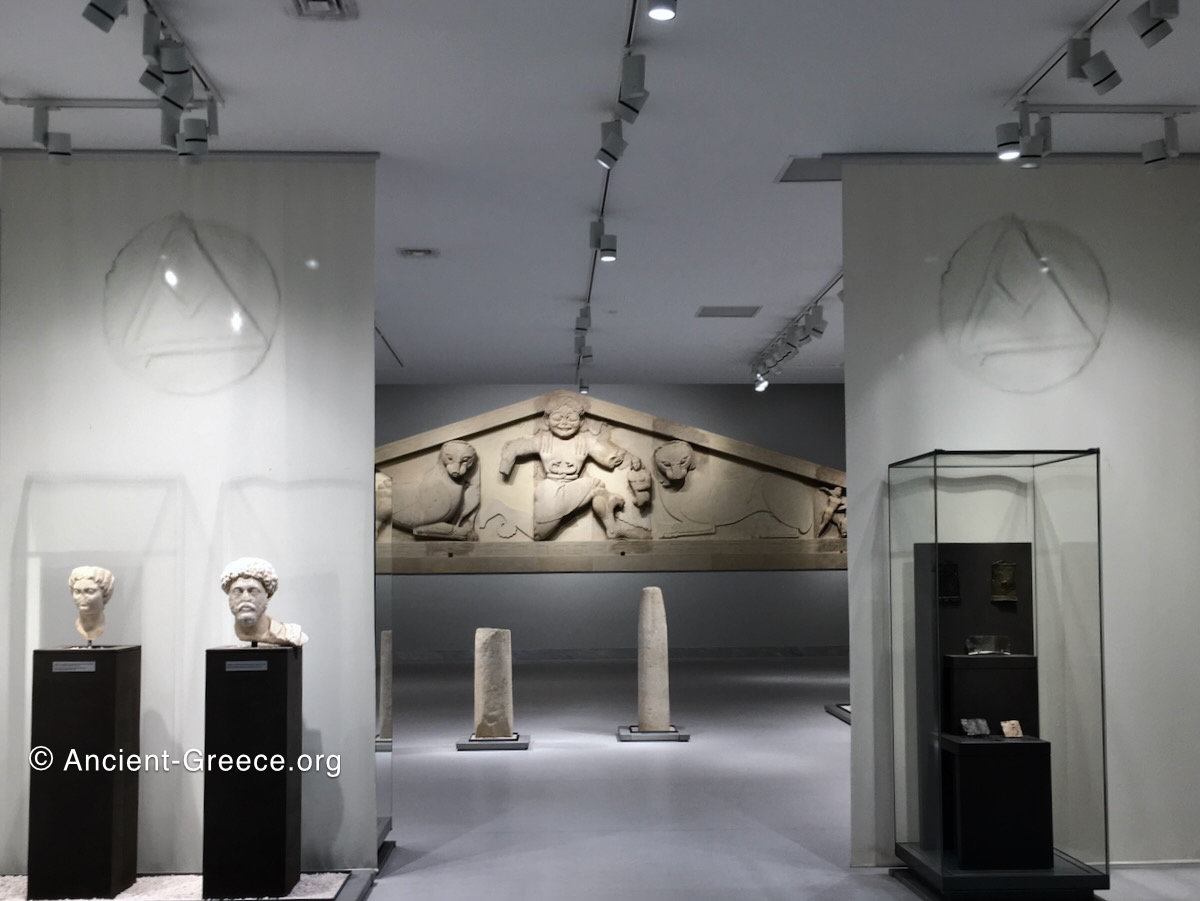
The Gorgo pediment from the temple of Artemis. 590 – 580 BCE. Corfu, Greece.The Gorgo pediment from the temple of Artemis. Detail. 590 – 580 BCE.The Gorgo pediment from the temple of Artemis. Detail. 590 – 580 BCE.The Gorgo pediment from the temple of Artemis. Detail of Gorgon seen from below. 590 – 580 BCE.The Gorgo pediment from the temple of Artemis. Detail. 590 – 580 BCE.The Gorgo pediment from the temple of Artemis. Detail. 590 – 580 BCE.The Gorgo pediment from the temple of Artemis. Detail. 590 – 580 BCE.The Gorgo pediment from the temple of Artemis. Detail. 590 – 580 BCE.The Gorgo pediment from the temple of Artemis. Detail. 590 – 580 BCE.The Gorgo pediment from the temple of Artemis. Detail. 590 – 580 BCE.Temple of Artemis Elevation and Plan in the museum. Corfu. Animated reconstruction of the temple of Artemis. Corfu, Greece.The Gorgo pediment from the temple of Artemis. 590 – 580 BCE. Corfu, Greece.
The Gorgo pediment from the temple of Artemis. 590 – 580 BCE. It depicts the myth of Gorgo (Medusa) giving birth at the moments she was beheaded by Perseus to the winged horse Pegasus and the young Chrysaor. In the pediment, Gorgo and her children appear all alive in a family portrait, flanked by two feline animals and scenes from the Titanomachy (or the conquest of Troy).
Architectural Fragments
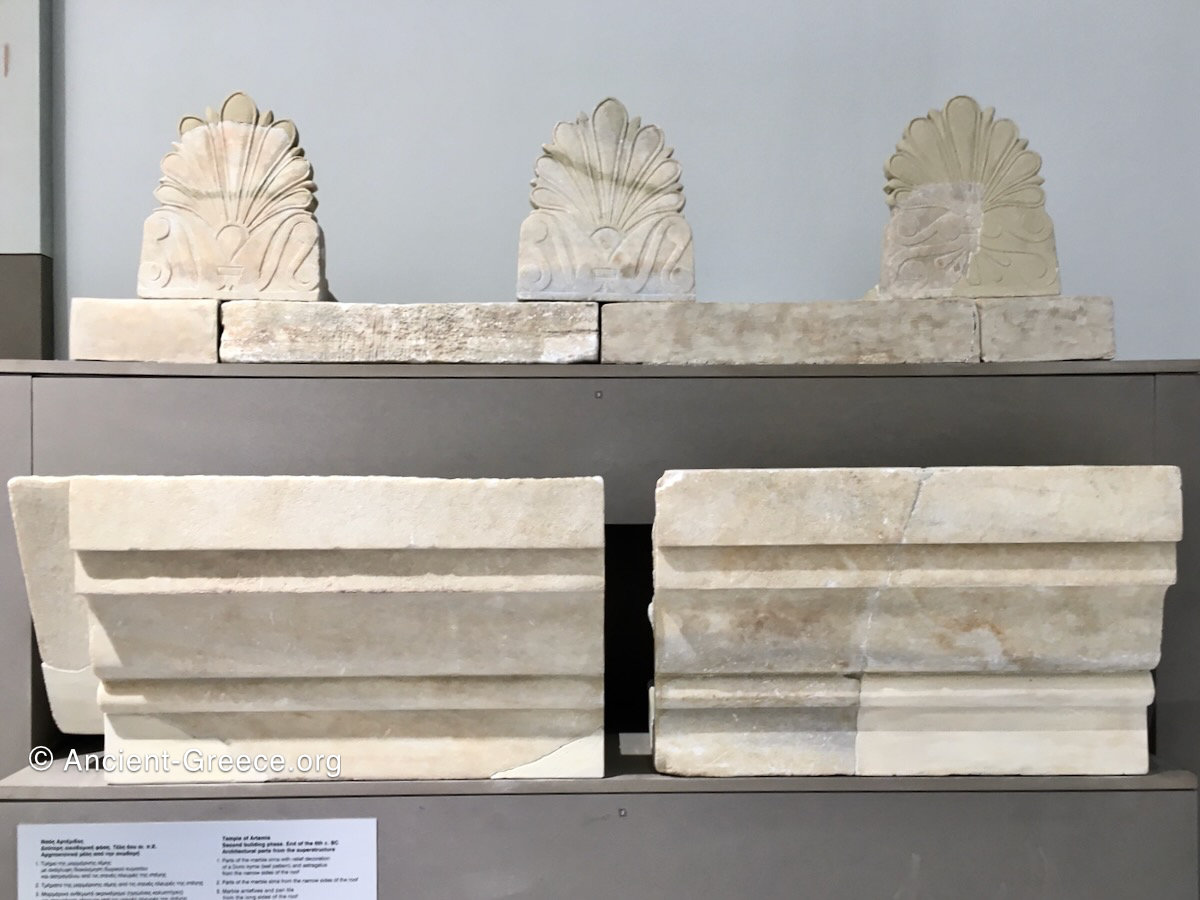
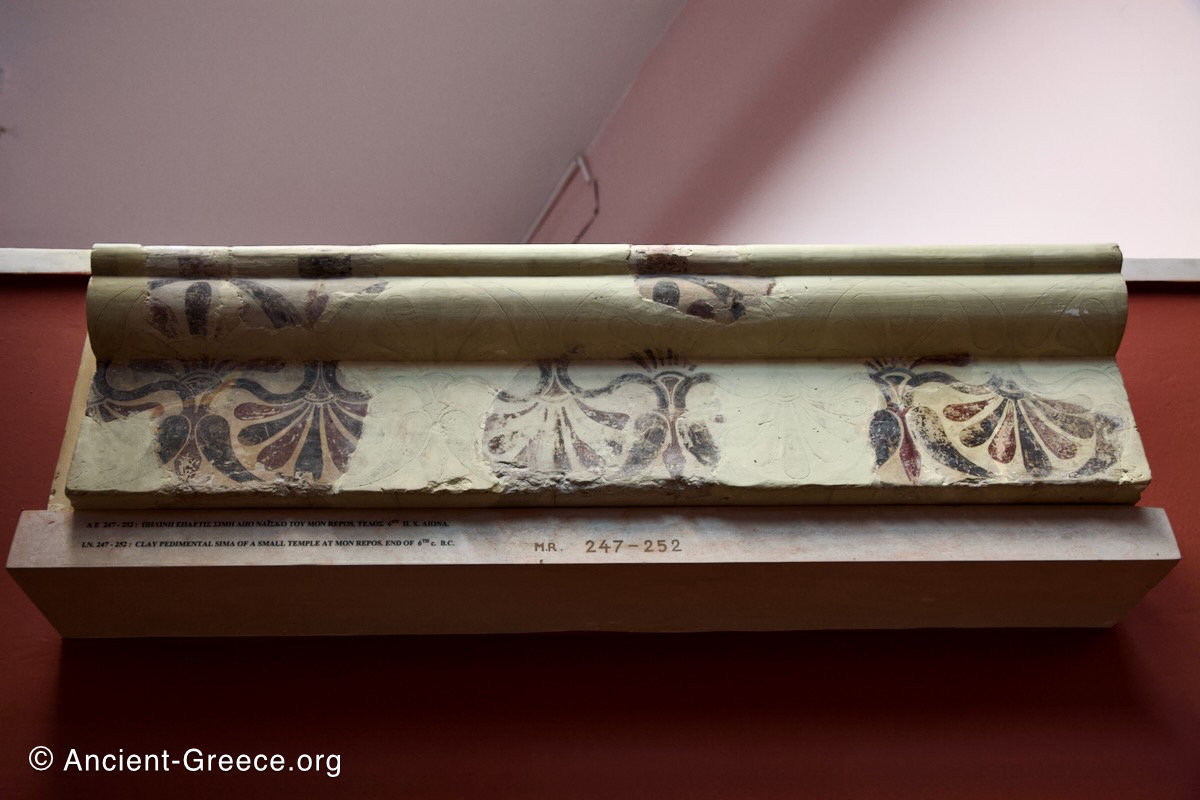
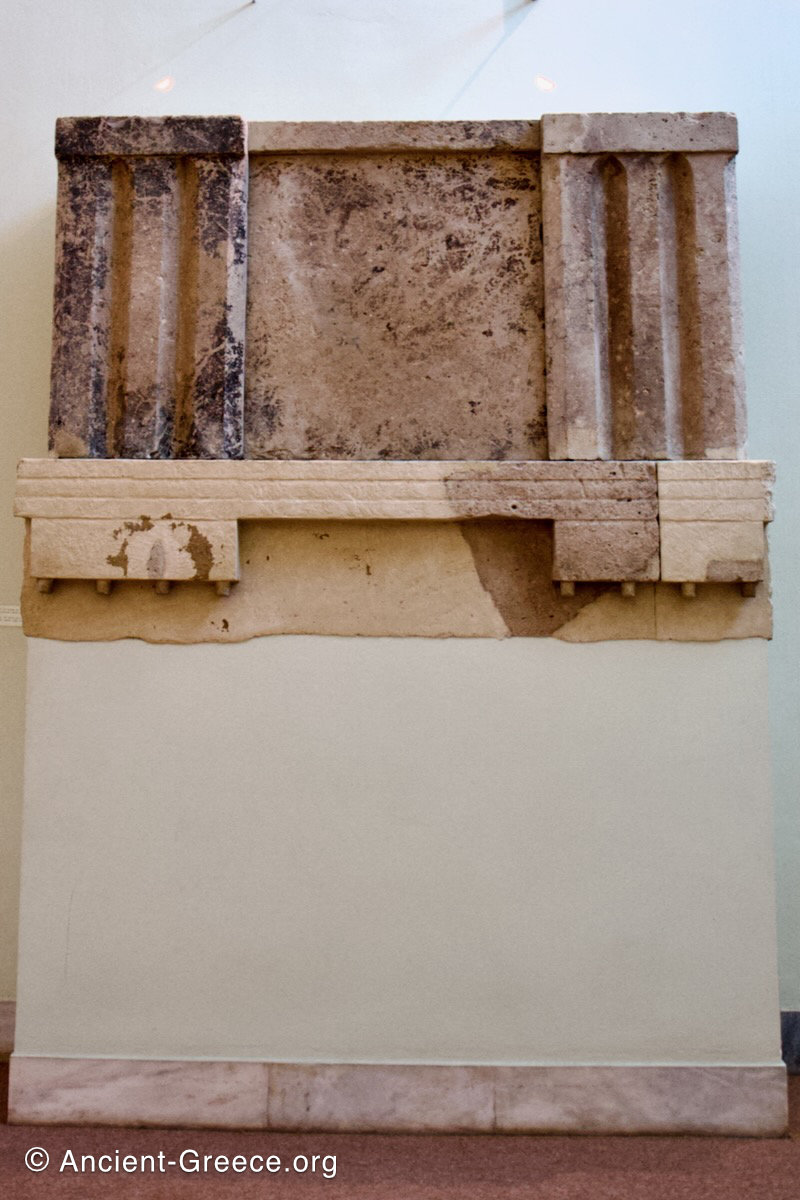
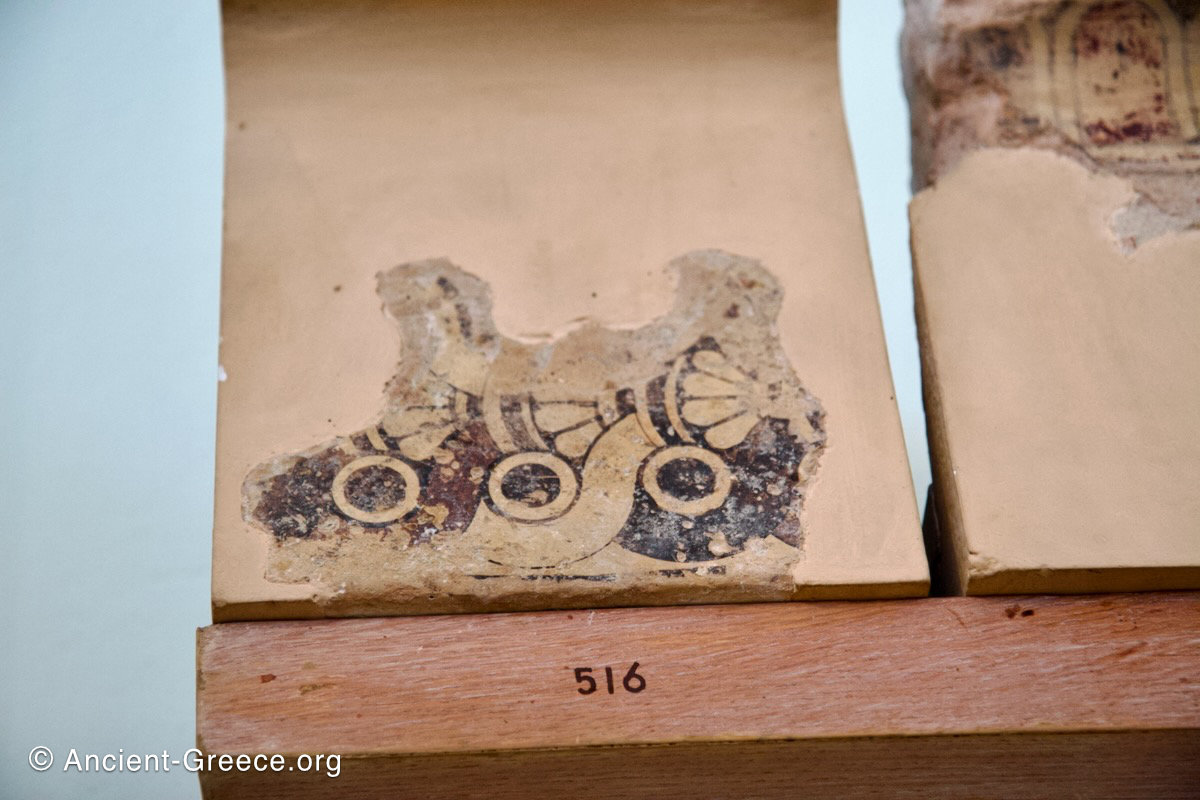
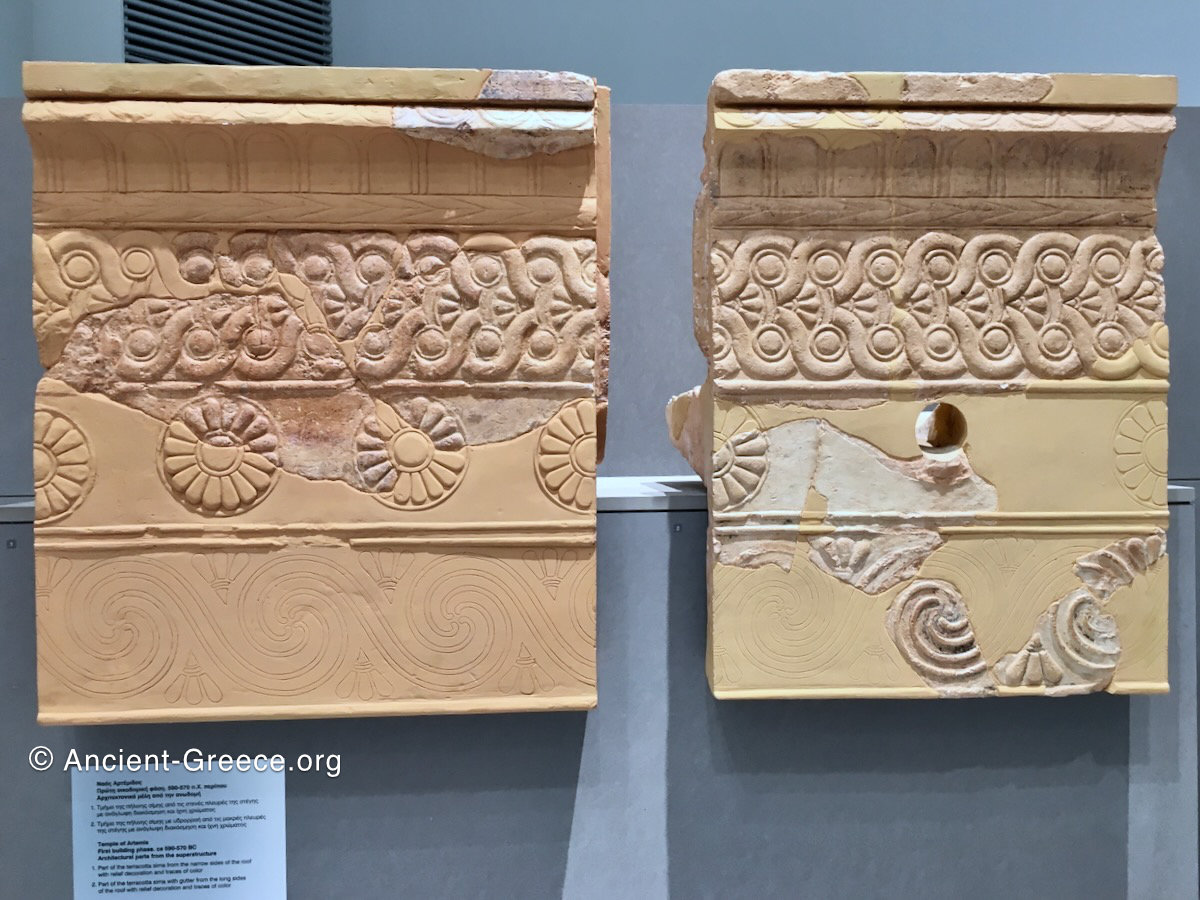
Temple of Artemis in Corfu architectural elements and palmettes. Corfu Museum – 20Temple of Artemis decoration.Temple of Artemis Architrave with frieze, triglyphs, and a metope. Corfu, Greece.Temple of Artemis decoration.Part of the terracotta sima from the temple of Artemis’ narrow sides of the roof. Circa 590 – 570 BCE.
Architectural fragments and a claysima from temple of Artemis.
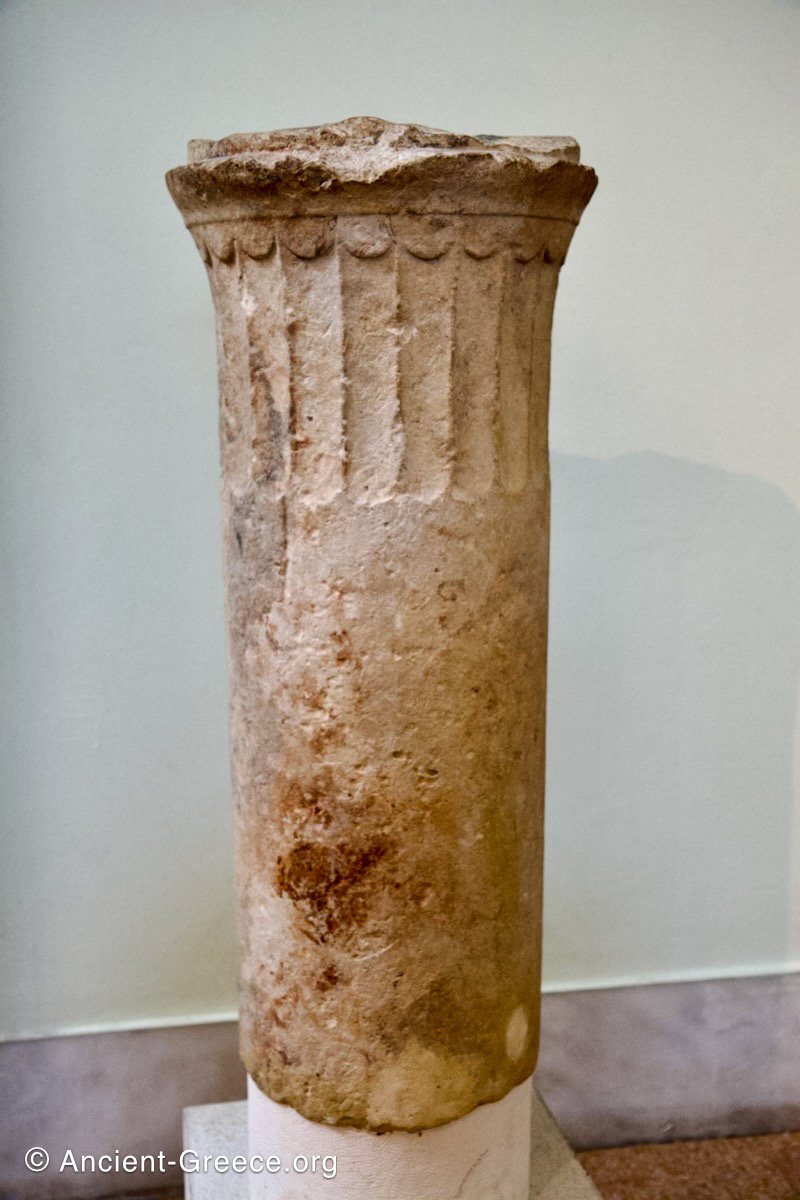
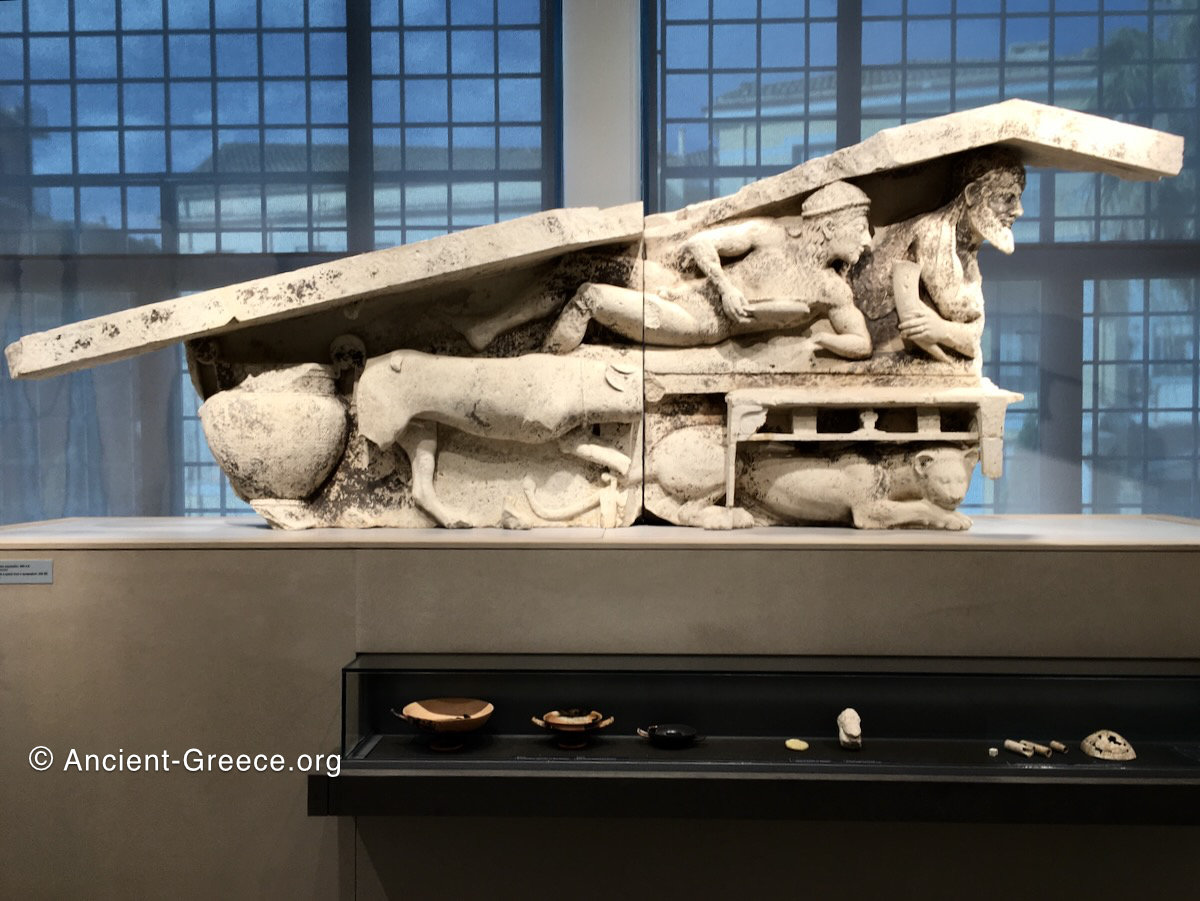
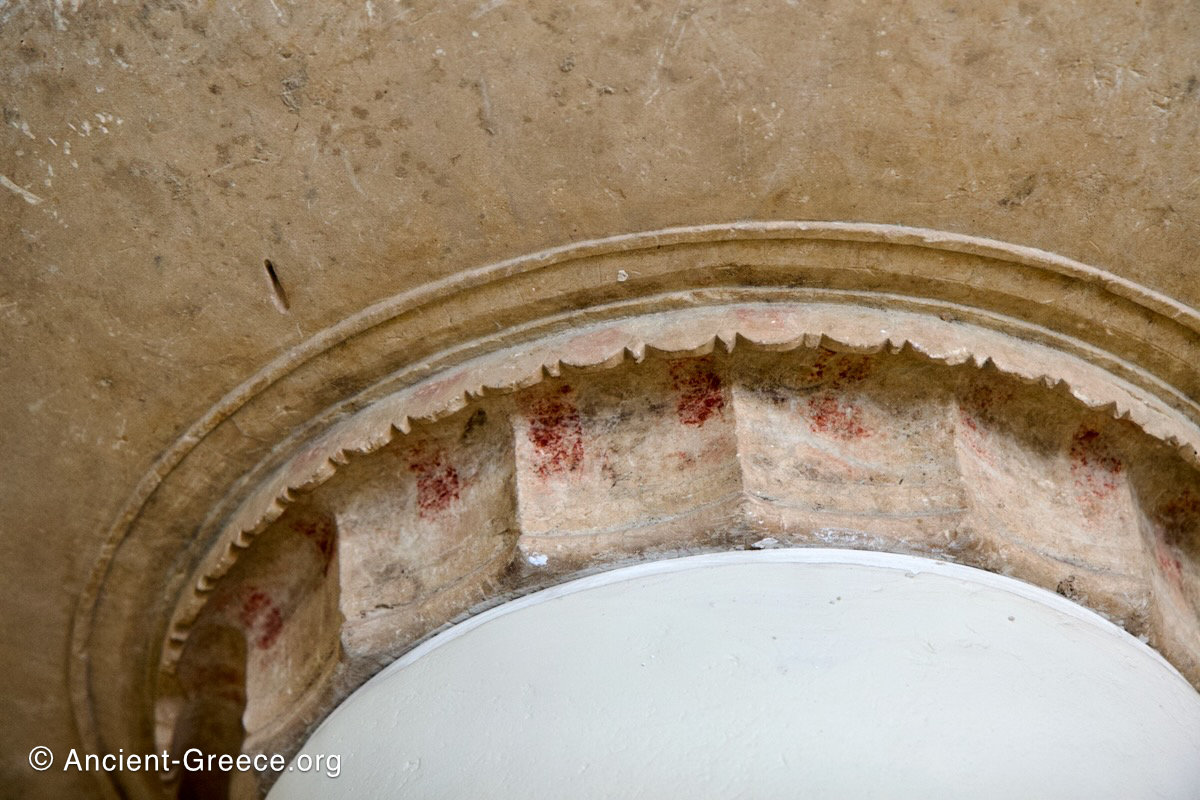
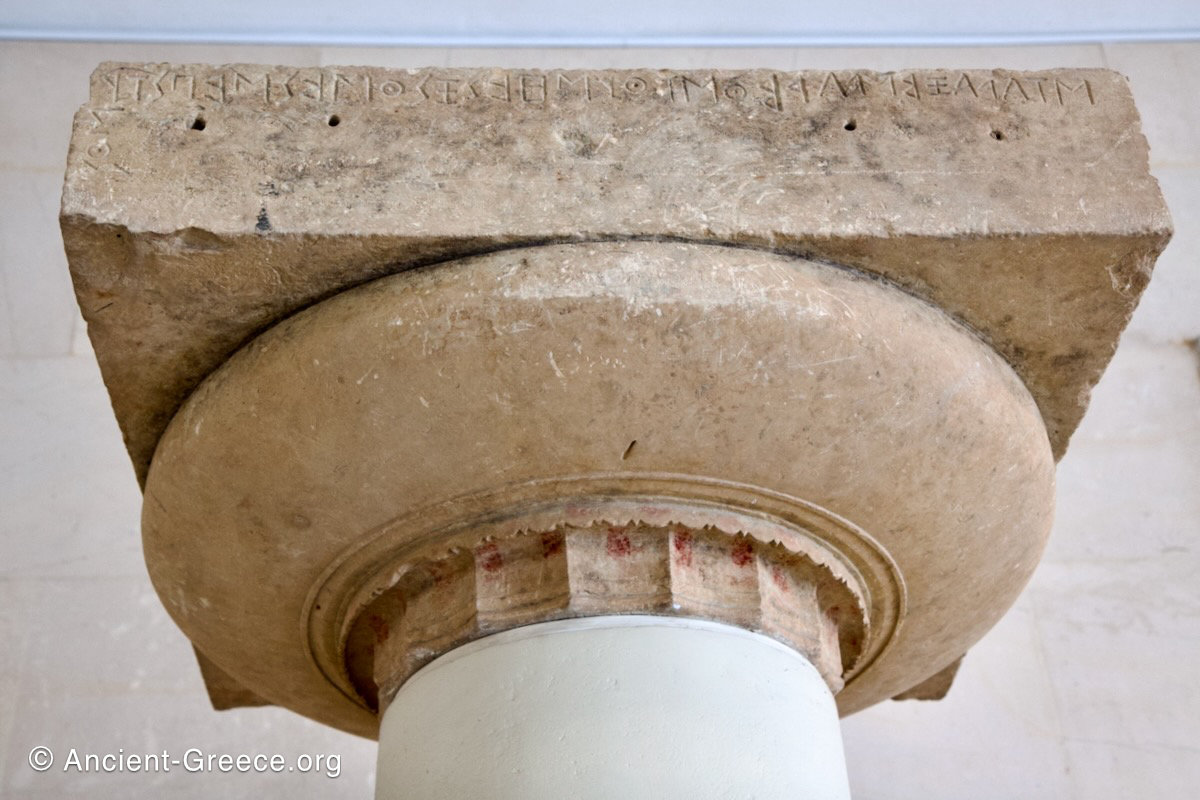
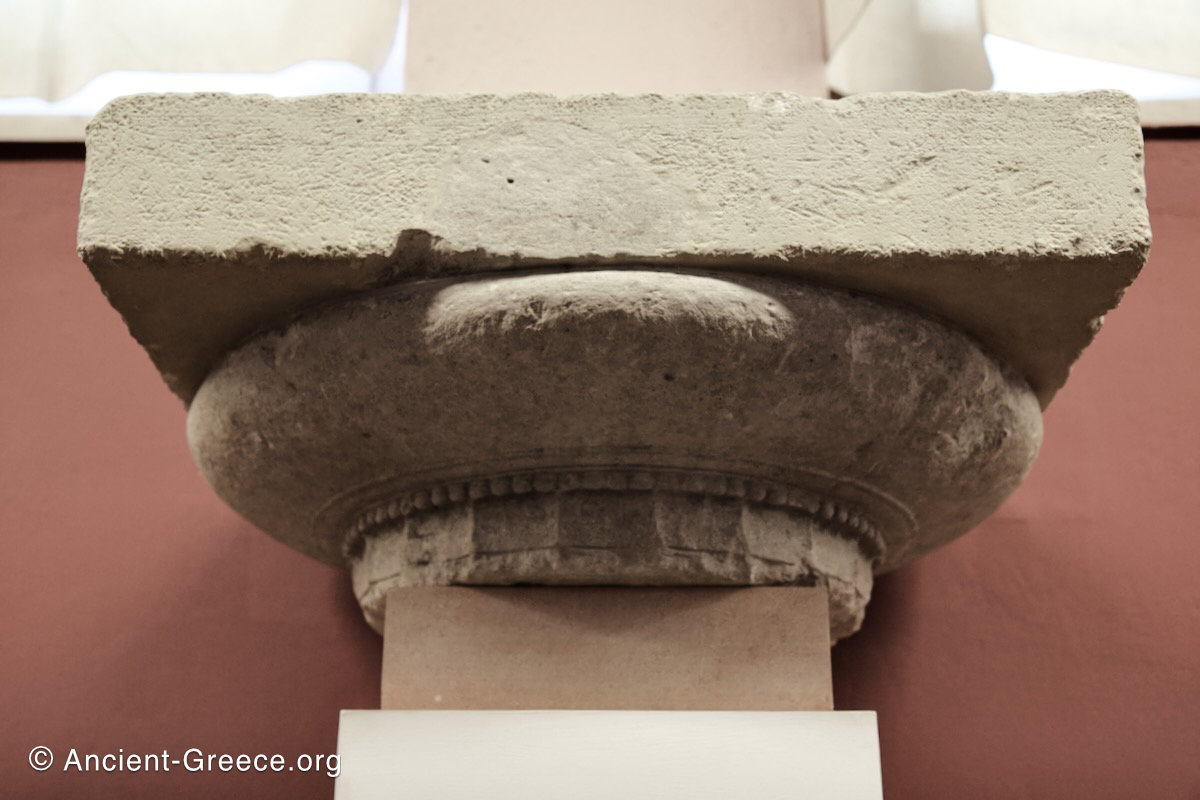
Part of an Archaic pediment from Figareto depicting a Dionysian symposium (Circa 500 BCE)Funerary column Doric capital with relief pattern. Detail. 6th c. BCE.Doric capital with relief pattern. 6th c. BCE.Doric capital made of porous stone. 6th c. BCE.
Part of an Archaic pediment from Figareto depicting a Dionysian symposium (Circa 500 BCE), and Archaic doric capitals, including a capital from a funerary column (first half 6th c. BCE).
Sculpture
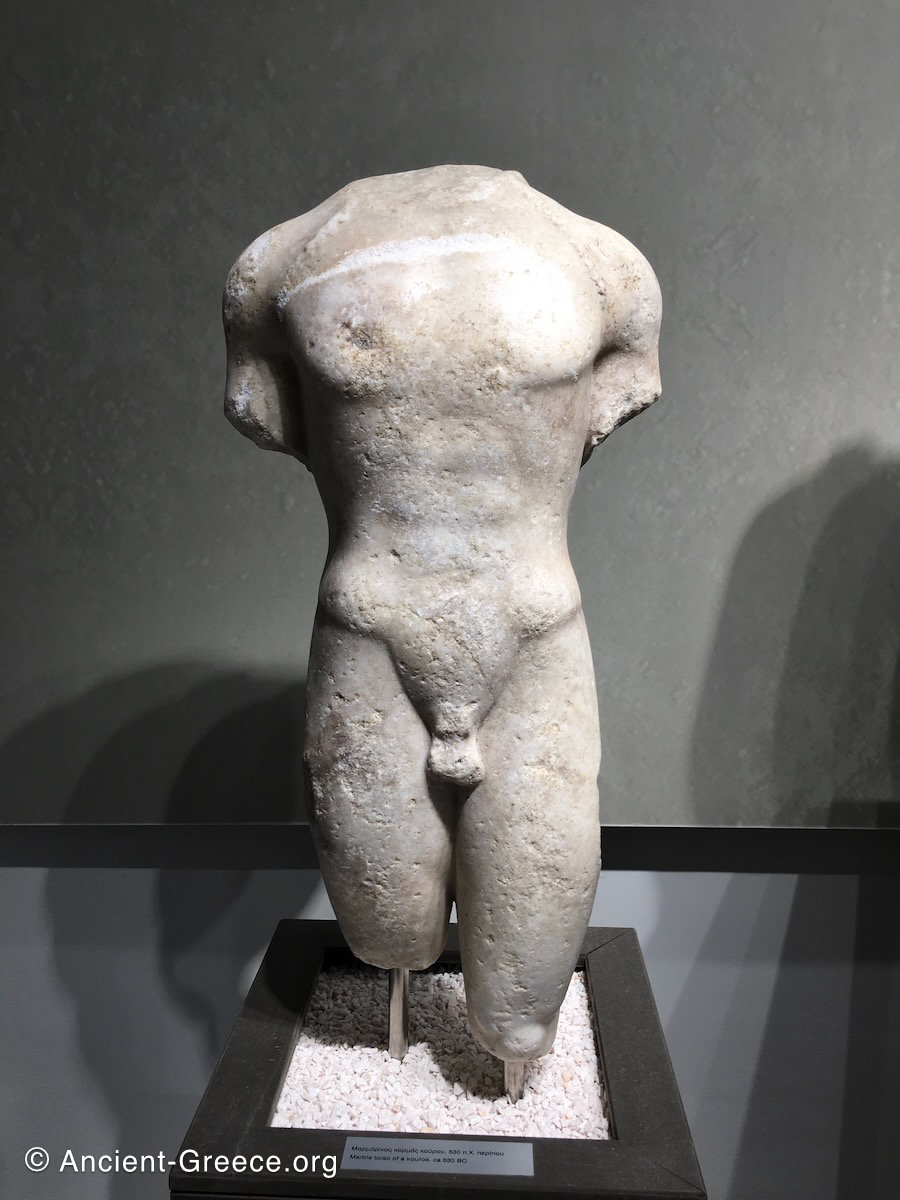
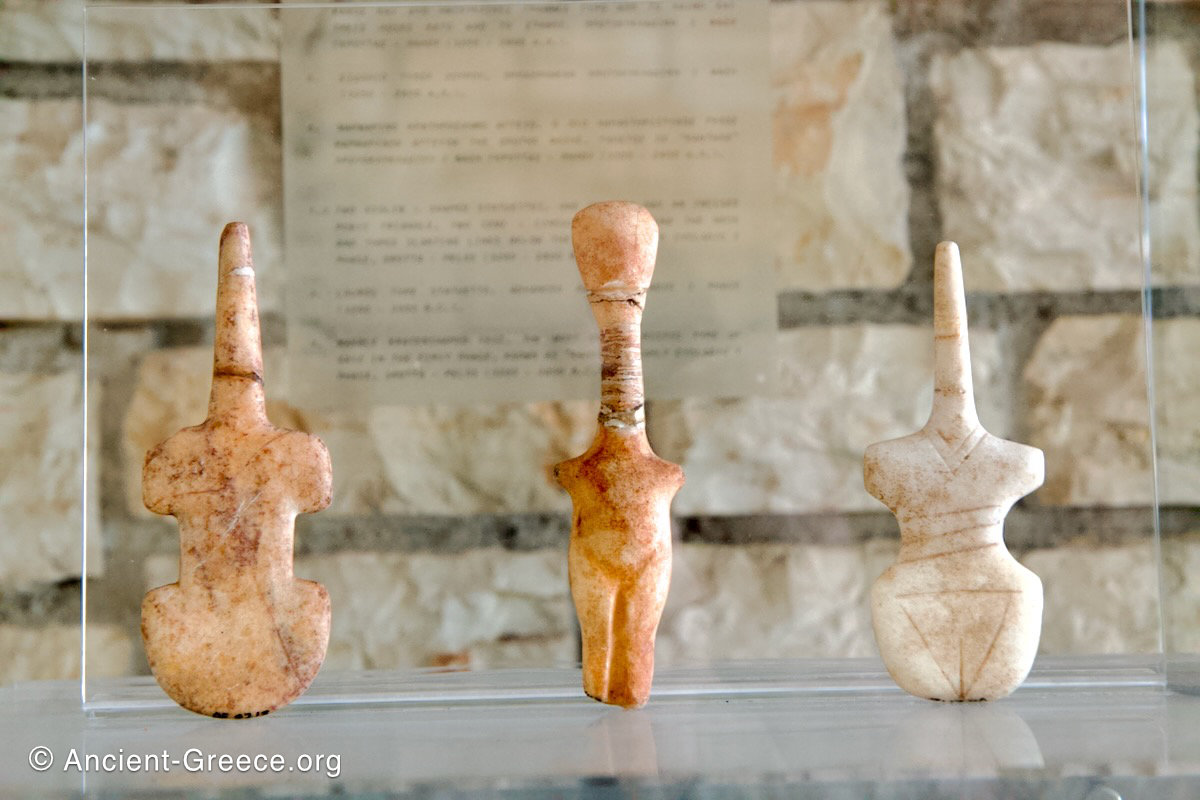
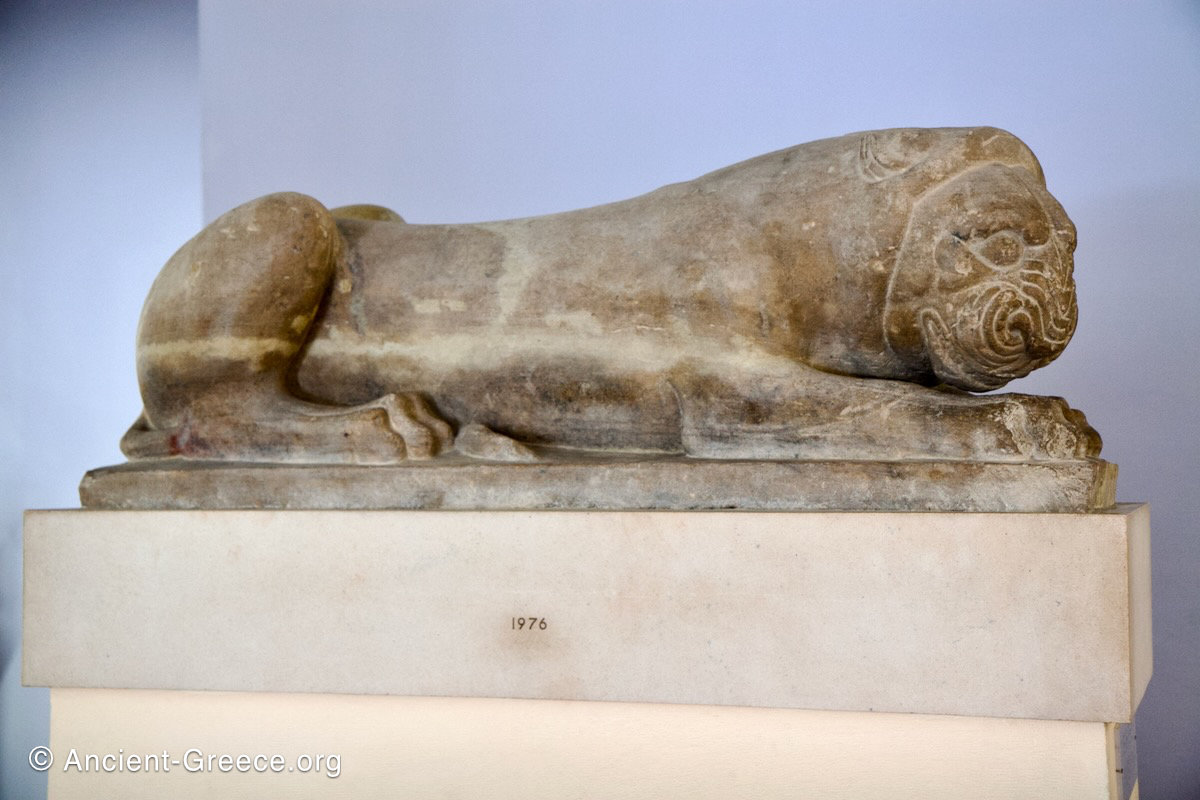
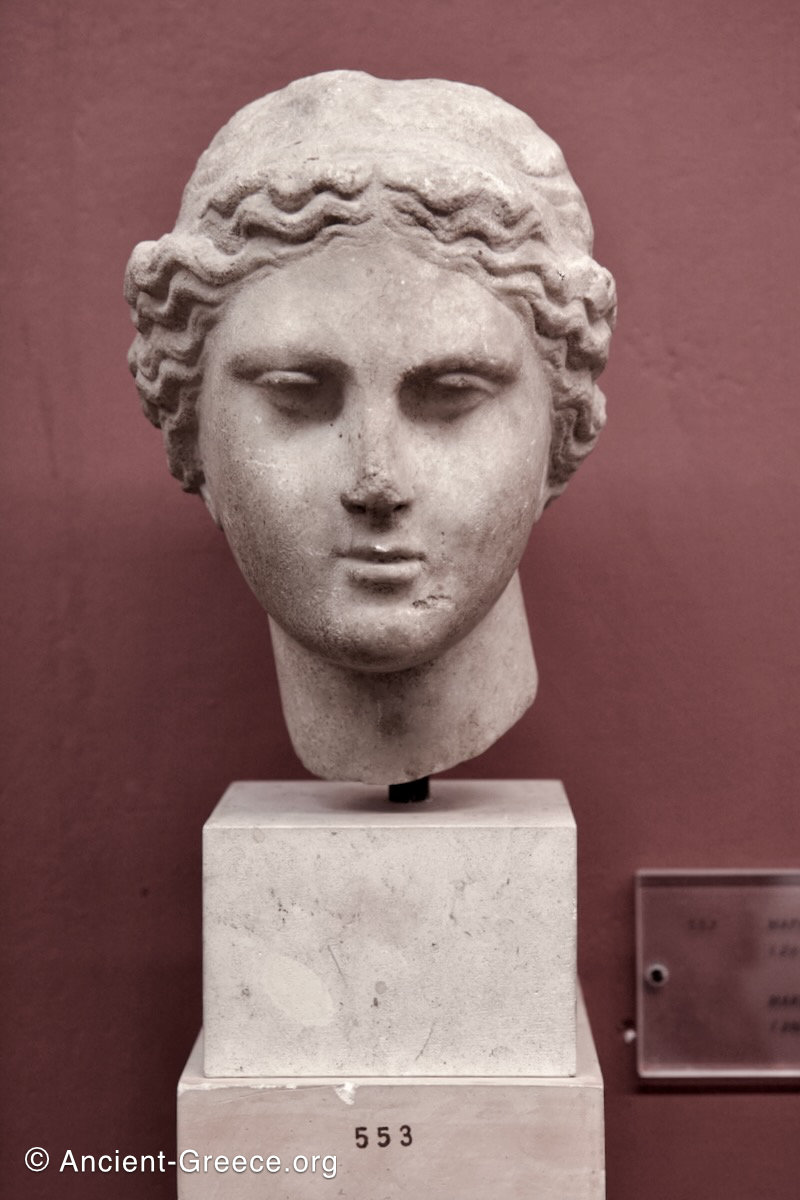
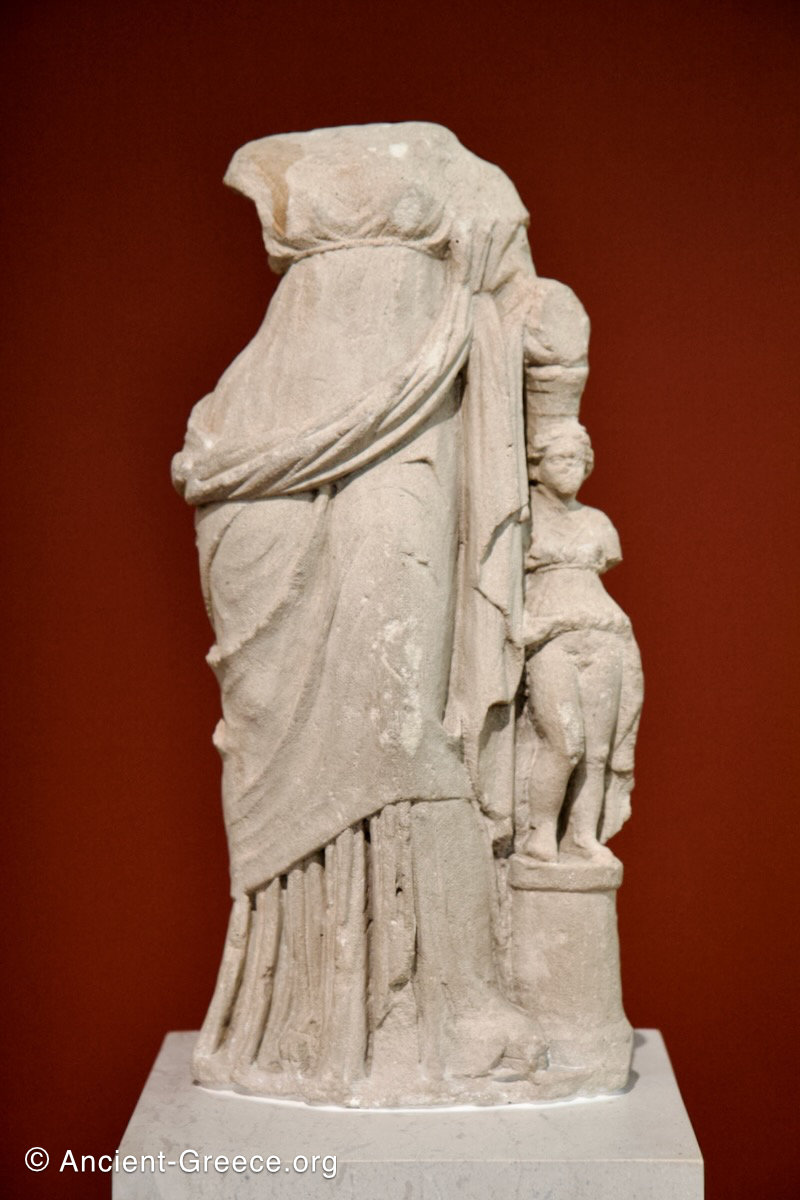
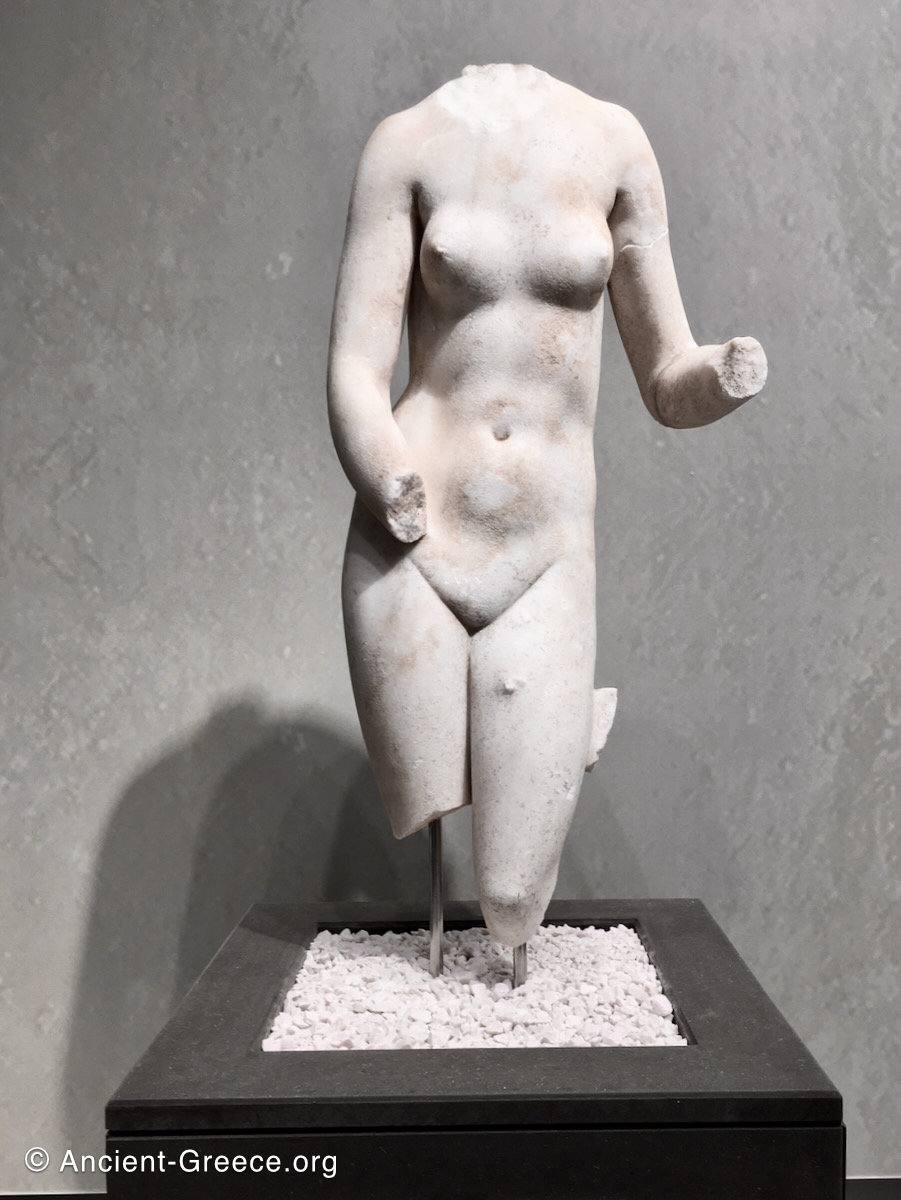
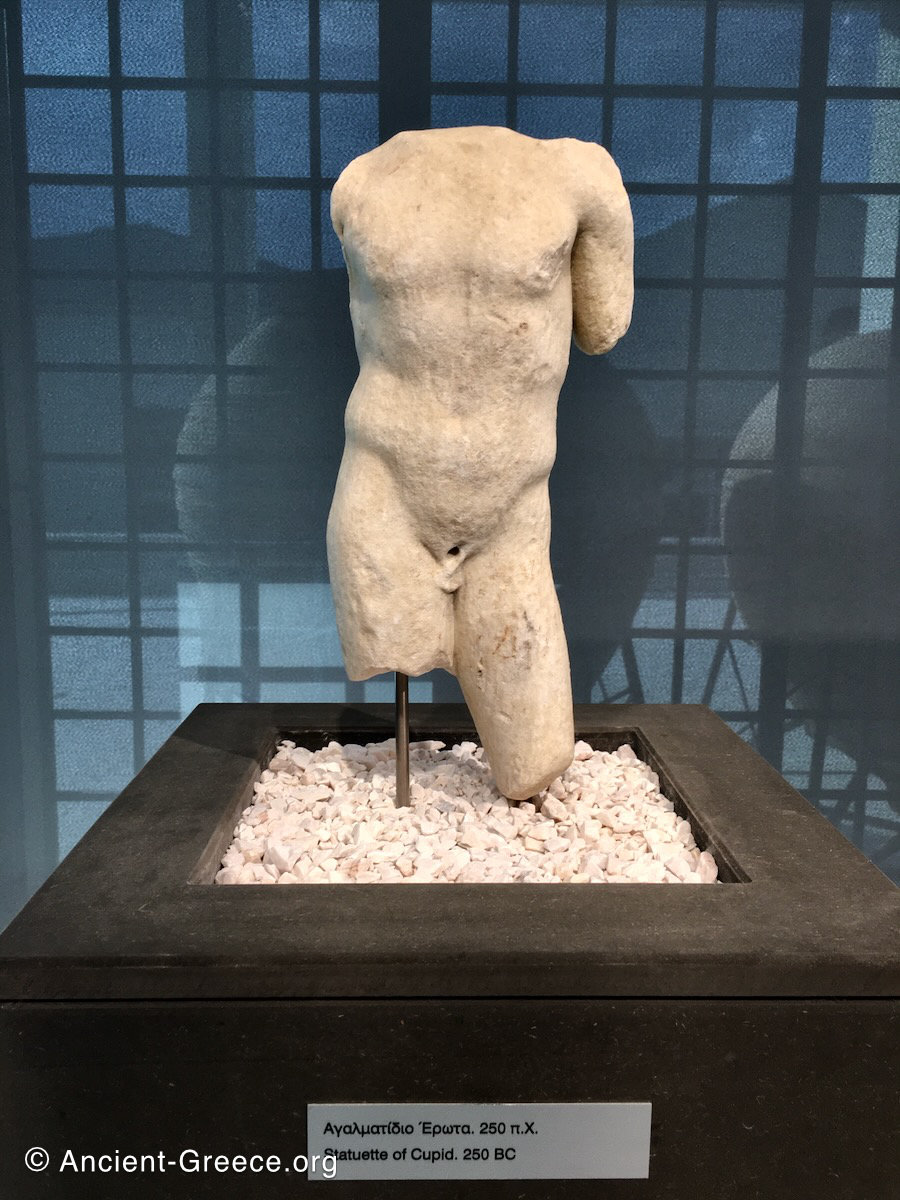
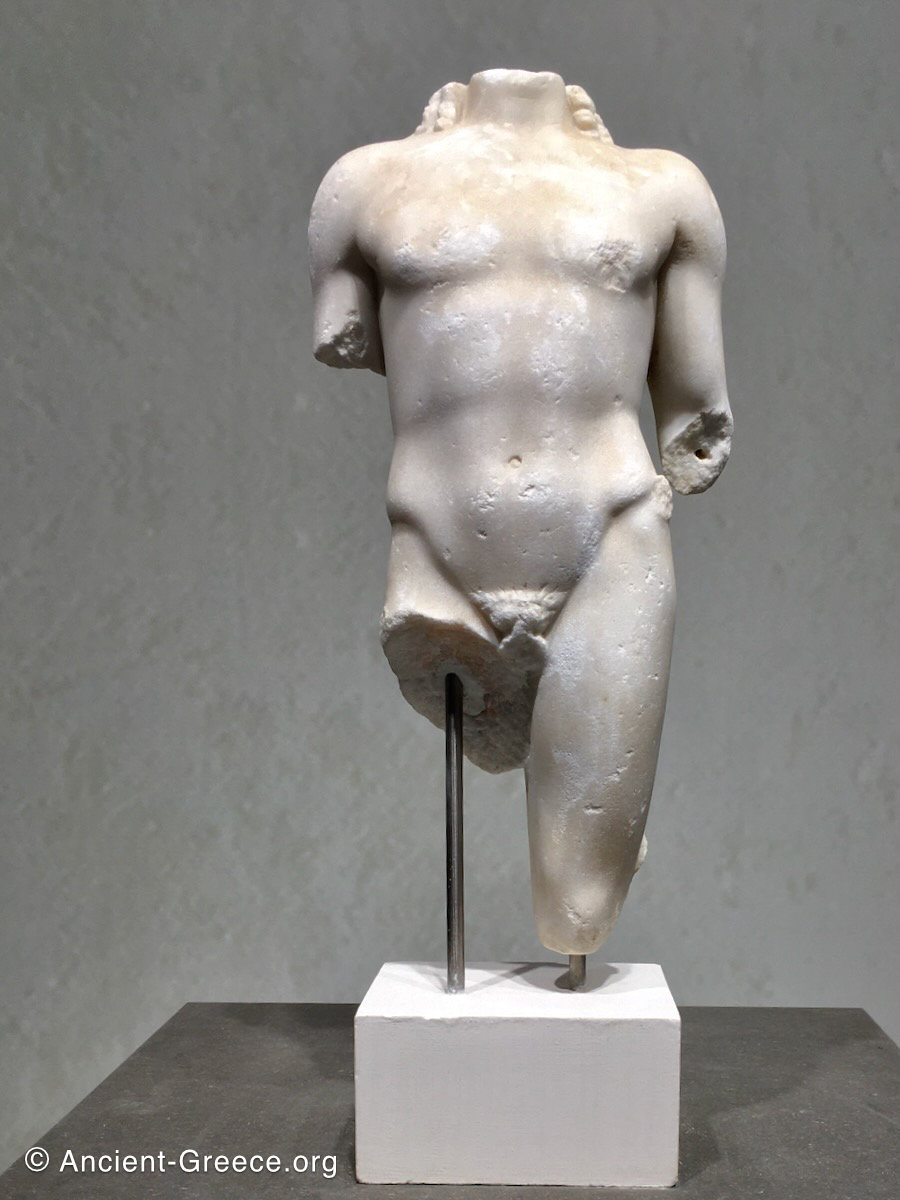
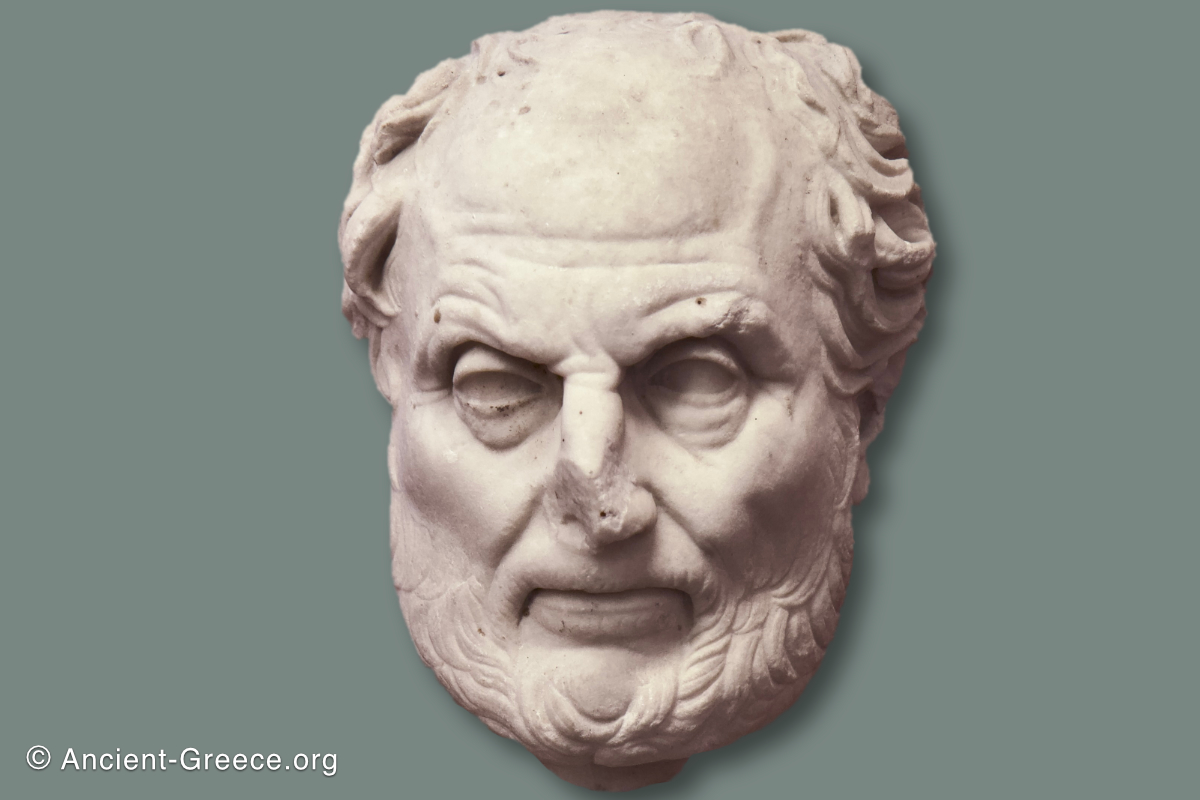
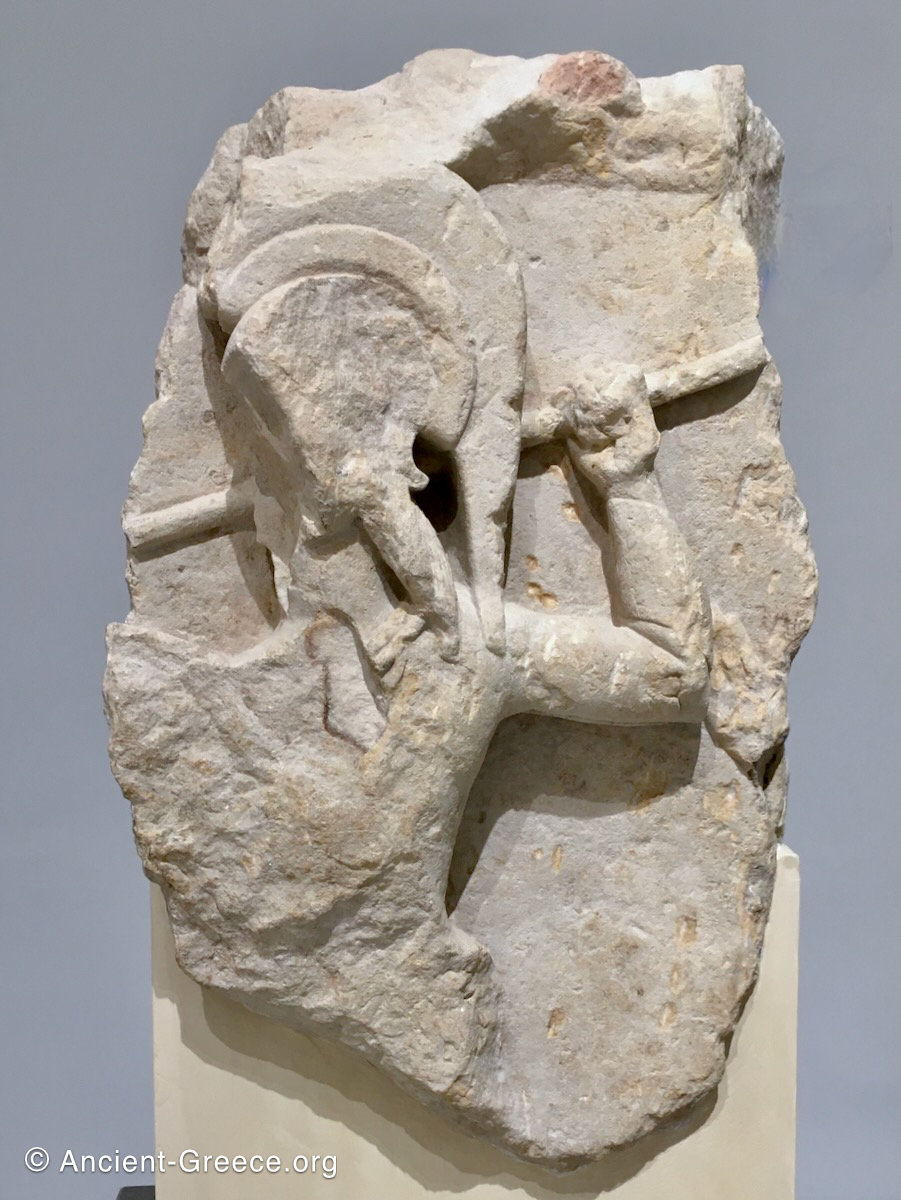
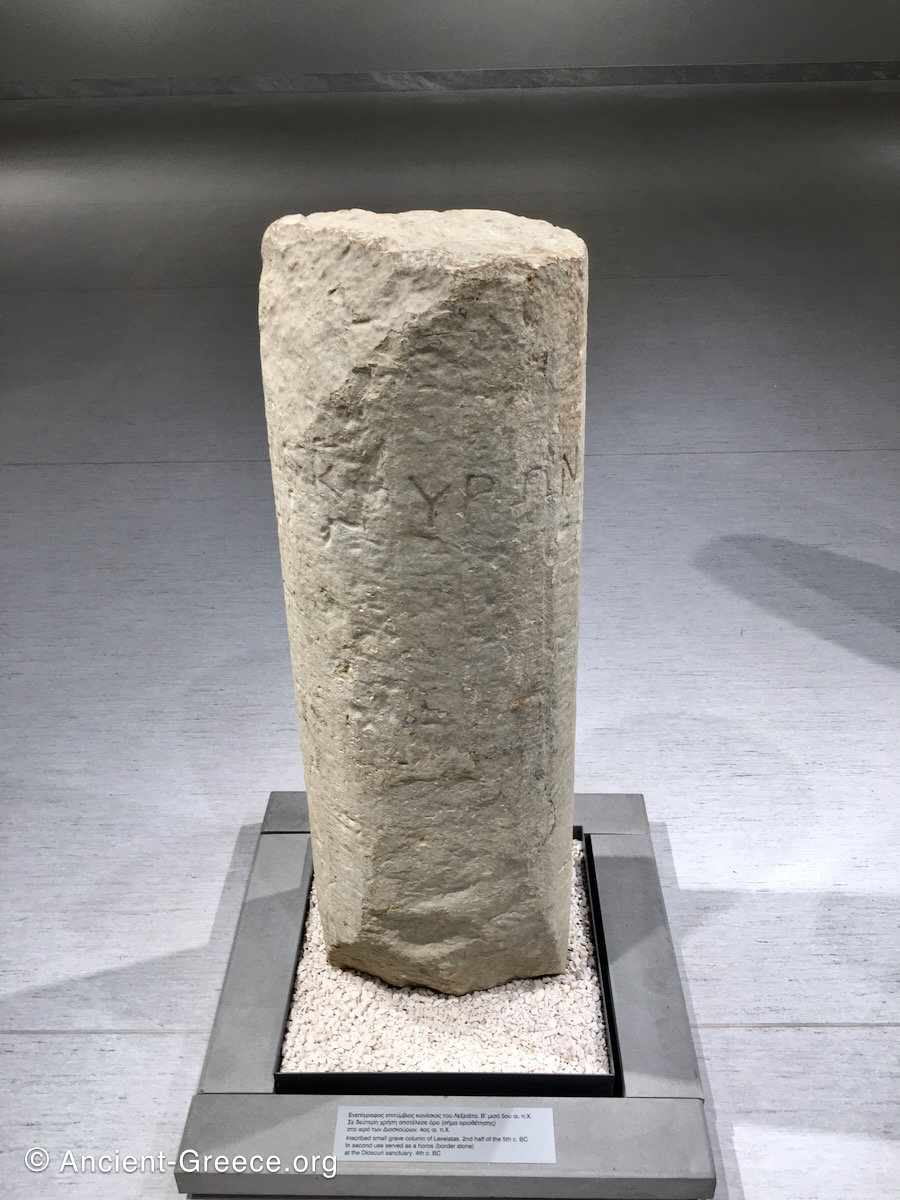
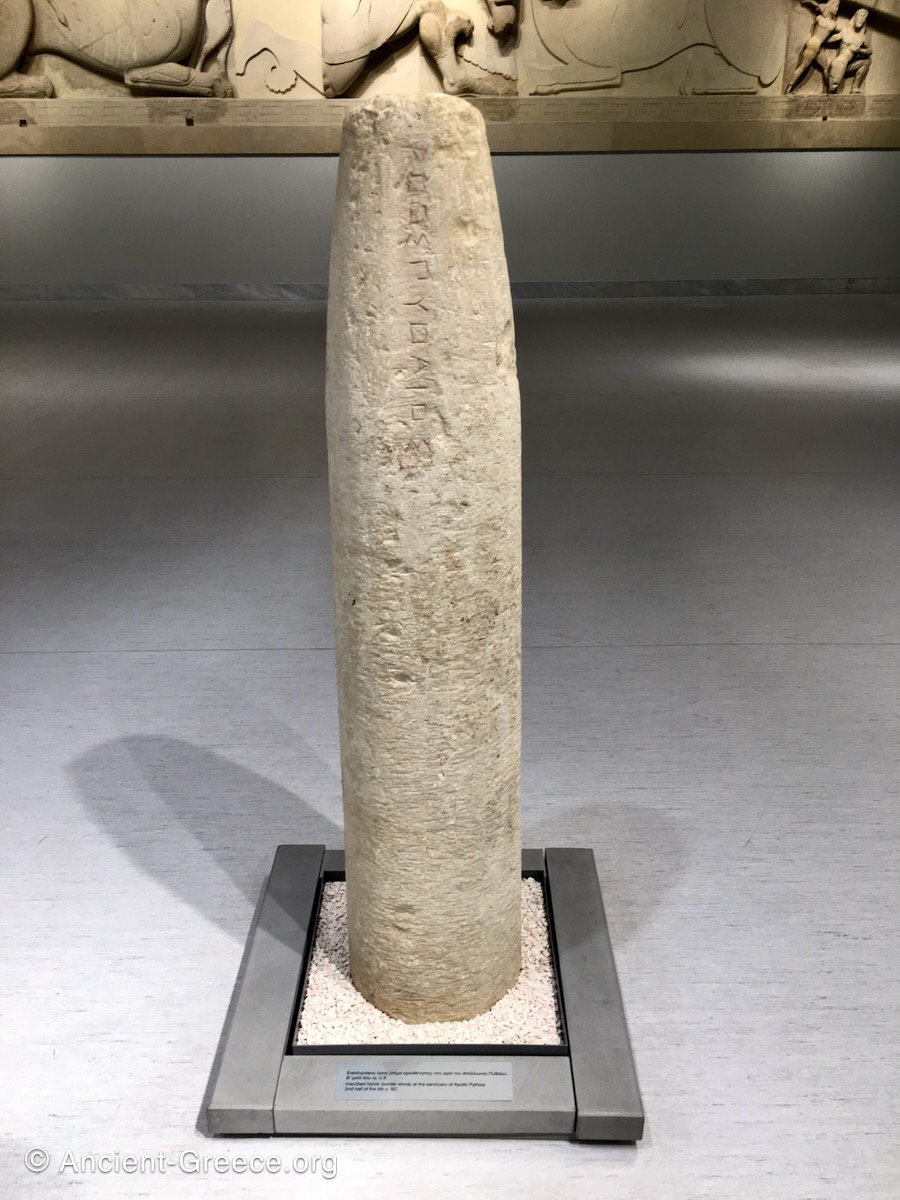
Kouros. Circa 530 BCE.Three Cycladic statuettes. 3200 – 2800 BCE.Archaic lion sculpture. End of 7th c. BCE.Hellenistic statue of Aphrodite’s head fragment. Statue fragment. Aphrodite in dress rests on a statuette of a hermaphrodite. End of 2nd c. BCE.Statue fragment of Aphrodite. 2nd c. CE.Statue fragment of Cupid. 250 BCE.Apollo statuette. 2nd c. CE. Copy of a 5th century BCE statue by Phidias. Apollo Parnopios.Marble portrait of Thucydides. Roman copy of a 4th c. BCE original. History is a discipline that was founded largely by Herodotus and Thucydides in Classical Greece.Relief sculpture fragment depicting a hoplite in battle. from the Temple of Artemis first phase. Circa 590 – 570 BCE.Grave column of Lexeialas. 5th c. BCE. In the 5th c. BCE it was used as border stone in the sanctuary of Dioscuri.Grave column of Lexeiatas. 5th c. BCE.
Statue fragment. Aphrodite in dress rests on a statuette of a hermaphrodite. End of 2nd c. BCE.
Statue fragment of Aphrodite. 2nd c. CE.
Statue fragment of Cupid. 250 BCE.
Apollo statuette. 2nd c. CE. Copy of a 5th century BCE statue by Phidias. Apollo Parnopios.
Third row:
Marble portrait of Thucydides. Roman copy of a 4th c. BCE original.
Reliefsculpture fragment depicting a hoplite in battle. from the Temple of Artemis first phase. Circa 590 – 570 BCE.
Funerary column with inscription from the grave of Lexeiatas. 5th c. BCE. Later, in the 4th c. BCE it was repurposed as a horos (border stone) of the Dioscuri sanctuary.
Inscribed border stone from the temple of Apollo Pythios. Late 5th c. BCE.
Artifacts
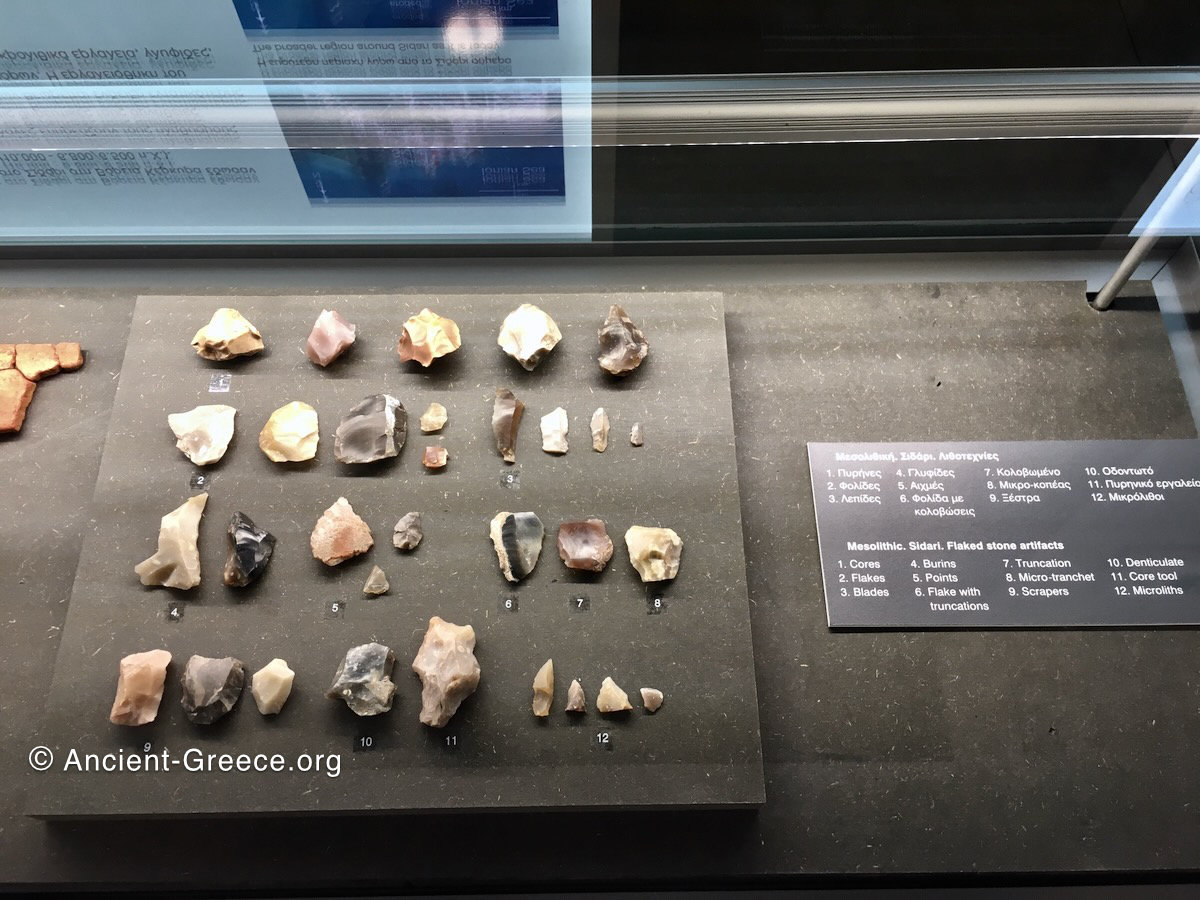
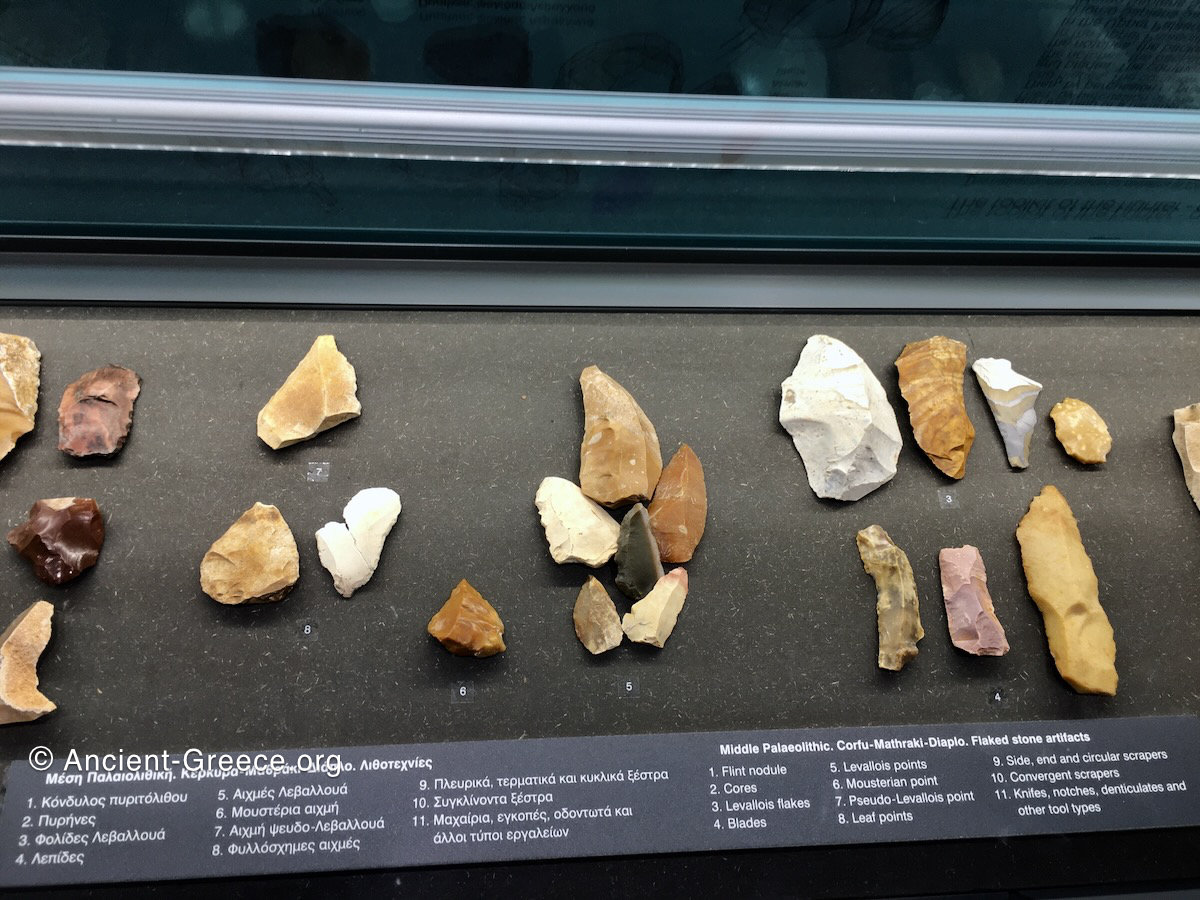
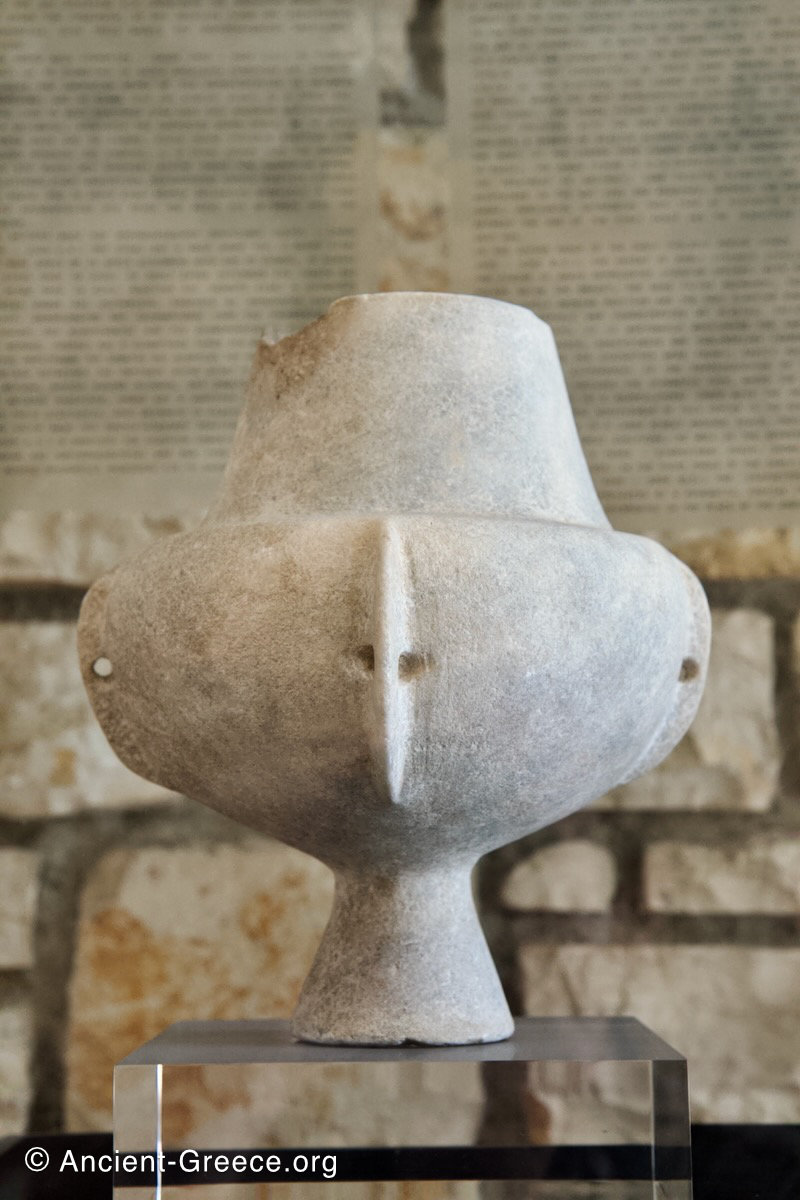
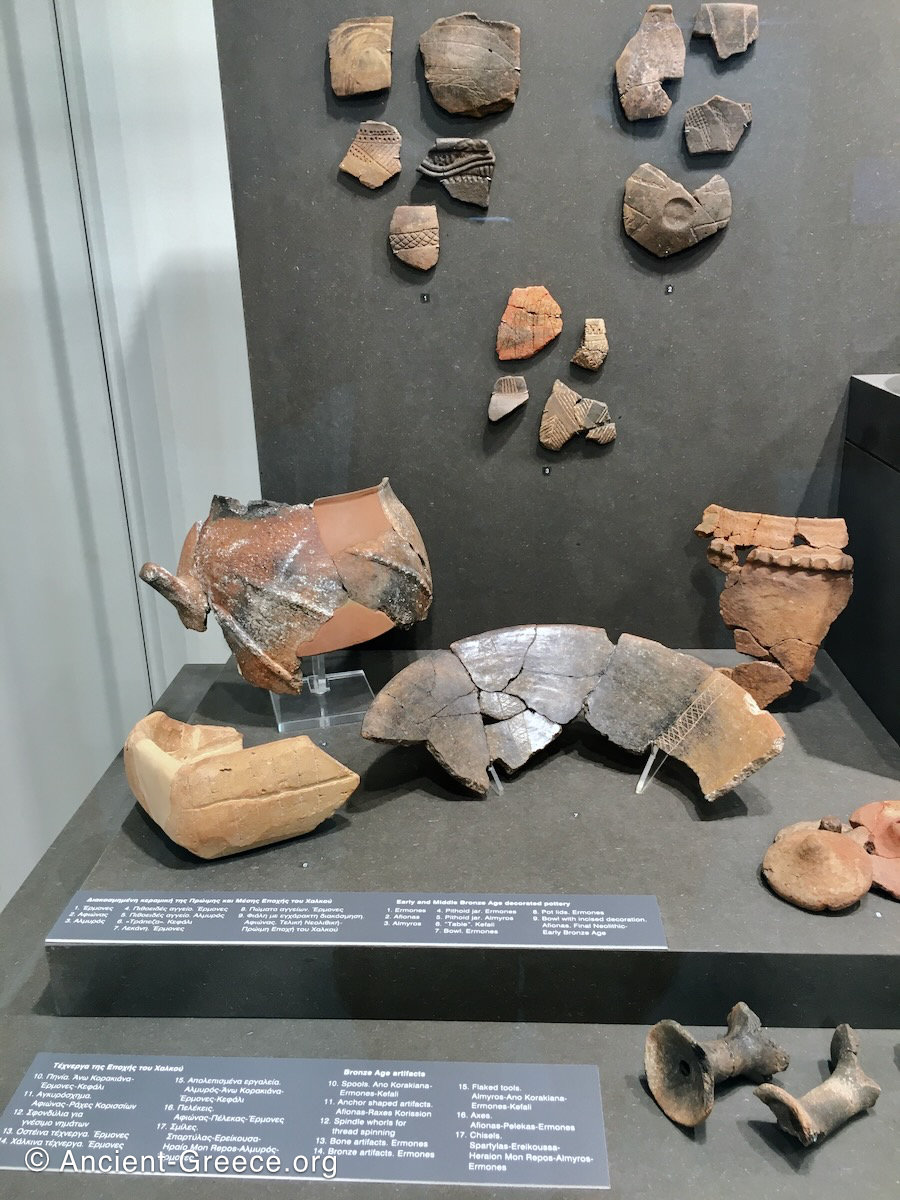
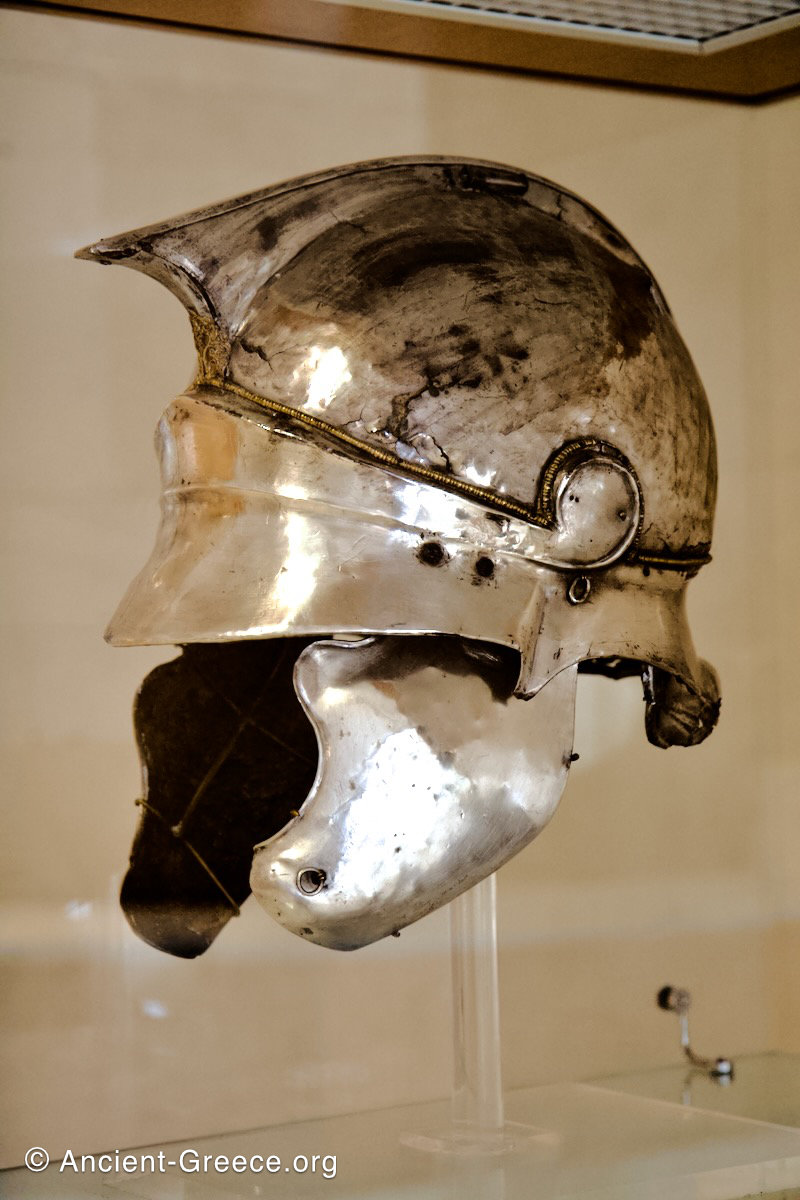
Mesolithic flaked stones found in Corfu. Greece.Mesolithic flaked stones found in Corfu. Greece.Cycladic stone vessel. Circa 2800 – 2300 BCE.Early and middle Bronze Age pottery. Corfu island, Greece.Archaic Pottery in the Corfu Archaeological Museum.Classical age pottery (4th-3d c. BCE)Black glazed Laconian oinochoe. 6th c. BCE.Stater (στατήρ) coins. End of 6th c. to start of 5th c. BCE.Corfu Museum – CoinsStone Mason’s profile pattern of a cymatium. Made of lead. Metal armor found in a grave in Prodromi site of Paramythia in Thesprotia, Greece. 4th c. BCE.Metal helmet.
Top row, left to right:
Mesolithic flaked stones found in Corfu. Greece. From Sidari: cores, flakes, blades, burins, points, flake with truncations, truncation, micro-tranche, scrapers, denticulate, core tool, microliths. From Corfu-Mathraki-Diaplo: Levalois flakes, blades, Levallois points, Mousterian point, pseudo-Levallois point, leaf points.
Cycladic stone vessel. Circa 2800 – 2300 BCE.
Second row:
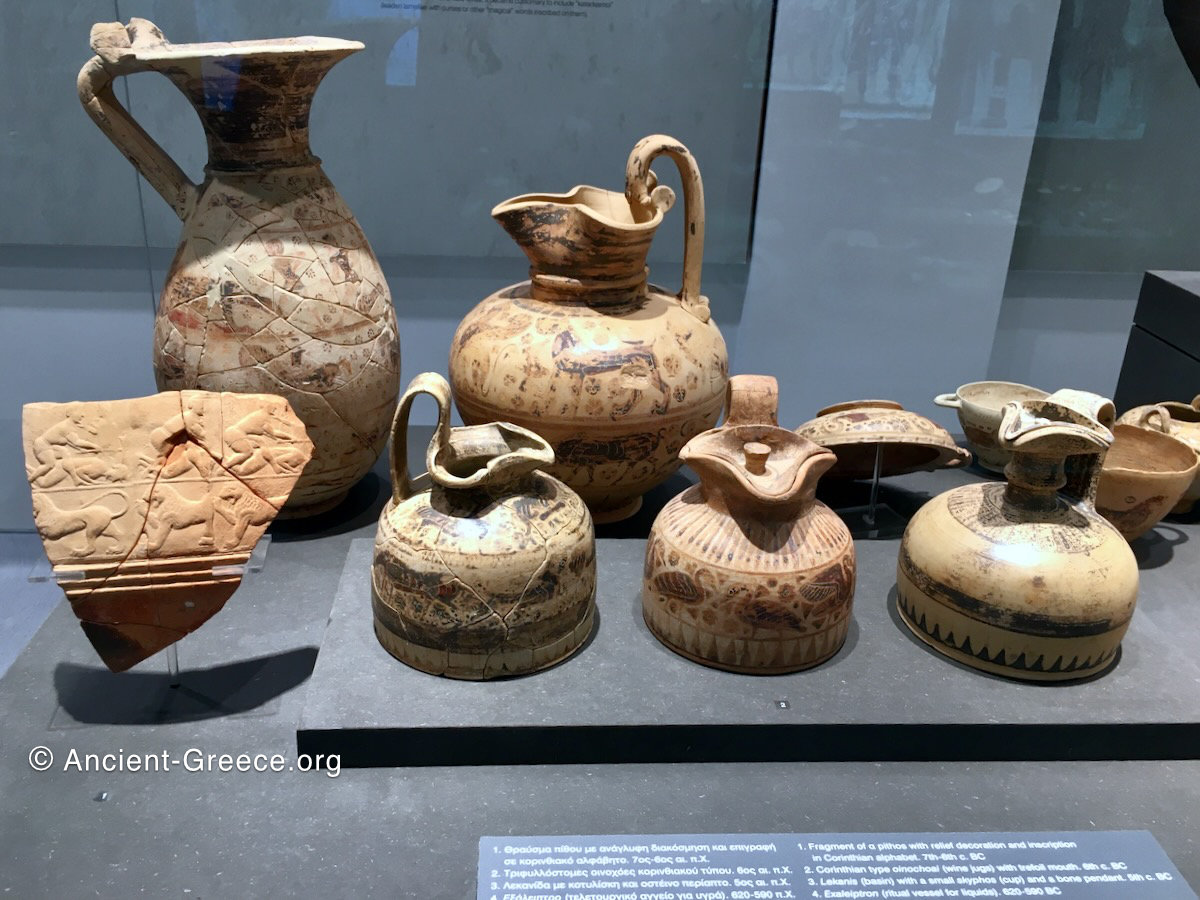
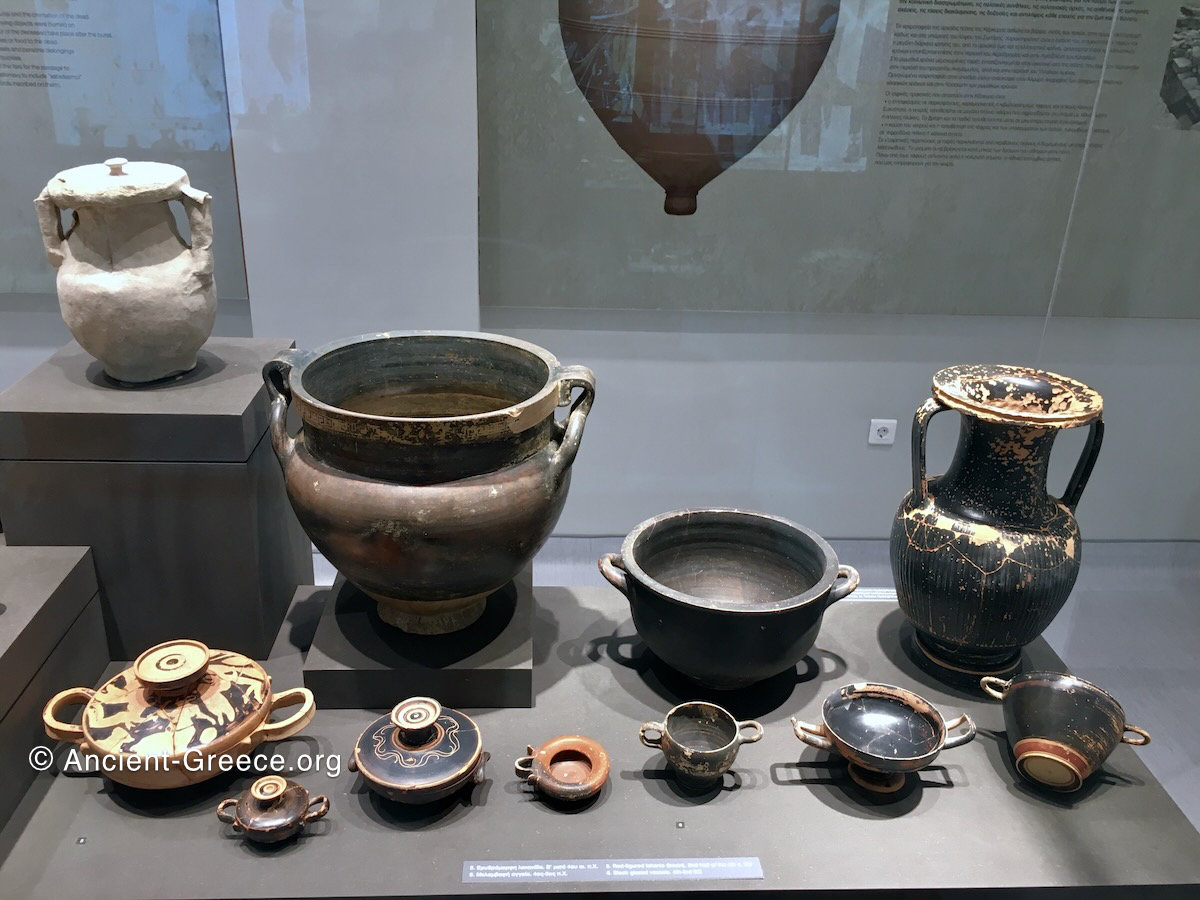
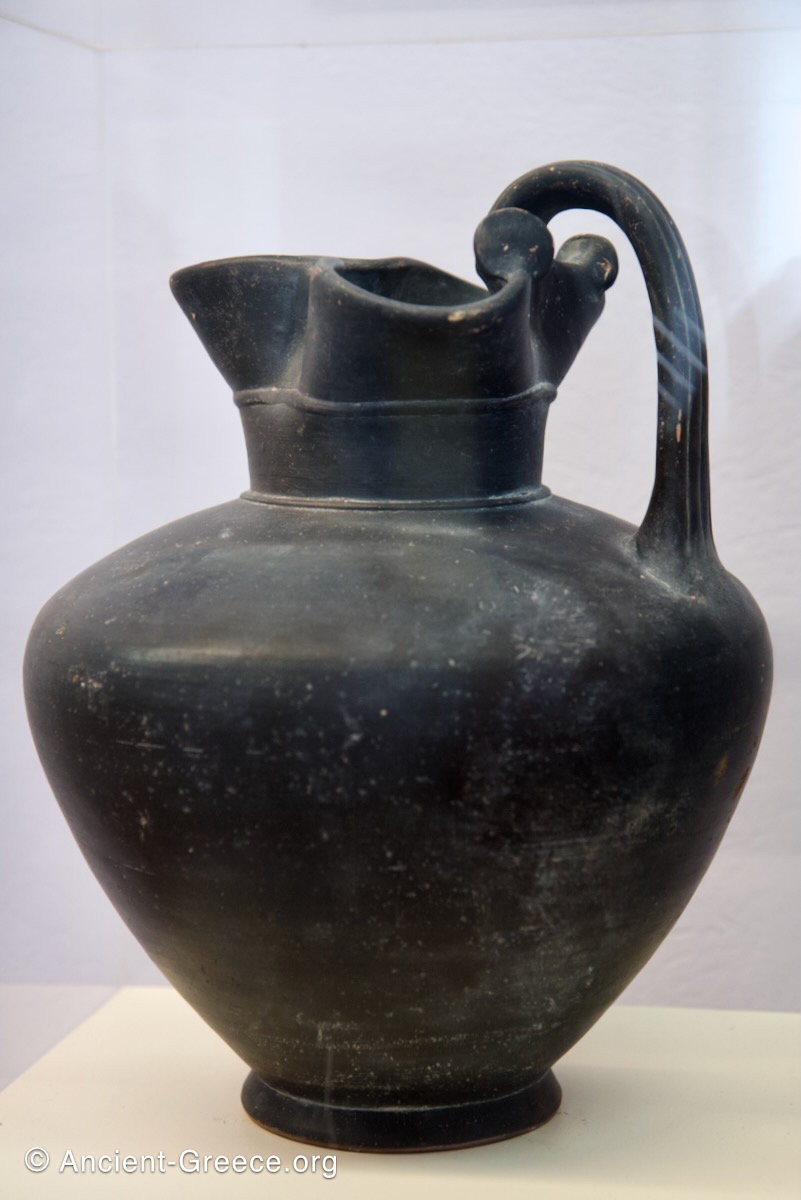
Pottery shards from Corfu, Greece. Early and middle Bronze Age pottery. Classical age pottery (4th-3d c. BCE). Black glazed Laconian oinochoe. 6th c. BCE.
Third row:
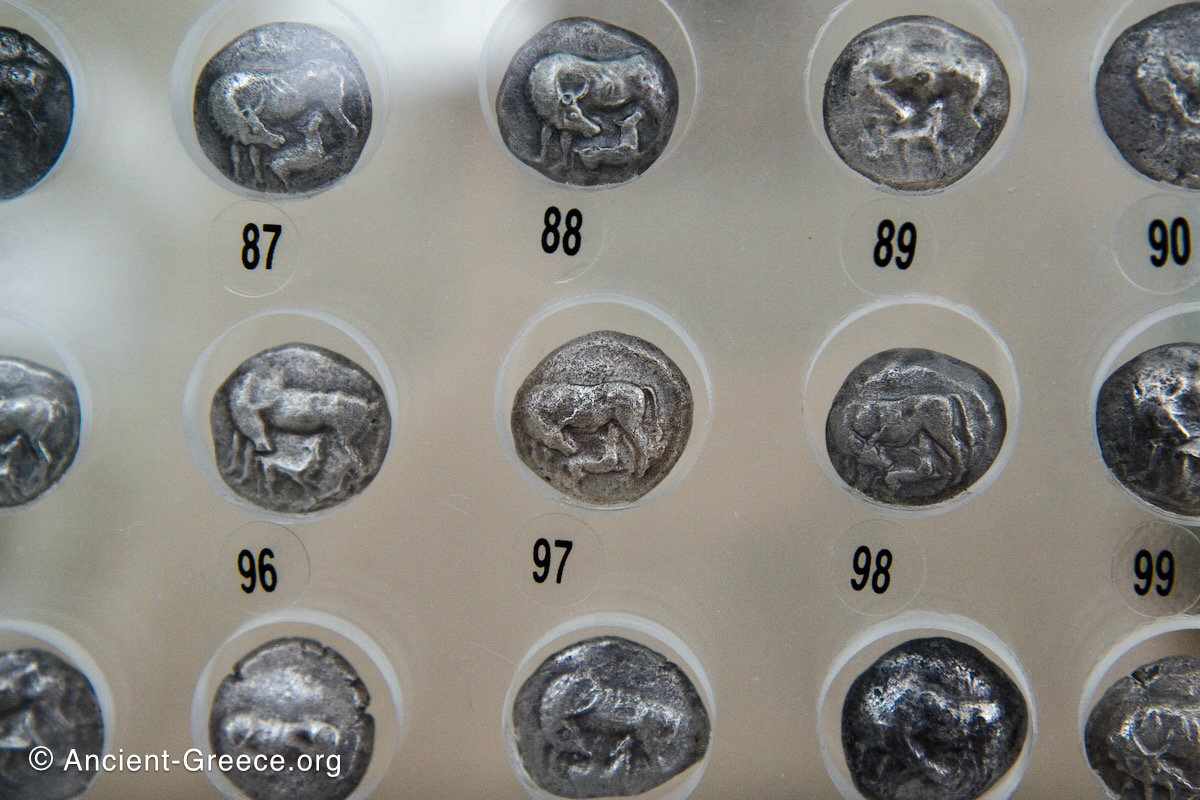
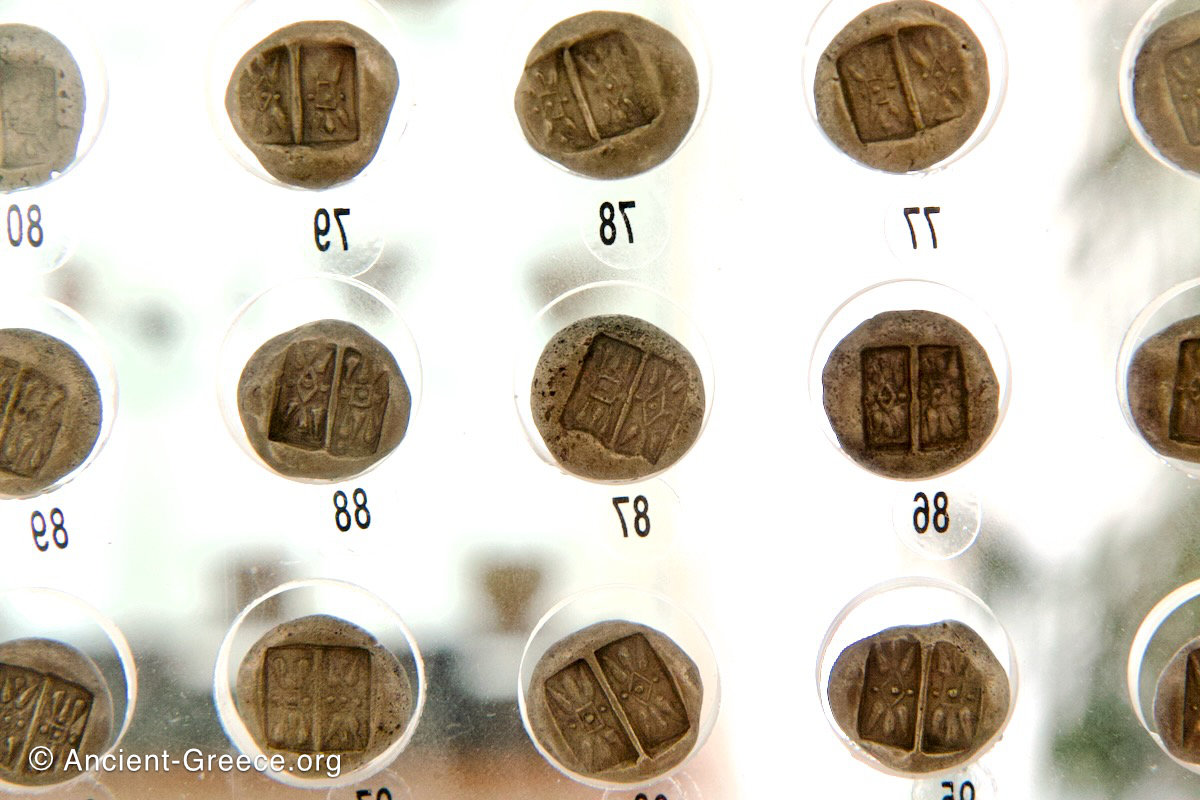
Silvercoins from Stratia, Corfu, Greece. On the left: Stater (στατήρ) coins with depiction of a cow nursing a calf. End of 6th c. to beginning of 5th c. BCE.
Fourth row:
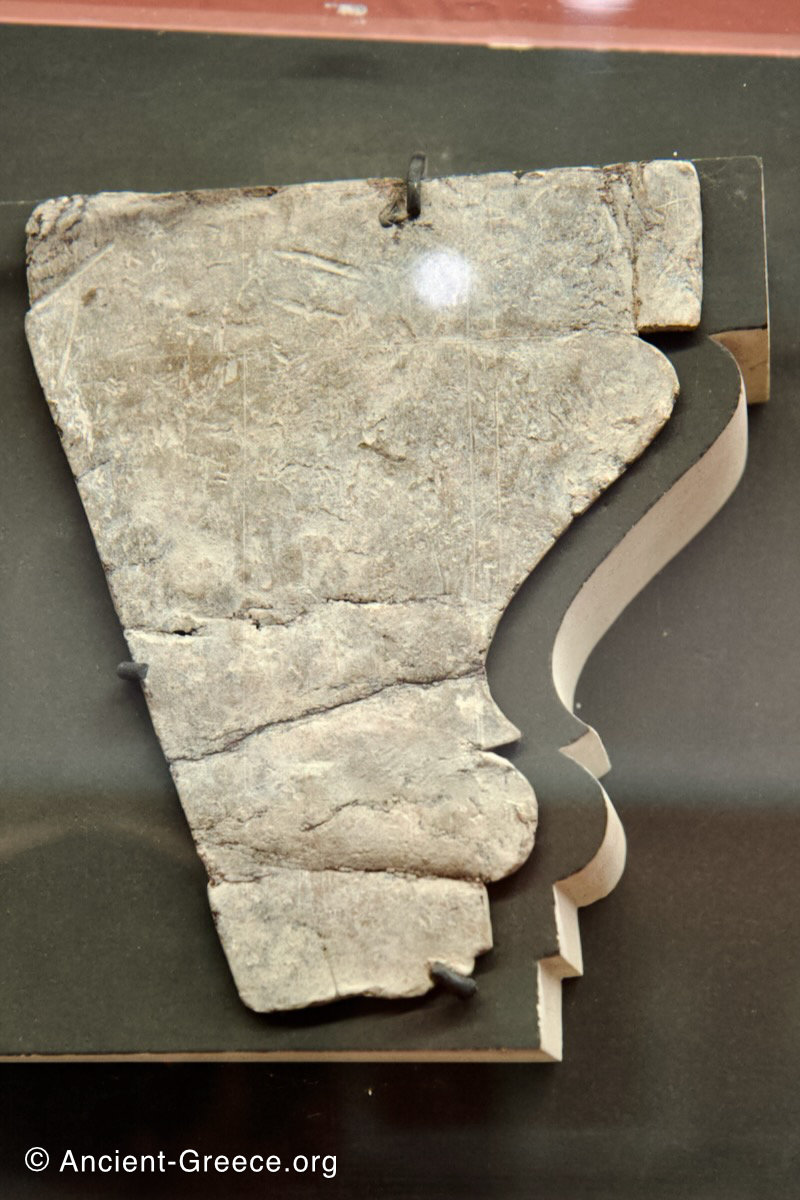
Stone Mason’s profile pattern of a cymatium. Made of lead. A profile pattern for stone masons to use as a guide when carving architectural elements.
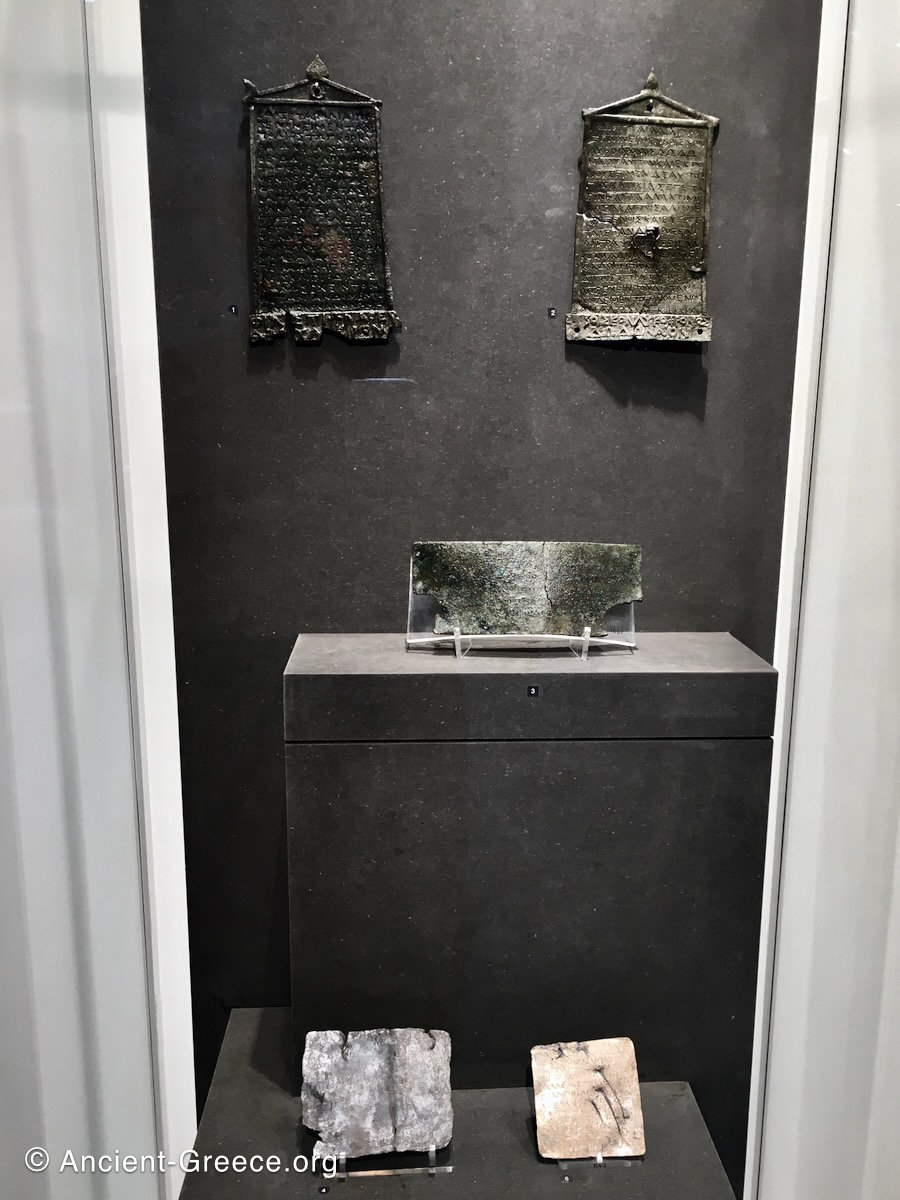
Proxeny inscribed tablets.
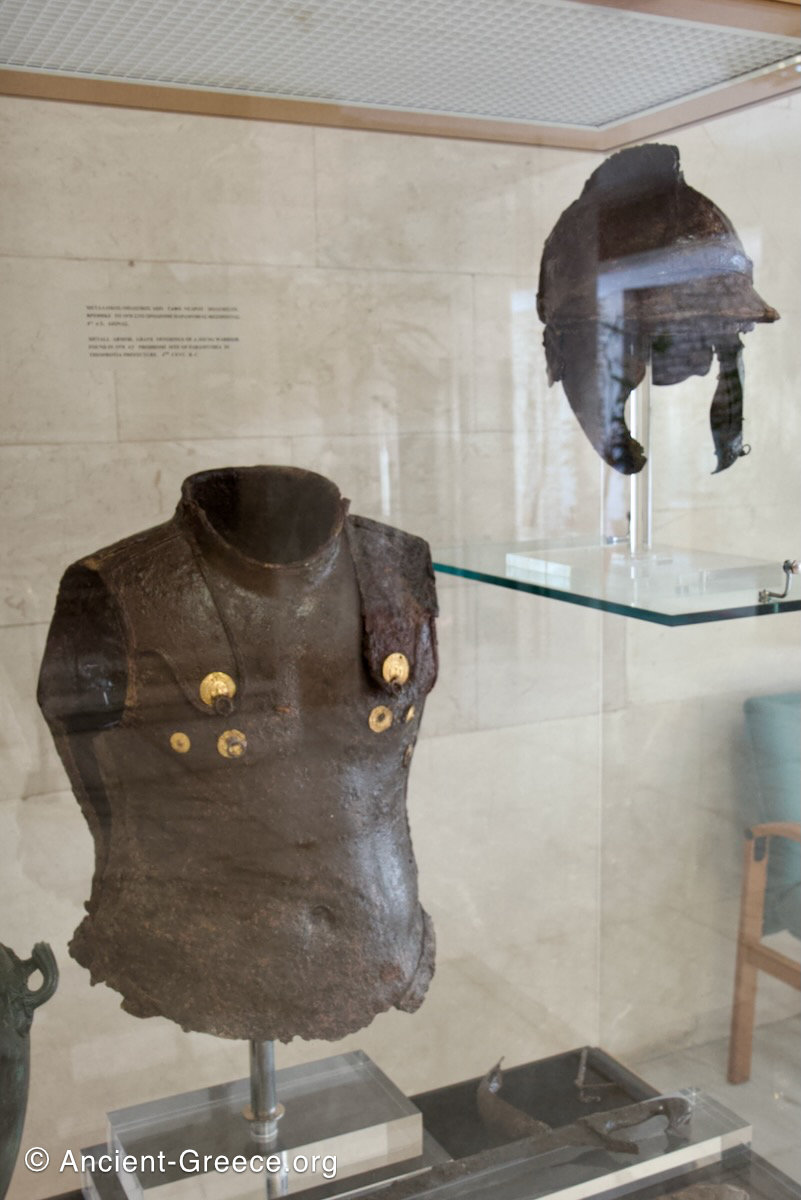
Metal armor found in a grave in Prodromi site of Paramythia in Thesprotia, Greece. 4th c. BCE.