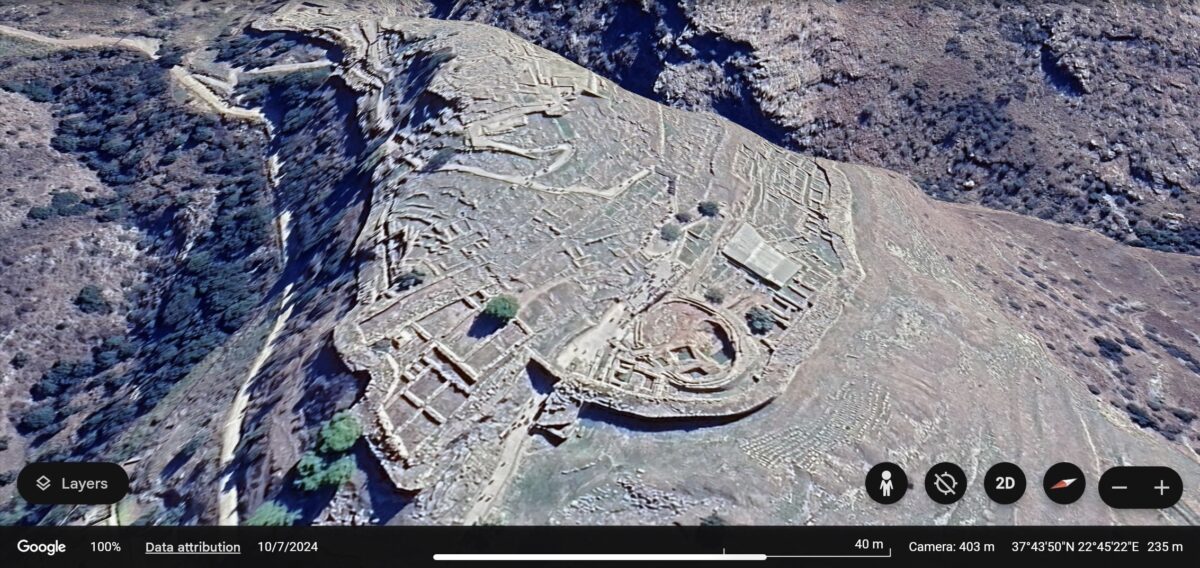
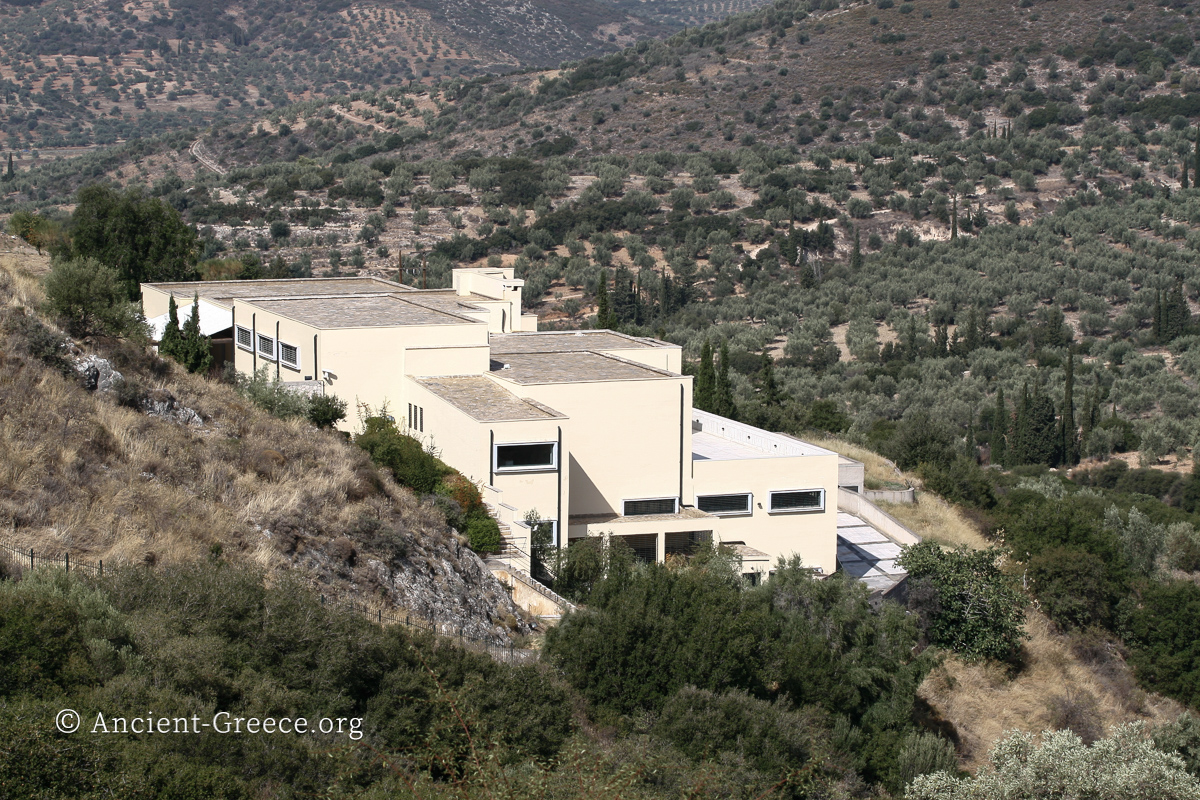
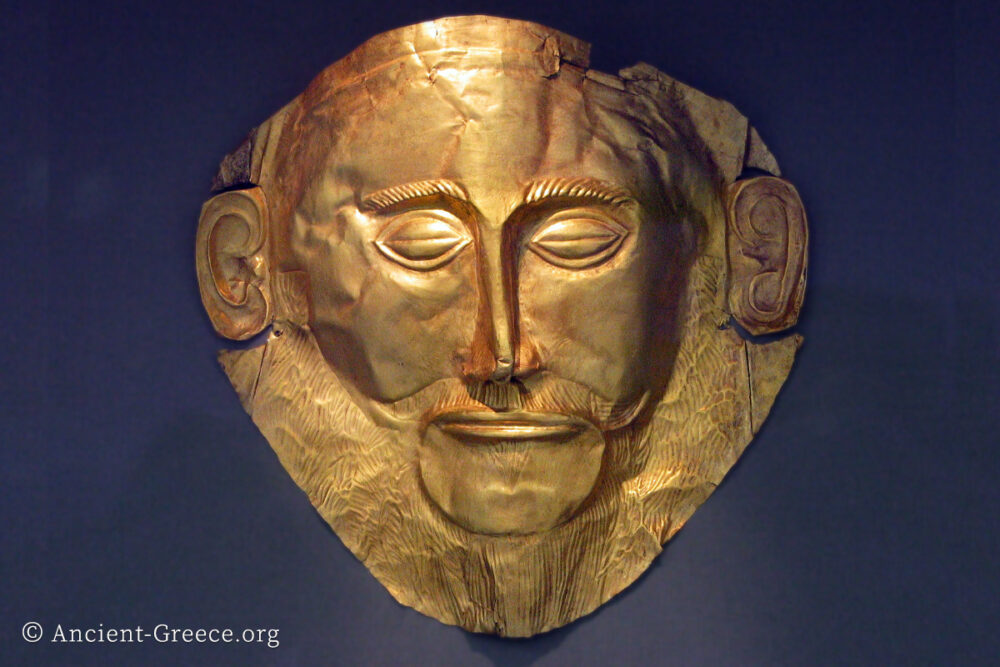
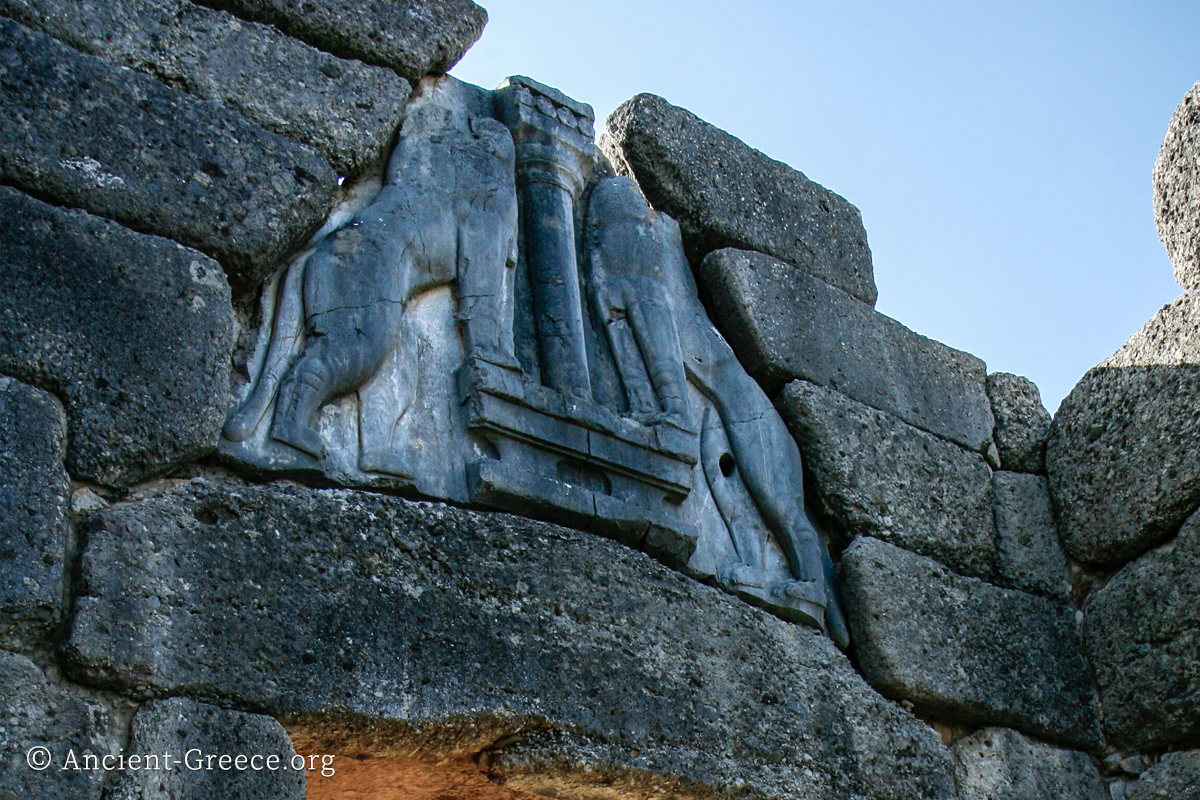
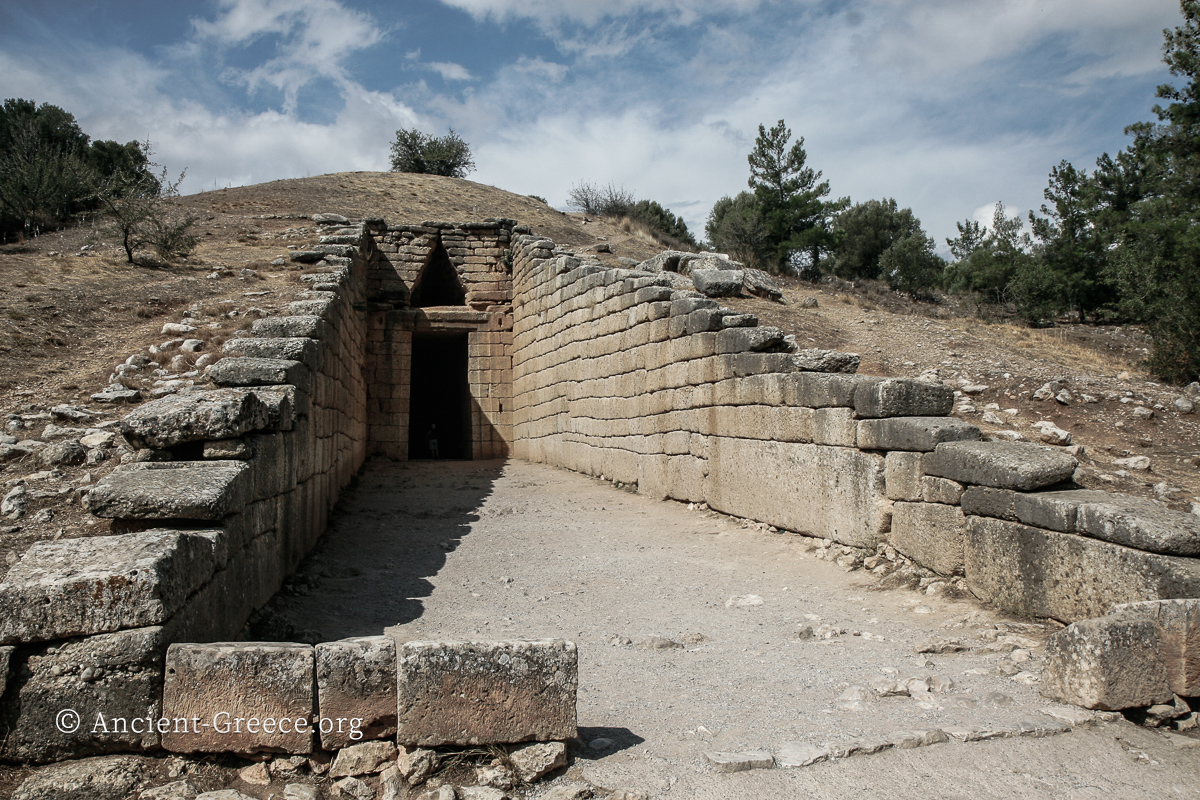
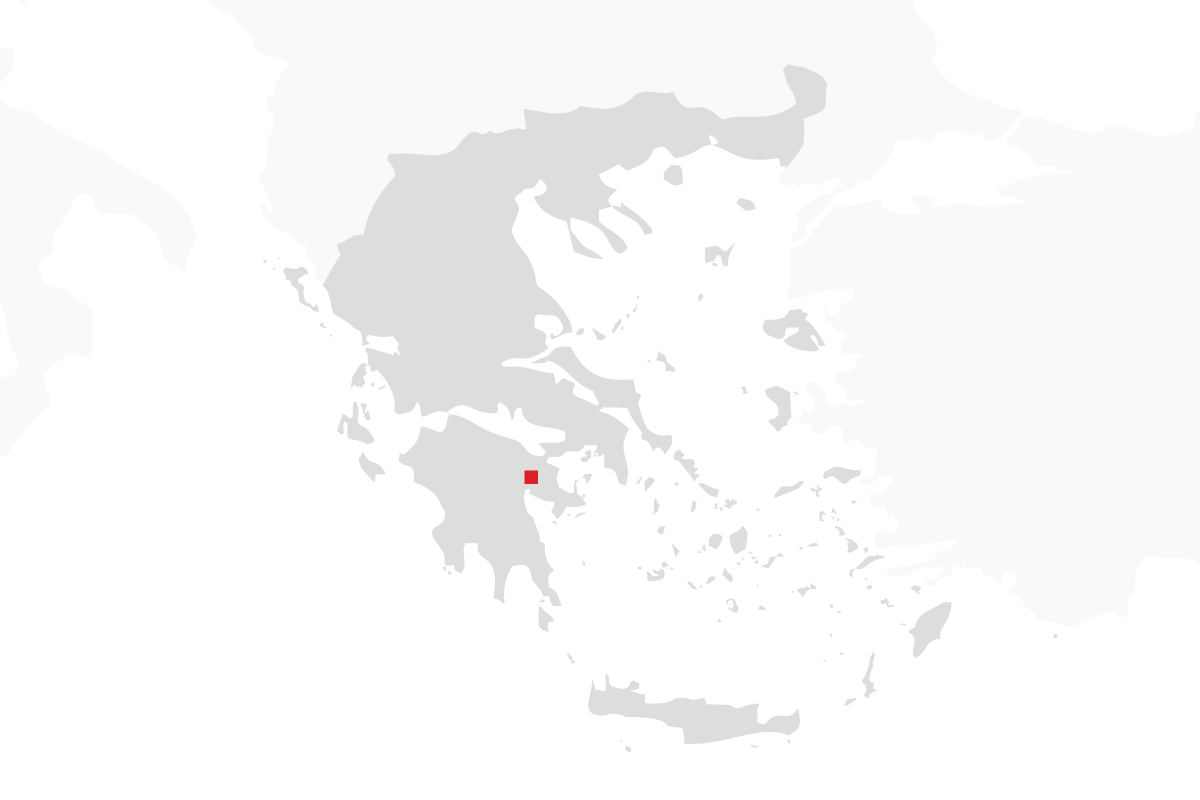
Mycenae Museum is built next to Mycenae archaeological site to house artifacts from the Bronze Age citadel excavations. While the most important Mycenaean artifacts are exhibited at the National Archaeological Museum of Athens, a variety of other objects unearthed in the vicinity are exhibited in its three halls. It provides context to the excavations and it is easily visited after a tour of the archaeological site.
Grave Stele
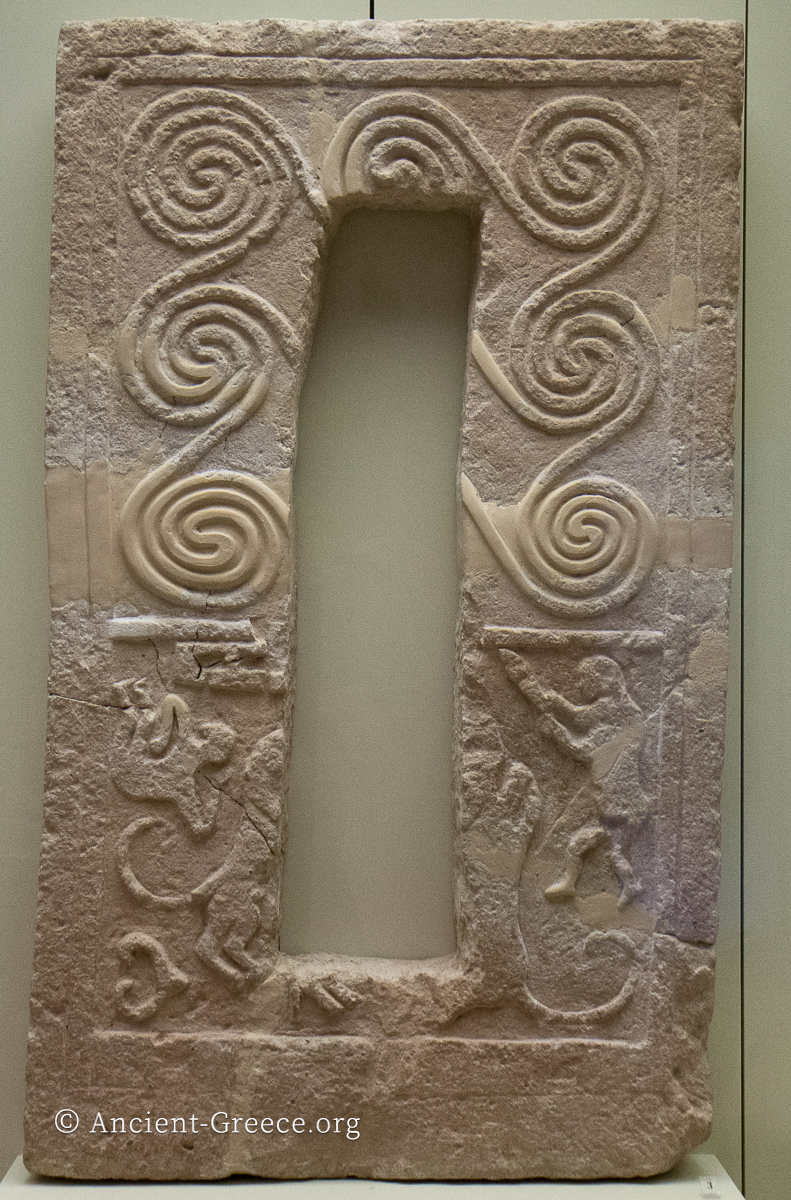
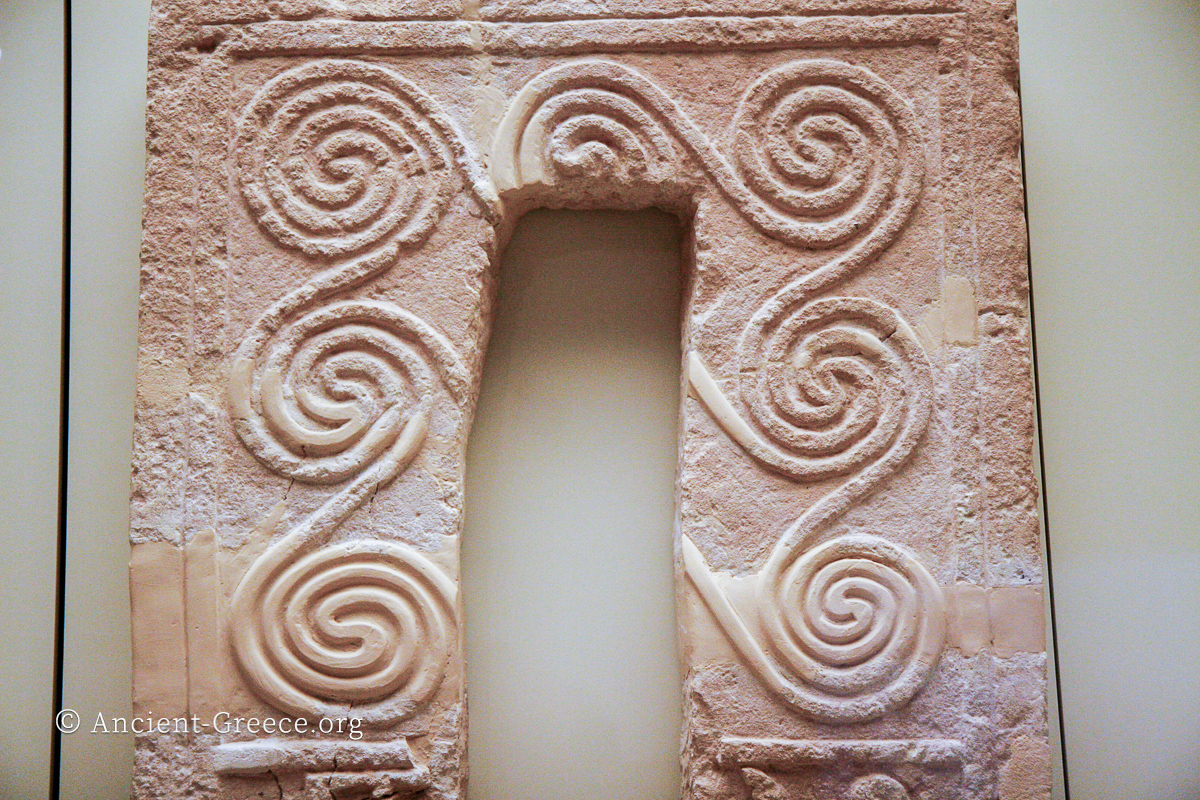
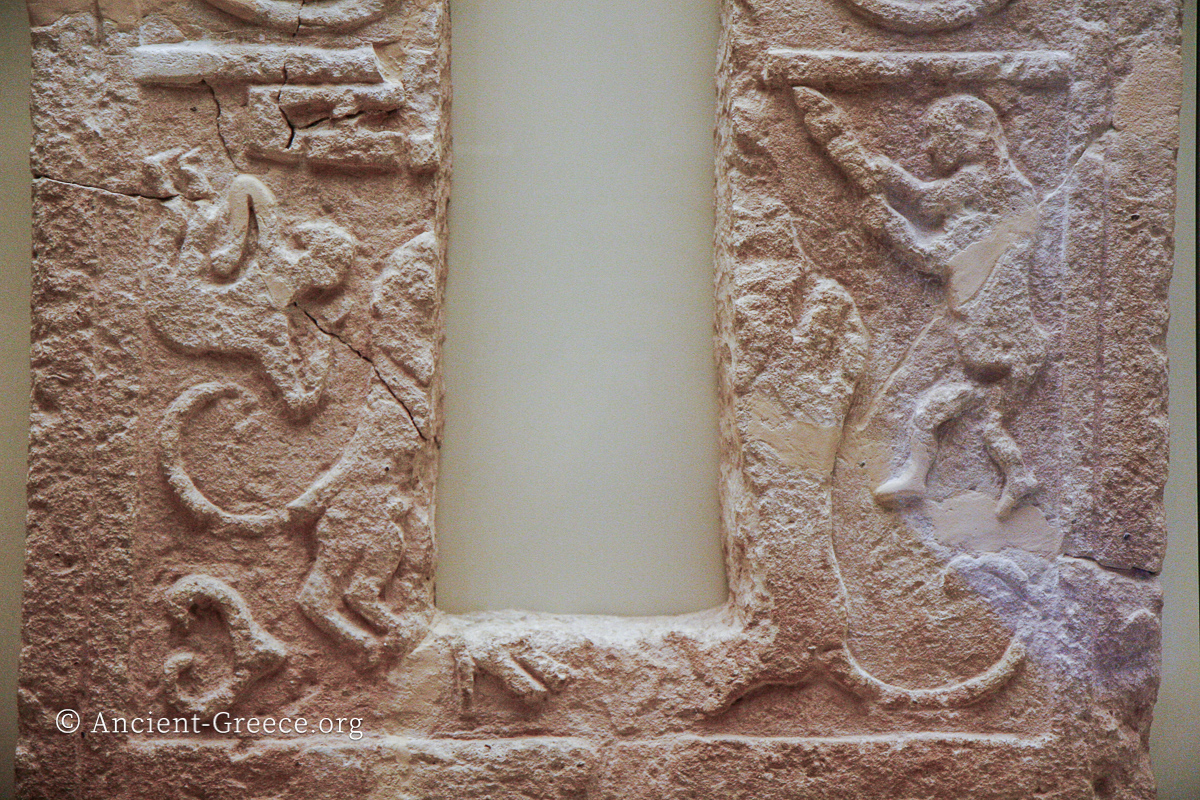
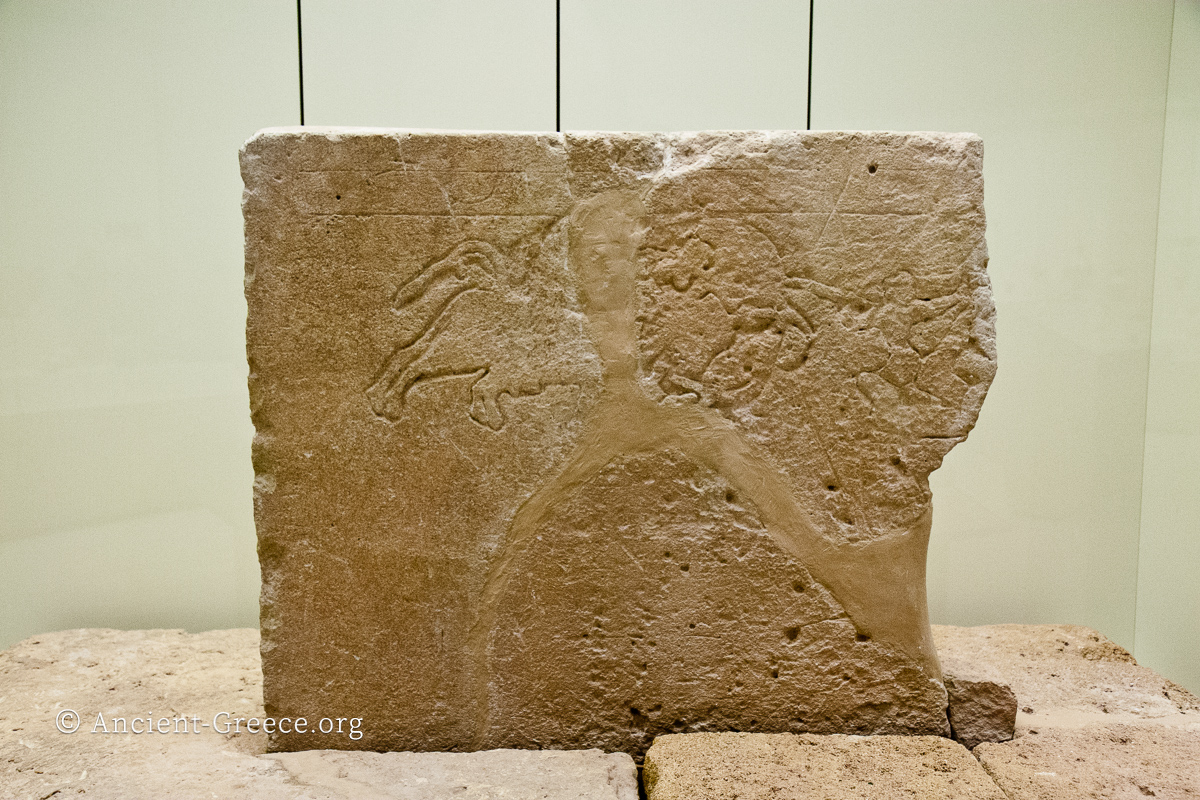
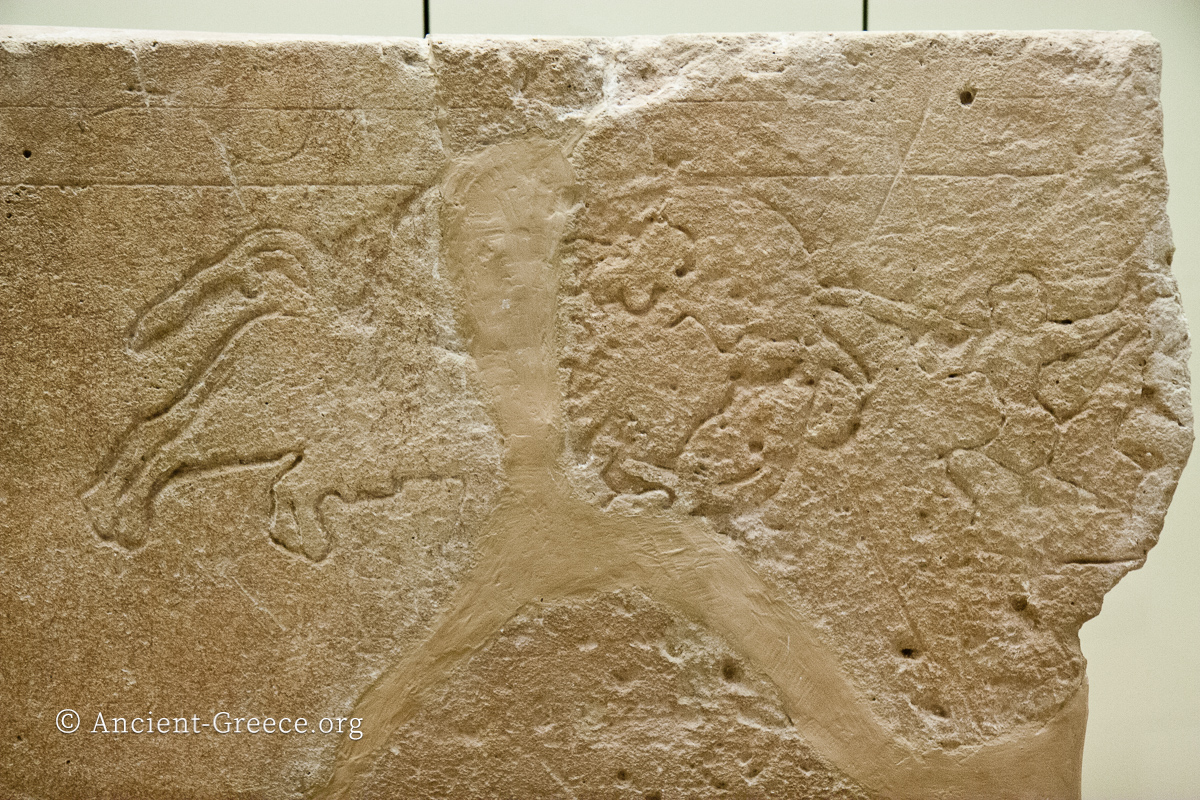
Steele from Grave Circle B, Grave Γ (Game). LHI, circa 1600-1550 BCE.Steele detail from Grave Circle B, Grave Γ (Game). LHI, circa 1600-1550 BCE.Steele detail from Grave Circle B, Grave Γ (Game). LHI, circa 1600-1550 BCE.Mycenae Grave Circle B: Grave stele from Grave Α. Circa 1625-1600 BC.Mycenae Grave Circle B: Grave stele detail. From Grave Α. Circa 1625-1600 BC.
Left to right: Grave Steele. The middle part is missing (probably reused for another building). Typical themes of Mycenaean stele include geometric motifs, animals like lions and bulls, hunting, and battle scenes.
Two photos on right: Grave stele MH III. 1700-1600 BCE.
Frescoes
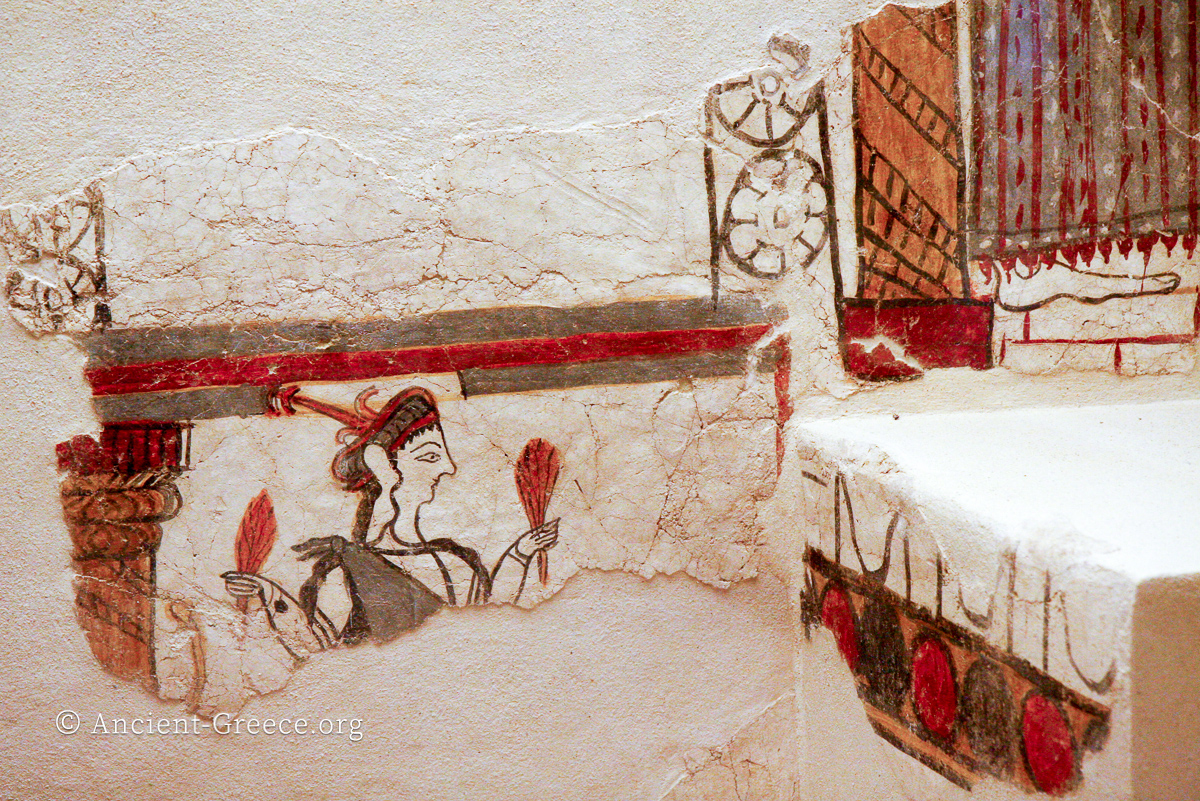
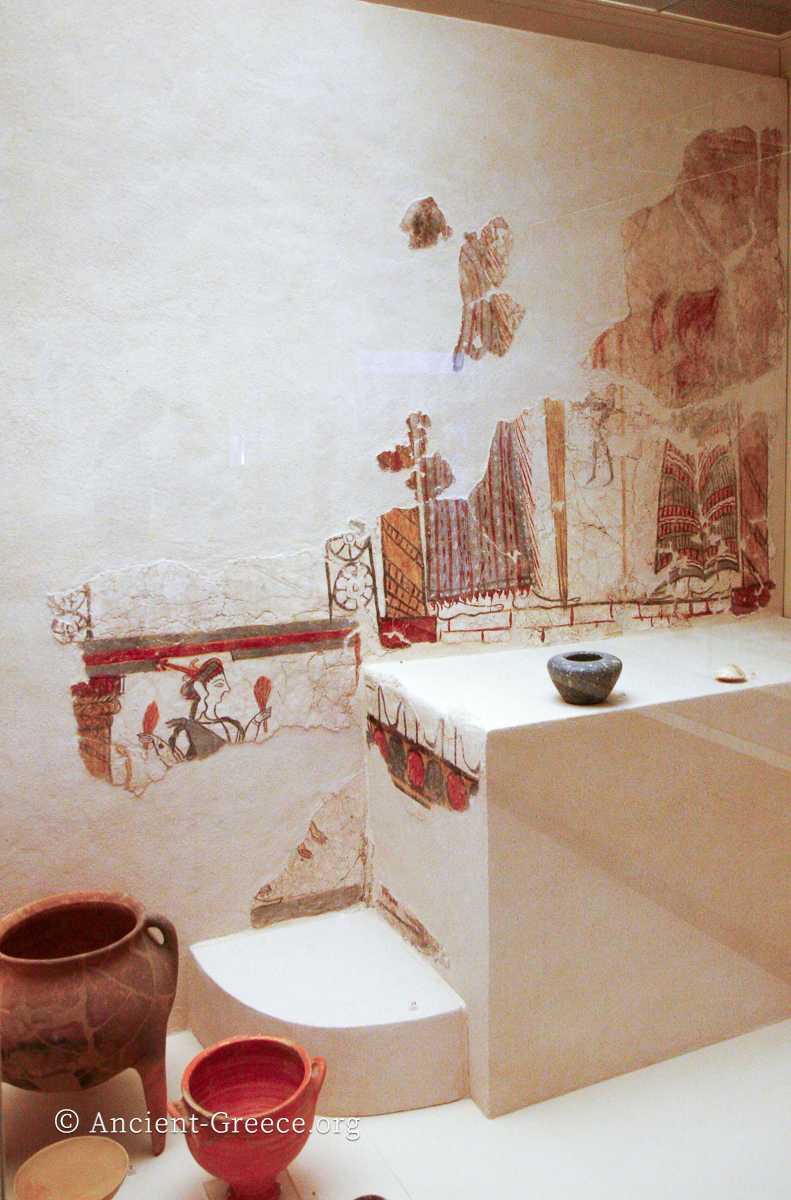
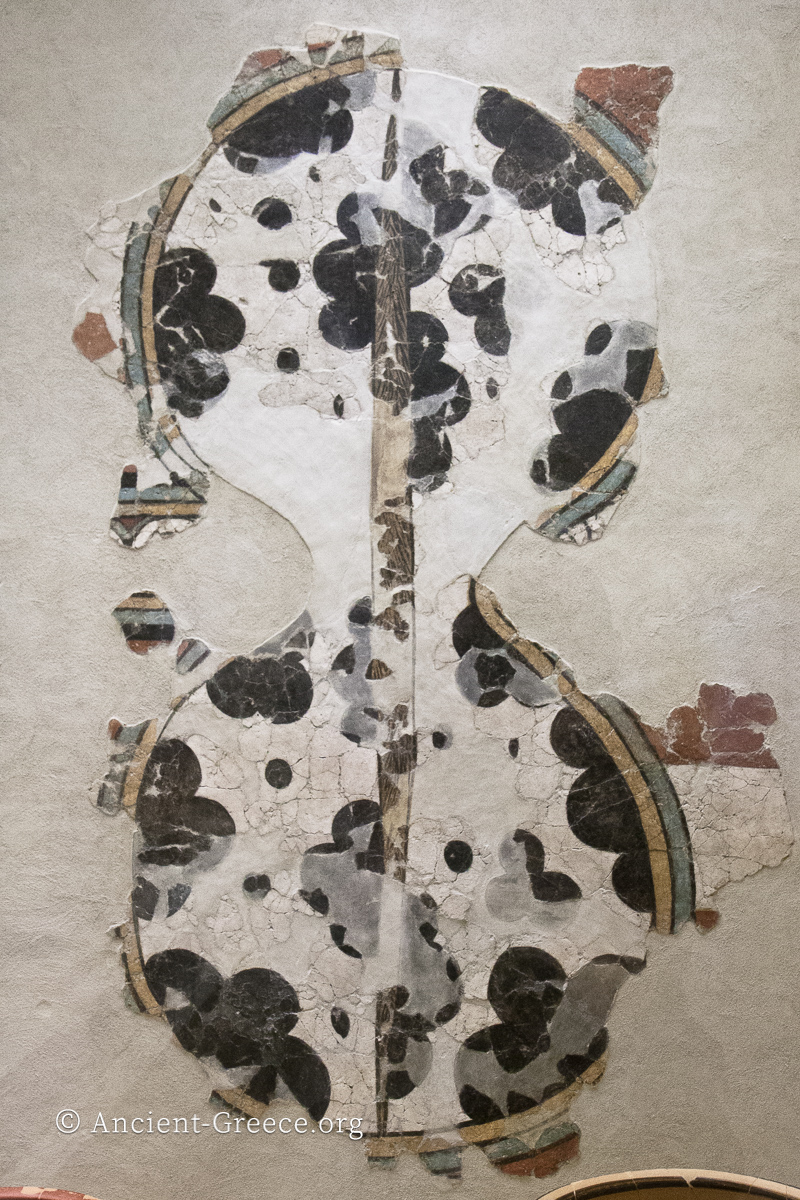
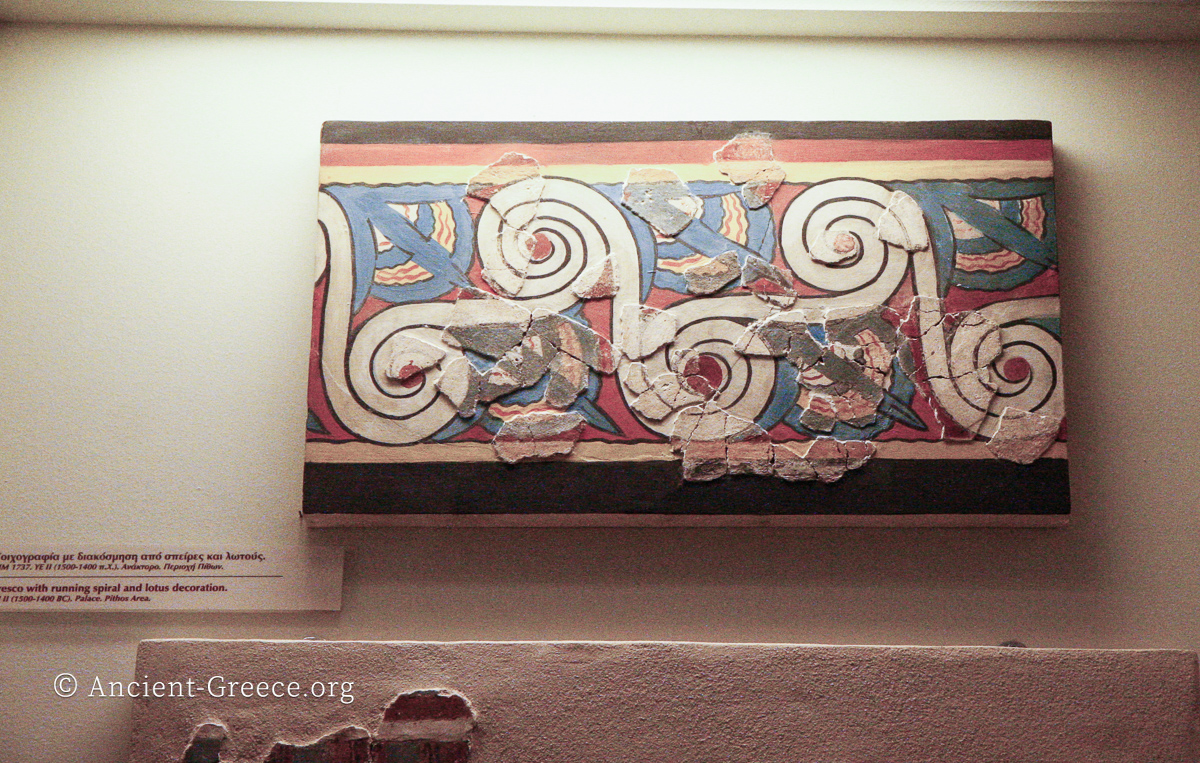
Fresco LH IIIB2 detail. 1250-1180 BCE.Mycenaean Fresco LH IIIB2 (1250-1180 BCE)Fresco depicting a “figure eight” shield. LH IIIB2 (1250-1180 BCE) from Corridor M.Fresco with running spiral and lotus decoration. Circa 1500-1400 BCE.
Left to right: Fresco LH IIIB2 (1250-1180 BCE). It is the largest Mycenaean fresco in situ. It includes three female figures on two different levels. The figure on the far left appears below a representation of a door decorated with rosettes. She holds two sheaves of wheat. To the right, one female figure with a sword faces another woman holding a staff, and between them is a small male figure suspended in mid-air. One of the females is dressed in a Minoan-style dress, while the other two in typical Mycenaean outfits.
Fresco depicting a “figure eight” shield. LH IIIB2 from Corridor M. 1250-1180 BCE.
Fresco with running spiral and lotus decoration. Found in the Palace, in the Pithos area. Circa 1500-1400 BCE.
Ceramic Vessels
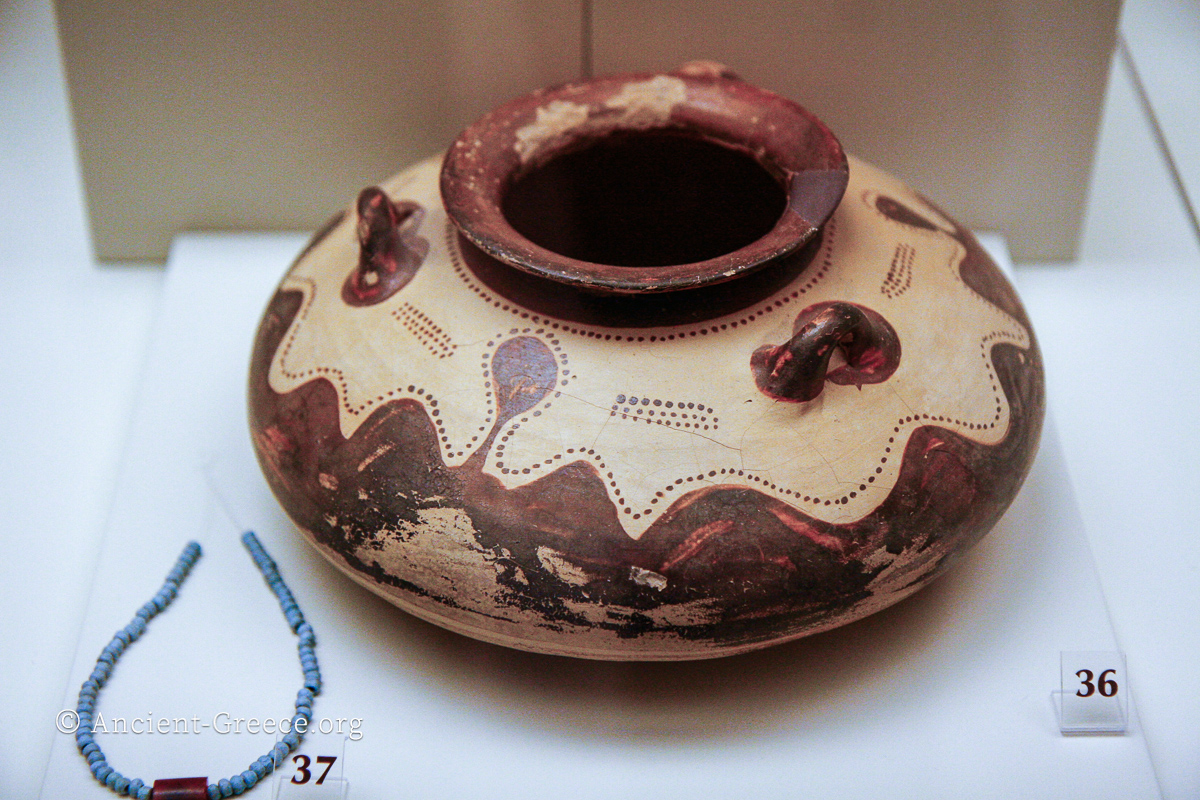
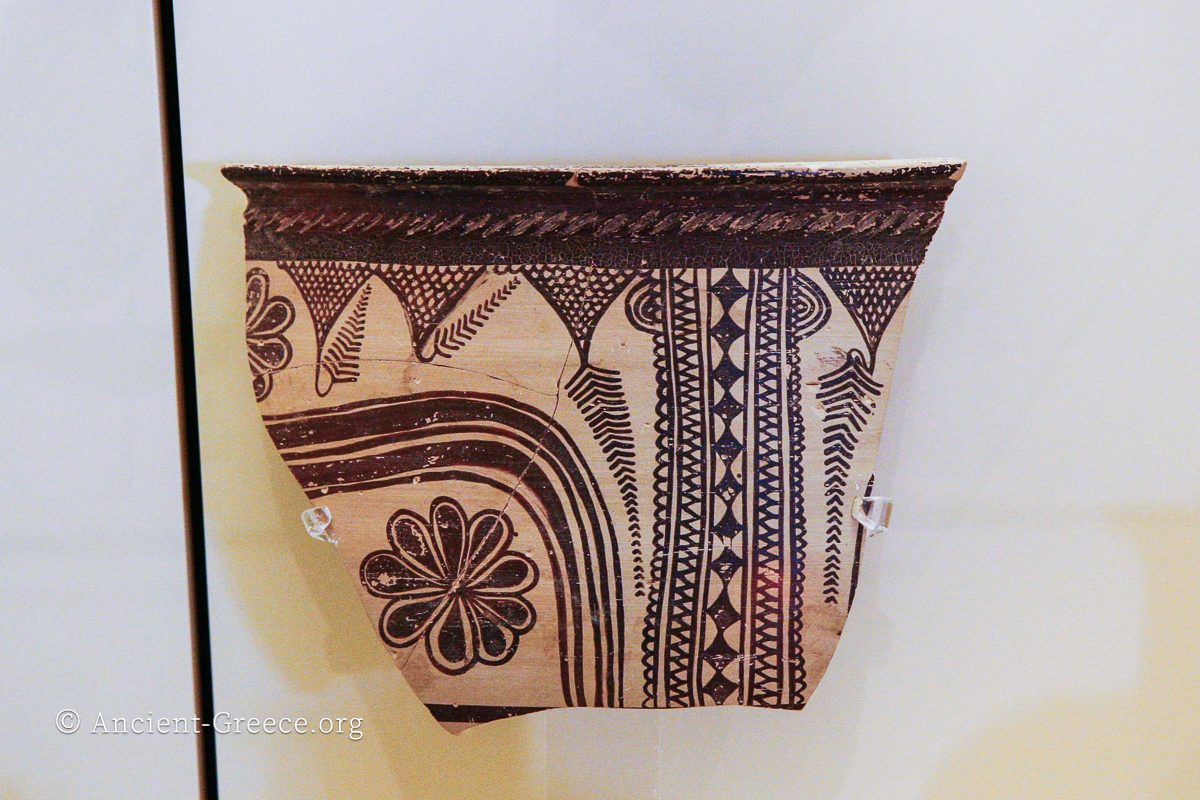
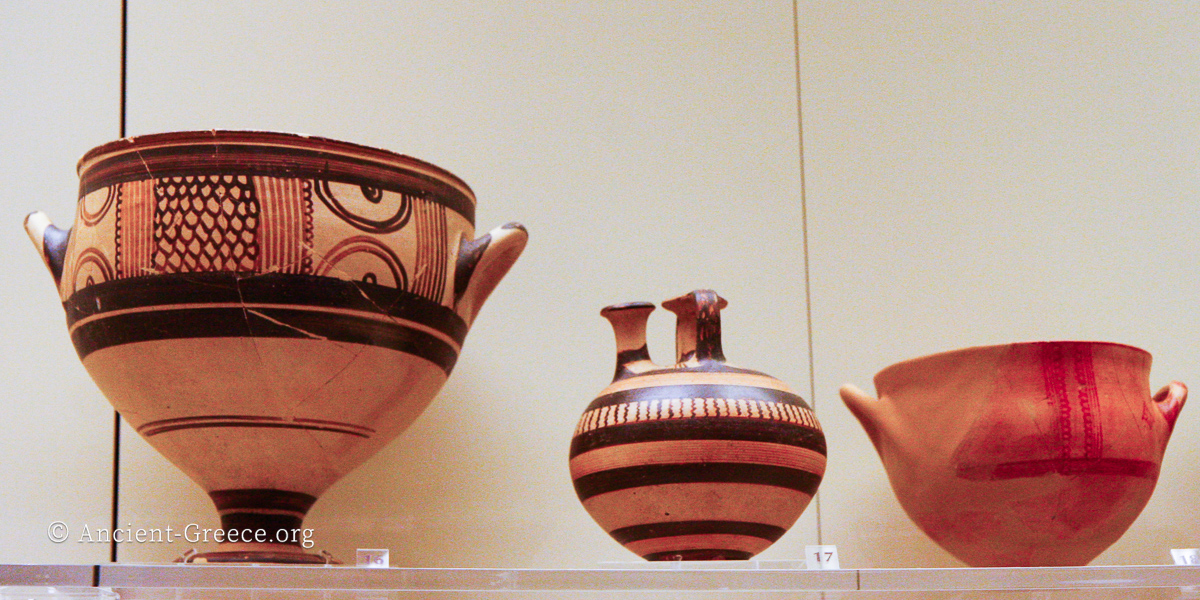
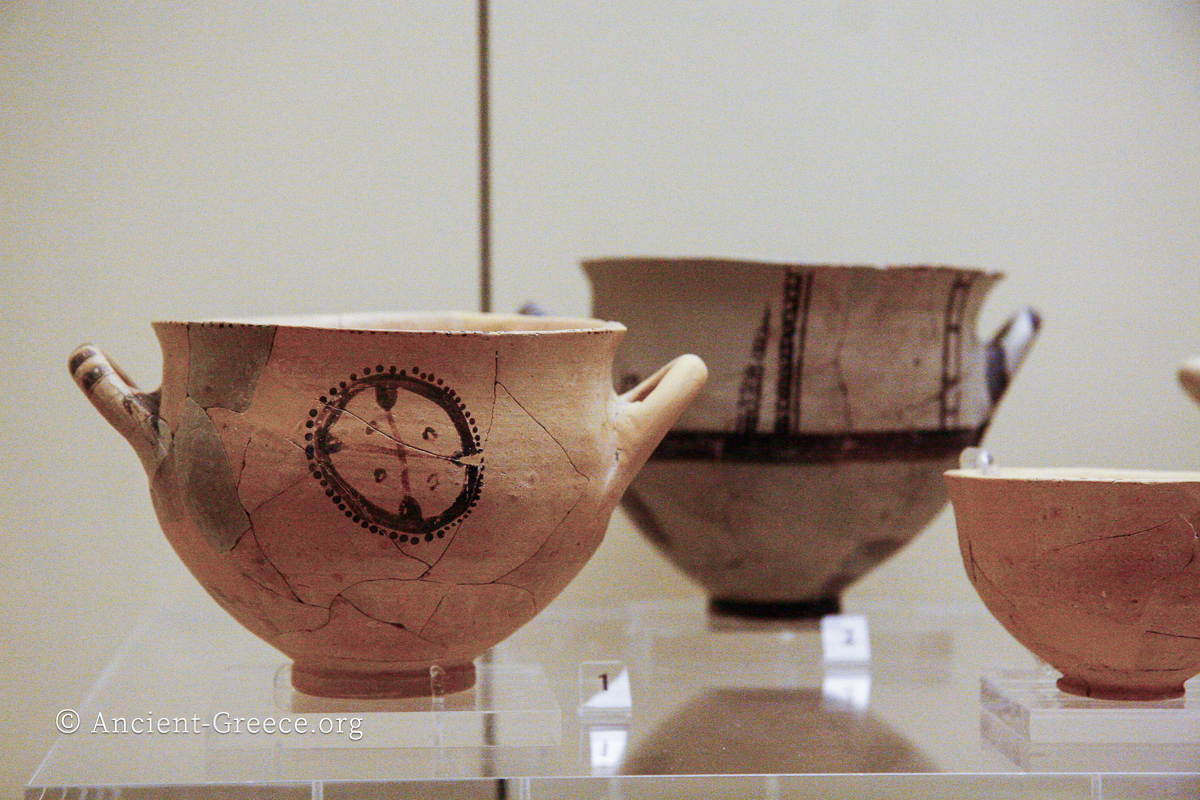
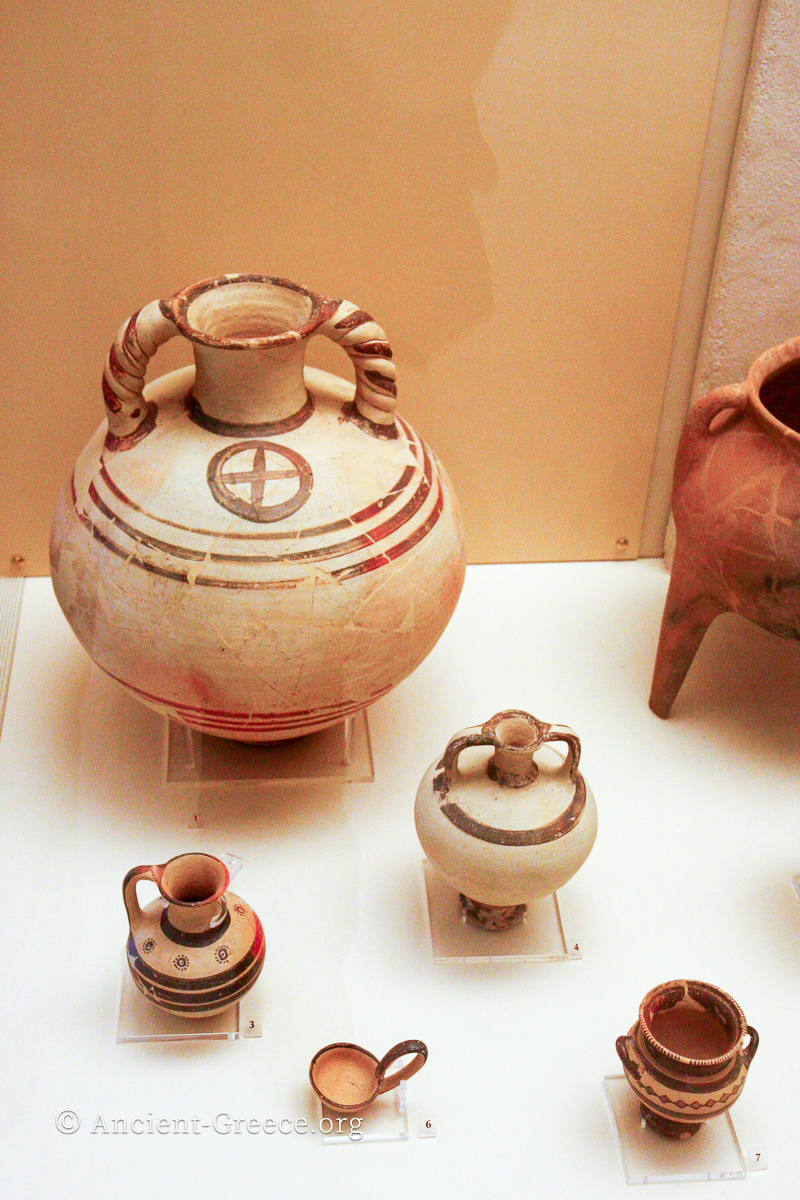
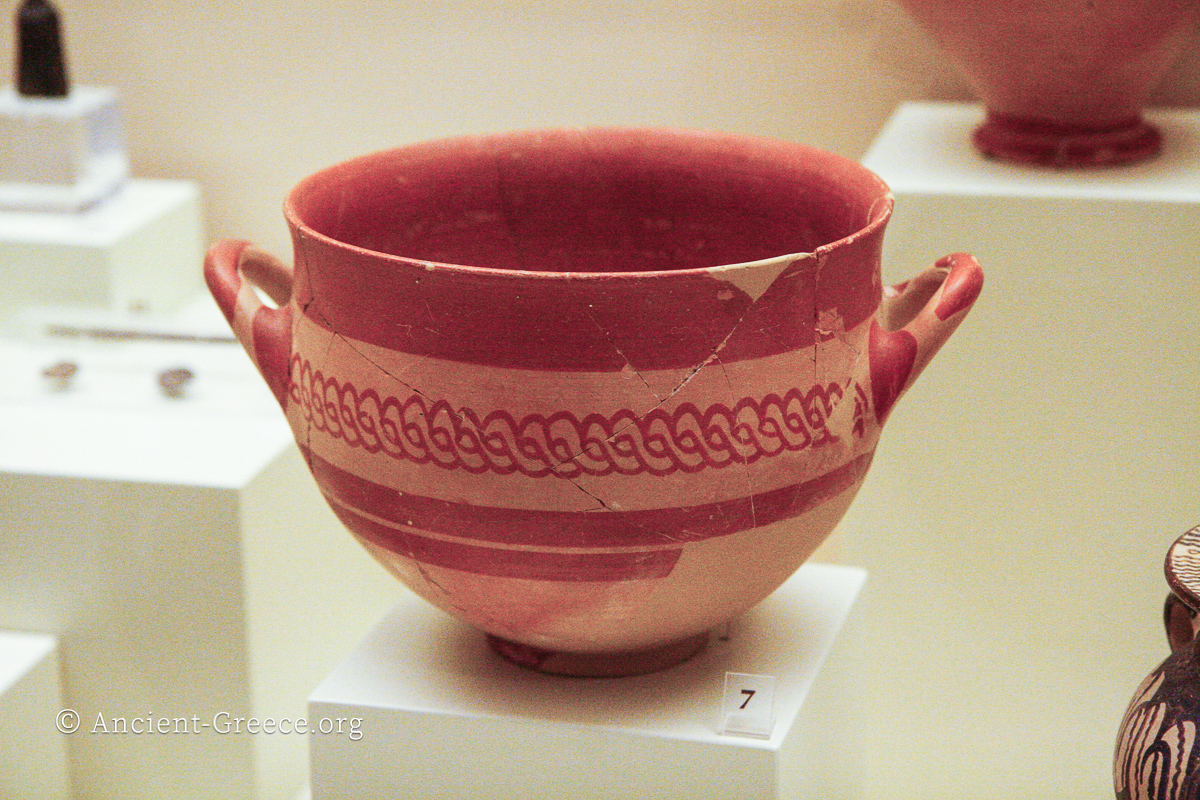
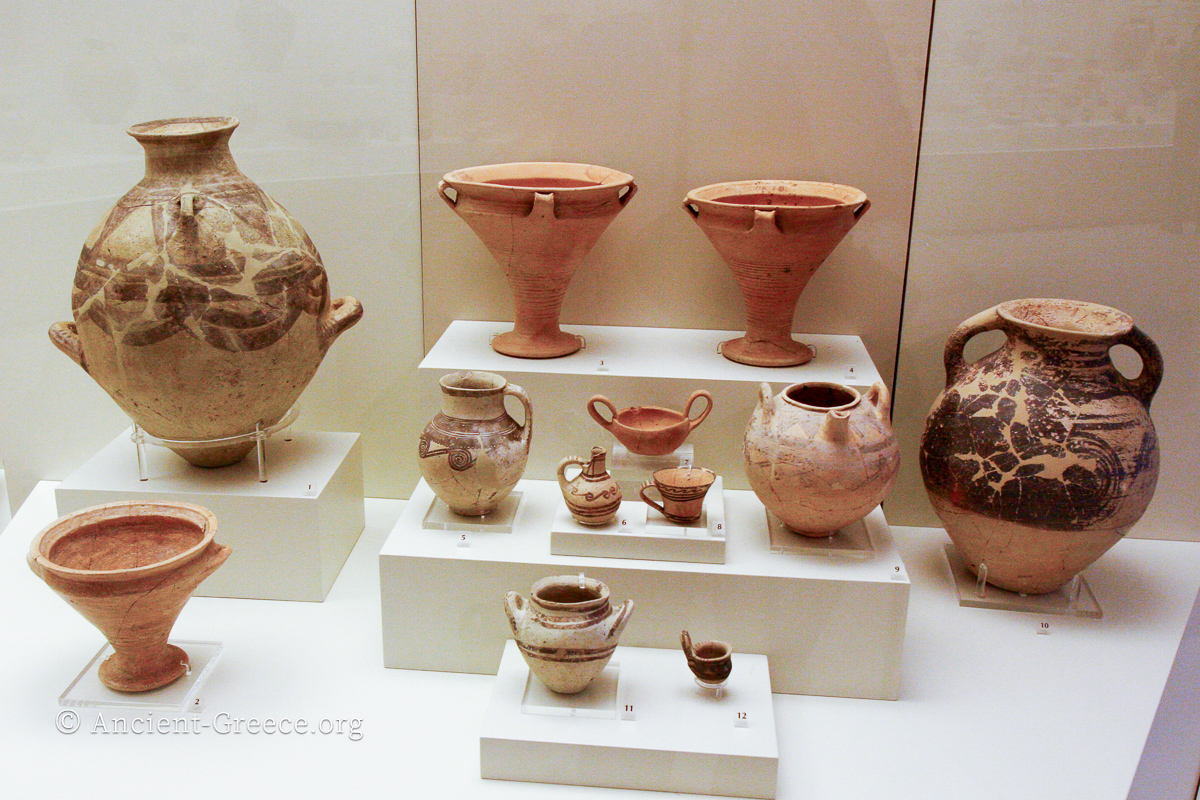
Alabastron LH IIB. 1450-1400 BCE. Aspria.Ceramic Vessel Fragment from the Archaeological Museum of Mycenae. Greece.Ceramic vessels at the Archaeological Museum of Mycenae. Greece.Ceramic vessels at the Archaeological Museum of Mycenae. GreeceCeramic Vessels from the Mycenae museum.Ceramic vessel at the Archaeological Museum of Mycenae.Clay figurines at Mycenae Archaeological Museum.Ceramic vessels from Grave Circle A (1600-1550 BCE).
Ceramic vessels from various periods.
Figurines
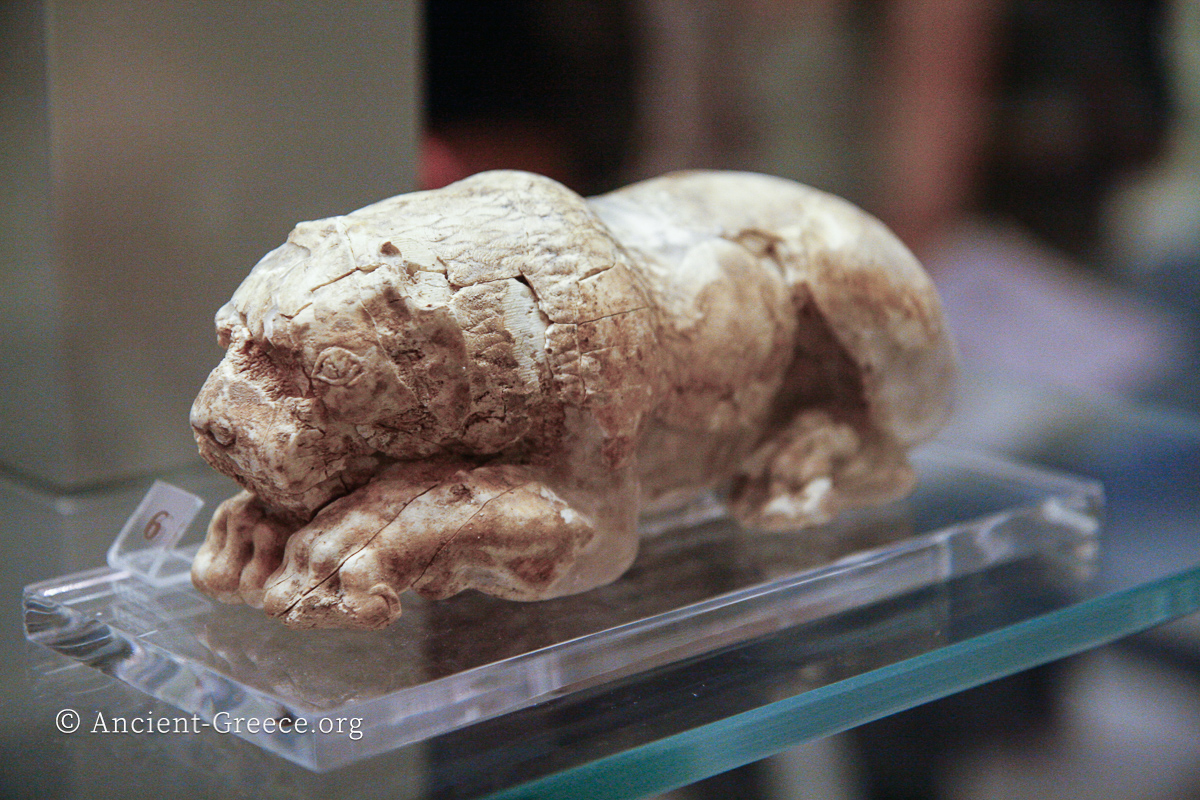
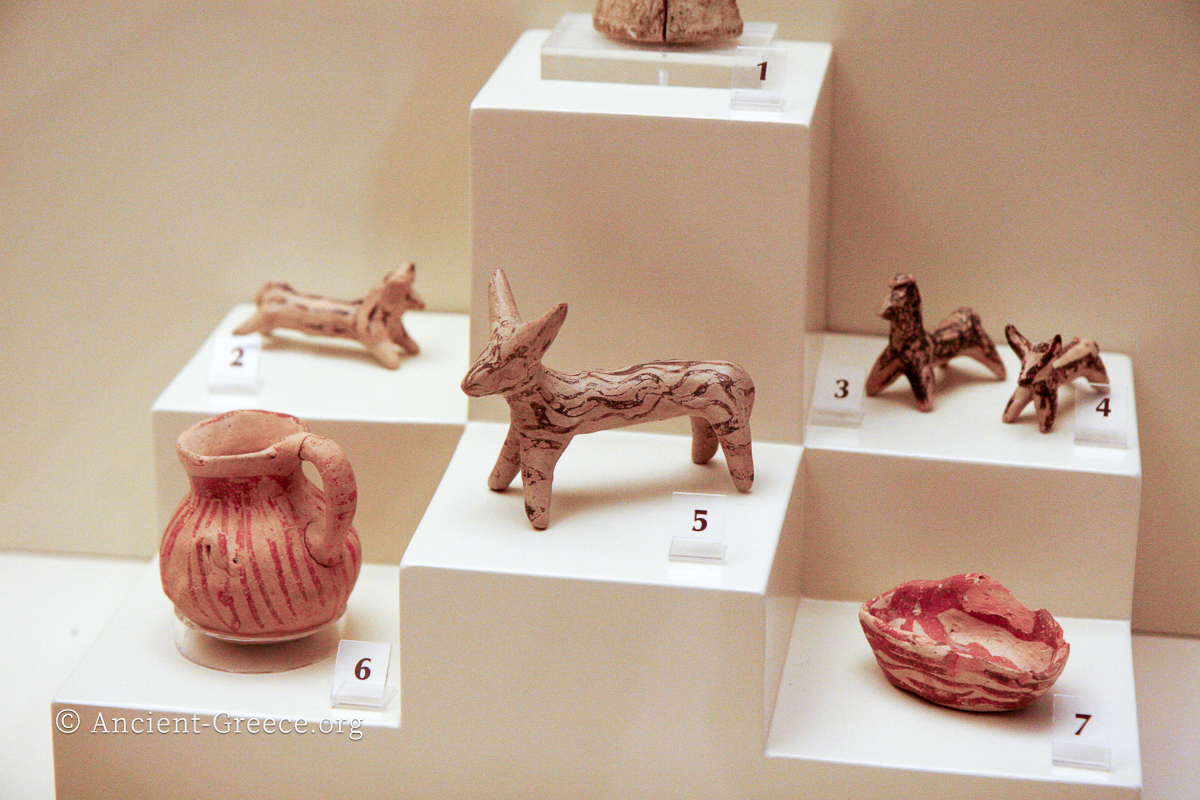
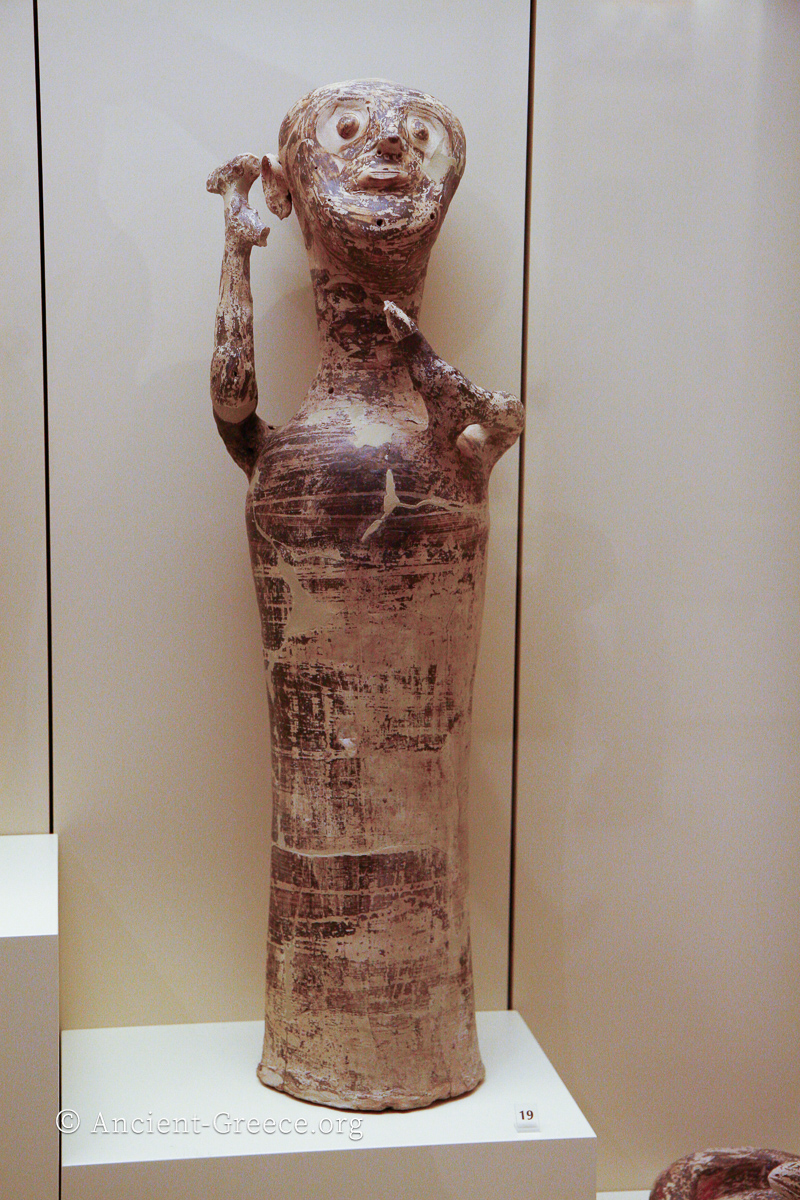
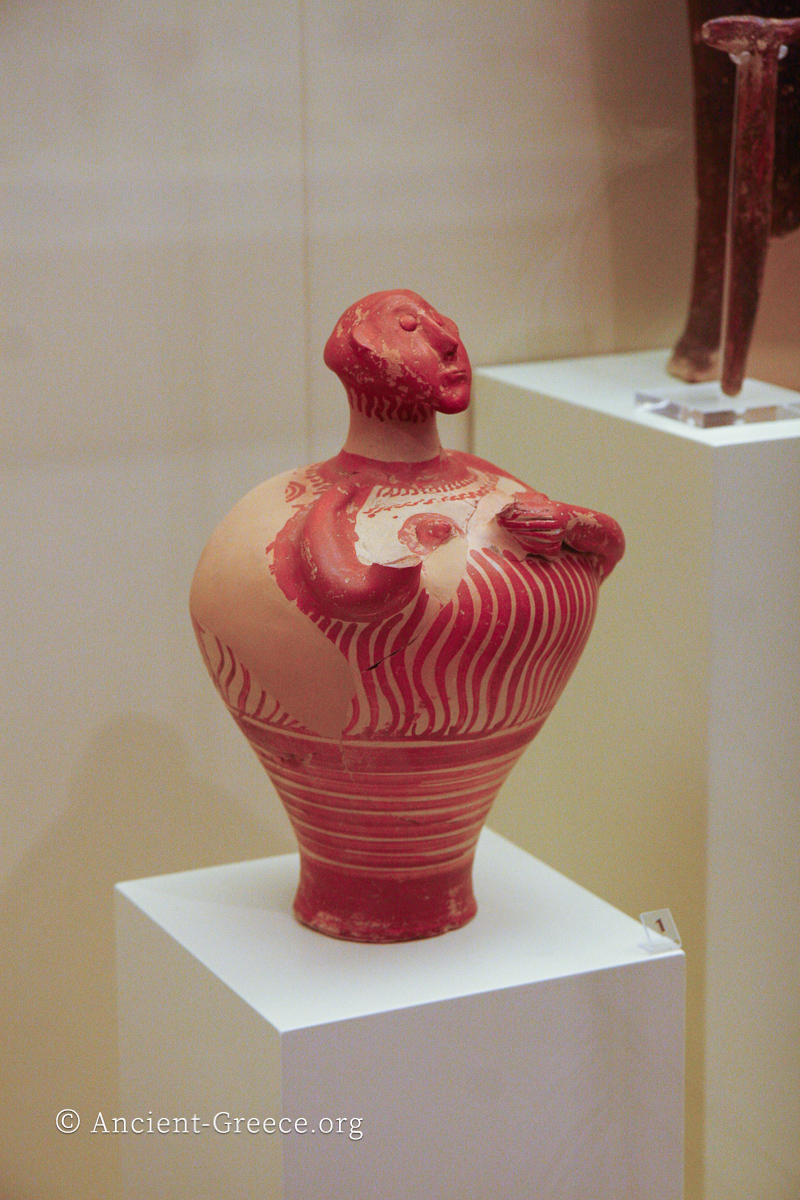
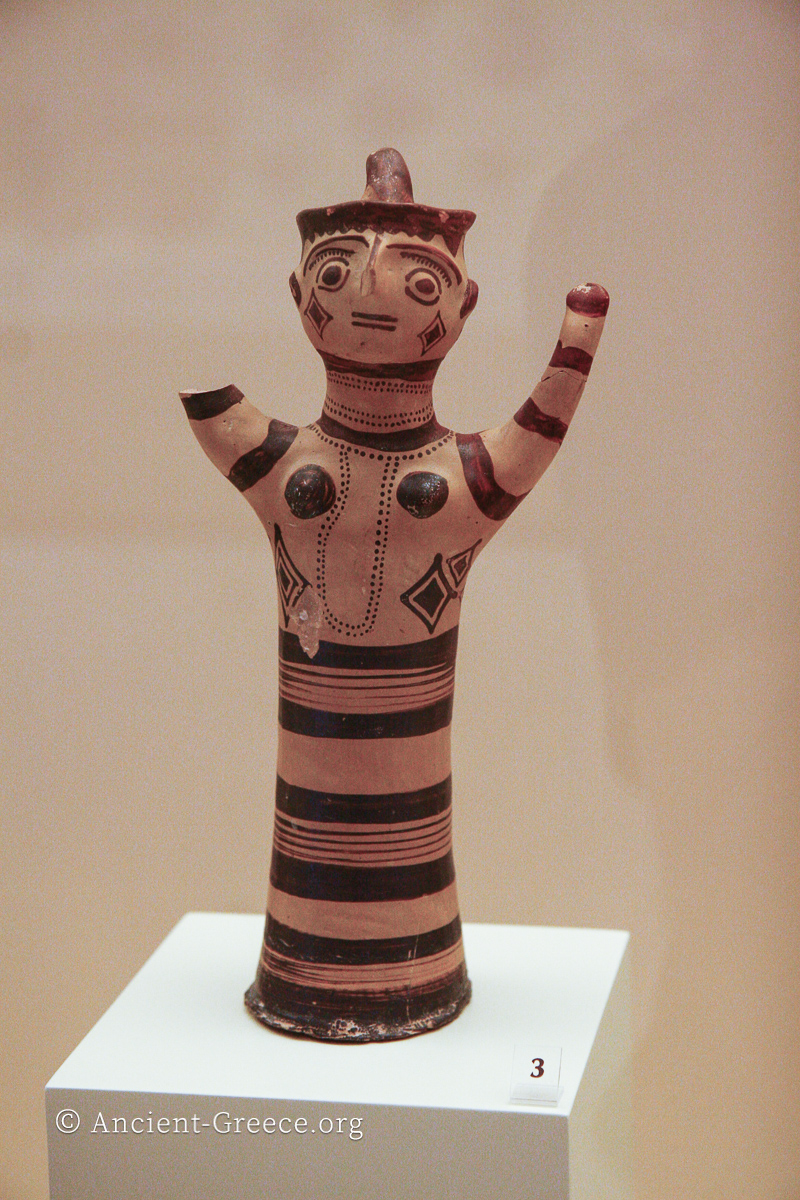
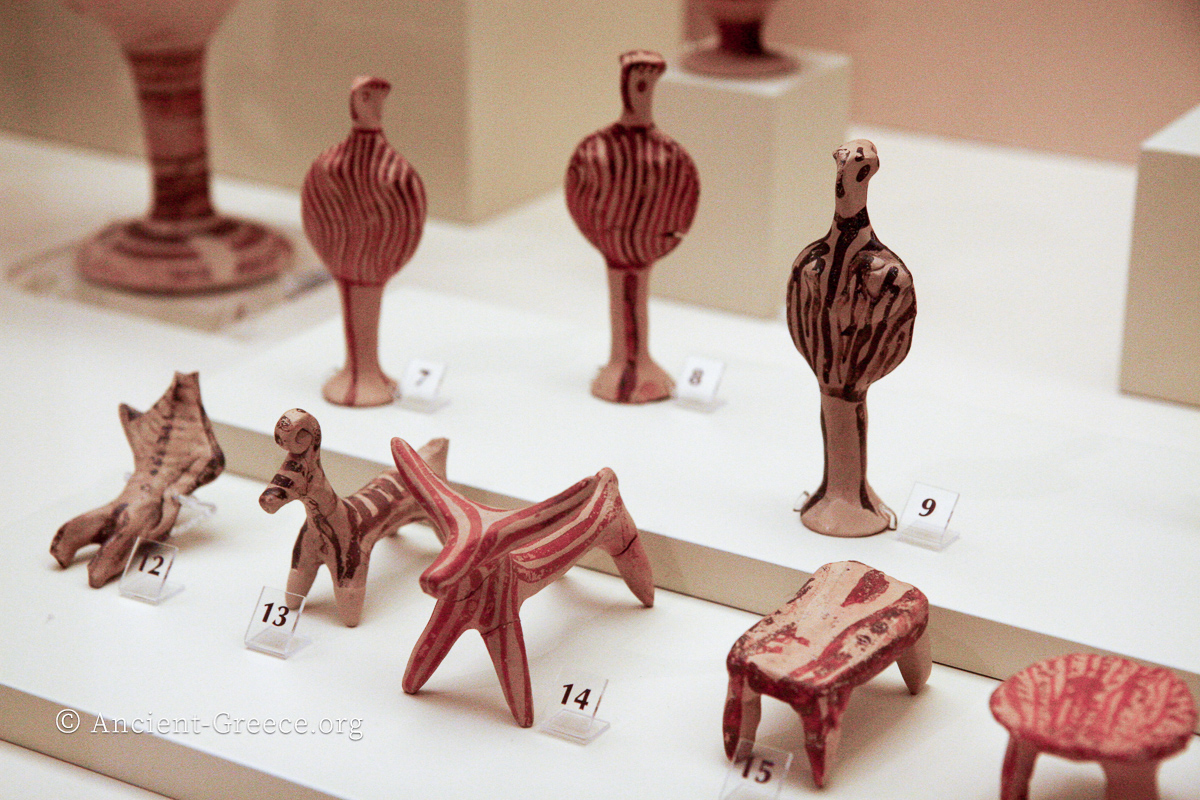
Ivory figurine of a lion. Room with the fresco. LH III B2 (1250-1180 BCE).Anthropomorphic ceramic figurine from LH IIIB2 (1250-1180 BCE).Anthropomorphic ceramic figurine from LH IIIB2 (1250-1180 BCE).Anthropomorphic ceramic figurine from LH IIIB2 (1250-1180 BCE).Figurines from Mycenae.
Left to right: Ivory Lion Figure. LH IIIB2 (1500-1300 BCE) Bastourorachi Tomb 2.
Anthropomorphic ceramic figurines from LH IIIB2. 1250-1180 BCE.
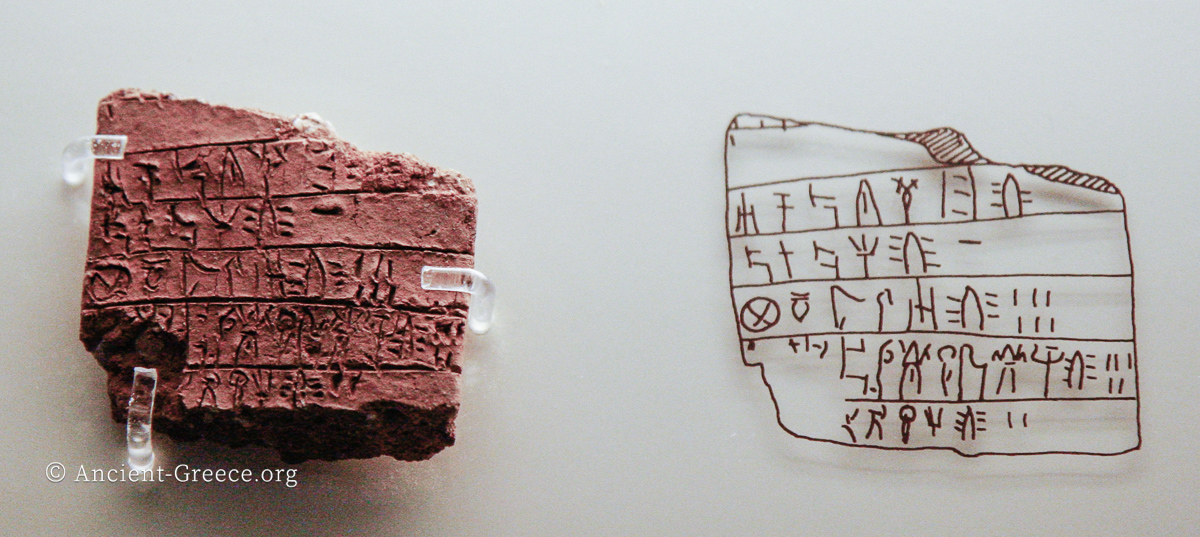
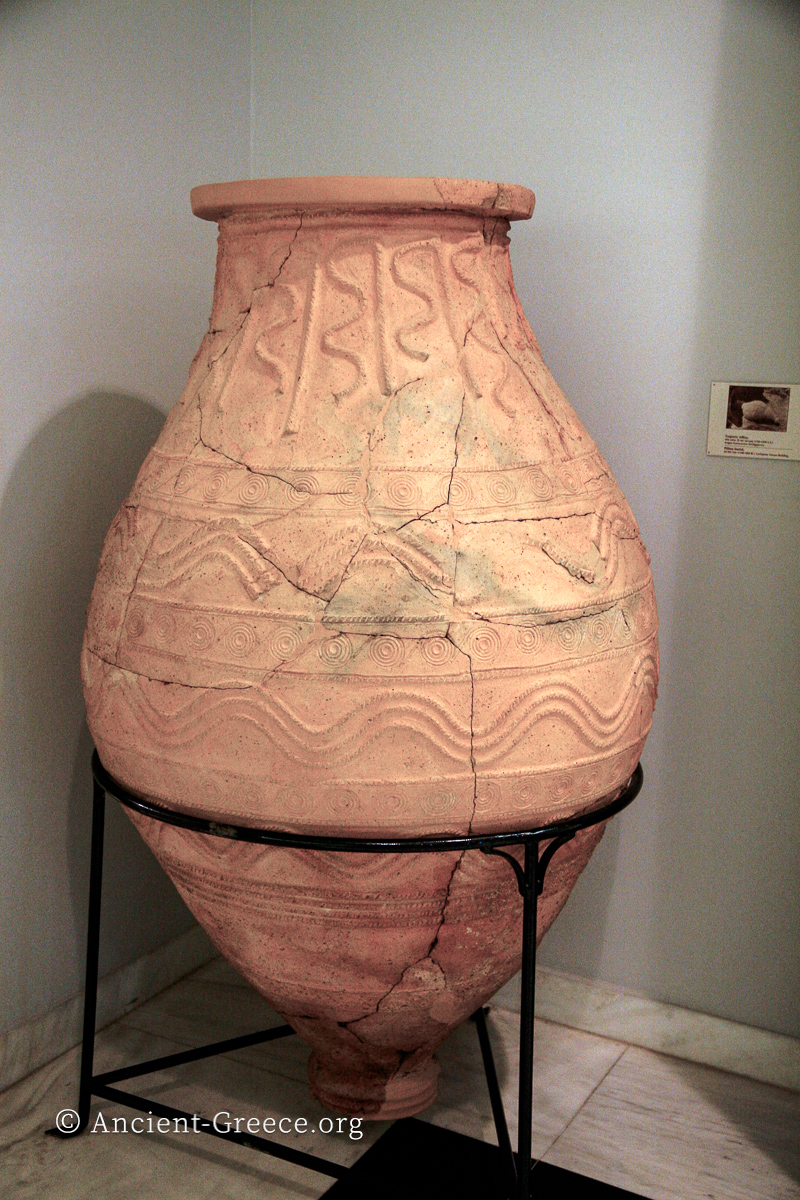
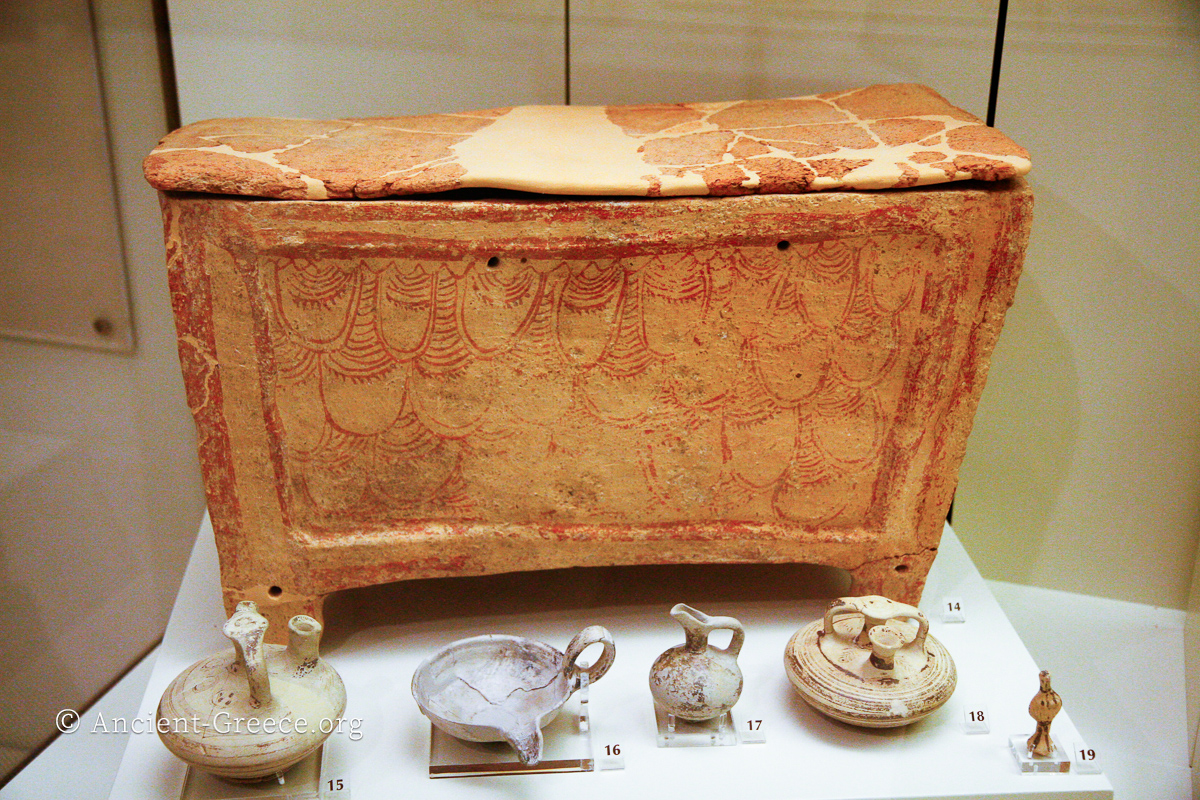
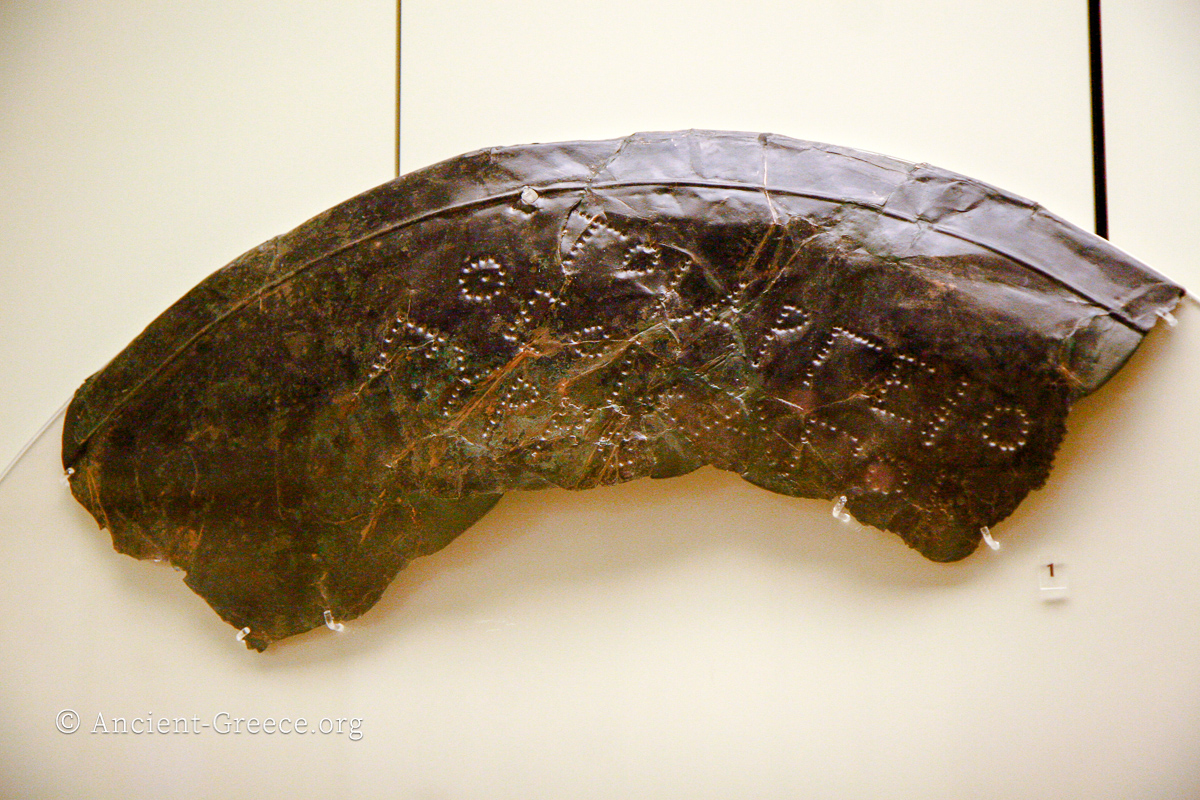
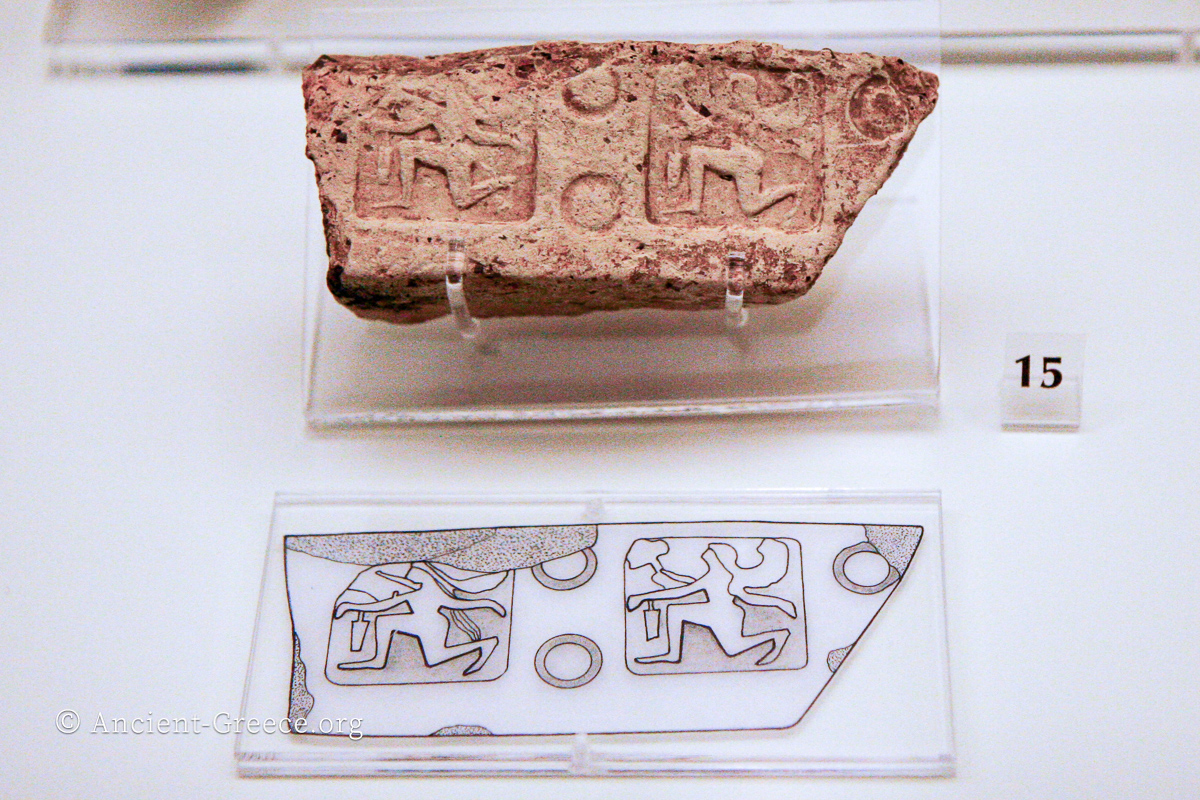
Linear B clay tablet fragment from Mycenae.Funerary Pithos. LH IIIC late (1100-1050 BCE). Cyclopean Terrace Building.Mycenaean Larnax with painted decoration. Vraserka tomb. 1300-1250 BCE.Fragment of an inscribed bronze shield. Building A, room 1. 3d c. BCE.Stamped pithos rim. 6th-5th c. BCE.
Left to right: Linear B tablet; Pithos burial from LH IIIC late 1100-1050 BCE; Ceramic larnax; Fragment of inscribed bronze shield. 3d c. BCE.