Athens

-
Acropolis Archaeological Site
The Acropolis (Ακρόπολις) archaeological site includes monuments and artifacts going back at least to the Mycenaean era. In…
-

Acropolis Museum
The Acropolis Museum (Μουσείο Ακρόπολης) shelters artifacts found in excavations at the adjacent Acropolis of Athens. Highlights include…
-
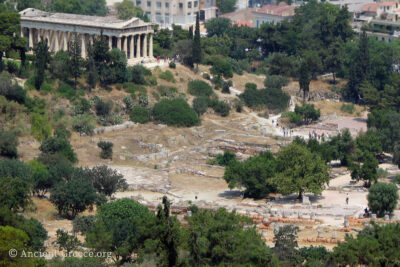
Agora of Athens Archaeological Site | Αρχαιολογικός Χώρος Αγοράς Αθηνών
The Agora (Αγορά) of Athens today is an archaeological site located beneath the northwest slope of the Acropolis. The…
-
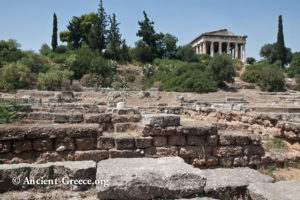
Agora of Athens History
Prehistory to Iron Age The Agora of Athens has been in use since the late Neolithic era, and…
-
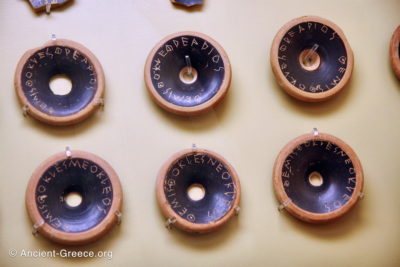
Agora of Athens Museum
The Archaeological Museum of the ancient Agora of Athens (Αρχαιολογικό Μουσείο Αρχαίας Αγοράς Αθηνών) is hosted in the…
-
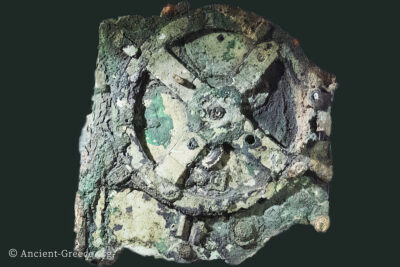
The Antikythera Shipwreck
The Antikythera Shipwreck is a 1st century BCE underwater shipwreck and archaeological site, located 25 meters from the…
-
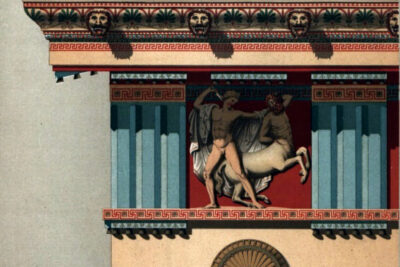
The Colors of the Parthenon
Rediscovering the Temple’s Colors The colors of the Parthenon have washed away over the past 2400 years, but…
-
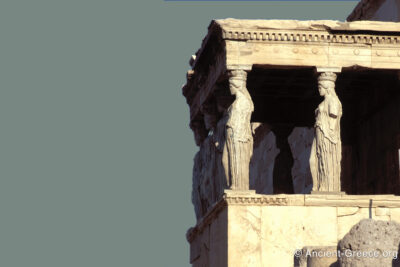
Erechtheion
While the Parthenon was the most imposing temple on the Acropolis, another building, the Erechtheion was built to…
-
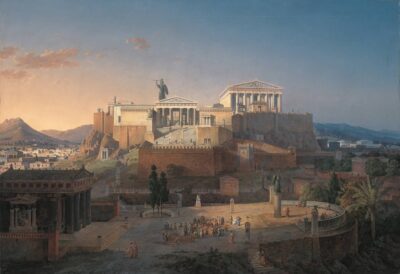
History of the Acropolis | Ιστορία της Ακρόπολης
Geology & Geography | Γεωλογία & Γεωγραφία The Acropolis rock is part of a Late Cretaceous limestone ridge…
-
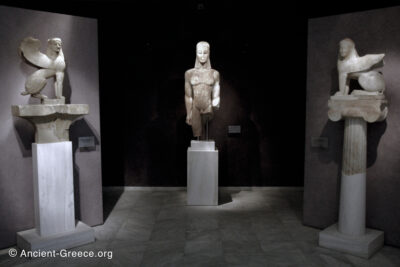
Kerameikos Archaeological Museum
The Archaeological Museum of Kerameikos (Αρχαιολογικό Μουσείο Κεραμεικού) is a small museum located inside the Kerameikos archaeological site.…
-
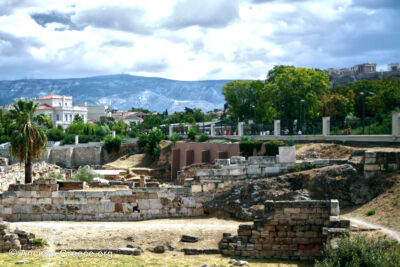
Kerameikos Archaeological Site
Kerameikos (Κεραμεικός, Ceramicus) is the area of ancient Athens where the potters had their workshops. The English word…
-
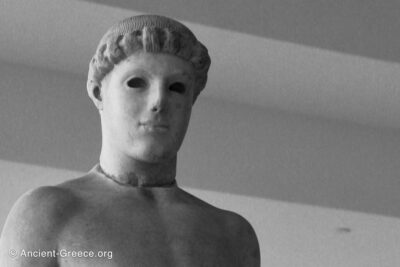
The Kritios Boy Sculpture
The Kritios Boy (or Kritian Boy). Marble. 1.17 m (3 ft 10 in) tall. Believed to be the…