Bronze Age
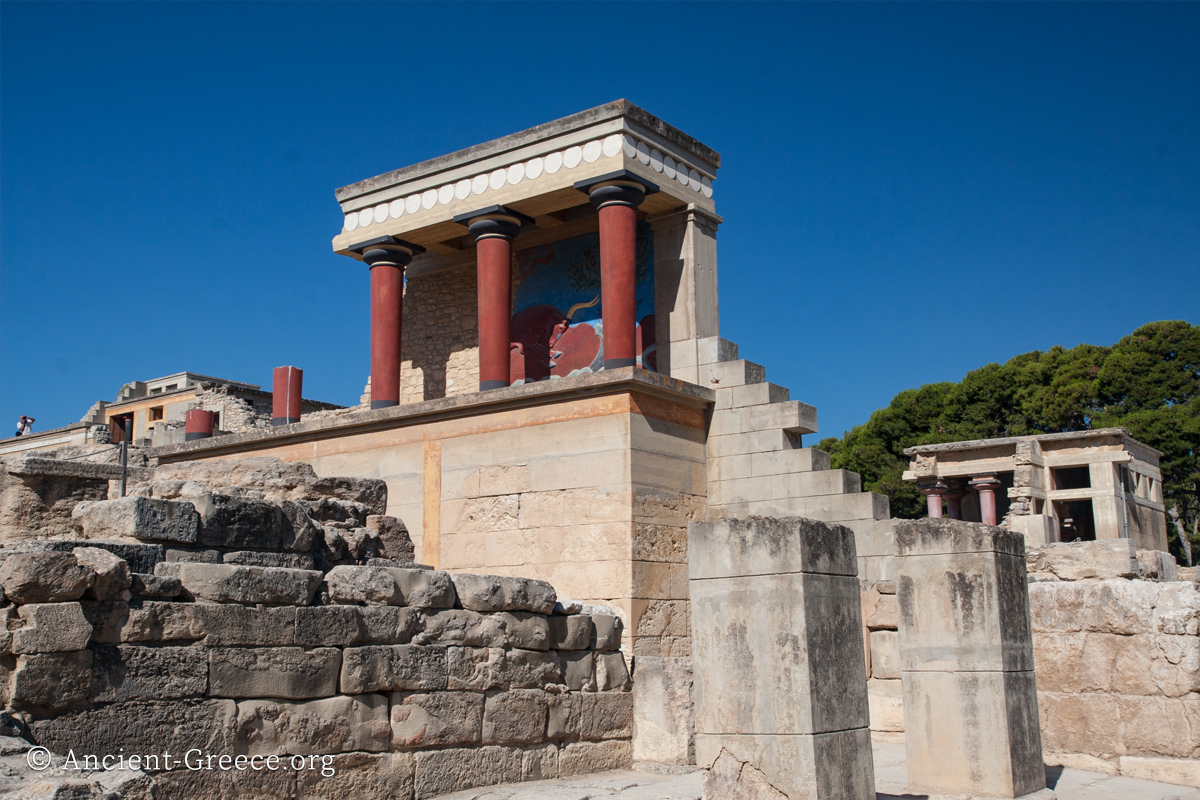
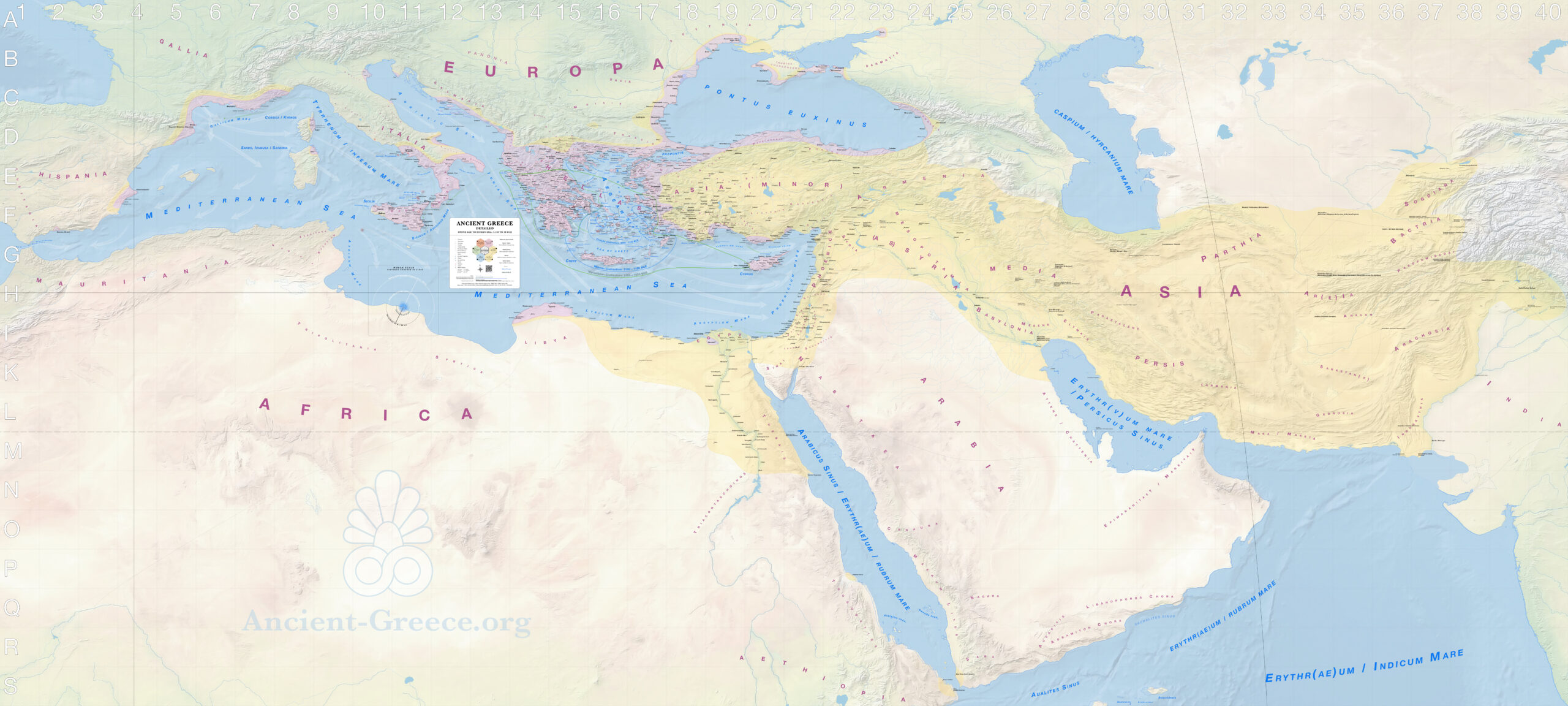
The Bronze Age in Greece, spanning roughly from 3200 to 1100 BCE, represents a transformative epoch characterized by the introduction of metallurgy and the rise of the first complex, literate European civilizations. This era witnessed the flourishing of distinct regional cultures, including the Cycladic, Minoan on Crete, and Helladic or Mycenaean on the mainland, which established extensive maritime trade networks across the Mediterranean. The period culminated in the development of sophisticated palatial economies, monumental architecture, and the earliest scripts of the Aegean world.
|
|
Η Εποχή του Χαλκού στην Ελλάδα, η οποία εκτείνεται περίπου από το 3200 έως το 1100 π.Χ., αποτελεί μια μεταμορφωτική εποχή που χαρακτηρίζεται από την εισαγωγή της μεταλλουργίας και την άνοδο των πρώτων σύνθετων, εγγράμματων ευρωπαϊκών πολιτισμών. Η περίοδος αυτή γνώρισε την άνθηση ξεχωριστών περιφερειακών πολιτισμών, συμπεριλαμβανομένου του Κυκλαδικού, του Μινωικού στην Κρήτη και του Ελλαδικού ή Μυκηναϊκού στην ηπειρωτική χώρα, οι οποίοι ίδρυσαν εκτεταμένα δίκτυα θαλάσσιου εμπορίου σε όλη τη Μεσόγειο. Η εποχή κορυφώθηκε με την ανάπτυξη εξελιγμένων ανακτορικών οικονομιών, μνημειακής αρχιτεκτονικής και των παλαιότερων συστημάτων γραφής του αιγαιακού κόσμου.

-
Knossos
Knossos (Κνωσσός, also transliterated as Cnossos, Knossus, Cnossus, Gnossus, Gnossos) palace was undeniably the most important center of Minoan…
-
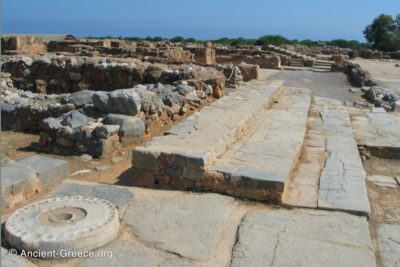
Malia
The Minoan palace at Malia (Μάλια) is the third largest palace of Minoan Crete after Knossos and Phaistos.…
-
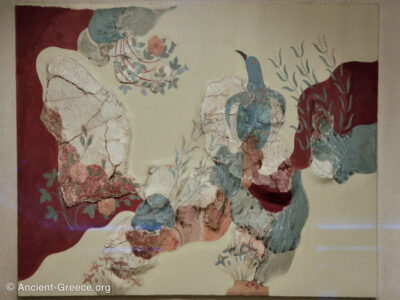
Minoan Art
What has survived to our day from Minoan art provides insight into the culture that flourished in Crete…
-
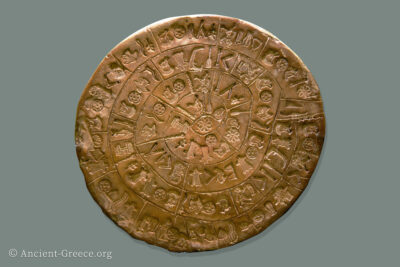
Minoan Culture
Language The Phaistos Disk is the earliest, and only script of its kind we have from the Minoans. It…
-
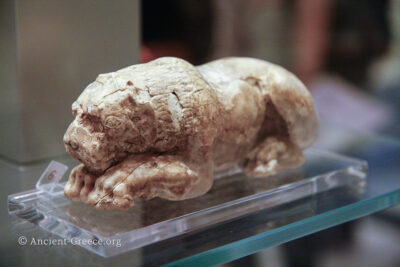
Mycenae Archaeological Museum
Mycenae Museum is built next to Mycenae archaeological site to house artifacts from the Bronze Age citadel excavations.…
-
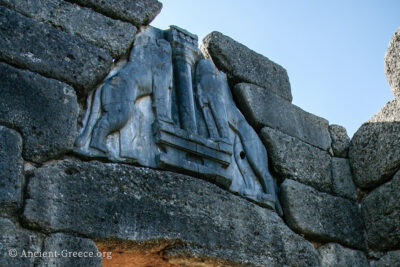
Mycenae Archaeological Site
Mycenae (Greek: Μυκήνες) is one of the most important archaeological sites of Greece. The fortified citadel is perched over…
-
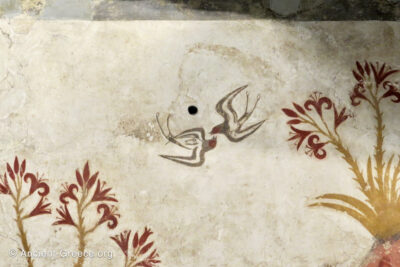
National Archaeological Museum in Athens: Stone and Bronze Age 4000 – 1100 BCE
The National Archaeological Museum in Athens exhibits some of the best examples of Neolithic and Bronze Age artifacts…
-
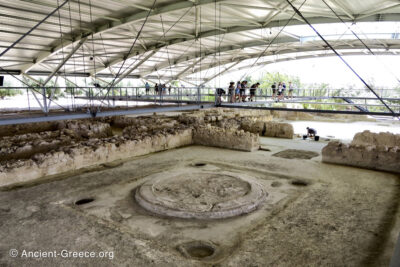
Nestor’s Palace
The Mycenaean palace of Nestor (Ανάκτορο του Νέστορα) is an archaeological site near Pylos, Messenia, in SW Peloponnese,…
-
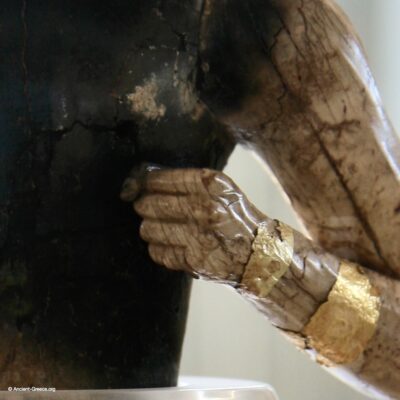
Palaikastro Kouros
The small statuette from about 1450 BCE (Bronze Age), known as “Palaikastro Kouros” was found in three pieces…
-
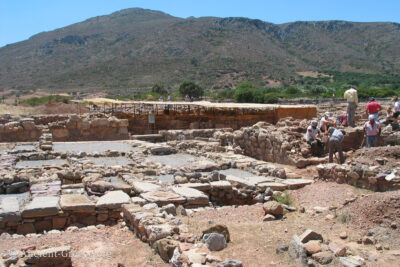
Palaikastro Minoan Settlement at Rousolakos
Παλαίκαστρο (Palaikastro, sometimes also transliterated as Palekastro) Minoan town unearthed at the Rousolakos location near the modern town…
-
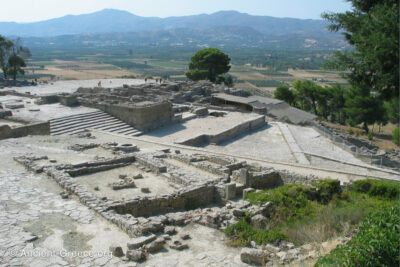
Phaistos
Phaistos (Φαιστός, also transliterated as Faestos, Phaestos, Faistos) is the second largest Minoan palace of Crete after Knossos.…
-
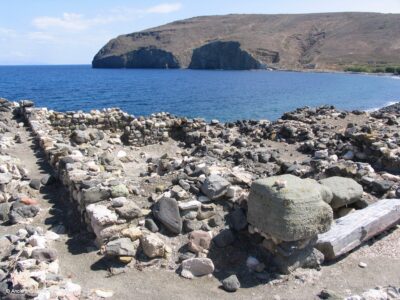
Phylakopi Archaeological Site | Φυλακωπή Μήλου
Phylakopi, (Greek: Φυλακωπή) located on the northern coast of the island of Milos, represents one of the most significant Bronze…