
On this page | Περιεχόμενα:
Ελληνικά
Περιεχόμενα:
Ακρόπολη Λίνδου
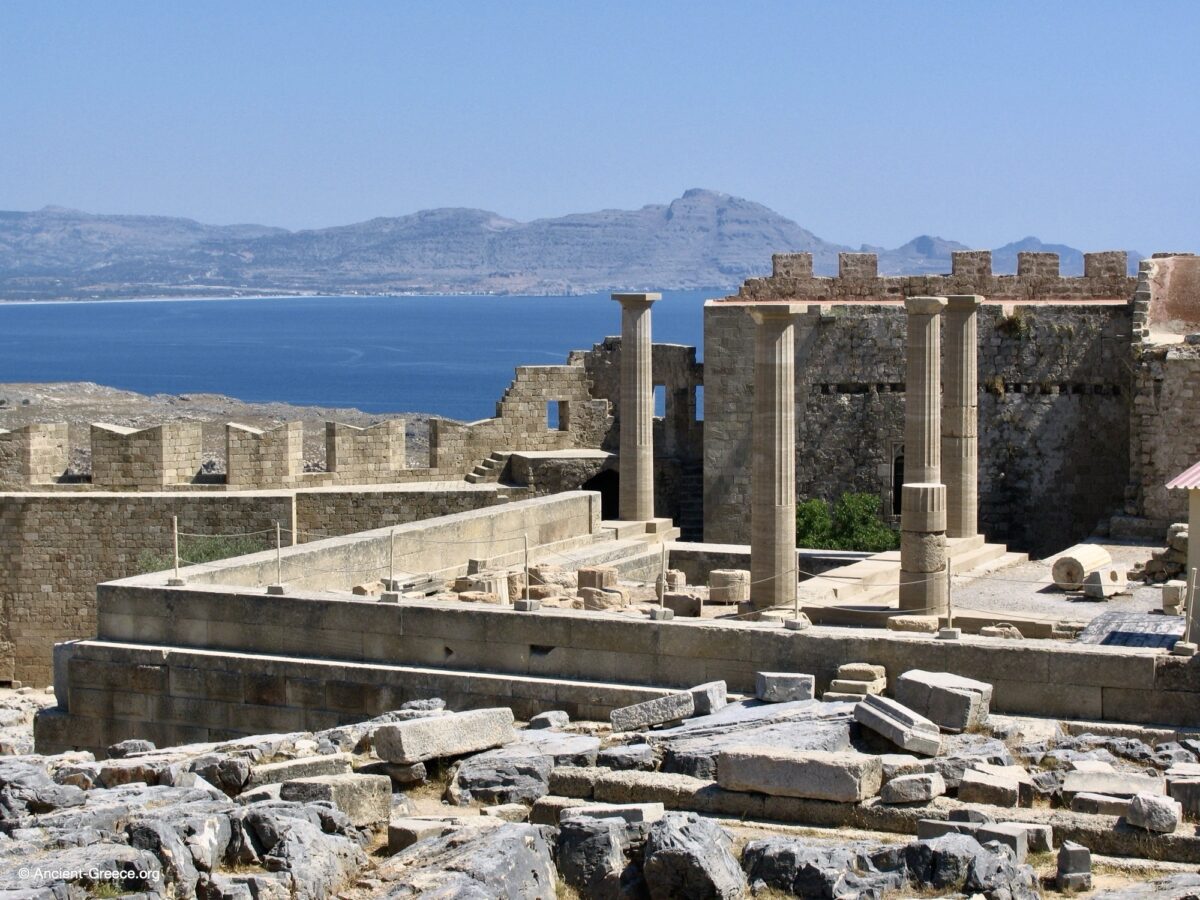
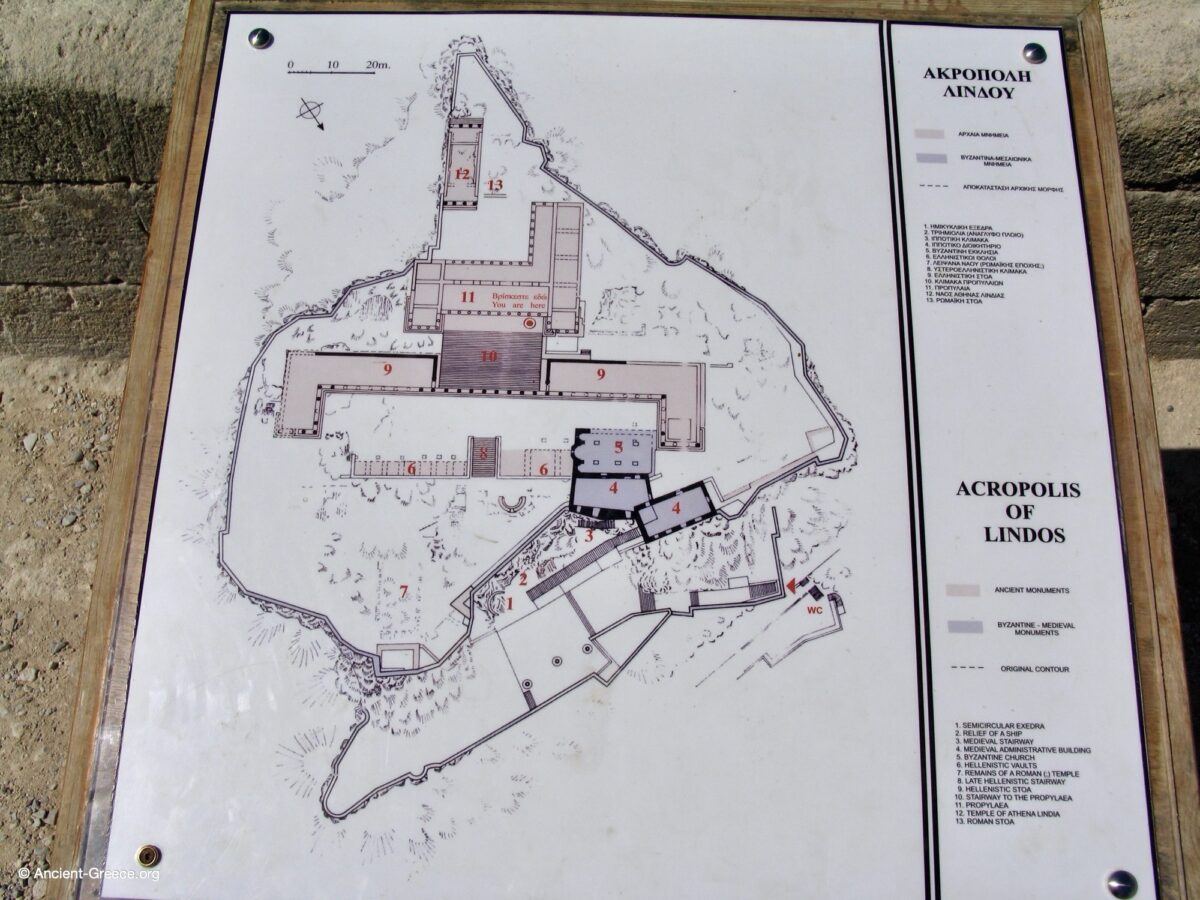
Η Ακρόπολη της Λίνδου είναι ένα φυσικό οχυρό και αρχαιολογικός χώρος που βρίσκεται σε έναν βράχο ύψους 116 μέτρων στα Δωδεκάνησα [1]. Αυτή η πολυεπίπεδη τοποθεσία διατηρεί σημαντικά κατάλοιπα από την Αρχαϊκή, Κλασική και Ελληνιστική περίοδο, με κυριότερο τον Ναό της Αθηνάς Λινδίας.
Αρχαιολογική Σημασία
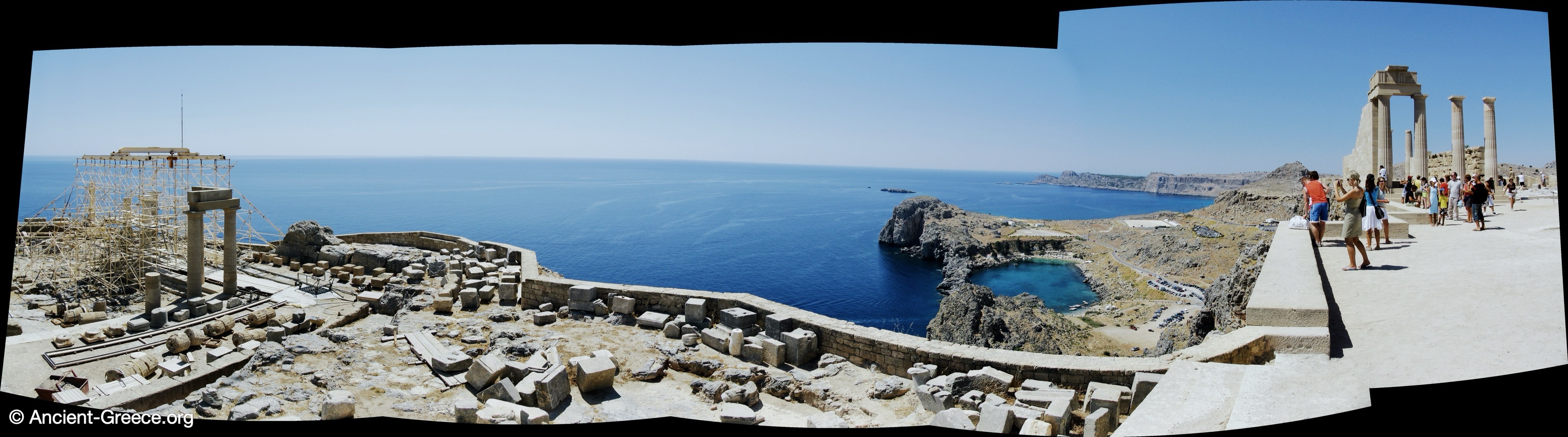
Ο χώρος χαρακτηρίζεται από τη μαζική ελληνιστική στοά και τη μνημειακή κλίμακα που οδηγεί στο ιερό της Αθηνάς [1]. Πέρα από την αρχαία ελληνική κληρονομιά της, η Ακρόπολη αντανακλά μια περίπλοκη ιστορία κατοχής, με βυζαντινές οχυρώσεις και το μεταγενέστερο μεσαιωνικό κάστρο που χτίστηκε από τους Ιππότες του Αγίου Ιωάννη [2]. Η μοναδική διατήρηση του ανάγλυφου της ροδιακής τριήρους στη βάση των σκαλοπατιών αποτελεί βασικό παράδειγμα της ναυτικής επιρροής της Ρόδου στο Αιγαίο κατά την αρχαιότητα [1].
Τα Κύρια Μνημεία της Ακρόπολης Λίνδου
Το ιερό της Αθηνάς Λινδίας
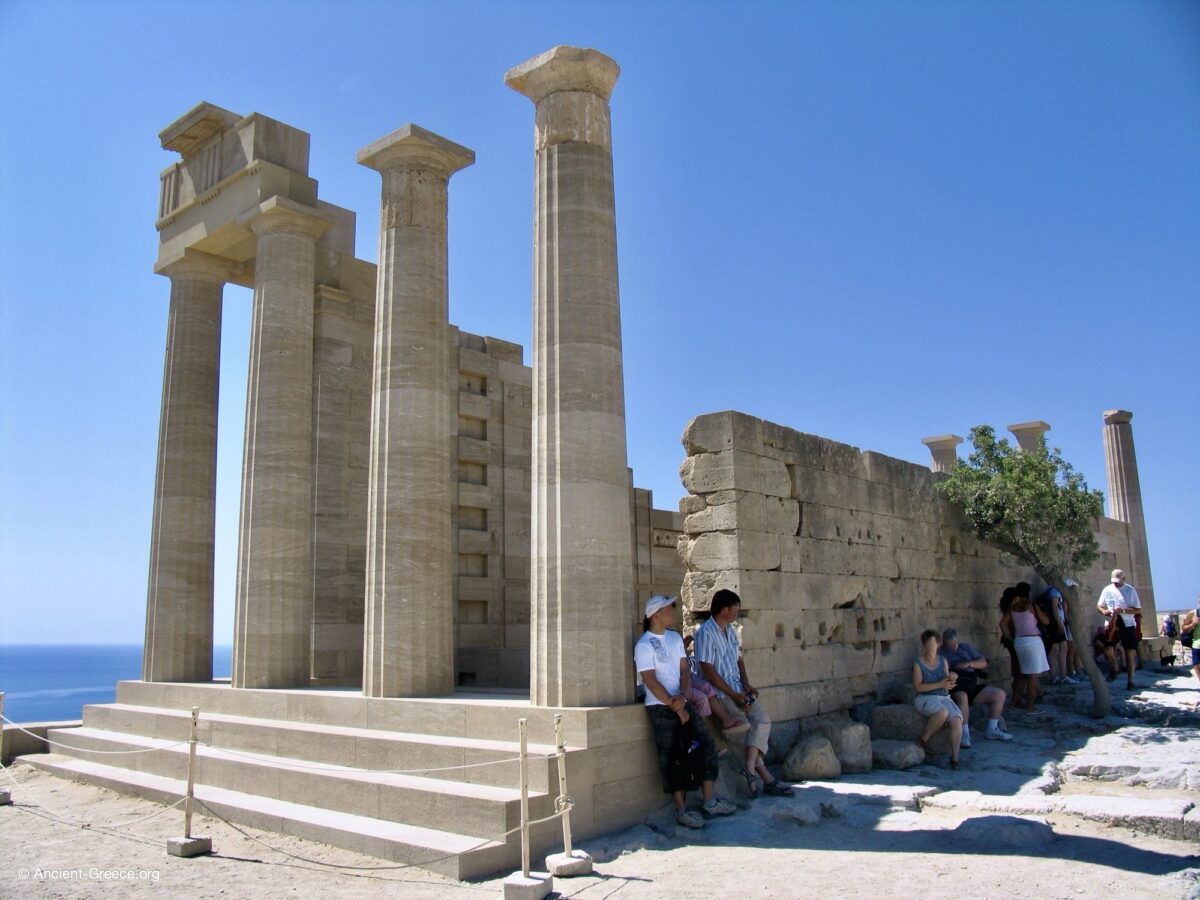
Το ιερό της Αθηνάς Λινδίας αποτελεί την αρχιτεκτονική κορύφωση του χώρου, εξελισσόμενο από έναν λατρευτικό χώρο της γεωμετρικής εποχής σε ένα εξελιγμένο ελληνιστικό συγκρότημα [1]. Τα βασικά κτίσματα περιλαμβάνουν τα Αρχαϊκά θεμέλια και τον μεταγενέστερο δωρικό ναό, ο οποίος παραμένει βασικό παράδειγμα της περιφερειακής θρησκευτικής αρχιτεκτονικής.
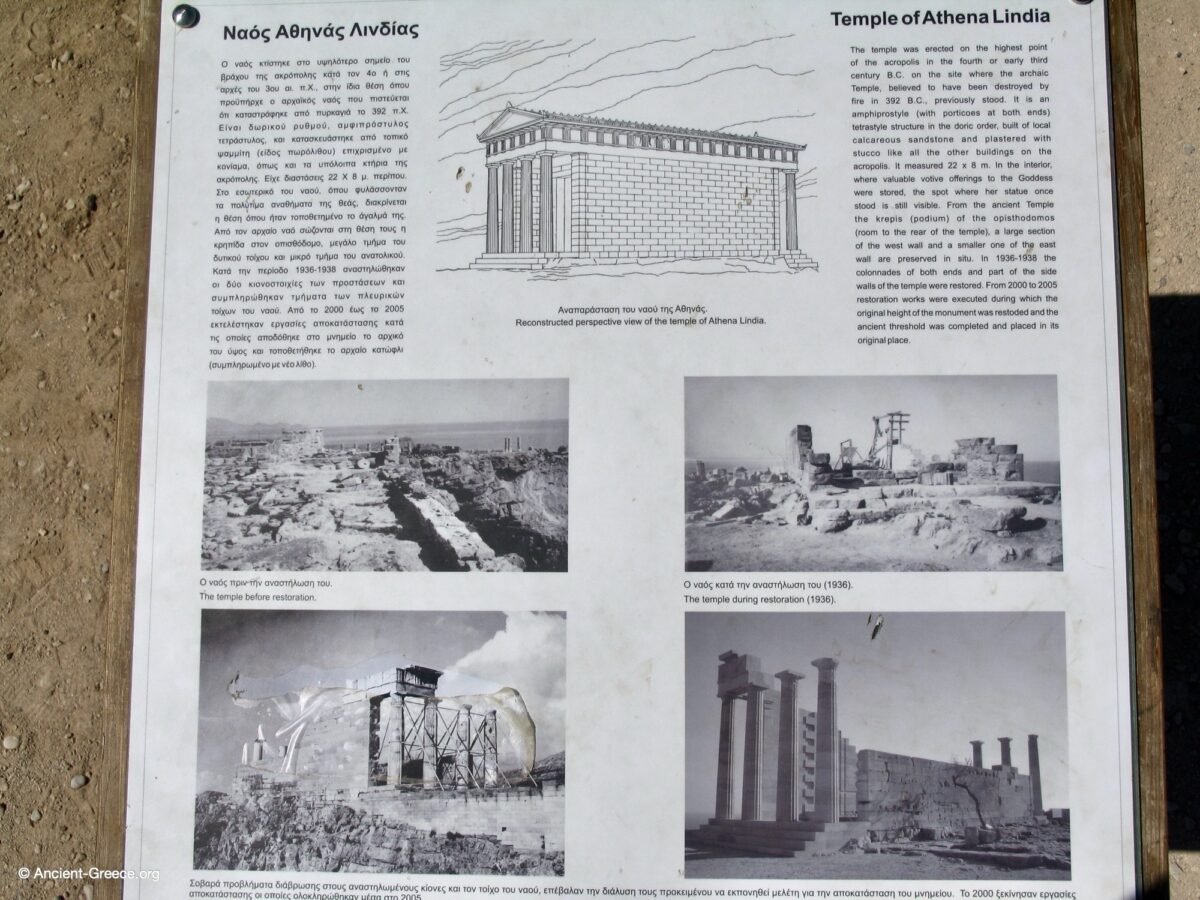
Ο ναός κτίστηκε στο υψηλότερο σημείο της ακρόπολης τον 4ο ή στις αρχές του 3ου αιώνα π.Χ., στη θέση όπου βρισκόταν προηγουμένως ο αρχαϊκός ναός, ο οποίος πιστεύεται ότι καταστράφηκε από πυρκαγιά το 392 π.Χ.
Είναι ένα αμφιπρόστυλο (με στοές στα δύο άκρα) τετράστυλο οικοδόμημα δωρικού ρυθμού, κατασκευασμένο από τοπικό ασβεστολιθικό ψαμμίτη και επιχρισμένο με κονίαμα όπως όλα τα άλλα κτίρια στην ακρόπολη. Είχε διαστάσεις 22 x 8 μέτρα.
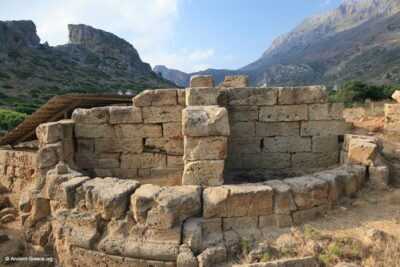
Στο εσωτερικό, όπου φυλάσσονταν πολύτιμα αναθήματα προς τη Θεά, το σημείο όπου βρισκόταν κάποτε το άγαλμά της είναι ακόμα ορατό. Από τον αρχαίο ναό σώζονται in situ η κρηπίδα του οπισθόδομου (ο πίσω χώρος του ναού), ένα μεγάλο τμήμα του δυτικού τοίχου και ένα μικρότερο του ανατολικού τοίχου.
Το 1936-1938 αναστηλώθηκαν οι κιονοστοιχίες των δύο άκρων και τμήμα των πλευρικών τοίχων του ναού. Από το 2000 έως το 2005 πραγματοποιήθηκαν εργασίες αναστήλωσης κατά τις οποίες αποκαταστάθηκε το αρχικό ύψος του μνημείου, ενώ το αρχαίο κατώφλι συμπληρώθηκε και τοποθετήθηκε στην αρχική του θέση.
Τα Προπύλαια και η Στοά
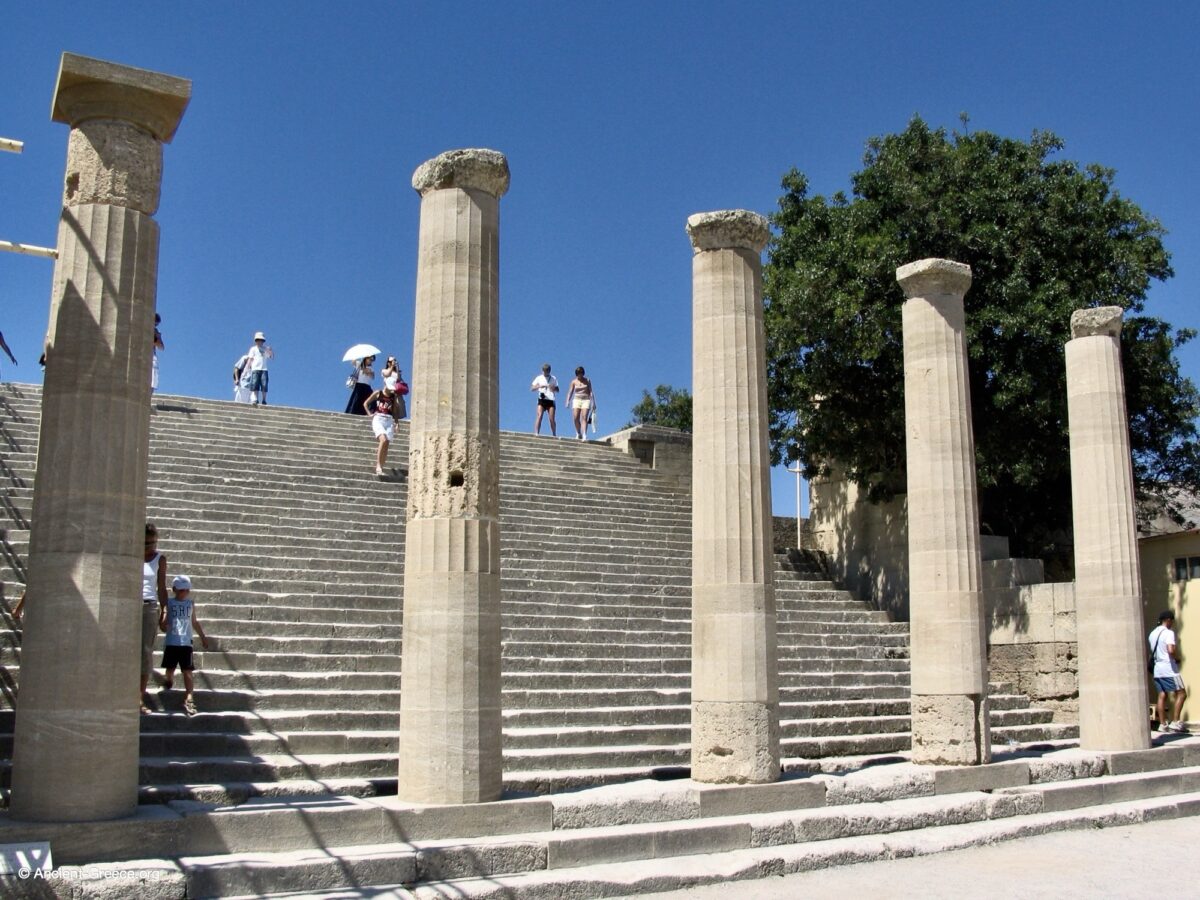
Η μνημειακή είσοδος καθορίζεται από μια μεγάλη ελληνιστική στοά, κτισμένη γύρω στο 200 π.Χ., η οποία διαθέτει πρόσοψη 42 κιόνων [2]. Αυτή οδηγεί στα Προπύλαια, μια μεγαλοπρεπή κλίμακα και πύλη σε σχήμα U, σχεδιασμένη να πλαισιώνει την ανάβαση του επισκέπτη προς τον ιερό περίβολο [1].
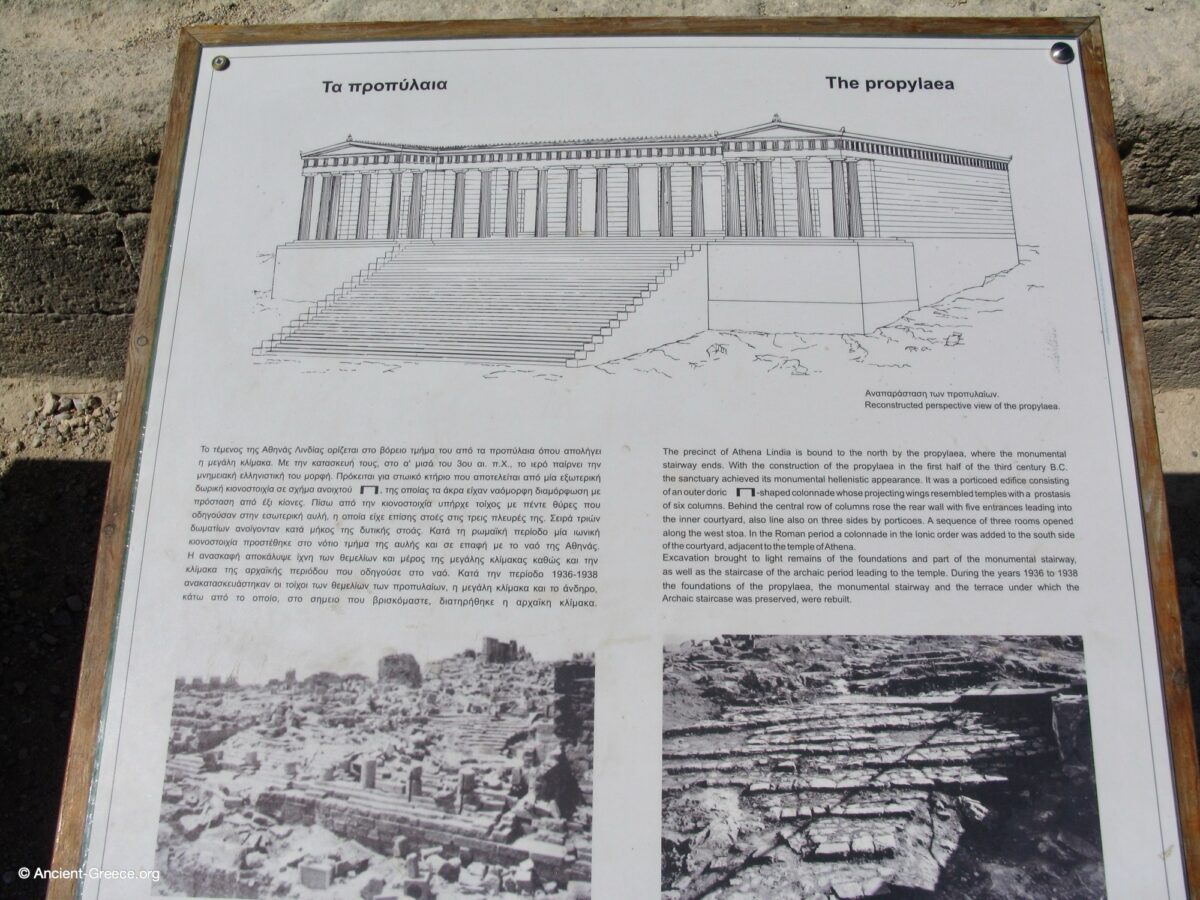
Με την κατασκευή τους κατά το πρώτο μισό του 4ου αι. π.Χ., το ιερό αποκτά την μνημειακή ελληνιστική του μορφή. Πρόκειται για επιβλητικό κτίσμα που αποτελείται από μία εξωτερική σειρά κιονοστοιχιών σε σχήμα κάτοψης Π, της οποίας τα άκρα έχουν σχήμα πτερύγων διαμορφωμένων με στοές από έξι κίονες. Πίσω από την κιονοστοιχία υπάρχει τοίχος με πέντε θύρες που οδηγούν στον εσωτερικό χώρο, ο οποίος έχει επίσης στοές στις τρεις πλευρές του. Σειρά τριών δωματίων αναπτυσσόταν κατά μήκος της δυτικής στοάς.
Κατά τη ρωμαϊκή περίοδο μία ιωνική κιονοστοιχία προστέθηκε στην νότια πλευρά της πύλης, ενώ σε επαφή με το ναό της Αθηνάς, η ανασκαφή αποκάλυψε ίχνη των θεμελίων και μέρος της μεγάλης κλίμακας καθώς και την κλίμακα της δωρικής περιόδου που οδηγούσε στον ναό. Κατά την περίοδο 1936-1938 επανεκτελέστηκαν τα τείχη των θεμελίων των προπυλαίων, η μεγάλη κλίμακα και το άνδηρο, κάτω από το οποίο, στη διάρκεια της ανασκαφής, διατηρήθηκε η αρχαϊκή κλίμακα.
Το Ανάγλυφο της Ροδιακής Τριήρους
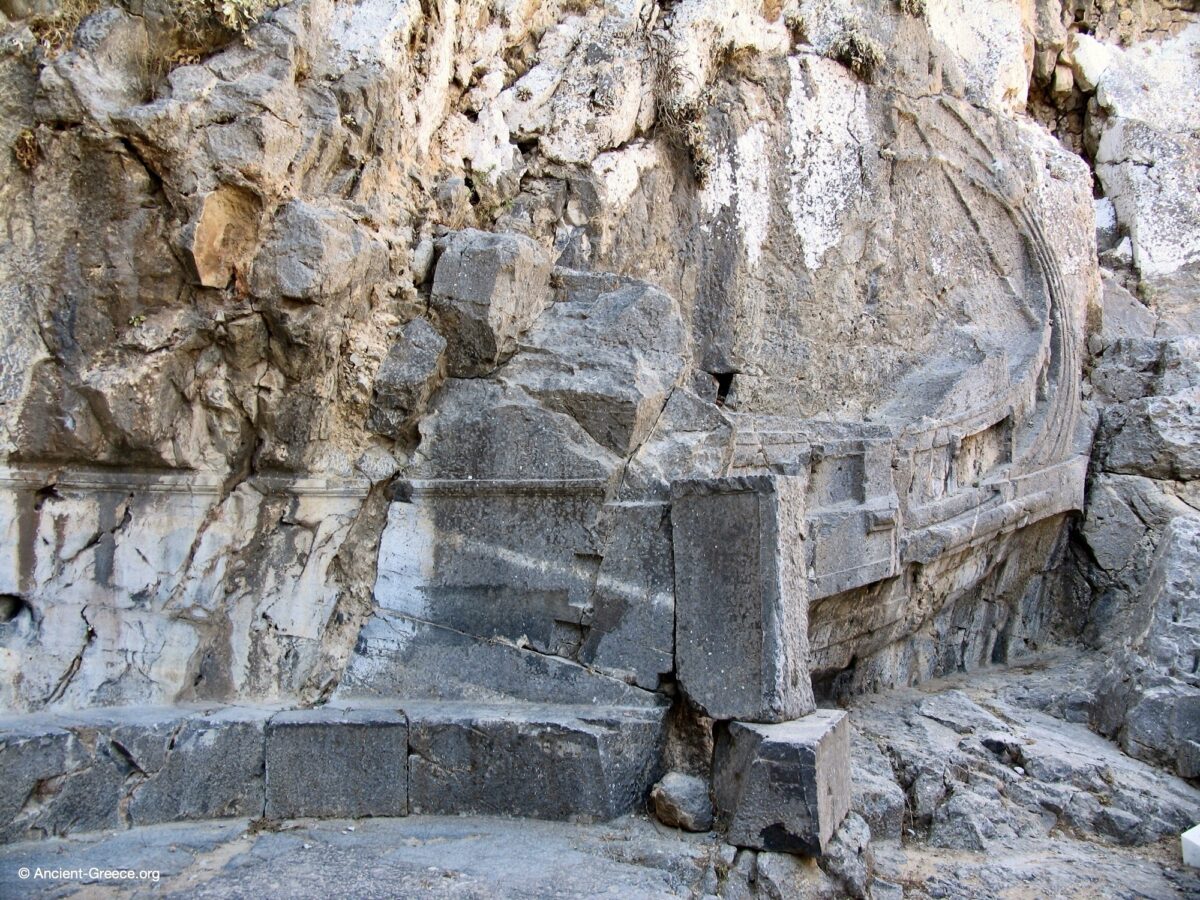
Λαξευμένο στον φυσικό βράχο στη βάση της κλίμακας βρίσκεται ένα μοναδικό ανάγλυφο του 2ου αιώνα π.Χ. που απεικονίζει την πρύμνη μιας ροδιακής τριήρους [1]. Χρησίμευε ως βάση για το χάλκινο άγαλμα του Αγήσανδρου, γιου του Μικίωνος, και παραμένει ζωτική αρχαιολογική μαρτυρία της ναυτικής κυριαρχίας της Ρόδου στο Αιγαίο.
Lindos Acropolis
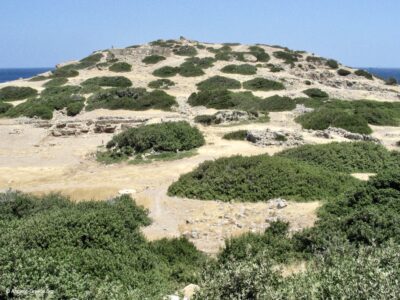
The Lindos Acropolis, also known as the Acropolis of Lindos, is a natural citadel and archaeological site located on a 116-meter high cliff in the Dodecanese, Greece [1]. This multi-layered site preserves significant remains from the Archaic, Classical, and Hellenistic periods, most notably the Temple of Athena Lindia [2].
Archaeological Significance
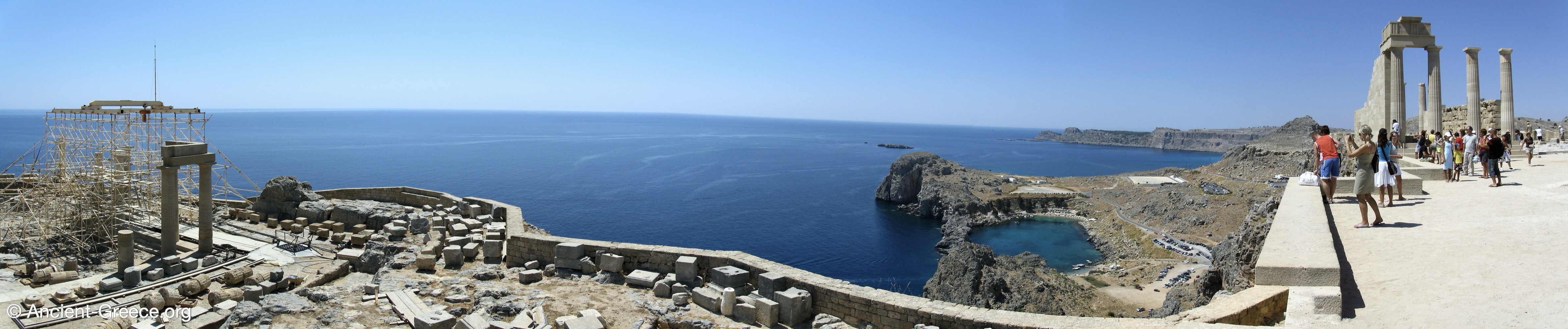
The site is defined by its massive Hellenistic stoa and the monumental staircase leading to the sanctuary of Athena [1]. Beyond its ancient Greek heritage, the Acropolis reflects a complex history of occupation, featuring Byzantine fortifications and the later medieval castle built by the Knights of St. John [2]. The unique preservation of the trireme rock-cut relief at the base of the steps serves as a primary example of Rhodian maritime influence during the Aegean bronze and iron ages [1].
Principal Monuments of the Lindos Acropolis
The sanctuary of Athena Lindia
The sanctuary of Athena Lindia is located on the north tip of the propylaea, where the monumental stairway ends.
The sanctuary of Athena Lindia serves as the architectural climax of the site, evolving from a geometric-era cult space into a sophisticated Hellenistic complex. Key structures include the Archaic foundations and the subsequent Doric temple, which remains a primary example of regional religious architecture [1].
The temple was built on the highest point of the acropolis in the fourth or early third century B.C. on the site where the archaic temple, believed to have been destroyed by fire in 392 B.C., previously stood.
It is an amphiprostyle (with porticoes at both ends) tetrastyle structure in the Doric order, built of local calcareous sandstone and plastered with stucco like all the other buildings on the acropolis. It measured 22 x 8 m. In the interior, where valuable votive offerings to the Goddess were stored, the spot where her statue once stood is still visible. From the ancient temple, the krepis (podium) of the opisthodomos (room to the rear of the temple), a large section of the west wall, and a smaller one of the east wall are preserved in situ.
In 1936-1938 the colonnades of both ends and part of the side walls of the temple were restored. From 2000 to 2005, restoration works were executed during which the original height of the monument was restored and the ancient threshold was completed and placed in its original place.
The Propylaea and Stoa
The monumental entrance is defined by a large Hellenistic stoa, built around 200 BCE, which features a facade of 42 columns. This leads to the Propylaea, a grand U-shaped staircase and gateway modeled after the Athenian Acropolis, designed to frame the visitor’s ascent toward the sacred precinct [1].
With the construction of the propylaea in the first half of the 4th century B.C. the sanctuary acquired its monumental hellenistic appearance. It was a profound edifice consisting of a main front, ∏-shaped in ground view and projecting wings flanked on either side with a portico of six columns. Behind the central row of columns was the wall with five entrances leading into the inner courtyard, also bounded on three sides by porticoes. A sequence of three rooms opened along the west wing. In the Roman period a colonnade in the Ionic order was added to the south side of the entrance, adjacent to the Byzantine entrance.
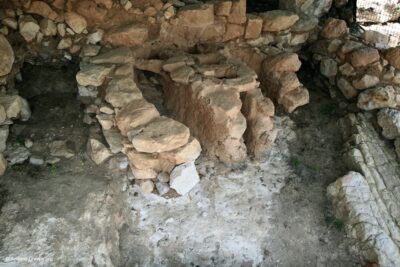
Excavation brought to light remains of the foundations and part of the monumental stairway as well as the staircase of the archaic period leading to the temple. During the years 1936 to 1938 the foundations of the propylaea, the monumental stairway and the terrace under which the Archaic staircase was preserved, were rebuilt.
The Relief of the Rhodian Trireme
Carved into the living rock at the base of the staircase is a unique 2nd-century BCE relief depicting the stern of a Rhodian trireme [1]. It served as the base for a bronze statue of Hagesandros, son of Mikion, and remains a vital archaeological testament to the maritime dominance of Rhodes in the Aegean.
Photographs
Φωτογραφίες
Related Pages
Sources
[1] Dyggve, E. (1960). Lindos: Fouilles de l’Acropole 1902-1914, Vol. III: Le Sanctuaire d’Athana Lindia et l’Architecture Lindienne. Walter de Gruyter.
[Ministry of Culture and Sports. (2026). Acropolis of Lindos Archaeological Site Signage text. Hellenic Republic.