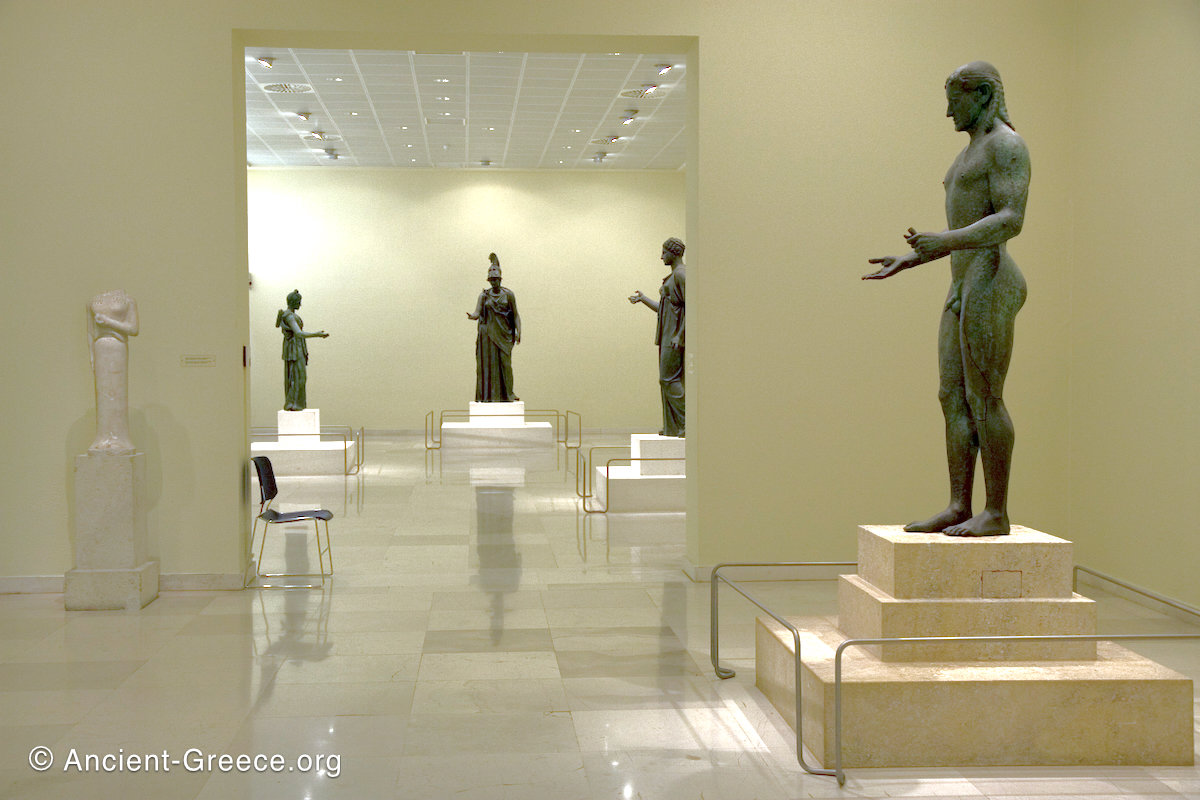
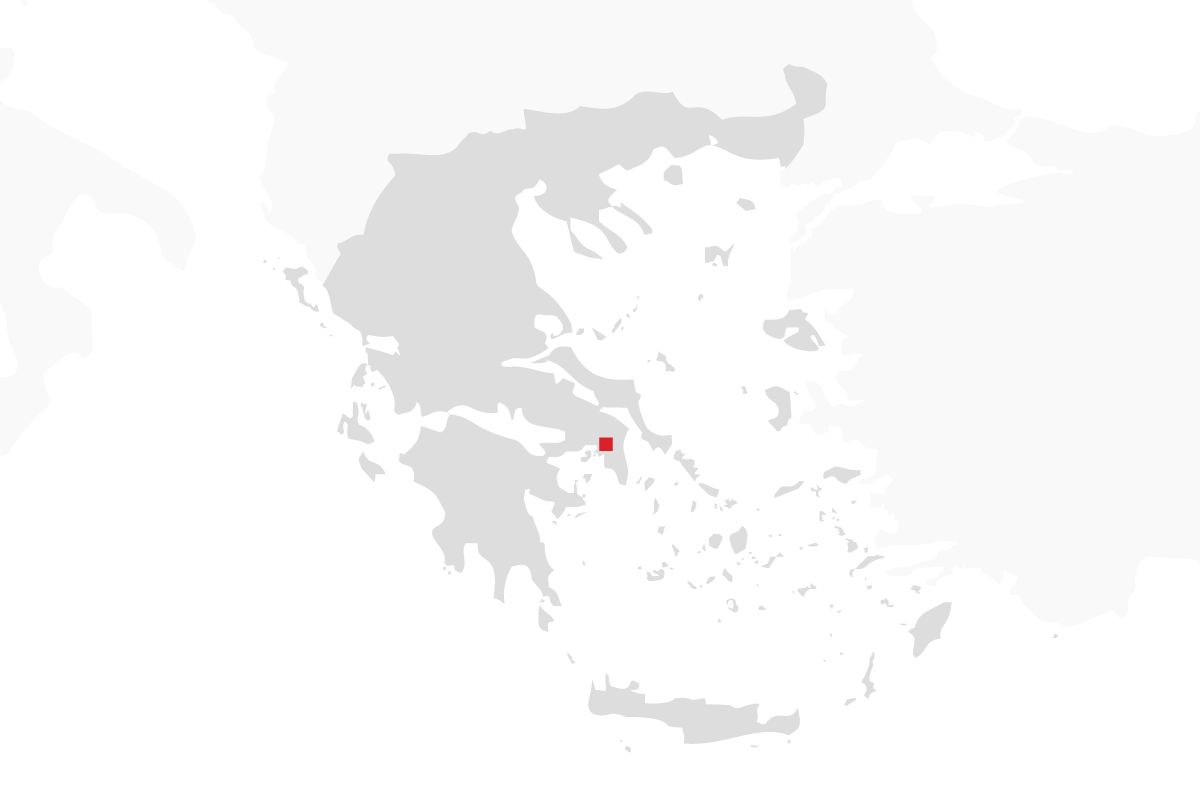
The Archaeological Museum of Piraeus is host to an extensive collection of bronze statues from Ancient Greece alongside various sculptures and artifacts unearthed in the vicinity of the city of Piraeus.
Piraeus was one of the major ports of Athens, and as such it played a significant role in the development and discrimination of Athenian ideals, especially during the Classical era.
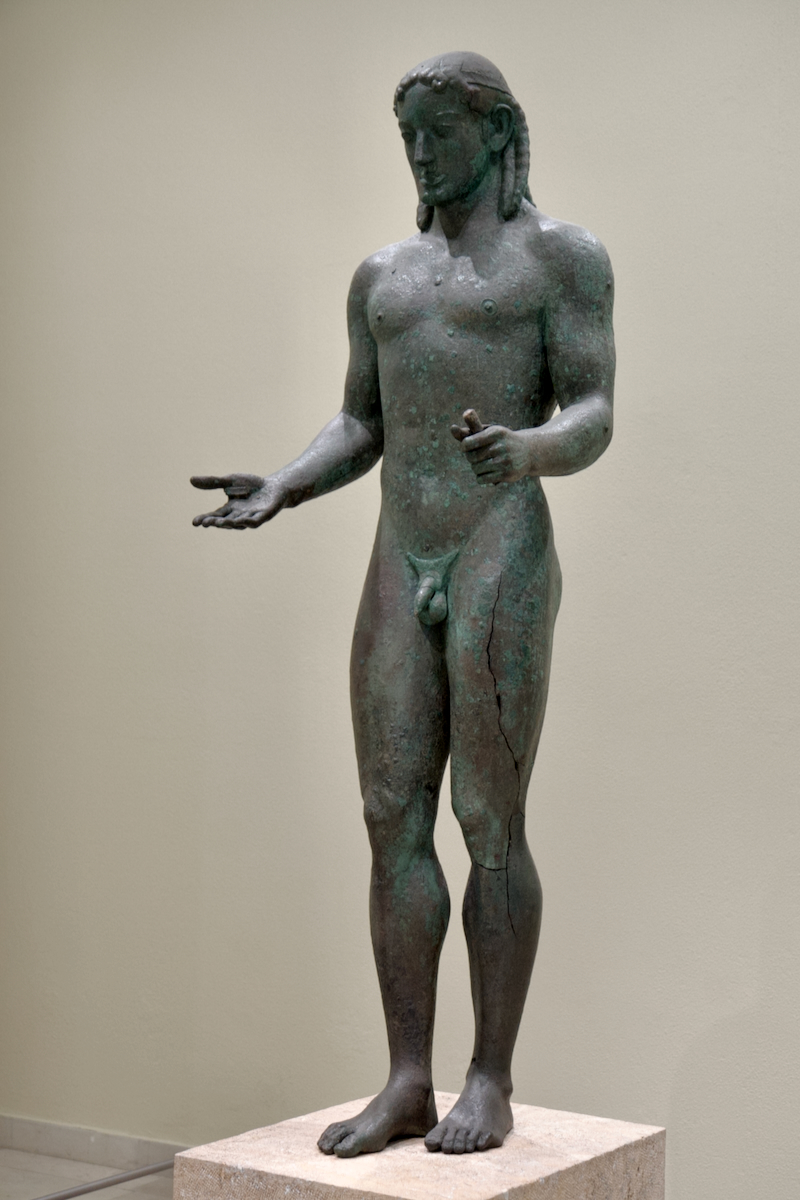
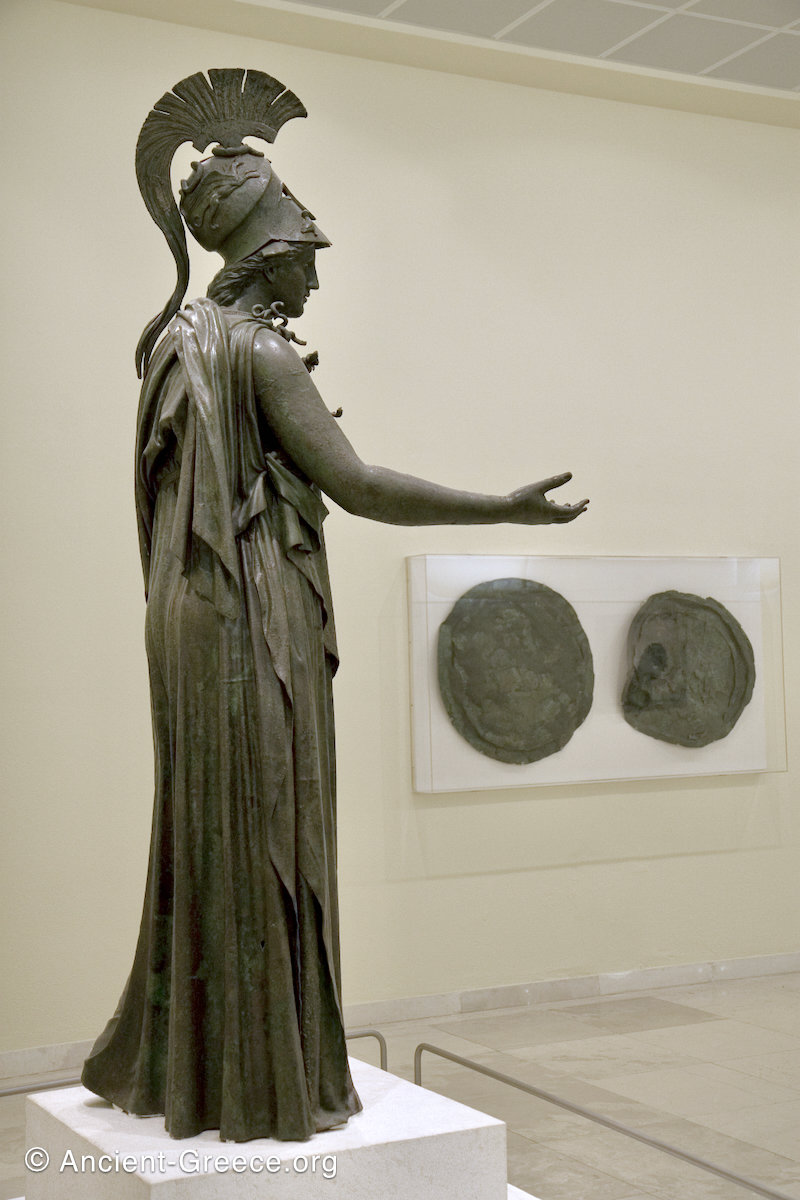
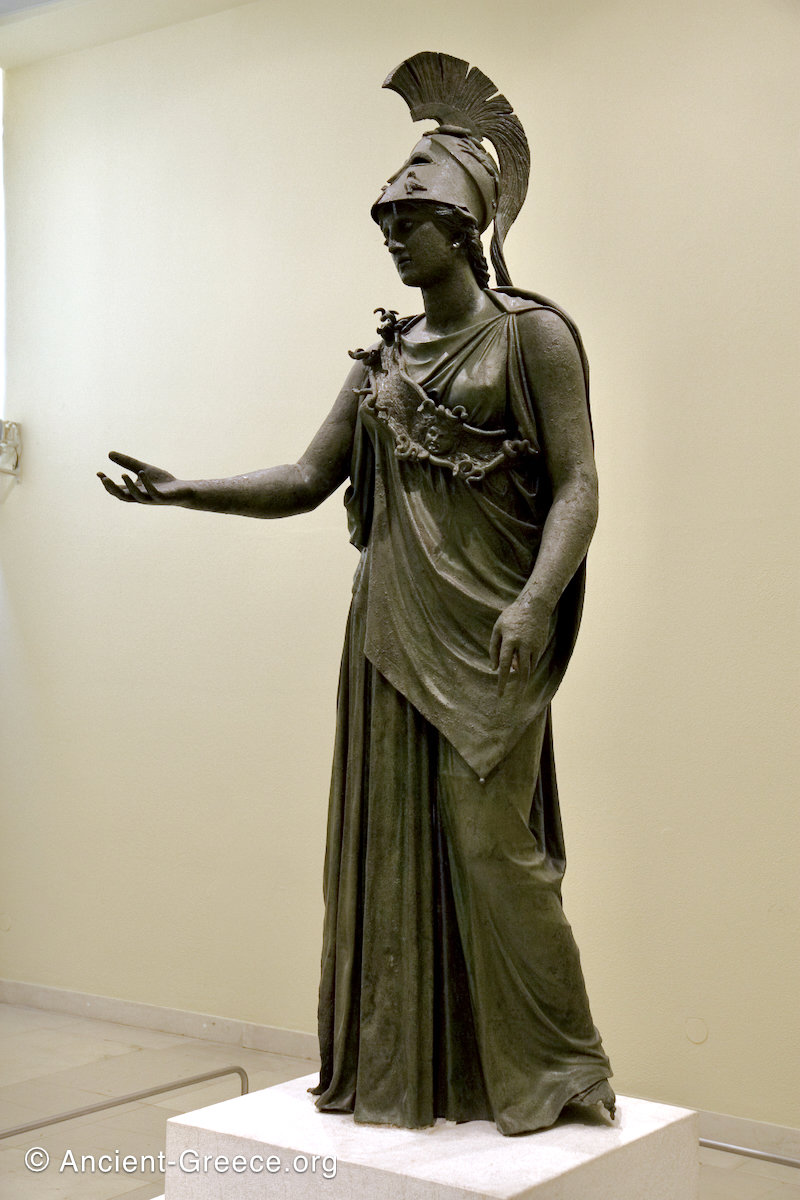
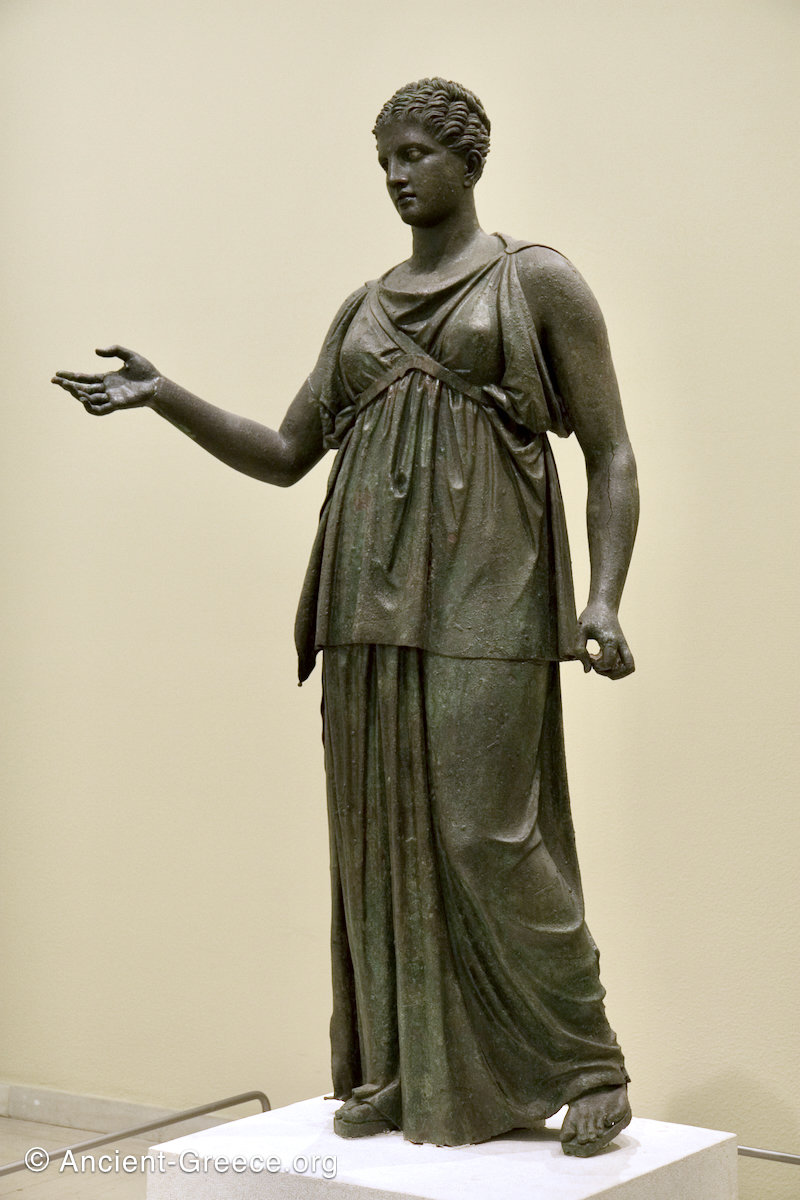
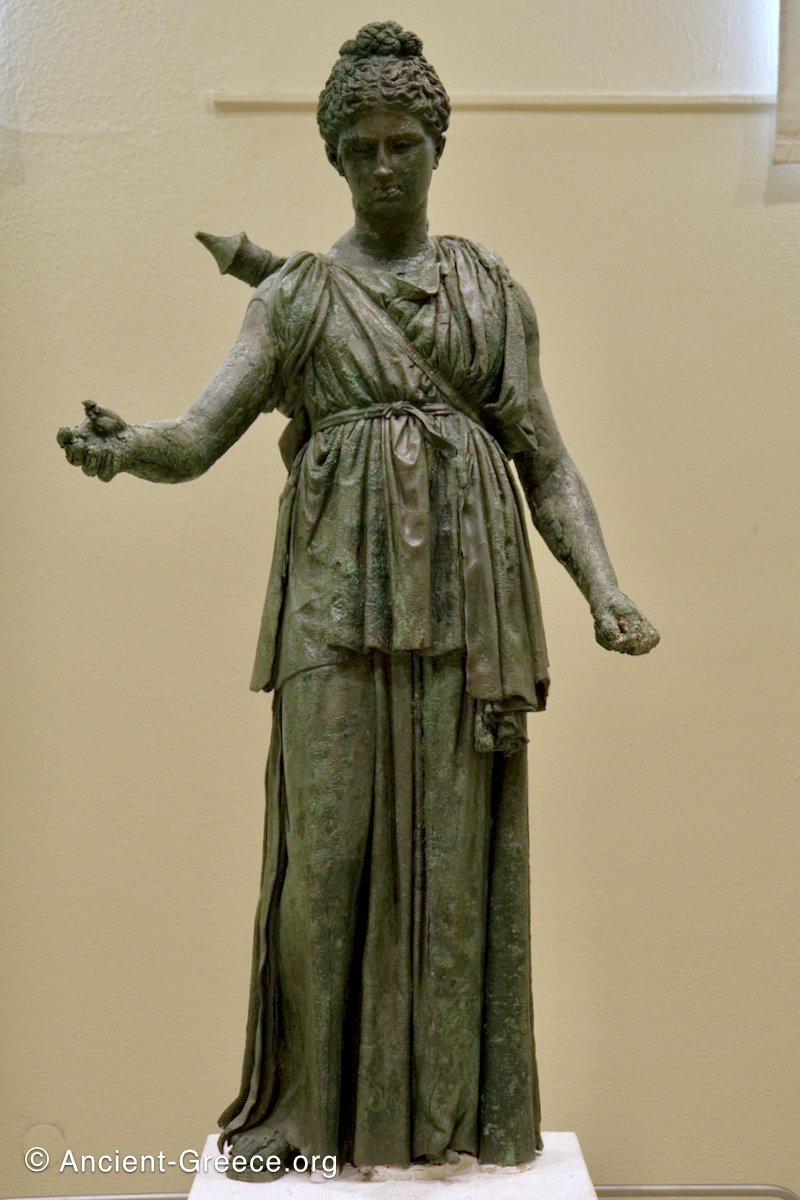
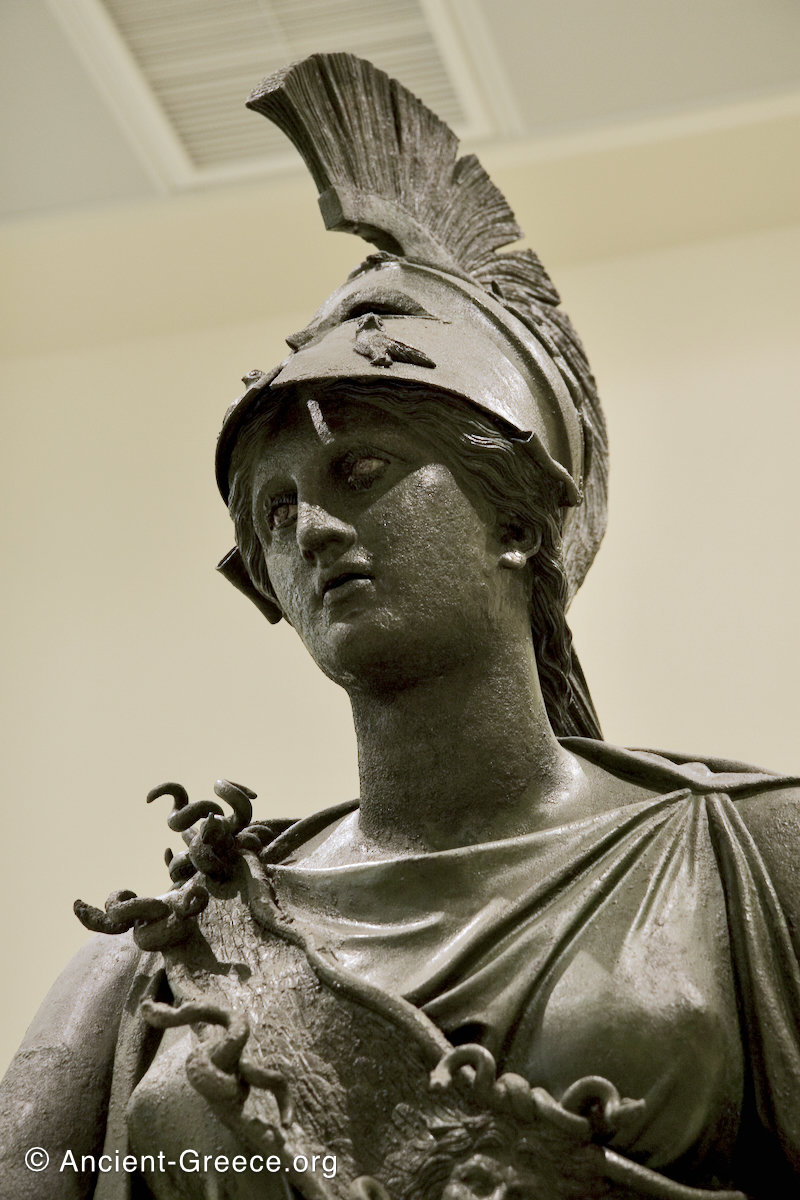
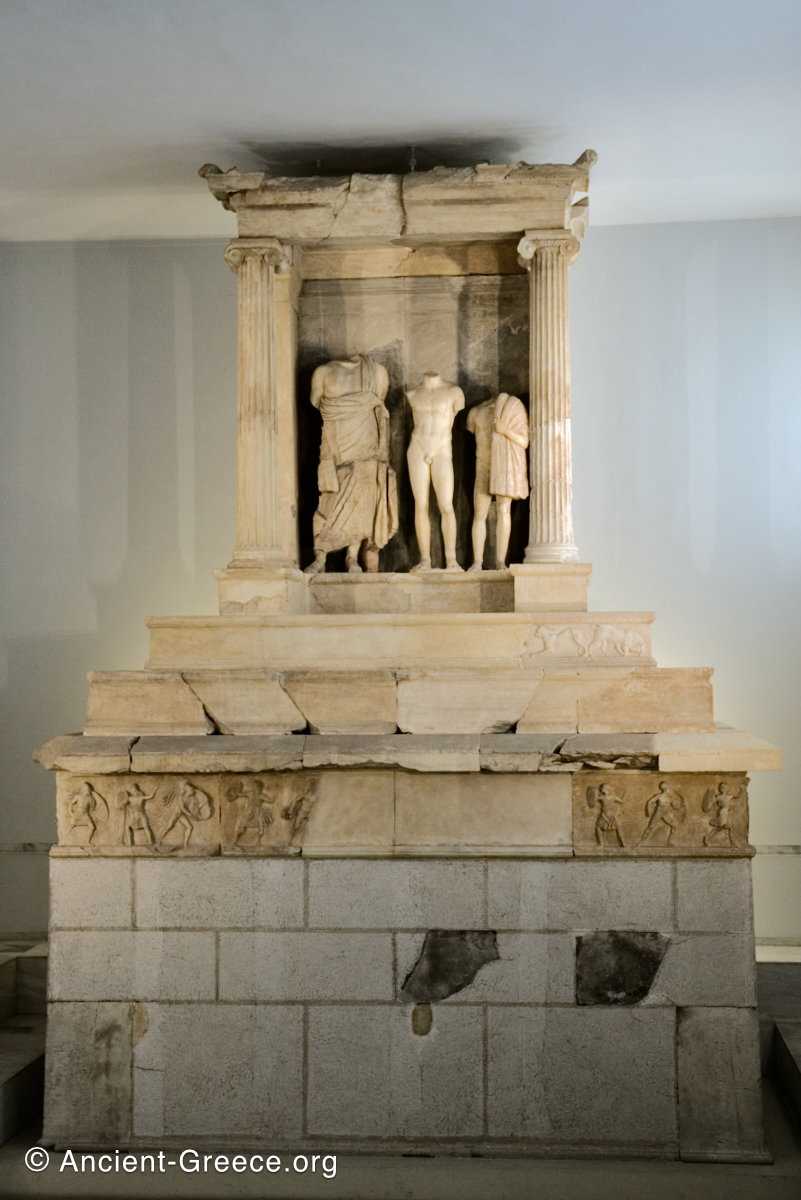
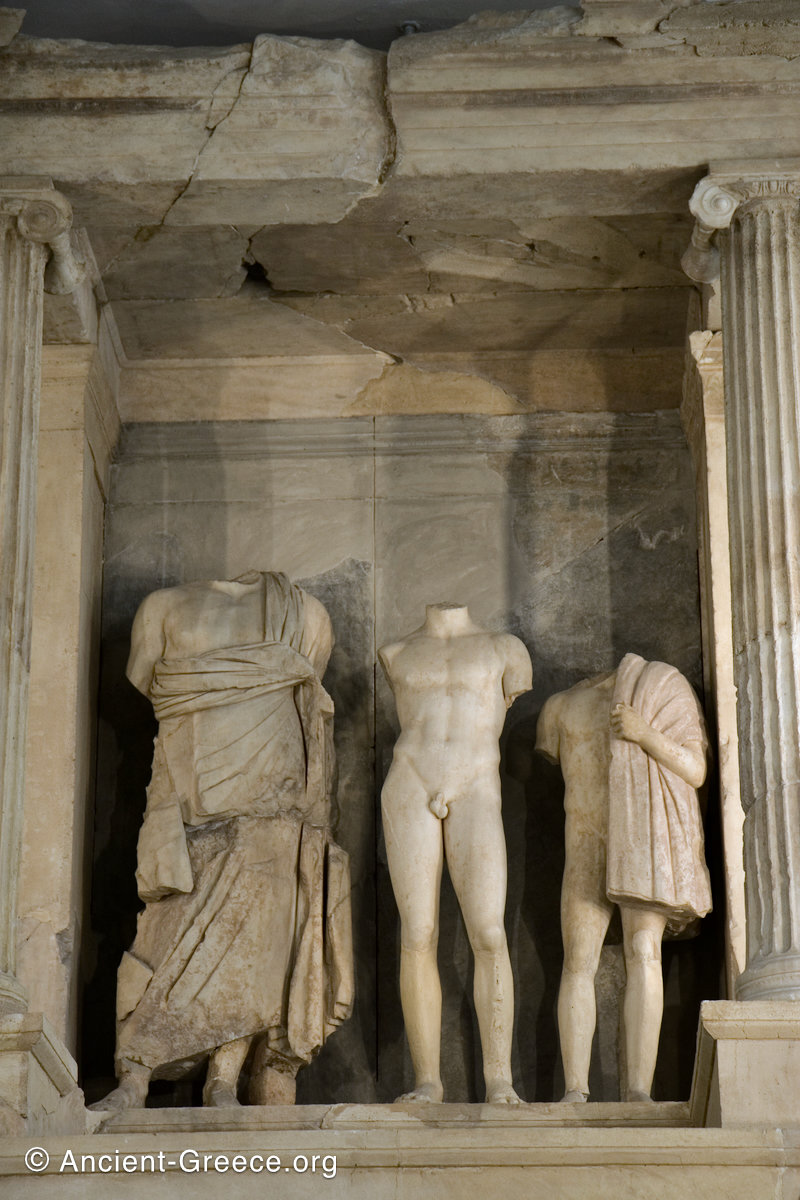
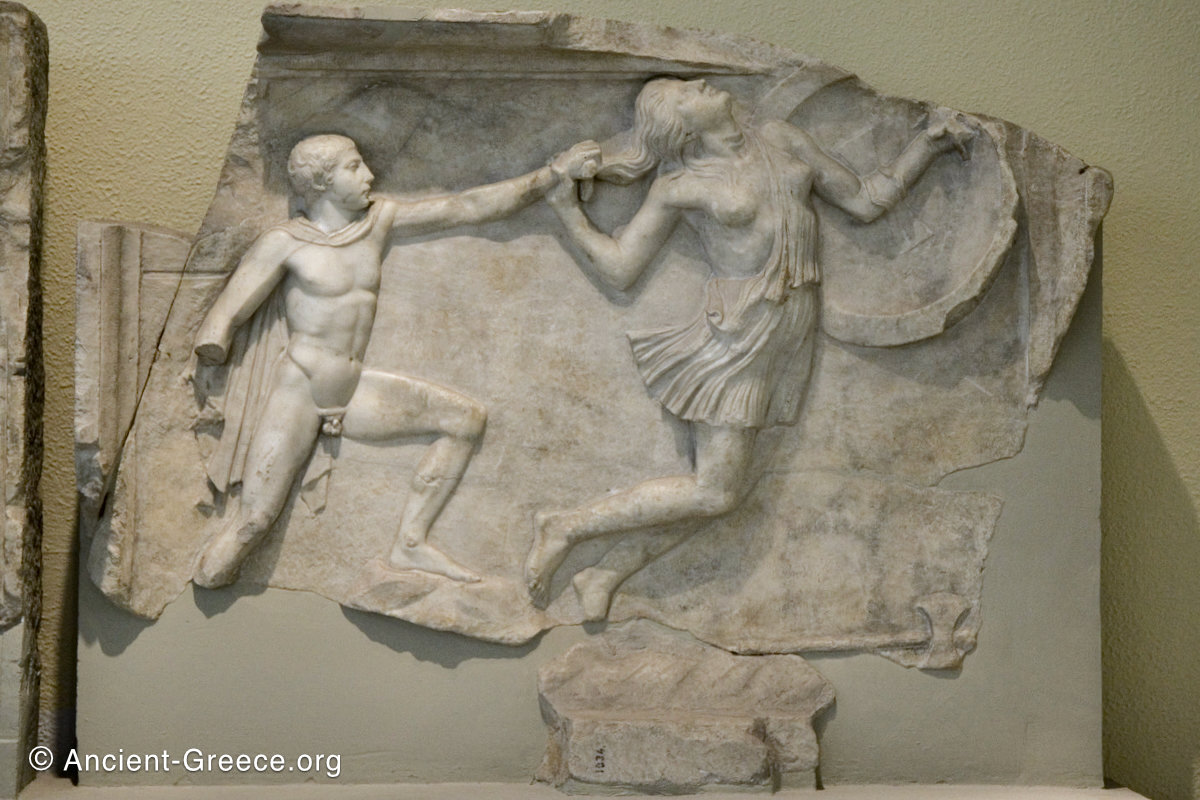
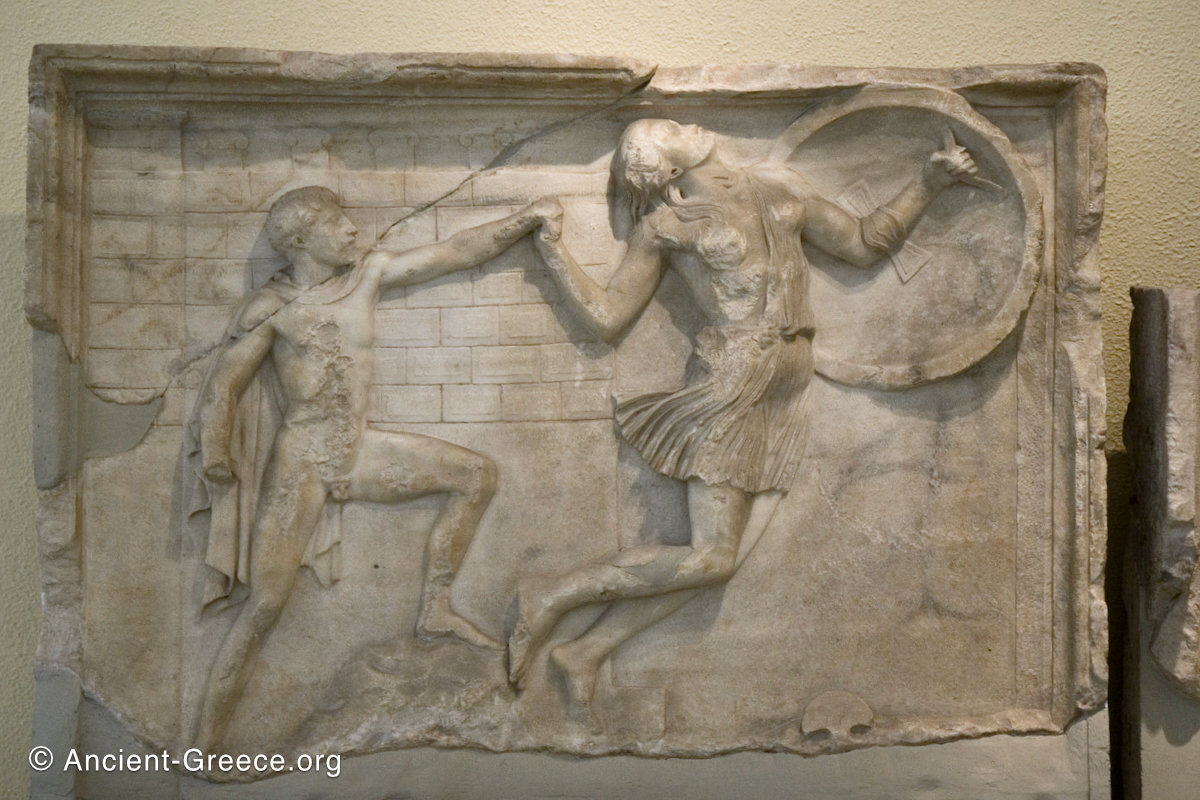
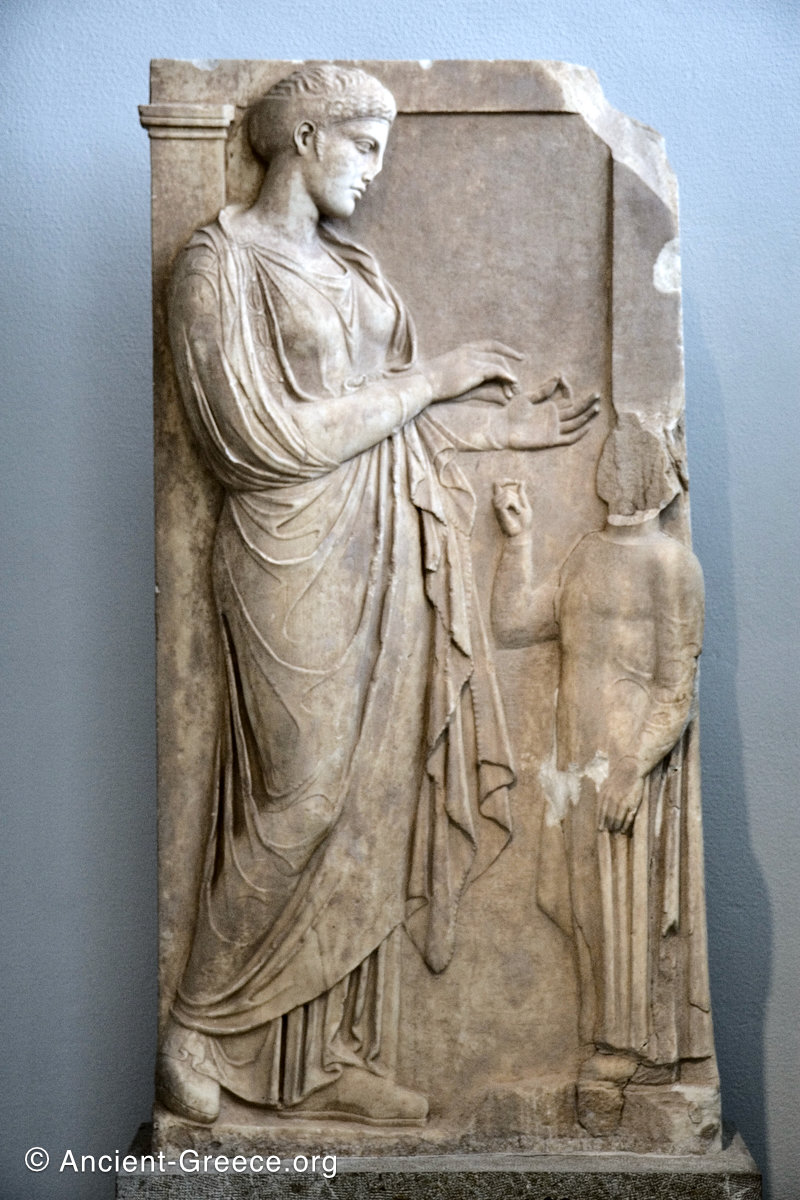
The museum’s art collection includes a rare bronze kouros statue (Piraeus Apollo), bronze statues of Athena and Artemis, the grave monument of Nikeratos and his son. A series of late antiquity identical relief sculptures found in a shipwreck destined for Rome is also of interest.
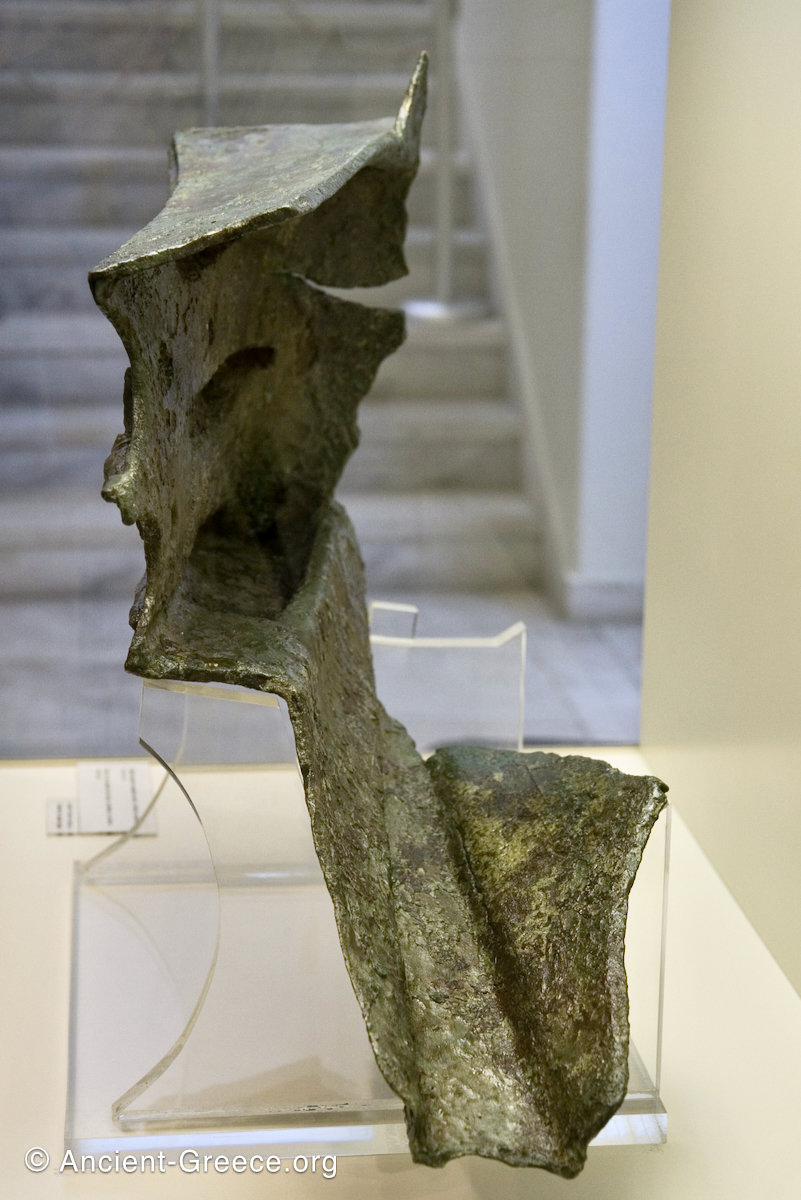
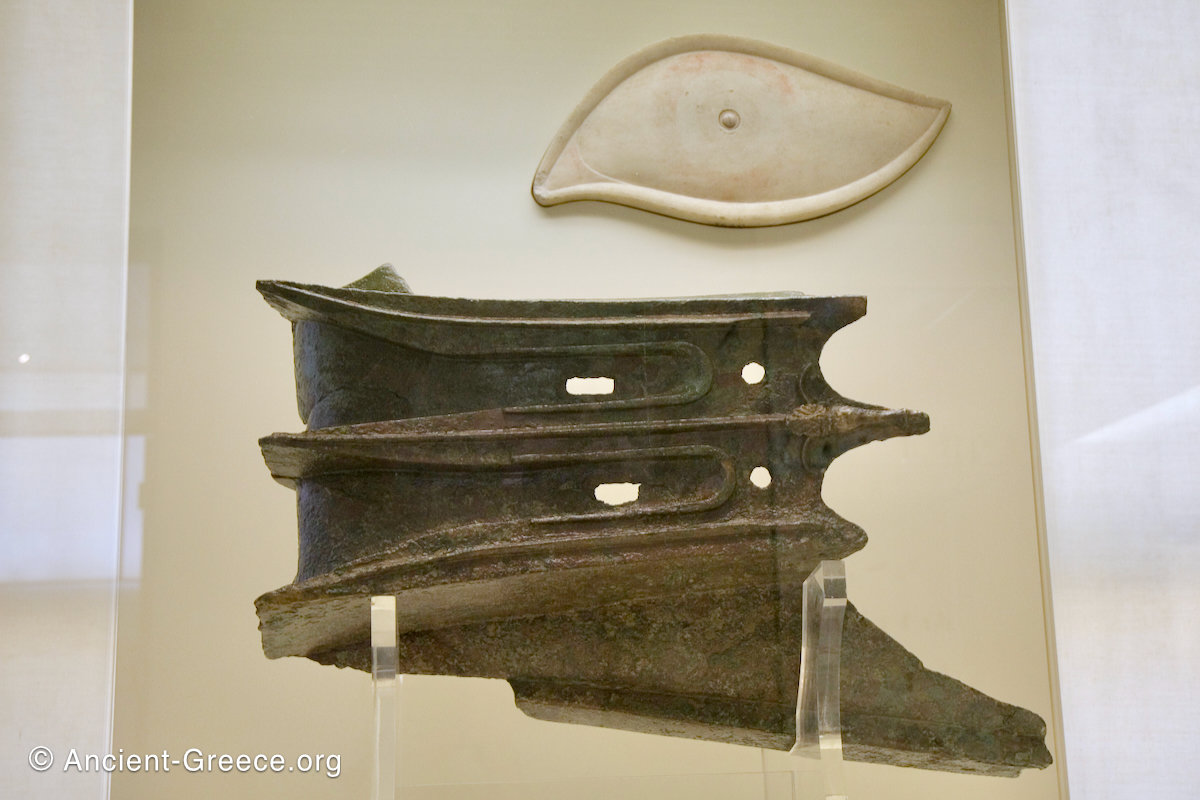
Other artifacts of historical significance include a rare bronze sheath of a worship’s ram (probably a trireme), and objects for measuring lengths and volumes of fluids.
Bronze Artifacts
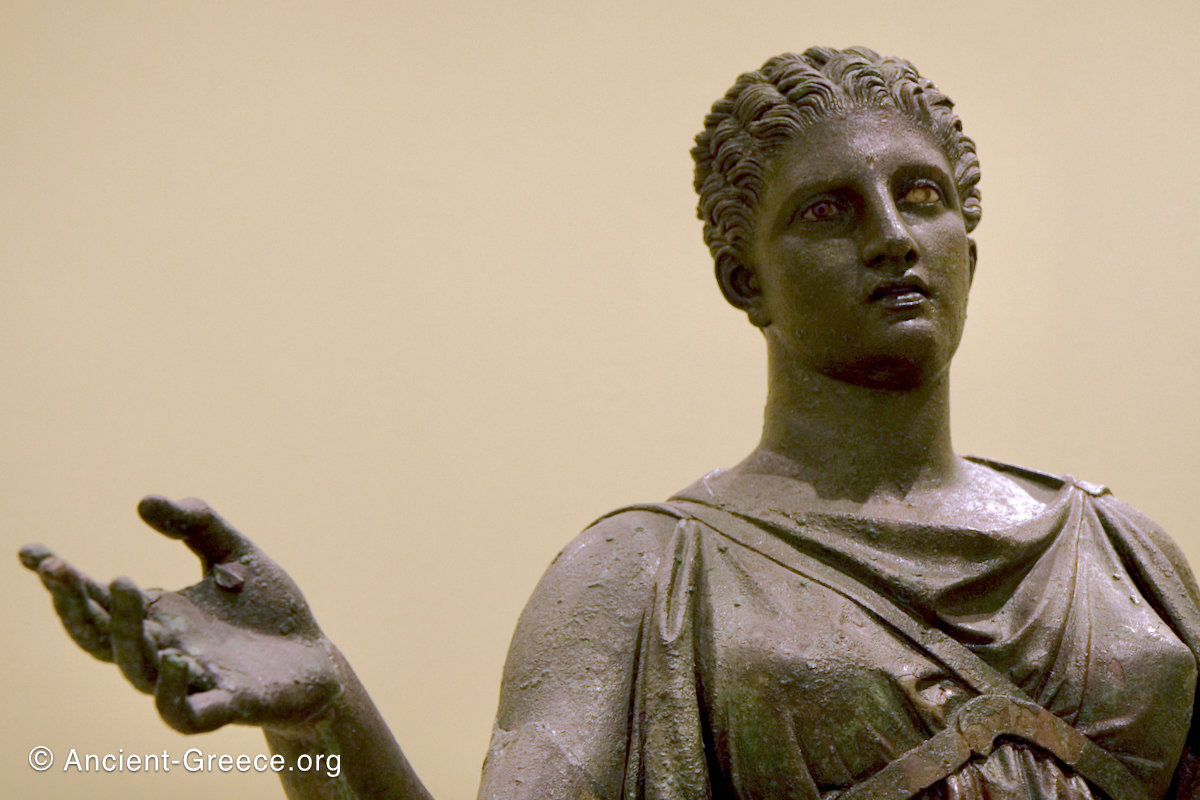
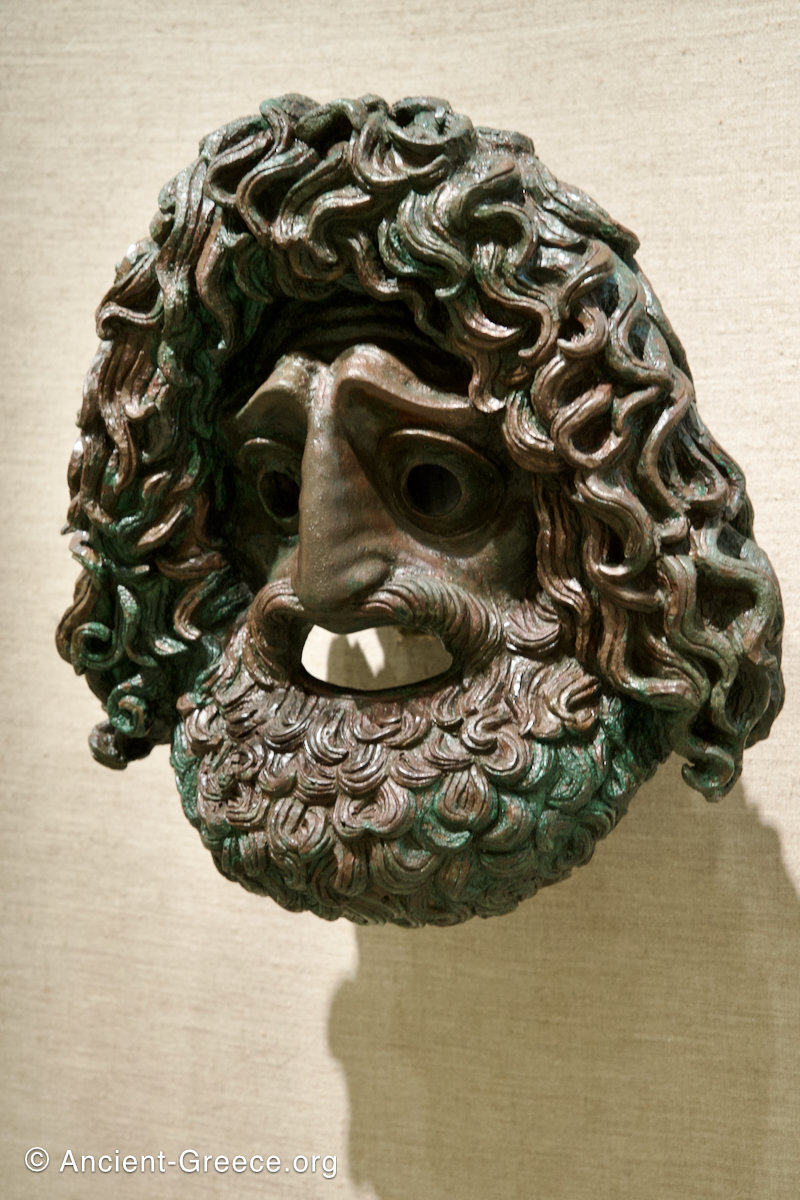
Piraeus Apollo is a are bronze Kouros. Either early 5th c. BCE, or 530-520 BCE.The Piraeus (Peiraeus) Athena. Side view. Either an original of the 4th c. BCE, or a classicizing Hellenistic copy.The Piraeus (Peiraeus) Athena. Either an original of the 4th century BCEEither an original of the 4th c. BCE, or a classicizing Hellenistic copy.Bronze statue of Artemis. Detail showing the preserved inlaid eyesBronze statue of Artemis. Mid-4th c. BCE.Bronze statuette of Artemis. The type belongs to the school of Praxiteles, known from the Attic reliefs of the end of the 4th c. BCE.The Piraeus (Peiraeus) Athena. Detail of the head with preserved inlaid eyes. Either an original of the 4th c. BCE, or a classicizing Hellenistic copy.Large bronze tragic mask. Mid-4th c. BCE.Bronze ship ram (probably a trireme). Interior view. 4th c. BCE.Bronze ship ram (probably a trireme). 4th c. BCE. Classical Era. A rare example of a bronze ram from a war ship of the classical era.
Well preserved bronze artifacts from Archaic, Classical, and Hellenistic eras are displayed in the Archaeological Museum of Piraeus. Among them, a rare bronze kouros known as Piraeus Apollo, two bronze statues of Artemis, an elaborate theatre mask, and fragment of the bronze ram from an ancient trireme.
Marble Sculptures
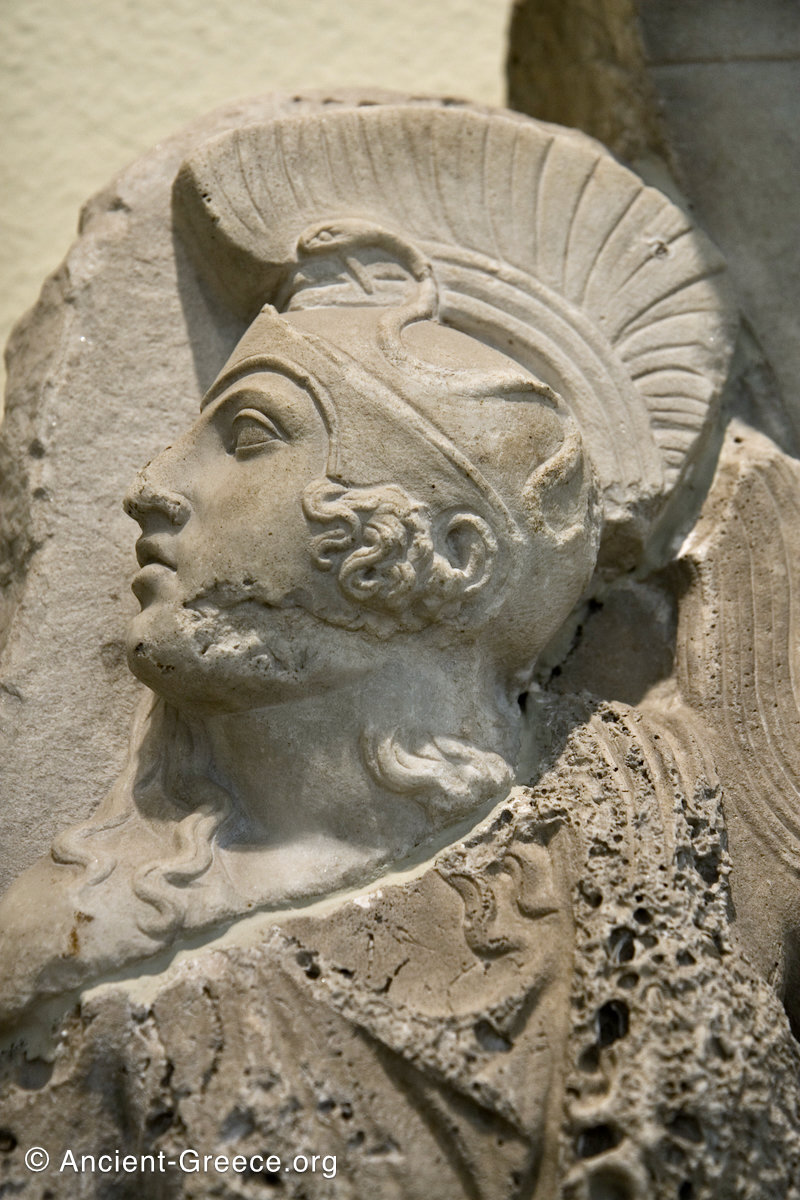
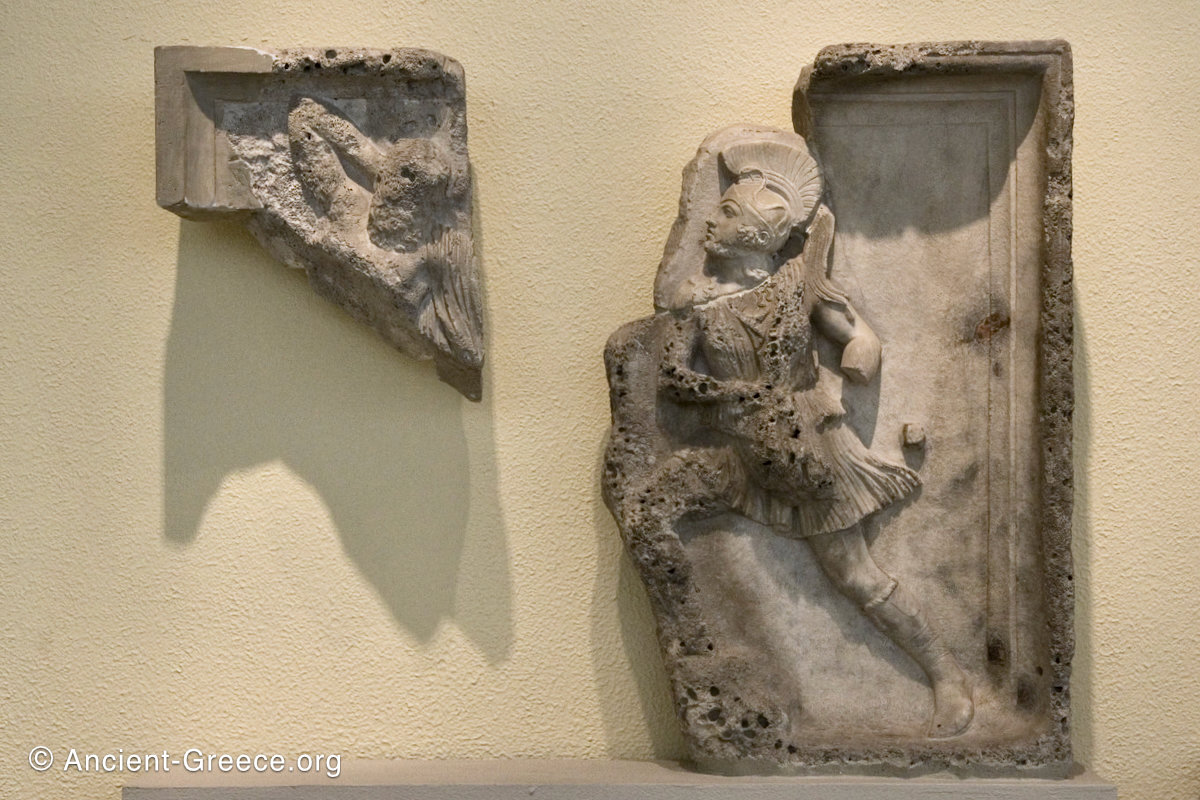
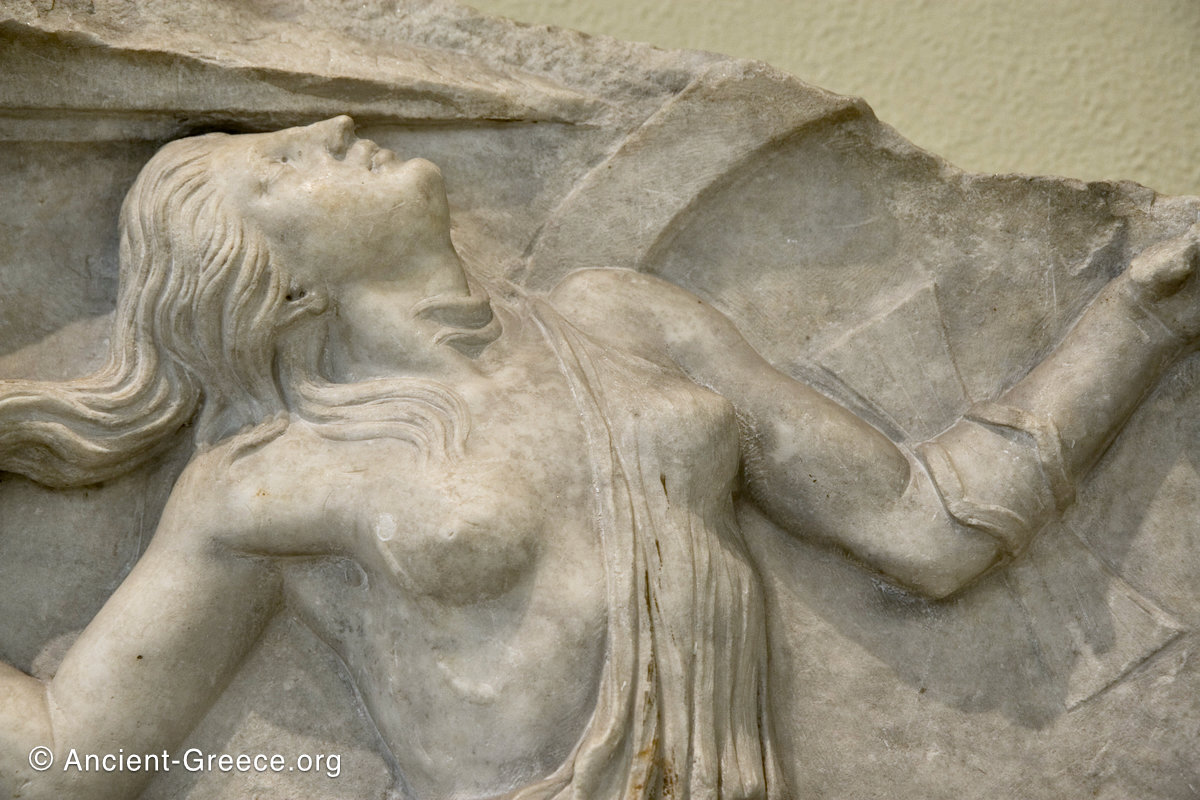
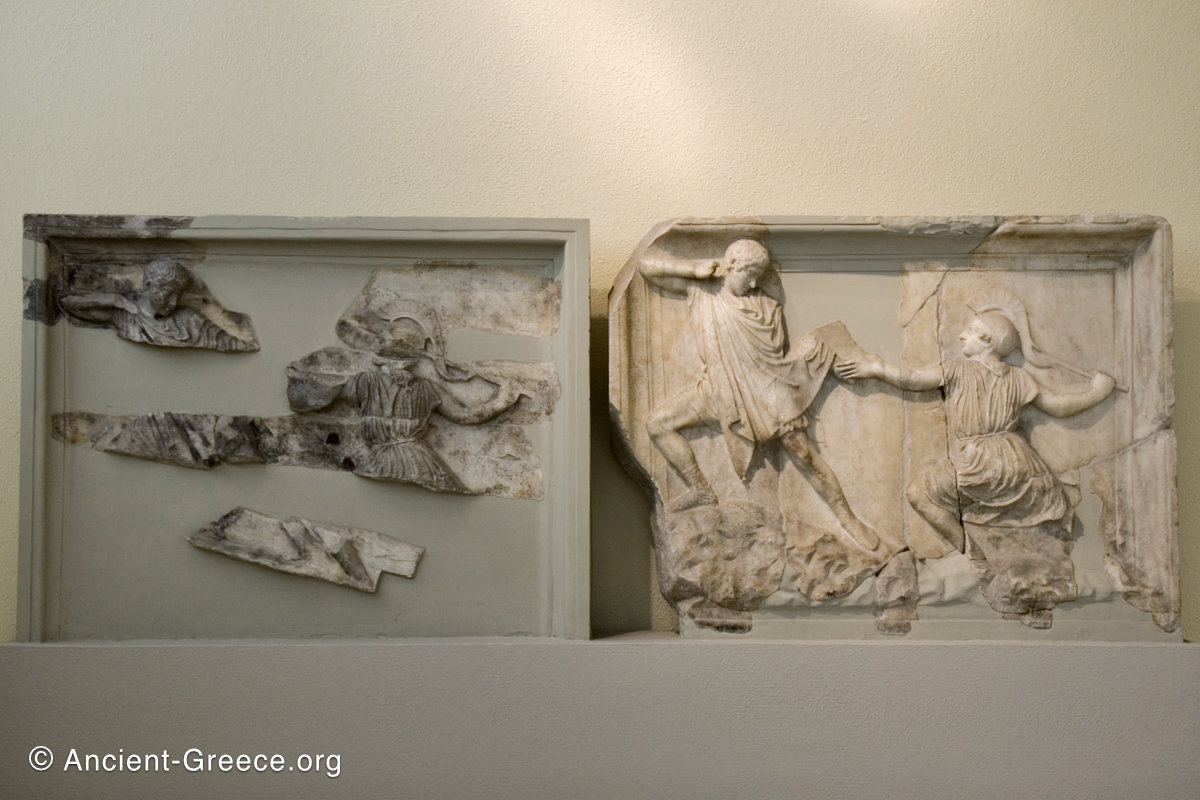
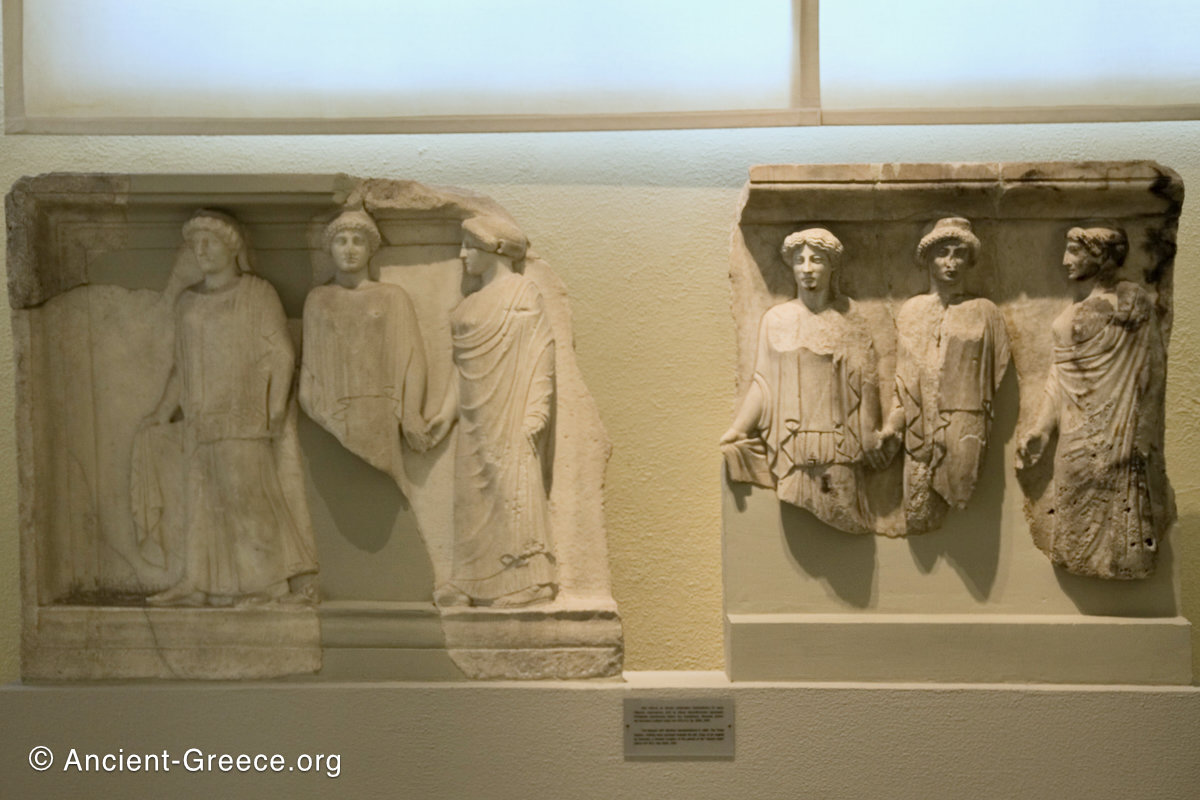
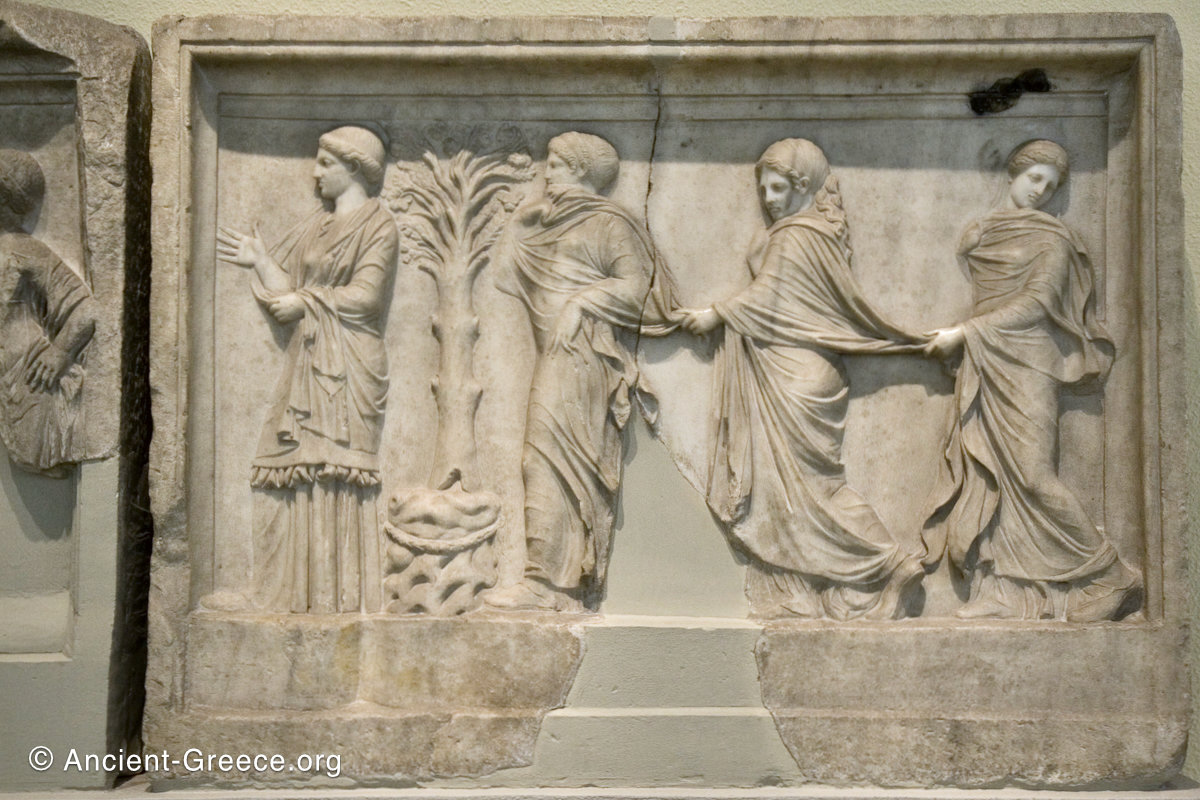
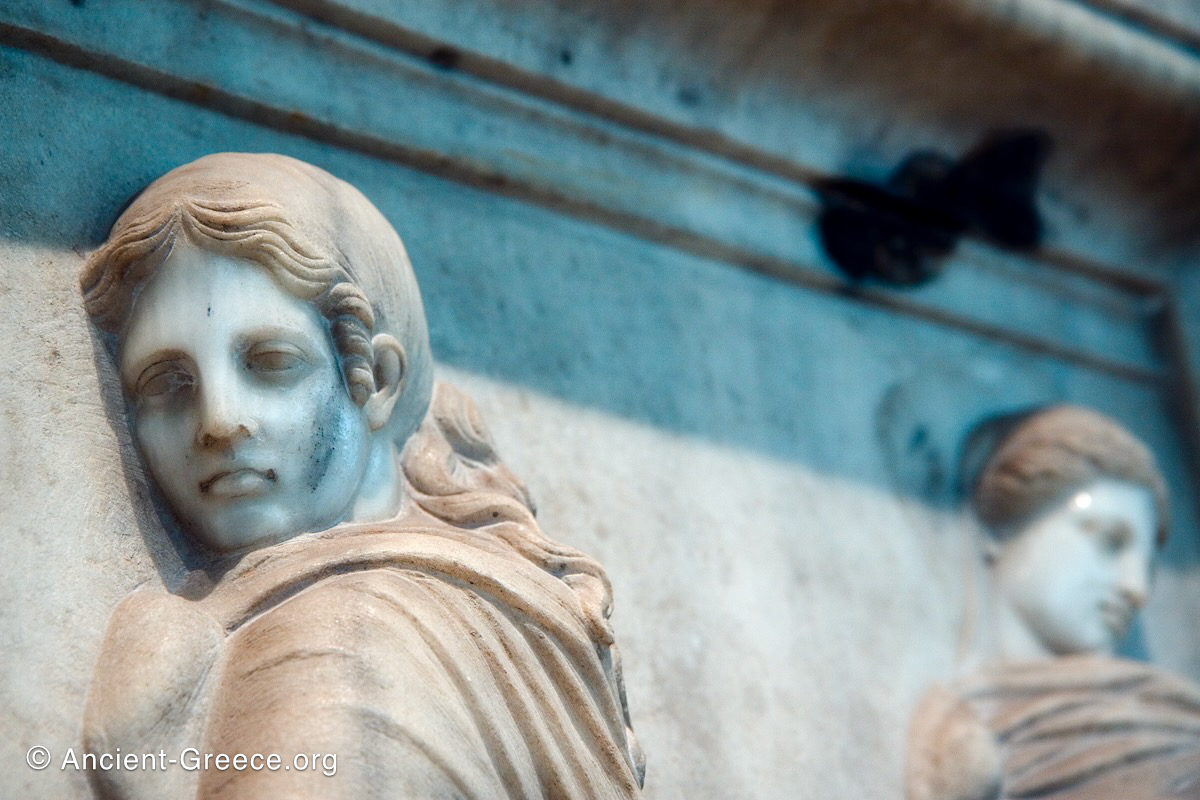
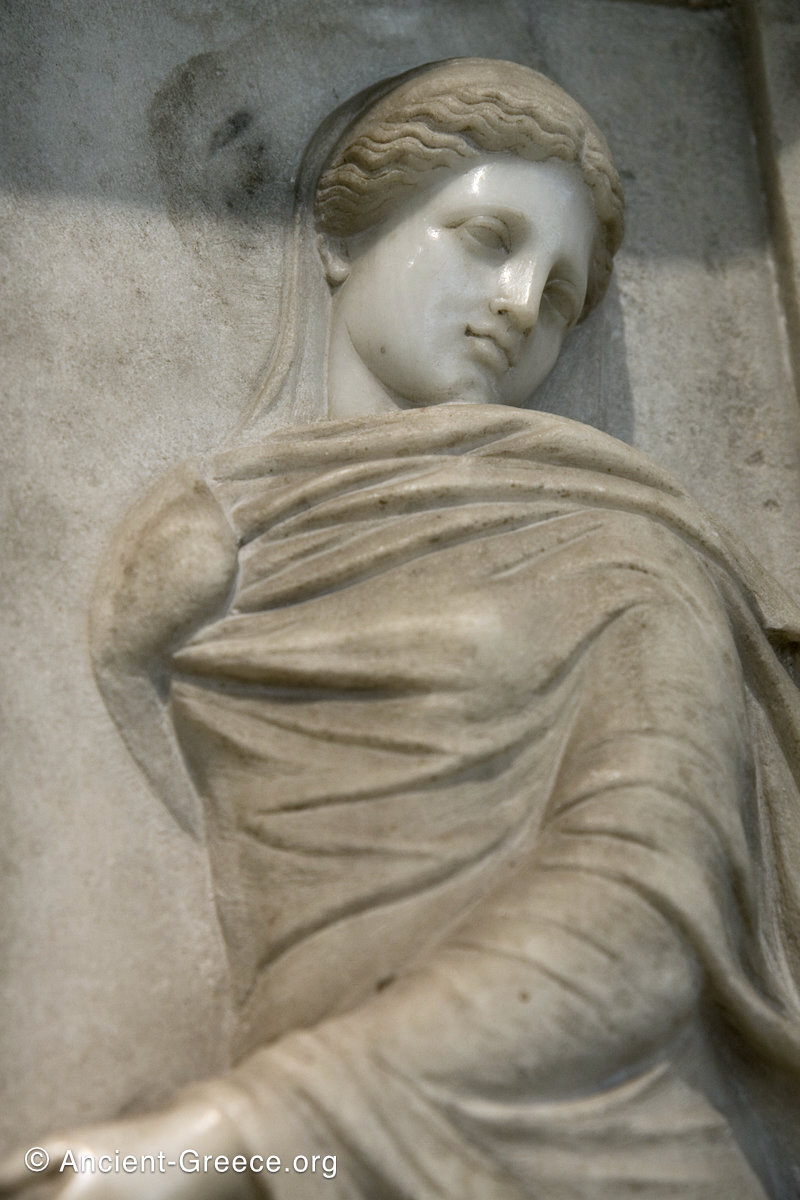
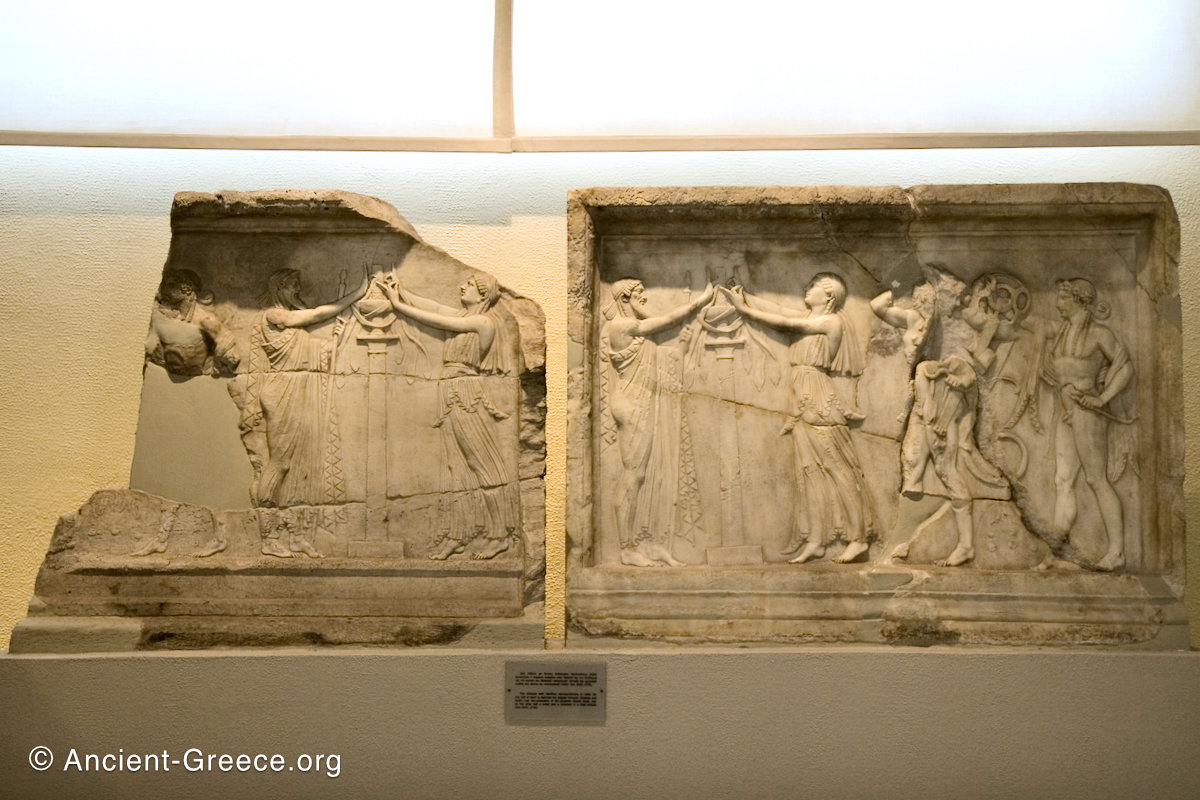
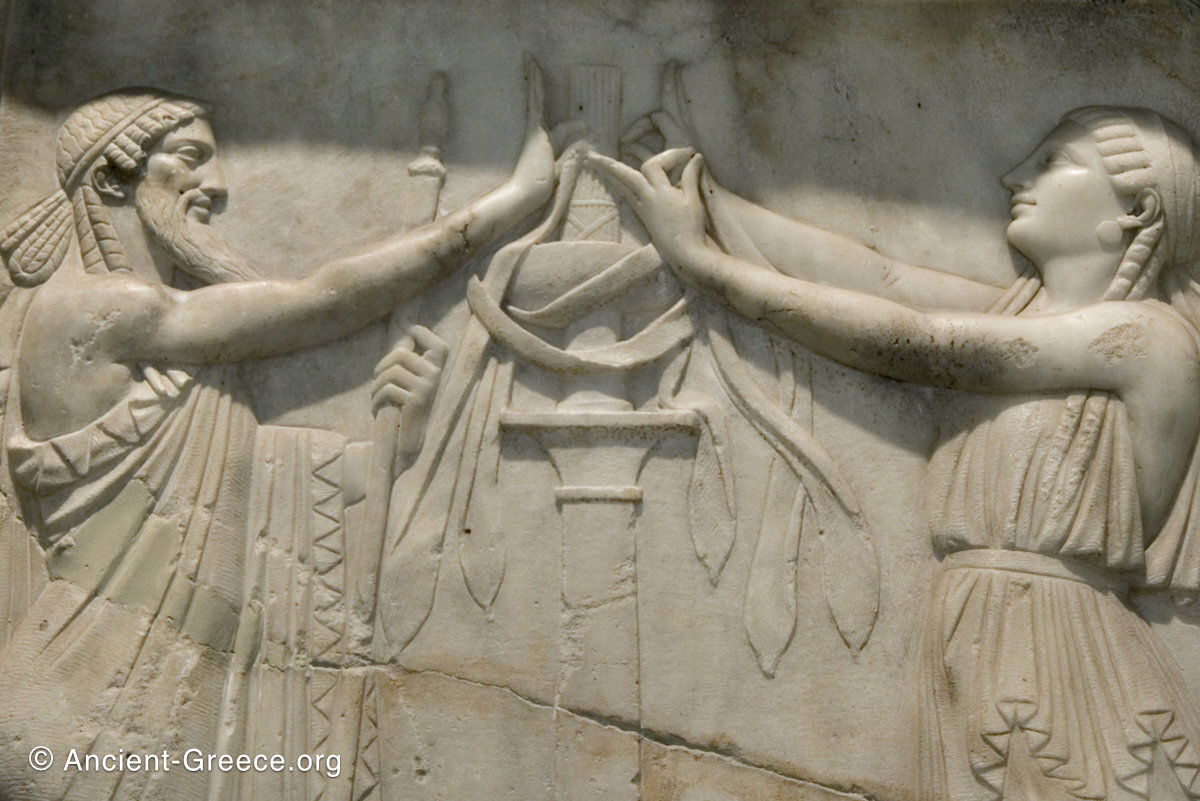
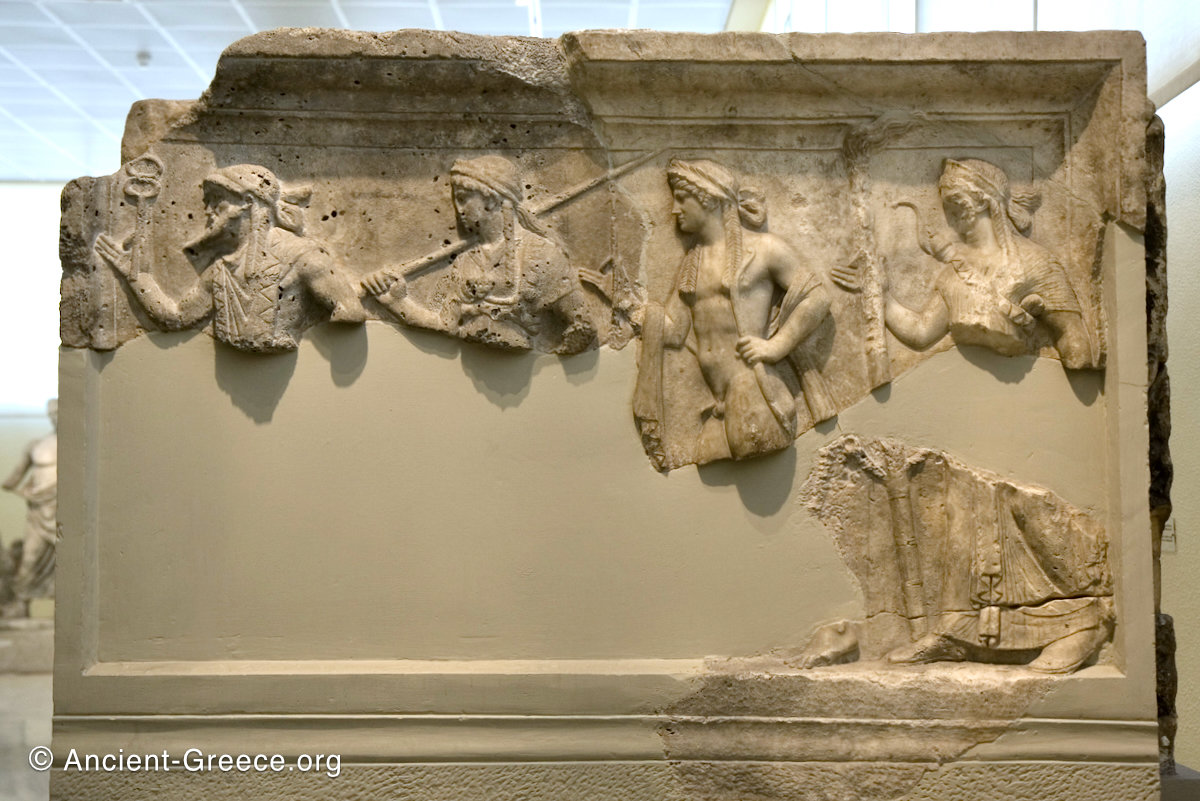
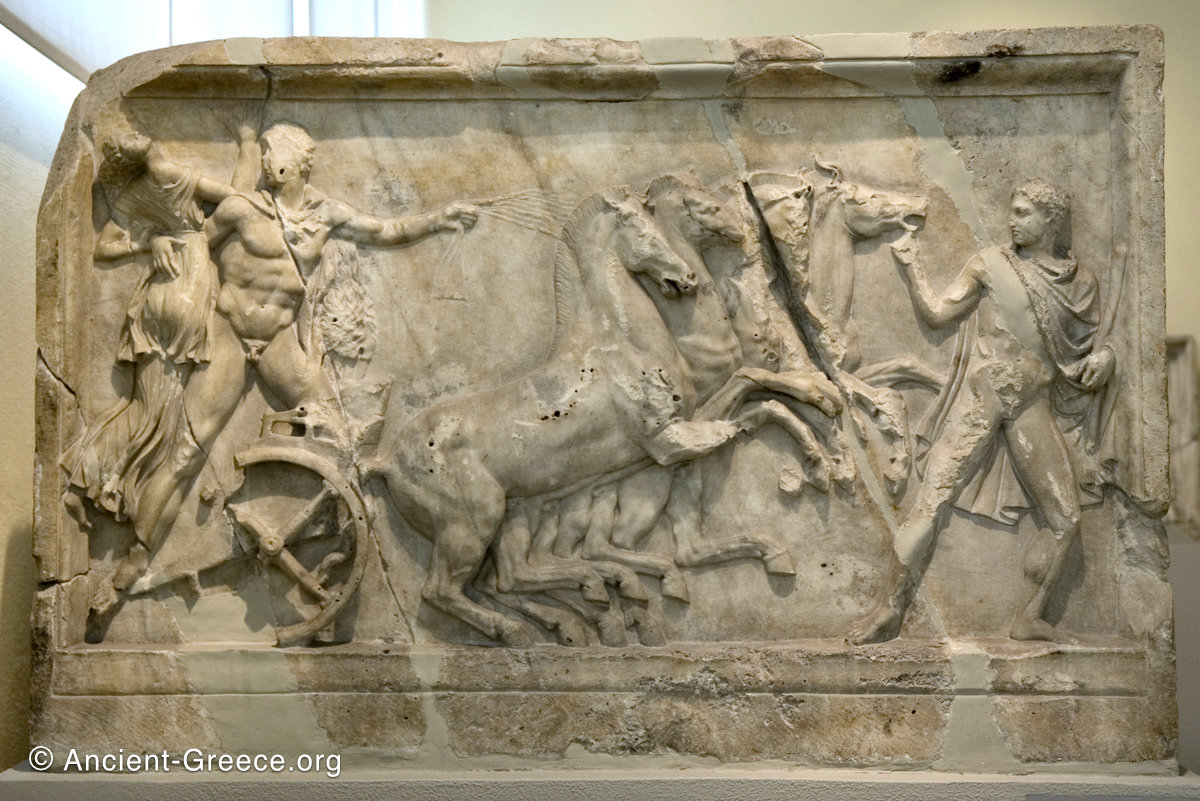
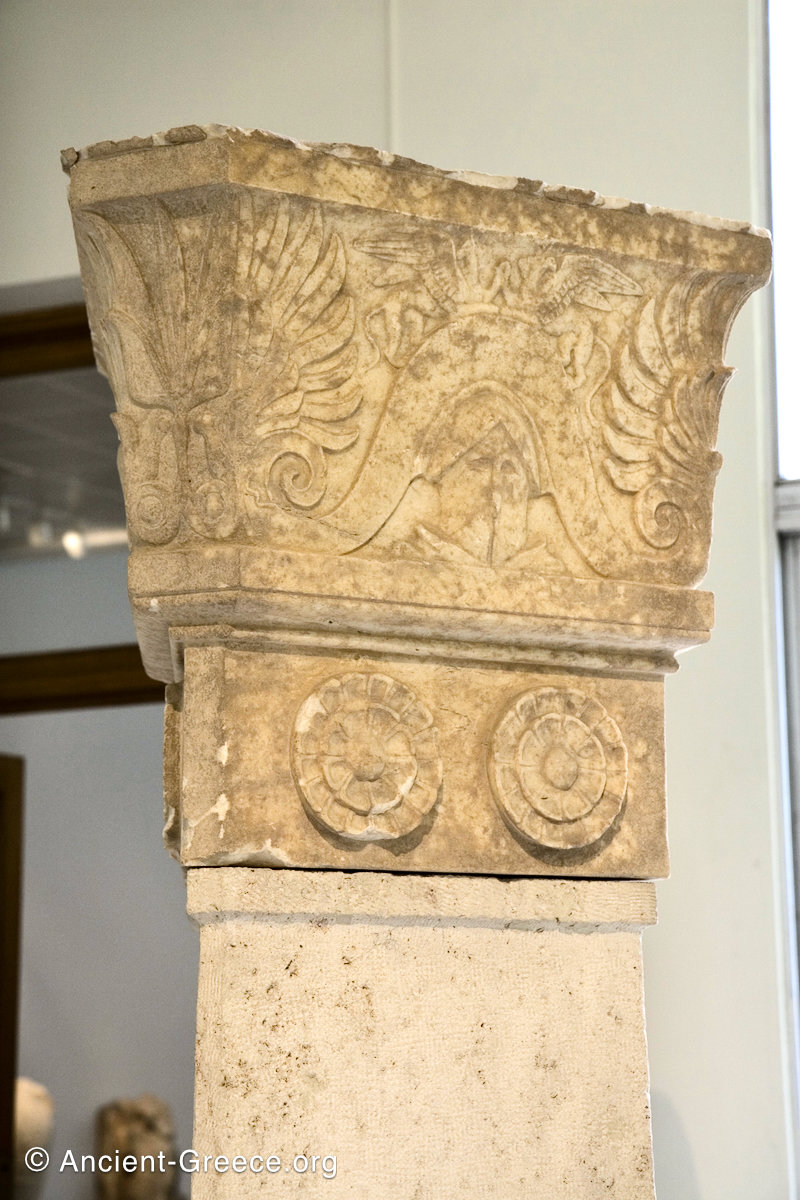
Grave monument of Nikeratos and his son Polyxenos. Circa 330 B.C.Grave monument of Nikeratos and his son Polyxenos. Detail. Circa 330 B.C. Detail of a helmeted Amazon attacking a Greek (on the left).A helmeted Amazon (right) is attacking a Greek.Amazonomacny relief sculptureRelief sculpture detail of an Amazon being captured. Amazonomacny relief sculpture. Two identical relief sculptures.Two plaques with identical scenes of the Three Graces, holding hand in procession. Circa 470 BCE.Three Nymphs in procession toward a tree, an altar, and a woman gesturing.Relief sculpture detail from a slab with Nymphs. Three Nymphs in procession toward a tree, an altar, and a woman gesturing.Two relief slabs with identical subject: a priest and a priestess performing a ritual while Heracles and Apollo fight over the oracular Dephic tripod.Relief detail of a priest and a priestess performing a ritual.Relief slab depicting Hermes, Athena, Apollo and Artemis, in procession.Relief sculpture of Herakles mounting a quadriga (a four-horse chariot) while abducting lole.
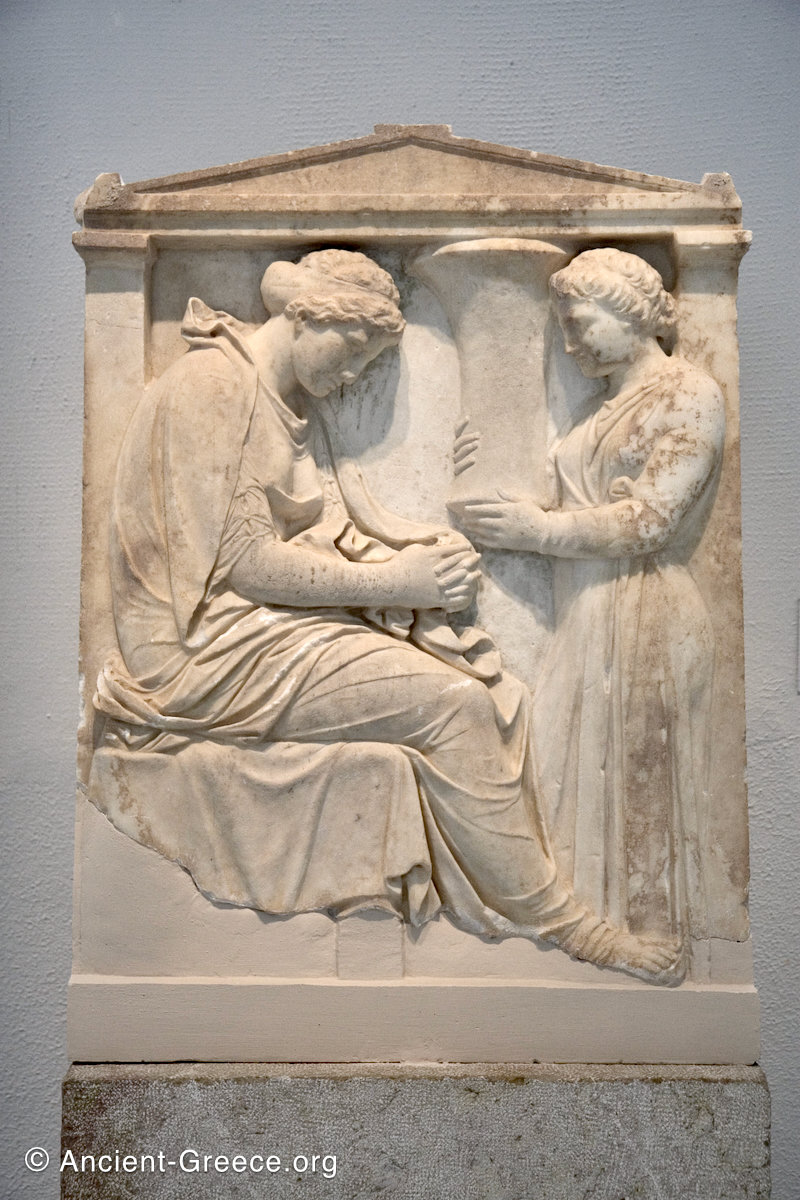
Funerary stele. It depicts the deceased woman and her maid examining a necklace which was originally painted in.
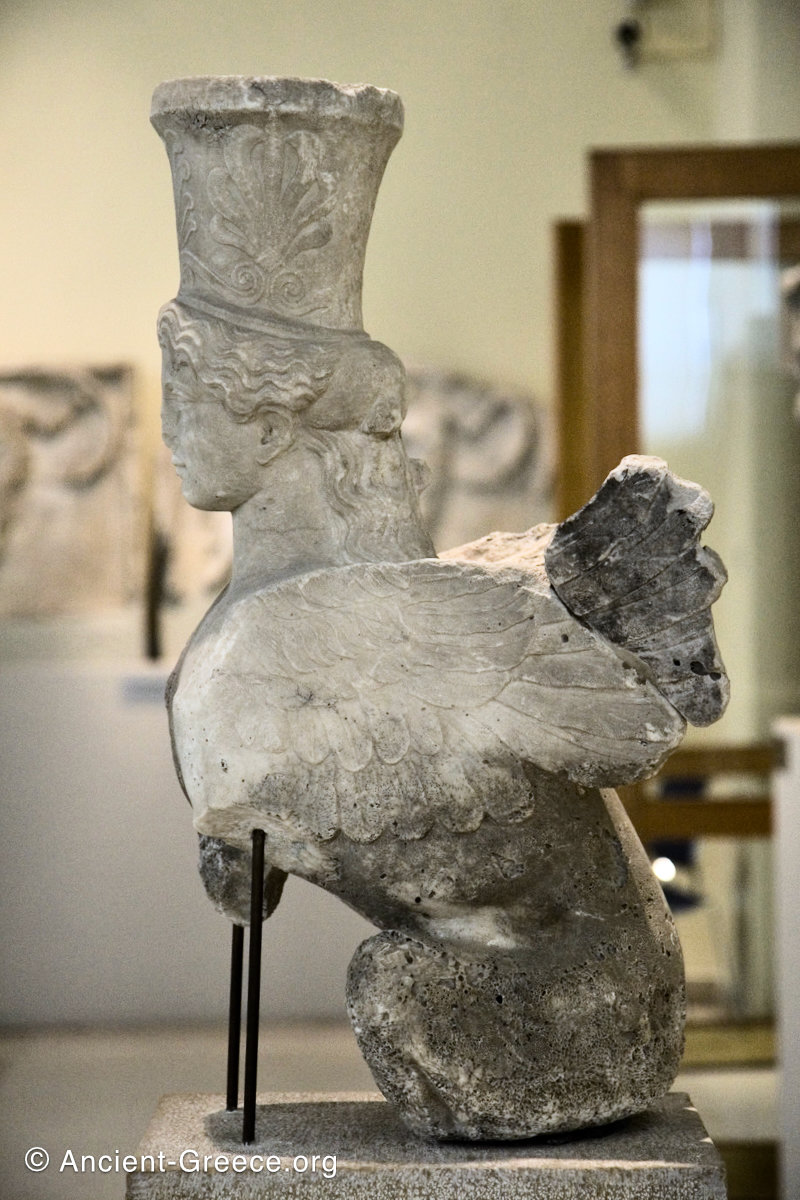
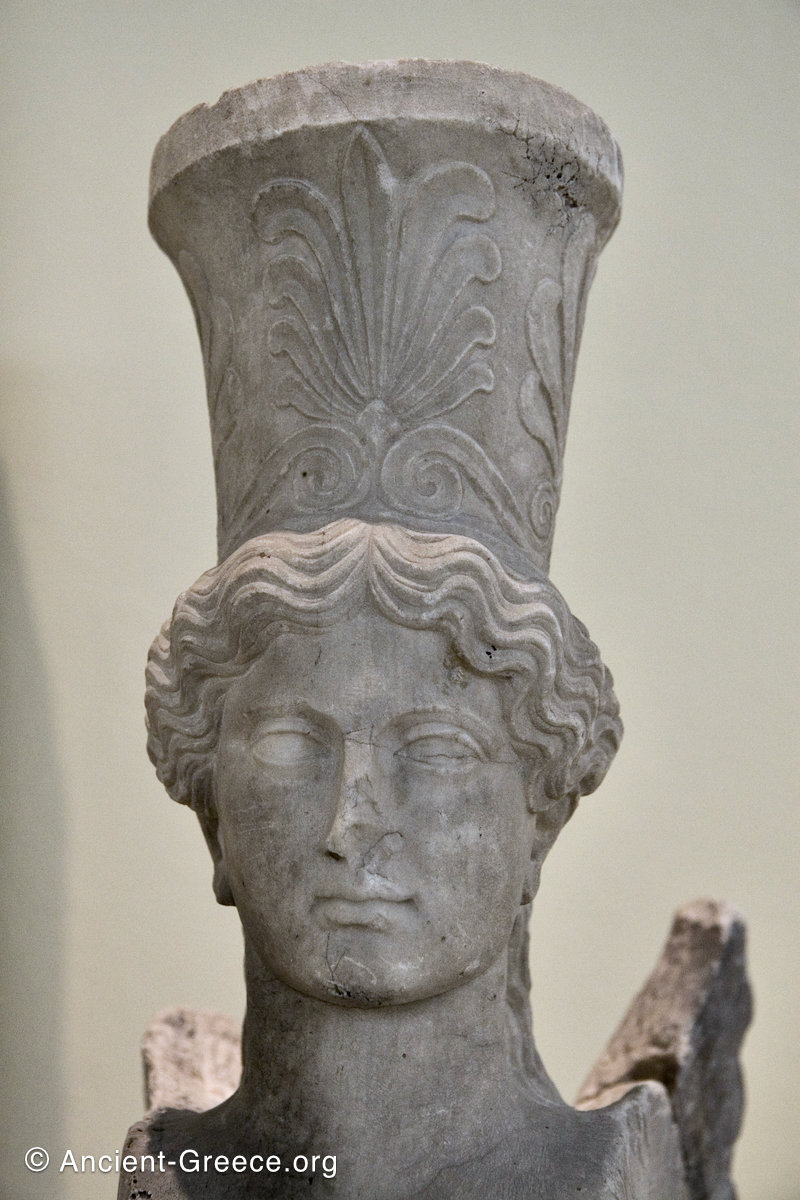
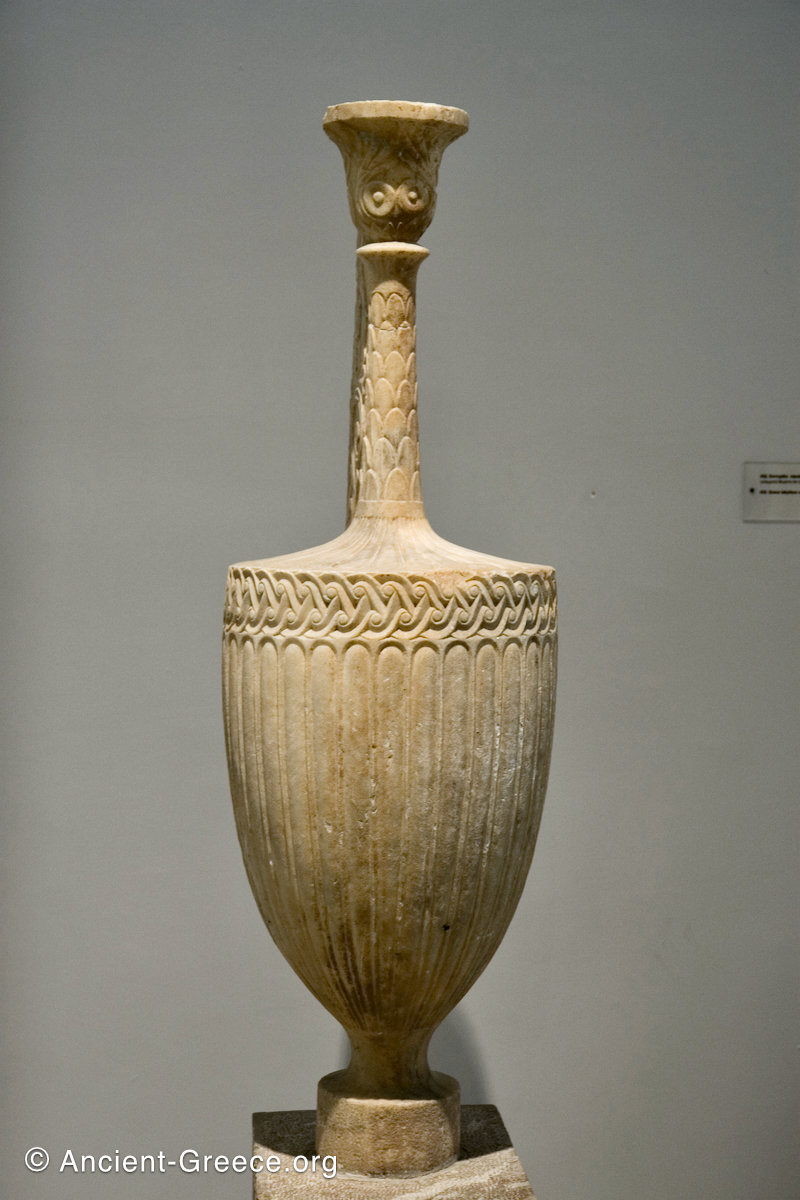
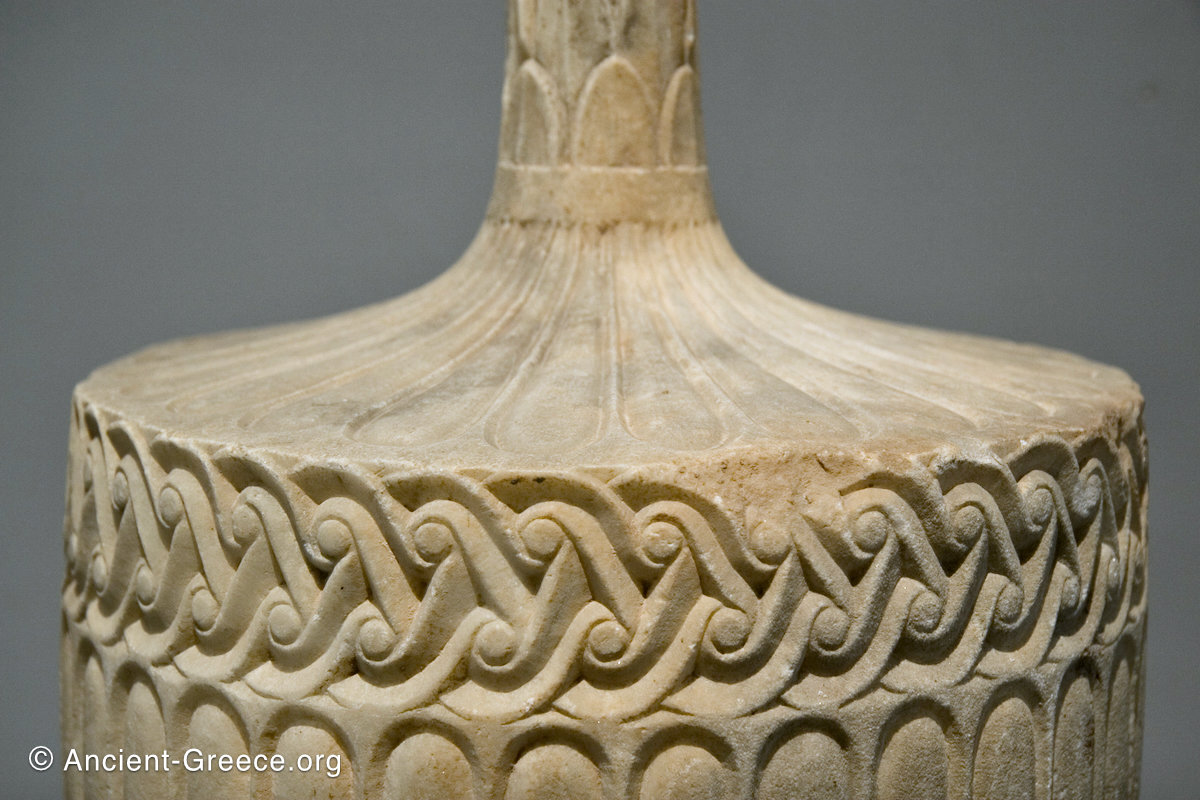
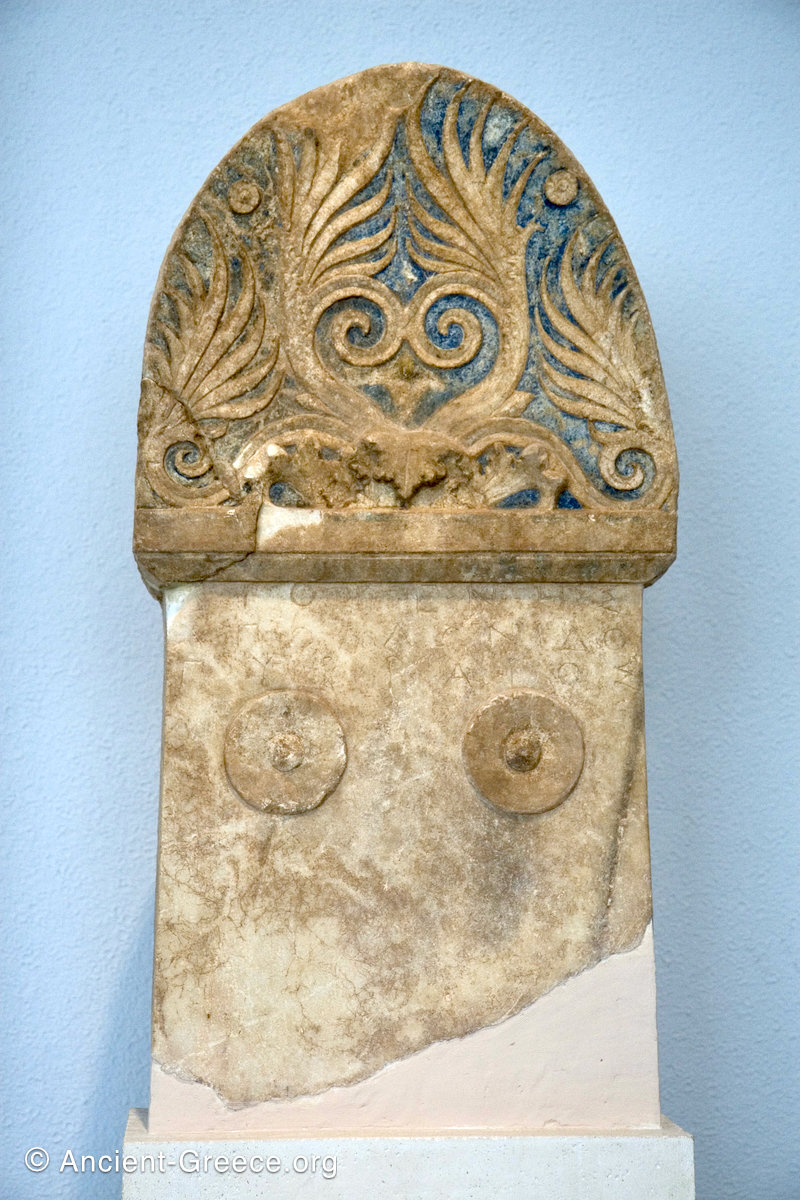
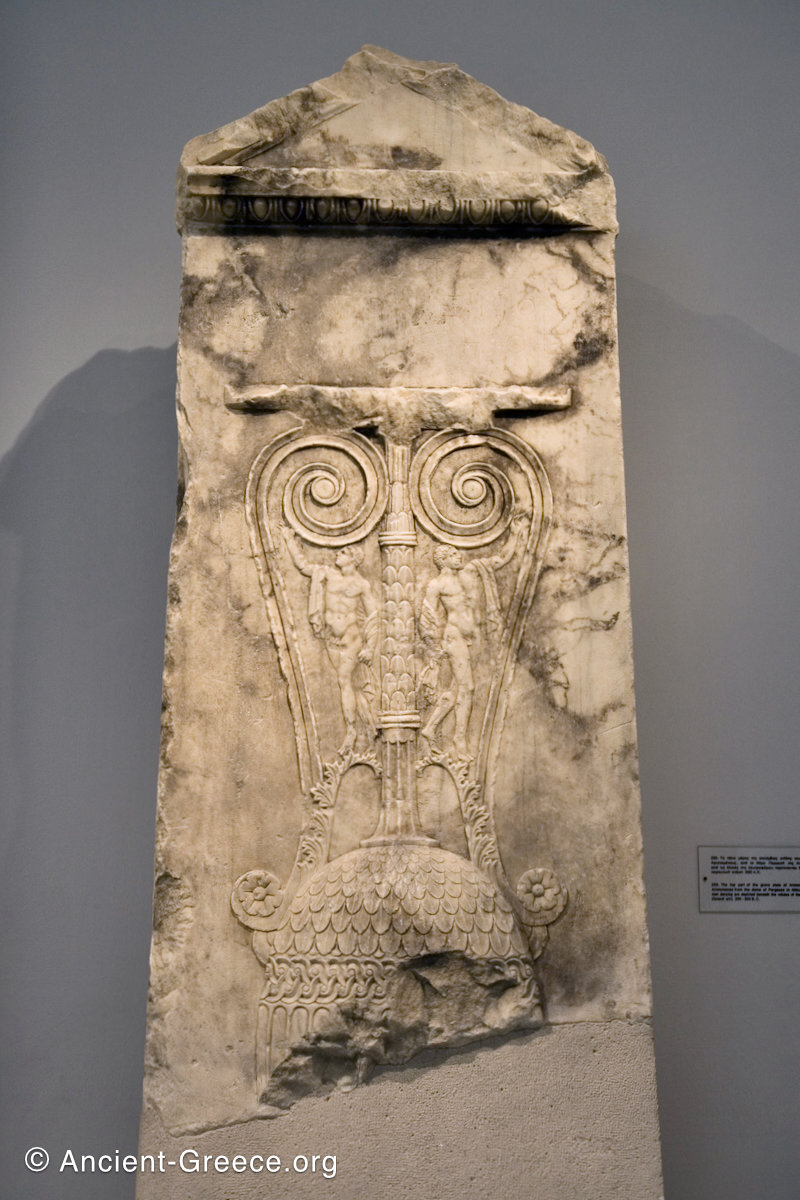
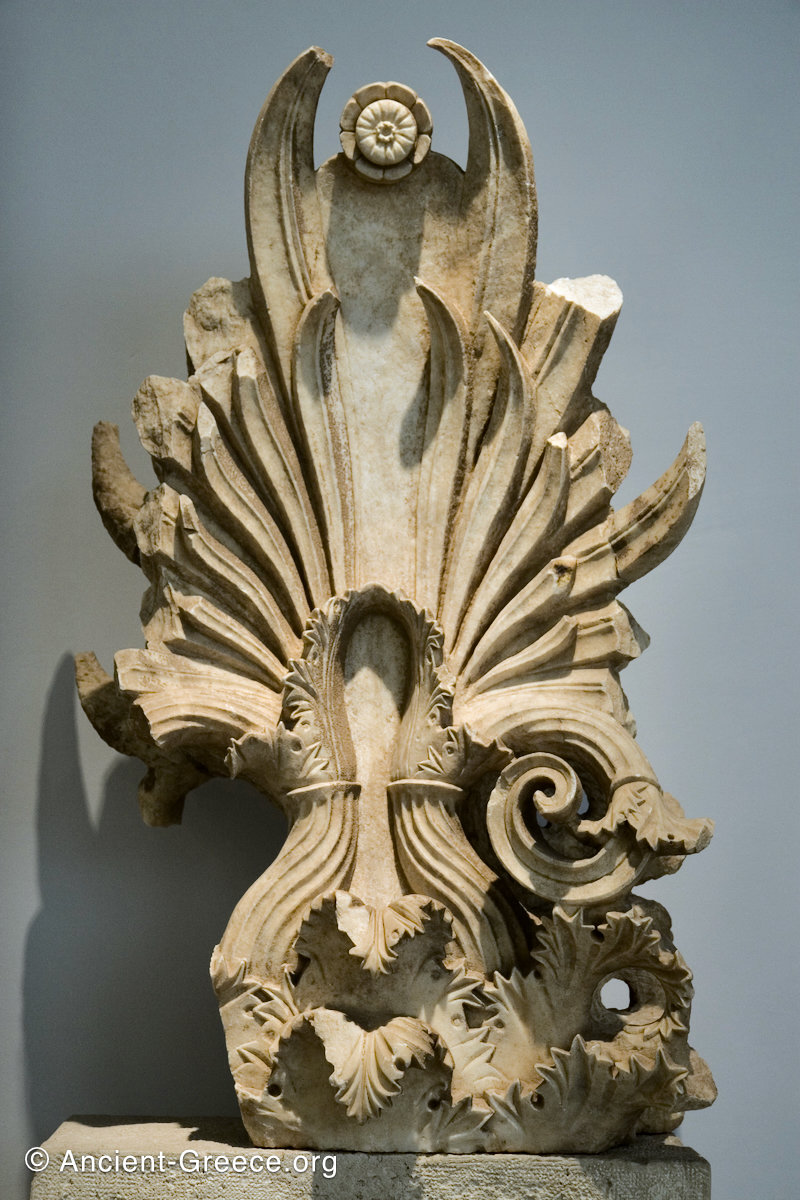
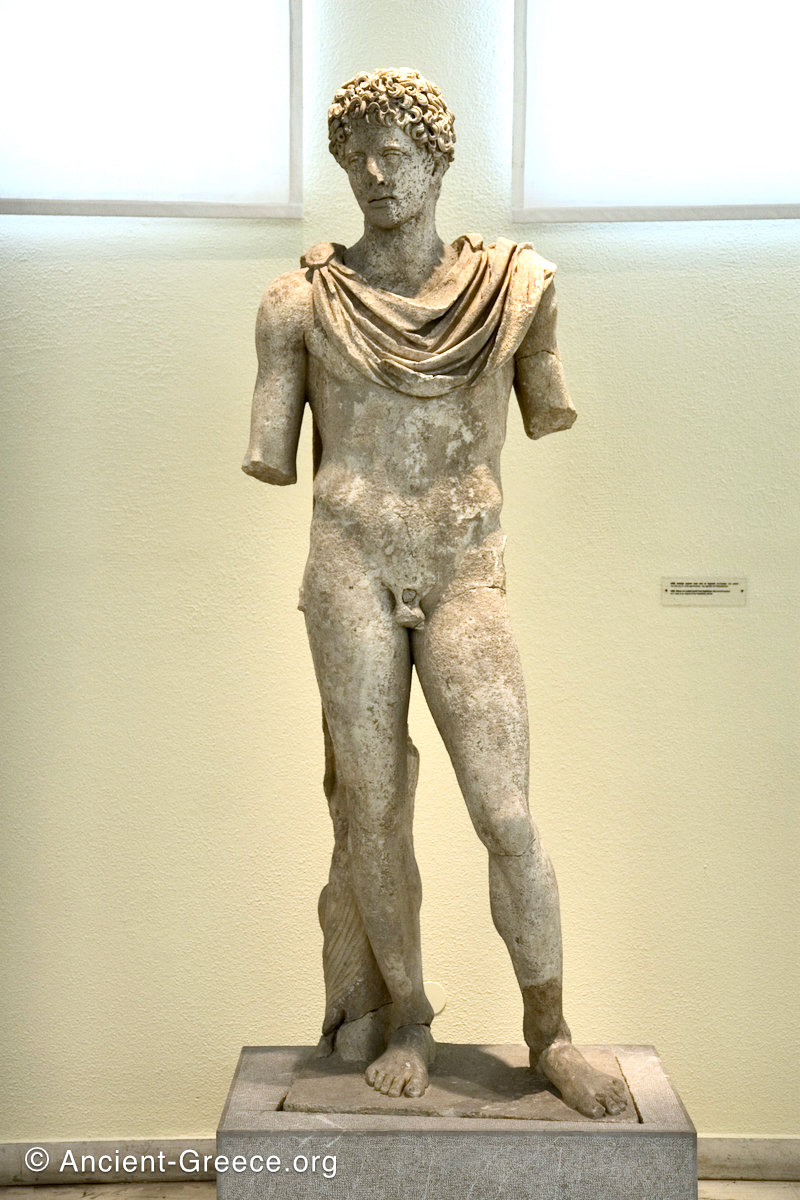
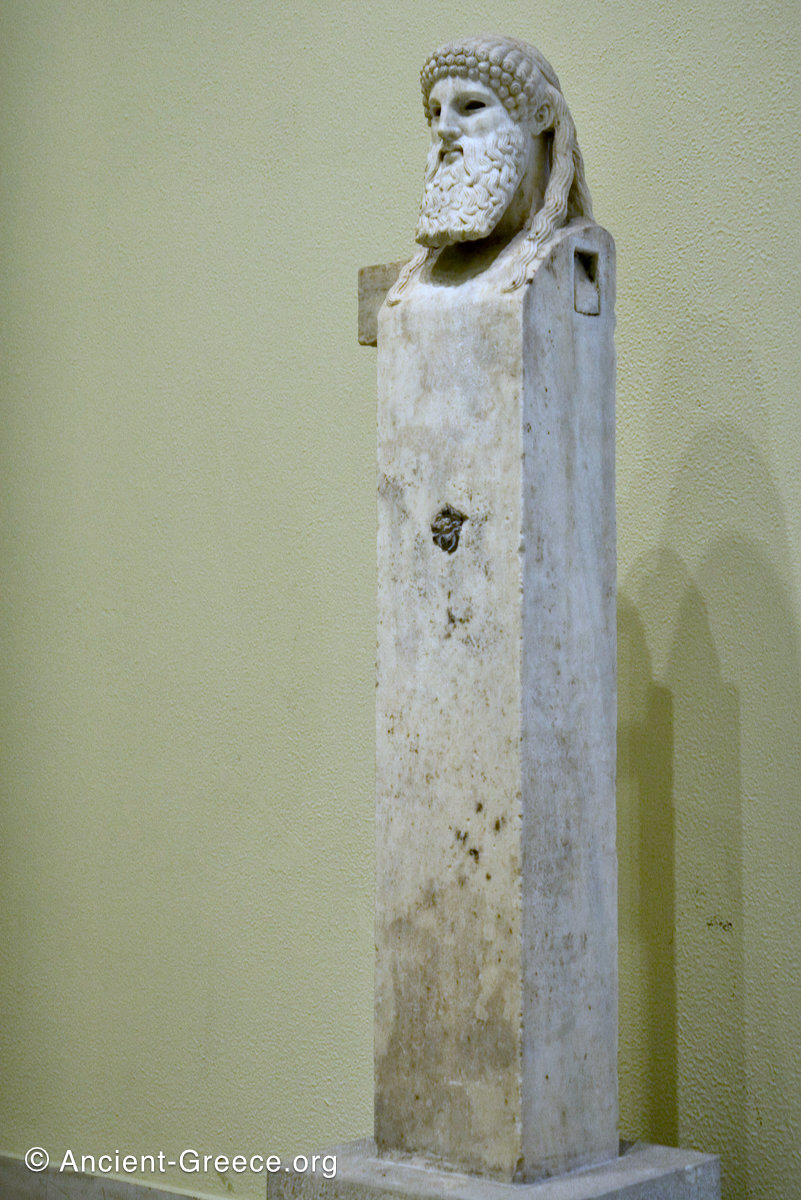
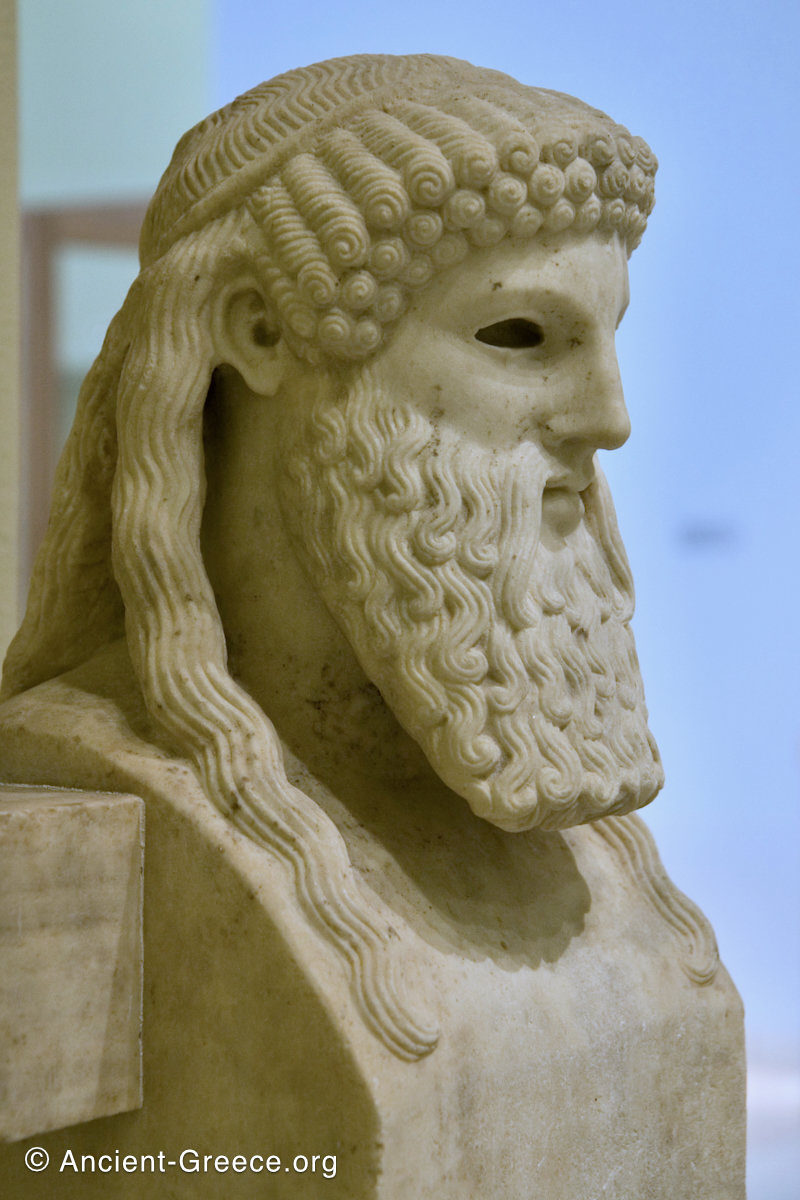
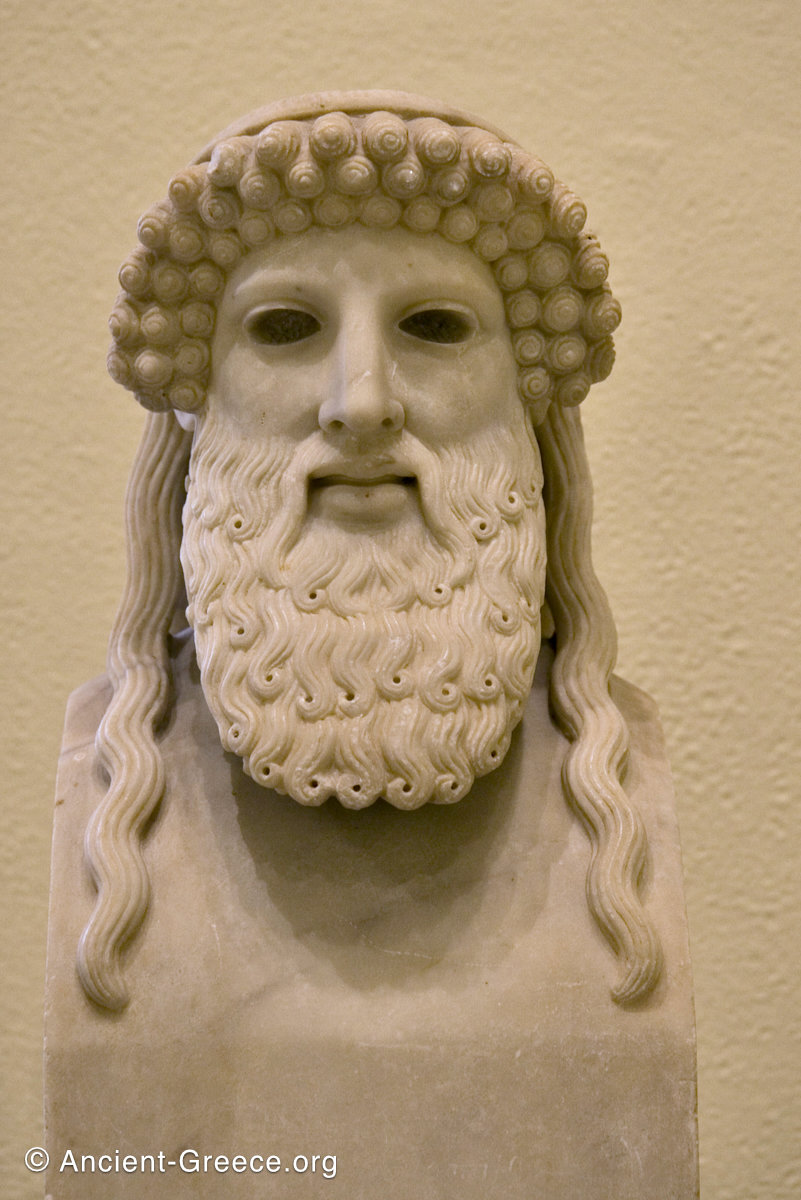
Second quarter of the fourth century BCE. Grave stele of a young woman. Circa 380 BCE.Seated sphinx statue. Circa 150 CE.Sphinx head. Circa 150 CE.Grave lekythos with relief decorations. Marble. Early 4th c. BCE.Detail of grave lekythos with relief decorations. Marble. Early 4th c. BCE.Fragment from the stele of Diogenes son of Apollonides, from Pyrrha on Lesbos. From Eetioneia (Kastraki Drapetsonas ). Early 4th c. BCE.Top of grave stele of Aristoteles son of Aristomenes from the deme of Pergases in Attica. 330 – 320 BCE.Triangular funerary stele crown. Probably from war memorial. Second half of 4th c. BCE.Anthemion crowning member of a grave stele. Male statue from Kephissia. Mid-second century. CE copy of an original of the Polykleitan school.Marble herm head. Circa 100 BCE.Marble herm head. Circa 100 BCE.Marble herm head. Circa 100 BCE.
The museum exhibits a plethora of marble sculptures from various monuments excavated in the vicinity of Piraeus.
Weighs and Measures
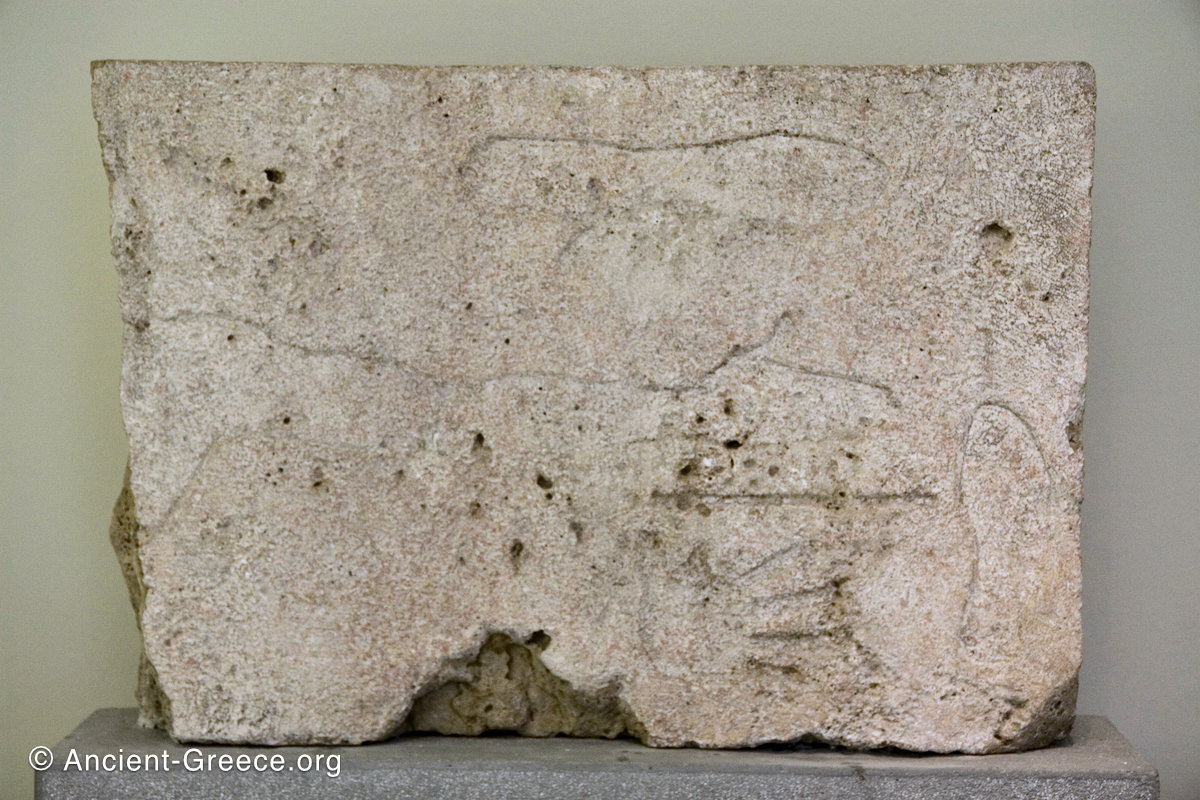
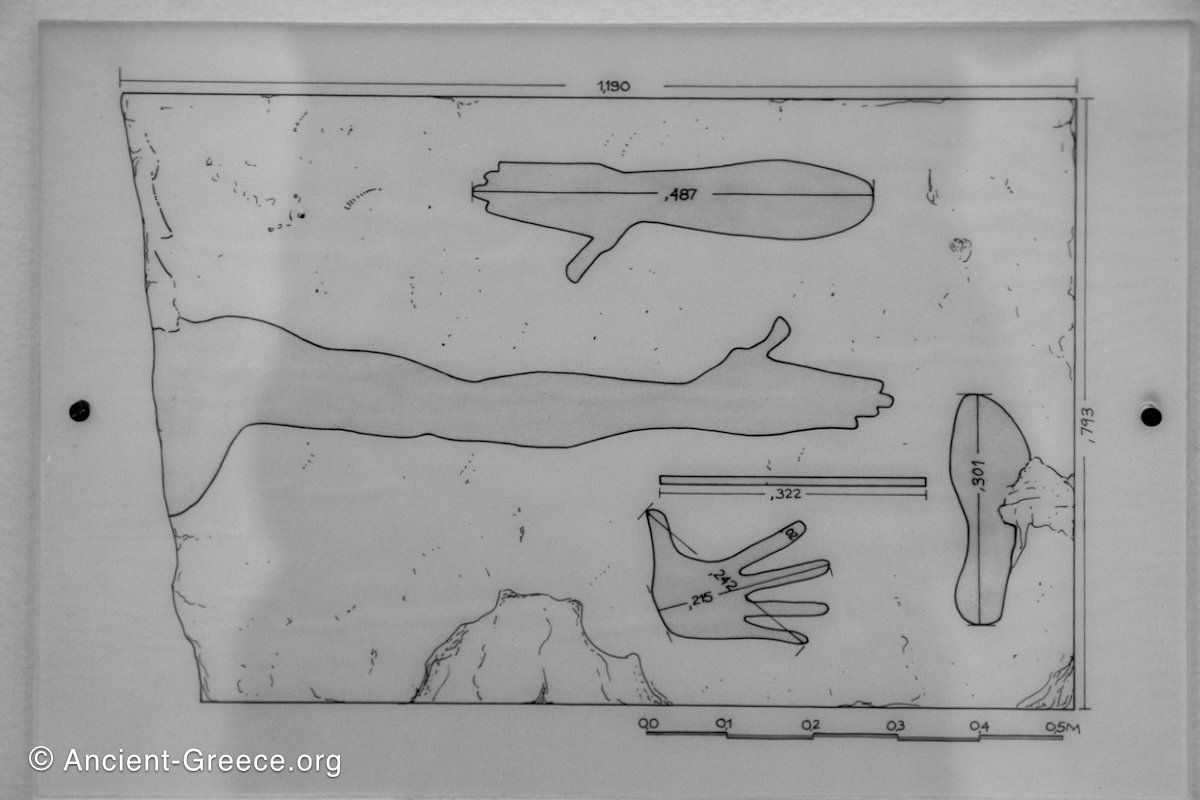
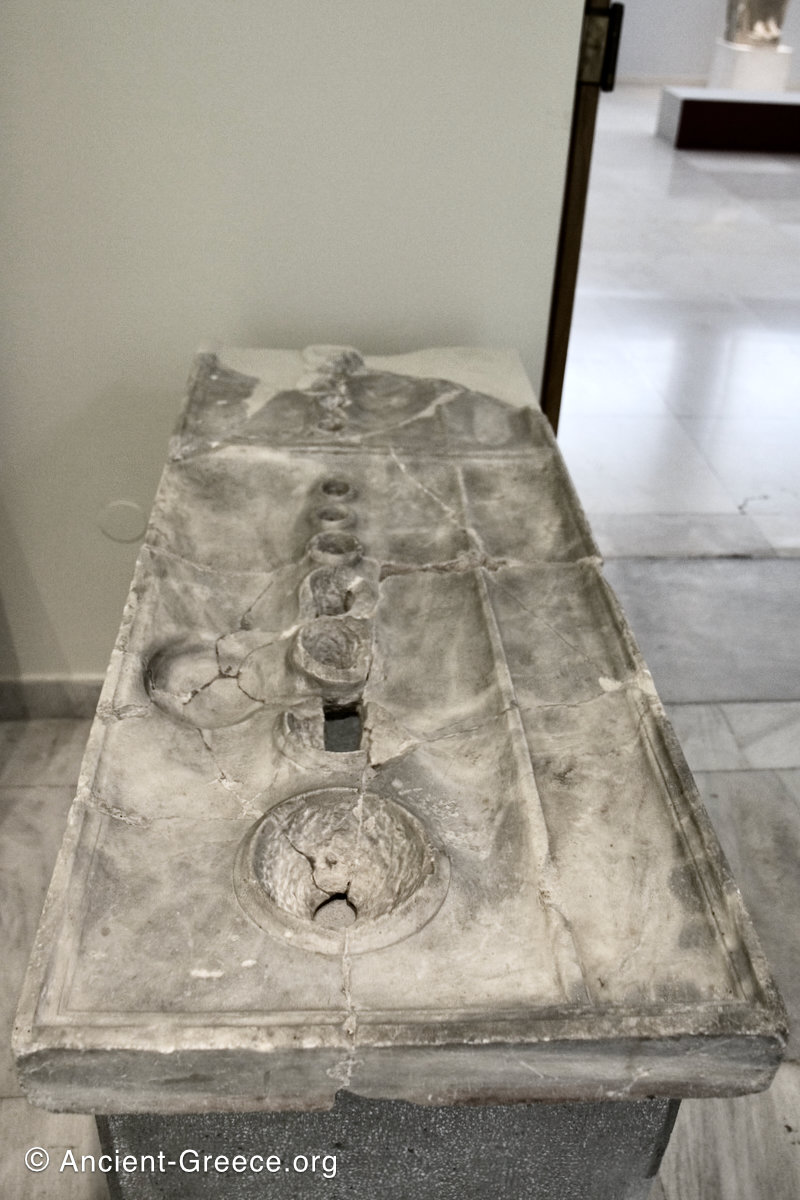
Stone engraved with standard measurements from ancient Salamis, Greece.Schematic of the stone with engraved standard measurements from ancient Salamis, Greece.Marble table with standard liquid measures (Sekomata) from the ancient agora in Piraeus.
In antiquity, Piraeus was the main port of Athens, as it is still to our day. Some ancient artifacts pertaining to weight and measuring from Ancient Greece are on display.
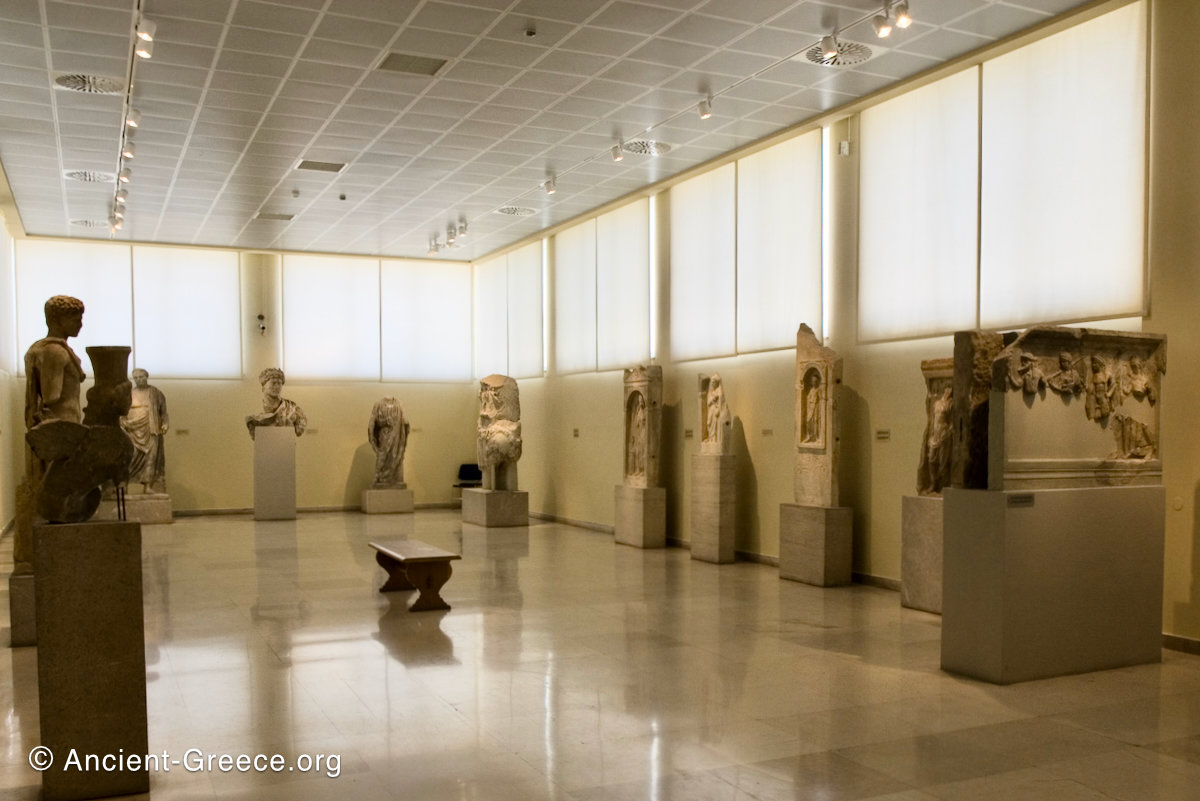
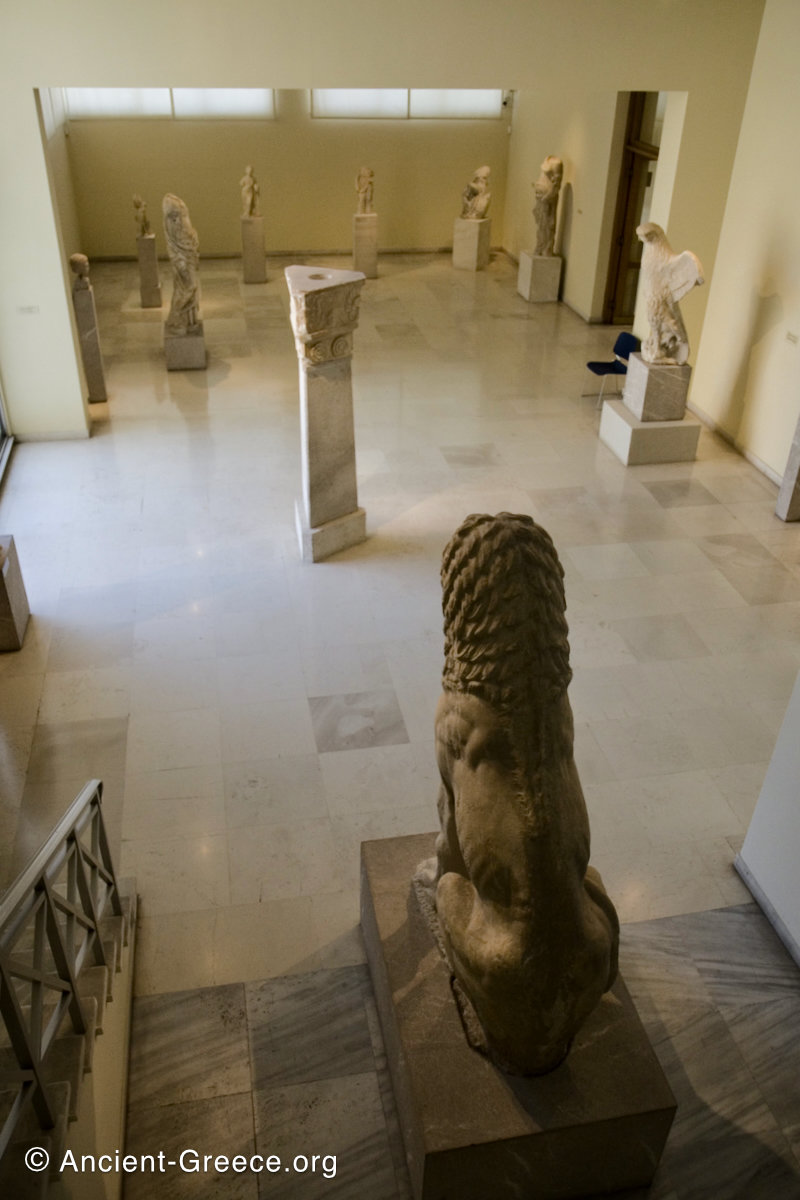
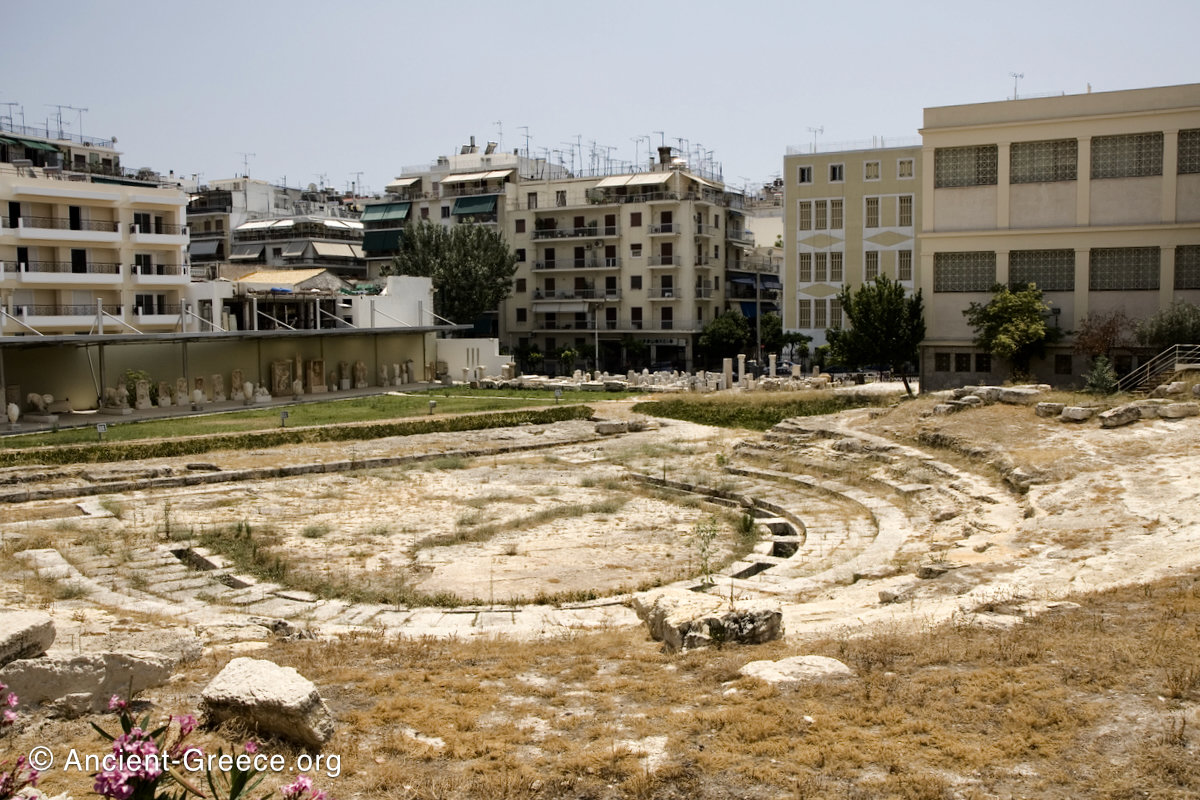
Archaeological Museum of Piraeus general view.Archaeological Museum of Piraeus general view of exhibition halls.Archaeological Museum of Piraeus general view. The Hellenistic theater of Zea. 2nd c. BCE.