On this page:
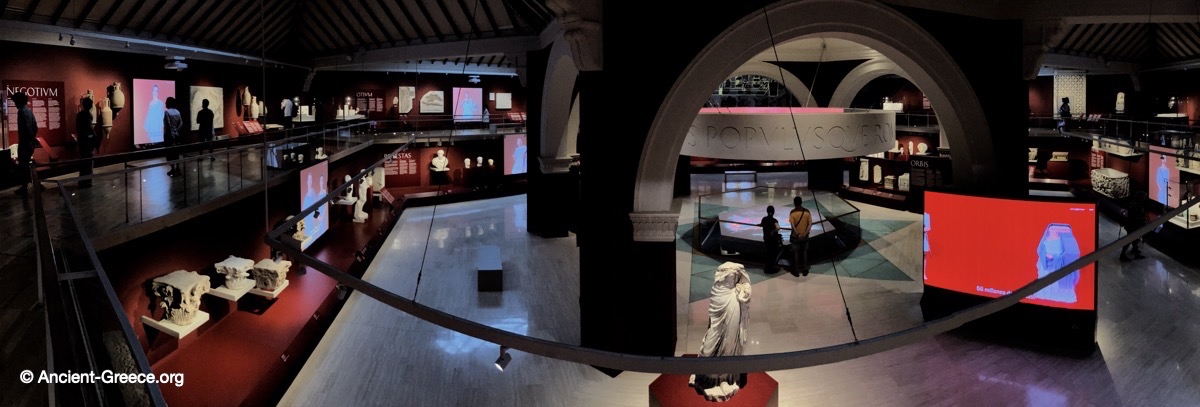
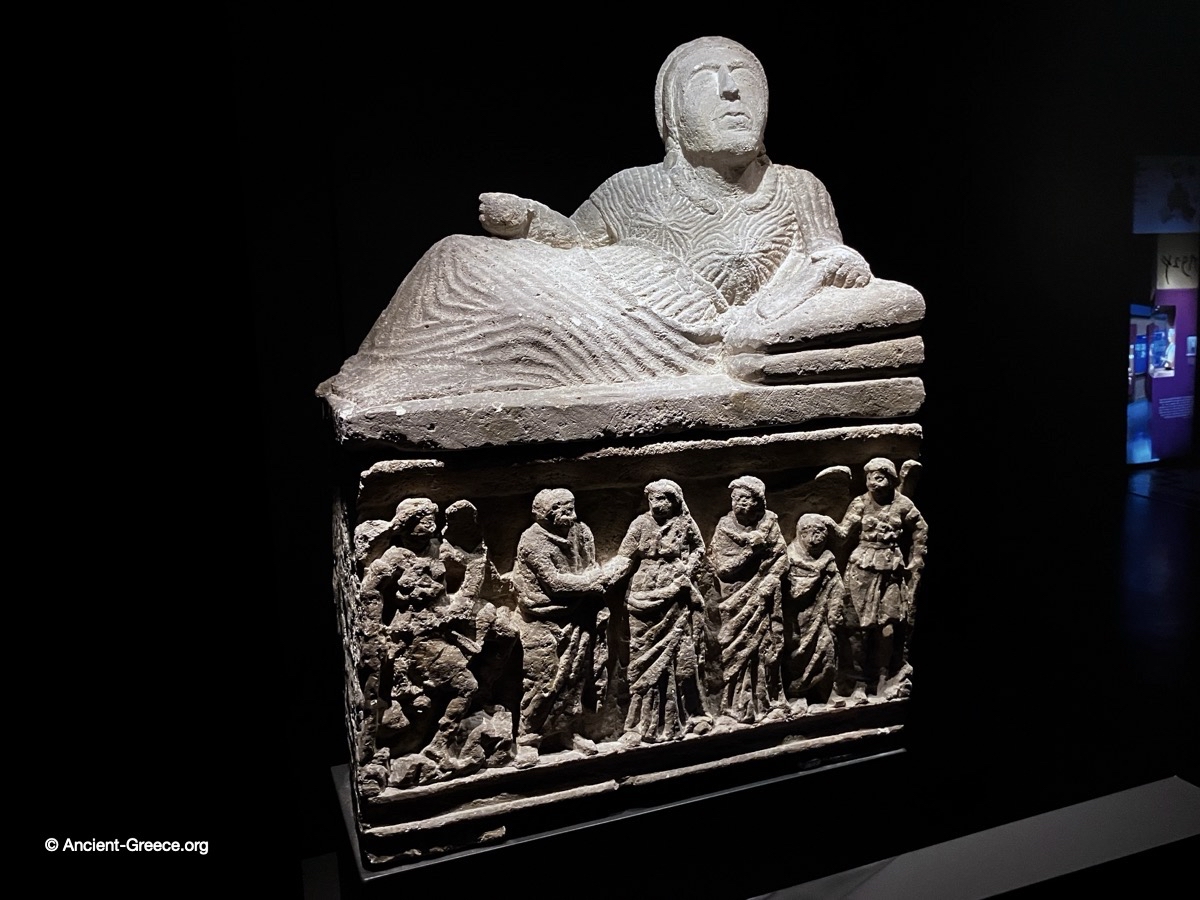
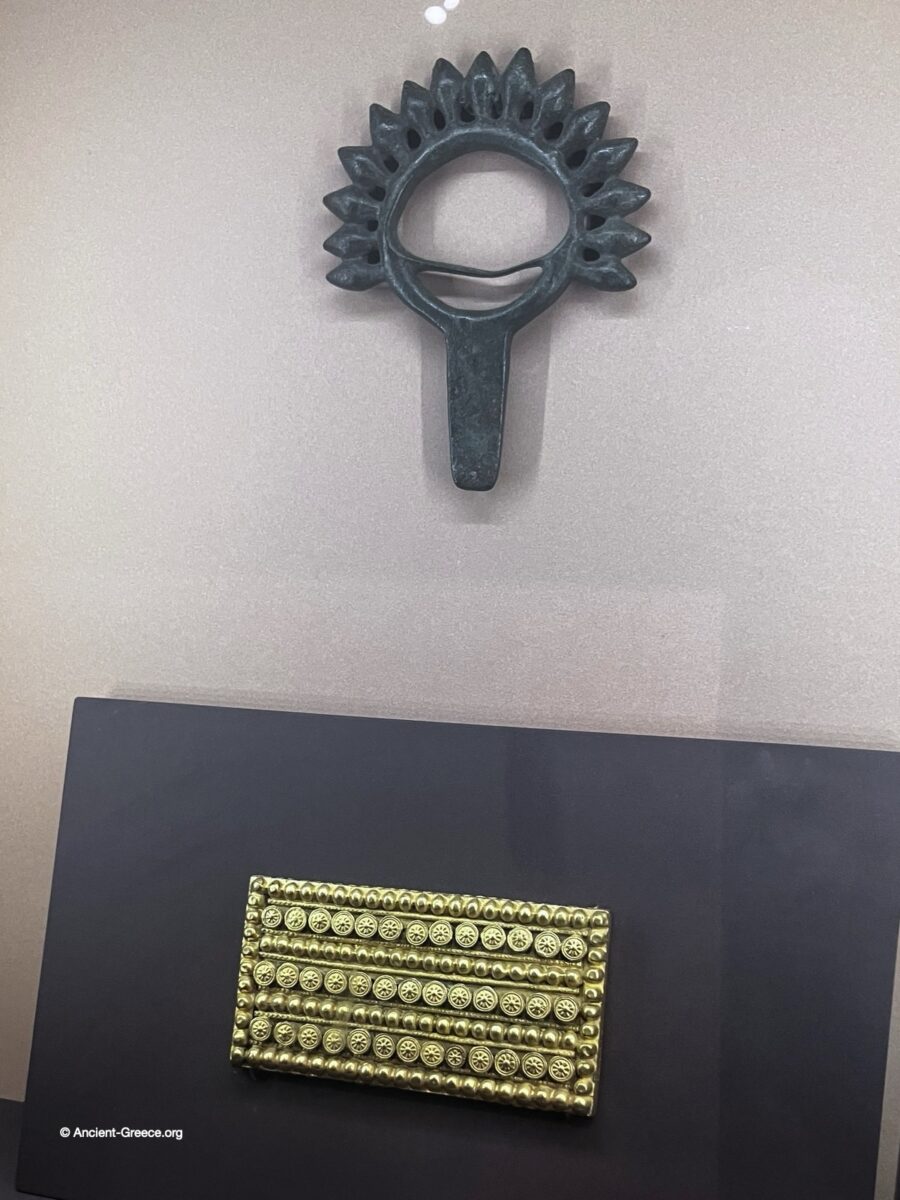
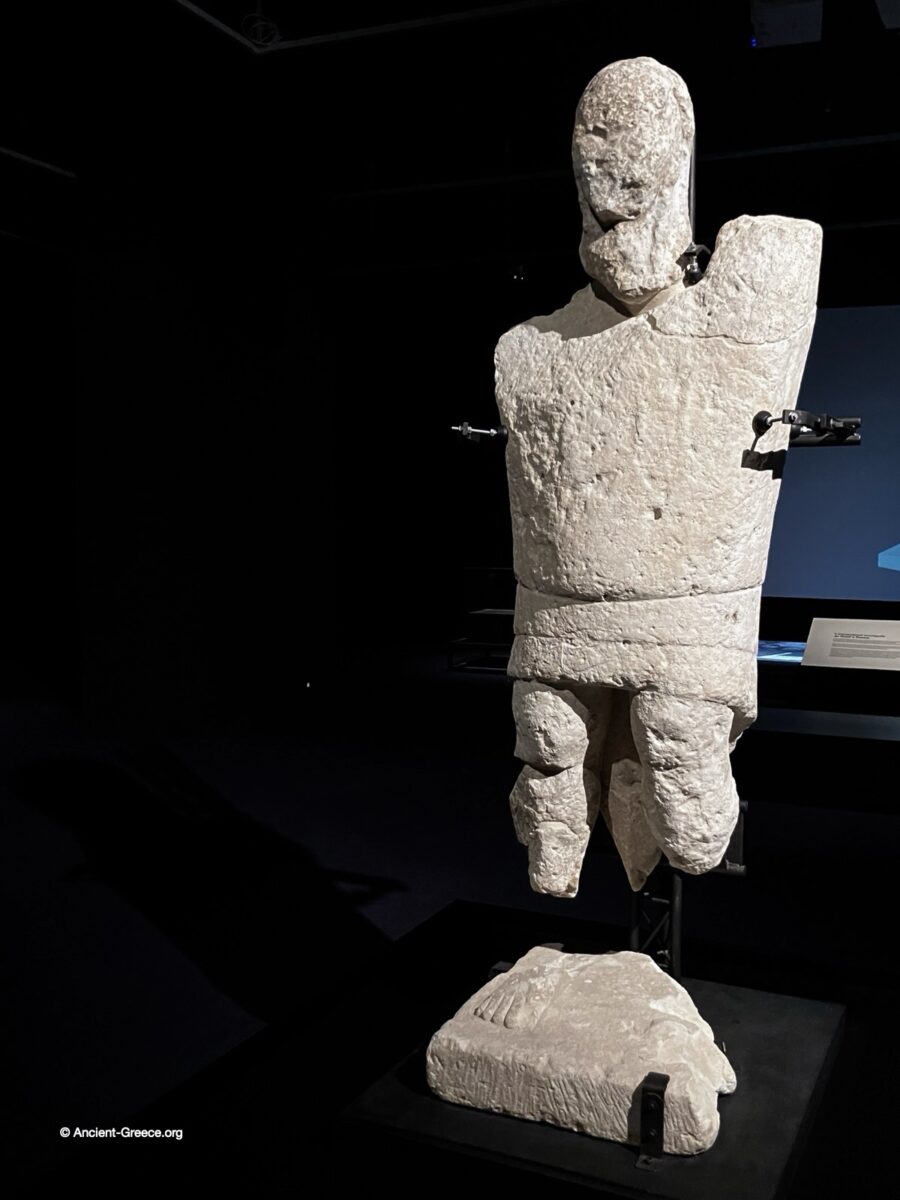
The Museu d Arqueologia de Catalunya (Αρχαιολογικό Μουσείο της Καταλονίας) collection illustrates the organic meeting between indigenous Iberian peoples and the Greco-Roman world, revealing a dynamic process of cultural exchange and mutual adaptation.
Η συλλογή του Αρχαιολογικού Μουσείου της Καταλονίας αναδεικνύει την οργανική συνάντηση των γηγενών ιβηρικών λαών με τον ελληνορωμαϊκό κόσμο, αποκαλύπτοντας μια δυναμική διαδικασία πολιτισμικής ανταλλαγής και αμοιβαίας προσαρμογής.
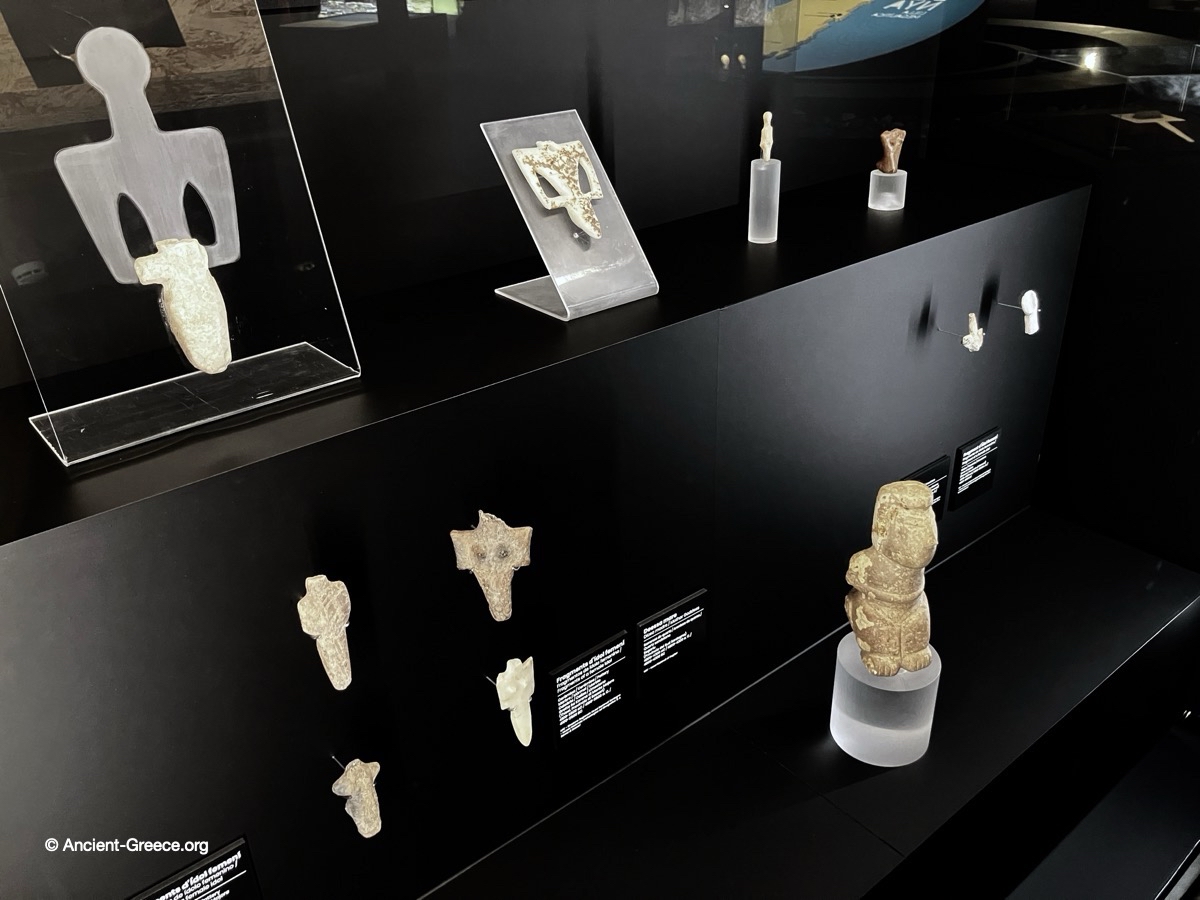
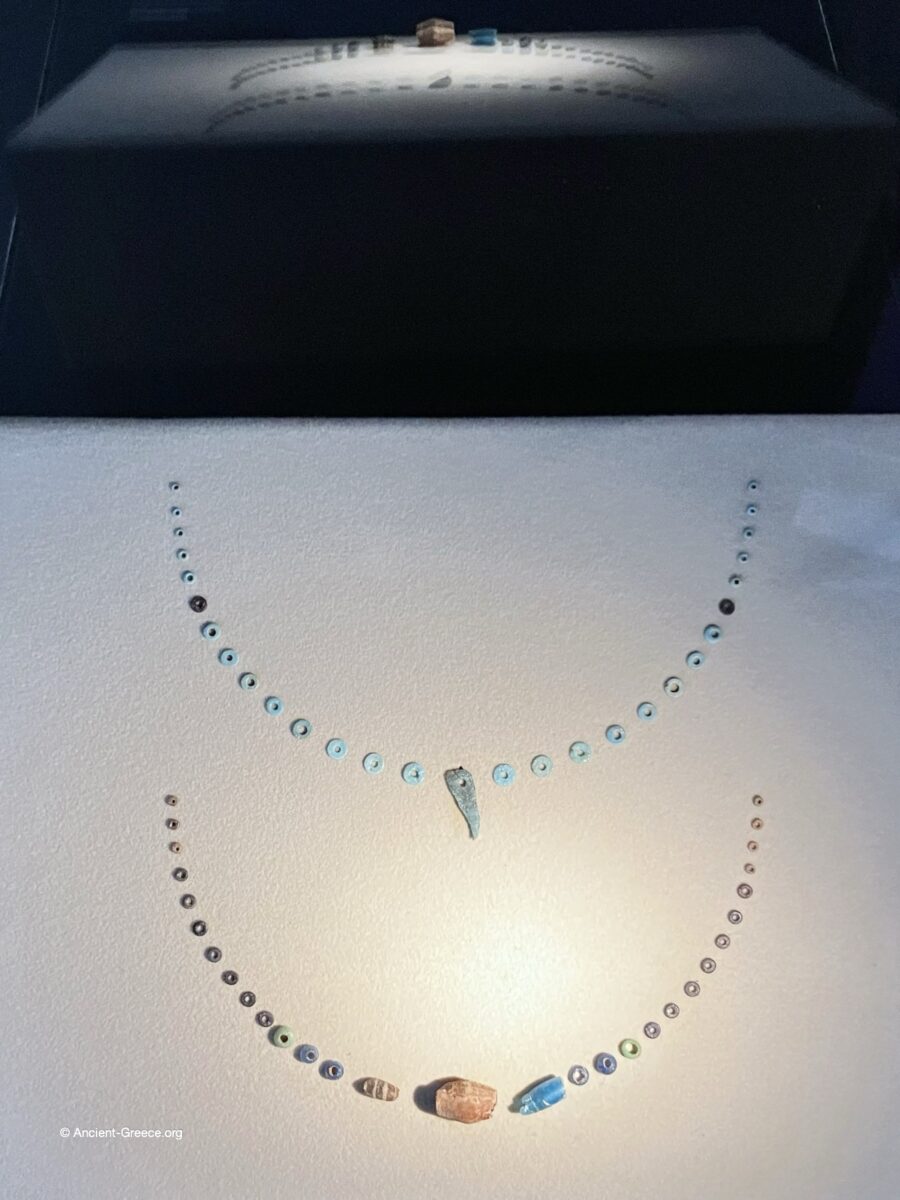
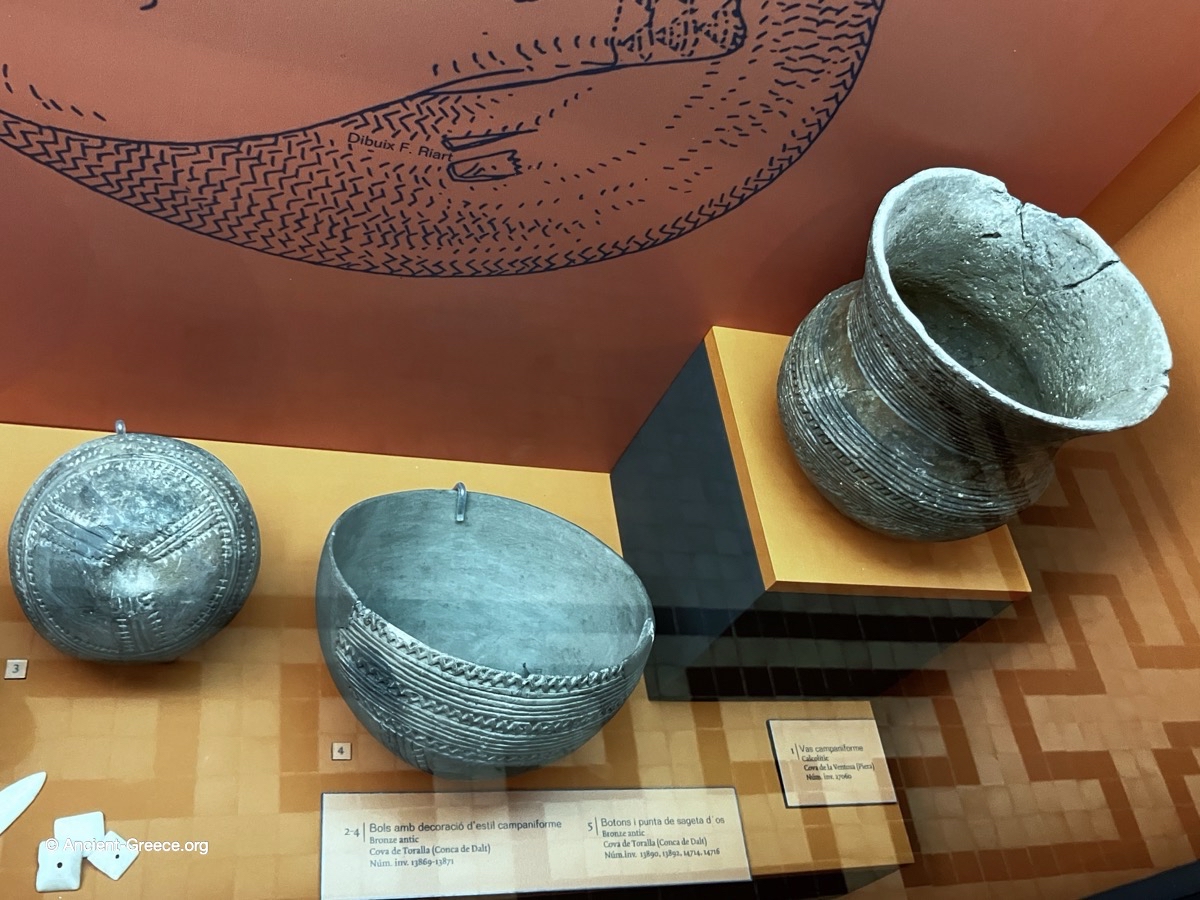
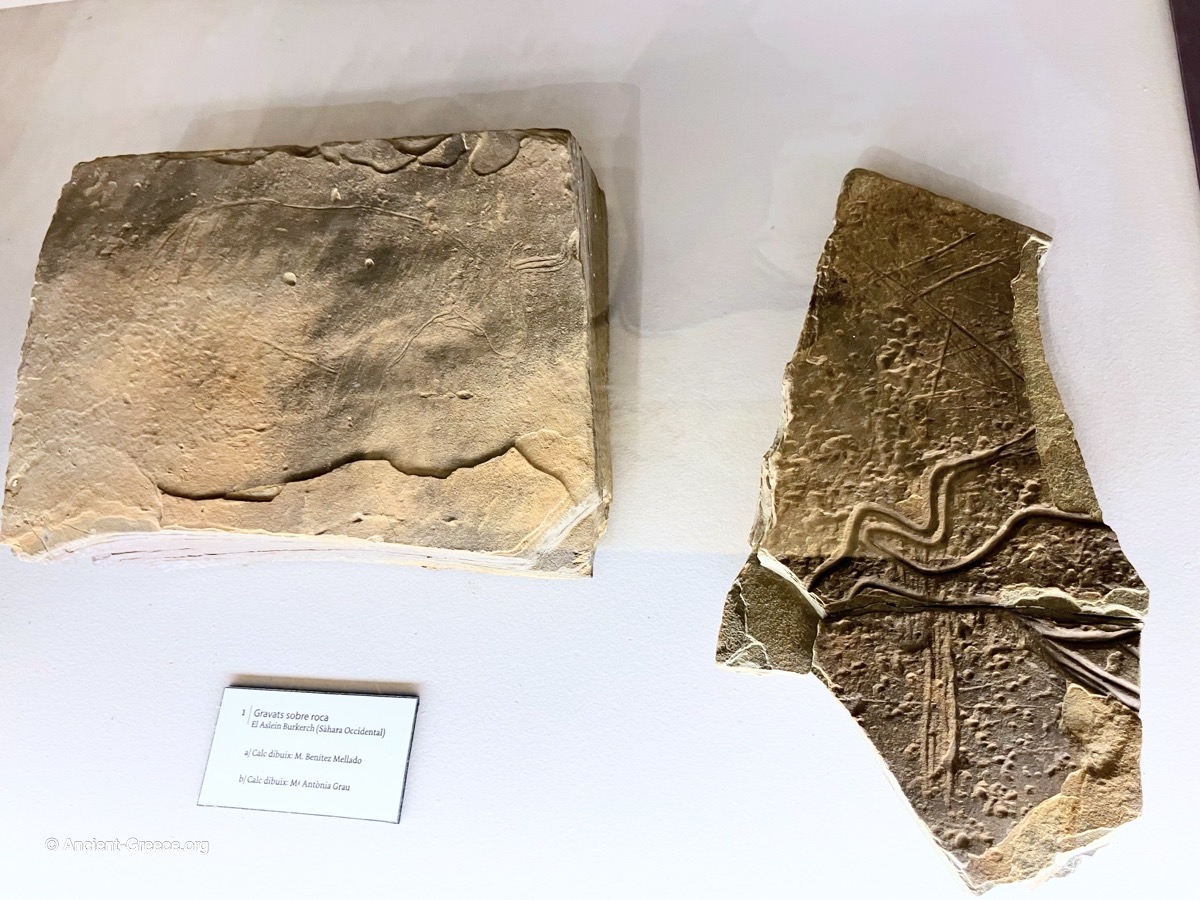
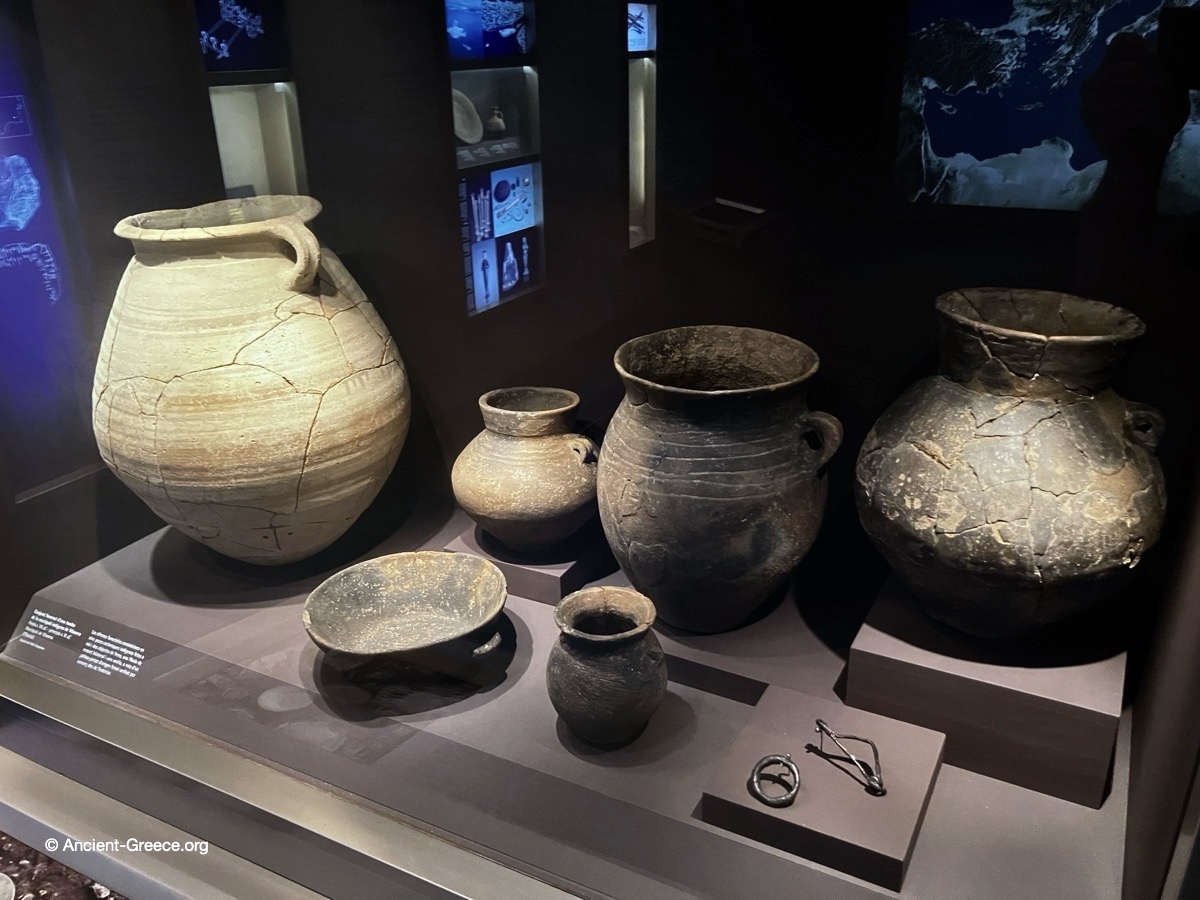
Greeks and Romans in Spain | Έλληνες και Ρωμαίοι στην Ισπανία
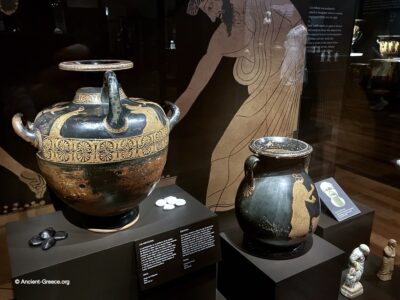
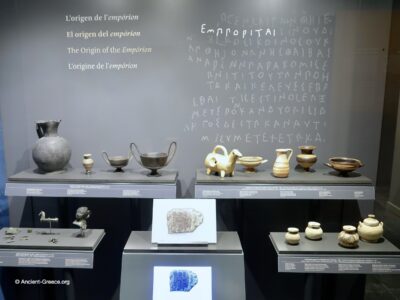
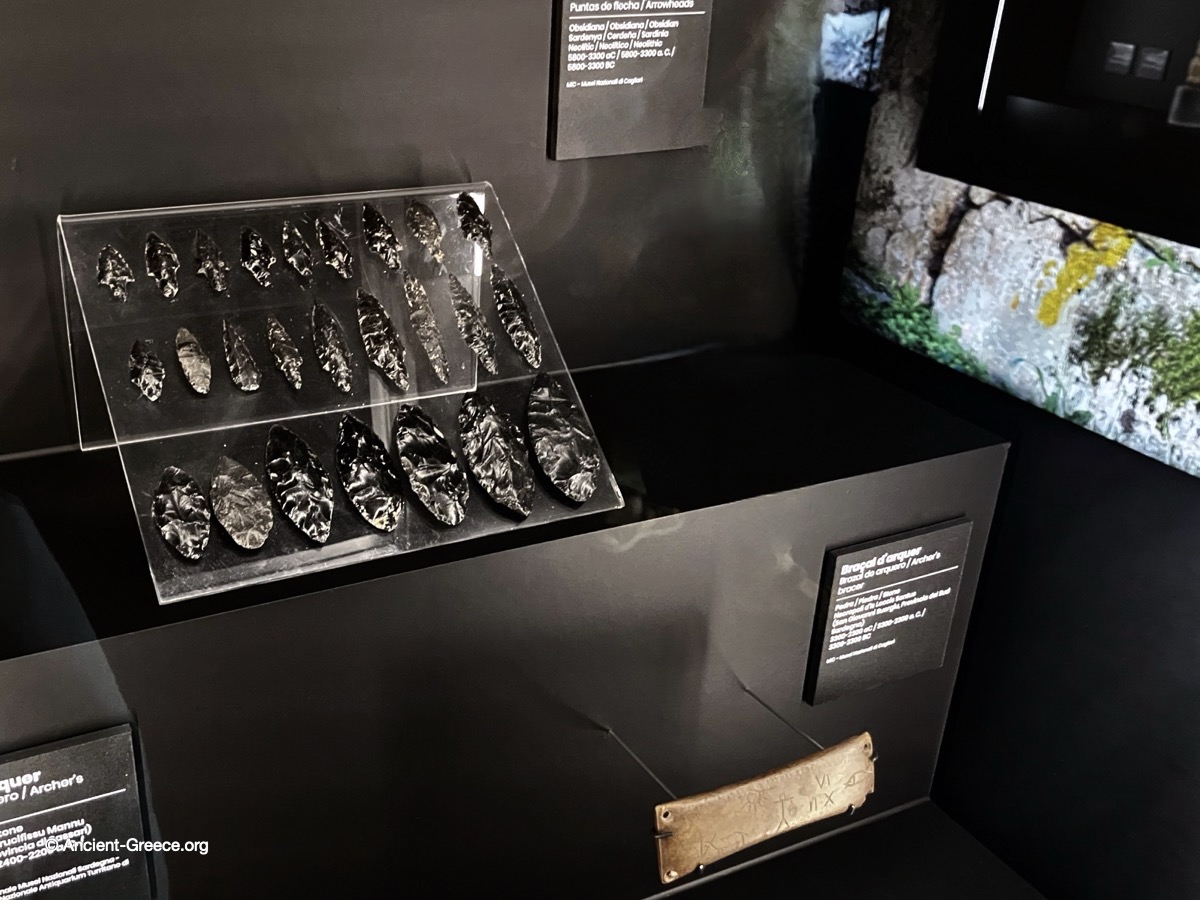
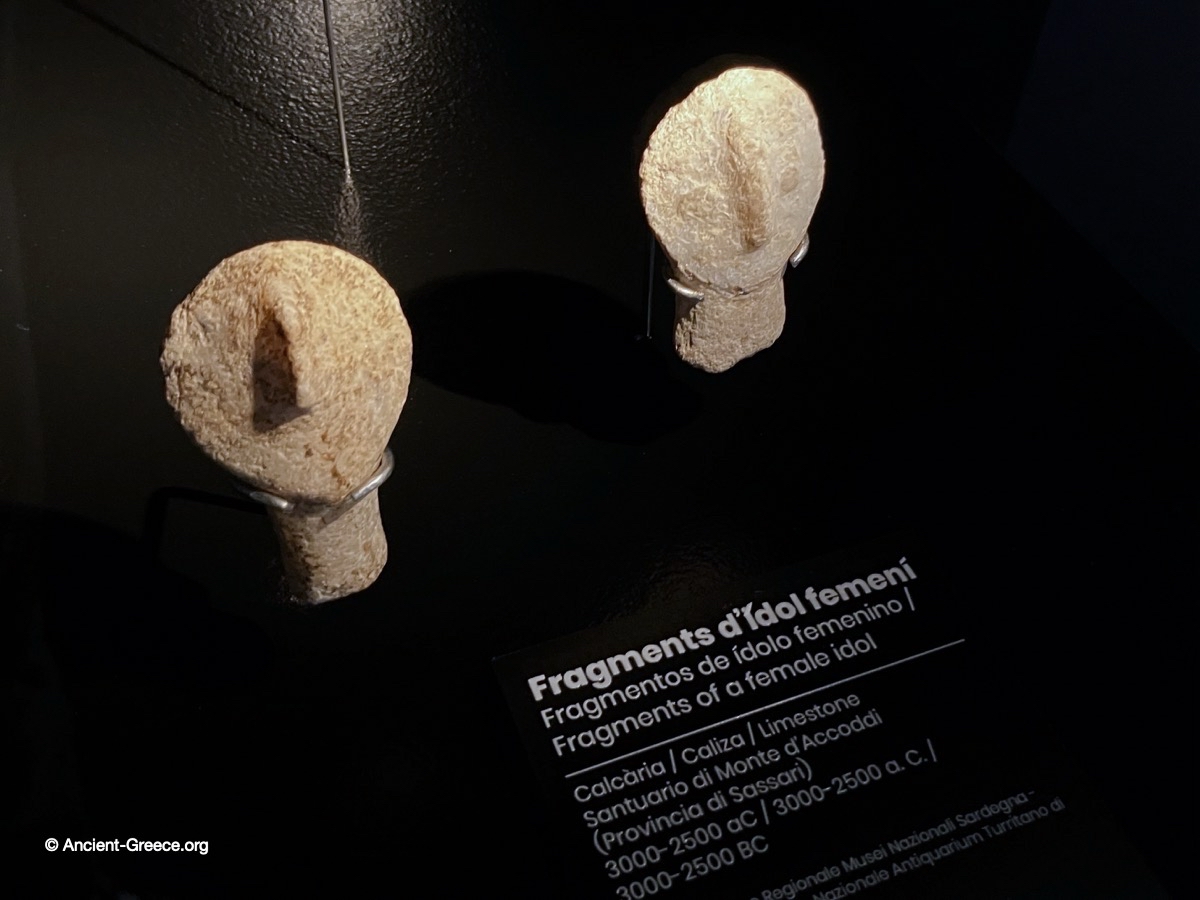
Central to the cultural exchange is the Greek presence, which began around 600 BCE and acted as a transformative force for local societies by weaving Hellenic art, trade, and urbanity into the heart of native traditions. This arrival coincided with the peak of the Iberian Iron Age, acting as a catalyst for a shared era of prosperity where Greek culture did not replace native traditions but rather enriched them. The artifacts from Emporion (Empúries) stand as enduring examples of this fundamental effect, showcasing how tools like the potter’s wheel and the alphabet allowed local Iberian art, spiritual life, and commerce to reach their most sophisticated and flourishing forms.
Κεντρικό στοιχείο της πολιτιστικής ανταλλαγής αποτελεί η ελληνική παρουσία, η οποία ξεκίνησε γύρω στο 600 π.Χ. και λειτούργησε ως μετασχηματιστική δύναμη για τις τοπικές κοινωνίες, ενσωματώνοντας την ελληνική τέχνη, το εμπόριο και την πολεοδομία στην καρδιά των αυτόχθωνων παραδόσεων. Η άφιξη αυτή συνέπεσε με την ακμή της ιβηρικής Εποχής του Σιδήρου, λειτουργώντας ως καταλύτης για μια κοινή εποχή ευημερίας όπου ο ελληνικός πολιτισμός δεν αντικατέστησε τις εντόπιες παραδόσεις, αλλά μάλλον τις εμπλούτισε. Τα ευρήματα από το Εμπόριο αποτελούν διαχρονικά παραδείγματα αυτής της θεμελιώδους επίδρασης, αναδεικνύοντας πώς εργαλεία όπως ο κεραμικός τροχός και το αλφάβητο επέτρεψαν στην τοπική ιβηρική τέχνη, την πνευματική ζωή και το εμπόριο να φτάσουν στις πιο εξελιγμένες και ακμάζουσες μορφές τους.
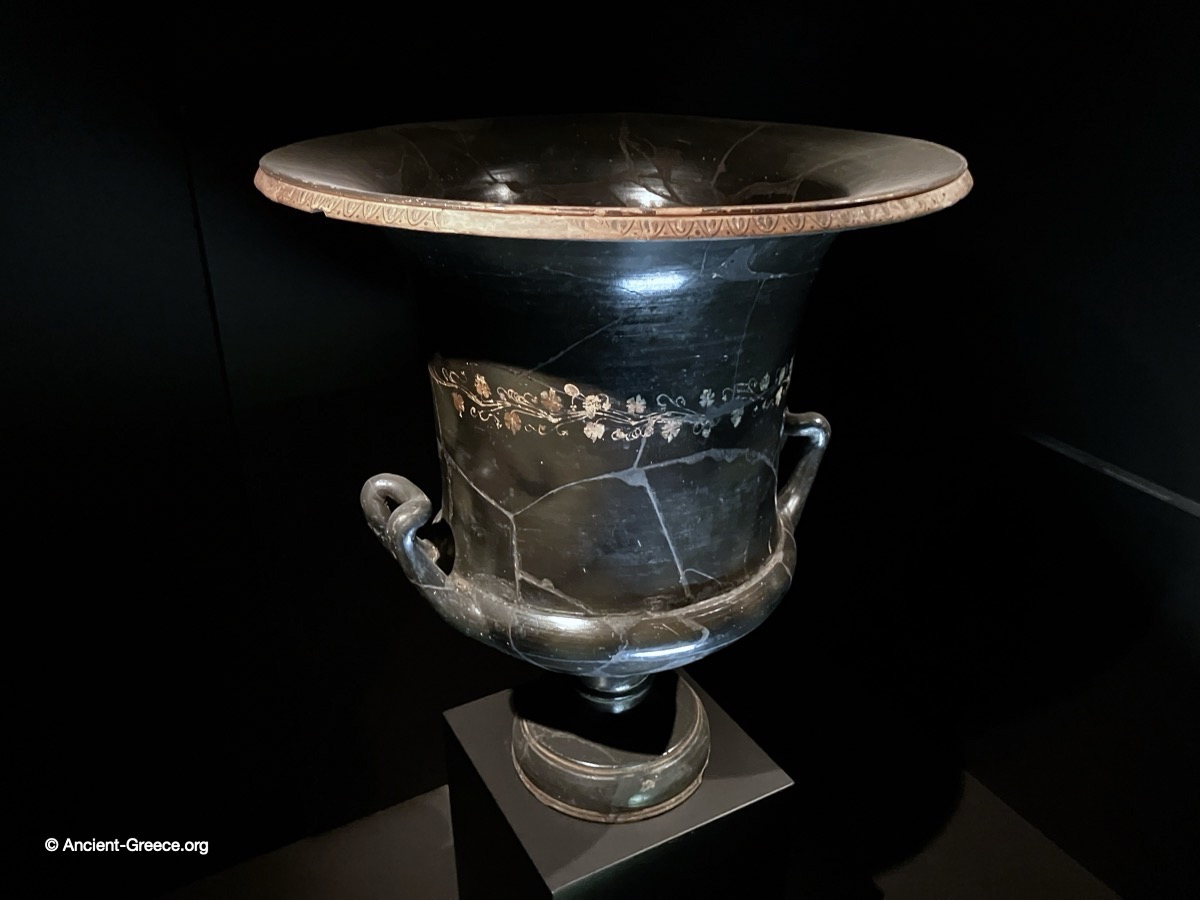
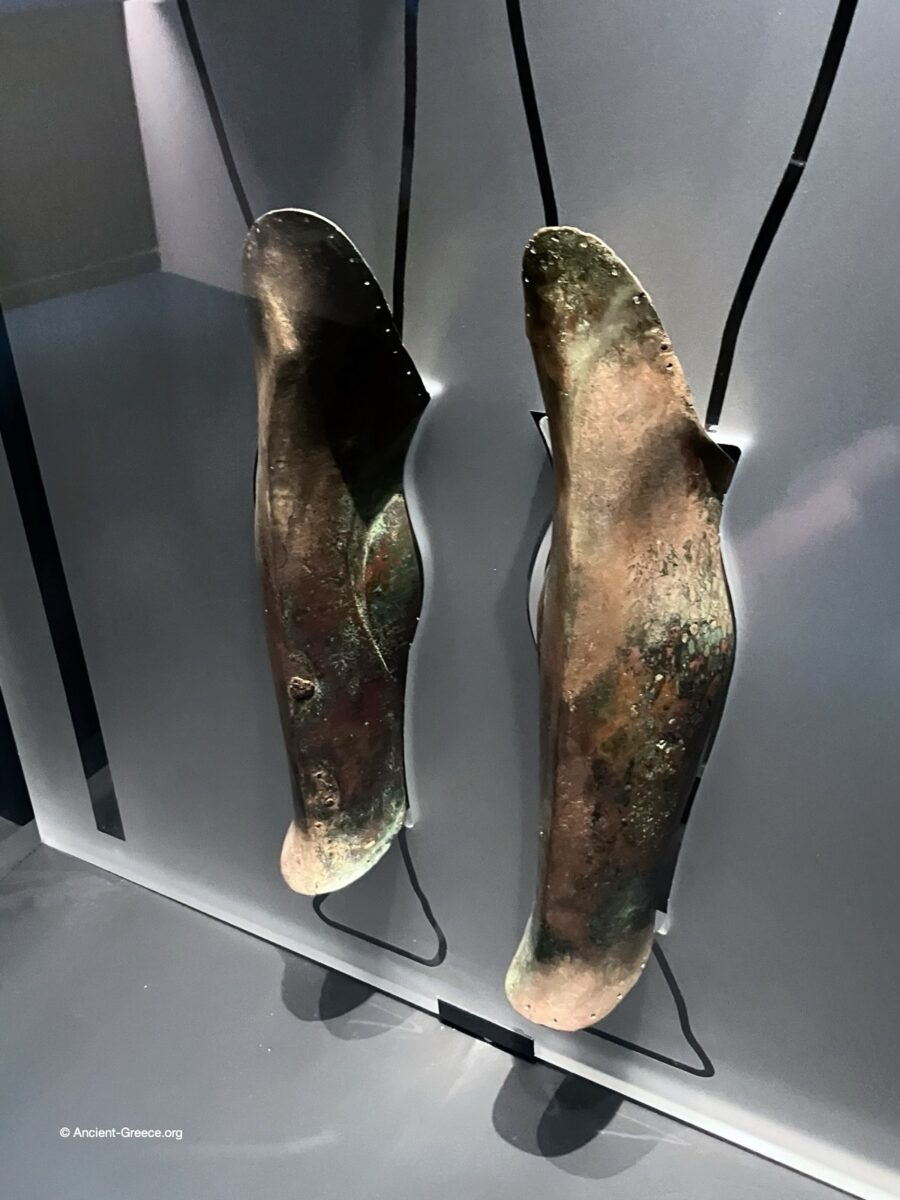
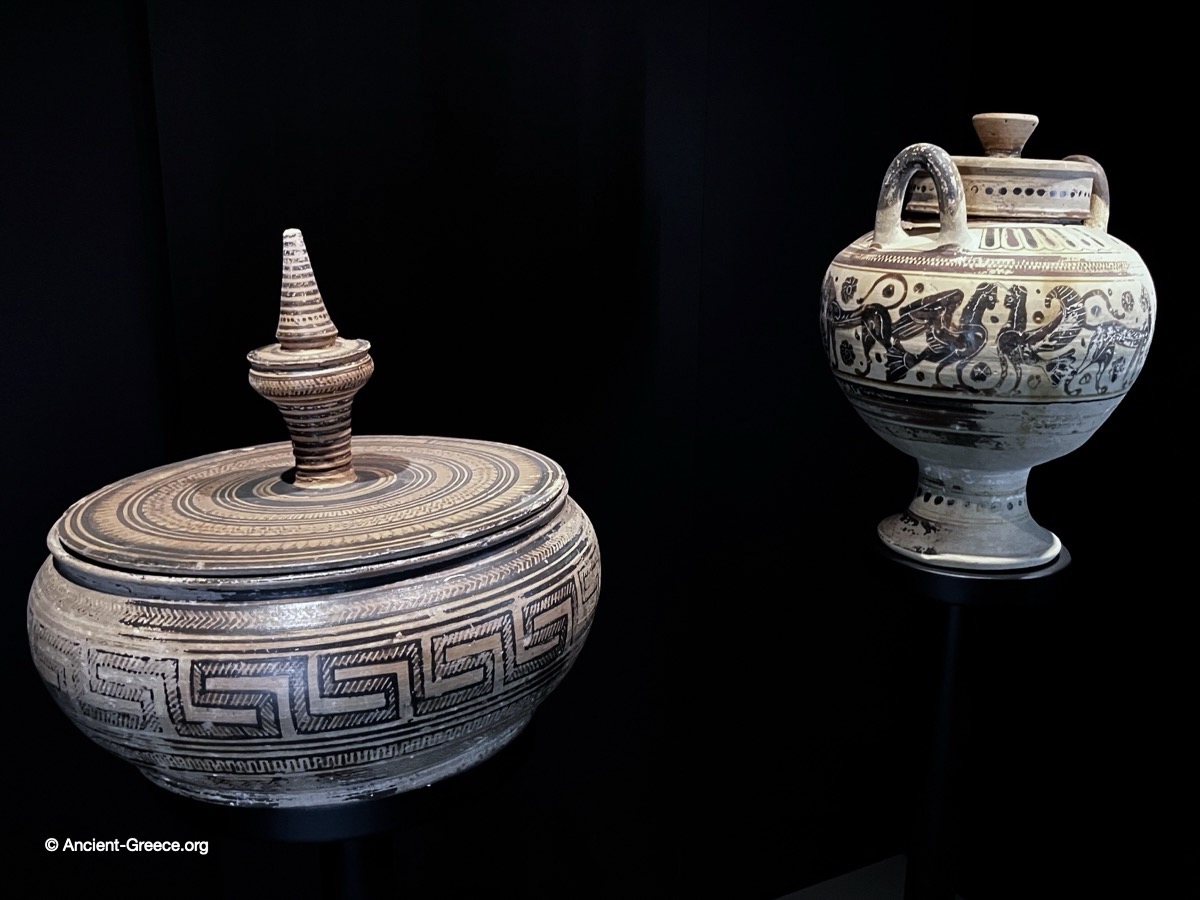
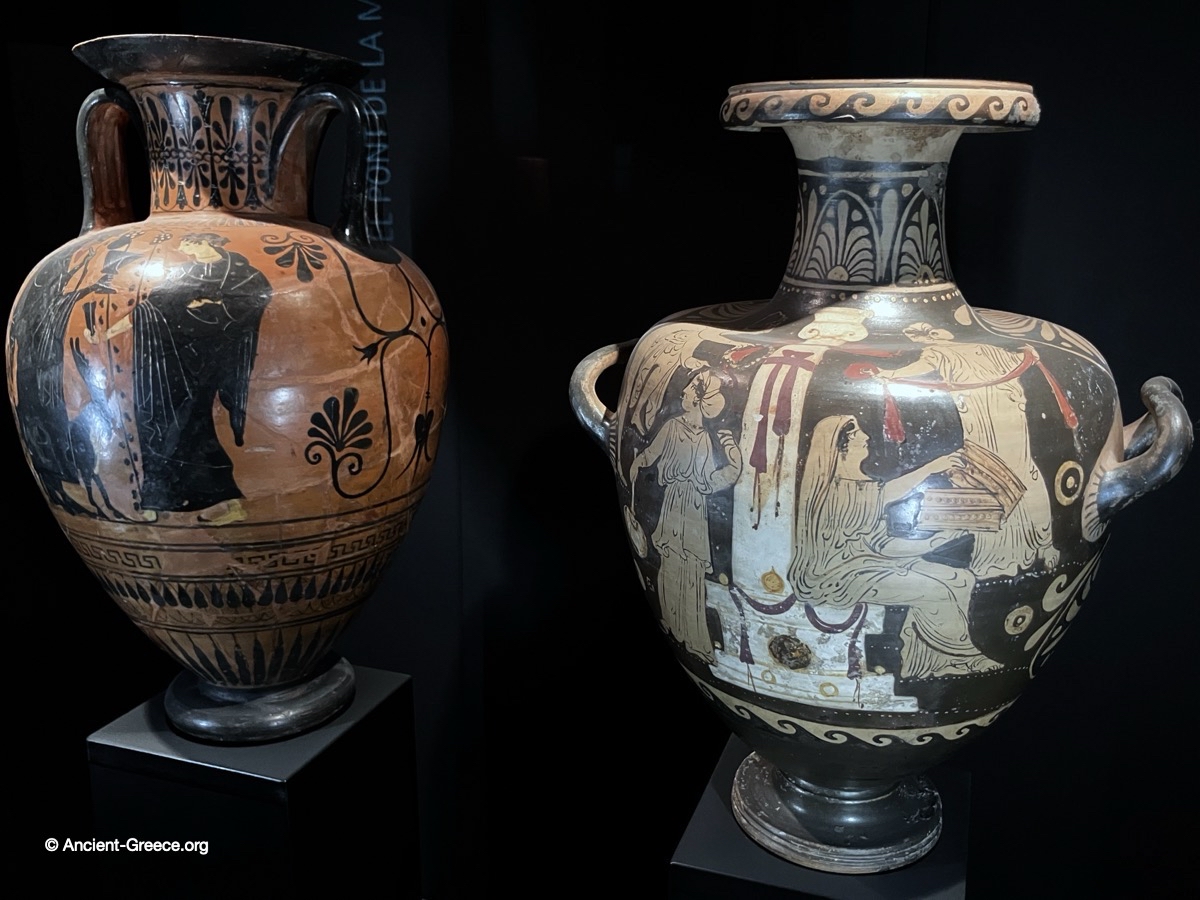
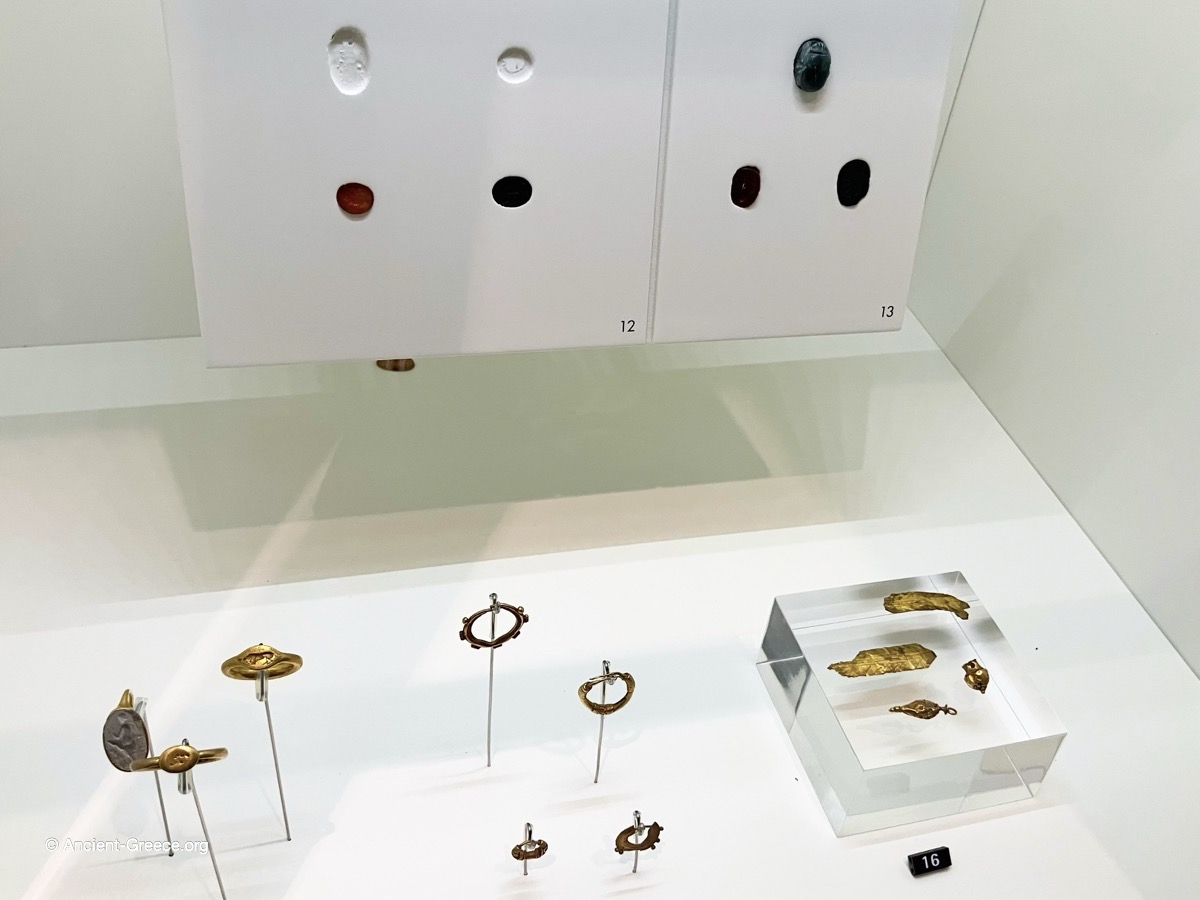
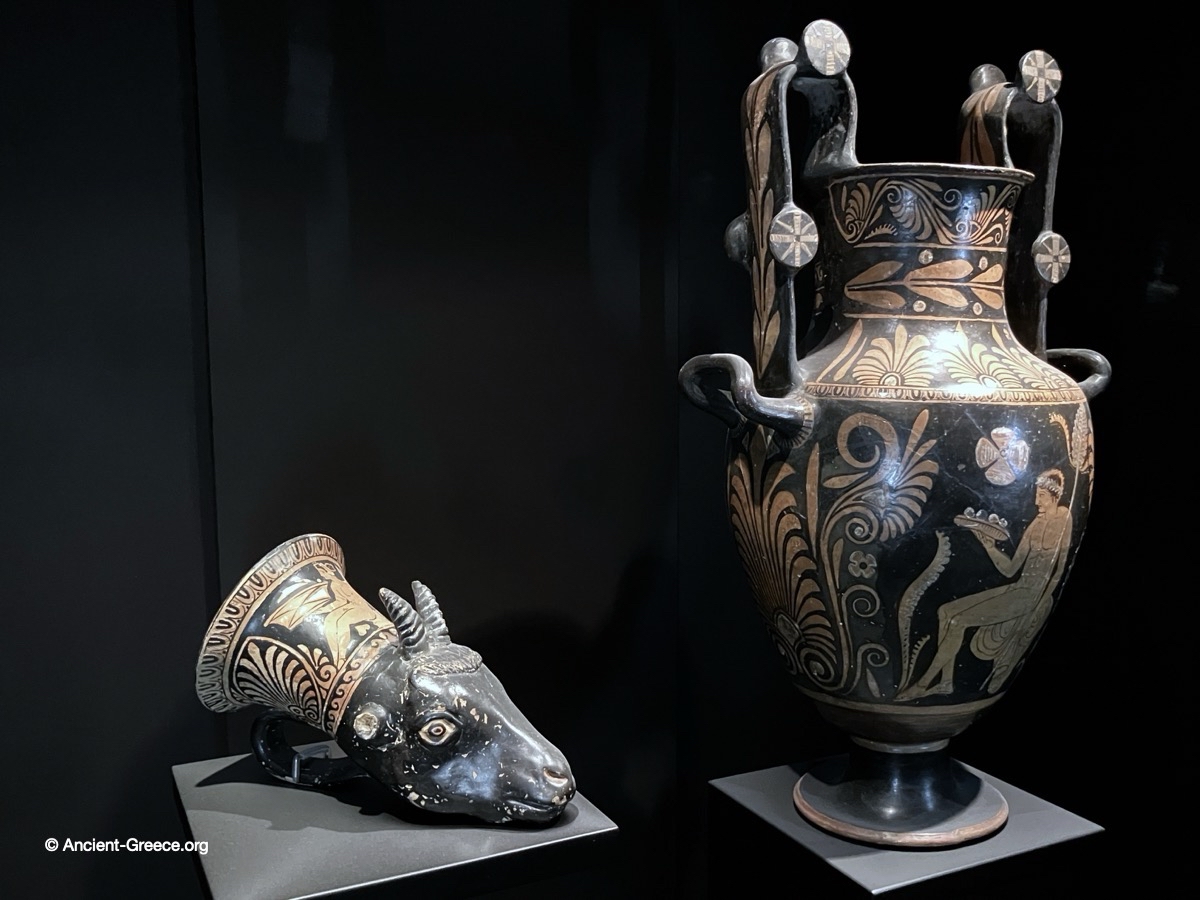
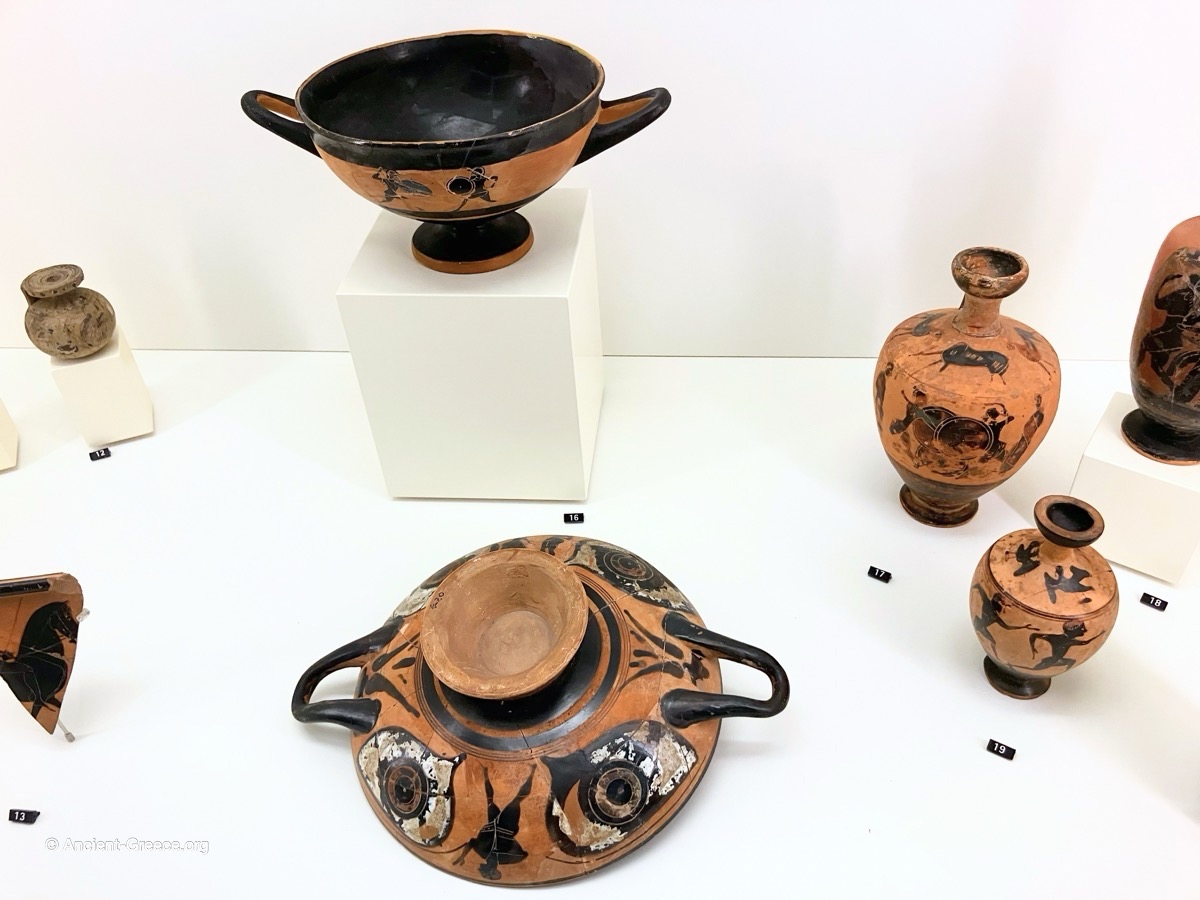
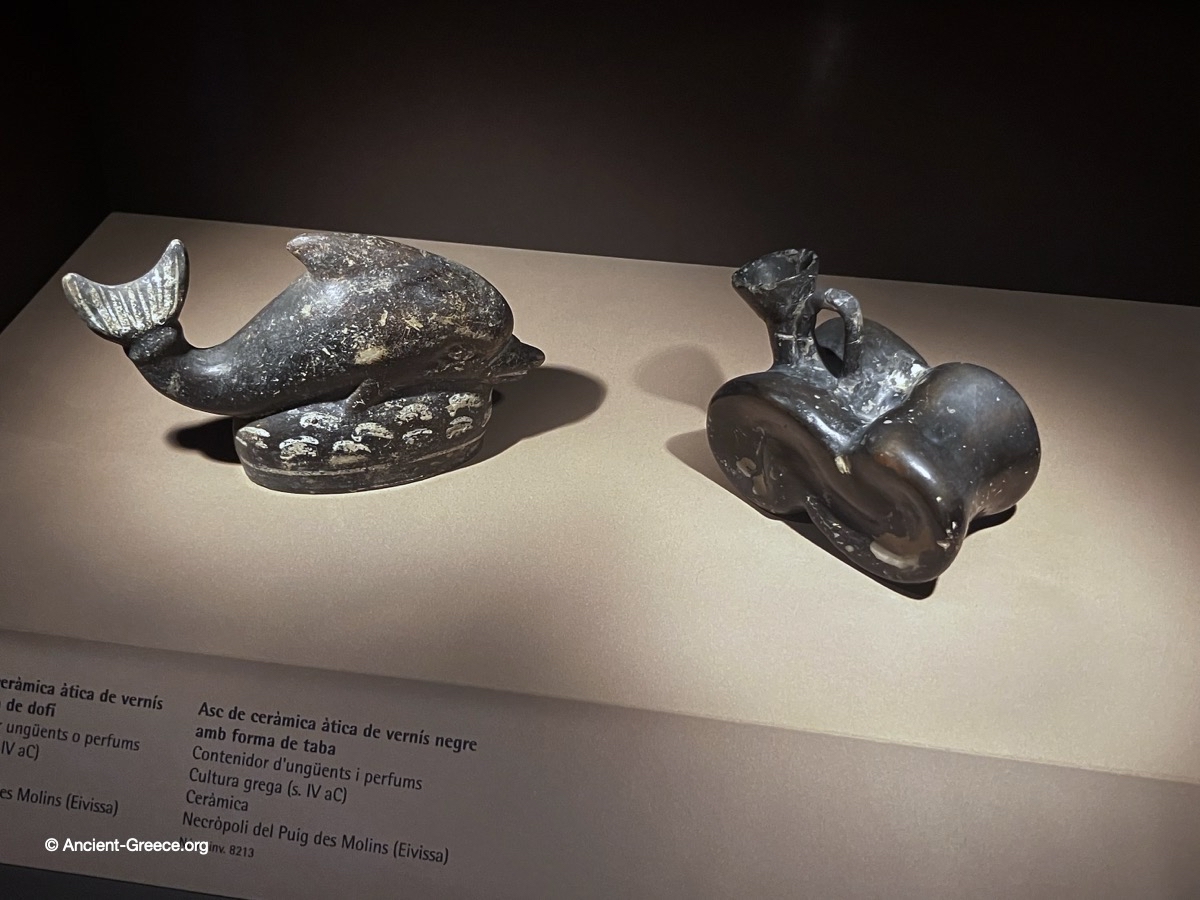
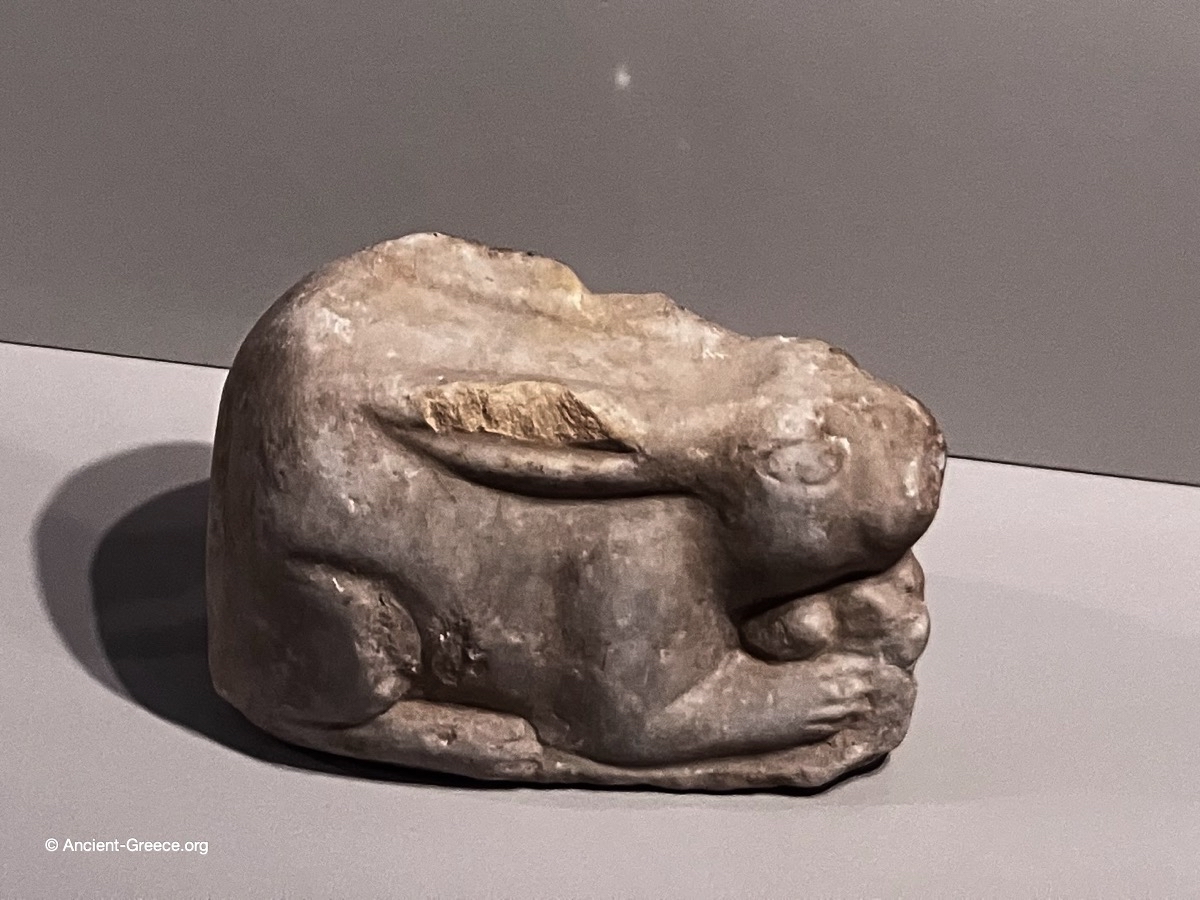
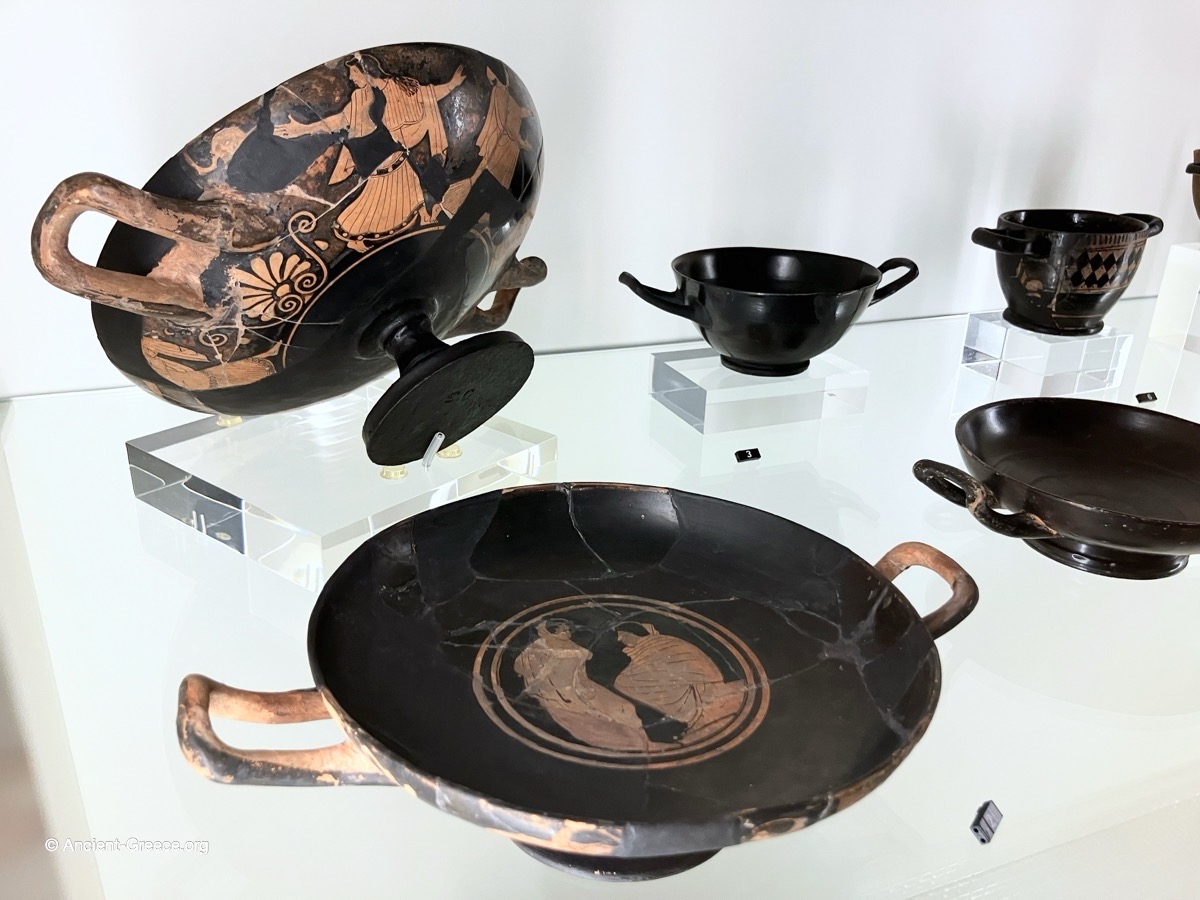
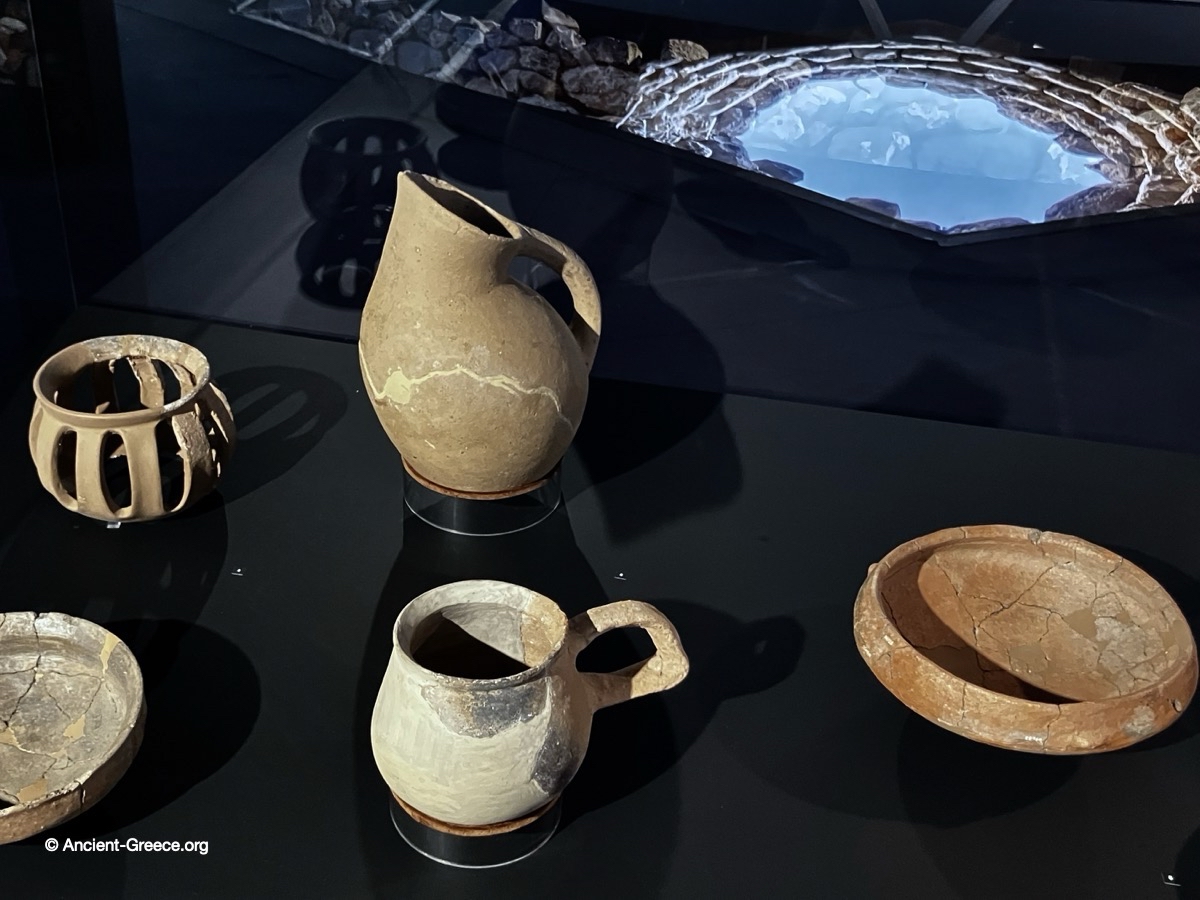
Around the 8th century BCE, Phoenician traders from the Levant established colonies like Gadir (Cádiz). They brought the fast potter’s wheel with them.The Greek founding of Emporion in the 6th century BCE significantly influenced the style and scale of production, and introduced new shapes and sophisticated kiln techniques that the local Iberians adapted into their own unique style, like in art where “Iberian Pottery” evolved to incorporate Iberian and Hellenistic” styles.
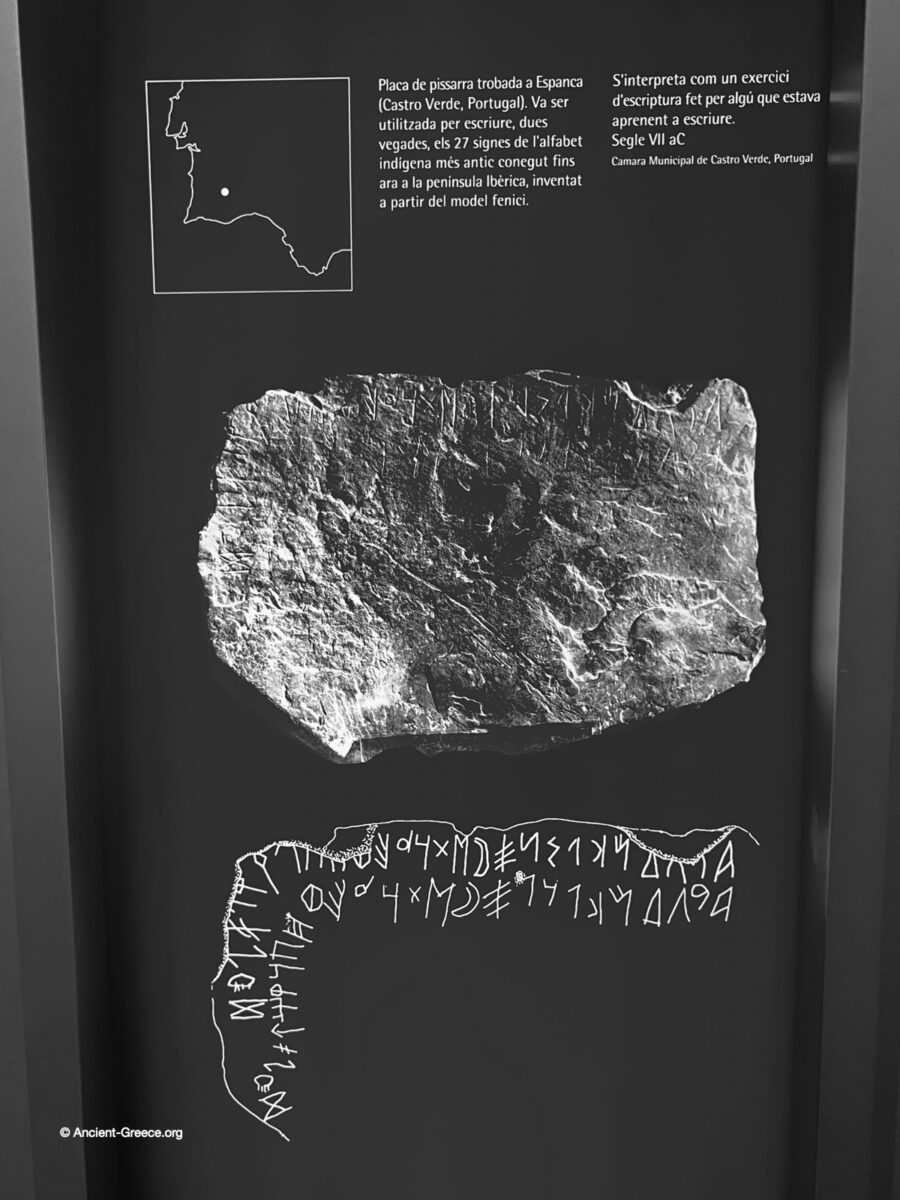
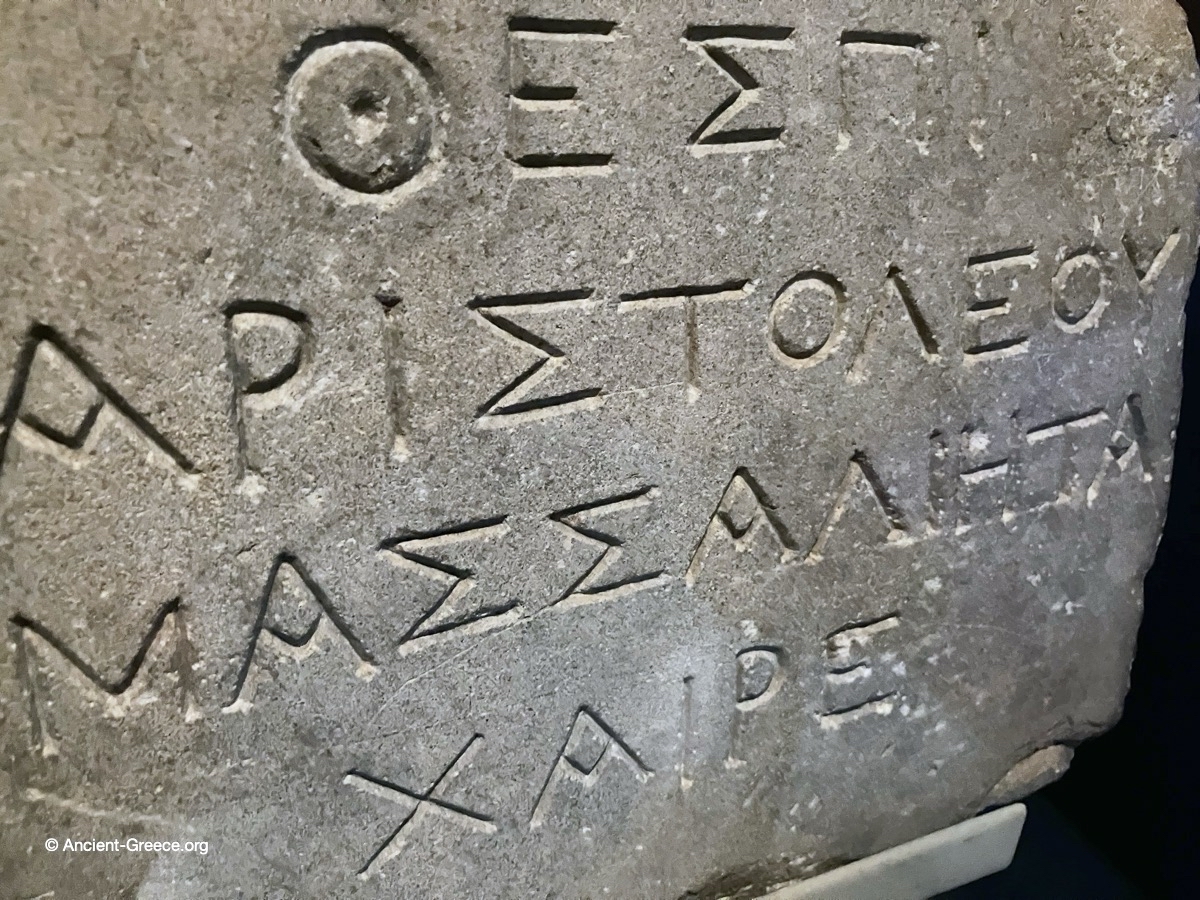
Similarly, in writing, the Iberians adapted the Paleohispanic scripts. There were two main influences at play: the Phoenician Script which influenced the southern Iberian scripts, and the Greek Script which influenced the Greco-Iberian alphabet used in the eastern regions (near Emporion).
The wide use of writing revolutionized Iberian commerce, allowing for lead-plate contracts and recorded trade agreements, which moved their society from a purely oral tradition to a structured, “sophisticated” bureaucracy.
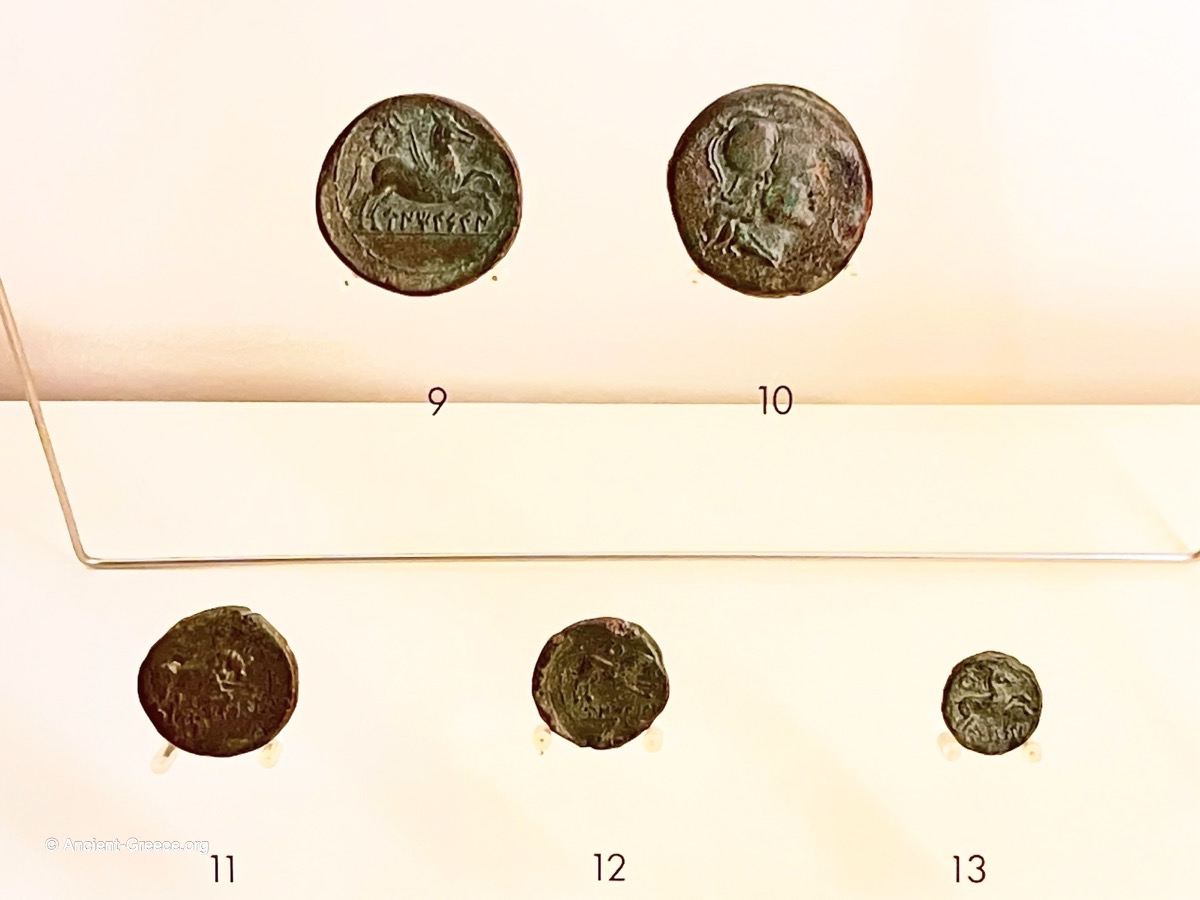
Emporion served as a “buffer zone” (a neapolis) where Iberians and Greeks lived side-by-side. This proximity accelerated the transition of Iberian villages into organized city-states with defensive walls and public squares.
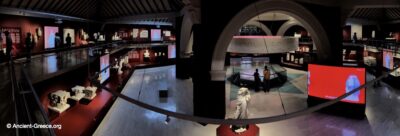
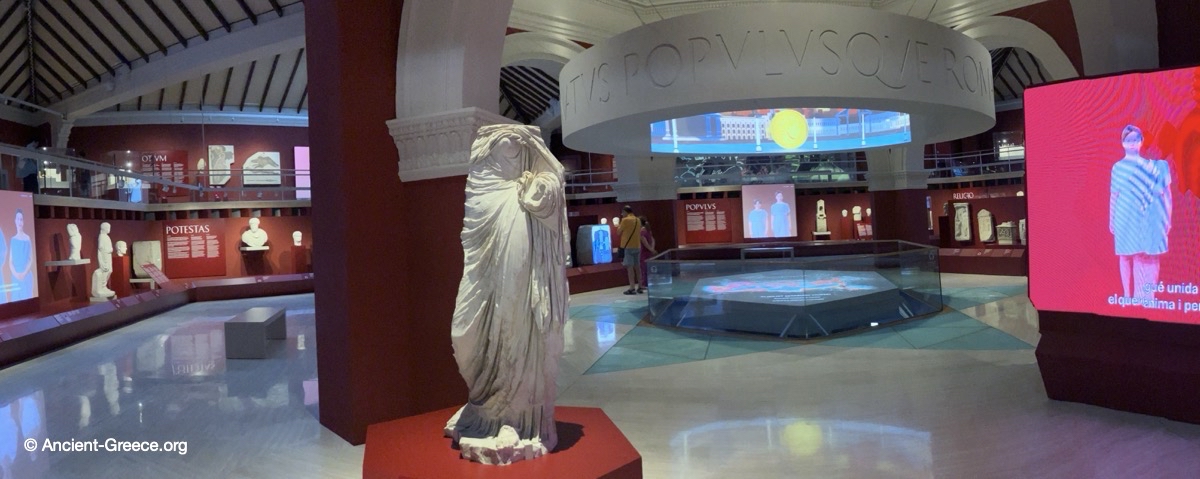
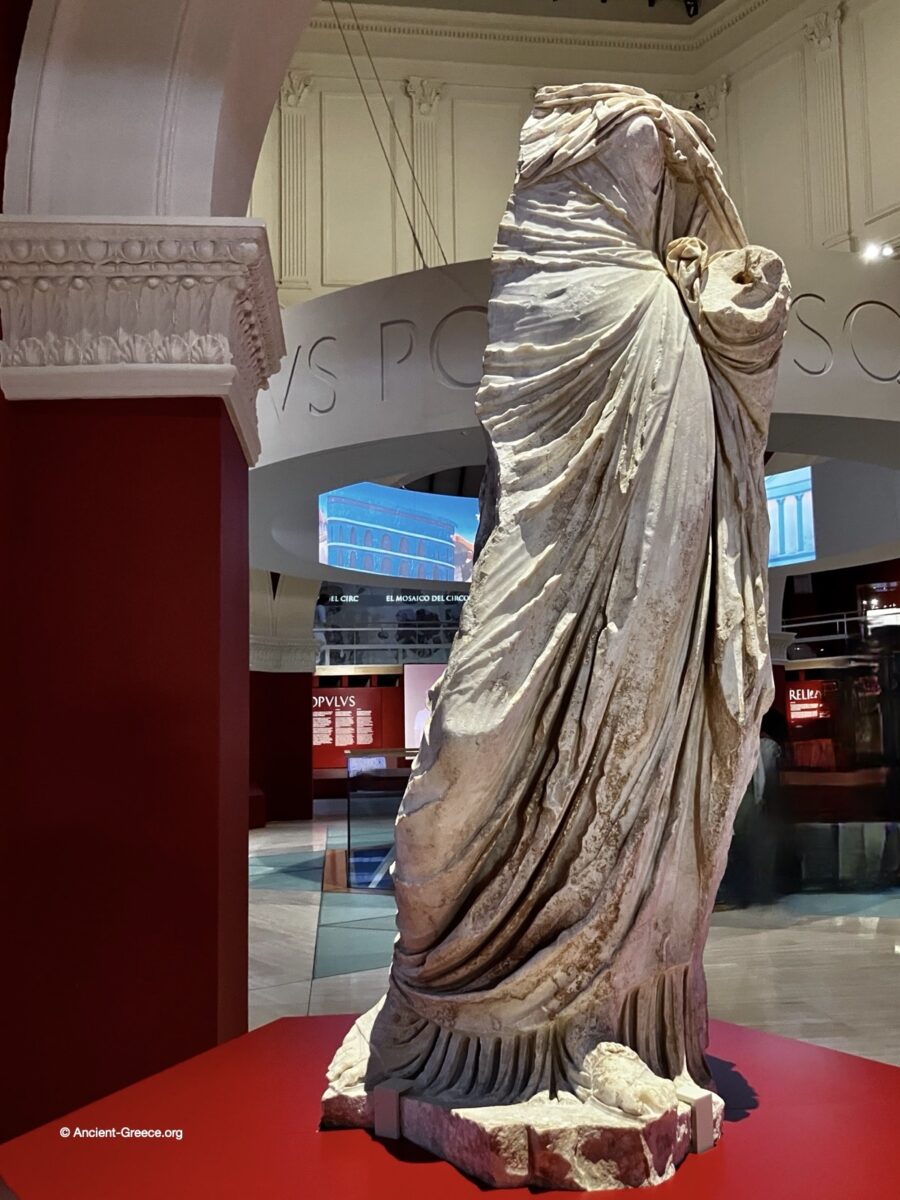
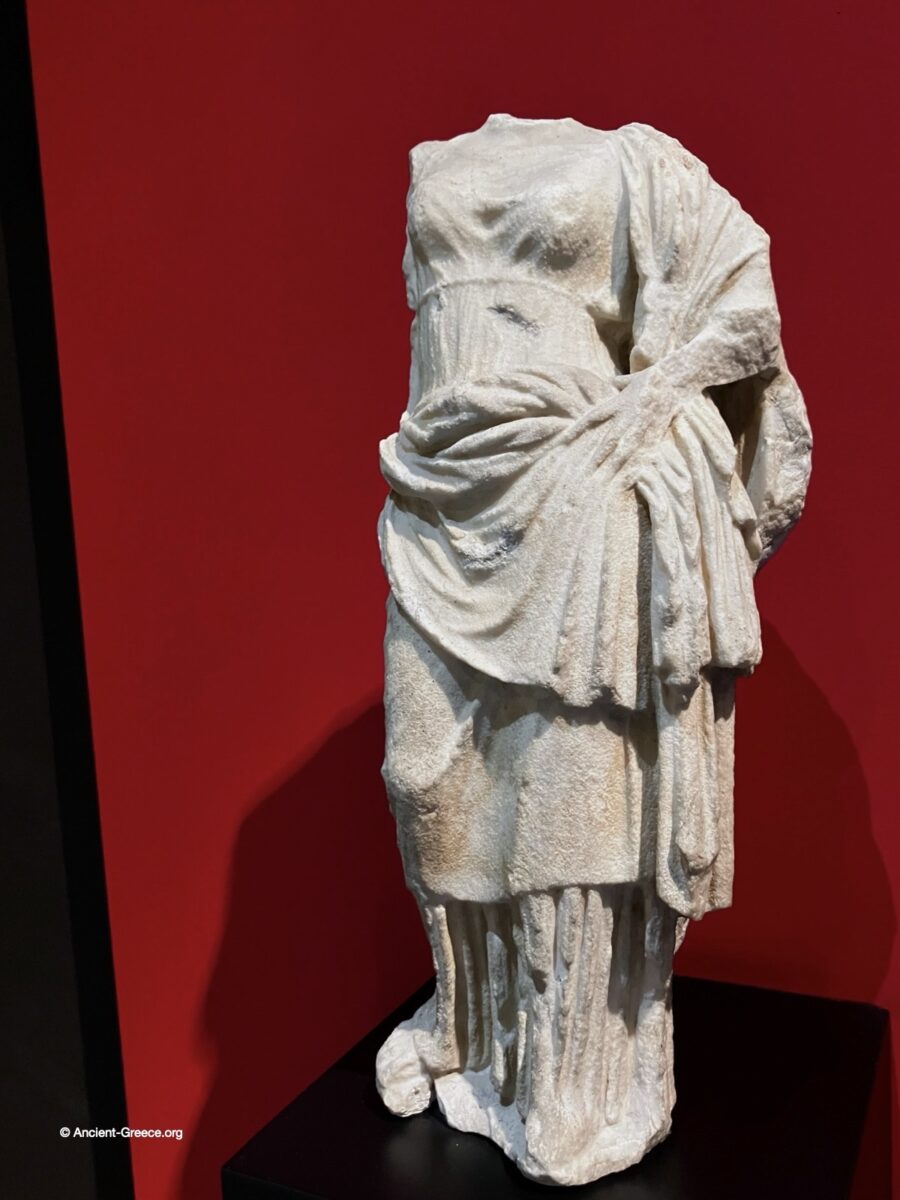
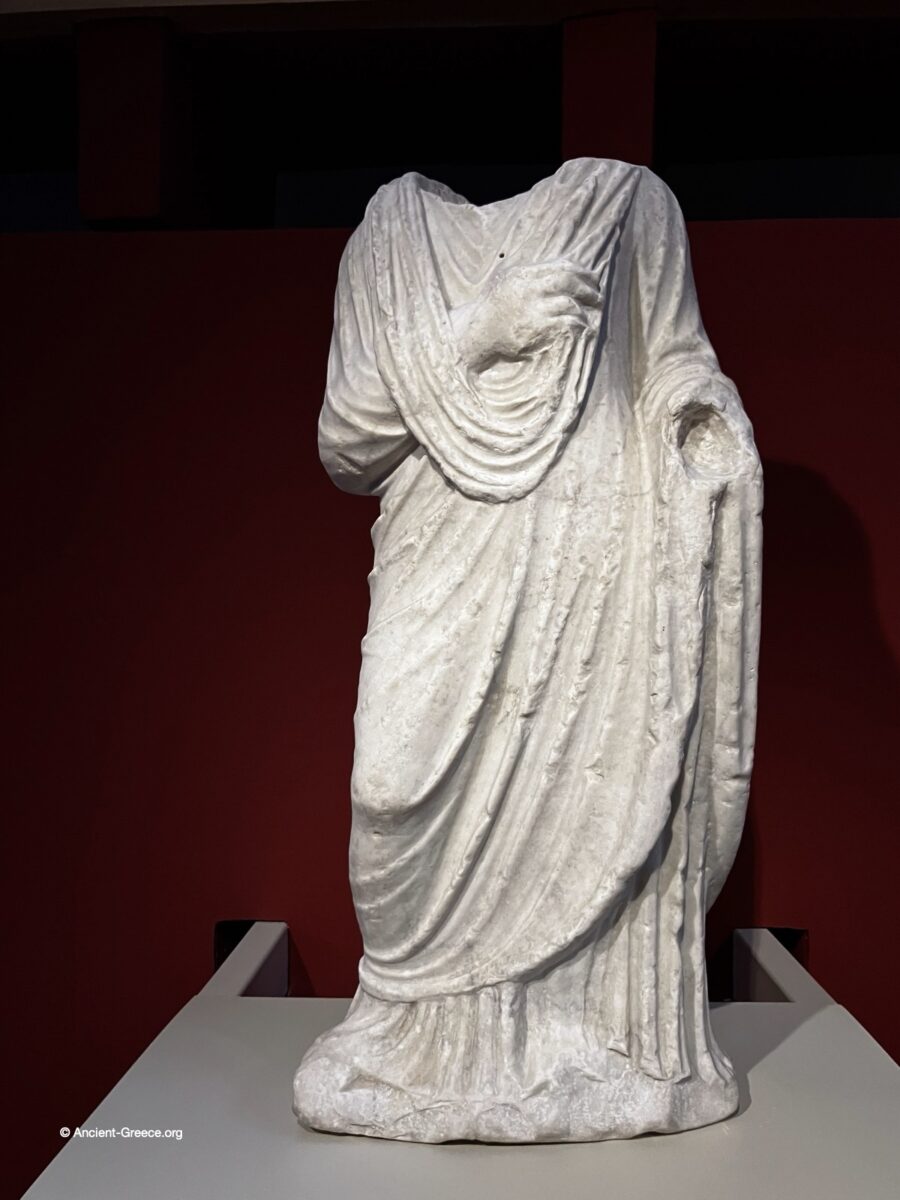
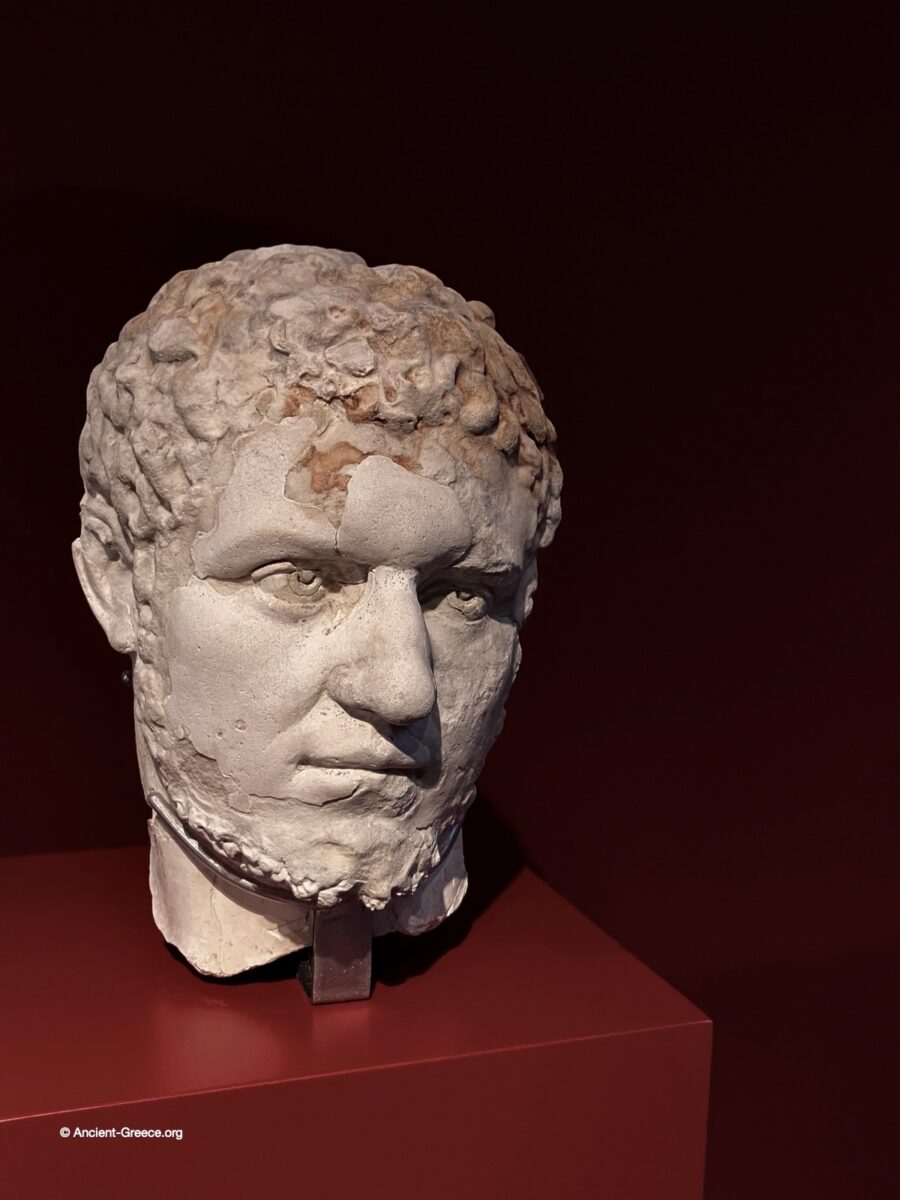
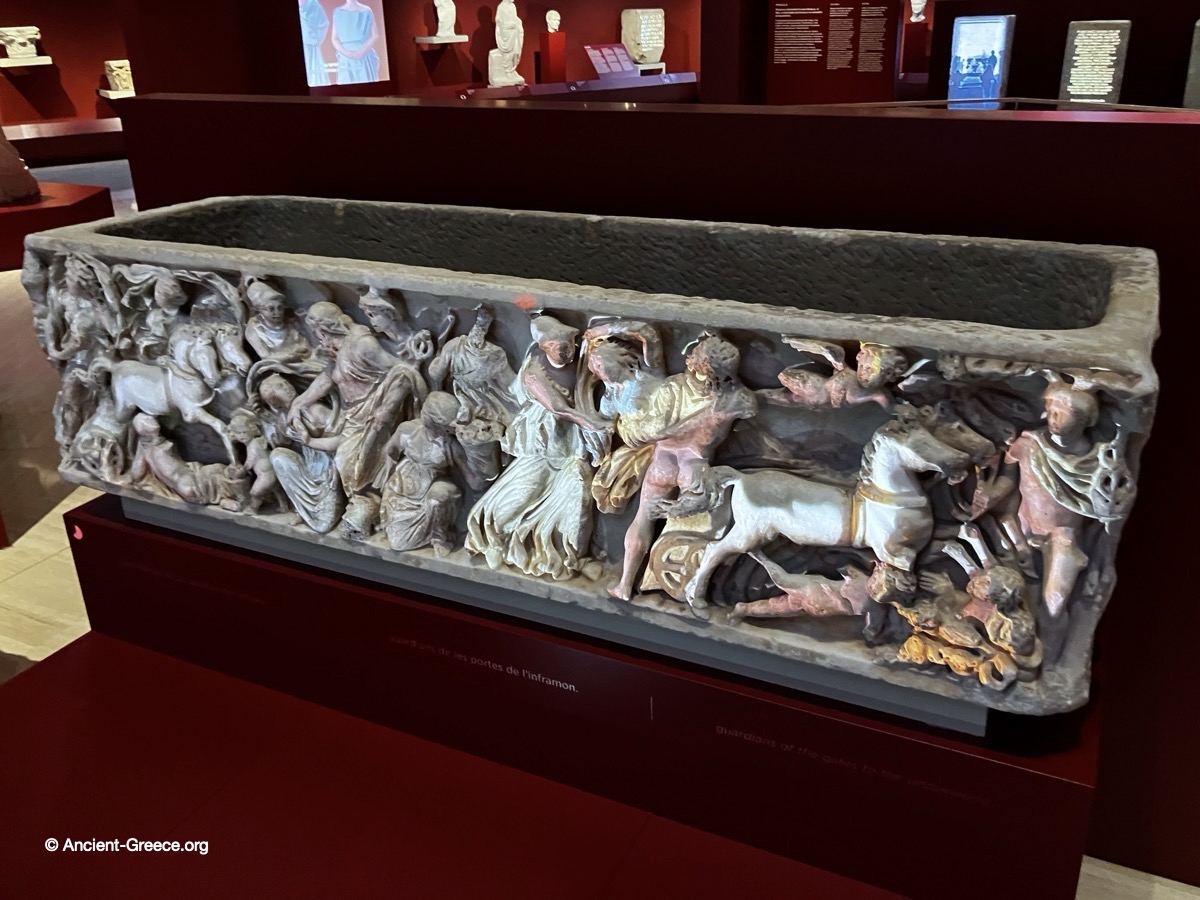
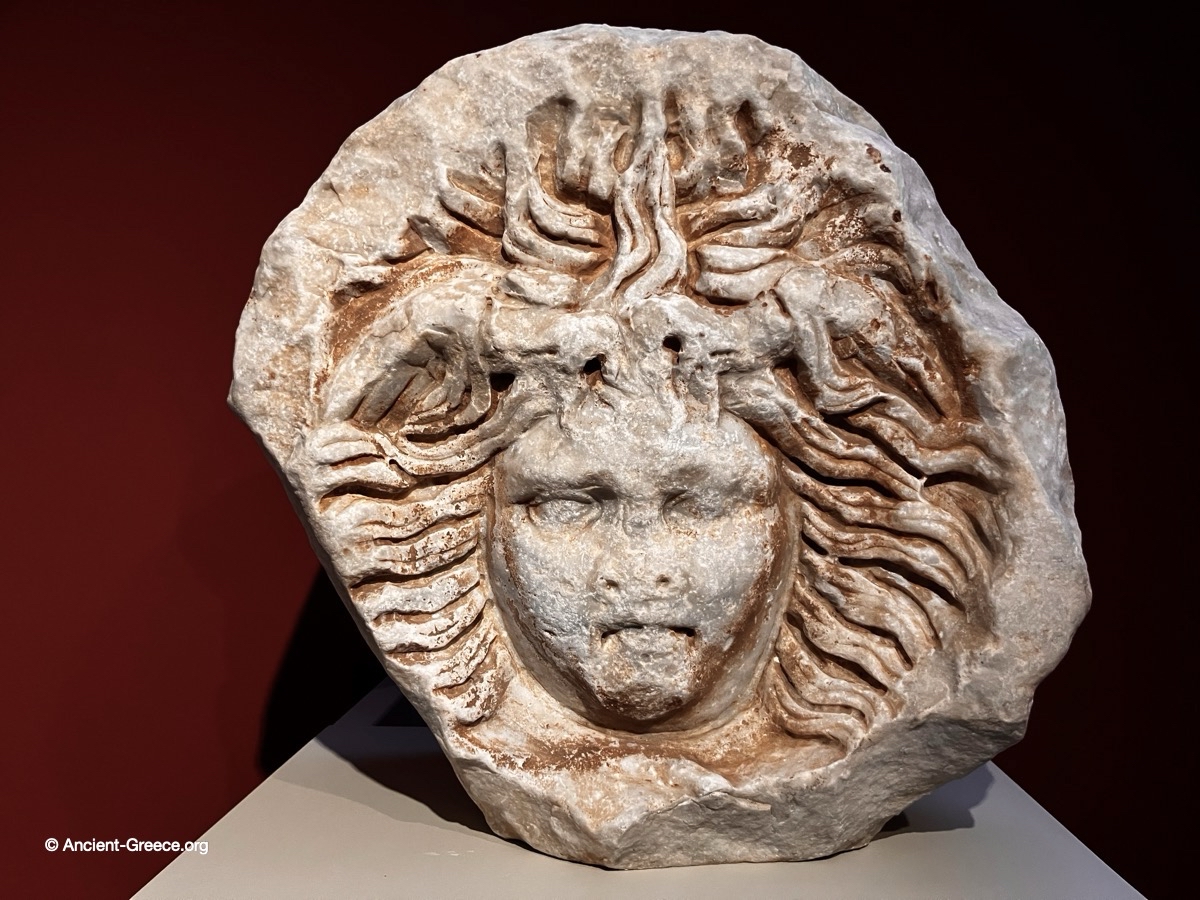
While Roman structures eventually provided a new framework, these images capture how the foundational Greek spirit remained the essential bridge connecting indigenous populations to the wider Mediterranean horizon. This Roman influence ultimately unified the Iberian Peninsula through an extensive network of laws, roads, and administration, forever anchoring the region within the imperial legacy.
Γύρω στον 8ο αιώνα π.Χ., Φοίνικες έμποροι από τον Λεβάντε ίδρυσαν αποικίες όπως το Γαδίρ (Κάδιθ). Έφεραν μαζί τους τον γρήγορο τροχό της κεραμικής. Η ίδρυση του Εμπορίου από τους Έλληνες τον 6ο αιώνα π.Χ. επηρέασε σημαντικά το ύφος και την κλίμακα της παραγωγής και εισήγαγε νέα σχήματα και εξελιγμένες τεχνικές κλιβάνων, τα οποία οι ντόπιοι Ίβηρες προσάρμοσαν στο δικό τους μοναδικό ύφος, όπως στην τέχνη όπου η «Ιβηρική Κεραμική» εξελίχθηκε me Ιβηρικά και Ελληνιστικά στοιχεία.
Παρομοίως, στη γραφή, οι Ίβηρες προσάρμοσαν τις Παλαιοϊσπανικές γραφές. Υπήρχαν δύο κύριες επιρροές: η Φοινικική γραφή που επηρέασε τις νότιες ιβηρικές γραφές και η Ελληνική γραφή που επηρέασε το Ελληνο-Ιβηρικό αλφάβητο που χρησιμοποιούνταν στις ανατολικές περιοχές (κοντά στο Εμπόριον).
Η ευρεία χρήση της γραφής έφερε επανάσταση στο ιβηρικό εμπόριο, επιτρέποντας συμβόλαια σε μολύβδινες πινακίδες και καταγεγραμμένες εμπορικές συμφωνίες, γεγονός που μετέτρεψε την κοινωνία τους από μια καθαρά προφορική παράδοση σε μια δομημένη, «εξελιγμένη» γραφειοκρατία.
Το Εμπόριον λειτούργησε ως «ενδιάμεση ζώνη» (μια νεάπολη) όπου Ίβηρες και Έλληνες ζούσαν δίπλα-δίπλα. Αυτή η εγγύτητα επιτάχυνε τη μετάβαση των ιβηρικών χωριών σε οργανωμένες πόλεις-κράτη με αμυντικά τείχη και δημόσιες πλατείες.
Αν και οι ρωμαϊκές δομές παρείχαν τελικά ένα νέο πλαίσιο, το θεμελιώδες ελληνικό πνεύμα παρέμεινε η ουσιαστική γέφυρα που συνέδεσε τους αυτόχθονες πληθυσμούς με τον ευρύτερο ορίζοντα της Μεσογείου. Αυτή η επιρροή κατα τη Ρωμαϊκή εποχή που ακολούθησε ενοποίησε τελικά την Ιβηρική Χερσόνησο μέσω ενός εκτεταμένου δικτύου νόμων, δρόμων και διοίκησης, αγκυροβολώντας για πάντα την περιοχή μέσα στην αυτοκρατορική κληρονομιά.
Photo Archive | Αρχείο Φωτογραφιών
Related Pages