It exhibits art from the entire globe, and it has several halls dedicated to Greek and Roman art.
Archaic, Classical, Hellenistic, Roman Sculpture
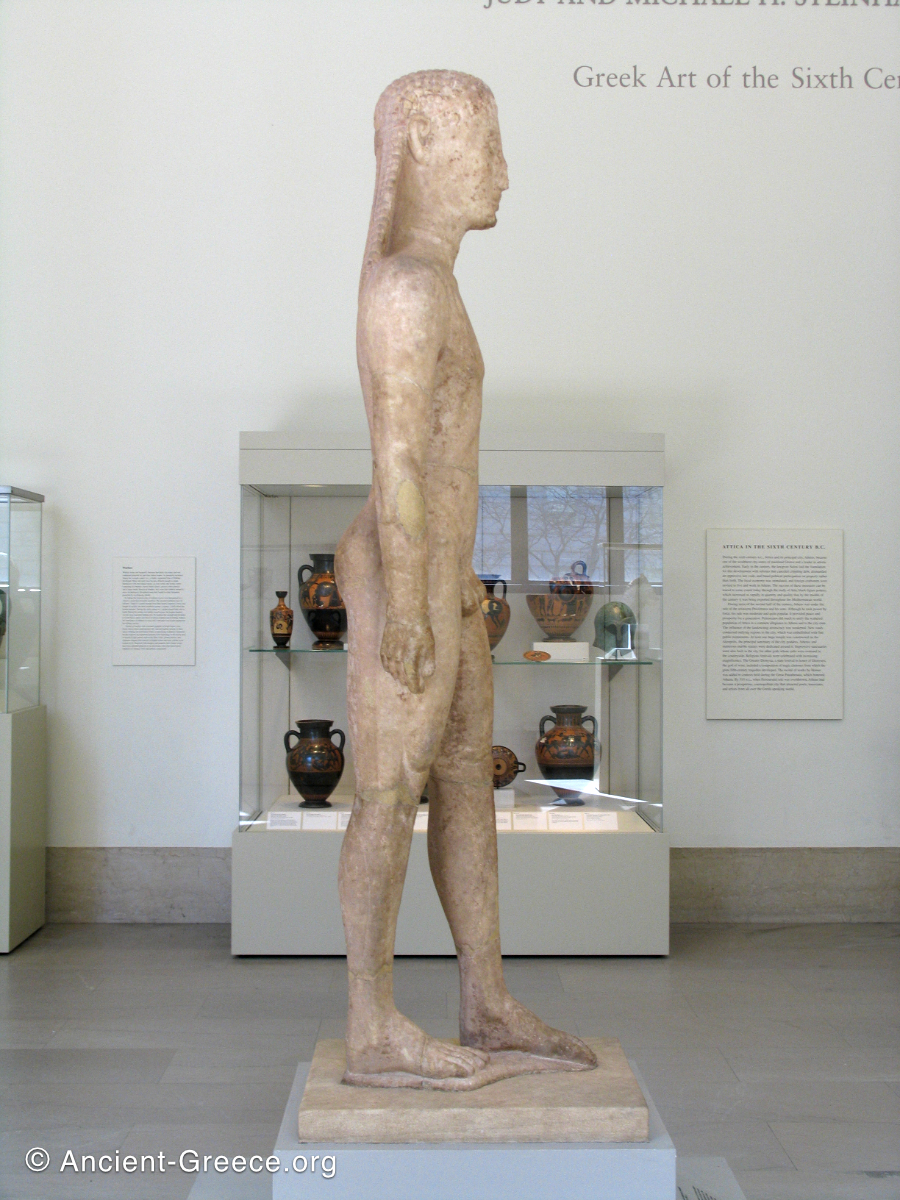
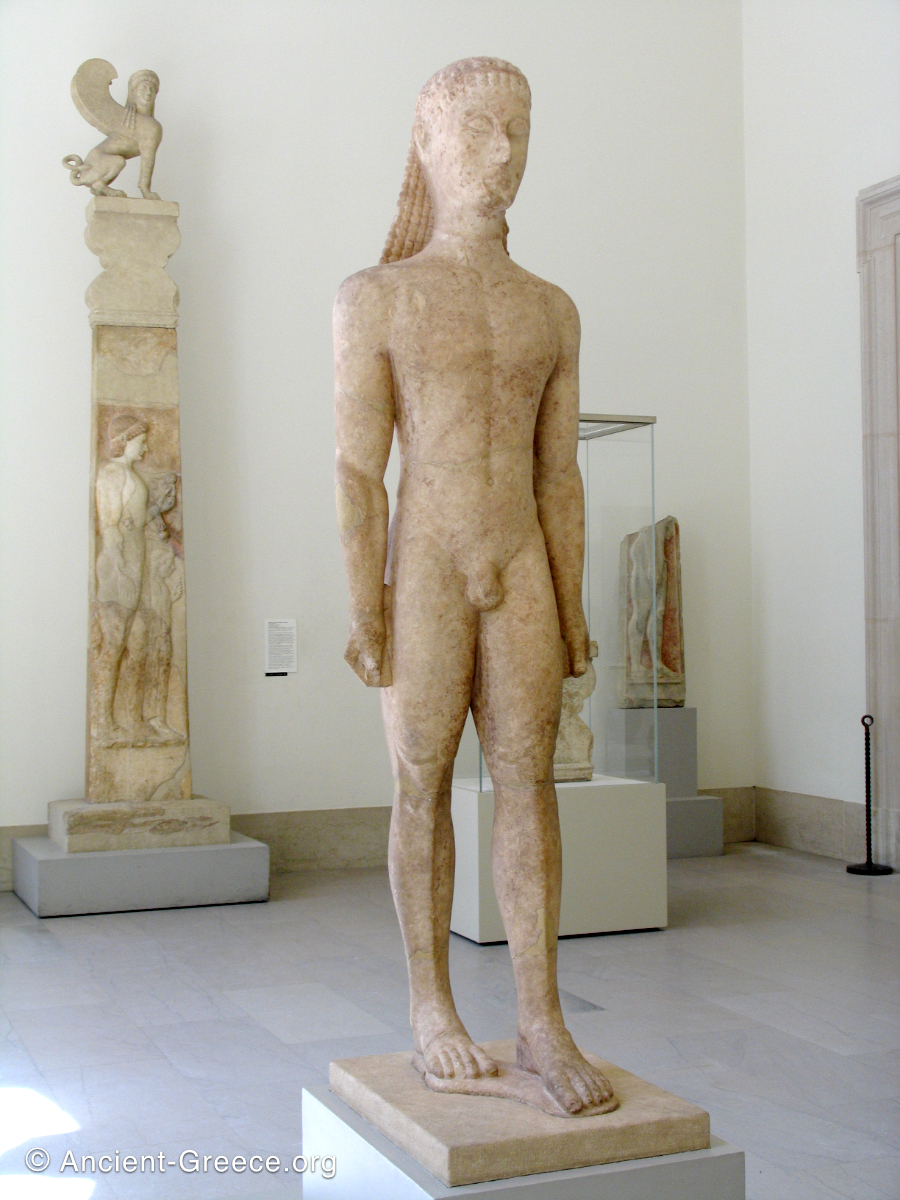
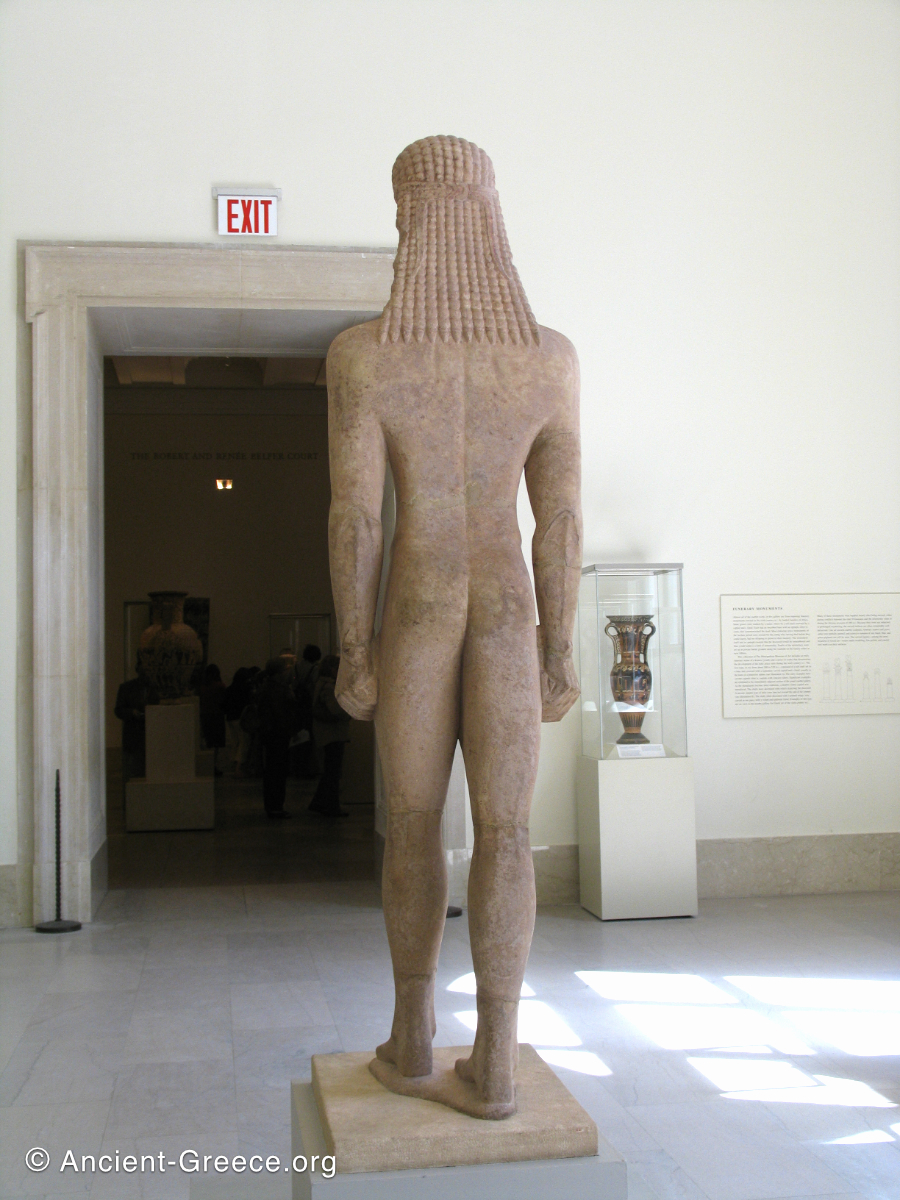
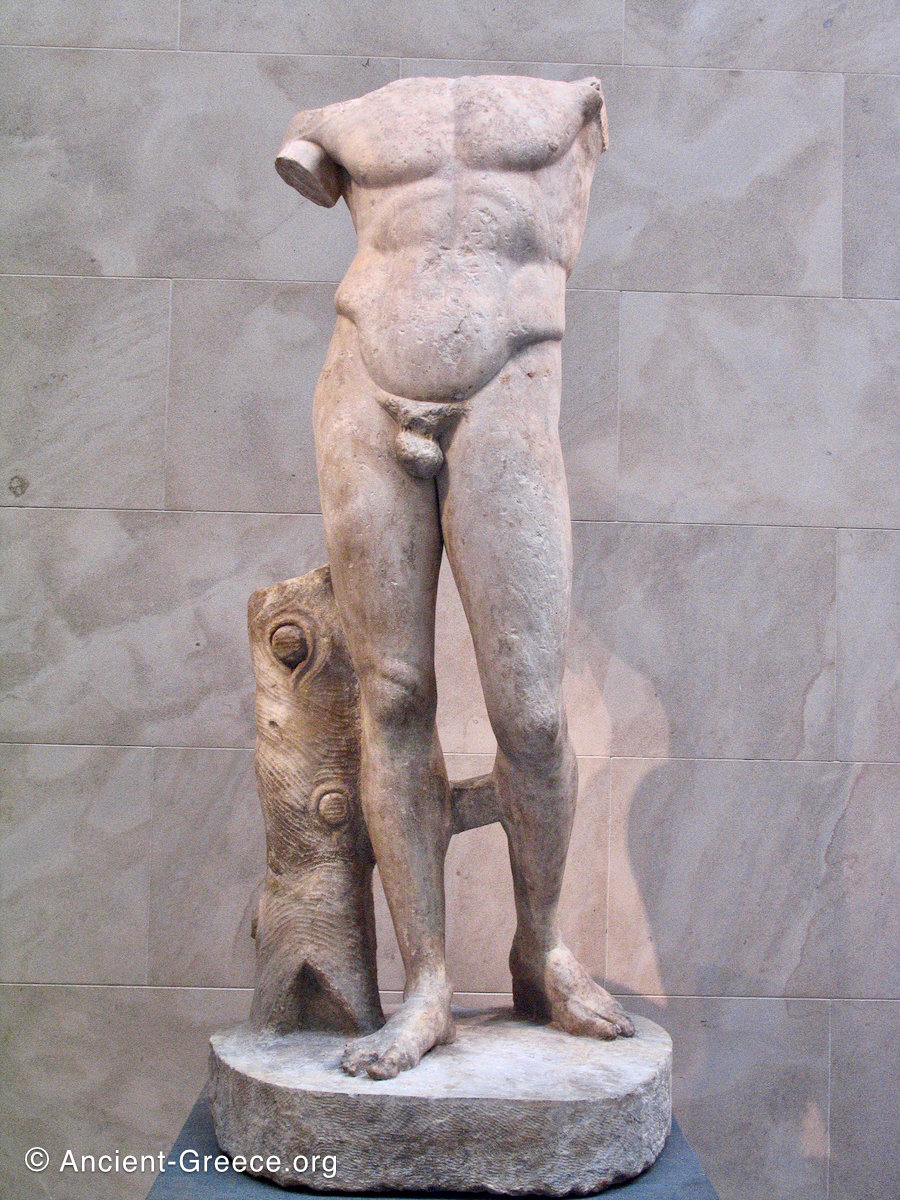
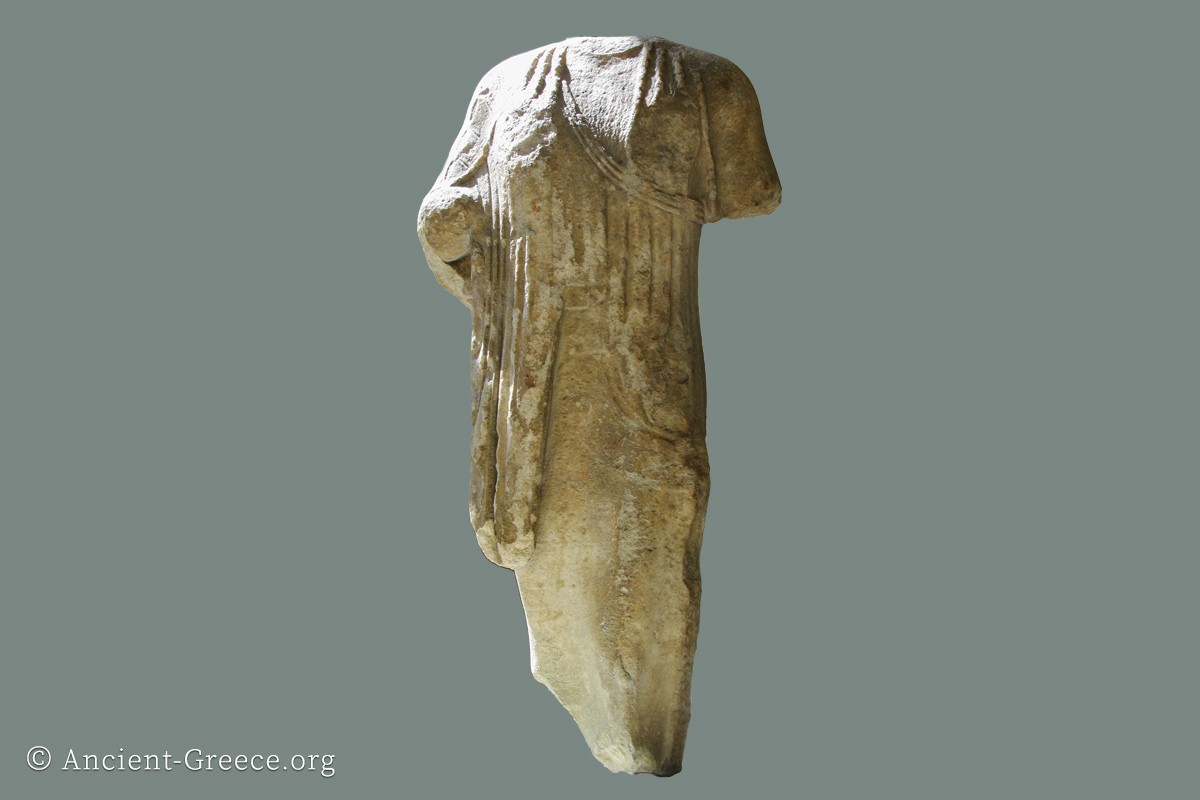
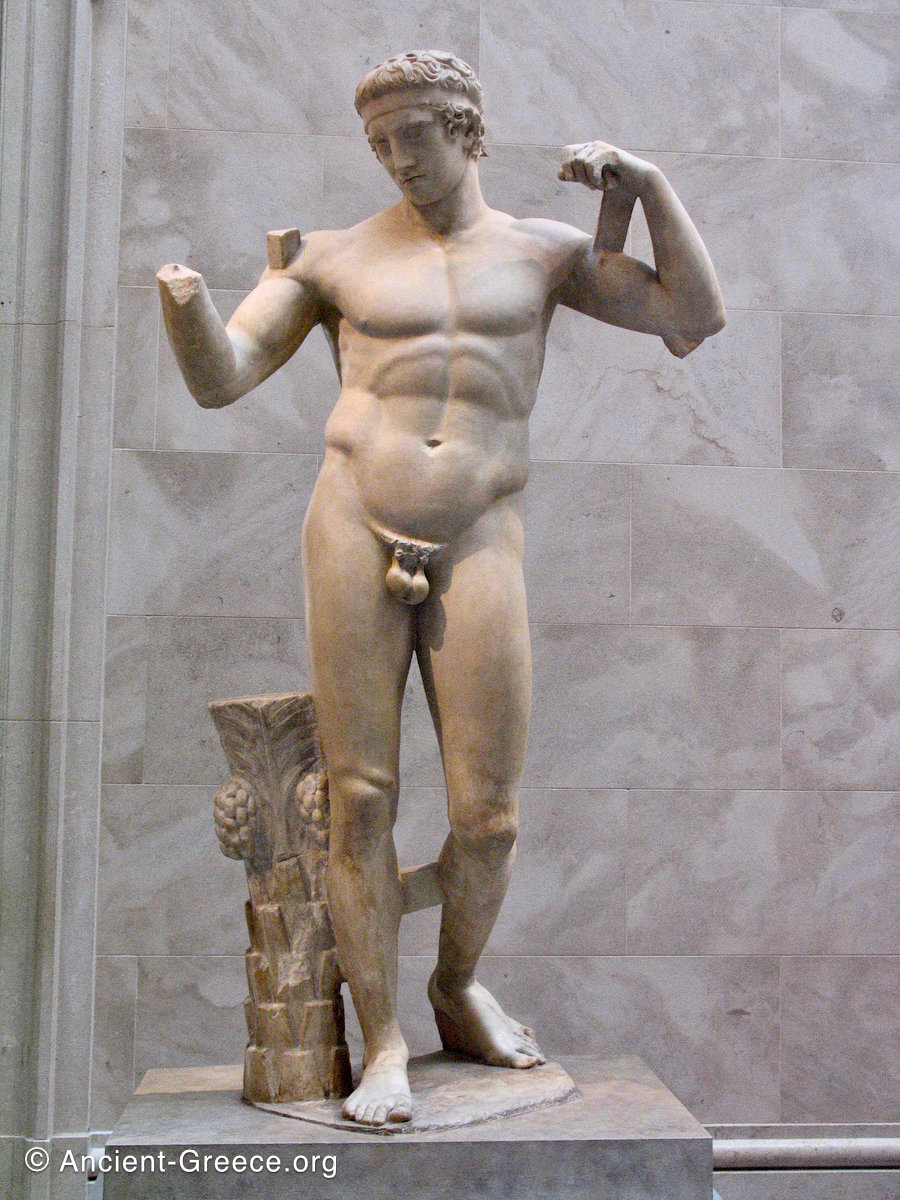
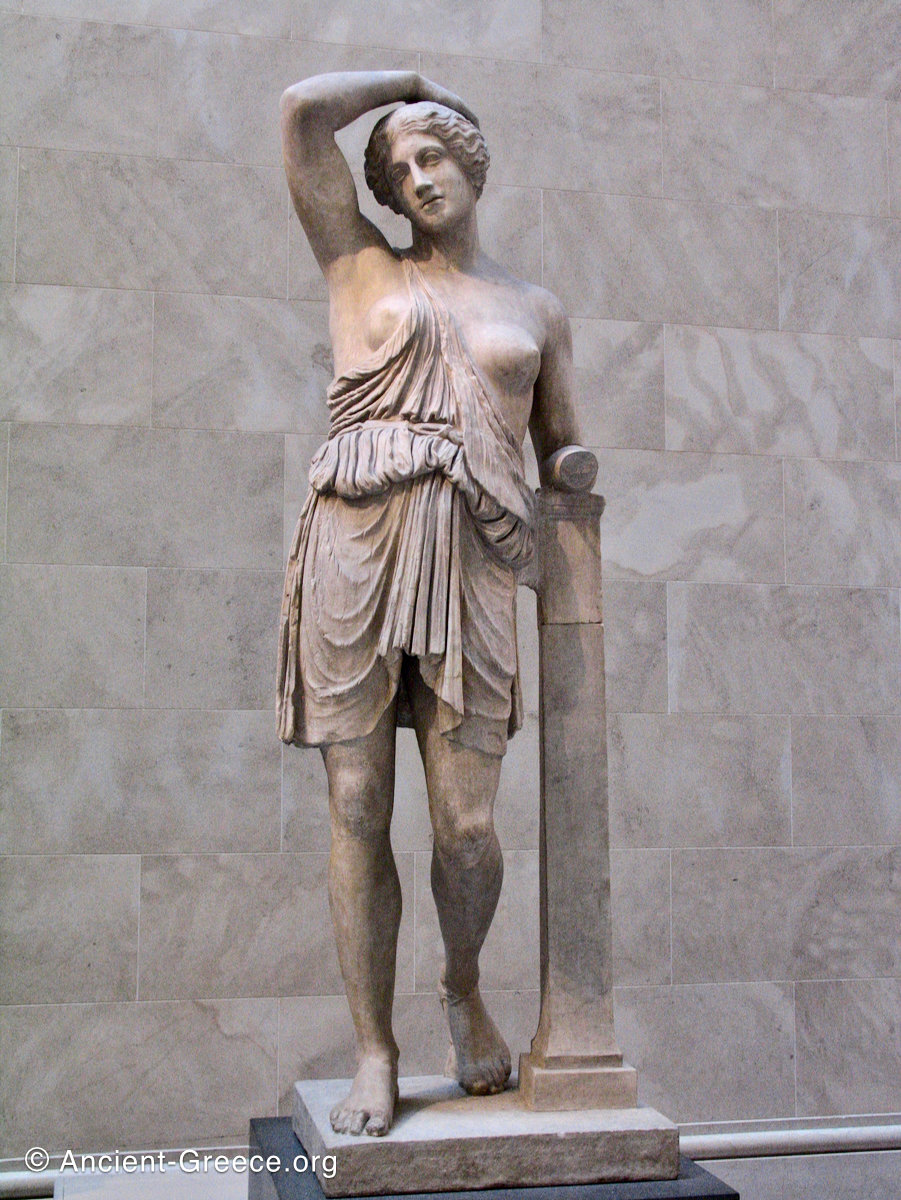
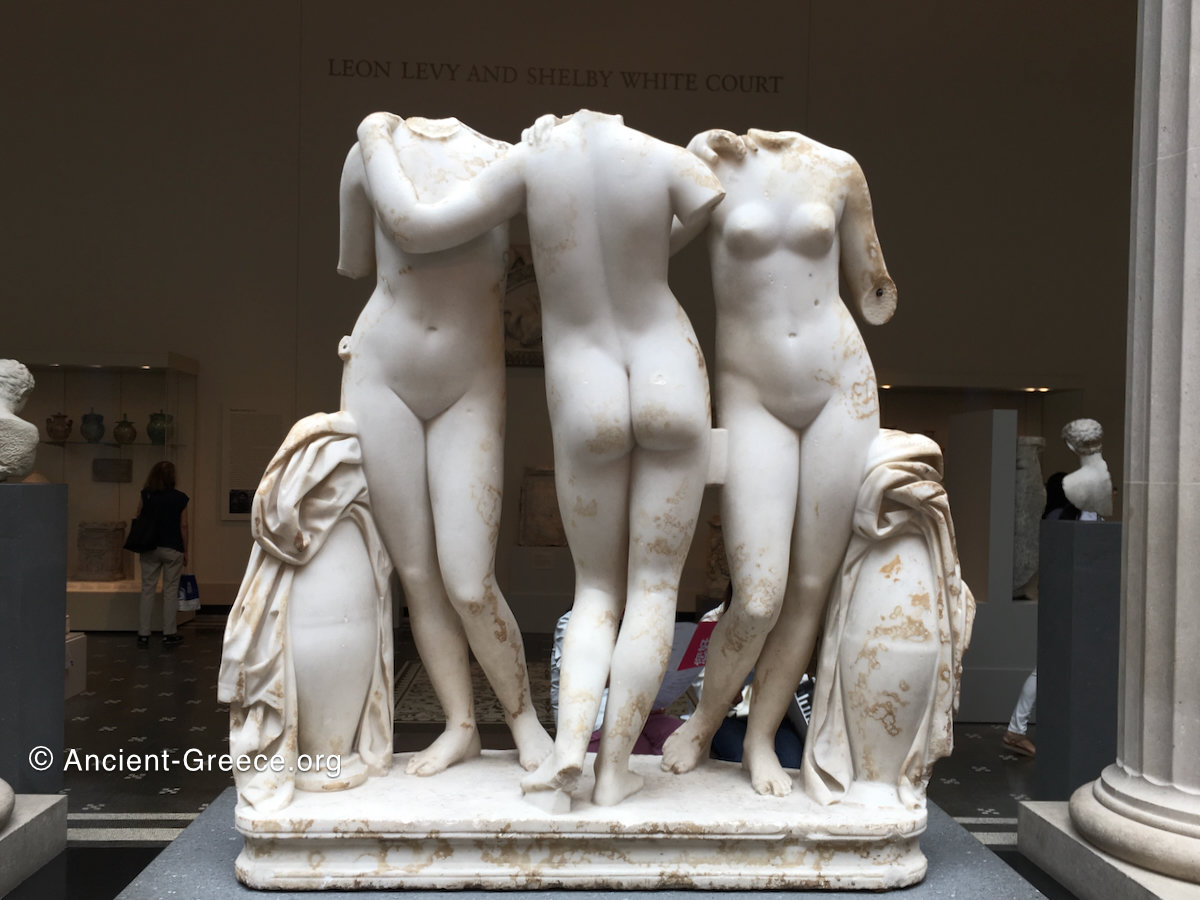
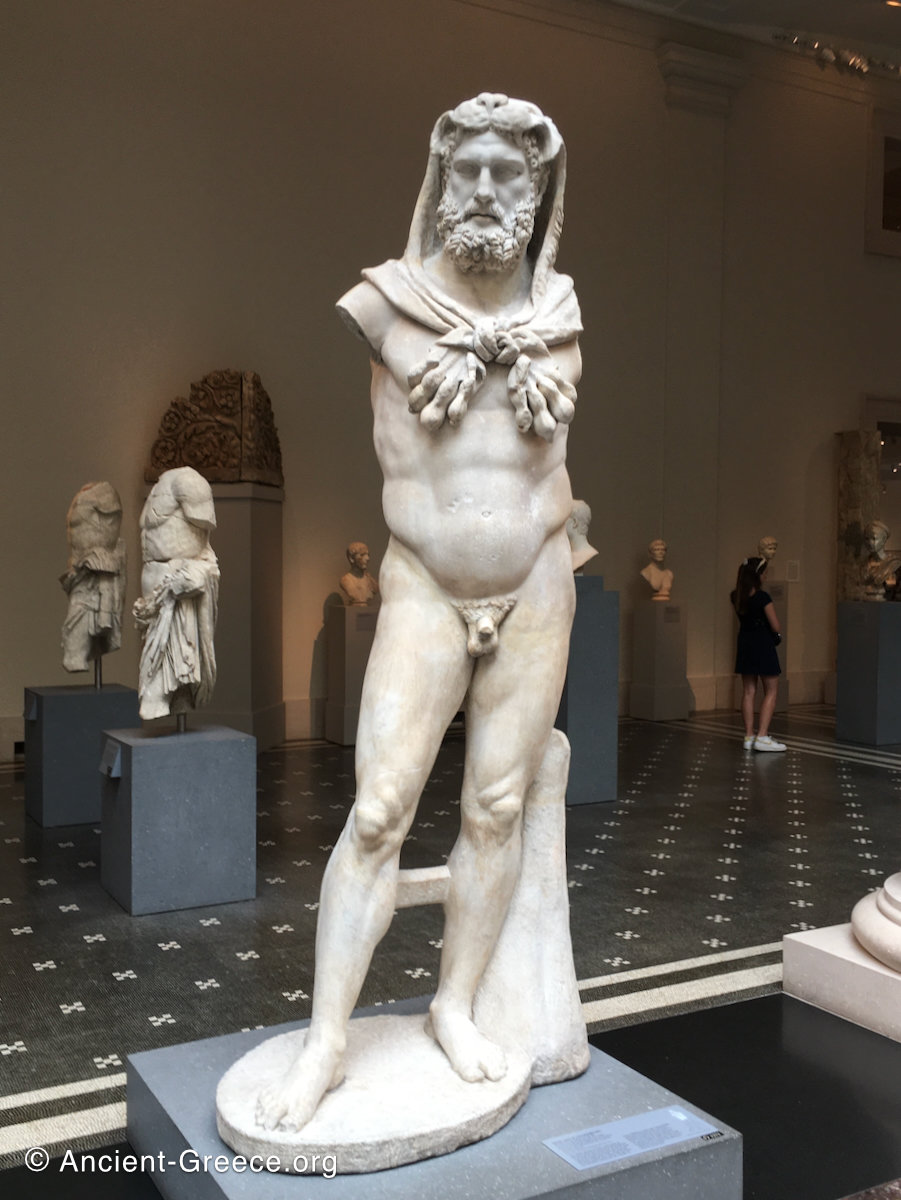
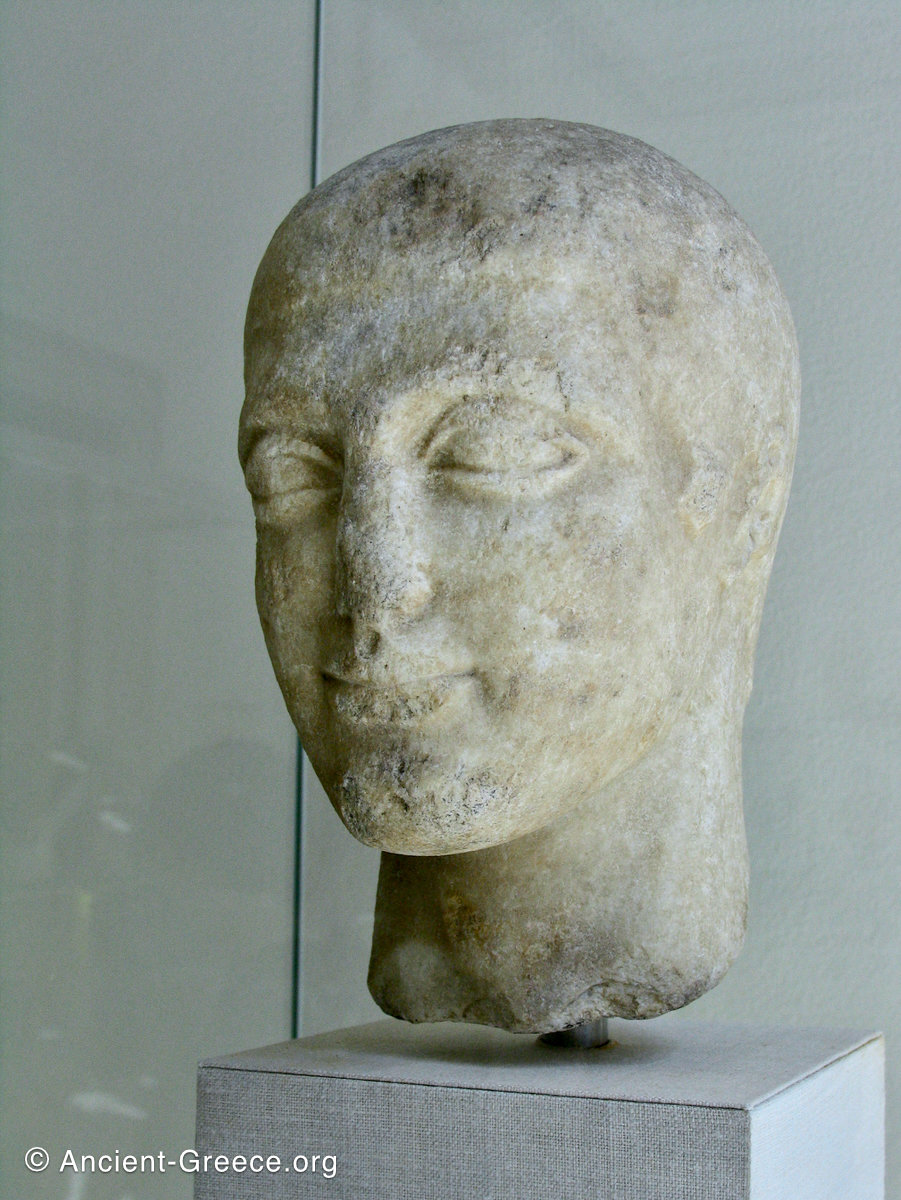
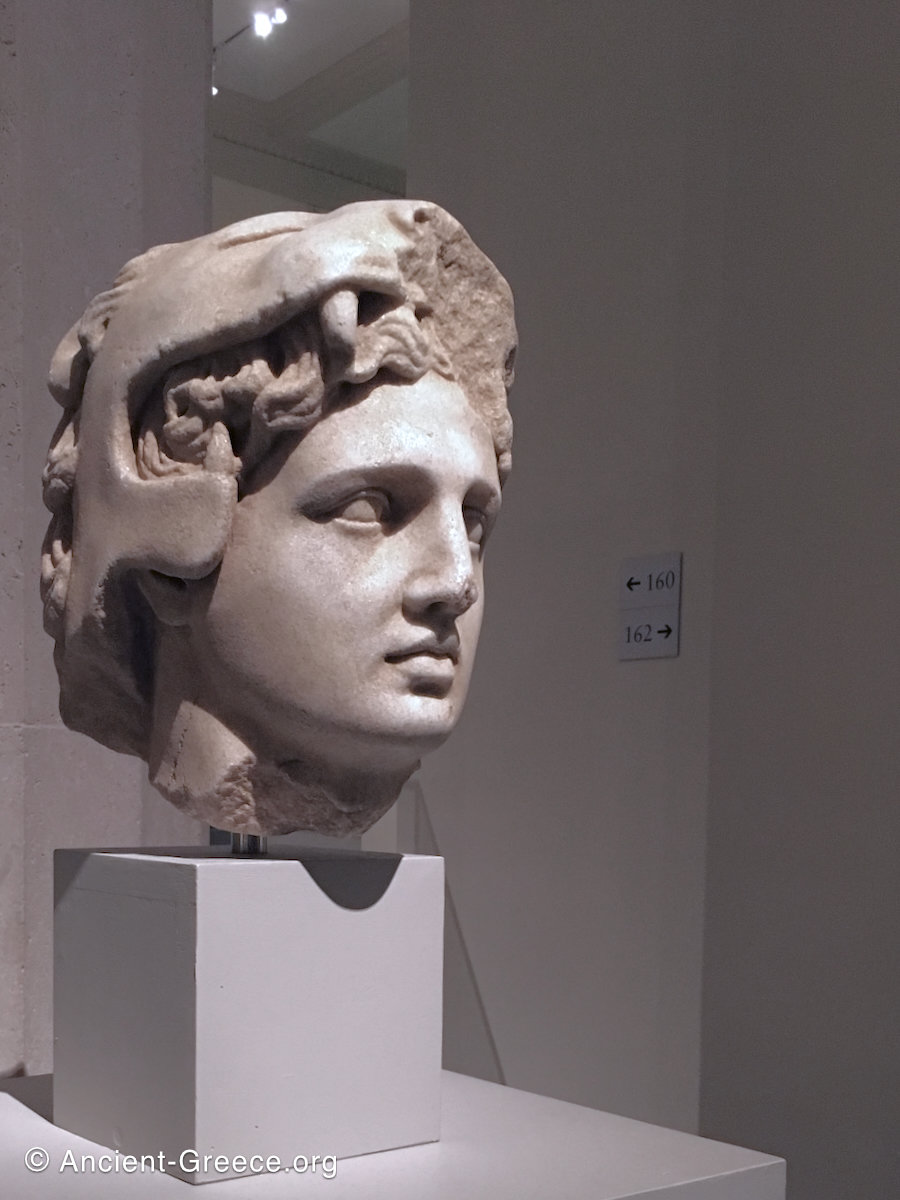
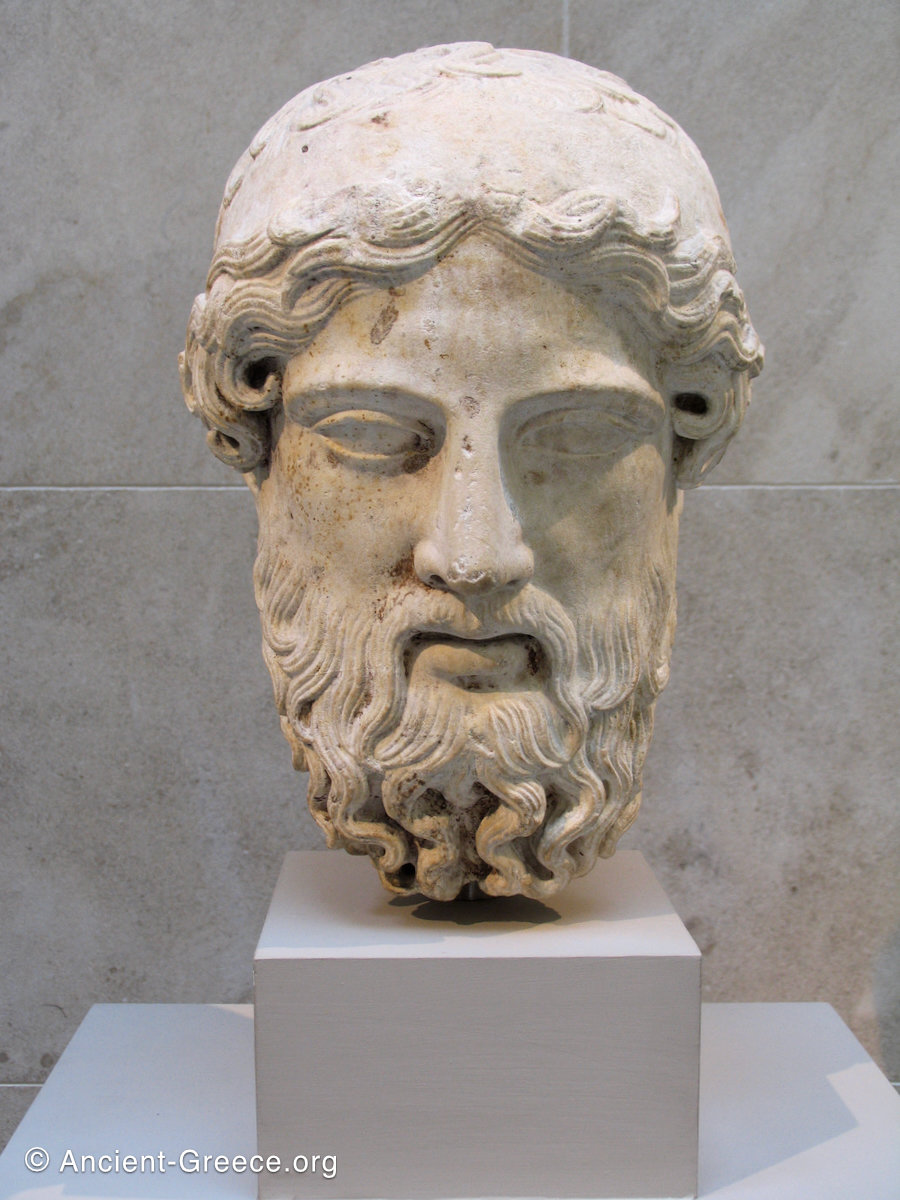
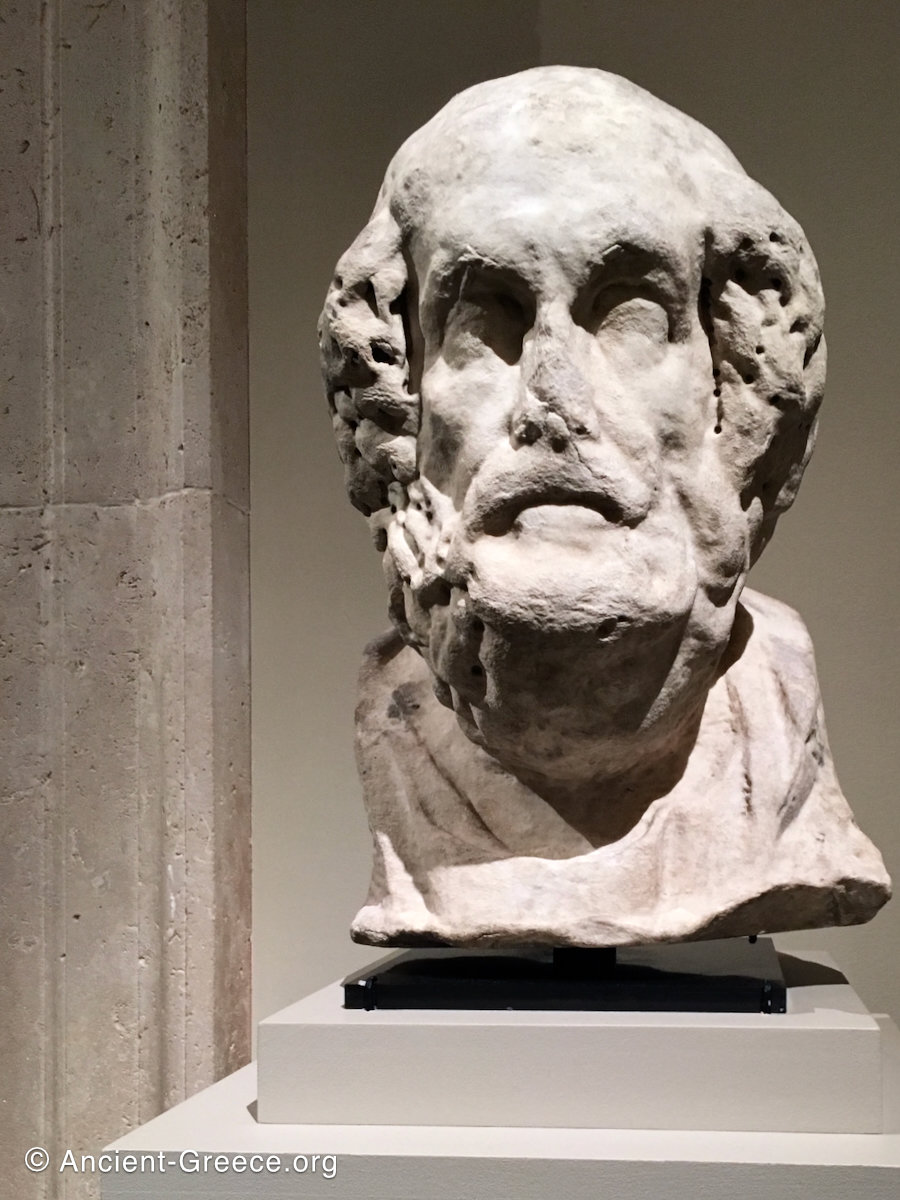
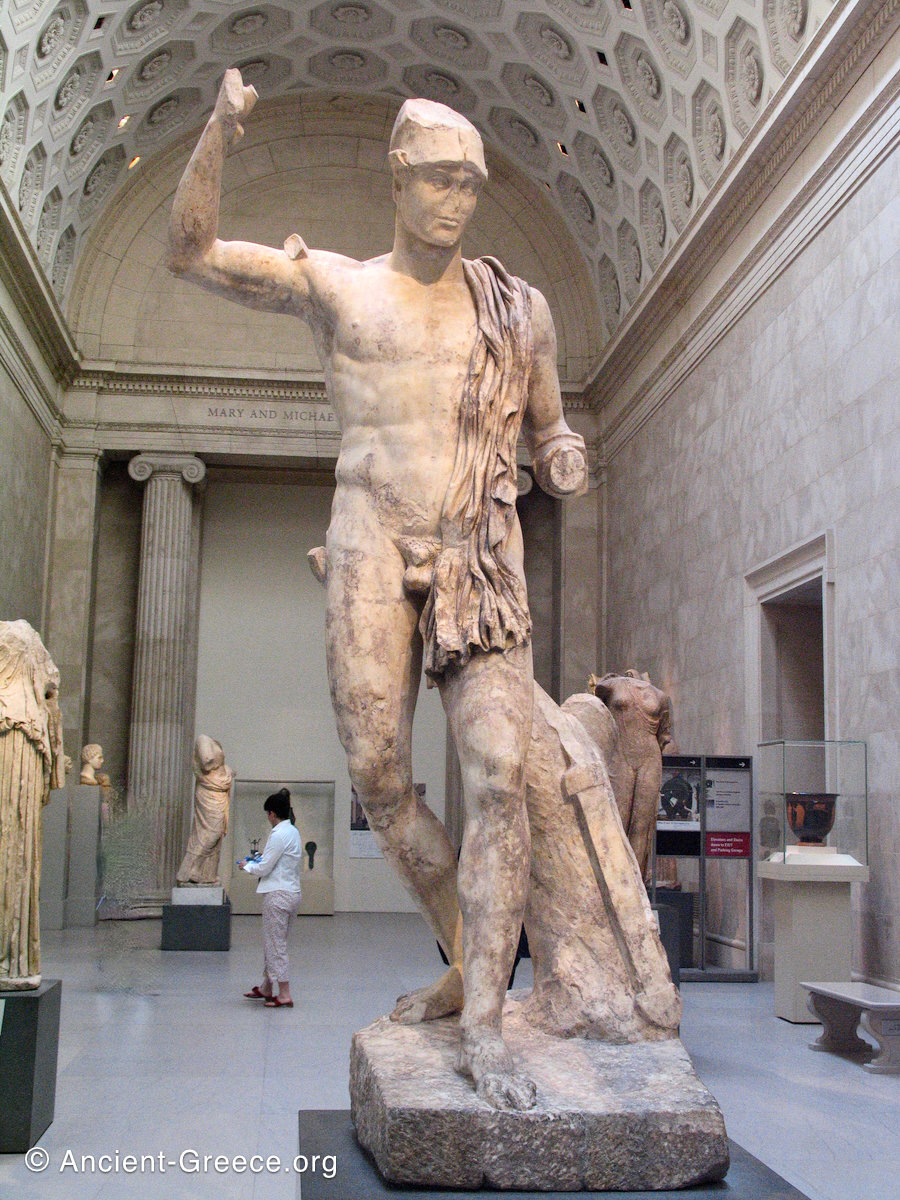
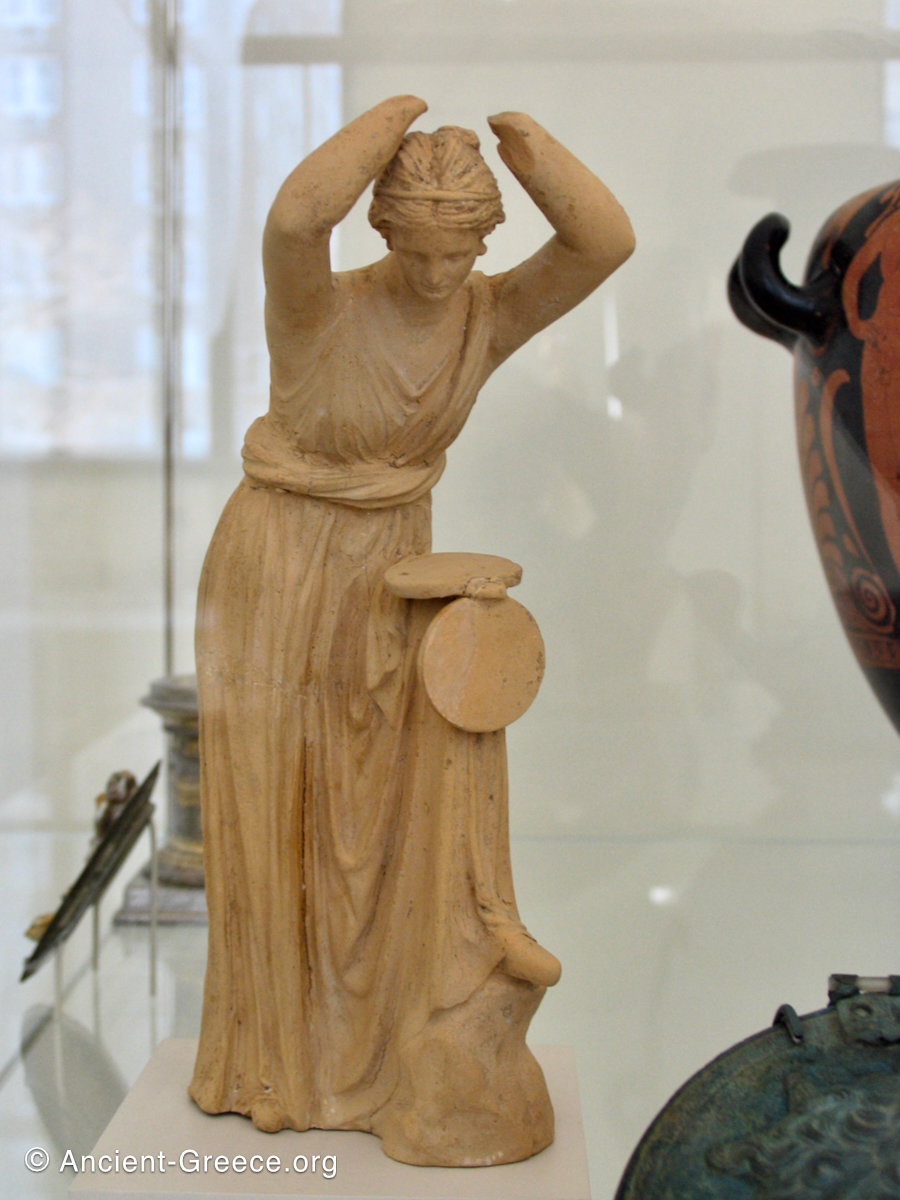
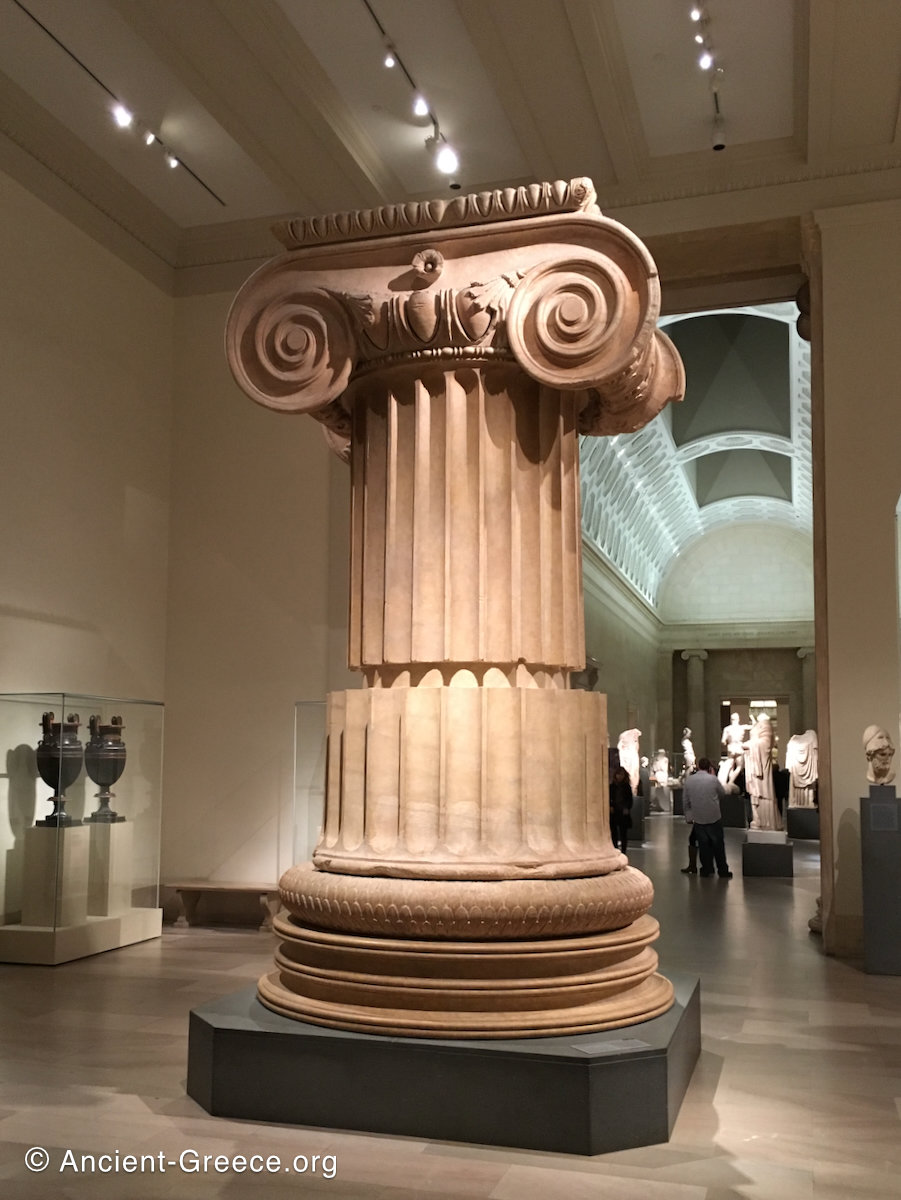
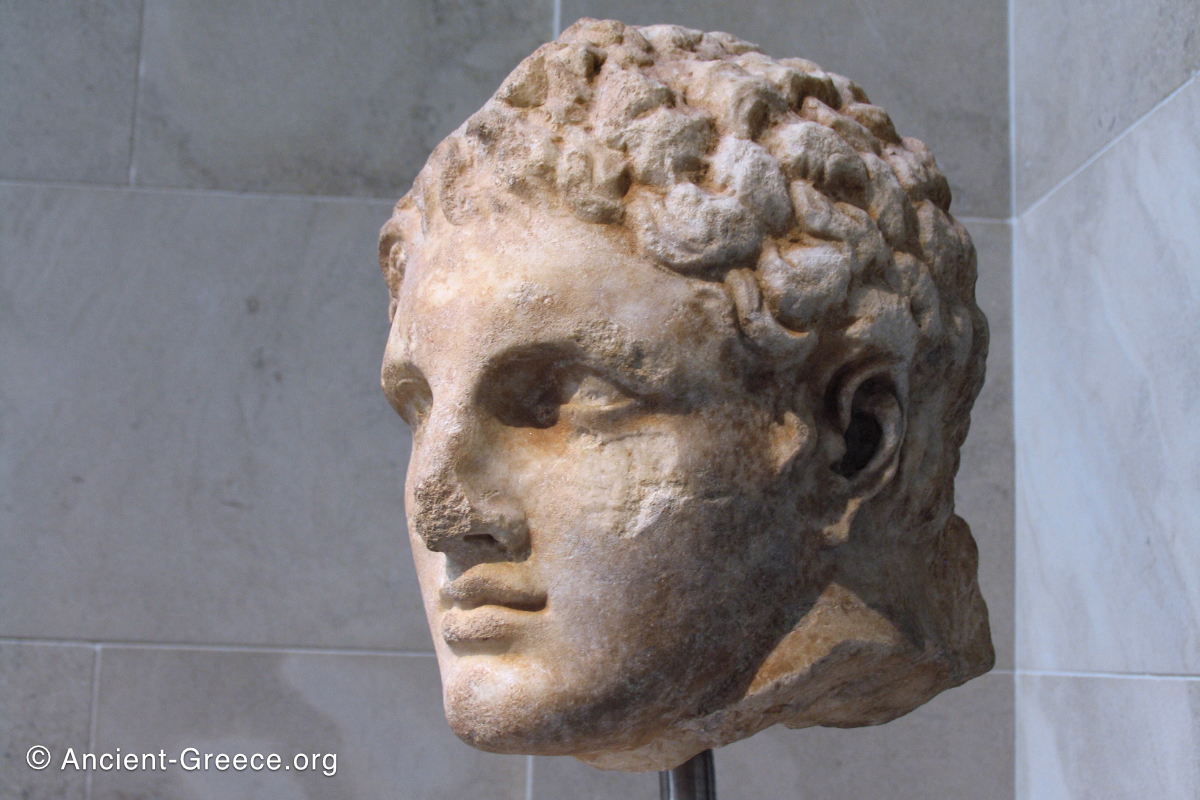
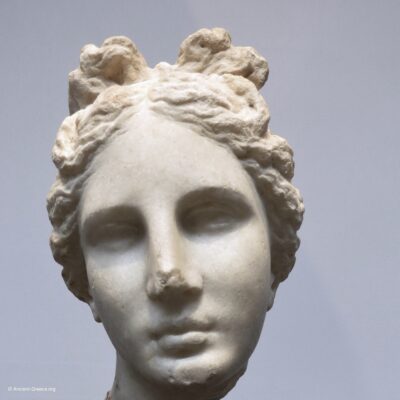
New York Kouros, Side view. Circa 590-580 BCE.Kouros known as “New York Kouros”. Circa 590-580 BCE.New York Kouros, back view. Circa 590-580 BCE.Statue fragment of Apollo Lykeios. 130 – 161 CE.Marble kore statue. Late 6th c BCE. State of the Diadoumenos (youth binding his hair). Circa 69–96 CE. Copy of a Greek original from the 5th c. BCE by Polykleitos.Wounded Amazon statue. Marble. 1st–2nd century CE.The Three Graces. Marble, 2nd c. CE copy of a 2nd c. BCE Greek original.Bearded Hercules. 68–98 CE. Ancient Greek marble head of a youth. Circa 490 BCE.Marble head of Alexander the Great wearing a lion’s scalp as helmet. Late 4th-3rd century BCE. Hellenistic Era. He was instrumental in spreading Greek civilization through Asia and North Africa.Copy of a Greek marble herm of circa 450–425 BCE.Marble Head of Homer. 1st – 2nd c. CE. Homer is the author of the epic poems, the Iliad and the Odyssey, which kicked off a literary revolution in Ancient Greece.Statue of a wounded warrior. Marble. 2nd c. CE copy of a Greek bronze statue of ca. 460–450 BCE.Clay statuette of a woman. Ionic Column at the Metropolitan Museum of Art in New York City, USA.Marble head of young man. Greek, late 4th c. BCE.
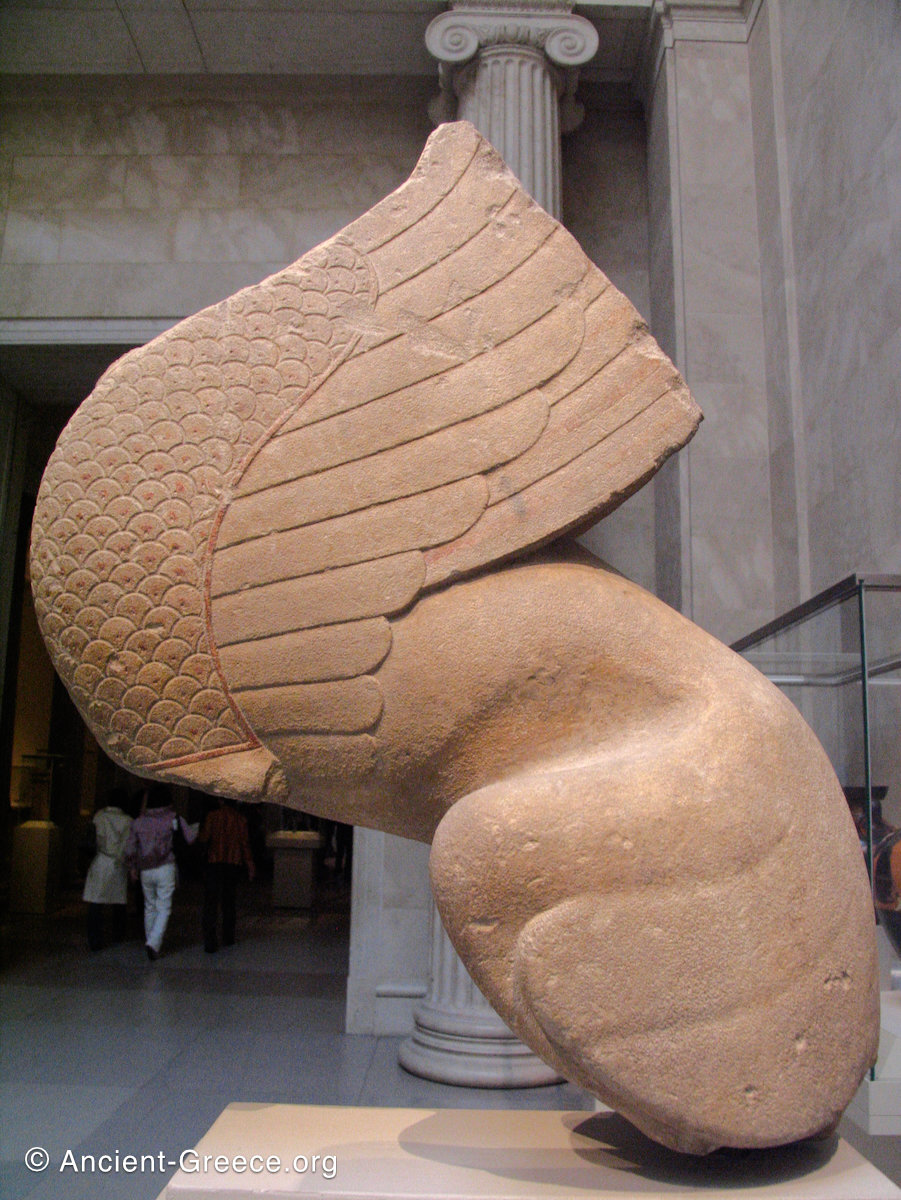
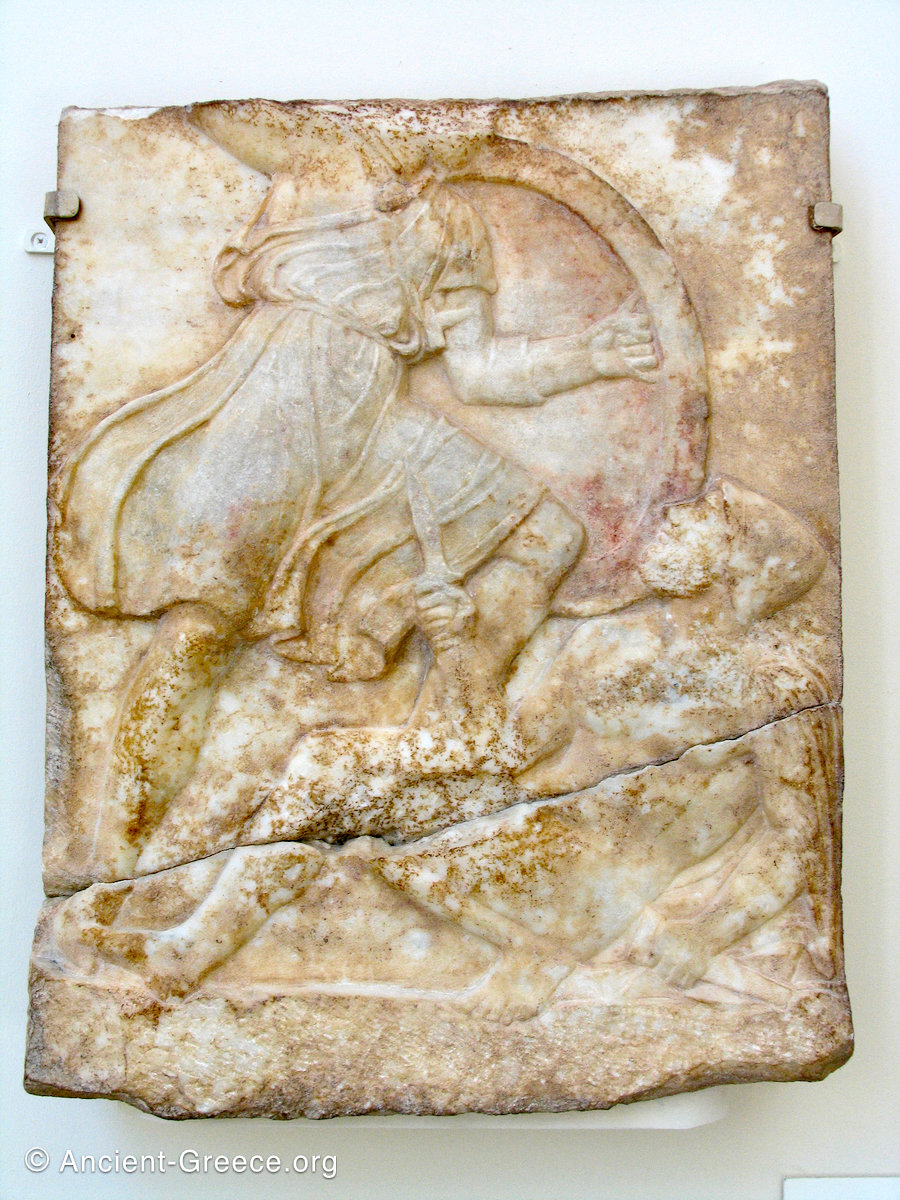
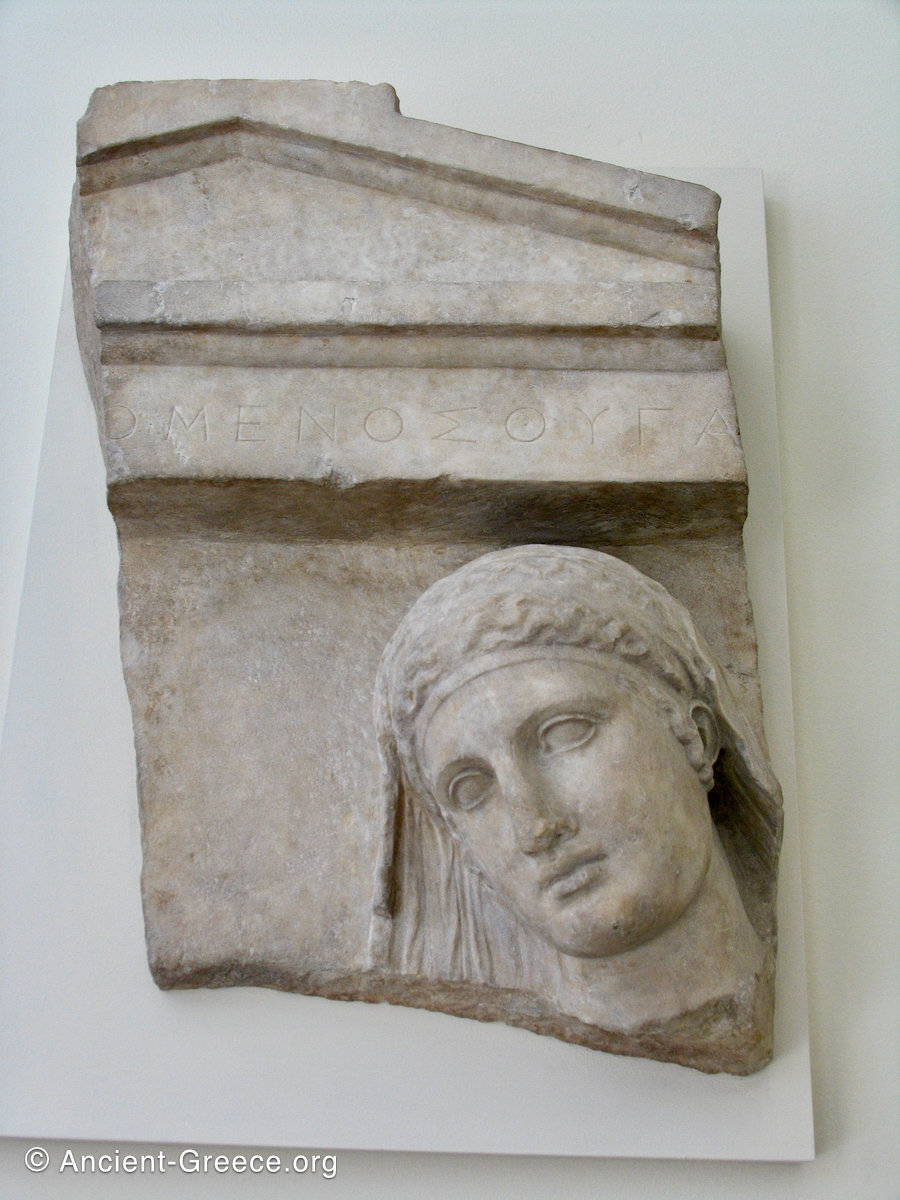
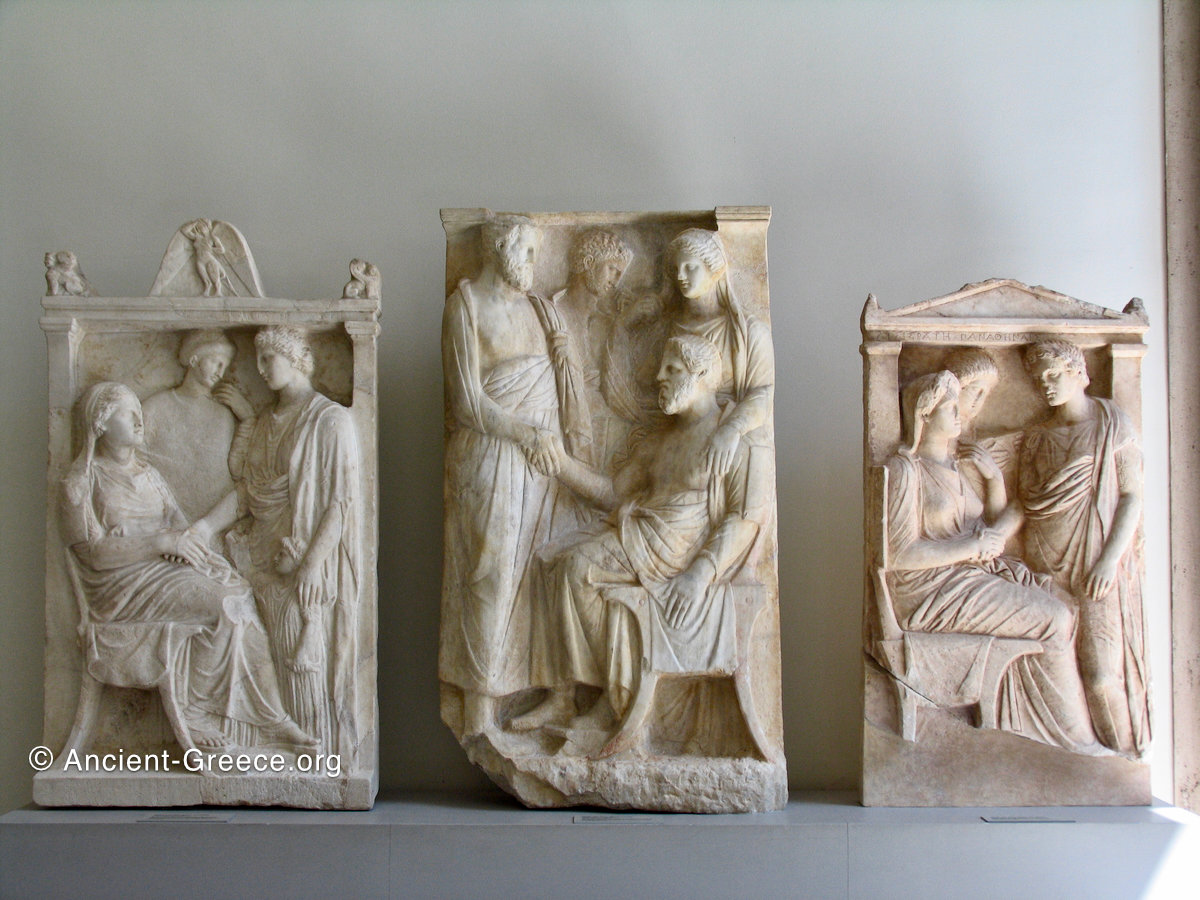
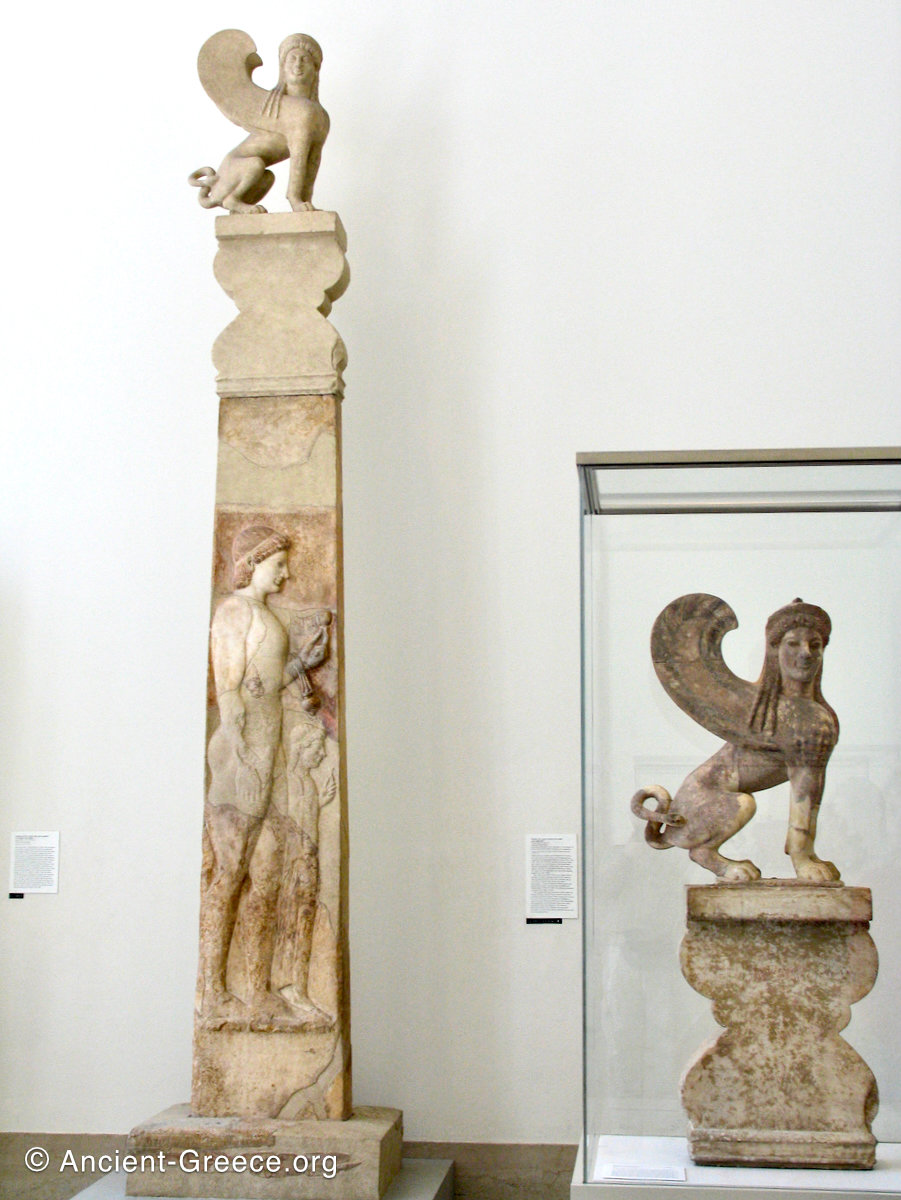
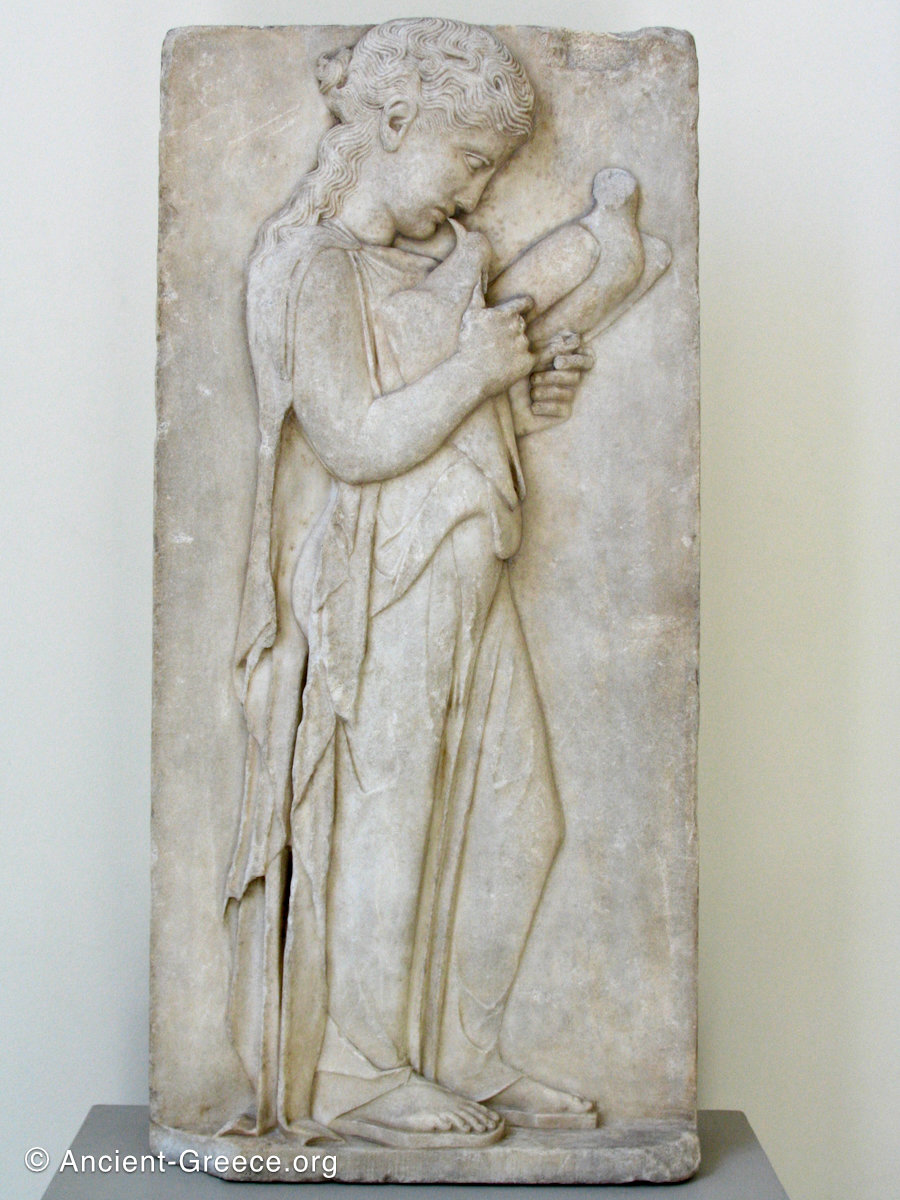
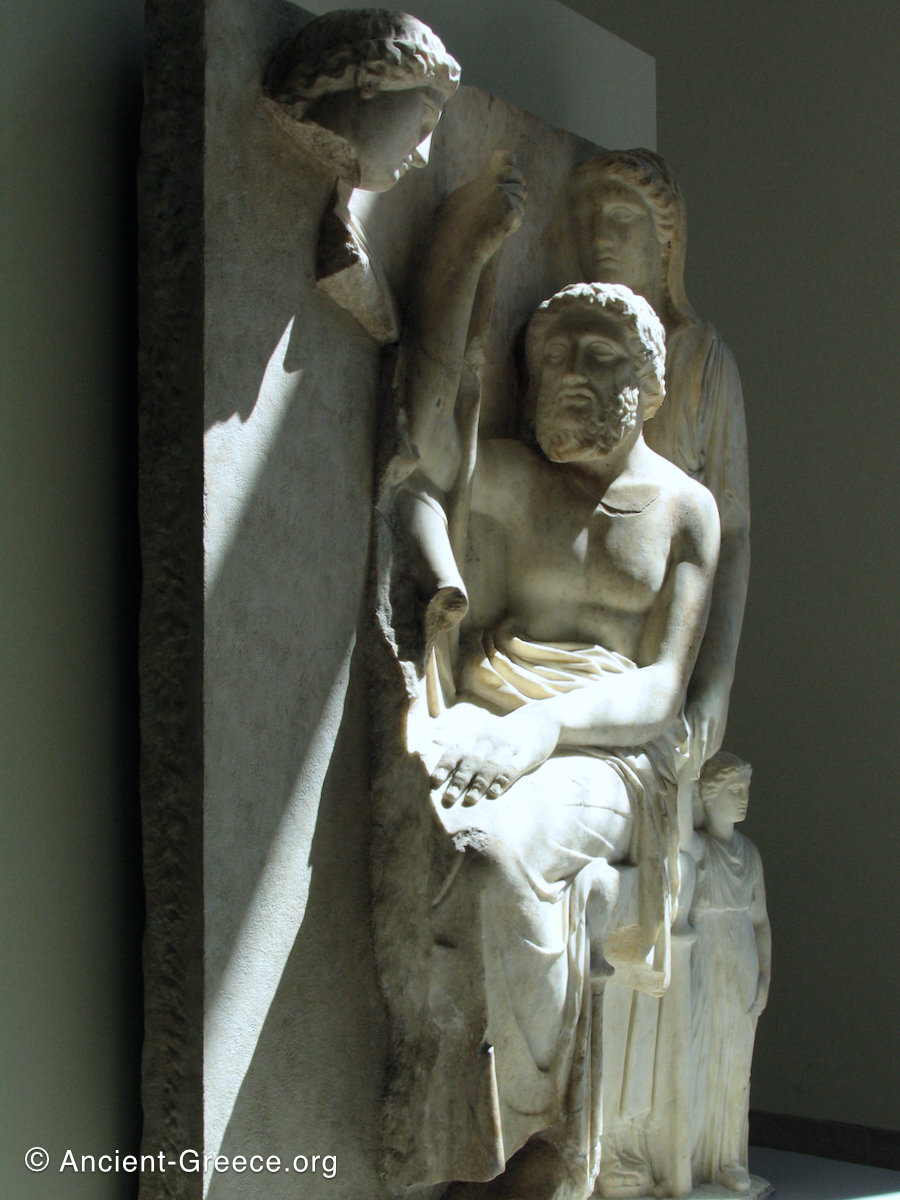
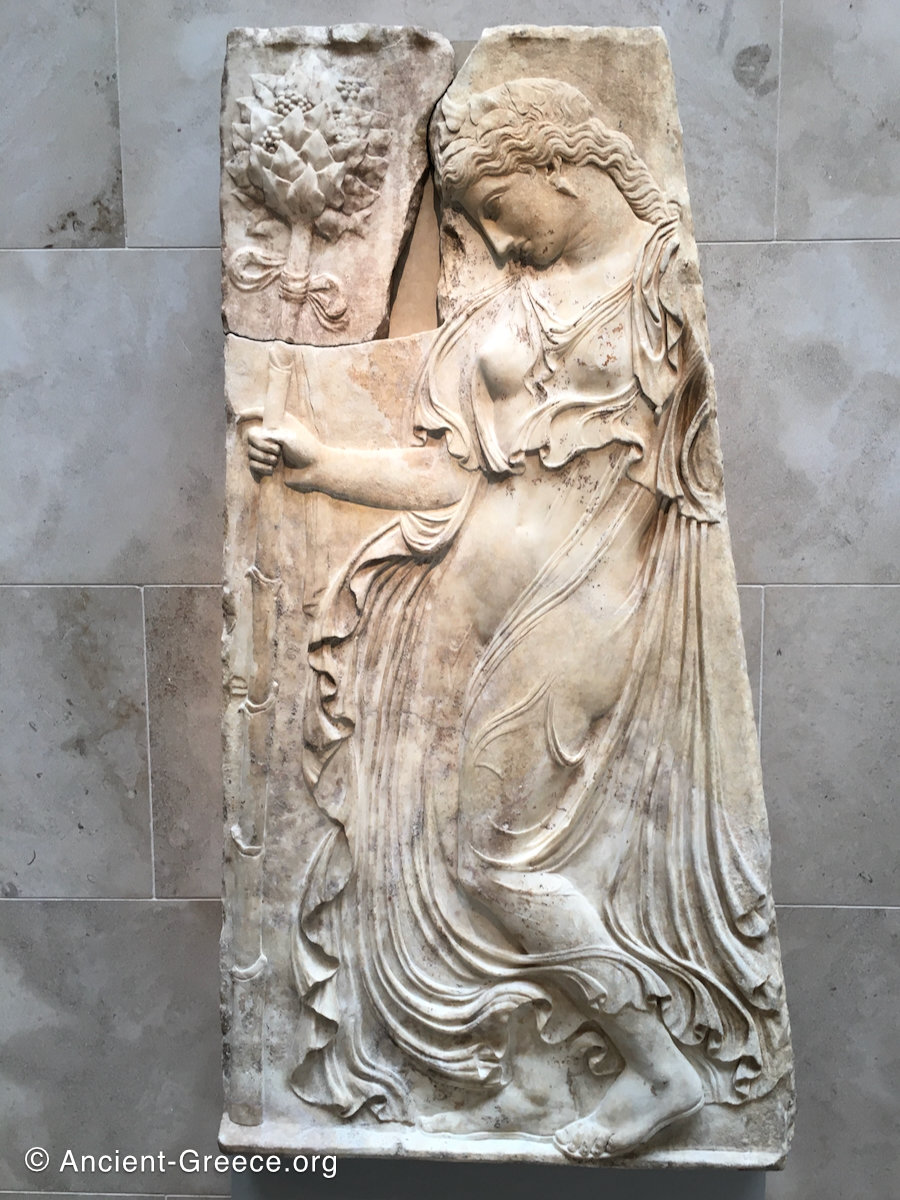
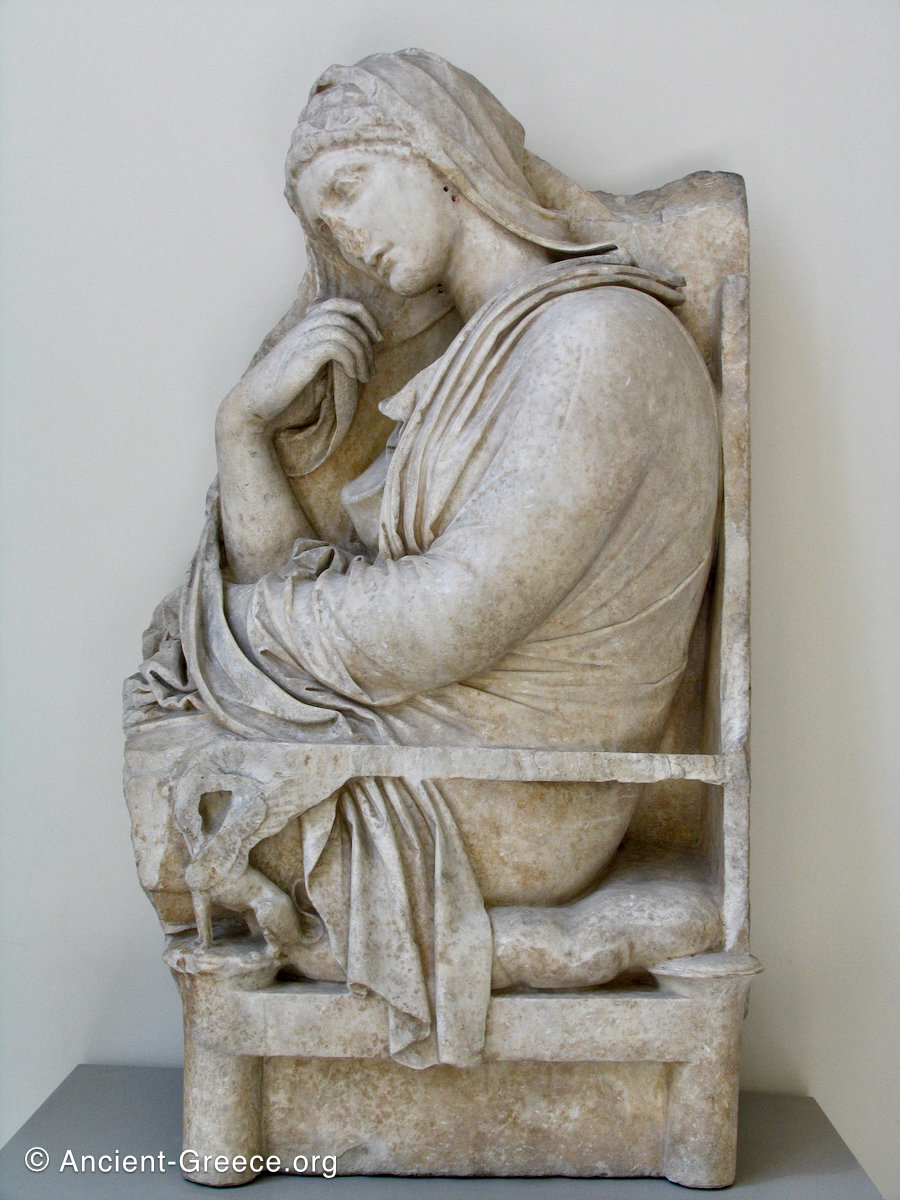
Fragmented Sphinx statue. Limestone. 550 – 525 BCE.Ancient Greek relief sculpture depicting hoplite fight. 390 BCEAncient Greek stele fragment with woman’s head. 400–390 BCEThree Grave Stele. Circa 375 – 325 BCE.Ancient Greek Stele topped with a sphinx (left), and a sphinx (right). Circa 530 BCE Ancient Greek grave stele of a young girl bidding farewell to her pet doves. Circa 450–440 BCE.Ancient Greek grave stele with family group. Circa 360 BCE.Marble relief with a dancing maenad. Copy of a Greek relief of ca. 425-400 BCE.Marble stele (grave marker) of a woman. Mid-4th c. BCE.
Select relief sculptures at the Metropolitan Museum of Art from the Greek Archaic and Classical Eras.
Bronze, and Early Iron Age
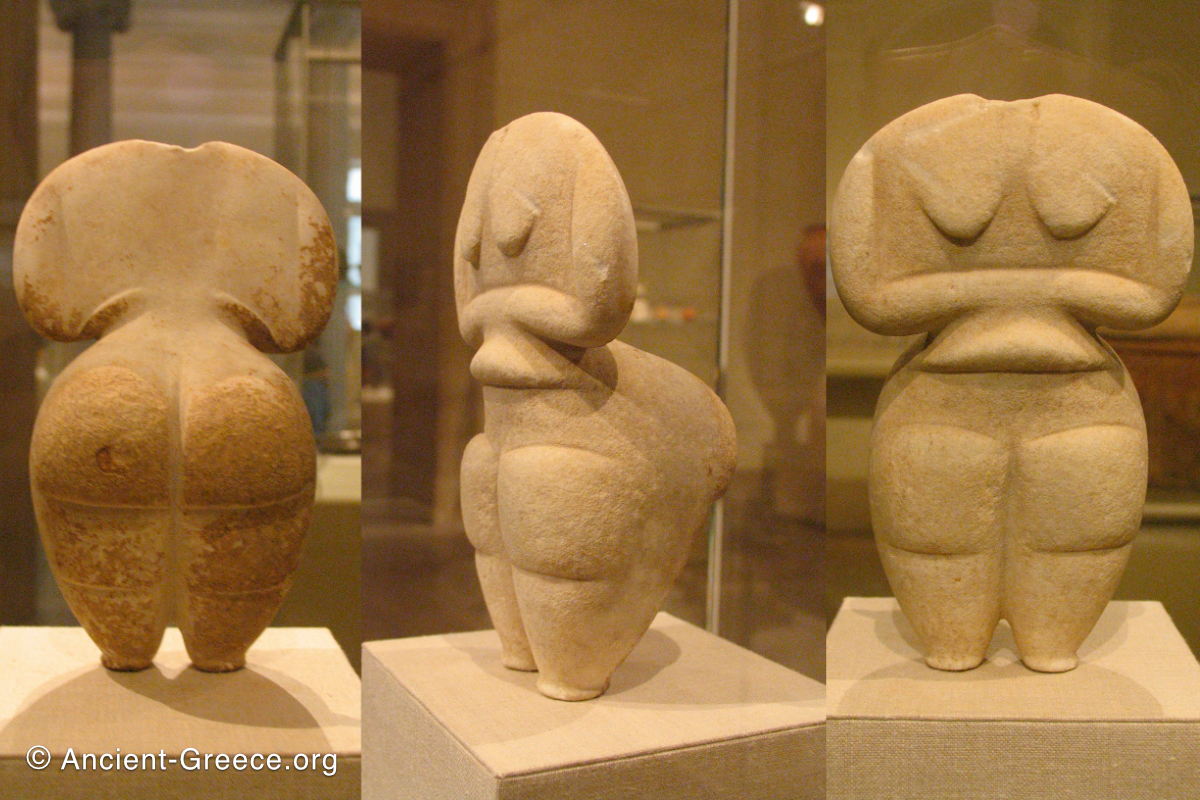
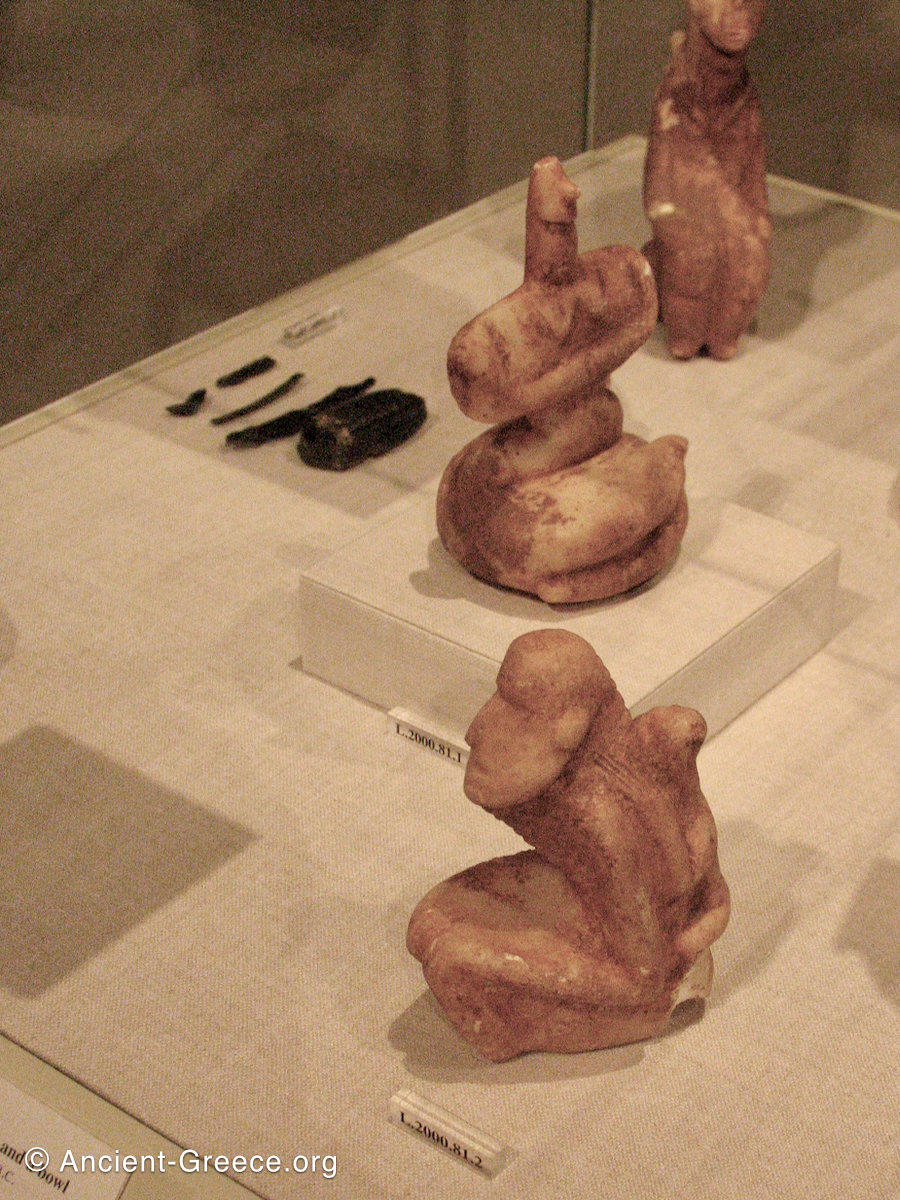
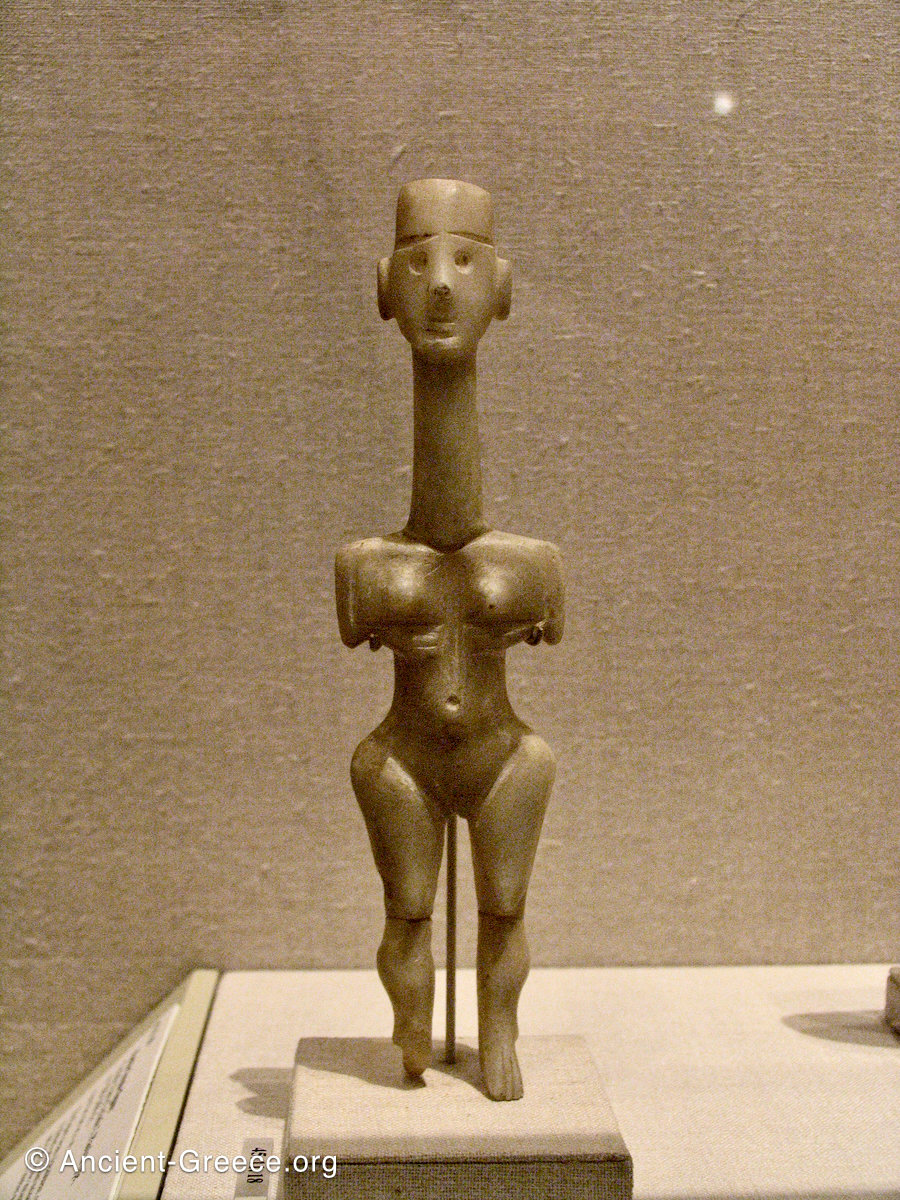
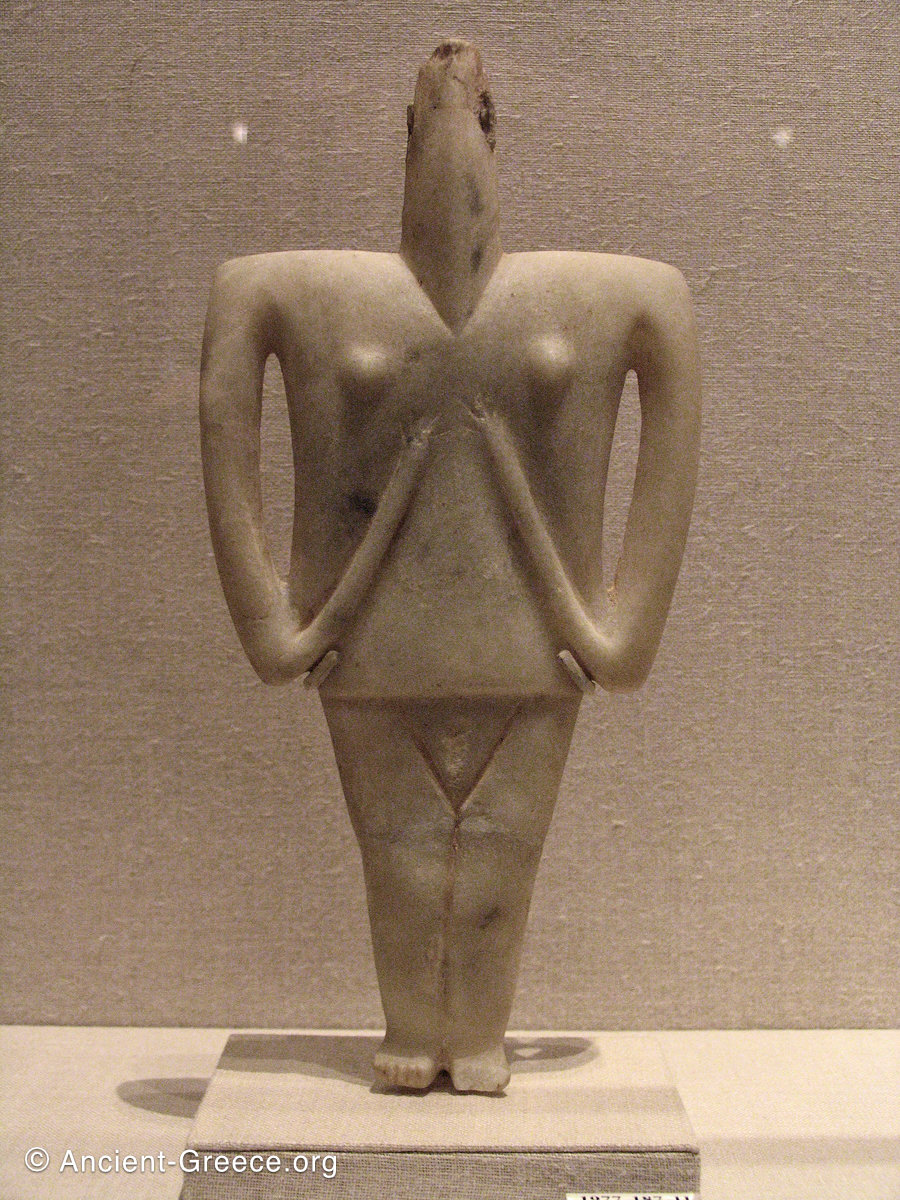
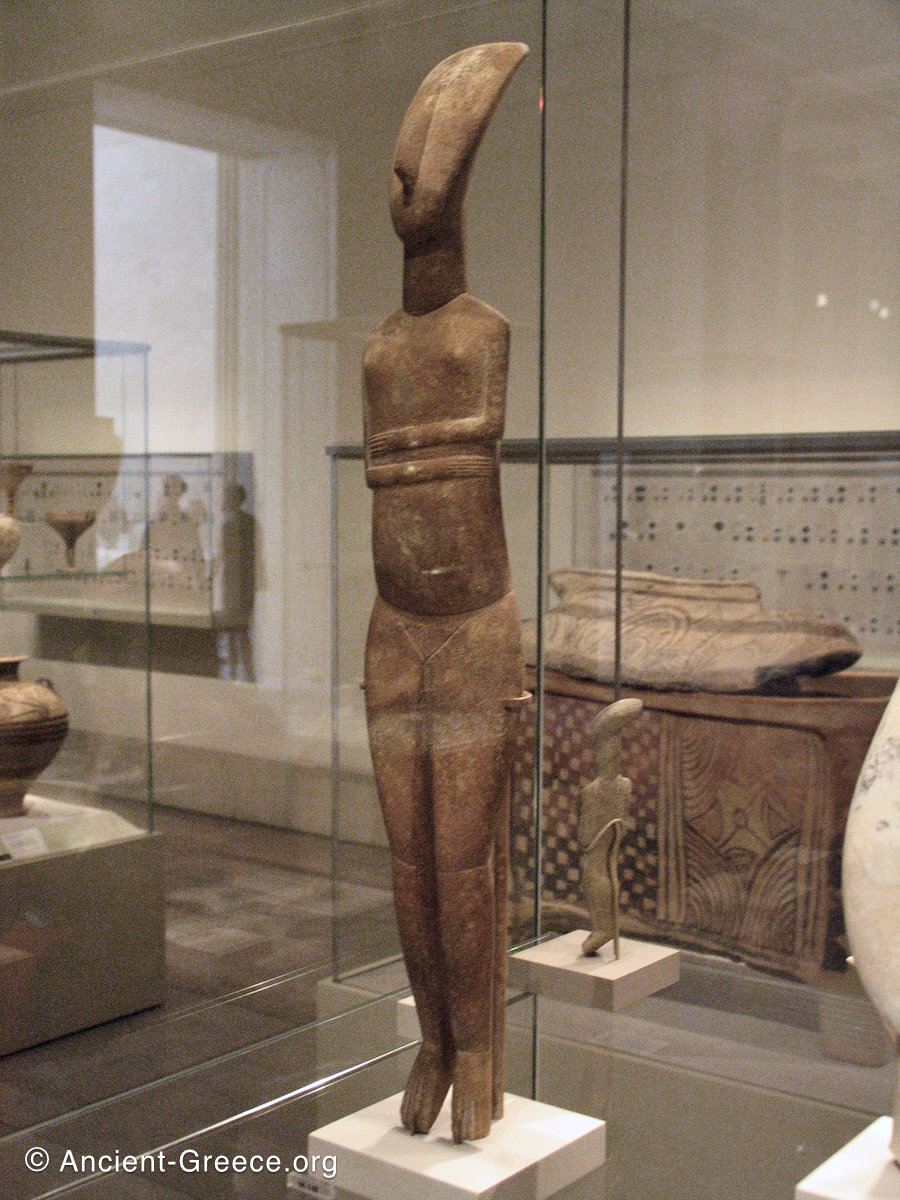
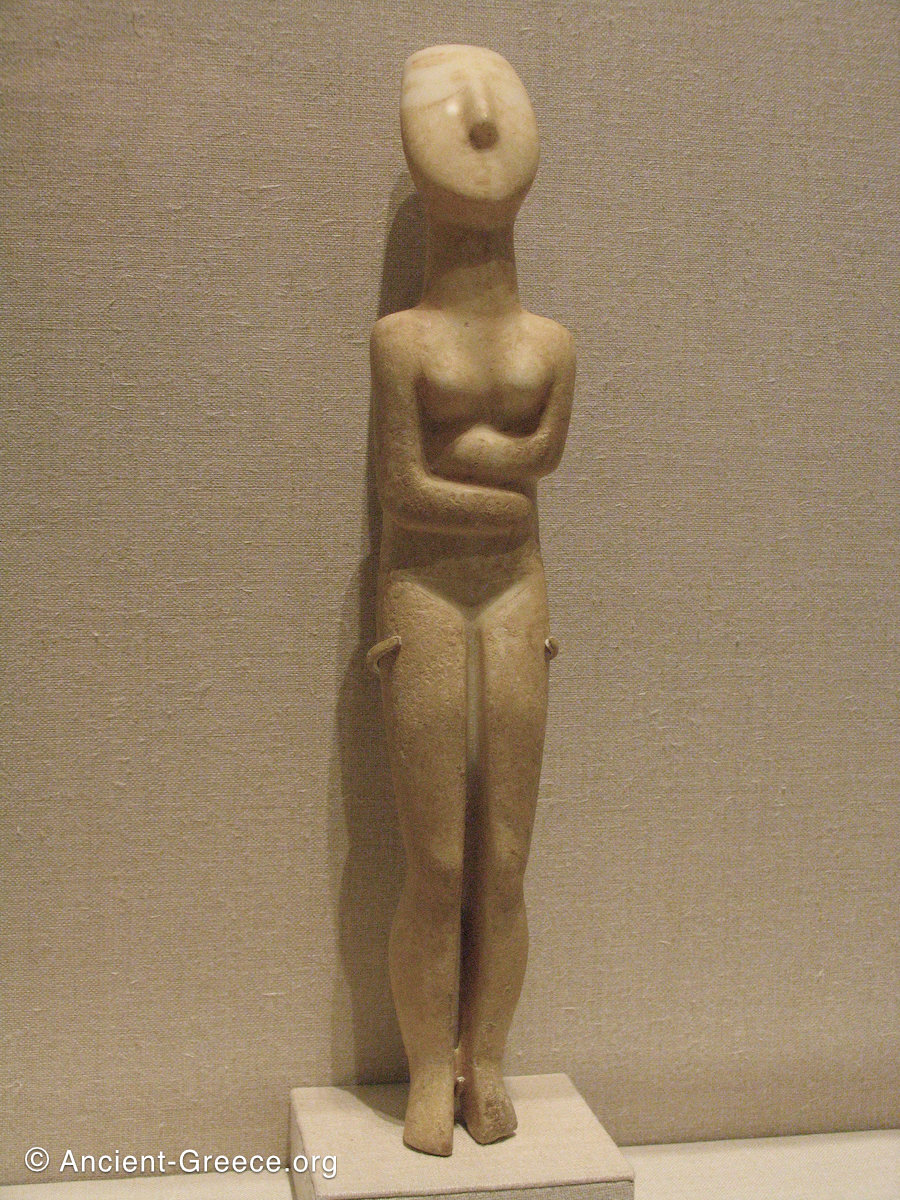
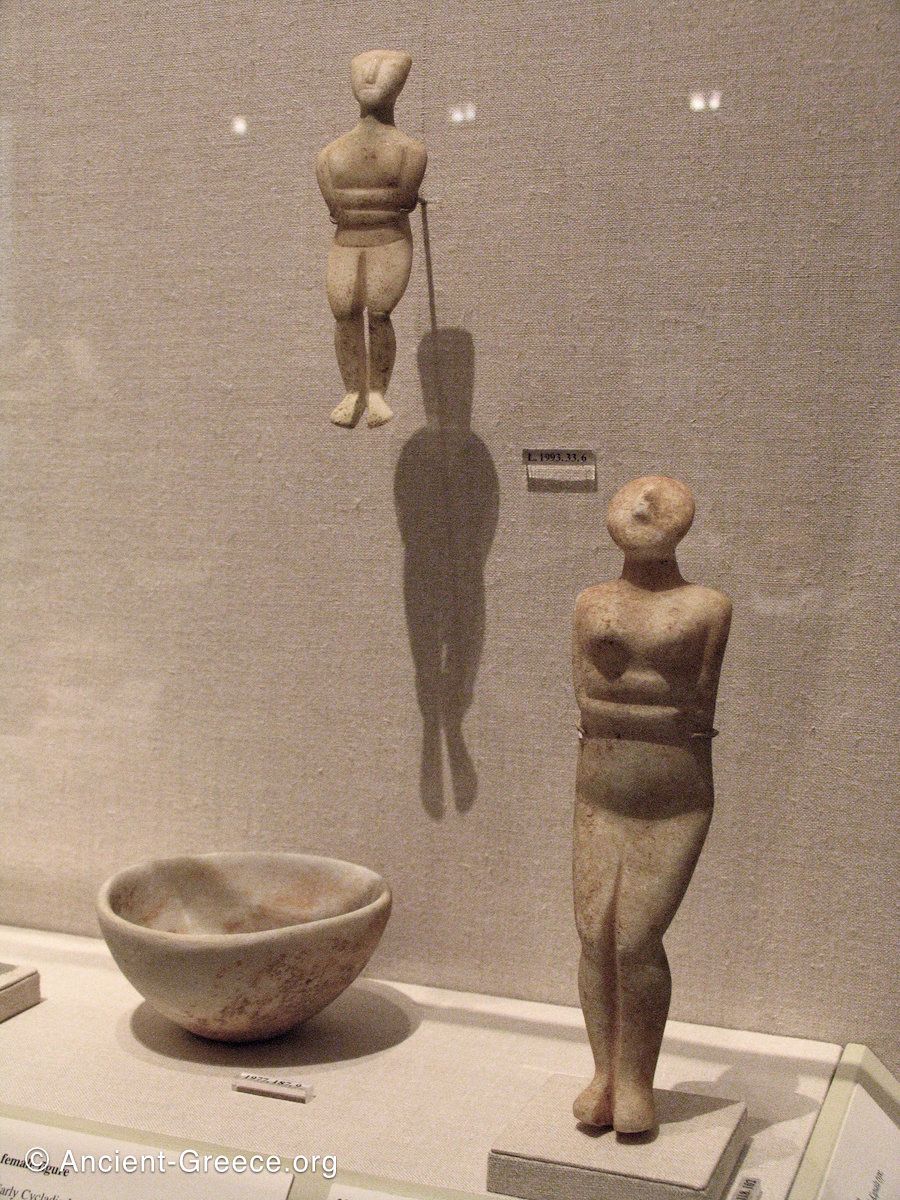
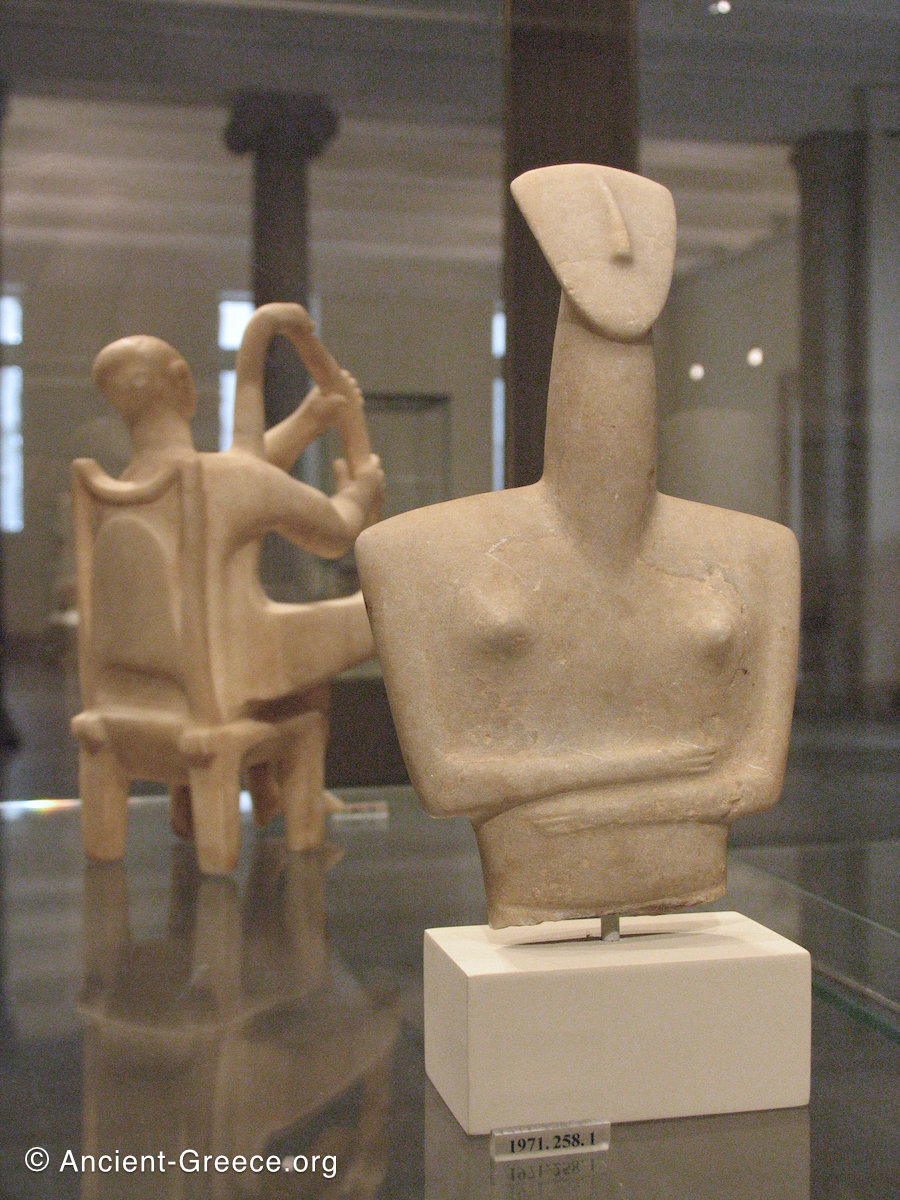
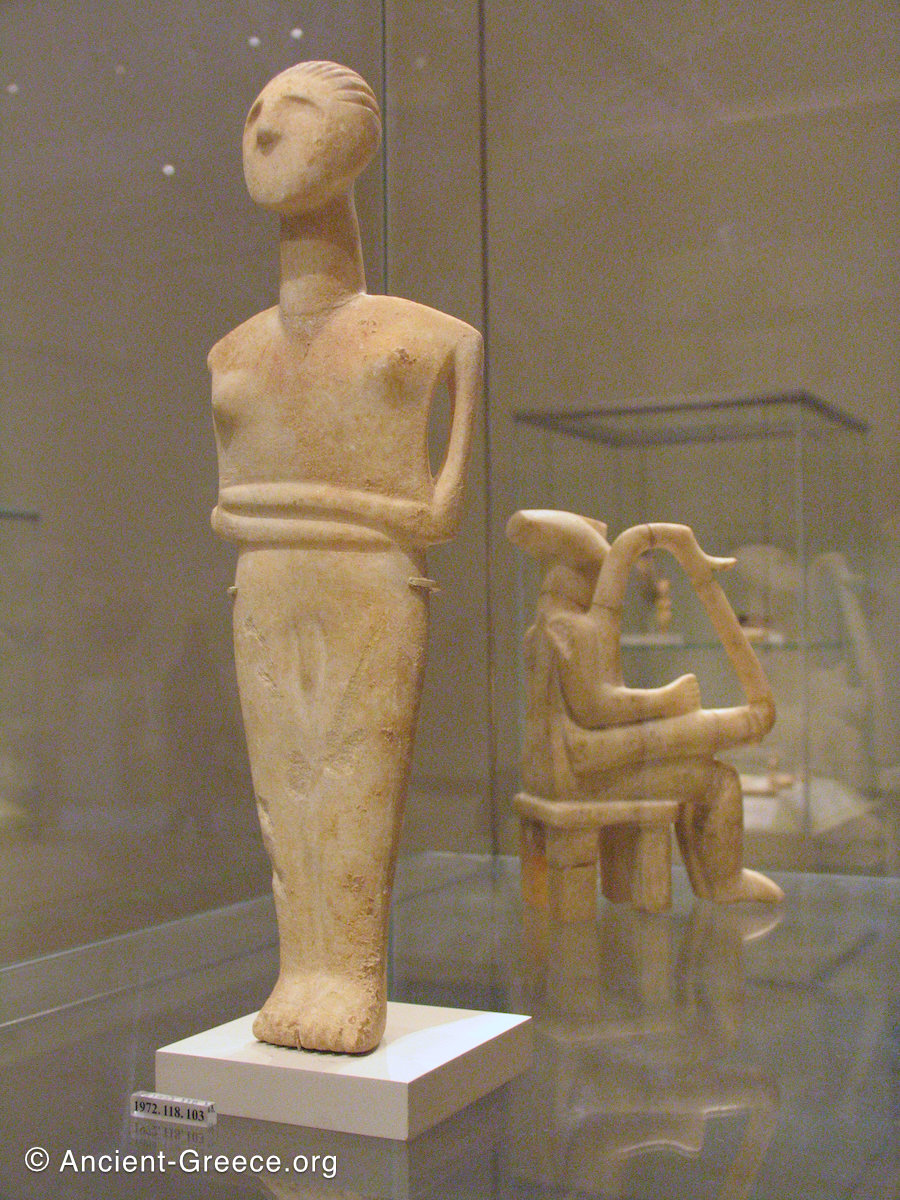
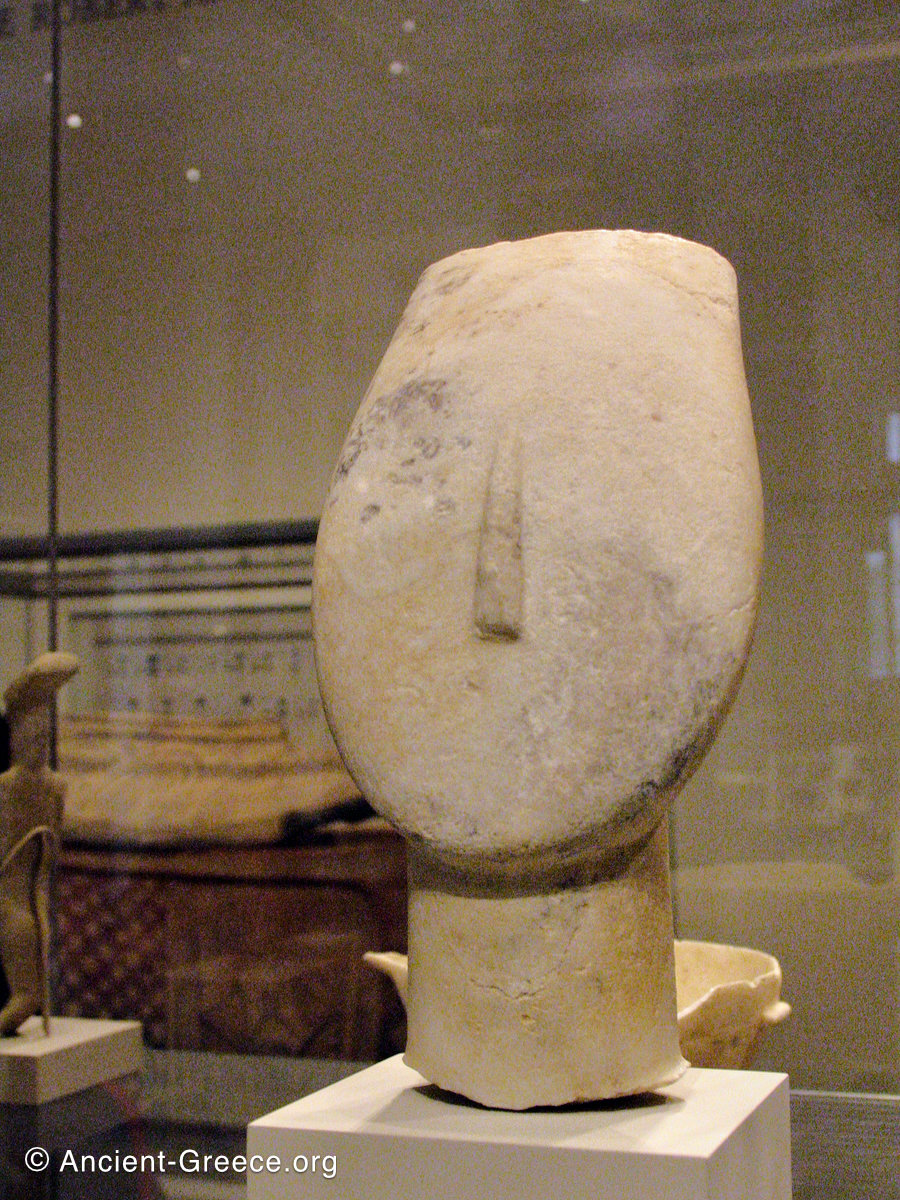
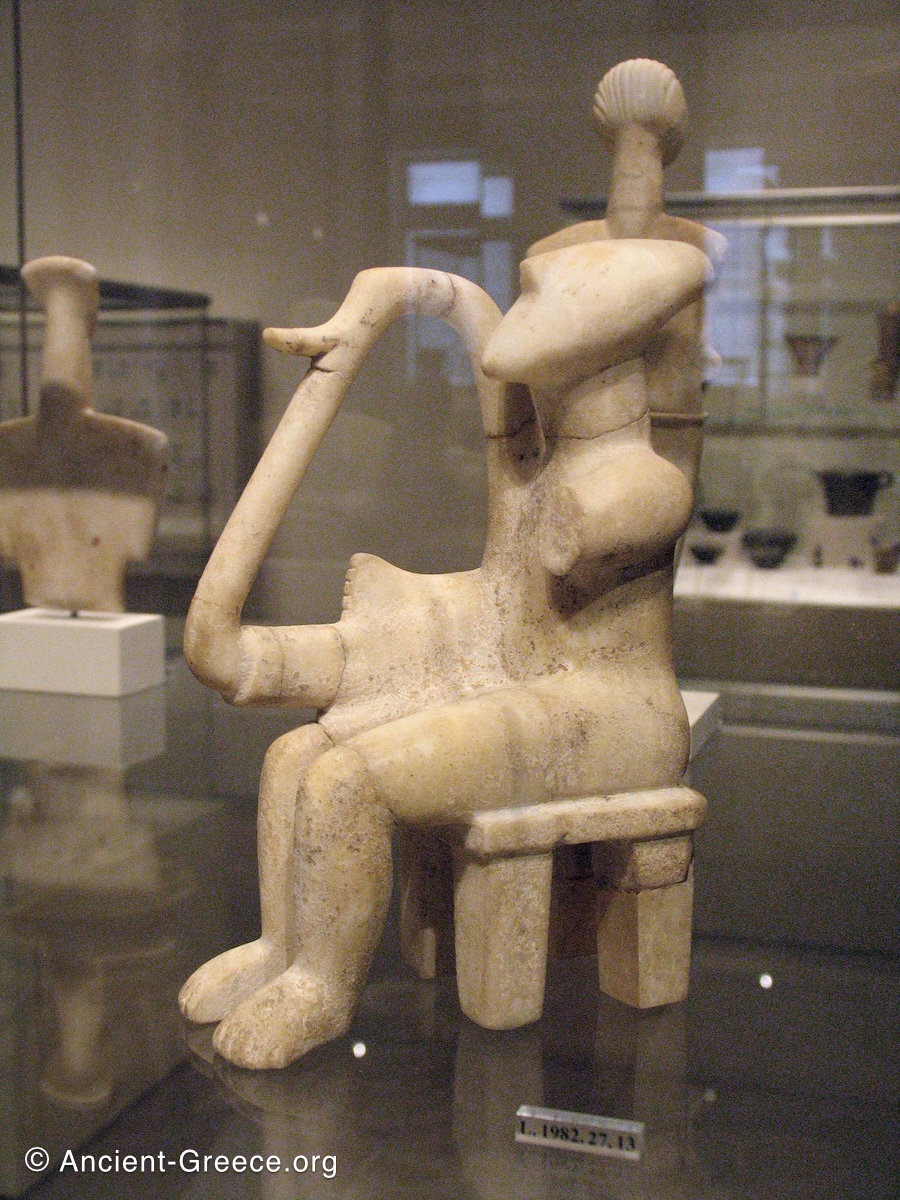
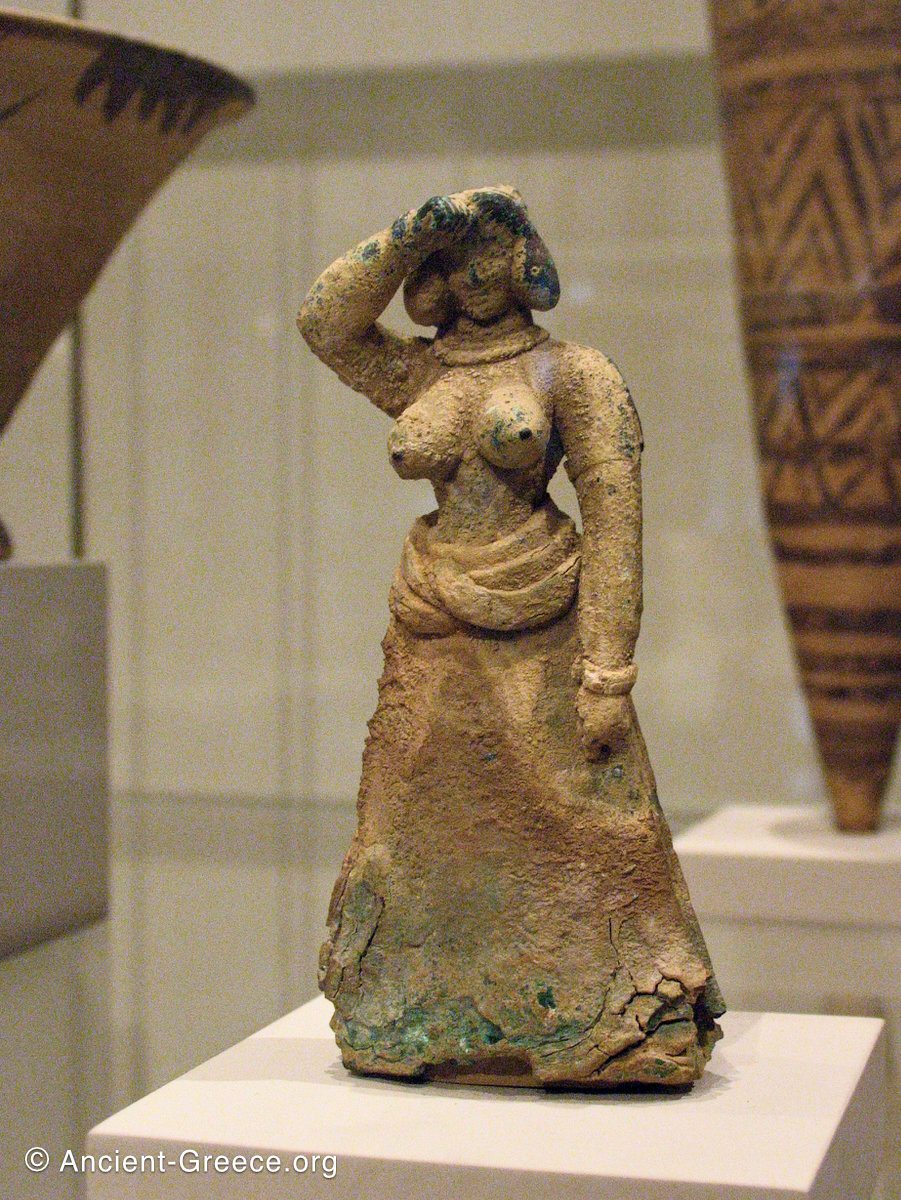
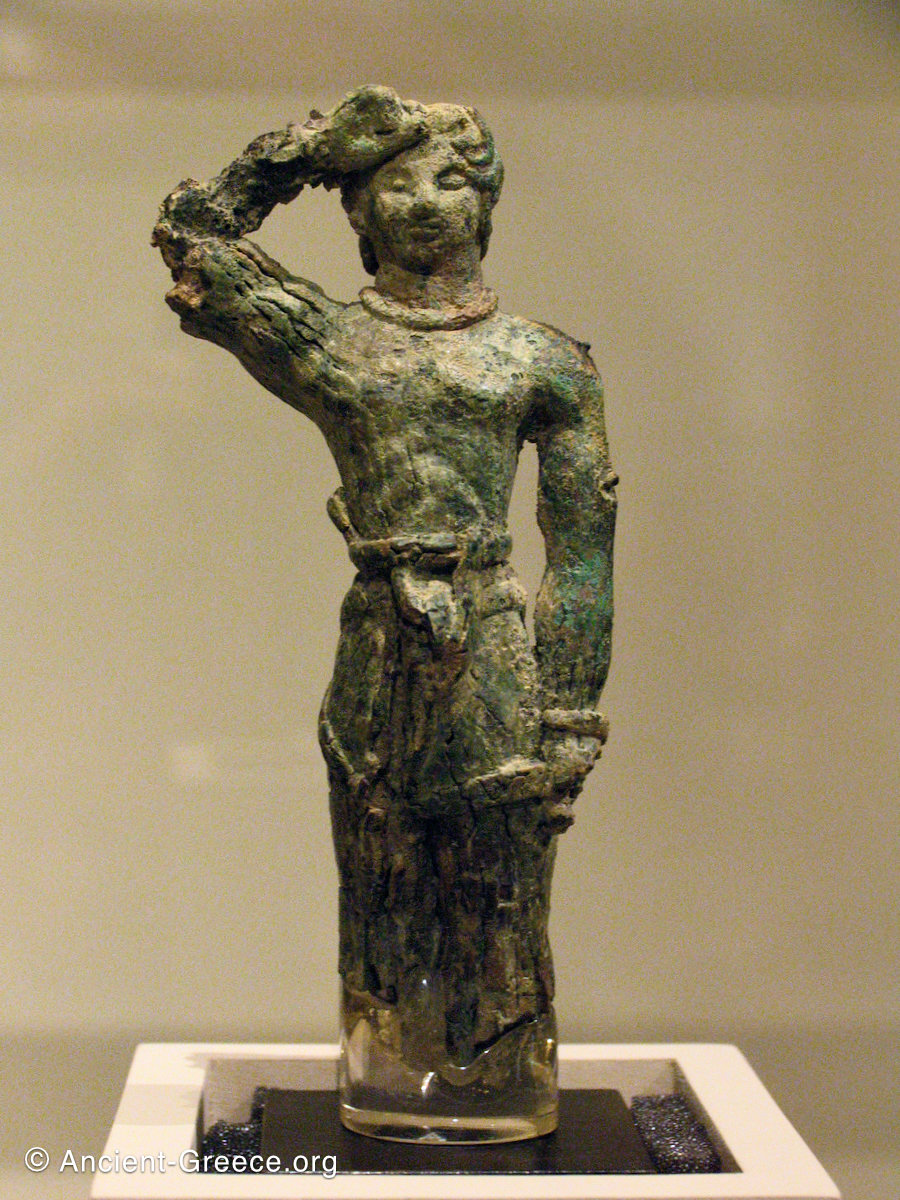
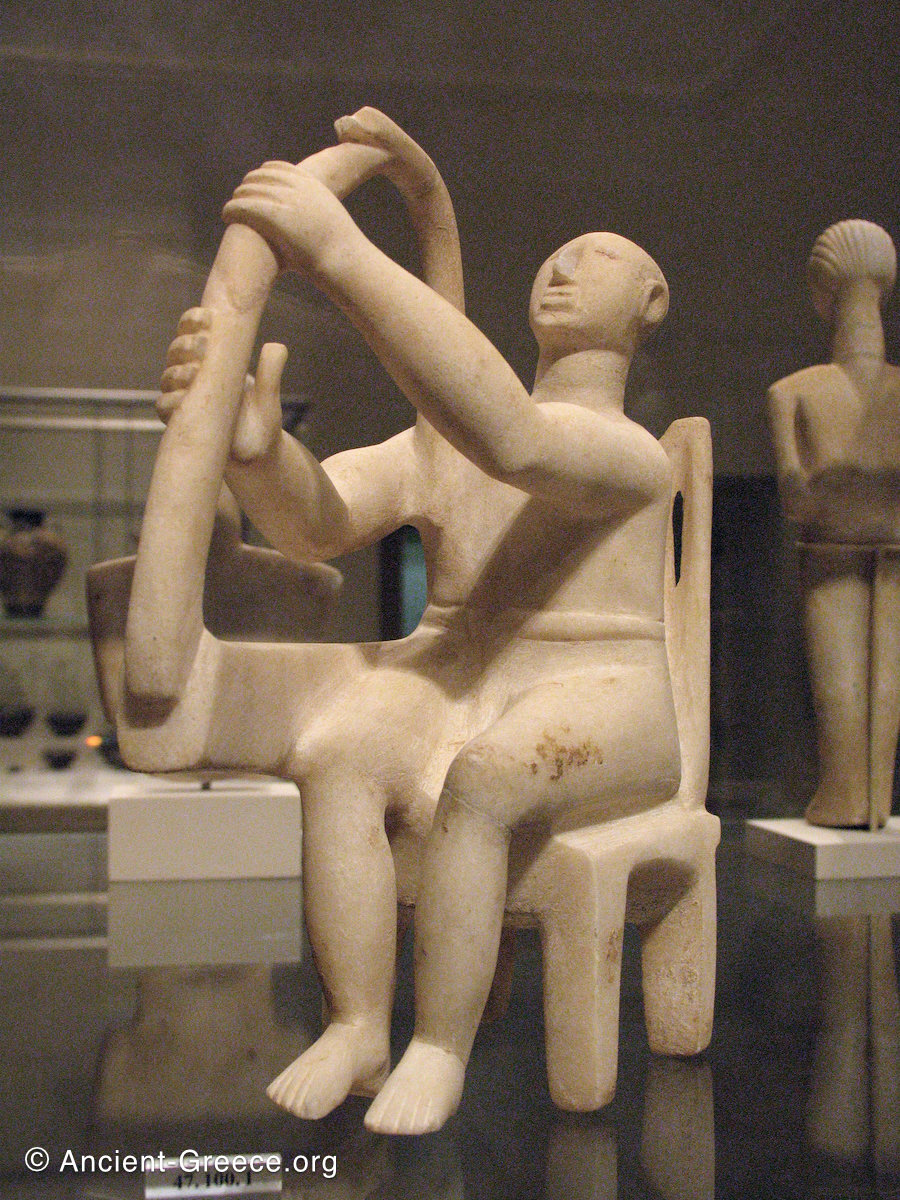
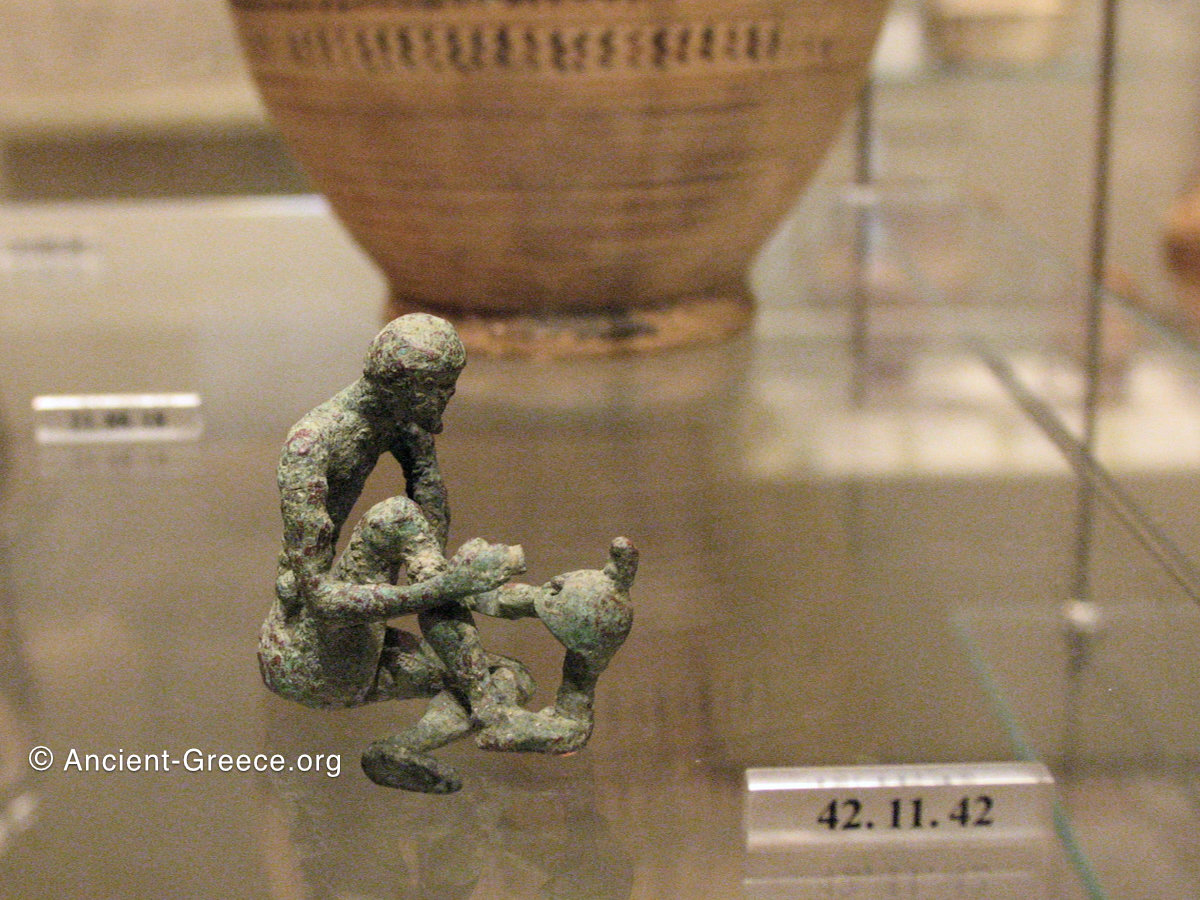
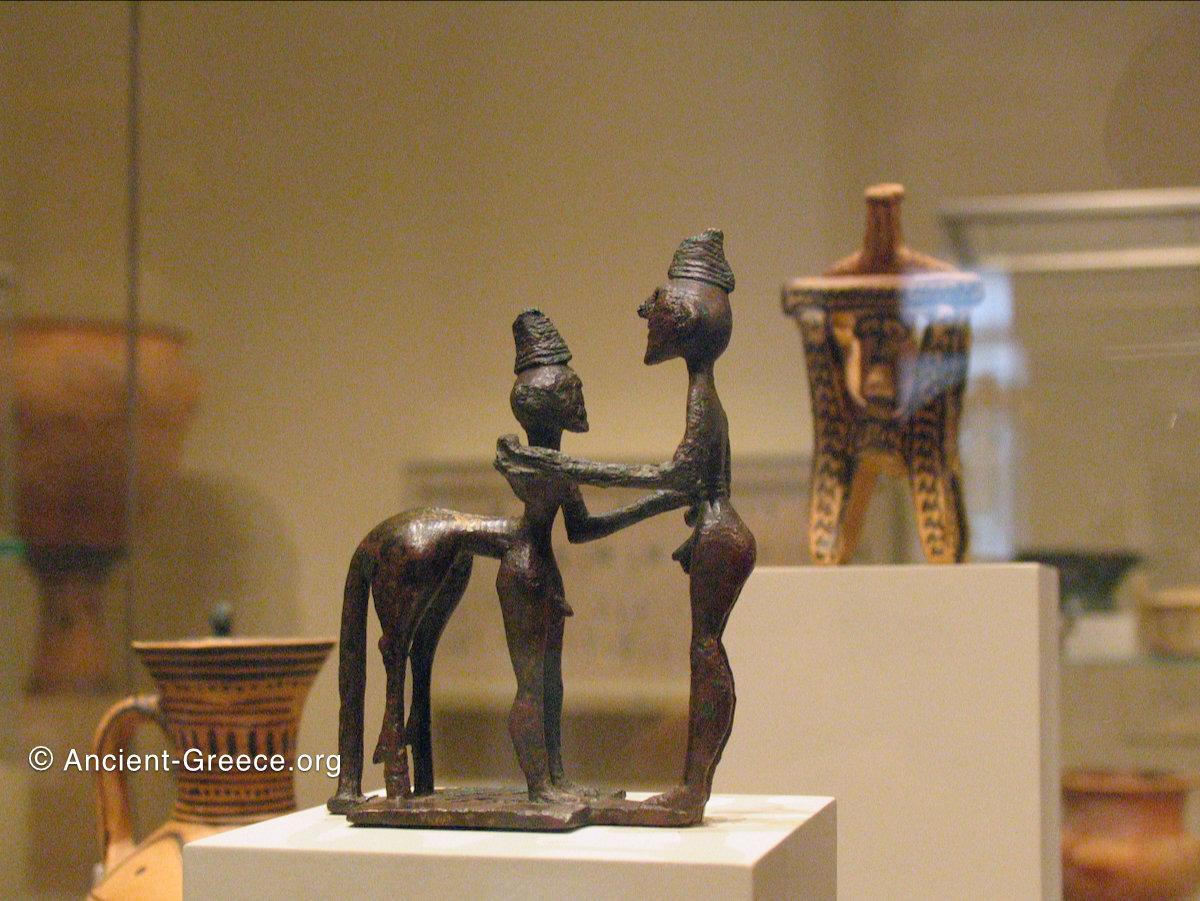
Neolithic female figurine of the rare steatopygous type. Cycladic, Final Neolithic. Circa 4500 – 4000 BCE. Cycladic figurnies.Cycladic figurine. Marble. 3200 – 2800 BCE.Cycladic female figure. Marble. 2300 – 2200 BCE.Cycladic female statuette. Cycladic Female Figure. Marble. 2700 – 2600 BCE.Cycladic marble statuettes. 2700 – 2600 BCE.Fragment of a Cycladic figure. 2300 – 2200 BCE.Cycladic figurine. 2400 – 2300 BCE.Head of a Cycladic figure. 2700 – 2500 BCE.Cycladic statuette of a harp player at the METMinoan female figurine Circa. 1700-1600 BCE. Minoan bronze male figurine. Circa, 1600-1450 BCE.Cycladic statuette of a seated harp player at the MET. Marble. 2800 – 2700 BCE.Statuette of a bronze armorer working on a helmet. Late 8th – early 7th century BCE.Bronze statuette depicting a man interacting with a centaur. Greek (Geometric), mid-8th century BCE.
AegeanBronze Age objects from the Metropolitan Museum of Art’s Greek collection include Cycladic and Minoan sculptures.
Pottery
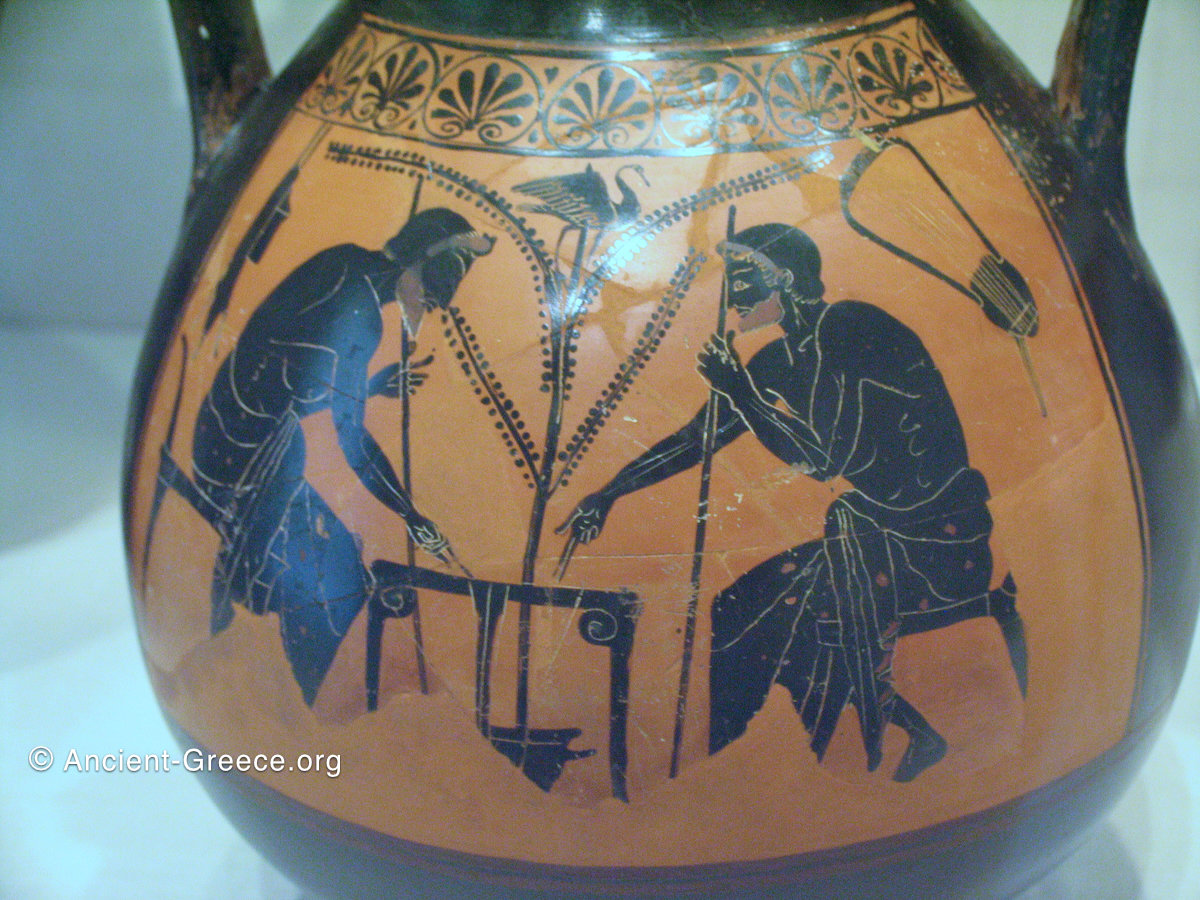
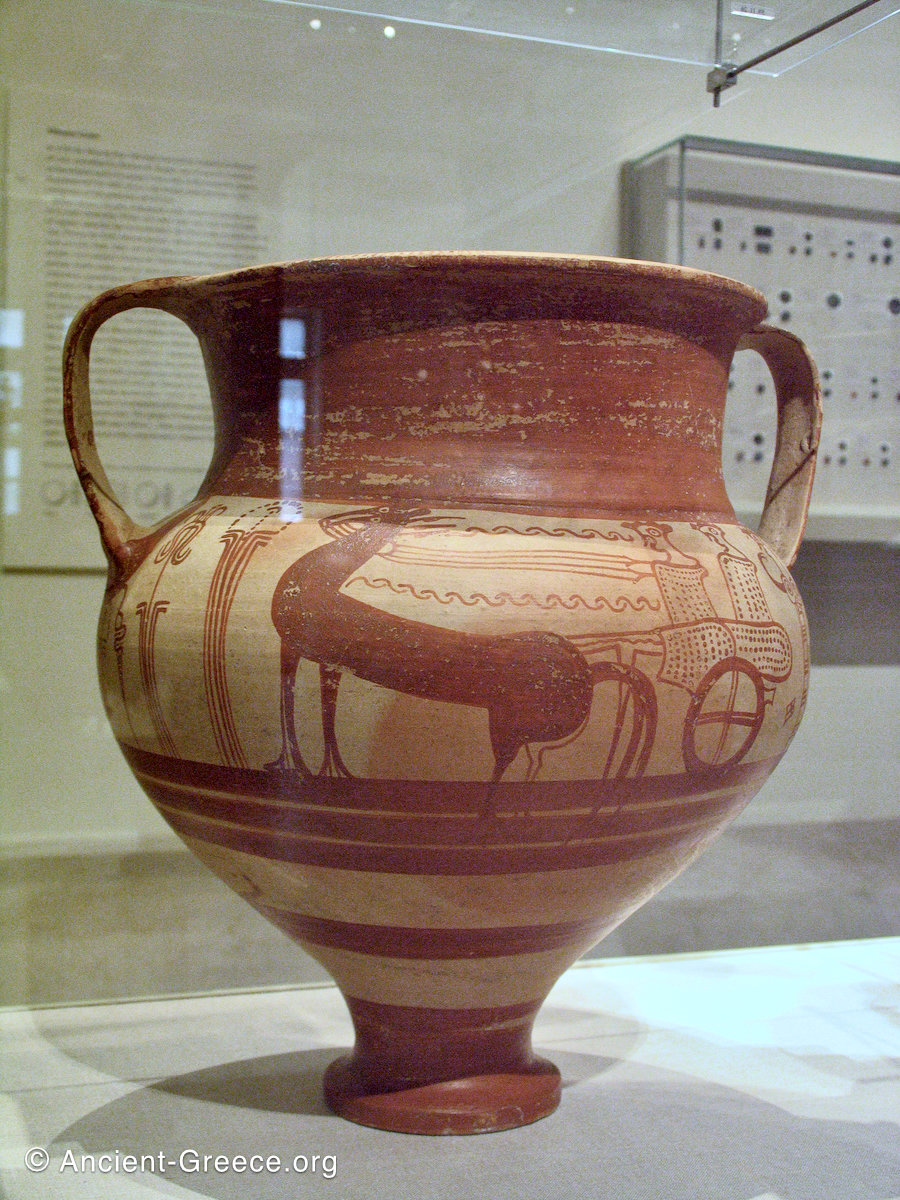
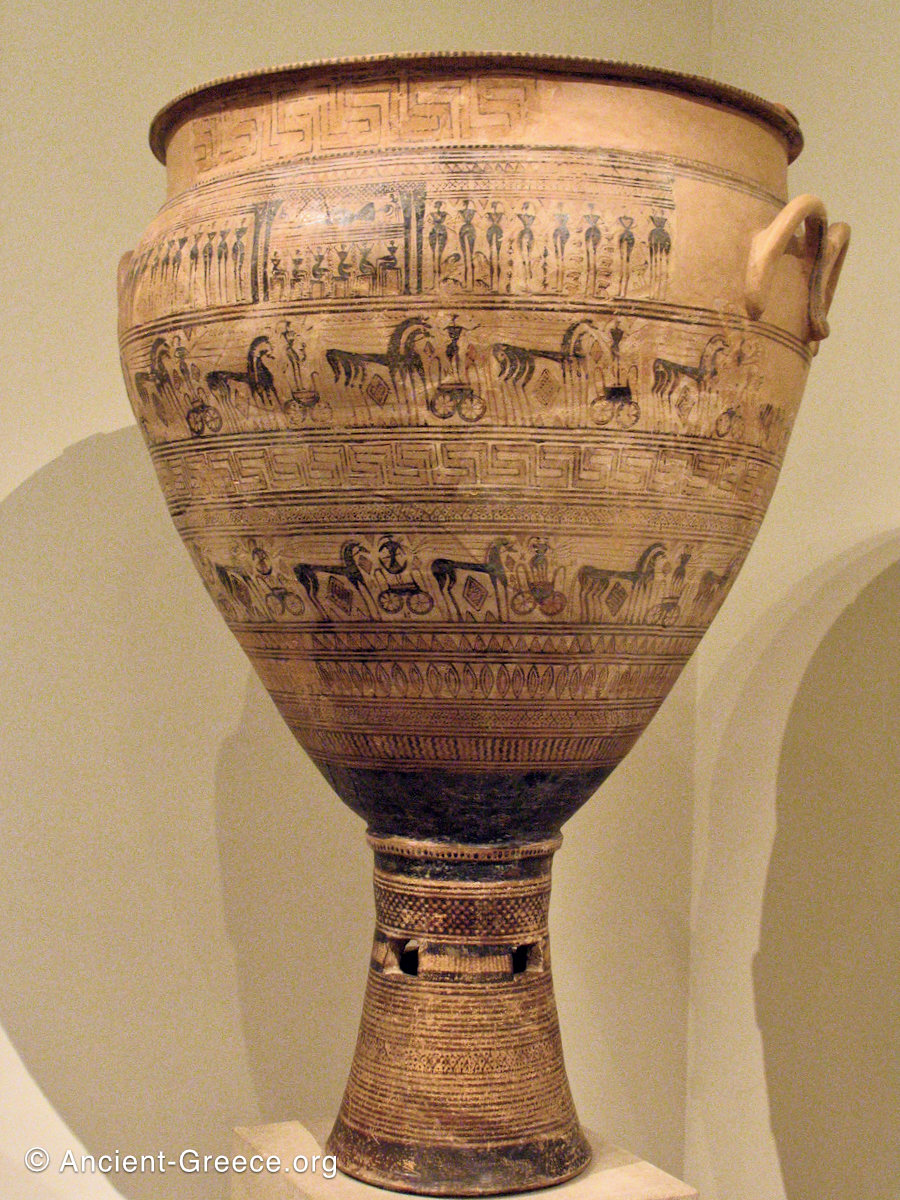
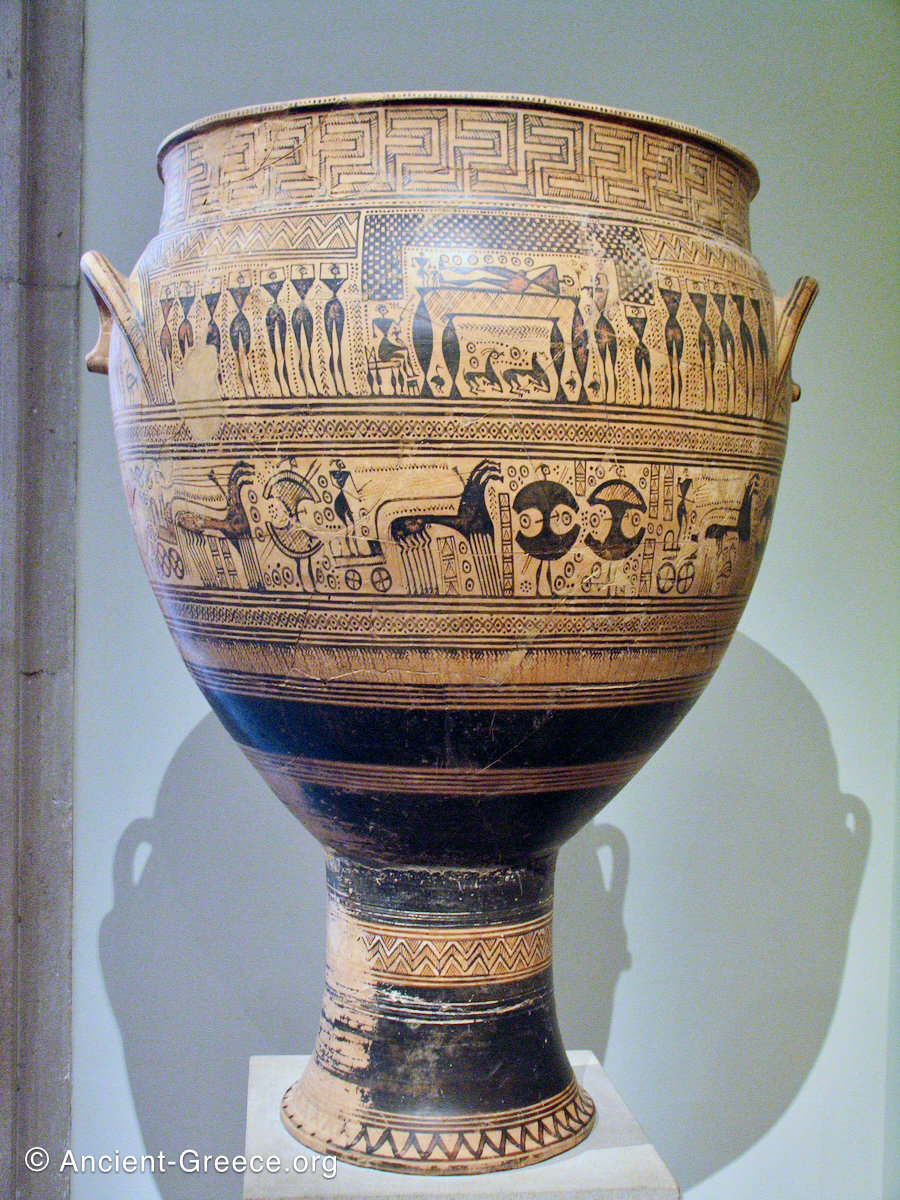
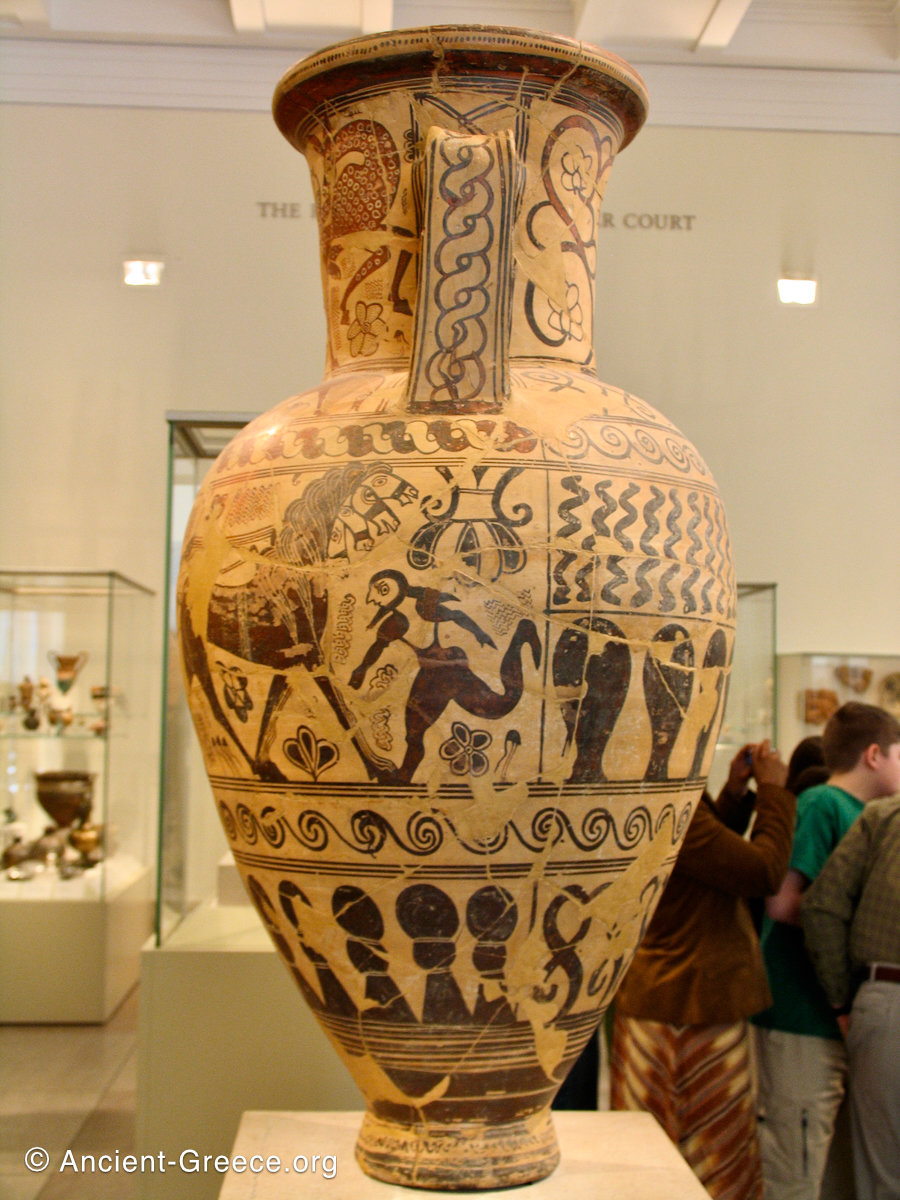
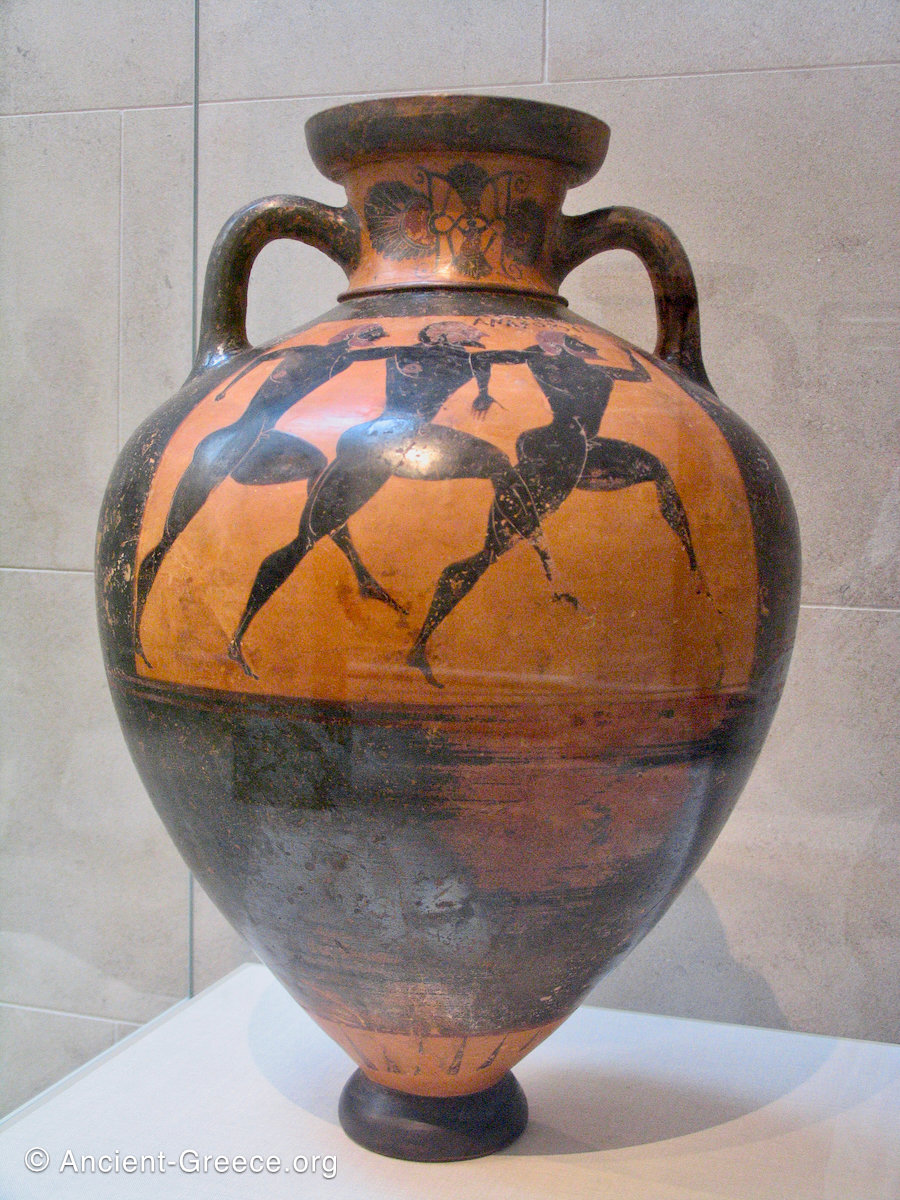
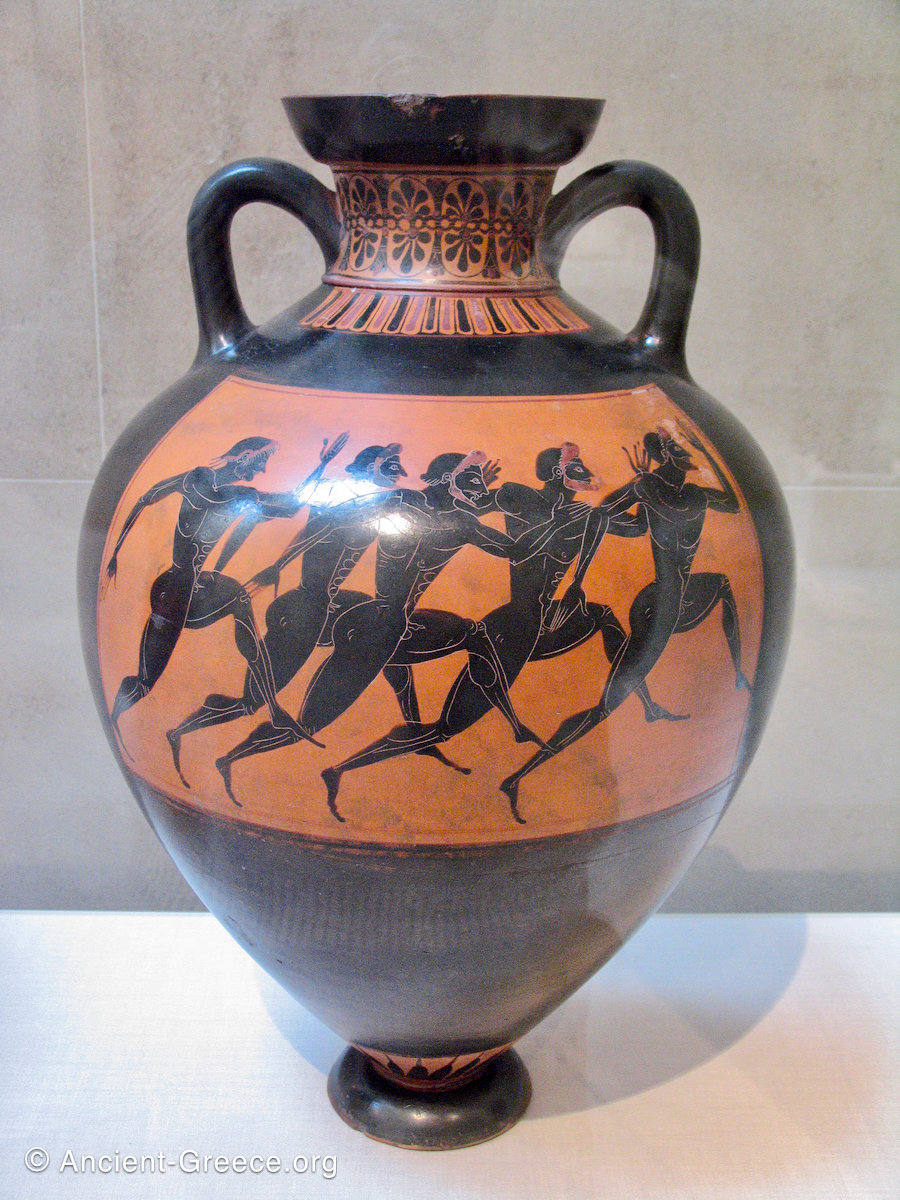
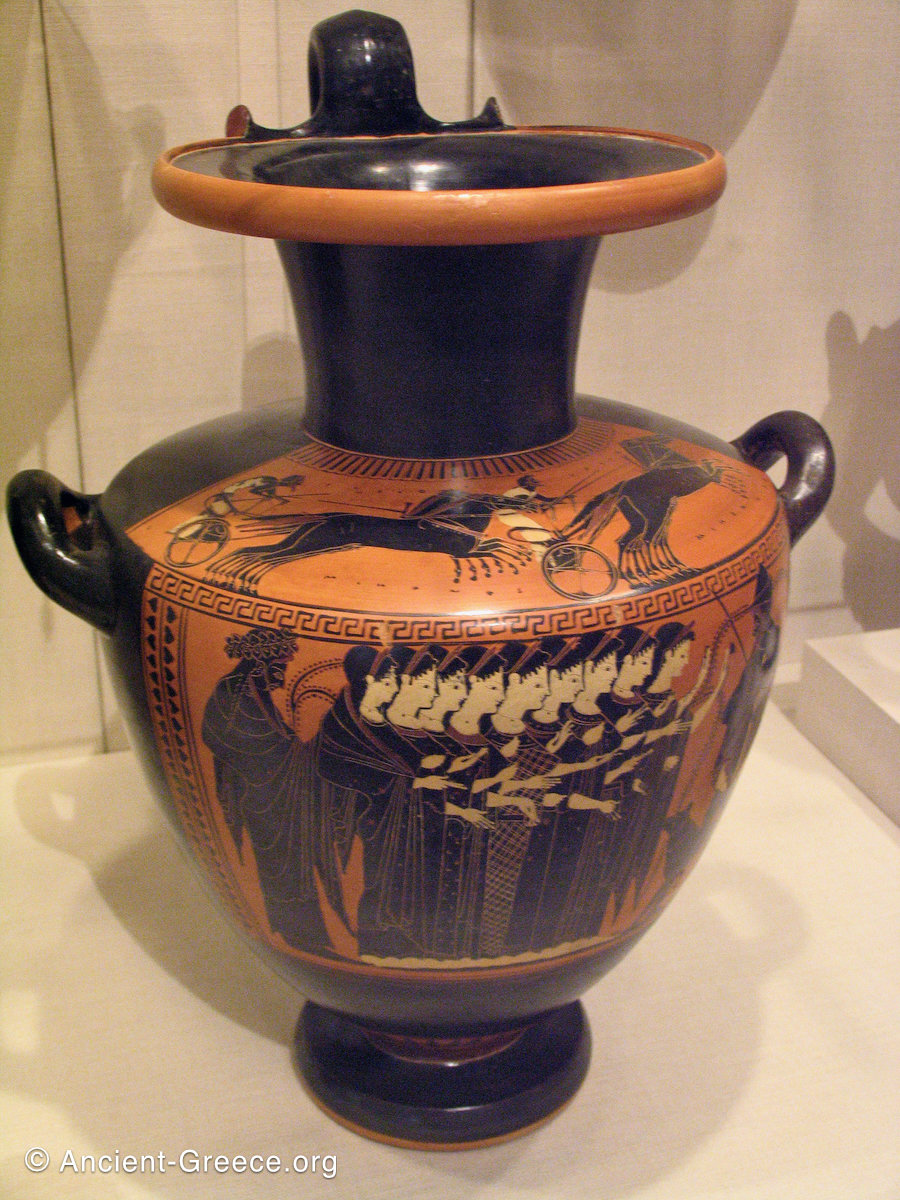
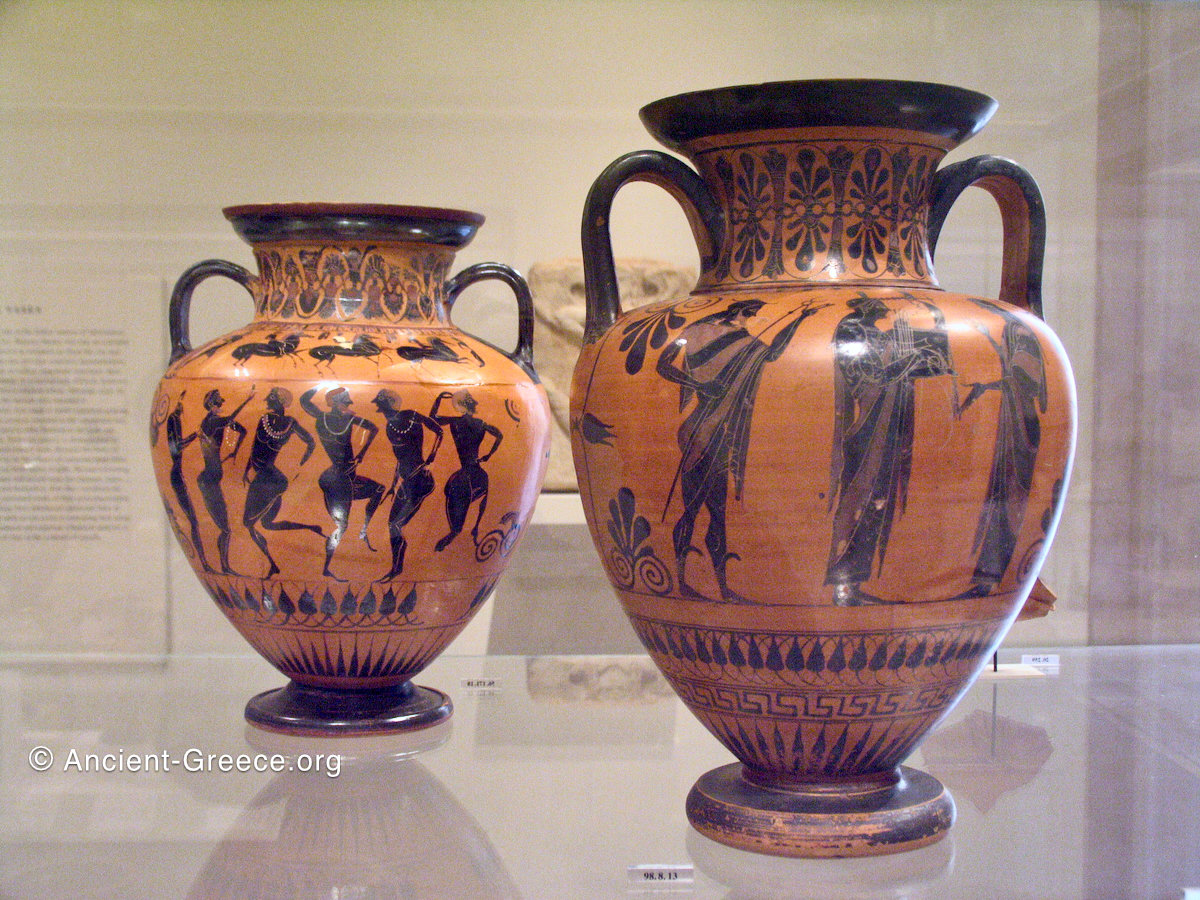
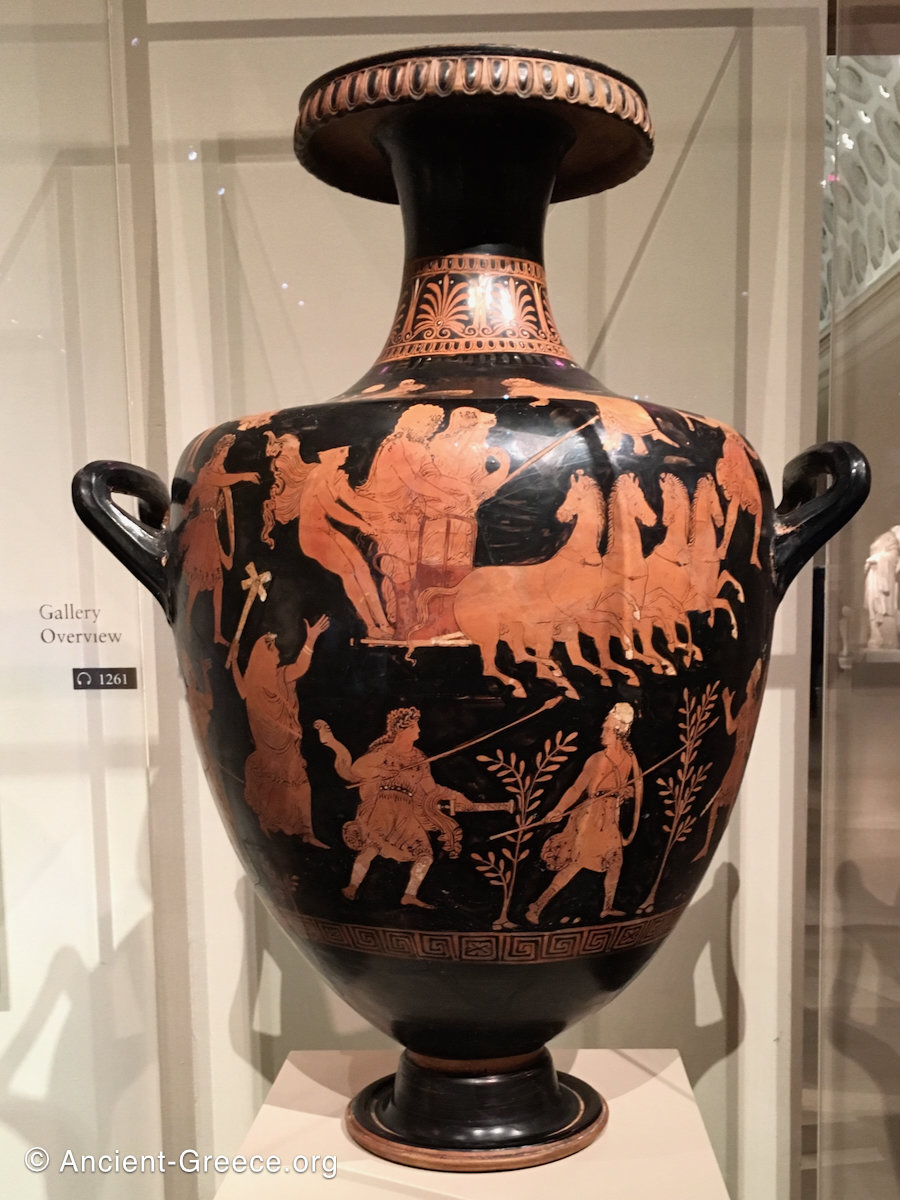
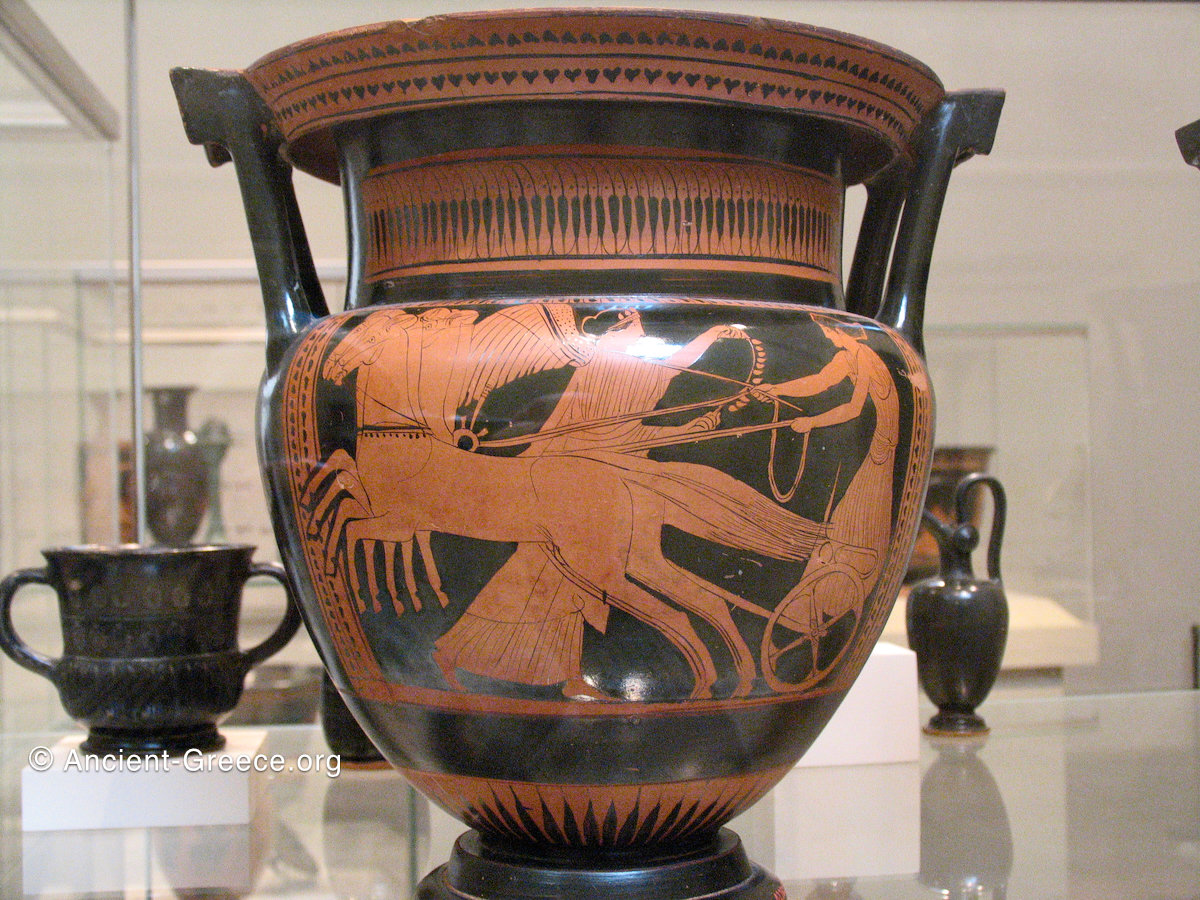
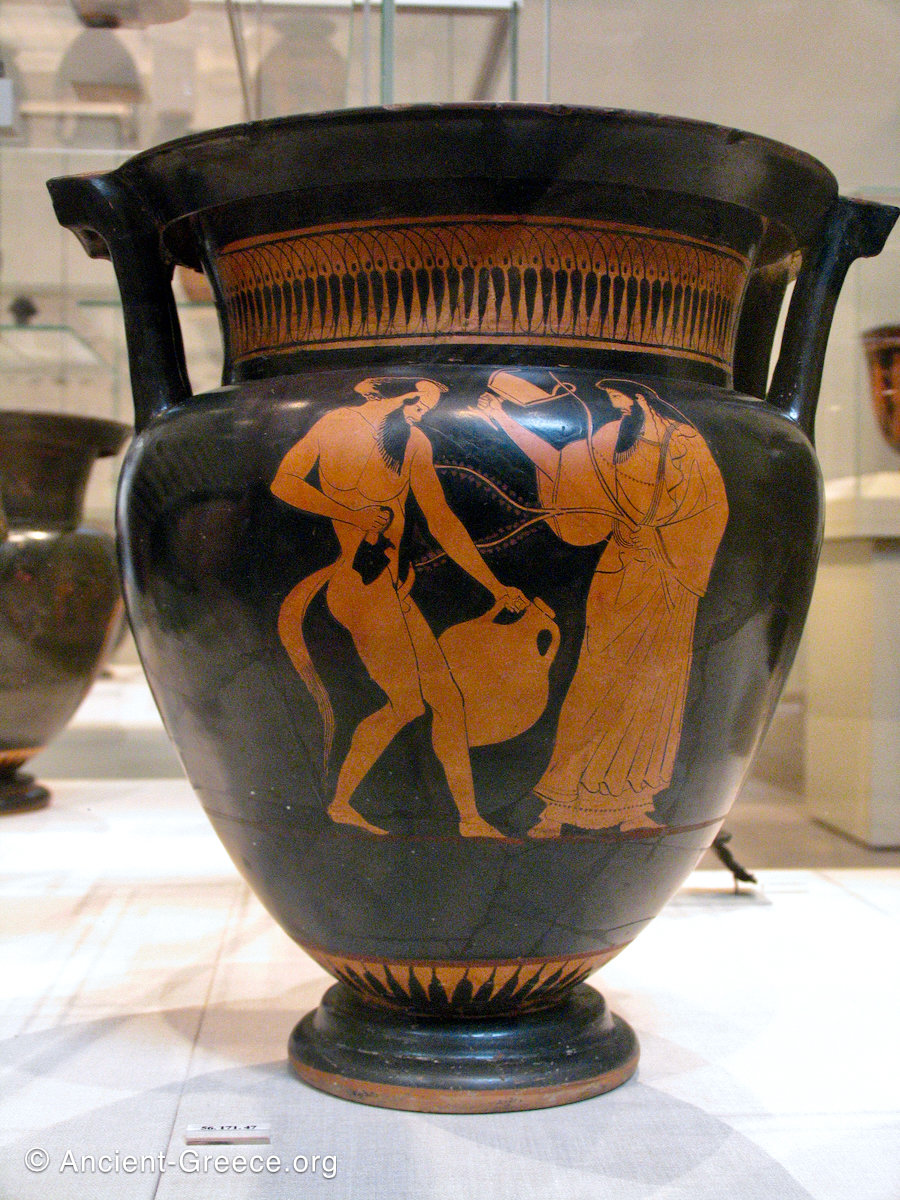
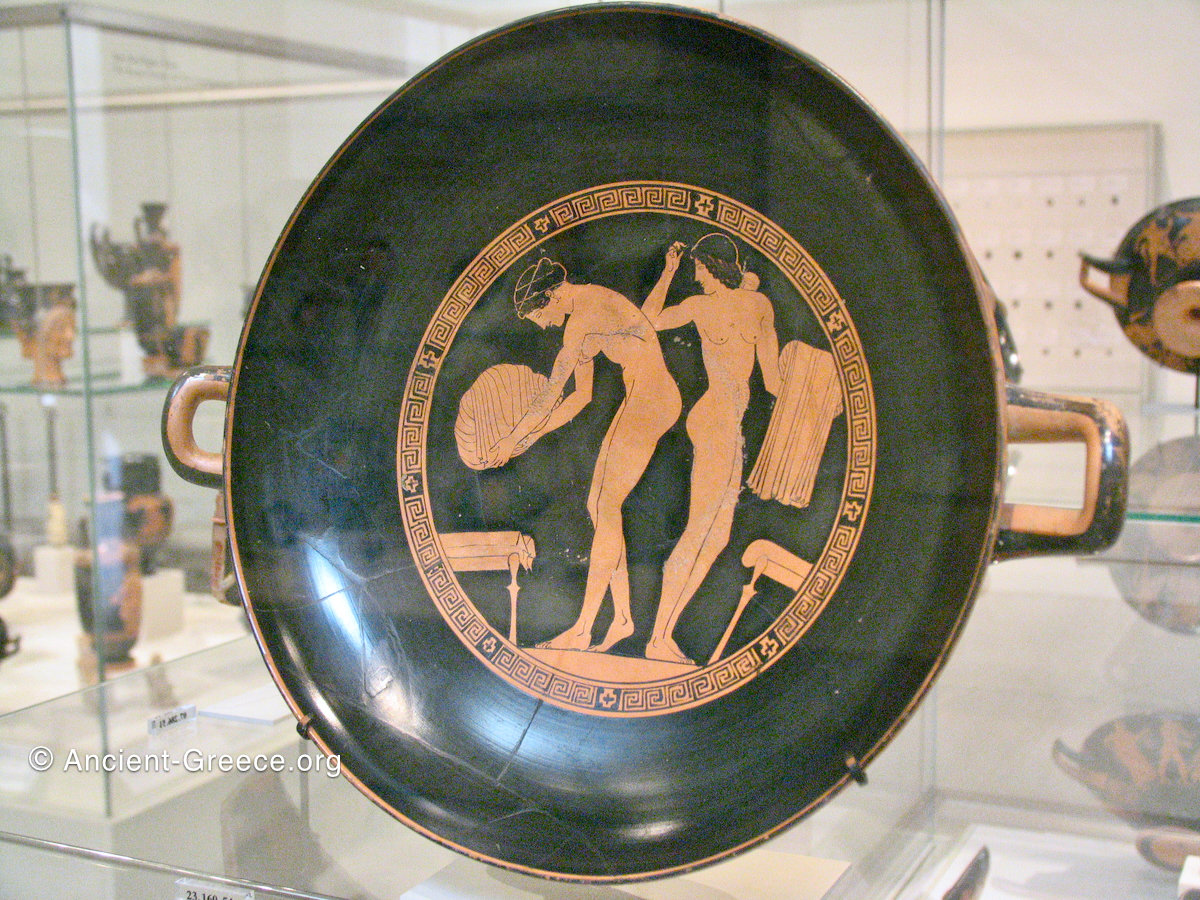
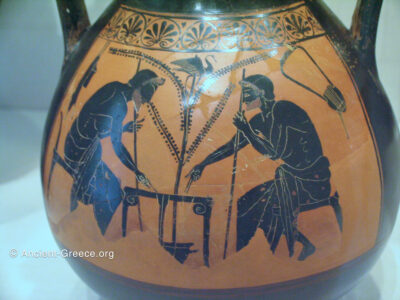
Ancient Greek krater with Chariot decoration.Large Ancient Greek krater with funerary scene. Geometric period, circa 725 BCE.Ancient Greek Krater of the Geometric Period. Decorated with funerary scene. Circa 750 – 735 BCE.Terracotta neck-amphora (storage jar). Second quarter of the 7th c. BCEBlack figure amphora. Black figure style Panathenaic prize amphora with depiction of running athletes. 530 BCE.Black figure wine jar (Pelike) with two men playing a board game. 520 BCE. HydriaTwo Ancient Greek amphorae at the MET. NY, USA.Red figure terracotta hydria (water jar). Circa 340-330 BCE.Red figure krater.Krater with Dionysus and Satyr. Circa 480 BCE.Terracotta Kylix. Circa 470 BCE.
A collection of ceramic vessels from the Geometric to Classical eras.
Ancient Greek Jewelry
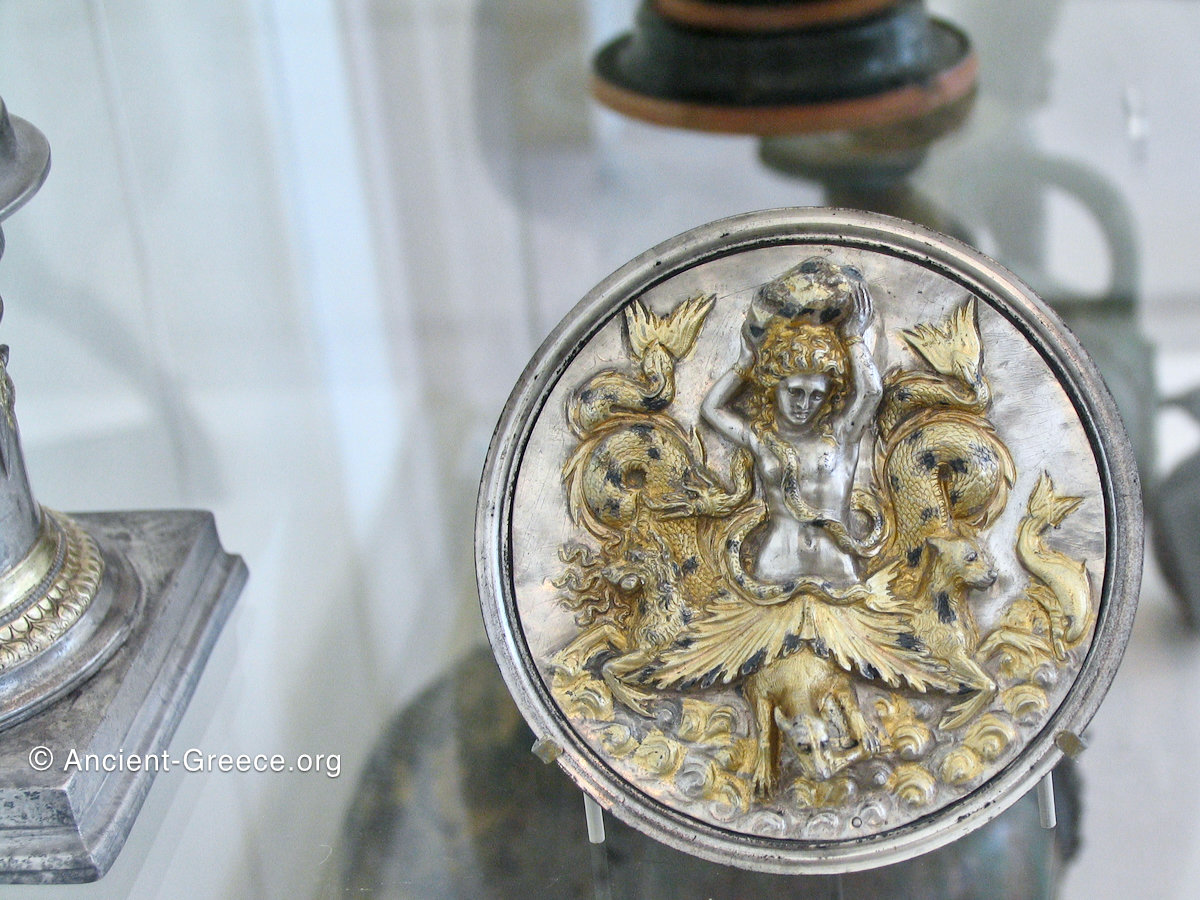
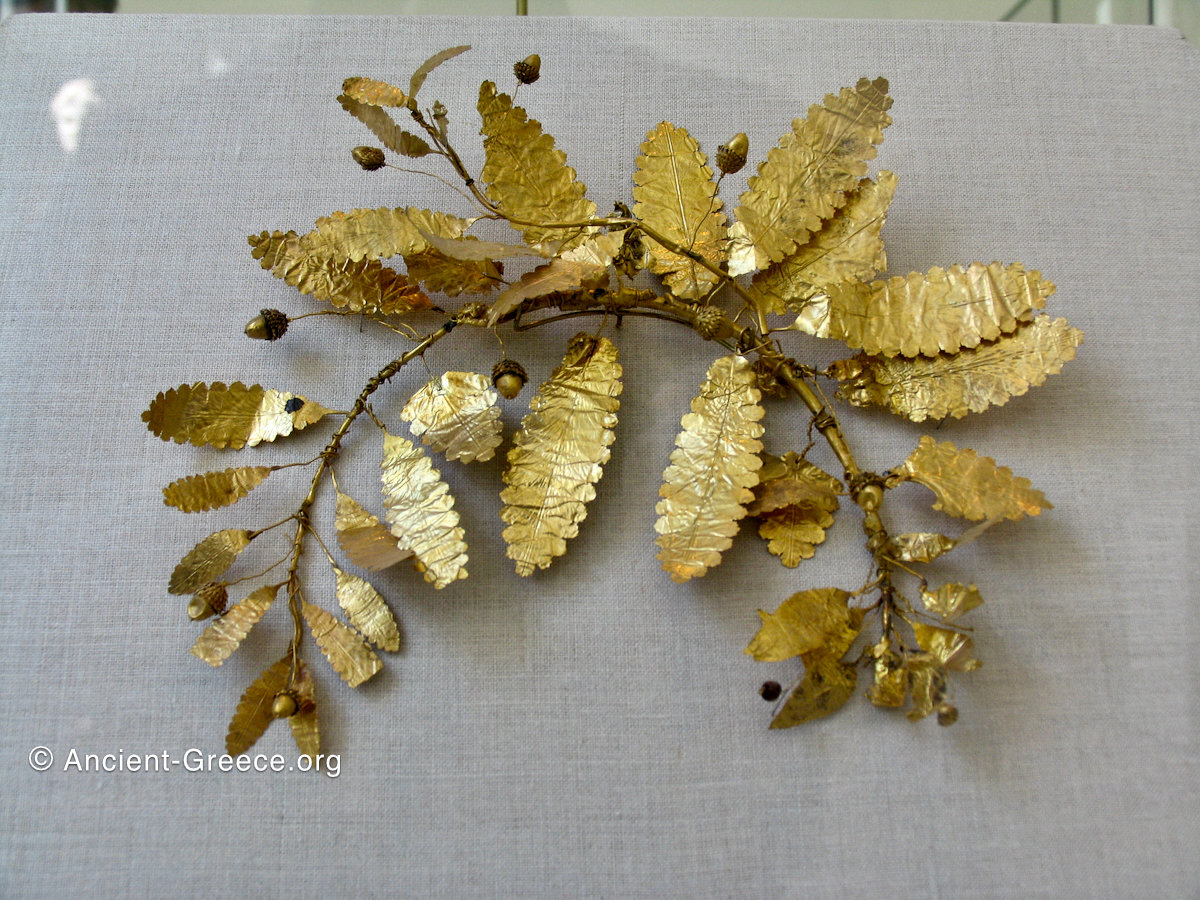
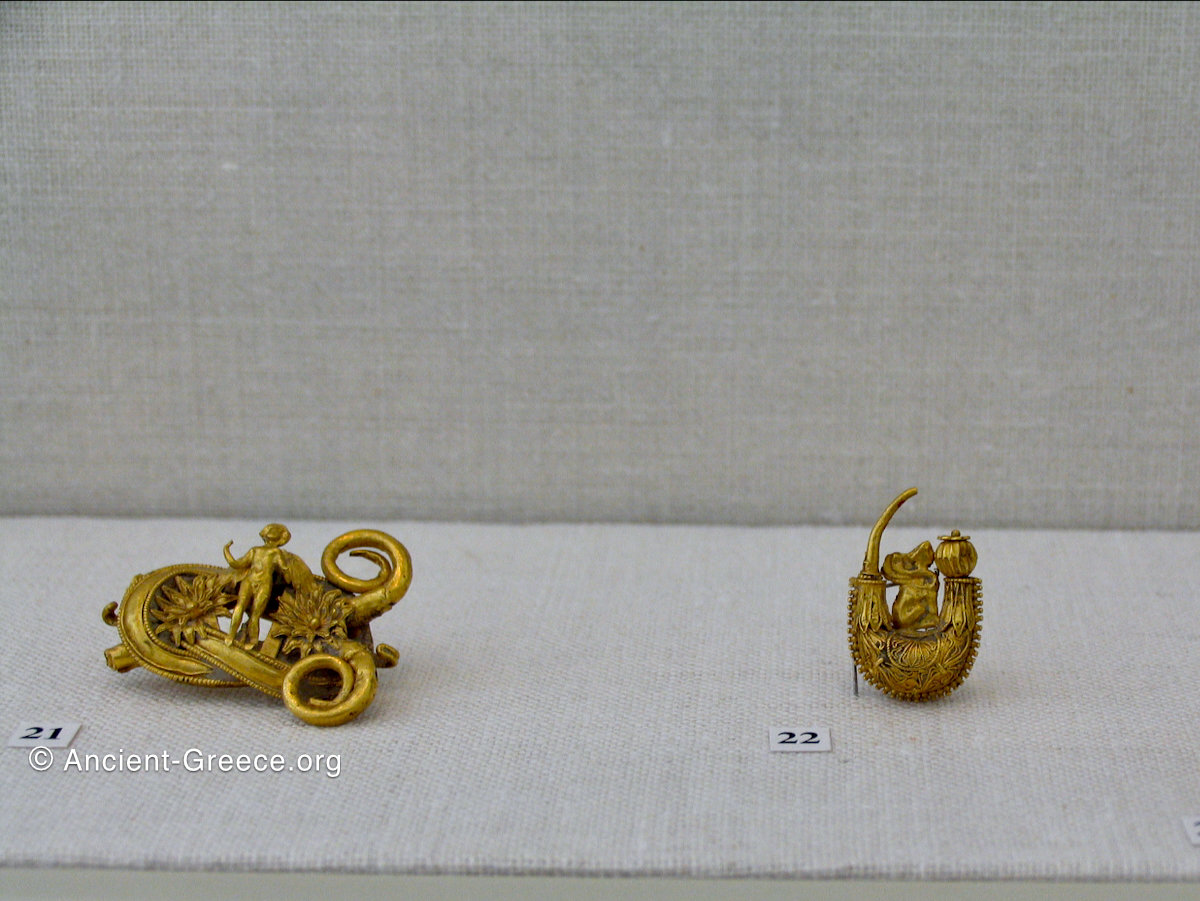
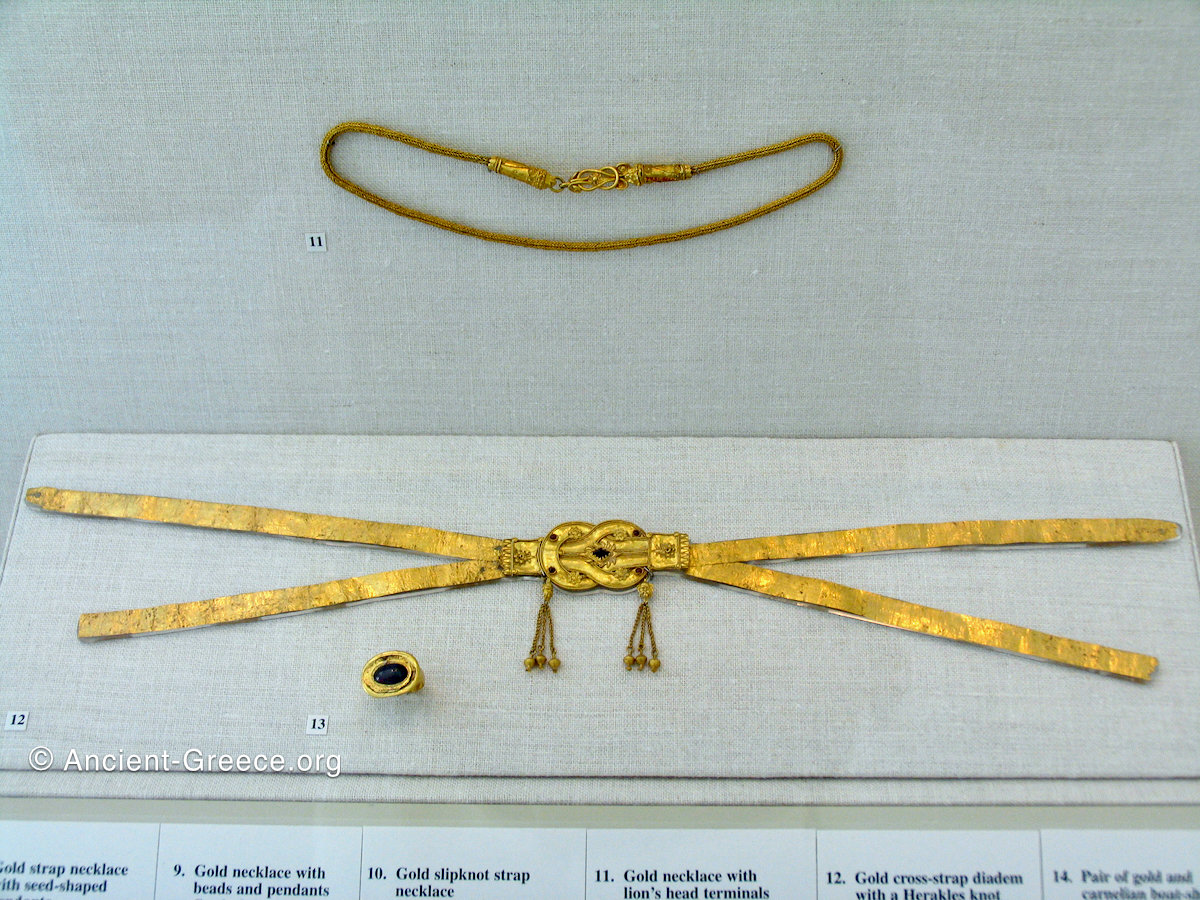
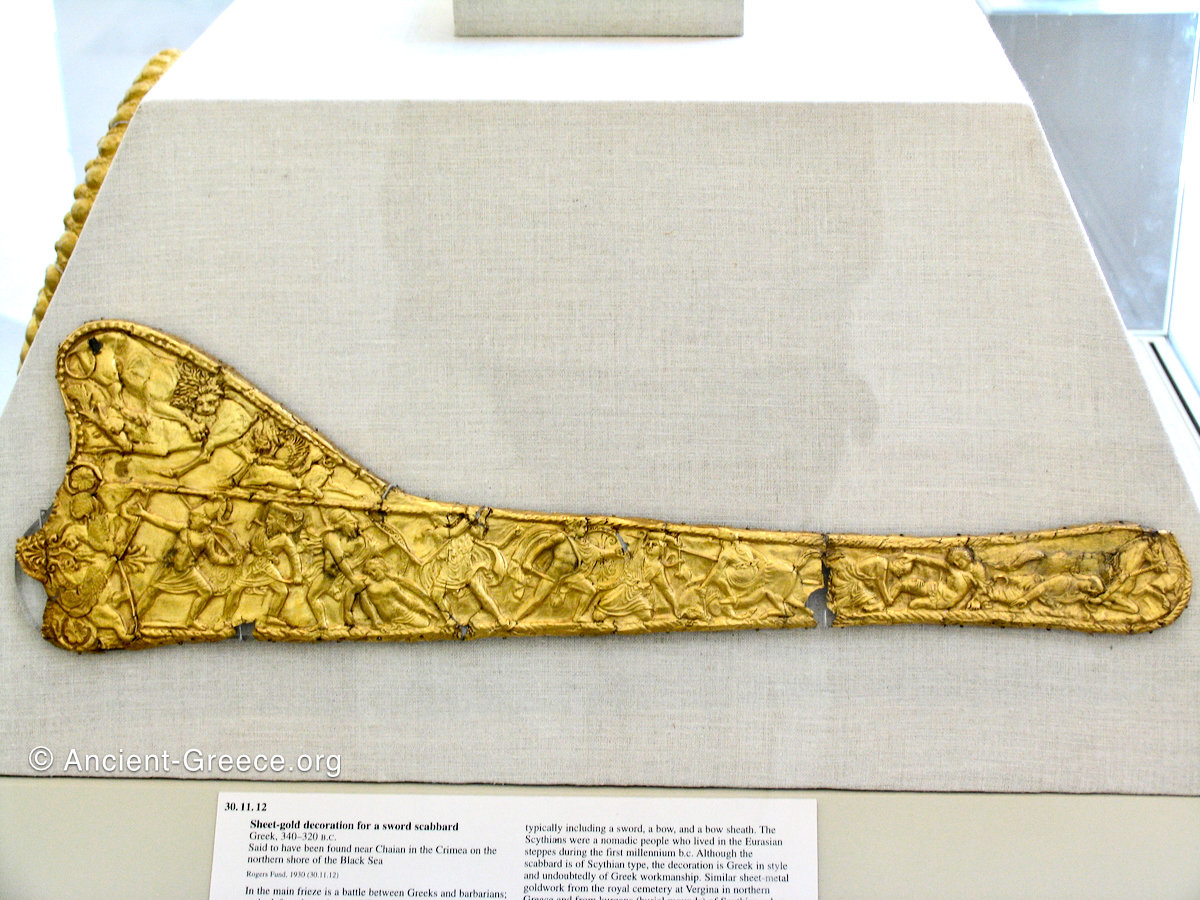
Gilt-silver emblema (medallion) representing Scylla. 3rd century BCE.Gold wreath with oak branches.Gold Jewlery. Boat-shaped earring with a sphinx (right), 375 – 350 BCE. Gold cross-strap diadem with a Herakles knot set with five garnets. Circa 300-250 BCE.Sword scabbard with relief decoration in gold. 340-320 BCE.
Photos of Ancient Greek jewelry exhibited at the MET in New York.
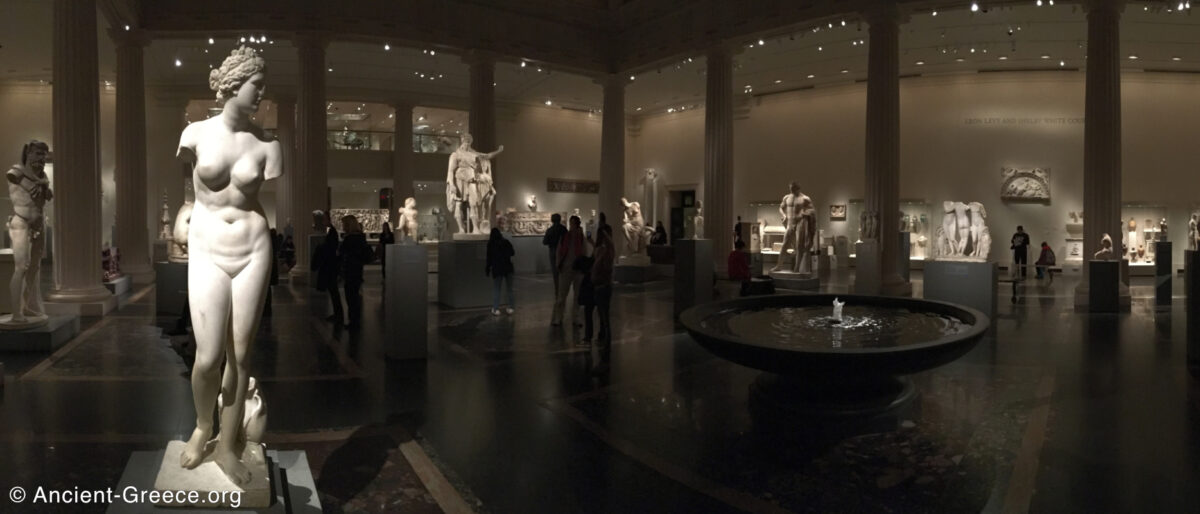
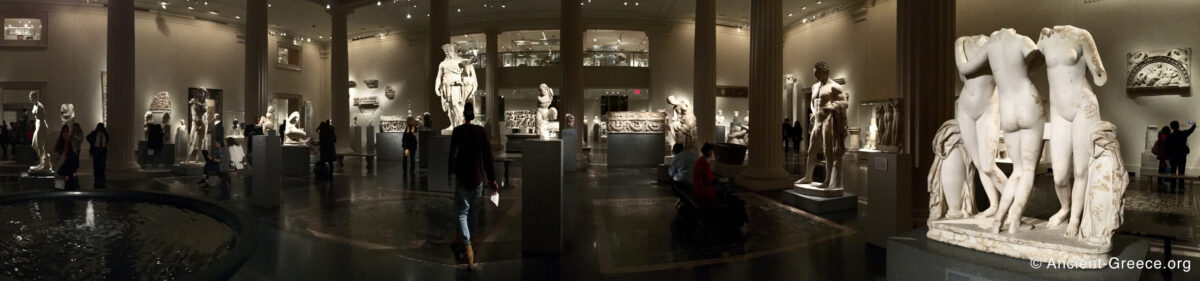
Metropolitan Museum of Art panoramic view of exhibition hall with ancient Greek sculptures. New York, USA.Metropolitan Museum of Art exhibition hall with ancient Greek sculptures. New York, USA.